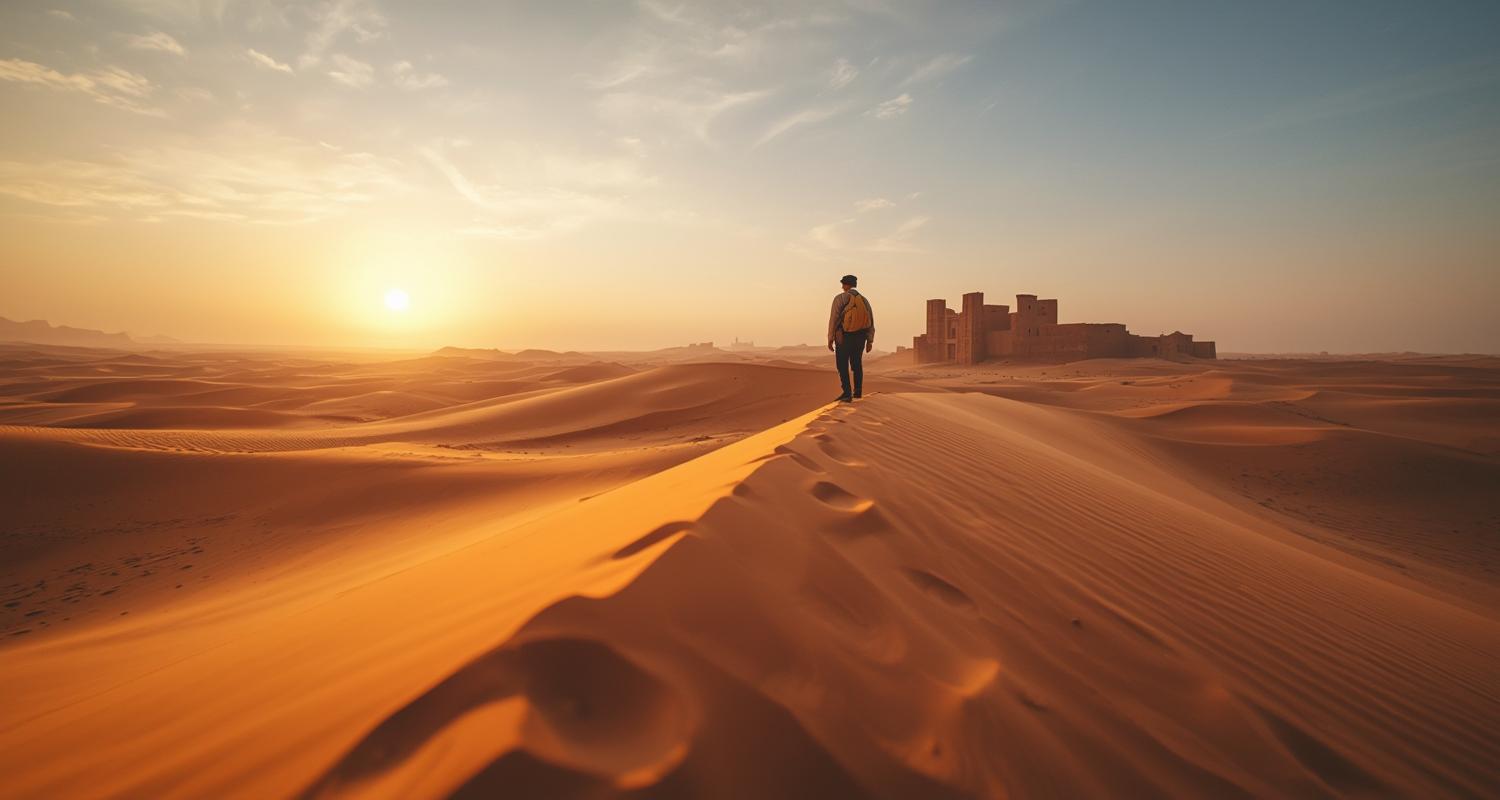
Stepping into the Moroccan Sahara is like entering a vibrant dreamscape, an experience that truly redefines adventure. For many, the highlight of any Moroccan journey revolves around Sahara Desert trips, and for good reason. Imagine endless golden dunes sculpted by the wind, skies painted with a million stars, and the rhythmic sway of a camel beneath you. This isn’t just a landscape; it’s an immersion into a timeless culture and a profound connection with nature. Whether you’re a first-time desert explorer or a seasoned traveler seeking new horizons, understanding what awaits on your Moroccan desert adventure is key to maximizing its magic.
Choosing Your Sahara Desert Trip: Erg Chebbi vs. Erg Chigaga
Your central decision when planning Sahara Desert trips will likely be choosing between Erg Chebbi and Erg Chigaga. Both offer incredible desert experiences but cater to slightly different preferences.
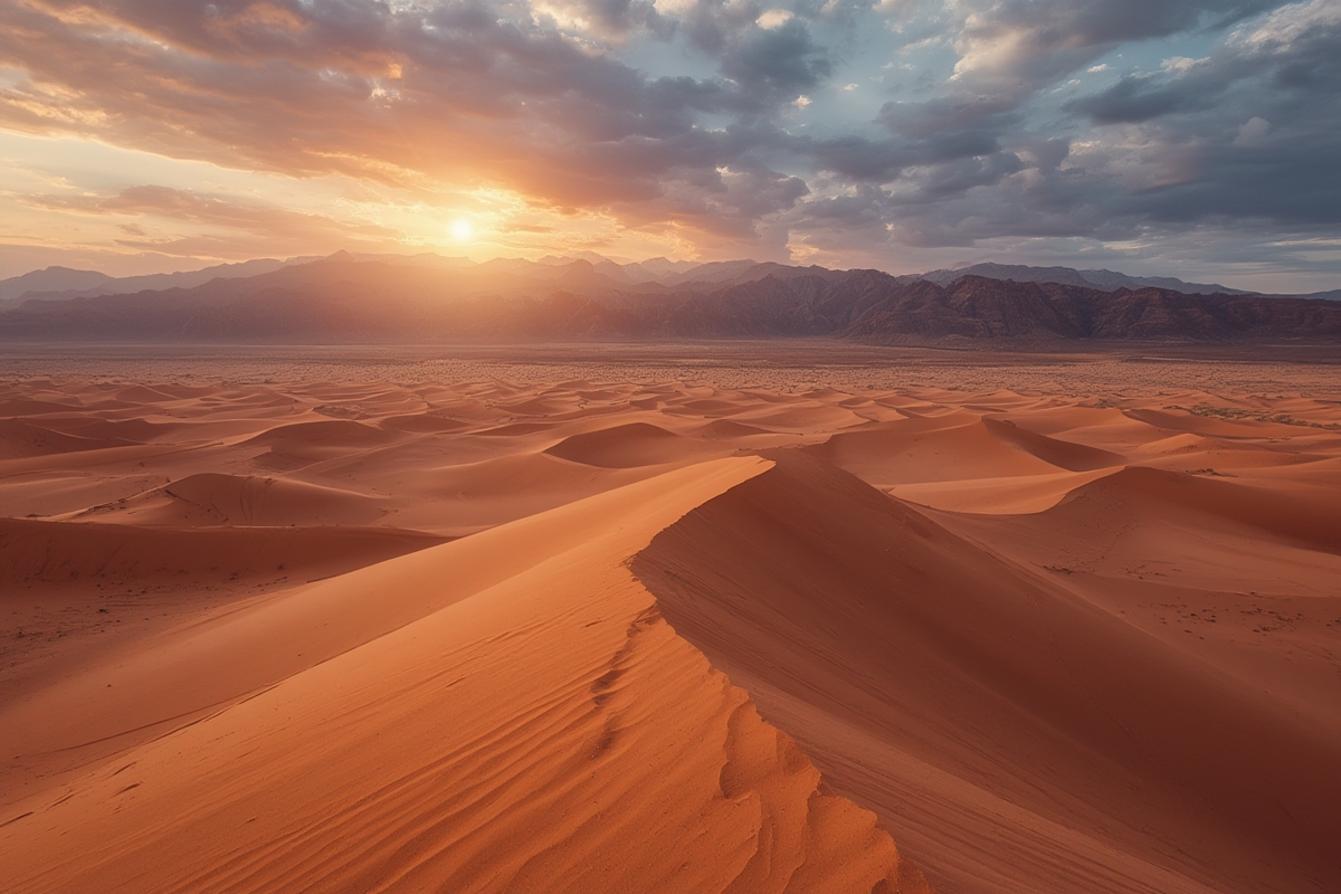
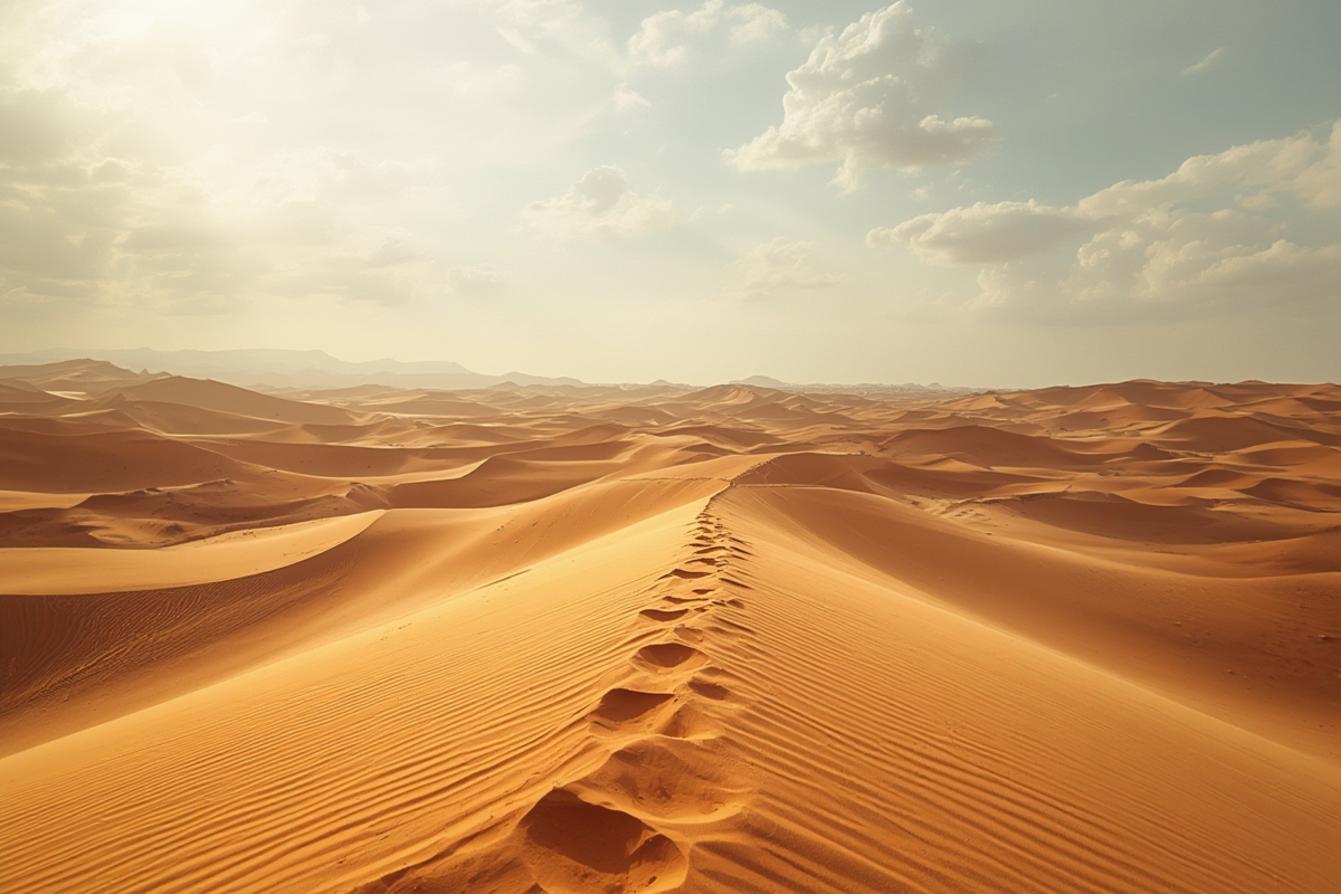
Erg Chebbi, near Merzouga, is often the more accessible and popular choice. Its dunes are famously tall and a striking reddish-orange, especially at sunrise and sunset. This area is generally more developed for tourism, with a wider range of camps from basic to luxury, and easier road access. If you’re looking for iconic towering dunes, a well-trodden path that still feels wild, and perhaps a slightly shorter travel time from major cities like Fes or Marrakech, Erg Chebbi is an excellent option. Getting there usually involves a comfortable drive to Merzouga, followed by a camel trek or 4×4 transfer to your desert camp. The experience here is often lively, with opportunities for quad biking, sandboarding, and experiencing Berber music around a campfire.
Erg Chigaga, on the other hand, is for the more intrepid traveler. Located further south and west, past M’hamid, it’s significantly more remote and less touched by mass tourism. The dunes here are equally impressive, though perhaps not as uniformly high as Erg Chebbi, and they stretch over a vaster area, giving a profound sense of solitude and wilderness. Reaching Erg Chigaga requires a longer 4×4 journey across rocky plains and smaller dunes, often taking a full day from Ouarzazate or Zagora. The camps tend to be wilder and more exclusive, offering a truly unplugged experience. If your idea of Morocco desert tours is about escaping it all, embracing true solitude, and feeling like an early explorer, Erg Chigaga will deliver. The journey itself is a significant part of the adventure.
The Journey to the Dunes: A Cultural Road Trip
Before you even reach the vast expanses of sand, the journey to the desert is an adventure in itself, often stretching over two to three days from Marrakech or Fes. These preparatory legs of your Sahara Desert trips are crucial. From Marrakech, you’ll typically cross the High Atlas Mountains via the stunning Tizi n’Tichka pass, offering breathtaking panoramic views and a chance to witness traditional Berber villages clinging to the mountainsides. You’ll likely pass through Ouarzazate, known as the “Hollywood of Morocco” due to its film studios and the impressive Ait Benhaddou ksar – a UNESCO World Heritage site that has graced countless films.
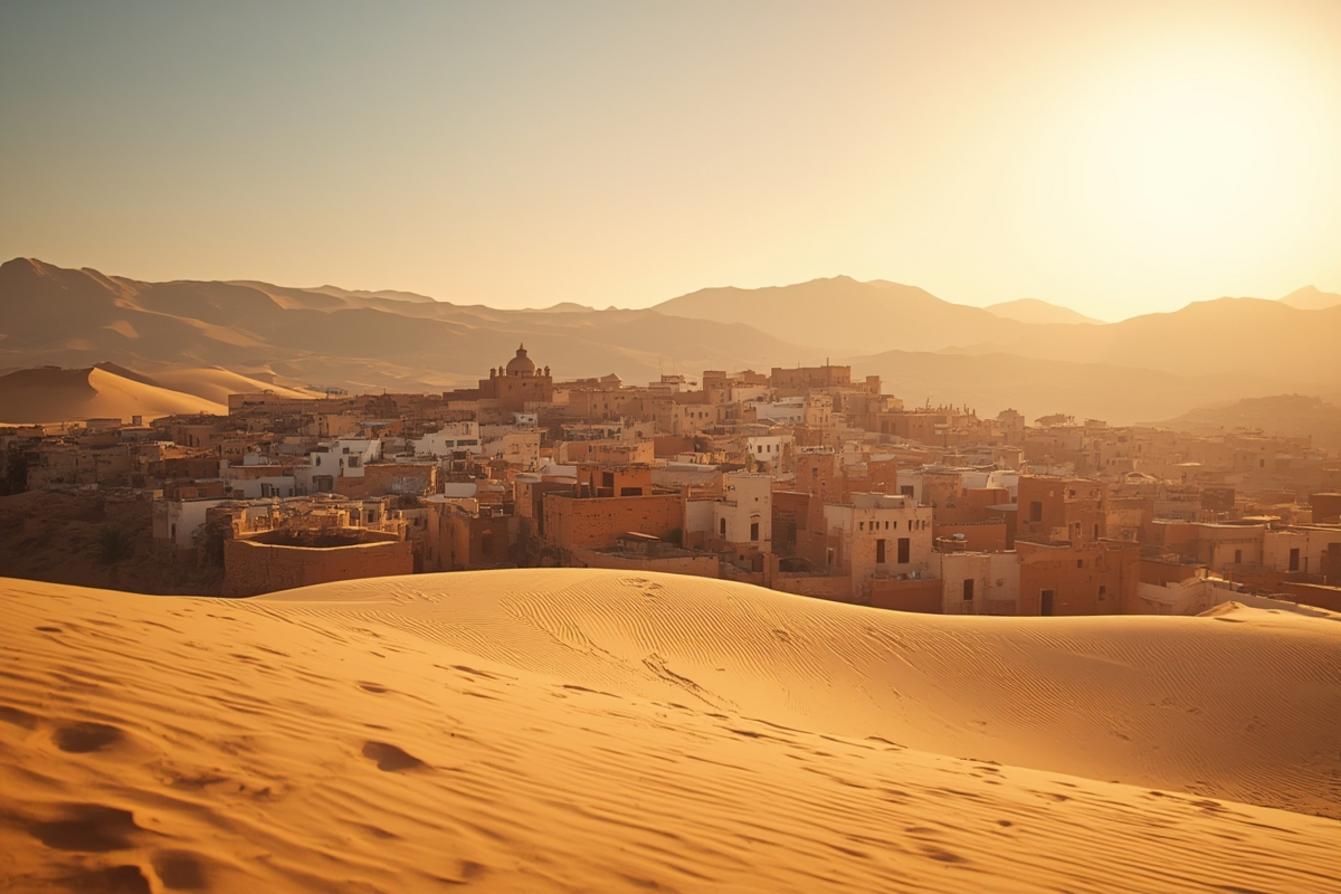
Further along, you’ll enter the Draa or Dades Valleys, characterized by lush green oases and ancient kasbahs (fortified villages) that stand in stark contrast to the surrounding arid landscapes. These overnight stops are not mere layovers; they are opportunities to delve deeper into Moroccan culture, sample local cuisine, and appreciate the diverse topography of the country. Expect to stay in charming guesthouses or riads, often with stunning views, providing a taste of true Moroccan hospitality before you even set foot in the sand. Engaging with local guides and drivers during this leg offers invaluable insights into the traditions and daily life of the communities inhabiting these captivating regions.
Life in a Desert Camp: Nights Under a Million Stars
The heart of any Sahara Desert trip is the overnight stay (or multiple nights) in a desert camp. This is where the magic truly unfolds. As you arrive, often by camel at sunset, the golden light illuminating the dunes creates a scene straight out of a postcard. Camps vary widely, from basic tents with shared facilities to luxurious glamping setups complete with en-suite bathrooms, hot showers, and even Wi-Fi (though often unreliable and best forgotten!).
Regardless of the camp’s luxury level, the core experience remains consistent: immersing yourself in the desert’s profound tranquility. Evenings are typically spent around a flickering campfire, where the staff, often local Berbers, will prepare a delicious traditional Moroccan dinner – think flavourful tagines, fresh salads, and sweet mint tea. Following dinner, prepare for an unforgettable spectacle: the star-studded desert sky. Far from city lights, the Milky Way becomes a brilliant, shimmering band. Many camps also feature live traditional music, with drums and singing filling the crisp night air, inviting guests to join in the rhythm. Sleeping under traditional Berber tents, with the silence of the desert broken only by the gentle desert breeze, is an experience of unparalleled peace. Waking up to the serene glow of a desert sunrise, often with another camel trek, completes the unforgettable cycle.
Essential Gear and Practical Advice for Your Desert Adventure
Preparing adequately for your Sahara Desert trips is crucial for comfort and enjoyment. The desert climate is one of extremes: hot days and surprisingly cold nights, especially in winter.
What to Pack:
- Layers are key: Light, breathable clothing for the day (long sleeves and trousers offer sun protection) and warm layers, including a jacket, hat, and socks, for evenings and early mornings.
- Comfortable closed-toe shoes: Essential for walking on sand and around camp.
- Sun protection: High-SPF sunscreen, sunglasses, and a wide-brimmed hat. A headscarf (cheich) is also invaluable for protecting against sun and sand, and your guides can often show you how to wrap it like a local.
- Small backpack: For daily essentials during treks.
- Water bottle: Stay hydrated!
- Wet wipes/hand sanitizer: Facilities can be basic.
- Portable charger/power bank: Electricity might be limited at camps.
- Camera: For those incredible landscapes, but protect it from sand.
- Small torch or headlamp: Useful for navigating the camp at night.
- Basic first-aid kit: Just in case.
Health and Safety:
- Hydration: Drink plenty of water throughout the day.
- Sun exposure: Minimize direct sun exposure during the hottest parts of the day.
- Listen to your guide: They are experts in desert conditions and local customs.
- Respect local culture: Dress modestly, especially when passing through villages.
- Protect your electronics: Sand can be very fine and get into everything.
- Medication: Bring any personal medications you require.
Booking Your Tour:
It’s highly recommended to book your Sahara Desert trips in advance through a reputable tour operator. This ensures reliable transport, experienced guides, and suitable accommodation. Look for operators with good reviews and transparent itineraries. Many sahara desert trips can be tailored to your preferences, whether you prefer luxury or a more rustic experience, and whether you’re starting from Marrakech or Fes. For a comprehensive overview of options, exploring different morocco desert tours is a great starting point.
Beyond the Dunes: Activities and Experiences in the Moroccan Desert
While the camel treks and star-gazing are quintessential, your desert adventure can offer much more. Many Sahara Desert trips include opportunities to explore the fascinating fringes of the Sahara. These experiences contribute significantly to the richness of your desert journey.
Sandboarding: For the adventurous, trying your hand at sandboarding down the dunes is a thrilling experience, often available at camps in Erg Chebbi. It’s surprisingly similar to snowboarding but with softer landings!
Quad Biking or Buggy Rides: If you prefer a faster pace, quad biking or dune buggy tours are an exhilarating way to explore the vastness of the dunes, offering a different perspective than a camel trek. These are typically available from the edge of the desert, particularly around Merzouga.
Visiting Local Villages: Many tours include stops at local Berber or Gnaoua villages on the edge of the desert. This offers a chance to experience their distinct cultures, listen to traditional music, and learn about their way of life, often including visits to local markets or artisanal cooperatives. For example, Khamlia village near Merzouga is known for its Gnaoua musicians.
Fossil Hunting: The geological history of the Sahara is incredibly rich. In some areas, particularly around Erfoud, you can find ancient marine fossils, a testament to the desert’s past as a sea bed. Some tours might include a stop at a fossil workshop or museum.
Photography: The desert, with its ever-changing light and sculpted landscapes, is a photographer’s paradise. From panoramic dune shots to macro details of desert flora, and stunning astrophotography opportunities, allow plenty of time to capture its beauty.
Navigating the Seasons: When to Visit the Sahara
The best time to undertake Sahara Desert trips depends largely on your tolerance for heat and cold. Generally, the shoulder seasons offer the most comfortable conditions.
Spring (March to May): This is arguably the best time. Temperatures are pleasantly warm during the day (25-35°C / 77-95°F) and cool at night. The desert is usually clear, and there’s a lower chance of sandstorms. This period is popular, so booking well in advance is advisable.
Autumn (September to November): Similar to spring, autumn offers agreeable temperatures, making it a great time for desert exploration. Days are warm, and nights are cool. The light for photography can be particularly beautiful during these months.
Winter (December to February): While days can be sunny and mild (15-25°C / 59-77°F), winter nights in the desert can be surprisingly cold, often dropping to near freezing or even below. If you visit during winter, ensure your camp provides thick blankets and be prepared with very warm clothing. The advantage is fewer crowds and crisp, clear skies.
Summer (June to August): This is the least recommended time to visit. Daytime temperatures can soar well above 40°C (104°F) and often exceed 50°C (122°F), making activities uncomfortable and potentially dangerous. While some brave souls do visit, it’s generally best avoided for safety and comfort reasons.
Conclusion
Embarking on Sahara Desert trips is more than just a destination; it’s a journey into the soul of Morocco, an encounter with timeless landscapes and rich cultural heritage. From the dramatic drive through the Atlas Mountains to the serene moments atop a camel, gazing at infinite constellations, every element contributes to an unforgettable narrative. Preparing for the climate extremes, choosing the right desert region, and embracing the local hospitality will ensure your Moroccan desert adventure is everything you’ve dreamed of and more. It’s an experience that truly stays with you, long after the desert sand has left your shoes.
FAQs
What’s the main difference between Erg Chebbi and Erg Chigaga for Sahara Desert trips?
Erg Chebbi is generally more accessible from major cities like Fes and Marrakech, features famously tall, reddish dunes, and offers a slightly more developed tourist infrastructure. Erg Chigaga is more remote and wild, requiring a longer 4×4 journey, offering a profound sense of solitude and a less touristed experience. Both offer stunning dunes and camel trekking.
How many days are typically needed for a good Sahara Desert trip?
Most popular Sahara Desert trips from major cities like Marrakech or Fes are 3 days and 2 nights. This allows for comfortable travel to the edge of the desert, one night in a desert camp, and the return journey, often with stops at key attractions along the way. Longer trips of 4 to 5 days allow for deeper exploration and more time in the desert.
Is it safe to do a solo Sahara Desert trip as a female traveler?
Morocco is generally safe for female travelers, and reputable desert tour operators prioritize safety and comfort for all guests. When booking Sahara Desert trips, choose a well-reviewed company with professional guides and drivers. While the desert camps are secure, always exercise caution and maintain awareness of your surroundings, just as you would in any unfamiliar setting.
What should I wear for a camel trek in the Sahara Desert?
For a camel trek, wear comfortable, loose-fitting clothes that cover your arms and legs to protect from the sun and sand. Long trousers are highly recommended to prevent chafing from the camel saddle. A wide-brimmed hat, sunglasses, and a headscarf (cheich) are essential for sun protection. Closed-toe shoes are also preferred over sandals.



 Covers cities, coast, mountains, desert & food