Stepping onto the vast, silent expanse of the Sahara Desert is an experience that transforms even the most seasoned traveler. A sahara desert trip in Morocco promises ancient landscapes, starry skies that defy imagination, and a profound connection to a timeless way of life. But like any grand adventure, preparation is key. This guide is designed to equip you with the essential tips for making your Moroccan desert odyssey not just memorable, but truly seamless and spectacular. From what to pack to choosing the right tour, we’re covering all the bases so you can fully immerse yourself in the magic.
Navigating Tour Options: Erg Chebbi vs. Erg Chigaga
When planning your sahara desert trip, one of the first decisions you’ll face is choosing which dune sea, or “erg,” to visit. Morocco boasts two primary desert destinations accessible from the more touristed cities: Erg Chebbi and Erg Chigaga.
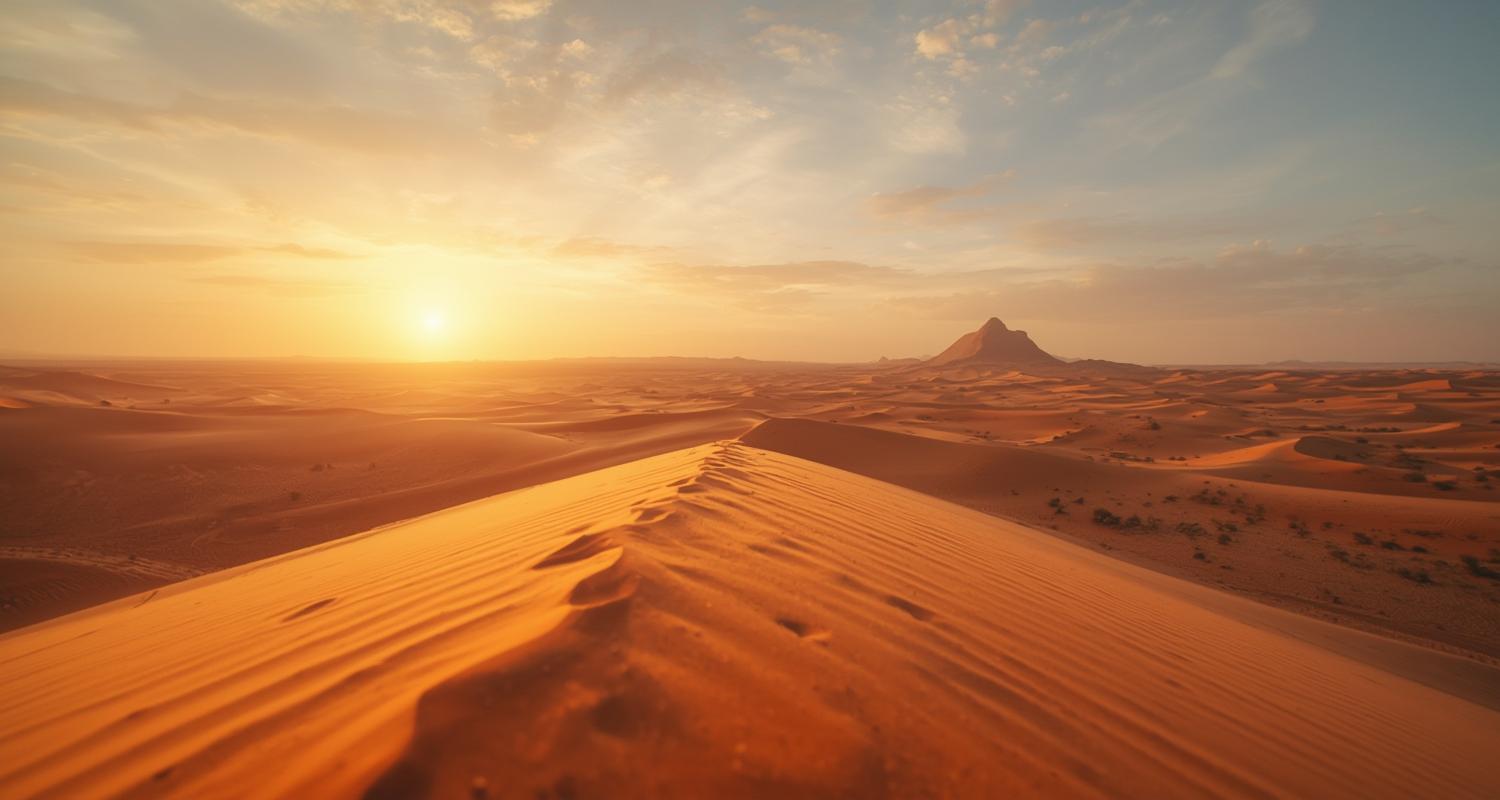
Erg Chebbi, near Merzouga, is the more famous and visually iconic of the two, renowned for its towering, reddish-orange dunes that stretch for miles. Its accessibility means a wider range of accommodation, from luxury camps to more budget-friendly options, and it’s generally easier to reach from Fes or Marrakech via well-established routes. The infrastructure around Merzouga is more developed, offering amenities and services that can make a desert visit smoother. Expect camel treks, sandboarding opportunities, and vibrant Berber culture. While popular, it’s still possible to find moments of serene isolation, especially if you opt for a sunrise or sunset trek away from the main camp areas.
Erg Chigaga, on the other hand, lies further west, deep within the Draa Valley, and is significantly more remote. Reaching these vast, wild dunes typically requires a 4×4 vehicle for the final leg of the journey, making it a more rugged and adventurous choice. The dunes of Erg Chigaga are less uniform, often a mix of sand and rock, lending a different geological character to the landscape. Due to its remoteness, the camps here are generally fewer, more spread out, and often offer a more rustic, off-the-grid experience. If you’re seeking profound solitude, a greater sense of untouched wilderness, and don’t mind a longer, more challenging drive, Erg Chigaga might be your ideal desert escape. Both offer incredible stargazing and cultural immersion, but their “feel” is distinctly different.
Crafting Your Desert Itinerary: Duration and Starting Points
The length of your desert adventure significantly impacts what you’ll experience. A sahara desert trip typically ranges from two nights/three days to three nights/four days, starting from major Moroccan cities like Marrakech or Fes.
A 2-night/3-day trip is often the most popular choice, striking a good balance between immersion and time efficiency. For example, leaving Marrakech, you’ll likely spend the first day driving through the High Atlas Mountains, visiting Ait Benhaddou and Ouarzazate, and potentially ending the day near the Dades or Todra Gorges. The second day involves the drive into the desert, a camel trek to your camp, dinner, and stargazing. The third day is typically the return journey. While this option offers a taste of the desert and Moroccan landscapes, it involves significant driving time each day.
For a deeper dive, consider a 3-night/4-day itinerary. This allows for slower travel, more exploration stops along the way, and, crucially, an extra night in or near the desert. An additional night could mean a full day exploring the desert surroundings – visiting local Berber villages, exploring oases, or simply relaxing at your camp. It significantly reduces the feeling of being rushed, especially on the long drives. Travelers often appreciate the opportunity to break up the journey and spend an extra night in places like Skoura Oasis, Dades Valley, or even a traditional guesthouse before heading into the dunes.

Starting points are also crucial. Marrakech is a very common departure point, offering diverse routes through the Atlas Mountains. Fes is another popular choice, particularly for reaching Erg Chebbi, with a more direct, though still scenic, route. Some tours might even offer a one-way option, departing from Fes and ending in Marrakech (or vice versa), which is excellent for travelers who want to see more of the country without retracing their steps. Consider your overall Morocco itinerary when deciding on your starting and ending points to optimize travel time and minimize backtracking.
Packing Smart for Desert Comfort and Safety
Packing for a morocco sahara tour requires a strategic approach, blending practicality with a touch of comfort for varying conditions. Days in the desert can be surprisingly warm, even hot, while nights can drop significantly, especially in colder months.
Here’s a breakdown of essentials:
Clothing:
- Layers are paramount: Think lightweight, breathable fabrics like cotton or linen for daytime. Long sleeves and pants offer protection from the sun and sand.
- Warm layers for night: A fleece, a warm jacket, and even thermal underwear are crucial, particularly outside of peak summer. Even in spring and autumn, desert nights are chilly.
- Scarf/Shemagh: An absolute must-have. It protects your face and neck from sun, wind, and sand, and can be fashioned into a head covering. You can buy one locally, often before you enter the desert, which can be a fun cultural experience.
- Comfortable shoes: Closed-toe shoes are best for walking in the sand and around camp. Sandals might be welcome for short walks around the camp but aren’t ideal for longer treks.
- Swimwear: If your accommodation has a pool (some desert camps or hotels en route do), you might appreciate it.
Sun Protection:
- High-SPF sunscreen: Applied liberally and frequently.
- Wide-brimmed hat: Essential for shielding your face and neck.
- Sunglasses: Protect your eyes from intense glare and sand.
Health & Hygiene:
- Personal medications: Don’t forget any prescriptions.
- Basic first-aid kit: Band-aids, antiseptic wipes, pain relievers, motion sickness medication (if prone to it on winding mountain roads).
- Hand sanitizer: Water can be scarce.
- Wet wipes: Invaluable for quick freshen-ups.
- Lip balm with SPF: Desert air is drying.
Miscellaneous:
- Small backpack/daypack: For daily essentials during treks and activities.
- Reusable water bottle: Essential for staying hydrated. Many camps offer filtered water.
- Power bank: Charging points can be limited, especially in basic camps.
- Headlamp/flashlight: For navigating camp at night and finding your way back from stargazing sessions.
- Camera and extra batteries/memory cards: You’ll want to capture the incredible scenery.
Remember to pack light. Many tours have limited luggage space, and you’ll appreciate not hauling unnecessary items across the desert. Leave large suitcases at your starting city hotel if possible, and just bring a small overnight bag for your desert adventure.
The Magic of Desert Encounters: Stargazing, Culture, and Activities
Beyond the stunning landscapes, a sahara desert trip is rich with unique experiences that connect you to the desert’s soul. The nights, in particular, are transformative. Far from city lights, the celestial display is simply breathtaking. Stargazing in the Sahara is often cited as one of the highlights by travelers. Lying on a blanket of dunes, watching the Milky Way arc across the inky sky, listening to the silence punctuated only by the soft desert breeze, creates an unforgettable connection to the universe. Many camps will offer opportunities for this, and some guides might even be able to point out constellations.
Cultural immersion is another cornerstone of a Moroccan desert experience. You’ll likely interact with local Berber communities, whose lives are deeply interwoven with the Sahara. This might involve enjoying traditional Berber music around a campfire, sipping sweet mint tea, or even visiting a local village to learn about their customs and history. Many guides are eager to share their heritage, so ask questions and engage! This exchange offers a profound insight into a resilient culture that has thrived in this harsh environment for centuries.

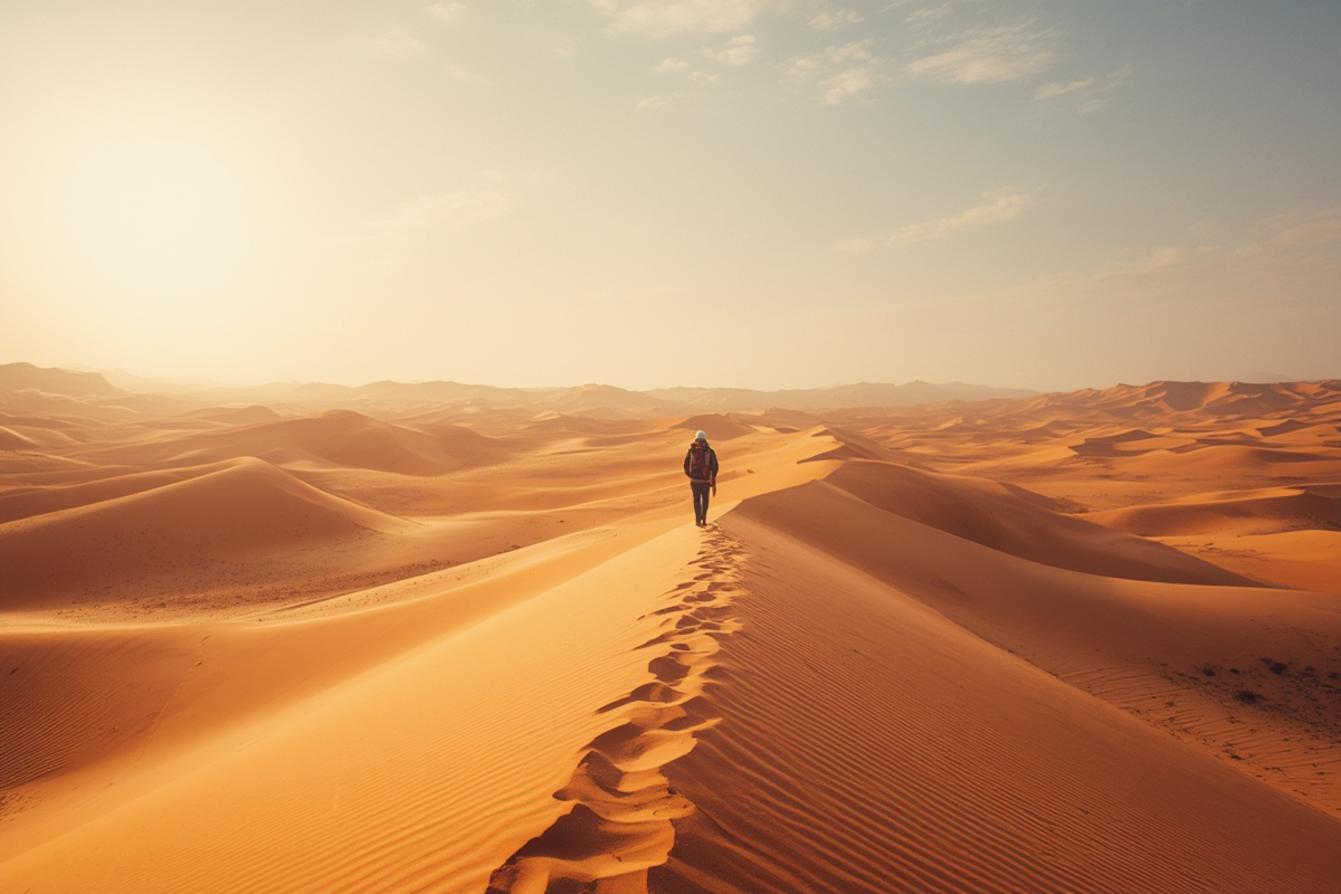
Beyond the cultural and celestial, the desert offers several engaging activities. Camel trekking, of course, is the quintessential desert experience, providing a rhythmic journey across the dunes at a gentle pace. It’s an iconic way to reach your desert camp, often timed perfectly to catch the sunset or sunrise. For the more adventurous, sandboarding down the dramatic slopes of the dunes offers a thrilling rush. Quad biking or dune buggies can also be arranged through some camps for an adrenaline-fueled exploration of the desert edges. Don’t forget simply taking time to walk the dunes, feeling the fine sand beneath your feet, and absorbing the profound silence and expansive views. Each activity offers a different perspective on the vastness and beauty of the Sahara. You can find more incredible activities and things to do in Morocco, which often complement a desert trip, at this link: sahara desert trip.
Choosing Your Camp: Comfort Levels and Authenticity
The type of desert camp you choose significantly impacts your overall morocco sahara tour experience. Camps range widely in terms of comfort, facilities, and price. Understanding these differences will help you select the ideal setting for your adventure.
Standard or Basic Camps: These camps offer a more traditional, rustic experience. Tents are typically made of camel hair or sturdy fabric, providing basic shelter. Beds are usually mattresses on the floor with blankets. You can expect shared toilet facilities, often basic pit toilets, and limited, if any, showers. Lighting is usually via kerosene lamps or solar-powered lights. While basic, these camps often provide a deeply authentic experience, focusing more on the connection with nature and local Berber culture, along with incredible stargazing due to minimal light pollution. Food is usually simple but hearty, served communally.
Mid-Range Camps: These camps offer a noticeable upgrade in amenities. Tents are often larger, with proper beds and linens. You might find private, or at least dedicated, flush toilets and showers (sometimes with limited hot water) per tent or a small cluster of tents. Common areas are more comfortable, sometimes with dedicated lounges or dining tents. While still maintaining a desert aesthetic, they offer more creature comforts that can make the experience more enjoyable for those less accustomed to rustic travel. Solar power often provides more consistent lighting.
Luxury Camps: These are the epitome of desert indulgence. Think spacious, beautifully decorated tents that sometimes resemble boutique hotel rooms, complete with en-suite bathrooms, hot showers, and even flushing toilets. Some even feature plush carpets, elegant furnishings, and air conditioning/heating. Gourmet meals, often served in a dedicated dining tent or under the stars, and exceptional service are standard. They offer a “glamping” experience, allowing you to enjoy the desert’s beauty without sacrificing modern comforts. While these come with a higher price tag, they provide an unparalleled level of relaxation and luxury in a seemingly remote setting. For a deeper dive into the world of luxury desert experiences, this resource on a morocco sahara tour offers great insights.
When choosing, consider your budget, your tolerance for rustic conditions, and your desire for authenticity versus comfort. Regardless of the type, reliable camps prioritize traveler safety and well-being.
Essential Logistics and Navigating Your Desert Journey
Successfully navigating your sahara desert trip involves paying attention to some key logistical details well in advance. Planning ahead ensures a smooth and enjoyable experience, allowing you to focus on the magic of the desert rather than travel hiccups.
Booking Your Tour: It’s almost always advisable to book your desert tour in advance, especially during peak seasons (spring and autumn). You can book through reputable tour operators based in Marrakech or Fes, or often through your accommodation in those cities. When booking, clarify what’s included (transport, meals, activities, guides, accommodation) and what’s not, to avoid surprises. Read reviews to ensure the operator has a good reputation for safety and quality.
Transportation: Most desert tours include transport, typically by comfortable mini-vans or 4×4 vehicles, depending on the destination (Erg Chigaga almost always requires a 4×4). This is beneficial as road conditions can vary, and having an experienced local driver who knows the terrain is invaluable. If you choose to self-drive, ensure your vehicle is suitable for long distances on varying roads, and be extremely cautious once you approach desert areas, as navigation can be tricky.
Communication & Internet: While many guesthouses and hotels along the route will have Wi-Fi, once you’re in the desert camps, connectivity is often limited or non-existent. Embrace this as an opportunity to disconnect! Some luxury camps might offer satellite Wi-Fi, but expect it to be slow and potentially costly. Inform loved ones that you might be offline for a few days.
Money: Carry some small denominations of Moroccan Dirham (MAD) for tips, buying local crafts from street vendors, or for any personal expenses not covered by your tour. While some larger guesthouses might accept cards, cash is king, especially in more remote areas. It’s best to handle major currency exchanges in cities like Marrakech or Fes.
Dietary Needs: If you have dietary restrictions or allergies, communicate these clearly and well in advance to your tour operator. Moroccan cuisine is generally adaptable, and many camps are accustomed to catering to various needs, but prior notice is crucial for them to make appropriate arrangements.
Hydration: Always carry more water than you think you’ll need. The desert climate, even if not scorchingly hot, is extremely dry. Most camps will provide bottled water or filtered water, but it’s good practice to have your own supply, especially during daytime excursions.
By carefully considering these logistics, you can set yourself up for a stress-free and truly magnificent adventure into the Moroccan Sahara.
Conclusion
Embarking on a sahara desert trip in Morocco is more than just a vacation; it’s a journey into a realm of profound natural beauty, ancient traditions, and unparalleled tranquility. From the dramatic dunes of Erg Chebbi to the remote wilderness of Erg Chigaga, and from starlit nights to warm cultural encounters, the Sahara leaves an indelible mark on all who visit. By following these essential tips – choosing the right tour, packing thoughtfully, understanding the cultural nuances, and managing logistics – you’re well on your way to experiencing the magic of this extraordinary landscape. Prepare to be captivated and to create memories that will echo long after you’ve left the golden sands behind.
FAQs
What is the best time of year for a Sahara Desert trip?
The best times for a Sahara Desert trip are spring (March to May) and autumn (September to November). During these months, temperatures are milder and more comfortable for trekking and sleeping in the desert. Summer (June to August) can be extremely hot, while winter (December to February) brings very cold nights, though days can be pleasant.
How do I choose between Erg Chebbi and Erg Chigaga for my desert tour?
Erg Chebbi, near Merzouga, is known for its iconic, towering orange dunes, is more accessible, and offers a wider range of camps. It’s ideal for first-time desert visitors or those with less time. Erg Chigaga is more remote and rugged, requiring a 4×4 to reach, and offers a deeper sense of wilderness and solitude, appealing to more adventurous travelers.
What should I wear for a camel trek in the desert?
For a camel trek, wear comfortable, loose-fitting clothing that covers your arms and legs to protect from sun and sand. Long pants and a long-sleeved shirt made of breathable fabric (like cotton or linen) are ideal. Bring closed-toe shoes and a scarf (shemagh) to protect your face and neck from sun and wind.
Is it safe to travel to the Sahara Desert in Morocco?
Yes, generally, a Sahara Desert trip in Morocco is very safe. Reputable tour operators prioritize traveler safety, employing experienced local guides and drivers. It’s always wise to exercise standard travel precautions, such as safeguarding your valuables and staying with your group. Being prepared for the desert environment (e.g., staying hydrated, sun protection) also contributes to a safe experience.



 Covers cities, coast, mountains, desert & food