
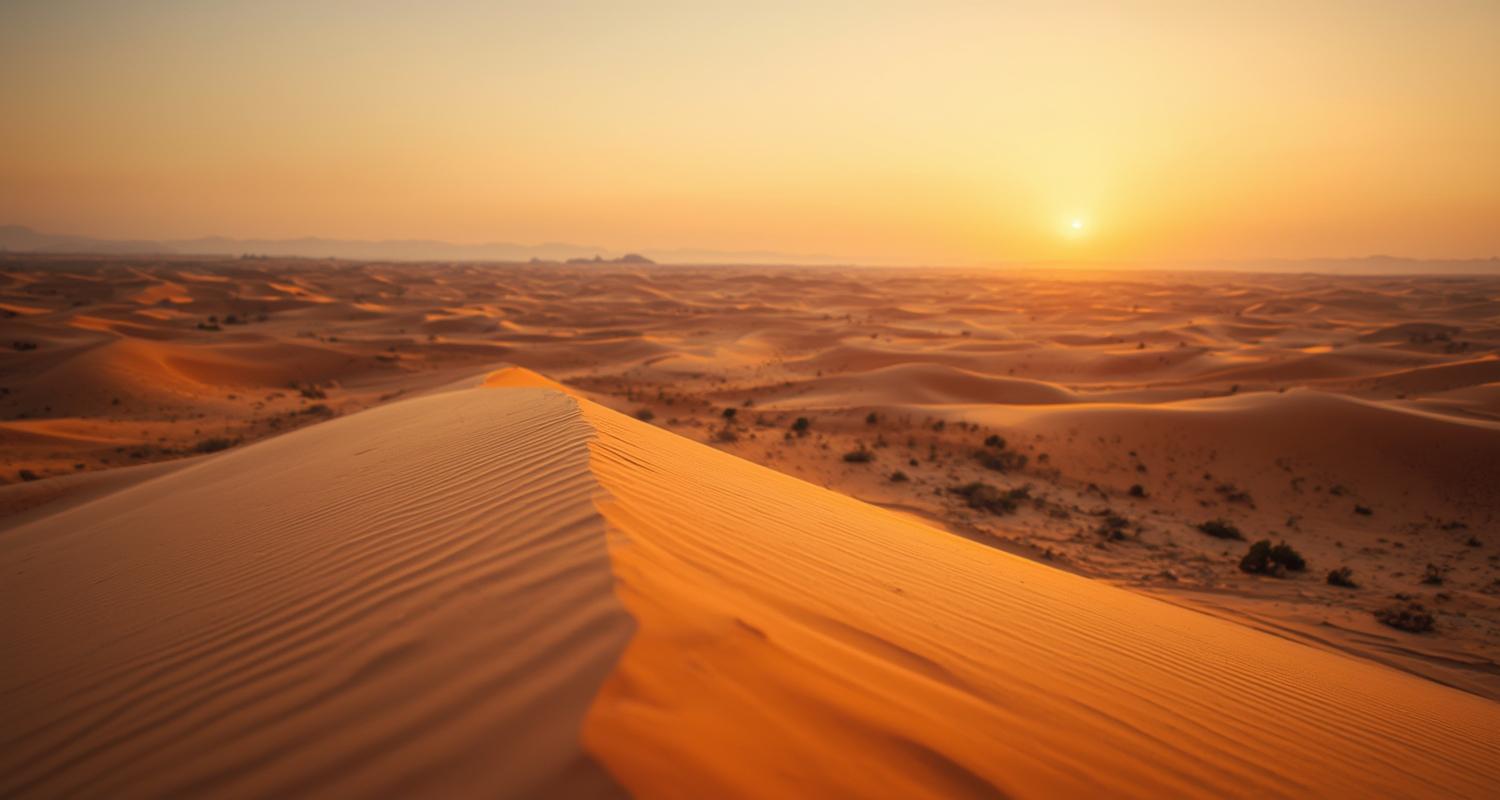
Stepping into the vast, golden expanse of the Sahara Desert is an experience that transcends mere travel; it’s an adventure that etches itself into your soul. A sahara desert morocco trip promises not just breathtaking scenery but a profound cultural immersion and a journey back to a slower, more elemental way of life. If you’re contemplating this unforgettable Moroccan odyssey, you’re in for a treat. This guide will walk you through what to expect, ensuring your desert dreams become a spectacular reality.
Navigating from the Oasis Edge: Gateway Towns and Desert Access
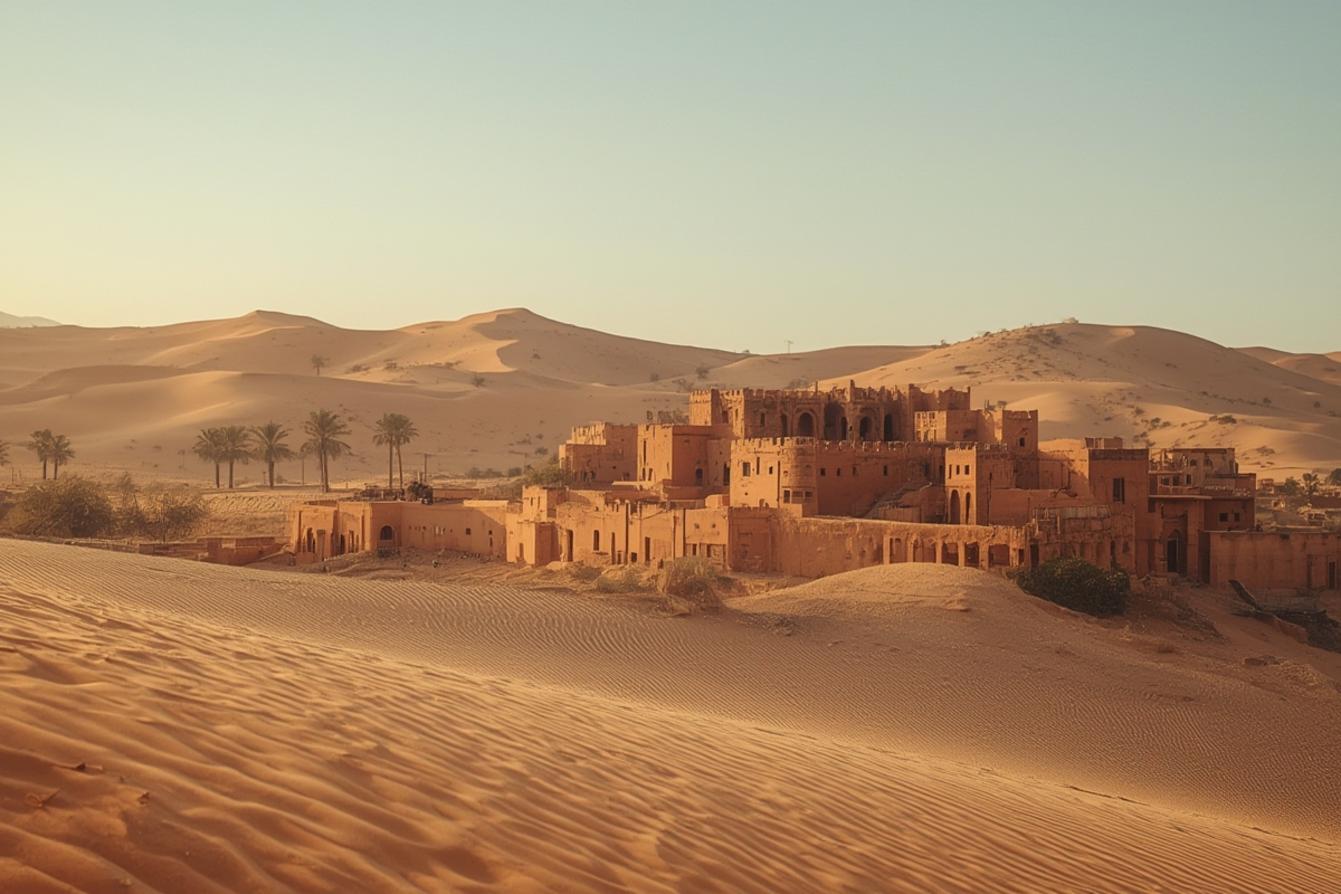
Your grand Sahara Desert adventure typically begins long before you even catch your first glimpse of a towering dune. The main gateways into the Moroccan Sahara are often the charming towns that fringe its western edge. Merzouga, with its iconic Erg Chebbi dunes, and M’hamid El Ghizlane, leading into Erg Chigaga, are the primary starting points for most desert excursions. Reaching these remote outposts often involves a multi-day journey from major cities like Marrakech or Fes, or even further afield from places like Casablanca.
The drive itself is part of the experience, winding through the High Atlas Mountains with their dramatic peaks and verdant valleys, past ancient Kasbahs like Aït Benhaddou, and through palm groves that suddenly appear like emerald ribbons in an otherwise arid landscape. You’ll witness the country’s diverse geography unfold before your eyes, a stark contrast to the endless sands awaiting you. Planning this transit is crucial; most tours include transport, but independent travelers will need to arrange buses or shared taxis to reach their chosen desert camp departure point.
Life Among the Dunes: Overnight Stays and Camp Experiences
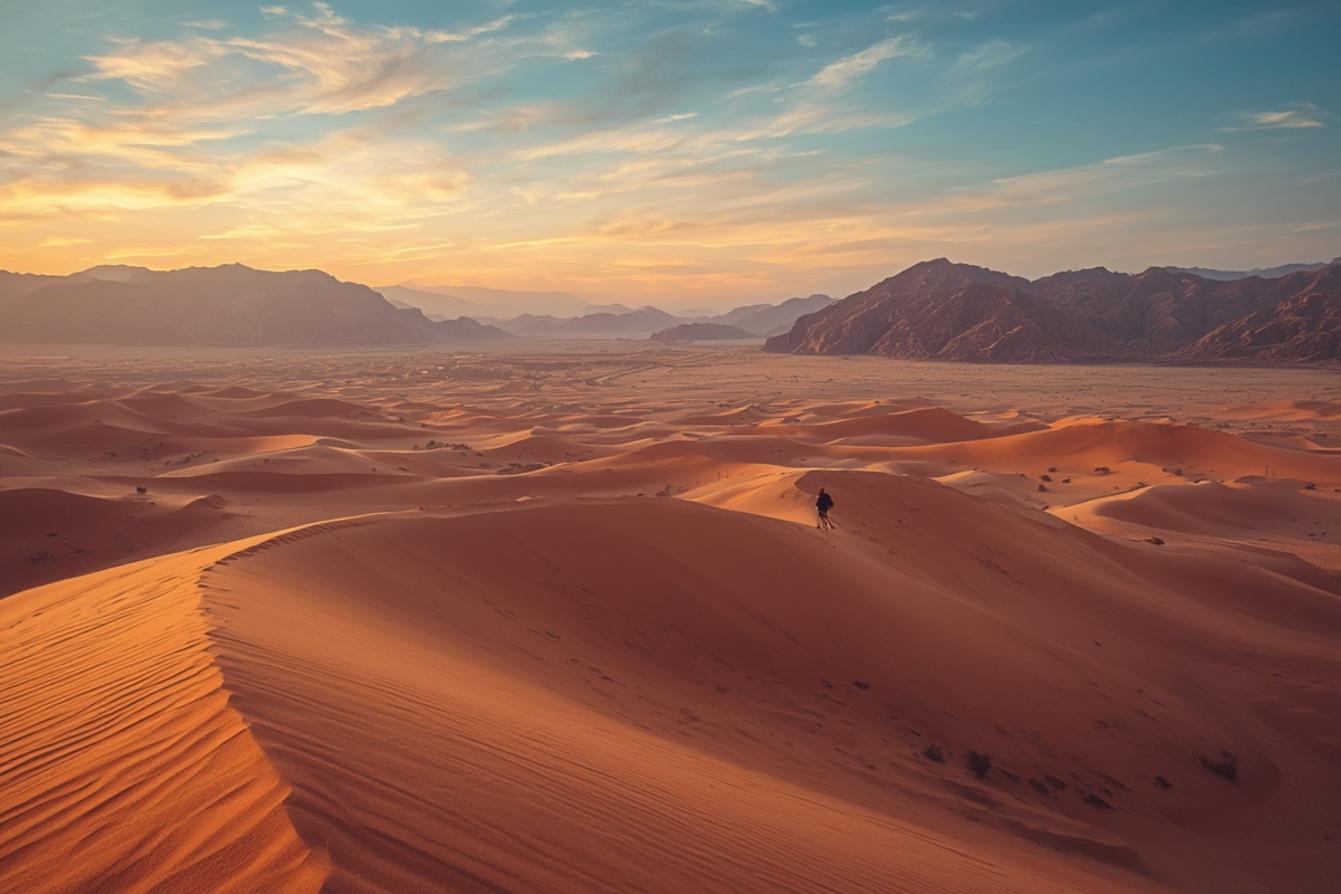
The core of any sahara desert morocco trip is undoubtedly the overnight stay in a desert camp. Picture this: the sun dipping below a horizon of endless sand waves, painting the sky in fiery oranges and purples, followed by a sky so dense with stars you feel you could reach out and touch them. This isn’t just a fantasy; it’s the nightly reality in the Sahara.
Camps range from rustic, traditional Berber tents to luxurious glamping setups complete with en-suite bathrooms and comfortable beds. Regardless of the level of comfort, all offer an authentic taste of desert living. You’ll typically arrive by camelback, swaying gently across the dunes as the day fades. Upon arrival, expect warm hospitality, a traditional Moroccan dinner – often featuring a delicious tagine – and an evening spent around a campfire. Local musicians often share traditional Berber music, their rhythmic drumming and chanting echoing under the vast, silent sky.
Waking up to the tranquility of a desert sunrise is equally magical. Many camps offer sunrise excursions, either a short walk up a nearby dune or another camel ride, allowing you to witness the desert awakening in a soft, ethereal glow. It’s an experience that truly recharges the soul and reminds you of the simple beauty of nature.
Beyond the Horizon: Activities and Explorations in the Sand Sea
While star-gazing and camel treks are iconic, a sahara desert morocco trip offers a surprising array of activities. For the adventurous, sandboarding down towering dunes is an exhilarating rush. Imagine gliding down soft sand, reminiscent of snowboarding but with warm desert winds instead of icy blasts. Many camps provide sandboards, and guides are usually on hand to show you the ropes (or should I say, the sand).
For those interested in local culture, some tours include visits to nomadic families, offering a rare glimpse into their traditional way of life and a chance to share a cup of mint tea. You might also explore local villages surrounding the desert, like Khamlia, known for its Gnawa music, a spiritual form of music originally brought to Morocco by sub-Saharan slaves. These cultural encounters add a rich layer to your desert experience, connecting you with the people who call this extraordinary landscape home. Quad biking or 4×4 dune bashing can also be arranged for an adrenaline-fueled exploration of the more remote parts of the desert, a thrilling way to cover more ground and discover hidden oases or ancient fossils.
Packing Smart for Desert Dynamics: Essentials for Your Journey
Preparing for a sahara desert morocco trip requires a different approach to packing than a city break. The desert’s climate is one of extremes: scorching hot during the day and surprisingly cold at night, especially in winter months. Layers are your best friend. Lightweight, breathable clothing like linen or cotton is ideal for the daytime, protecting you from the sun while allowing air circulation. Long sleeves and pants are also recommended for sun protection.
For the evenings, you’ll need warm layers – a fleece, a jacket, and even a hat and gloves can be surprisingly welcome, particularly from November to March. Comfortable closed-toe shoes are essential for walking in sand, and sandals or flip-flops are great for camp. Don’t forget a wide-brimmed hat, sunglasses, and high-factor sunscreen to protect yourself from the relentless desert sun. A headlamp or small flashlight is invaluable for navigating the camp at night. Reusable water bottles are a must, as staying hydrated is paramount.
Consider a small backpack for daily essentials like water, snacks, camera, and any personal medications, leaving your main luggage at the camp’s secure storage (or sometimes with the driver if you’re on a multi-day tour). A scarf or shesh (traditional Turban) is highly recommended; not only does it offer protection from the sun and dust, but it also adds to the authentic desert aesthetic. For more insights on Moroccan cities worthy of combination, check out our guide to the most beautiful cities in Morocco, which pairs perfectly with a desert adventure.
Respectful Travel: Cultural Nuances and Environmental Considerations
Embarking on a sahara desert morocco trip means stepping into a culture and environment that deserve utmost respect. The desert is home to resilient communities, primarily the Berber people, whose traditions and way of life have been shaped by this harsh but beautiful landscape for centuries.
When interacting with locals, a friendly “Salam Alaikum” (peace be upon you) is always appreciated. Dress modestly, especially when visiting villages or religious sites, to show respect for local customs. Photography should always be done respectfully; ask for permission before taking someone’s picture, especially children. Bargaining is common in souks and even for some services, but always do so with a smile and good humor.
Environmentally, the desert ecosystem is fragile. Stick to designated paths and avoid leaving any trash behind. Water is precious; use it sparingly. Support local businesses and guides who employ sustainable practices. Remember, you are a guest in this incredible natural wonder, and responsible tourism helps preserve its magic for future generations. For more detailed insights into planning your Moroccan desert tour, including options for starting from Casablanca, consider consulting comprehensive travel resources.
Conclusion
A sahara desert morocco trip is an unparalleled journey that promises adventure, tranquility, and a deep connection to nature and culture. From the thrilling camel rides over endless dunes to the silent majesty of a starlit desert sky, every moment is a memory in the making. Prepare yourself for an experience that will challenge your perceptions, rejuvenate your spirit, and leave you with stories to tell for a lifetime. Embrace the vastness, the silence, and the profound beauty of one of Earth’s most mesmerizing landscapes.
FAQs
What is the best time of year for a Sahara Desert Morocco trip?
The shoulder seasons (March to May and September to November) are generally considered the best times. Temperatures are pleasant during the day, and nights are cool but not excessively cold. Summer (June to August) can be extremely hot, while winter (December to February) can have very cold nights, though days are often sunny and mild.
How long should I plan for a desert trip?
Most travelers opt for a 2-day/1-night or 3-day/2-night trip from Marrakech or Fes. A 2-day trip is a whirlwind but allows you to experience the desert. A 3-day trip is more relaxed, allowing for more stops along the way and more time in the desert itself, often covering more ground.
What kind of accommodation can I expect in the desert camps?
Accommodation varies significantly. Basic camps offer traditional Berber tents with shared facilities. Mid-range camps provide more comfortable private tents, sometimes with proper beds and linens. Luxury glamping camps offer spacious, well-appointed private tents with en-suite bathrooms, hot showers, and even elaborate dining experiences. All provide an authentic desert atmosphere under the stars.
Is it safe to travel to the Sahara Desert in Morocco?
Yes, generally it is very safe. Tour operators are experienced, and the desert communities are welcoming. It is always wise to choose reputable tour companies, stay with your group, and follow local advice. The biggest “dangers” are usually related to the natural elements, such as sun exposure and dehydration, so proper preparation is key.
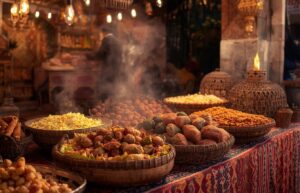




 Covers cities, coast, mountains, desert & food