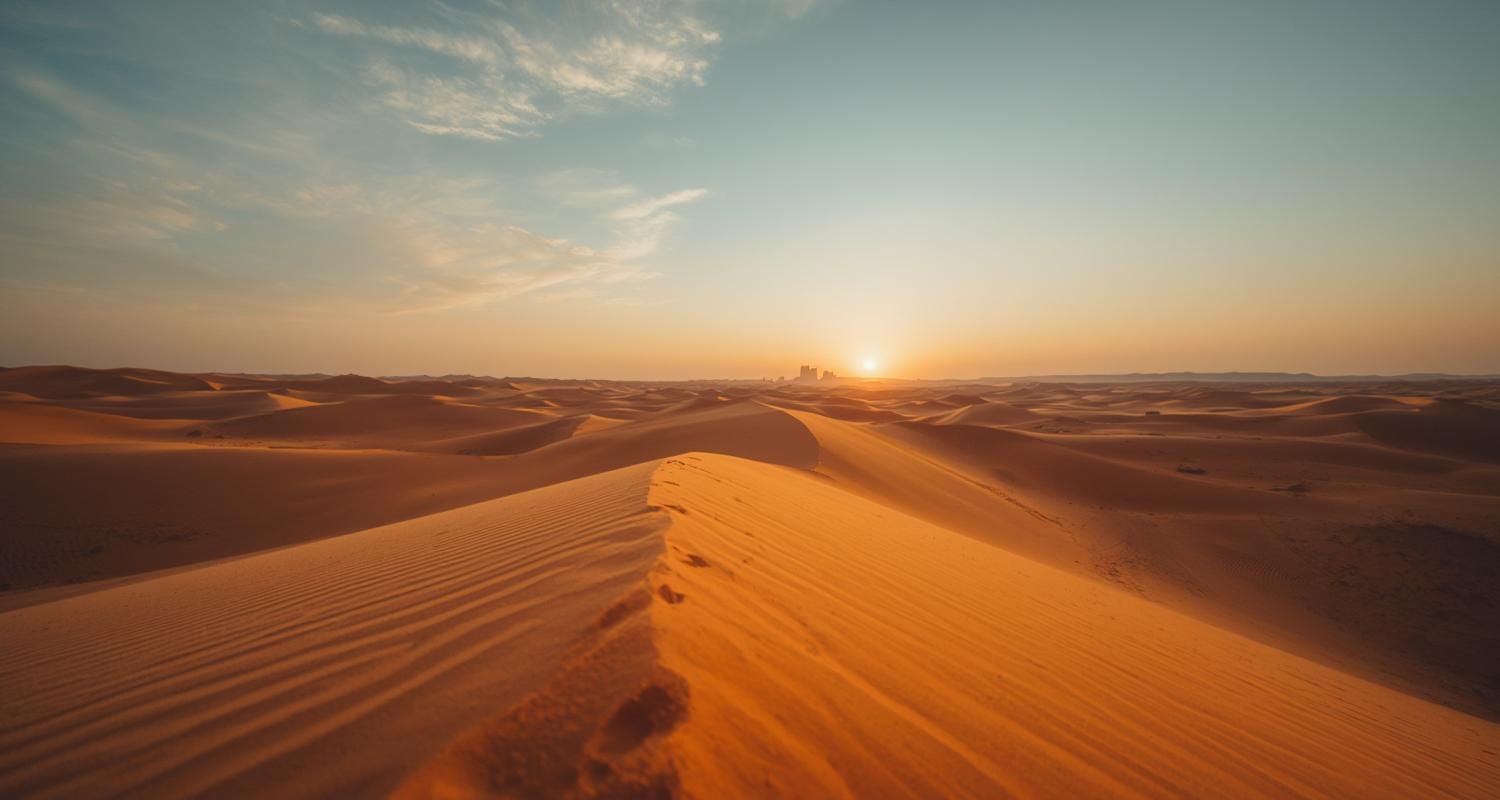
There’s a certain magic that happens when you journey eastward in Morocco, leaving behind the bustling medinas and green valleys, and watching the landscape slowly transform into an ocean of sand. This is where the mighty Sahara Desert in Morocco begins to reveal its grandeur. It’s more than just a place; it’s an experience that etches itself onto your soul. From the towering golden dunes that seem to touch the sky to the profound silence punctuated only by the wind, a trip to the Sahara is truly an adventure of a lifetime. This ultimate guide will walk you through everything you need to know to make your desert dreams a reality.
Understanding the Moroccan Sahara: A Realm of Golden Sands
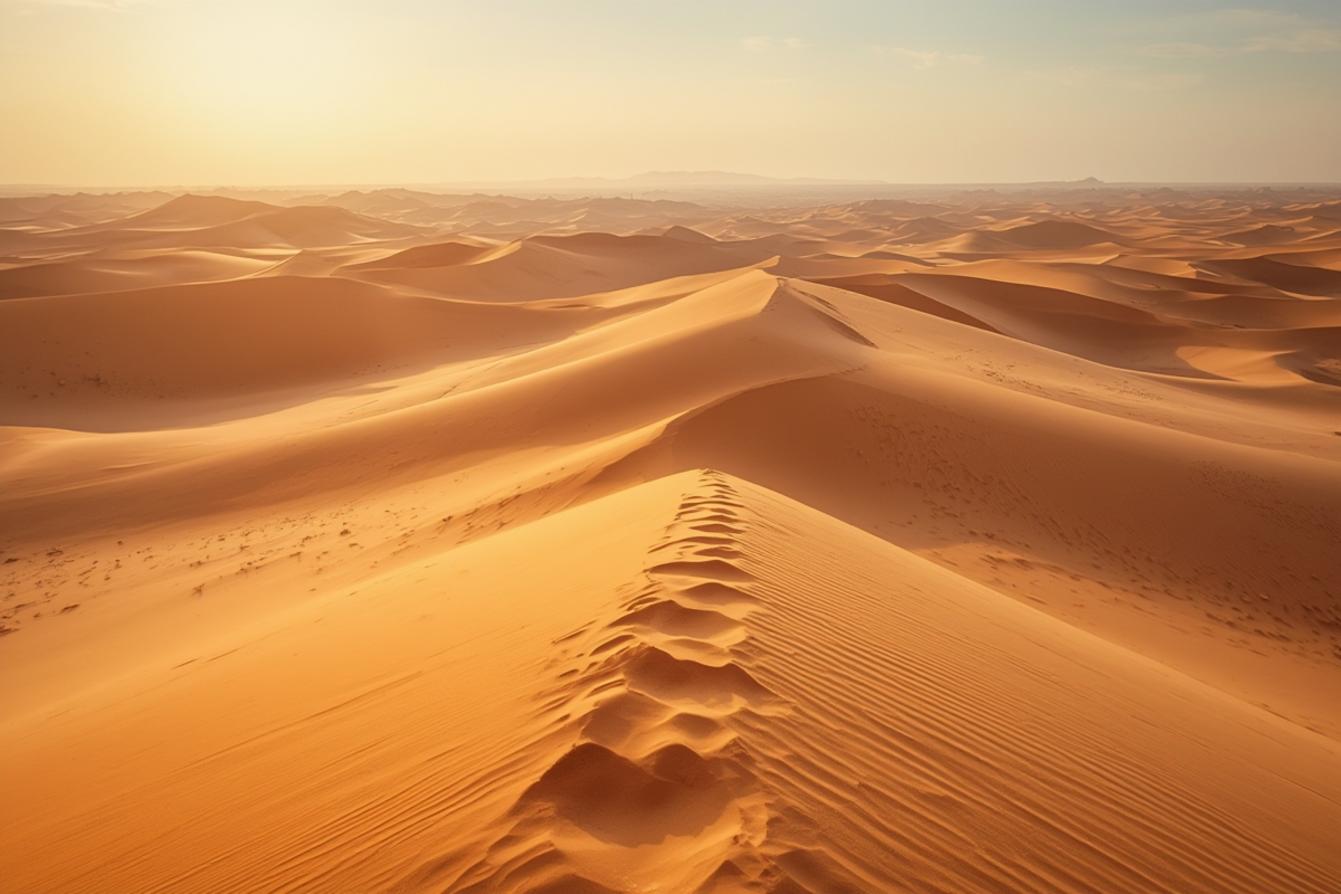
When most people envision the Sahara, they imagine vast, endless sand dunes. While that’s certainly a significant part of it, the Moroccan Sahara is a diverse landscape. The most iconic and accessible dune seas are the Erg Chebbi and Erg Chigaga. Erg Chebbi, near Merzouga, is famous for its almost perfectly sculpted, towering orange dunes, often reaching heights of 150 meters. Erg Chigaga, further south and more remote, offers an even more rugged and authentic desert experience, accessible primarily by 4×4. Both offer breathtaking sunrises and sunsets, opportunities for camel trekking, and nights under a canopy of countless stars. This is where you disconnect from the world and reconnect with something much older and grander.
Navigating Your Journey to the Desert’s Edge
Getting to the Sahara Desert in Morocco requires a bit of planning, but the journey itself is part of the adventure. Most travelers start their desert expedition from Marrakesh or Fes. The drive is long, typically spanning two to three days each way, and takes you through some incredible scenery, including the High Atlas Mountains.
For Erg Chebbi, near Merzouga, you’ll travel through places like Ait Benhaddou (a UNESCO World Heritage site), Ouarzazate, and the Dadès and Todra Gorges. These stops break up the journey wonderfully, allowing you to appreciate the changing landscapes and important historical sites. Organized tours, ranging from private excursions to group trips, are the most popular and often the most convenient way to travel. They typically include transportation, accommodation en route, camel treks, and desert camps. Self-driving is an option for more adventurous travelers, but a good 4×4 is recommended, especially as you get closer to the desert and need to navigate some unpaved roads.
Immersing Yourself in the Desert Experience: Activities and Authenticity
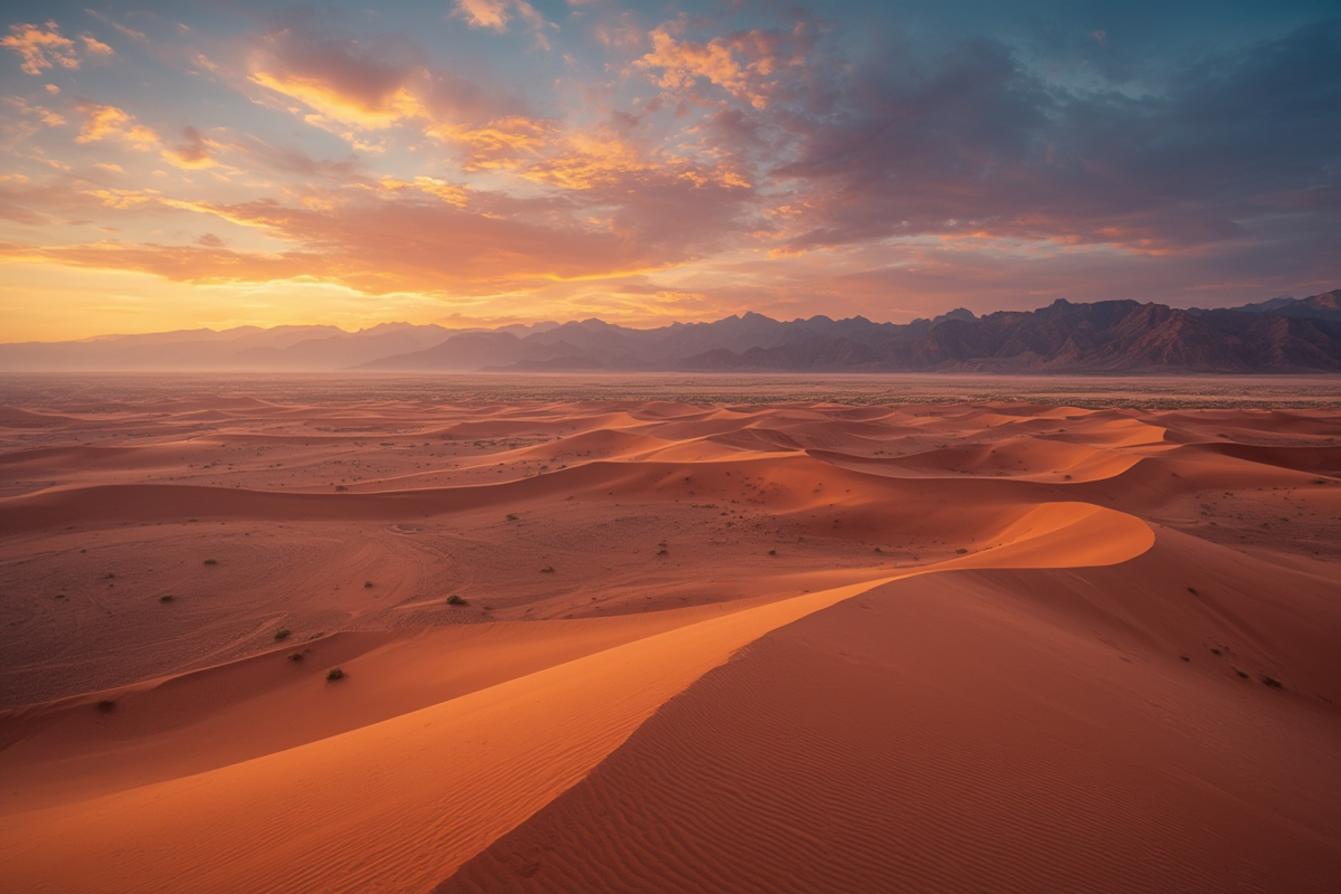
The quintessential Sahara experience involves a camel trek into the dunes late in the afternoon, arriving at a desert camp just as the sun dips below the horizon, painting the sky in fiery hues. Nights are spent around a campfire, often accompanied by traditional Berber music, under a blanket of stars so bright you feel you can almost touch them. Sleeping in a traditional tent, whether basic or luxurious, is an unforgettable experience.
Beyond camel trekking, you can try sandboarding down the dunes, an exhilarating activity that feels like snowboarding but on sand. Quad biking or dune buggy tours are also popular for those seeking a faster pace and exploring wider areas of the Erg Chebbi dunes. For a deeper cultural immersion, some tours offer visits to local Berber villages to learn about their nomadic lifestyle, enjoy mint tea, and perhaps visit a local gnaoua music village. This allows for a more authentic connection with the people who call this magnificent, harsh land home.
Choosing Your Desert Camp: Comfort Levels and Ambiance
When planning your trip to the Sahara Desert in Morocco, one of the biggest decisions will be the type of desert camp you choose. Options range from traditional, rustic camps to incredibly luxurious ones, each offering a different level of comfort and experience.
Traditional Camps
These camps often feature basic, yet comfortable, shared tents and facilities. They provide an authentic feel, focusing on the natural beauty of the surroundings and a communal experience around the campfire. Expect simple meals, a shared bathroom, and a focus on stargazing and local hospitality. They are generally more budget-friendly and cater to travelers looking for a raw, unfiltered desert adventure.
Luxury Camps
For those who prefer glamping, luxury desert camps offer private, spacious tents often equipped with proper beds, en-suite bathrooms with hot showers, and even air conditioning (though not always necessary). These camps provide a more refined experience, with gourmet meals, comfortable lounging areas, and impeccable service. While pricier, they offer an unparalleled level of comfort and elegance amidst the desert wilderness, making for a truly memorable stay without sacrificing the magic of the environment.
Regardless of your choice, most camps are designed to blend harmoniously with the environment and offer stunning views of the dunes. It’s advisable to book your camp as part of a tour or with a reputable company to ensure a smooth and enjoyable experience, including transfers from the edge of the dunes.
Practical Preparations for Your Desert Adventure
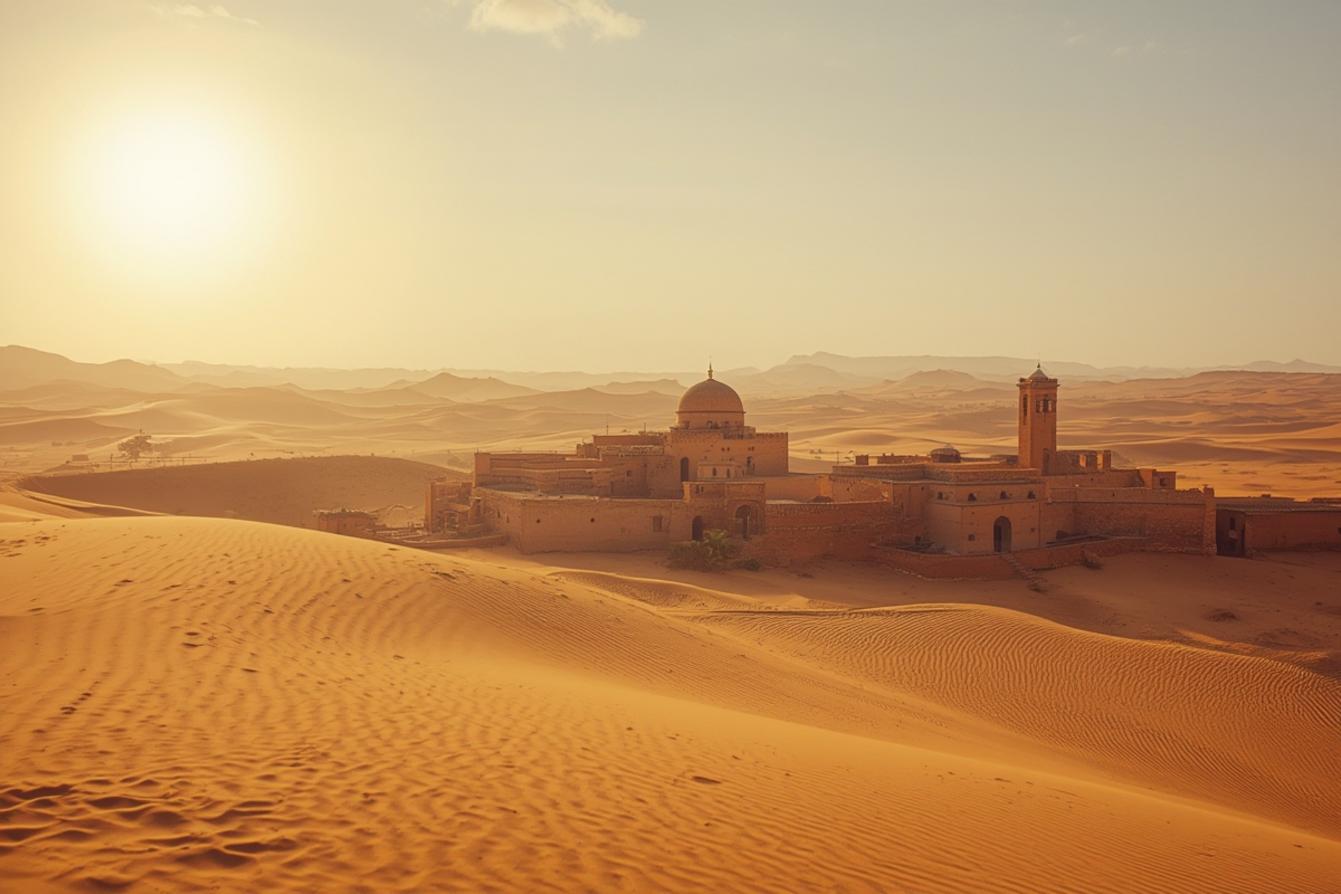
A trip to the Sahara Desert in Morocco is an incredible adventure, but proper preparation is key to ensuring a comfortable and enjoyable experience.
What to pack:
- Layers of clothing: Days can be hot, but nights, especially in winter, can be surprisingly cold. Pack light, breathable clothing for the day, and warm layers, including a jacket, for the evenings.
- Comfortable walking shoes/sandals: You’ll be walking on sand, so shoes that are easy to take off and shake out are ideal.
- Scarf or head covering: Essential for protecting against the sun, wind, and sand. It also adds a touch of local style!
- Sunscreen, sunglasses, and a wide-brimmed hat: The desert sun is intense.
- Reusable water bottle: Stay hydrated! Many tours provide bottled water, but bringing your own reusable bottle helps reduce plastic waste.
- Small backpack: For day trips and carrying essentials.
- Portable charger/power bank: Electricity can be limited in desert camps.
- Camera: For capturing the awe-inspiring landscapes.
- Basic toiletries: Wipes, hand sanitizer, and any personal medications.
Best time to visit:
The shoulder seasons (March-May and September-November) are generally considered the best times to visit. Temperatures are pleasant during the day, and nights are cool. Summer (June-August) can be extremely hot, with temperatures soaring, making daytime activities less enjoyable. Winter (December-February) days are mild and sunny, but nights can drop to freezing, so warm clothing is crucial.
Health and Safety:
- Stay hydrated: Drink plenty of water throughout the day.
- Protect yourself from the sun: Sunstroke and sunburn are real risks.
- Be aware of scorpions and snakes: While rare to encounter in camps, it’s good to be aware. Your guides are experts and will ensure your safety.
- Listen to your guides: They know the desert best.
For those planning to explore more of the country, linking your desert trip with visits to other iconic locations is highly recommended. You can find more information about these diverse destinations by exploring various sahara desert in morocco travel resources.
Respecting the Environment and Local Culture
Traveling responsibly in the Sahara is paramount. The desert is a fragile ecosystem, and the local Berber communities have a long, rich history tied to this land.
Environmental Responsibility:
- Leave no trace: Take all your rubbish with you. Do not leave anything behind in the desert.
- Conserve water: Water is a precious resource in the desert. Be mindful of your consumption, especially during showers.
- Respect wildlife: Observe animals from a distance and do not disturb their natural habitat.
Cultural Sensitivity:
- Dress modestly: While in camps and remote areas, liberal dress is generally accepted, but when visiting local villages or towns, it’s respectful to dress modestly, covering shoulders and knees.
- Ask permission before photographing people: Always respect personal privacy.
- Bargain respectfully: If purchasing souvenirs, engage in friendly bargaining, but remember that a few extra dirhams might mean a lot more to a local vendor than to you.
- Support local businesses: Choose tours and camps that employ local guides and staff and source their goods locally. This directly benefits the communities who call the Sahara home.
This incredible environment is a gift, and by traveling consciously, we can help preserve its magic for future generations. For more insights into planning a desert trip, this guide offers useful tips: Erg Chebbi dunes.
Conclusion
A journey to the Sahara Desert in Morocco is far more than just a vacation; it’s an immersive experience that transports you to another world. From the silent majesty of the dunes at sunrise to the vibrant culture of the Berber people, every moment leaves a lasting impression. With proper planning and a spirit of adventure, you’ll discover why the Sahara holds such a special place in the hearts of those who visit. It’s a place where memories are forged under endless skies and where the profound beauty of nature truly shines.
FAQs
How long should I plan for a Sahara Desert trip from Marrakesh?
A minimum of three days and two nights is recommended for a comfortable and enjoyable experience to the Erg Chebbi dunes from Marrakesh. This allows for travel time, an overnight stay in the desert, and stops at key attractions along the way. Many tours offer a 3-day, 2-night itinerary, while 4-day options provide a more relaxed pace and deeper exploration.
Is it safe to travel to the Sahara Desert in Morocco?
Yes, generally it is very safe. Morocco is a stable country, and desert tours are well-established. Reputable tour operators prioritize safety, and guides are experienced in navigating the terrain and local conditions. As with any travel, exercising common sense, staying hydrated, and following your guide’s instructions will ensure a safe trip.
Do I need a 4×4 vehicle to reach the desert camps?
While you can often drive a regular car to the towns at the edge of the desert (like Merzouga), a 4×4 vehicle is usually required to access the actual desert camps nestled within the dunes. Most tours will arrange transfers by 4×4 or camel from a designated meeting point to your camp. If self-driving, ensure your car insurance covers off-road driving and you are confident navigating sandy tracks.
What kind of food can I expect in the desert camps?
Desert camps typically offer wholesome and traditional Moroccan cuisine. Expect dishes like tagine (slow-cooked stew with meat or vegetables), couscous, salads, and fresh bread. Meals are usually prepared fresh by the camp’s chefs. Vegetarian options are generally available, but it’s always good to inform your tour operator or camp in advance about any dietary restrictions.



 Covers cities, coast, mountains, desert & food