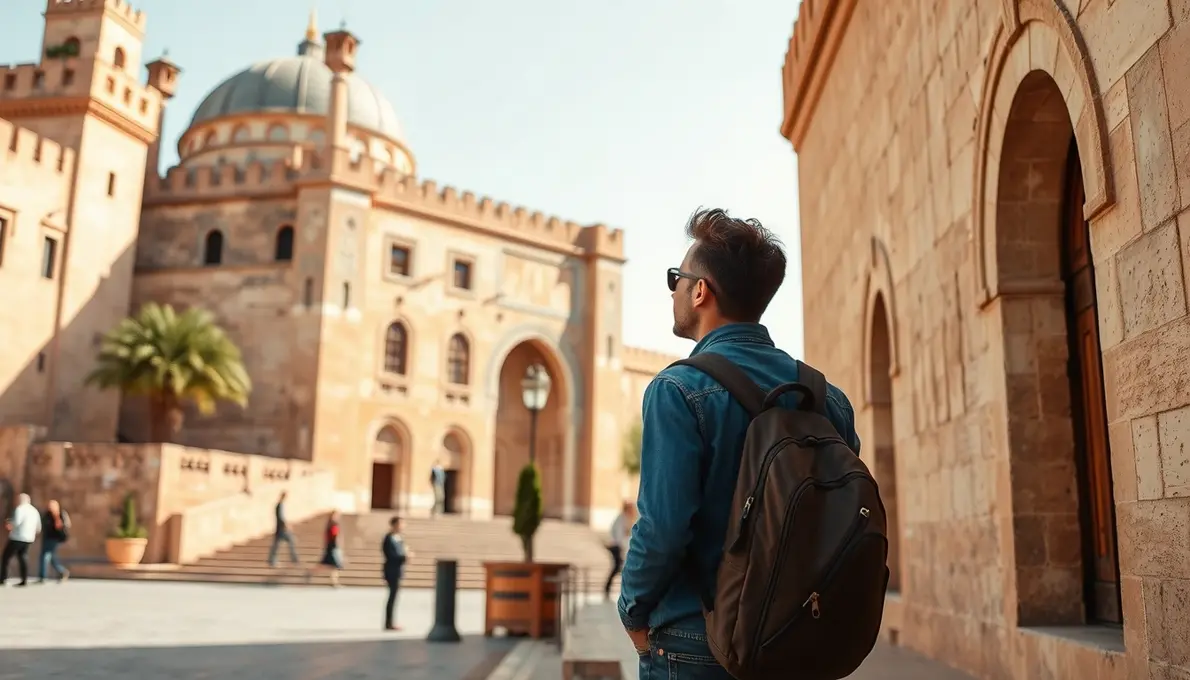
Rabat, Morocco’s capital, often plays second fiddle to more famous destinations like Marrakech or Fes. Yet, within its historic walls, especially in the vibrant Rabat old town (the medina), lies a charm that is uniquely its own—a more relaxed, authentic experience away from the intense hustle of other imperial cities. This guide delves into the heart of Rabat’s historic core, offering insights into its atmosphere, timeless traditions, and hidden gems. Unlike its flashier counterparts, Rabat offers a serene elegance, blending ancient history with a surprisingly modern vibe just outside the medina’s ramparts. Exploring the old town here means stepping into a living museum, where every narrow alleyway tells a story.
Navigating the Medina’s Timeless Labyrinth
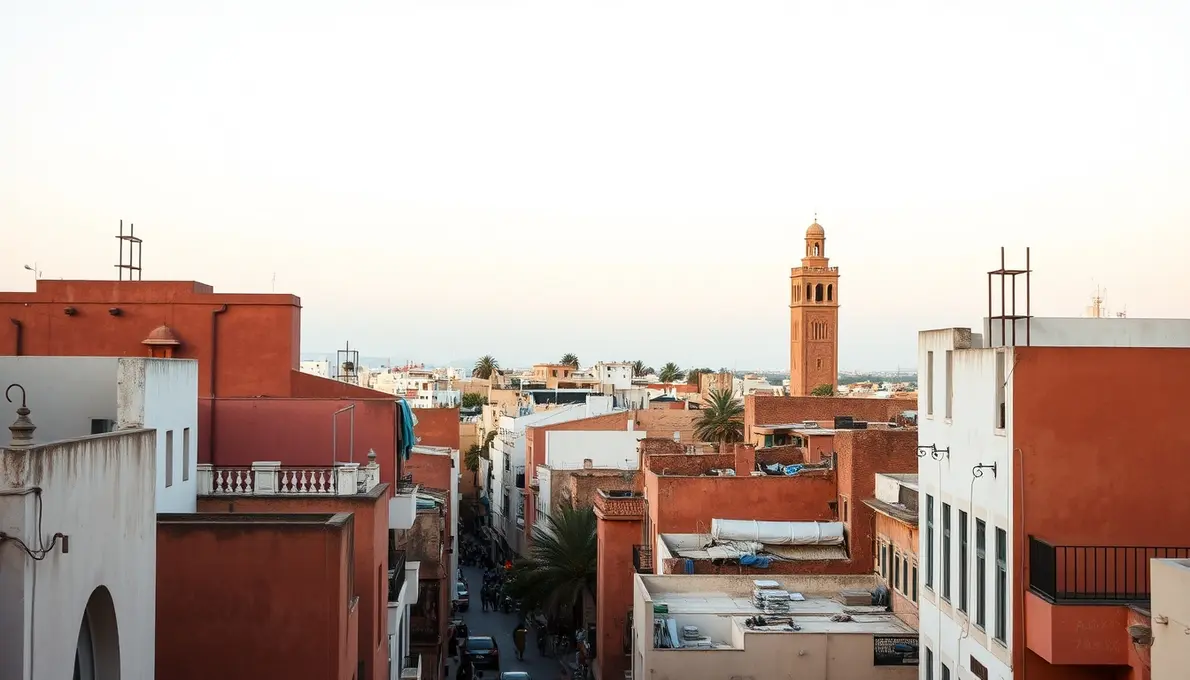
The Rabat medina, or Rabat old town, is a UNESCO World Heritage site and truly the beating heart of the city’s history. Enclosed by ancient ochre walls, it’s a labyrinth of narrow, winding streets brimming with life. Unlike some other Moroccan medinas that can feel overwhelming, Rabat’s is notably more manageable and less frenetic, making it a joy to explore on foot. As you step through one of its historic gates, such as Bab Chellah or Bab El Had, you’re immediately transported. The air fills with the faint scent of spices, leather, and mint tea, mixing with the gentle chatter of vendors and the occasional call to prayer echoing from a distant minaret.
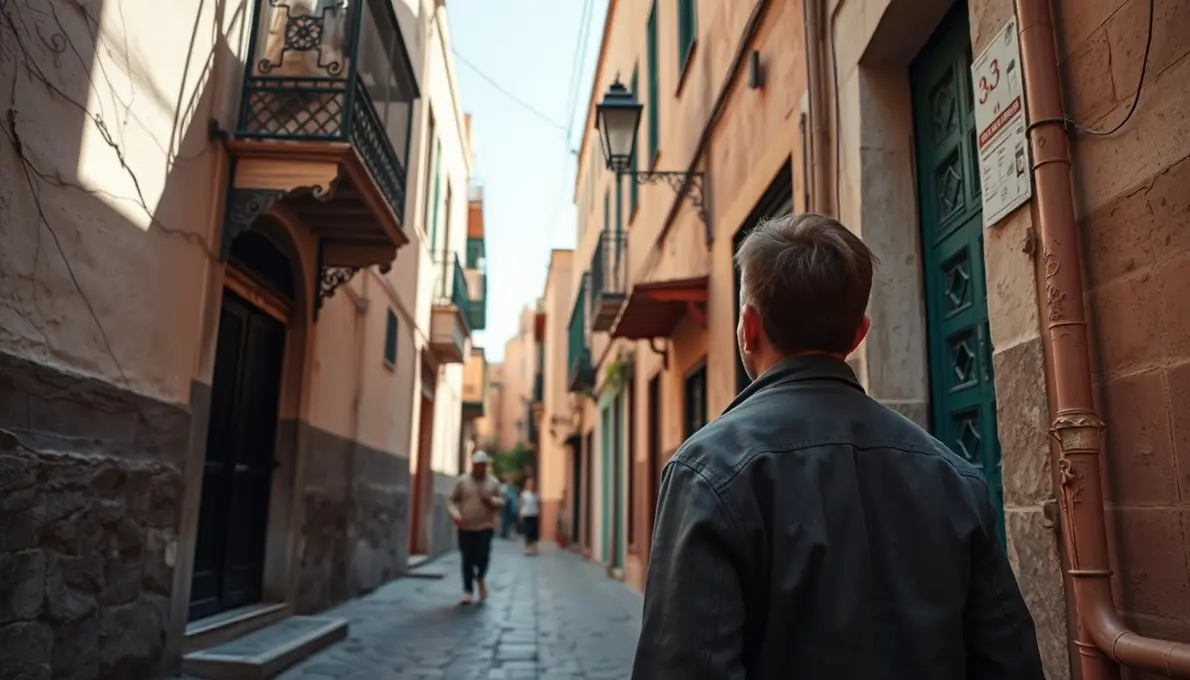
Here, traditional commerce thrives. Artisans work diligently in their workshops, crafting leather goods, intricate metalwork, and woven textiles right before your eyes. You’ll find everything from bustling food markets selling fresh produce and local street food to quiet souks dedicated to specific crafts. Don’t be afraid to wander off the main thoroughfares; it’s in these quieter alleys that you’ll discover charming riads, local bakeries with traditional bread baking in wood-fired ovens, and small, family-run shops that have been passed down through generations. Getting lost, even just a little, is part of the experience, allowing you to stumble upon unexpected courtyards or a quiet café for a glass of freshly squeezed orange juice. This sense of discovery is a significant part of the allure of the Rabat medina.
Kasbah of the Udayas: A Fortress of Andalusian Charm
Perched dramatically at the mouth of the Bou Regreg River, overlooking the Atlantic Ocean, lies the Kasbah of the Udayas. This ancient, fortified citadel is arguably the most picturesque part of the Rabat old town and an absolute must-visit. Its history stretches back to the 12th century, originally built by the Almohads. What makes it so captivating is its distinct character: a striking contrast to the medina’s earthy tones. The Kasbah’s alleys are painted in serene shades of white and blue, reminiscent of coastal Andalucía, from where many of its former inhabitants hailed.
Walking through the Kasbah feels like entering a different world. The quiet, flower-draped streets are often less crowded than the main medina, offering serene moments and breathtaking views. You can explore the beautifully maintained Andalusian Gardens, a tranquil oasis perfect for a leisurely stroll, filled with fragrant orange trees, vibrant bougainvillea, and shade-giving palms. The pièce de résistance is the Bab Oudaia gate, an architectural marvel adorned with intricate carvings, leading into the heart of this historic enclave. Within the Kasbah, you’ll also find the Café Maure, a traditional Moroccan café offering spectacular views over the river and the ocean, making it an ideal spot to enjoy a mint tea and soak in the atmosphere. The Kasbah also houses the Musée des Oudaïas, a small museum dedicated to Moroccan jewelry and traditional crafts, located in the former palace of Moulay Ismaïl.
A Culinary Journey Through Rabat’s Historic Quarters
Exploring the Rabat old town isn’t complete without indulging in its culinary delights. The food scene here is less about grand, tourist-centric restaurants and more about authentic, flavorful experiences found in local eateries, street food stalls, and traditional riads. As you wander through the medina, your senses will be constantly enticed by the aromas of slow-cooked tagines, grilled meats, and freshly baked pastries.
For a true local experience, seek out one of the small, unassuming hole-in-the-wall restaurants for a taste of authentic Moroccan home cooking. Harira, a hearty and flavorful lentil and tomato soup, is a staple, especially during Ramadan, and can be found almost everywhere. Don’t miss out on trying classic dishes like couscous, often served on Fridays, or various types of tagines, simmered with tender lamb, chicken, or vegetables, infused with aromatic spices like turmeric, ginger, and cumin.
Street food is another highlight. Keep an eye out for stalls selling “brochettes” – grilled skewers of marinated meat – or “msemmen” (flaky Moroccan pancakes), often served with honey or cheese, perfect for a quick snack. Seafood lovers will appreciate the fresh catches available, especially near the river, often prepared simply and deliciously grilled or fried. And, of course, no visit to Morocco is complete without countless glasses of sweet mint tea, served ceremoniously and offered as a sign of hospitality in shops and cafes throughout the medina. For those looking to dive deeper, consider a cooking class within the old town to learn the secrets of Moroccan cuisine firsthand. This truly allows you to taste the essence of Rabat old town.
Understanding the Local Rhythm and Artisan Traditions
Life in the Rabat old town moves at a different pace. It’s a place where history isn’t just displayed in museums but lived daily. Understanding this rhythm and the deep-rooted artisan traditions enhances your visit immensely. Artisans here don’t just sell goods; they often create them in small workshops tucked away in the medina’s alleys. You might glimpse a carpenter meticulously carving intricate designs into cedarwood, a tanner skillfully working with leather, or a potter shaping clay on a hand-turned wheel. These crafts have been passed down through generations, embodying centuries of Moroccan heritage.
The souks themselves are organized, traditionally, by craft. You’ll find areas dedicated to leather goods, others to jewelry, textiles, and spices. While bargaining is a customary part of the shopping experience, do so respectfully and with a smile. It’s often more about the interaction than getting the absolute lowest price. Engaging with the vendors, asking about their craft, and understanding the effort that goes into each piece provides a richer experience than simply making a transaction. This connection to craftspeople and their heritage is a defining characteristic of the Rabat medina. Many small shops here still operate as they have for decades, reinforcing the timeless appeal of the area. To plan your exploration of Rabat, much like thinking about how to plan a trip to Rabat old town, consider starting early in the morning before the crowds, or settling in for an evening stroll as the lights begin to twinkle.
Beyond the Souk: Cultural Landmarks Adjacent to the Medina
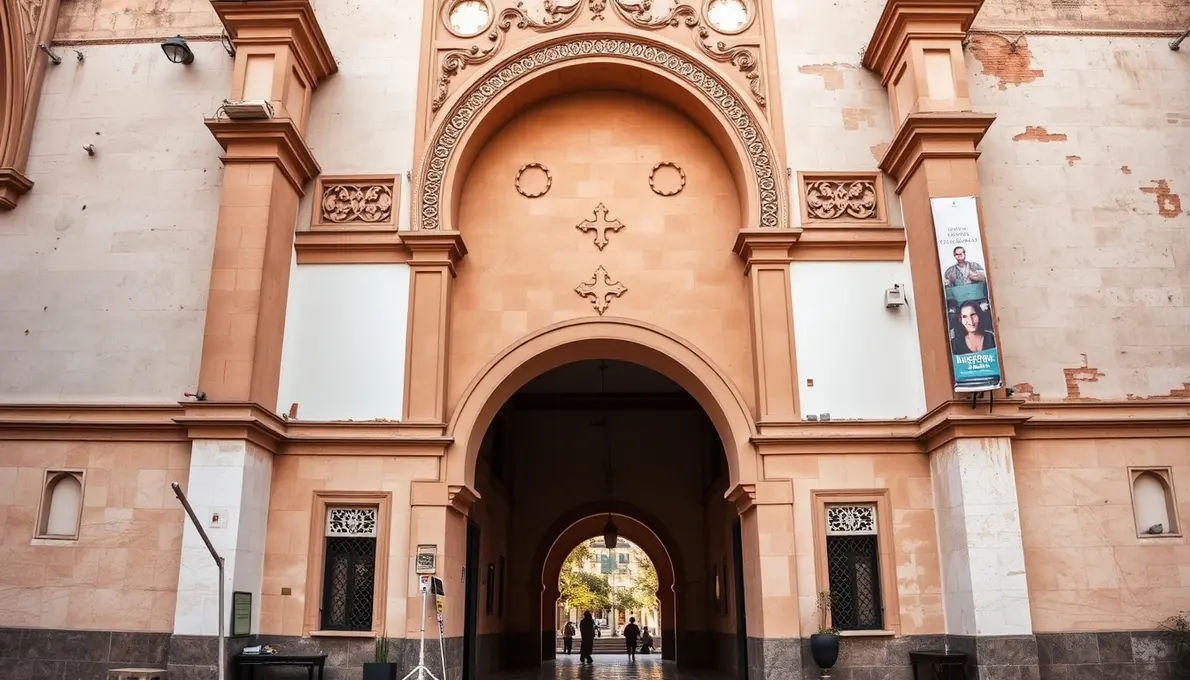
While the bustling souks and serene residential lanes define much of the Rabat old town, several significant cultural landmarks stand at its periphery or are easily accessible from within. These sites offer a broader perspective on Rabat’s rich history and architectural grandeur.
Just outside the old city walls, near Bab Chellah, lies the fascinating necropolis of Chellah. This ancient fortified city, dating back to Phoenician and Roman times, later became a royal burial ground for the Marinid sultans. Today, it’s a captivating ruin with storks nesting atop crumbling minarets and overgrown walls, creating an atmosphere of ancient mystery. The blend of Roman columns, Islamic architecture, and wild nature is truly unique.
Another key landmark easily reached from the medina is the Mohammed VI Museum of Modern and Contemporary Art (MMVI). While distinctly modern, its presence near the old town symbolizes Rabat’s embrace of both its past and future. It houses an impressive collection of Moroccan and international contemporary art.
The iconic Hassan Tower and the Mausoleum of Mohammed V are also just a short distance from the medina. The Hassan Tower is the incomplete minaret of what was intended to be the world’s largest mosque, begun in the 12th century. Beside it stands the magnificent Mausoleum of Mohammed V, housing the tombs of the revered King Mohammed V and his two sons, King Hassan II and Prince Abdallah. The craftsmanship of the mausoleum, with its intricate carvings and mosaics, is breathtaking and offers a glimpse into exquisite Moroccan artistry. These sites provide a contrasting beauty to the medina’s intimate charm, showcasing the varying facets of Rabat’s heritage. For more general travel information, you might find resources like Rabat medina helpful.
Life After Dusk: Evening Ambiance of the Old Town
As the sun begins to set, the ambiance in the Rabat old town transforms. The daytime bustle softens, giving way to a more intimate and magical atmosphere. The calls of street vendors gradually subside, replaced by the soft glow of lanterns and strategic lighting illuminating the ancient walls and intricate doorways. This is an ideal time for a relaxed evening stroll, perhaps after dinner, to experience a different side of the medina.
Many of the shops might close, but the essence of local life continues. Families gather in courtyards, cafes remain open for late-night teas and discussions, and the aroma of traditional dinners wafts from open doorways. The main thoroughfares, though quieter, still offer glimpses into Moroccan evening routines. You might see locals gathering for an evening tea, or children playing in illuminated squares. The Kasbah of the Udayas, particularly, takes on a romantic glow, with its blue and white lanes looking even more ethereal under the moon and soft streetlights. This calmer period allows for more reflective exploration, where the echoes of history feel even more palpable, and the subtle beauty of the architecture truly shines. Experiencing the Rabat old town by night offers a peaceful contrast to its daytime energy and is a highlight for many visitors seeking a deeper connection with the city.
Conclusion
The Rabat old town is a treasure trove of Moroccan culture, history, and authenticity. It offers a more understated yet equally profound experience compared to its more celebrated counterparts. From the labyrinthine alleys of its medina to the serene blues of the Kasbah of the Udayas, and the rich culinary tapestry woven throughout, Rabat provides a captivating glimpse into Moroccan life away from the commercial frenzy. Embracing its relaxed pace, indulging in its flavors, and appreciating its artisan traditions makes a visit here truly unforgettable. This historic capital gem truly embodies the spirit of Morocco.
FAQs
What is the best way to explore the Rabat old town?
The best way to explore Rabat’s old town is on foot. Its narrow, winding alleys are largely pedestrianized, allowing you to immerse yourself in the vibrant atmosphere. Wear comfortable shoes and be prepared to wander, as getting a little lost can lead to wonderful discoveries of hidden shops, traditional bakeries, and charming courtyards. Hiring a local guide for a few hours can also provide valuable historical insights and help navigate the less obvious routes.
Is the Rabat medina safe for tourists?
Yes, the Rabat medina is generally considered very safe for tourists. Like any bustling urban area, it’s wise to be aware of your belongings and surroundings, especially in crowded souks. However, compared to other larger Moroccan medinas, Rabat’s is often perceived as more laid-back and less prone to aggressive touting. Locals are typically friendly and helpful, and you’ll often find a calming sense of community within its walls.
What are the must-try foods in Rabat old town?
When in Rabat’s old town, definitely try a traditional lamb or chicken tagine, which is slow-cooked to perfection with aromatic spices. Harira soup is a hearty and flavorful staple. For street food, look for grilled skewers (brochettes) and msemmen (flaky pancakes) often served with honey. Don’t forget to sample some local pastries and, of course, enjoy countless glasses of traditional Moroccan mint tea, which is offered almost everywhere.
How much time should I allocate for visiting Rabat old town?
To fully appreciate the Rabat old town, including the medina and the enchanting Kasbah of the Udayas, plan to dedicate at least a full day. This allows you enough time to explore the souks, visit the key landmarks, enjoy a traditional meal, and soak in the atmosphere without feeling rushed. If you wish to visit nearby attractions like Chellah or the Hassan Tower, you might extend your visit to two full days.




 Covers cities, coast, mountains, desert & food