Venturing into Morocco for the first time is an exhilarating prospect, promising a tapestry of vibrant culture, ancient traditions, and stunning landscapes. To truly savor this experience, a well-thought-out morocco tour plan is indispensable. This guide is specifically crafted for first-time visitors, offering essential tips to navigate the planning process, optimize your itinerary, and ensure a smooth, memorable journey through this captivating North African nation. From understanding local customs to managing logistics, we’ll cover the crucial aspects that will transform your initial ideas into a concrete, fantastic adventure.
Defining Your Morocco Exploration: Tailoring Your First Tour
Before diving into bookings, take a moment to define what you truly seek from your initial Moroccan experience. Are you drawn to the bustling medinas, the tranquility of the Sahara, or the dramatic Atlas Mountains? Perhaps a blend of all three? For first-time visitors, attempting to see “everything” can lead to a rushed and less fulfilling trip. Instead, focus on a few key regions or experiences that resonate most with your travel style. Consider the pace: do you prefer a leisurely exploration with ample time for serendipitous discoveries, or a more structured journey covering ground efficiently? This foundational decision will profoundly influence your entire morocco tour setup, from flight selection to daily activities. Sketching out a wish list of places like Marrakech, Fes, the Blue City of Chefchaouen, or a desert excursion will help you visualize your dream trip.
Crafting Your Initial Morocco Tour Itinerary: Key Considerations for First-Timers
Building your first morocco tour itinerary requires a strategic approach, balancing popular highlights with a realistic travel pace. Start by determining your total trip duration, as this will heavily dictate how much you can comfortably cover. For a first-timer, a 7- to 10-day trip allows for a good introduction to 2-3 major destinations without feeling rushed. A common and highly recommended route for newcomers often includes Marrakech, the Atlas Mountains, and a Sahara Desert experience (usually from Fes or Marrakech). Fes offers a deeper dive into traditional culture, while coastal towns like Essaouira provide a relaxed counterpoint.
Think about the flow: minimizing backtracking saves precious time. For example, flying into Casablanca, traveling south to Marrakech, then east to the Sahara, and finally north to Fes before flying out of Fes (or connecting back to Casablanca) is a common and efficient loop. When planning your connections, remember that travel times between cities can be longer than anticipated due to winding roads or mountainous terrain. Be generous with your estimates.
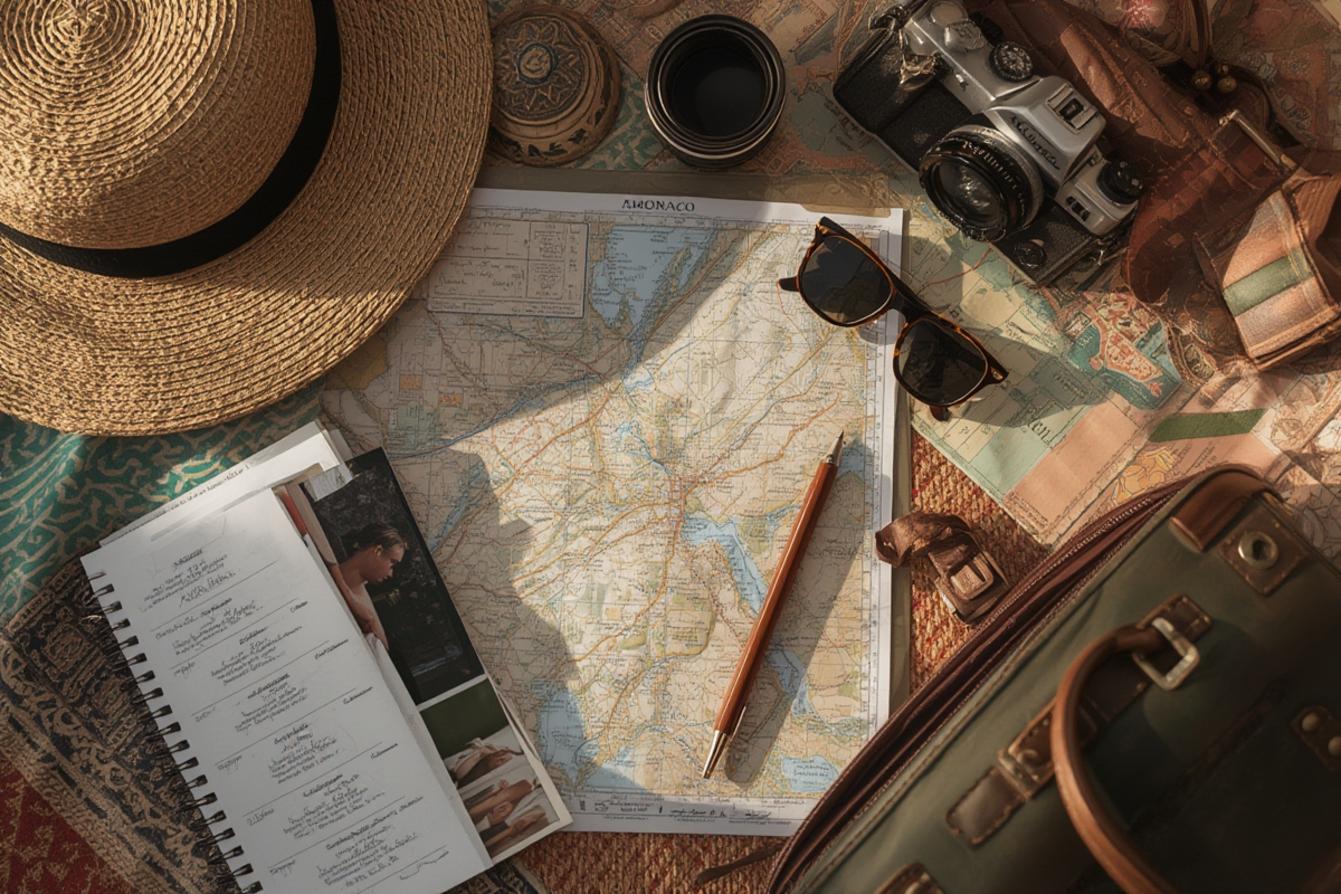
Consider the time of year. Spring (March-May) and autumn (September-November) offer the most pleasant weather across the country, making them ideal for a morocco tour. Summer can be intensely hot, especially in the desert and interior cities, while winter can bring cold temperatures and even snow to the Atlas Mountains, although the desert can be quite pleasant during the day. Factor in local holidays like Ramadan, which can impact opening hours and atmosphere.
Mastering Logistics for Your Moroccan Adventure: Transport and Accommodation
Efficient logistics are the backbone of any successful trip, especially for a first-time morocco tour. When it comes to transportation, you have several options. For inter-city travel, Moroccans often rely on grand taxis (shared taxis for longer distances), comfortable CTM or Supratours buses, or private transfers. For a more personalized and flexible experience, especially when traveling with luggage or between specific points, private drivers or a rental car are excellent choices. However, self-driving can be challenging for those unfamiliar with Moroccan road conditions and driving styles, particularly in cities. For desert excursions, a reputable tour company will always arrange 4×4 transport.
Accommodation choices in Morocco are diverse and enchanting. Riads (traditional Moroccan houses with an interior courtyard) offer an authentic and often luxurious experience within the medinas of cities like Marrakech and Fes. These boutique guesthouses provide a serene escape from the bustling streets. Outside the medinas, you’ll find modern hotels ranging from budget to five-star. When choosing, prioritize locations that are safe and convenient for your planned activities. Always read recent reviews, focusing on cleanliness, service, and accessibility. Booking well in advance, particularly during peak seasons, is highly recommended, especially for popular riads or unique desert camps. A good morocco tour operator can often secure better rates and more suitable accommodations.
Practical Preparations: Documents, Currency, and Health Considerations
Before you even book your flights, ensure your passport is valid for at least six months beyond your intended departure date from Morocco. Most nationalities, including US, UK, EU, Canadian, and Australian citizens, do not require a visa for stays under 90 days, but always double-check the specific requirements for your country well in advance.
Morocco’s official currency is the Moroccan Dirham (MAD). While credit cards are accepted in many larger hotels and restaurants, cash is king in souks, smaller eateries, and for everyday transactions. It’s wise to carry a mix of currency, including smaller denominations for tips and quick purchases. You can exchange money at airports, banks, or official exchange bureaus. ATMs are widely available, especially in cities. Inform your bank of your travel plans to avoid card blockers.
Healthwise, ensure your routine vaccinations are up to date. While no specific vaccinations are typically required for Morocco, consulting your doctor or a travel clinic for personalized advice on recommended immunizations (like Hepatitis A and B, Typhoid) is prudent. Pack a basic first-aid kit with any personal medications, pain relievers, and remedies for common travel ailments like an upset stomach. Tap water is generally not safe to drink, so stick to bottled water. Be mindful of food hygiene, especially from street vendors – choose places that are busy and where food is cooked fresh in front of you. Sun protection (hat, sunglasses, high SPF sunscreen) is crucial, as is staying hydrated.
Cultural Immersion and Etiquette: Enhancing Your Morocco Tour
Embracing local customs and practicing respectful etiquette will significantly enhance your morocco tour. Morocco is a predominantly Muslim country, and while generally tolerant and welcoming, observing local norms is appreciated. Modest dress is advised, especially when visiting religious sites. For women, covering shoulders and knees is recommended. Men should also avoid overly revealing clothing.
Bargaining is an integral part of shopping in the souks – approach it with good humor and patience. As a general rule, aim to pay about 50-70% of the initial asking price, but remember it’s a negotiation, not a confrontation. Learning a few basic Arabic or French phrases like “Salam Alaikum” (hello), “Shukran” (thank you), and “La shukran” (no thank you) will go a long way.
Photography: Always ask for permission before taking close-up photos of people, particularly women. Some stall owners may also prefer not to have their goods photographed. A polite “S’il vous plaît?” (Please?) or “Permis de prendre une photo?” (Permission to take a photo?) can make a big difference. Tipping is customary; a small gratuity for good service in restaurants, guiding, and hotels is always welcomed. Always agree on a price for grand taxis or unofficial guides before you start the service to avoid misunderstandings.
Connecting with Your Journey: Staying Connected and Navigating Safely
Staying connected in Morocco is relatively easy. Most hotels, riads, and many cafes offer free Wi-Fi. For constant connectivity, purchasing a local SIM card (from Maroc Telecom, Orange, or Inwi) upon arrival at the airport or a phone shop is a cost-effective solution. This allows you to use data for maps, communication apps, and accessing important information during your morocco tour.
Safety in Morocco is generally good, but like any tourist destination, common sense precautions are essential. Be aware of your surroundings, especially in crowded souks where pickpocketing can occur. Keep valuables out of sight, and use a money belt. While touts and unofficial guides can be persistent, a firm but polite “La shukran” (no thank you) usually suffices. If you feel uncomfortable, step into a shop or a cafe. Walking alone at night, particularly down unlit or deserted alleyways in medinas, is best avoided. Using licensed taxis (with meters or pre-agreed fares) is advisable for evening travel.
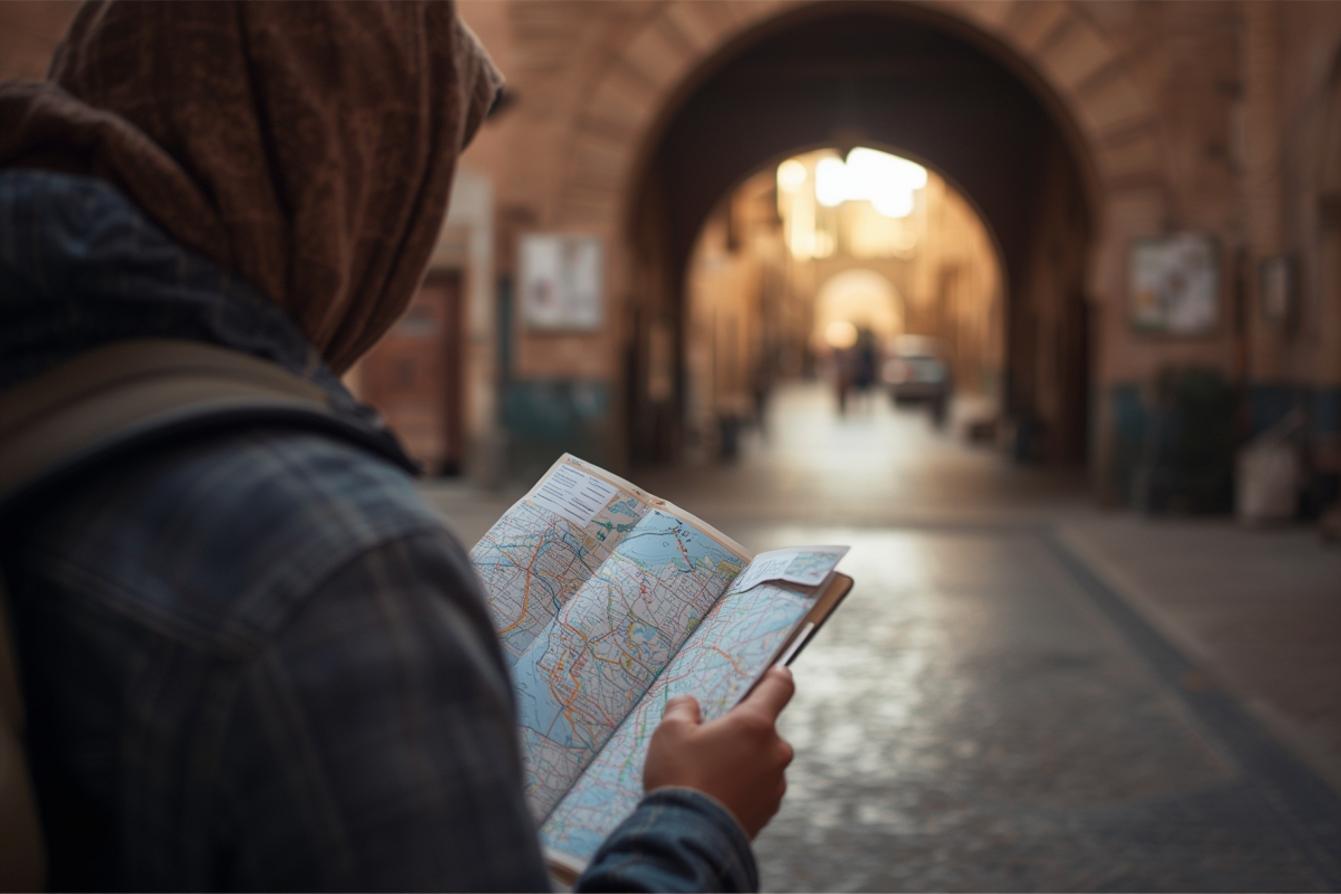
For navigational purposes, offline maps like Google Maps or Maps.me are invaluable, especially in the labyrinthine medinas where GPS signals can be tricky. Downloading maps beforehand saves data and ensures you can always find your way. For more detailed insights into specific attractions and routes, resources like morocco itinerary guides can provide excellent, up-to-date information.
Tour Operators vs. Independent Travel: Making the Right Choice
For first-time visitors planning a morocco tour, deciding between an organized tour and independent travel can be a significant decision. Both have their merits.
Organized Tours: These offer convenience and peace of mind. A reputable tour operator handles all the logistics: transport, accommodation, guides, and often some meals. This is particularly beneficial for complex multi-city itineraries, especially those involving desert excursions, which can be challenging to arrange independently. Tour companies have established relationships with local providers, ensuring reliability and often access to unique experiences. They can also provide valuable cultural context and ensure you’re getting a fair price for services. For those who prefer a structured itinerary and expert guidance, this is often the best choice for a first visit. Many first-timers find that having a driver and guide takes the stress out of navigating, allowing them to relax and absorb the rich experiences.
Independent Travel: This path offers maximum flexibility, allowing you to tailor every aspect of your trip to your preferences and budget. You control your pace, daily activities, and spontaneous detours. It can also be more budget-friendly if you are willing to spend time researching and booking everything yourself. However, it requires more planning, especially for challenging logistics like desert trips or navigating unfamiliar public transport systems. For first-timers, independent travel can be daunting in a country where language barriers and cultural nuances might pose challenges.
Ultimately, a hybrid approach might be the sweet spot for many. You could arrange your flights and initial accommodation independently, then book specific multi-day tours (like a desert trip) through a local operator to handle the more complex legs of your journey. This balances flexibility with professional support where it’s most needed. Investigate different operators, read reviews, and clarify what’s included before committing.
Conclusion
Planning your first morocco tour is an exciting journey in itself, and with these essential tips, you’re well on your way to an unforgettable adventure. By thoughtfully considering your itinerary, understanding logistical aspects, embracing cultural nuances, and making informed decisions about tour types, you can ensure a smooth and enriching experience. Morocco offers a truly unique travel experience, and proper preparation will allow you to fully immerse yourself in its magic, from the bustling souks to the quiet vastness of the Sahara.
FAQs
What is the best time of year for a first-time Morocco tour?
The ideal times to visit Morocco are spring (March to May) and autumn (September to November). During these months, the weather is generally pleasant and mild across most of the country, perfect for exploring cities, hiking in the mountains, and enjoying the desert without extreme heat. Summers (June to August) can be very hot, especially inland and in the Sahara, while winters (December to February) can be cool, with potential for snow in the Atlas Mountains, though sunny days are still common.
Is it safe for a first-time visitor to travel independently in Morocco?
Morocco is generally safe for tourists, even first-time independent travelers. However, like any destination, it requires common sense and awareness. Stick to well-trafficked areas, be mindful of your belongings, especially in crowded souks, and avoid walking alone in poorly lit or deserted areas at night. While friendly, touts can be persistent, so a firm but polite “no thank you” is often necessary. Many first-timers opt for a reputable tour company for parts of their trip, like desert excursions, to handle complex logistics and enhance safety and comfort.
What should I pack for a Morocco tour?
Packing for Morocco should consider modesty and varying climates. Essential items include comfortable walking shoes, light and breathable clothing that covers shoulders and knees, a hat, sunglasses, and high SPF sunscreen. Evenings, especially in the desert and mountains, can be cool, so pack layers like a light jacket or sweater. For the desert, a headscarf is useful for sun and sand protection. Don’t forget a small first-aid kit, personal medications, and a universal travel adapter.
Should I book my Morocco tour flights and accommodation in advance?
Yes, it is highly recommended to book flights and key accommodations in advance, especially if you are traveling during peak season (spring and autumn) or around major holidays like Eid. Popular riads, desert camps, and specific tour companies can book out quickly. Booking flights 3-6 months ahead usually secures better prices. For accommodation, aim to book at least 1-2 months in advance, giving you a wider choice and potentially better rates.





 Covers cities, coast, mountains, desert & food