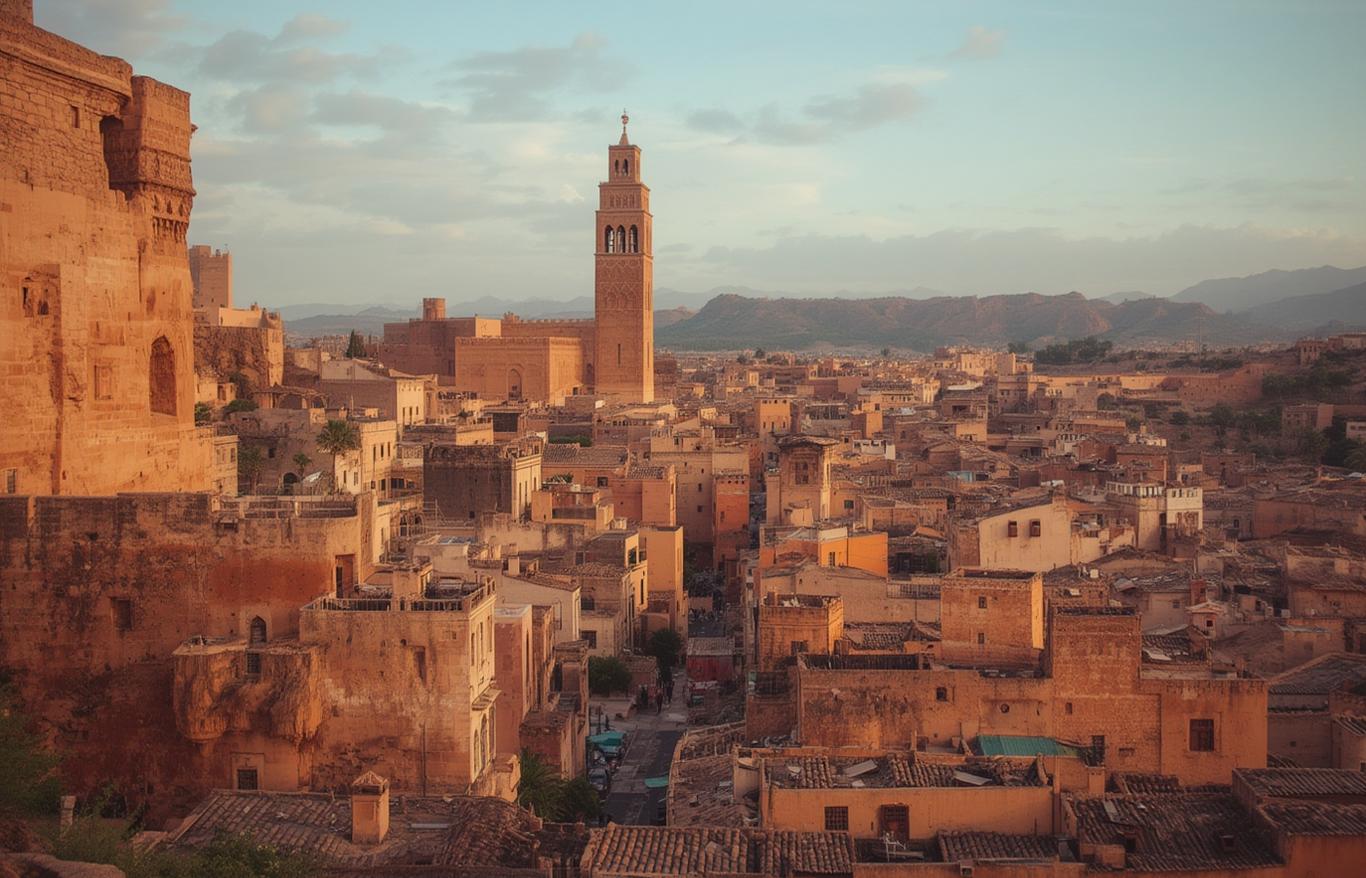
Embarking on a Moroccan tour is an adventure brimming with vibrant colors, intoxicating aromas, and rich history. To transform this dream into an unforgettable reality, meticulous planning is key. This guide will provide expert tips to ensure your Moroccan travel experience is seamless, enriching, and tailored to your desires, focusing on smart choices that optimize your time and budget. From navigating bustling souks to tranquil desert nights, understanding the logistical nuances before you go will elevate your entire journey. Let’s dive into how to effectively plan your perfect Moroccan tour.
Crafting Your Moroccan Tour: Tailoring the Itinerary to Your Interests
The first step in planning any successful Moroccan tour is understanding what kind of experience you truly seek. Morocco offers an incredible diversity, from ancient imperial cities to vast desert landscapes and stunning coastal towns. Are you a history buff yearning for the kasbahs of Marrakech and Fes? Do you dream of camel treks and starlit nights in the Sahara? Or perhaps you envision a blend of culture, adventure, and relaxation?
Consider the pace of travel you prefer. Some travelers thrive on packed schedules, moving from sunrise to sunset, while others prefer to linger, soak in the atmosphere, and allow for spontaneous discoveries. A common mistake is trying to see “everything” in too short a time, which can lead to exhaustion rather than enjoyment. Instead, select a few key regions or cities that genuinely captivate you and dedicate sufficient time to explore them in depth. For instance, combining Marrakech with a desert excursion often makes for an ideal first-time Moroccan tour, offering a compelling mix of urban energy and serene landscapes. For those with more time, adding cities like Fes, Chefchaouen, or Essaouira can further enrich the experience, provided you factor in realistic travel times between destinations. Prioritizing experiences will significantly enhance your enjoyment and the overall flow of your tour.
Optimizing Your Travel Dates and Duration for a Memorable Moroccan Tour
Choosing the right time of year and determining the optimal length for your Moroccan tour are crucial decisions that impact everything from weather conditions to crowd levels and pricing. Morocco experiences distinct seasons, and knowing what to expect can vastly improve your trip.
Spring (March to May) and autumn (September to November) are widely considered the best times to visit. The weather is generally pleasant across the country, making it ideal for sightseeing in cities, trekking in the Atlas Mountains, and desert excursions. Temperatures are comfortable, and the landscapes are often at their most vibrant. However, these peak seasons also mean higher prices for flights and accommodation, and more crowded popular sites. Booking well in advance is essential during these times.
Summer (June to August) can be intensely hot, particularly in the interior cities like Marrakech and Fes, and the Sahara Desert. While the heat can be challenging, it’s also a period of fewer tourists and potentially lower prices. Coastal cities like Essaouira and Tangier offer a reprieve with sea breezes. If you travel during summer, plan your activities for early mornings and late afternoons, embracing the Moroccan custom of siesta during the hottest parts of the day.
Winter (December to February) brings cooler temperatures, especially in the north and the mountains, where snow is common. The desert can be surprisingly cold at night. This is a quieter time to visit cities, though some mountain passes may be closed. It can be a great option for those who prefer cooler weather and fewer crowds, but pack layers!
For duration, a minimum of 7 to 10 days is recommended for a balanced Moroccan tour that includes an imperial city and a desert experience without feeling rushed. Two weeks allows for a more comprehensive exploration, perhaps combining two major cities, a desert trip, and a visit to a coastal town or mountain region. Shorter trips (3-5 days) are possible if you focus solely on one city like Marrakech or Fes, but they won’t offer a full picture of Morocco’s diverse offerings.
Smart Budgeting to Maximize Your Moroccan Tour Experience
Effective budgeting is non-negotiable for a stress-free and fulfilling Moroccan tour. Morocco can be a remarkably affordable destination, but costs can quickly add up if you’re not mindful. Your budget will depend heavily on your travel style, accommodation preferences, and chosen activities.
Start by breaking down your expenses into key categories:
- Flights: International airfare is often the largest single expense. Look for flights well in advance, and consider flying into Casablanca (CMN), Marrakech (RAK), or Fes (FES) depending on your itinerary start point.
- Accommodation: Morocco offers a wide range of options, from budget-friendly hostels and guesthouses (riads) to luxurious boutique hotels and desert camps. Riads, traditional Moroccan homes with inner courtyards, offer an authentic and charming experience. Prices can vary dramatically, so establish your comfort level and book accordingly.
- Transportation: Travel within Morocco can be done via various means. Public transport (trains, intercity buses like CTM or Supratours) is very economical and efficient for covering large distances between major cities. For more flexibility, particularly for desert trips or exploring specific regions, hiring a private driver or joining a small-group tour is often preferred, though more expensive. Taxis within cities are generally affordable but always agree on a price beforehand or ensure the meter is used.
Food and Drink: Eating in Morocco is incredibly delicious and can be very budget-friendly. Local street food, small cafes, and traditional restaurants (often called restaurants touristiques or restaurants marocains*) offer hearty meals at good prices. Fine dining experiences are also available, especially in Marrakech and Fes, for those looking to splurge. Factor in water, soft drinks, and occasional alcoholic beverages (which are less common and more expensive outside of tourist establishments and hotels).
- Activities and Entrance Fees: Plan for costs associated with guided tours, museum entries, camel treks, cooking classes, and excursions. Many souk experiences, while free to wander, might tempt you with enticing purchases.
- Shopping & Souvenirs: This is where many budgets can go awry! Decide upfront how much you’re willing to spend on souvenirs, textiles, ceramics, or spices. Bargaining is expected in the souks, so be prepared to haggle politely.
- Tips (Baksheesh): Tipping is customary in Morocco for various services, including guides, drivers, restaurant staff, and even often for small favors. Carry small denominations of Moroccan Dirham (MAD) for this purpose.
A smart approach to budgeting for your Moroccan tour involves prioritizing where you want to save and where you’re willing to spend. Perhaps you opt for budget accommodation but splurge on a luxurious desert camp, or vice-versa. Always build in a buffer for unexpected expenses or spontaneous purchases.
Deciphering Moroccan Travel Logistics: Getting Around and Staying Connected
Navigating the logistics of a Moroccan tour, especially as a first-time visitor, can seem daunting, but with a bit of foresight, it’s quite manageable.
Intercity Travel
- Trains: ONCF operates a reliable and comfortable train network connecting major cities like Casablanca, Rabat, Fes, Meknes, and Marrakech. First-class tickets offer more space and are a minimal upgrade for significant comfort. Always book in advance, especially for popular routes.
- Buses: CTM and Supratours are the two main reputable intercity bus companies, offering comfortable and air-conditioned services to destinations not covered by the train network, or as a more economical alternative. Book tickets a day or two in advance.
- Grand Taxis: These shared taxis, typically old Mercedes sedans, connect towns and go long distances. They are faster than buses for certain routes but can be less comfortable as they fill up to capacity. Agree on the price before getting in.
- Private Drivers/Tours: For ultimate flexibility, comfort, and personalized service, especially for desert trips, the Atlas Mountains, or multiple stops off the main routes, hiring a private driver or joining a small-group tour is an excellent option. This is often part of an organized Moroccan tour package. They are invaluable for navigating complex routes and providing local insights.
- Rental Cars: While possible, renting a car is generally not recommended for first-time visitors due to challenging traffic in cities, aggressive driving, and often poor road conditions in rural areas. Parking can also be a significant issue.
City Transportation
- Petit Taxis: These small, metered taxis operate within city limits. In most cities, they are typically beige or red. Always insist on the meter (compteur) or agree on a price before starting your journey.
- Walking: The best way to explore the medinas (old city centers) is on foot. Be prepared for labyrinthine alleys and bustling crowds.
- Donkeys/Mopeds: In some medinas, these are the primary forms of transport for goods, adding to the authentic atmosphere.
Staying Connected
- SIM Cards: Purchasing a local SIM card (from Maroc Telecom, Orange, or Inwi) upon arrival at the airport or any mobile shop is highly recommended. Data plans are affordable and provide reliable internet access for navigation, communication, and social media.
- Wi-Fi: Most hotels, riads, and many cafes or restaurants offer free Wi-Fi, though quality can vary.
- Currency: The local currency is the Moroccan Dirham (MAD). ATMs are widely available in cities and larger towns. Credit cards are accepted in many hotels, larger restaurants, and shops, but cash is essential for smaller purchases, souks, and tips. It’s advisable to carry a mix of cash and cards.
Essential Preparations: Documents, Health, and Safety for Your Moroccan Tour
A well-prepared traveler enjoys a smoother and safer Moroccan tour. Don’t overlook these critical pre-departure checks.
Documentation and Entry Requirements
- Passport: Ensure your passport is valid for at least six months beyond your intended departure date from Morocco.
- Visa: Check if your nationality requires a visa for Morocco. Many nationalities, including those from the US, UK, EU, Canada, and Australia, do not need a visa for stays up to 90 days, but always verify current regulations with the Moroccan embassy or consulate in your country.
- Travel Insurance: This is non-negotiable. Travel insurance should cover medical emergencies, trip cancellations, lost luggage, and unexpected events. Healthcare facilities in Morocco vary in quality, and comprehensive insurance provides peace of mind.
- Copies of Documents: Carry photocopies or digital images of your passport, visa, flight tickets, and insurance policy separately from the originals. This simplifies replacement if originals are lost or stolen.
Health Considerations
- Vaccinations: Consult your doctor or a travel clinic well before your trip to ensure you are up-to-date on routine vaccinations. Depending on your current health and specific travel plans, they may recommend additional vaccines like Hepatitis A and B, Typhoid, or Rabies.
- Medication: Bring any prescription medications in their original packaging, along with a doctor’s note. Also, pack a basic first-aid kit with essentials like pain relievers, anti-diarrhea medication, antiseptic wipes, and band-aids.
- Water Safety: Drink only bottled water or water that has been boiled and filtered. Avoid ice in drinks unless you are sure it’s made from purified water.
- Food Safety: Be adventurous with local food, but exercise caution with street food, especially items that sit out for extended periods. Stick to freshly cooked, hot meals. Wash fruits and vegetables thoroughly, or opt for peeled produce.
- Sun Protection: The Moroccan sun can be intense. Pack high SPF sunscreen, a wide-brimmed hat, and sunglasses.
- Hydration: Drink plenty of water throughout the day to prevent dehydration, especially in warmer months or desert environments.
Safety and Local Customs
- Personal Safety: Morocco is generally a safe country for tourists, but petty crime, like pickpocketing, can occur, especially in crowded areas like souks. Be aware of your surroundings, secure your valuables, and avoid flashing expensive jewelry or electronics.
- Scams: Be wary of overly friendly strangers offering “help” or guiding you through the medina – they often expect payment. Politely decline if you don’t need assistance. Always confirm prices before committing to a service or purchase.
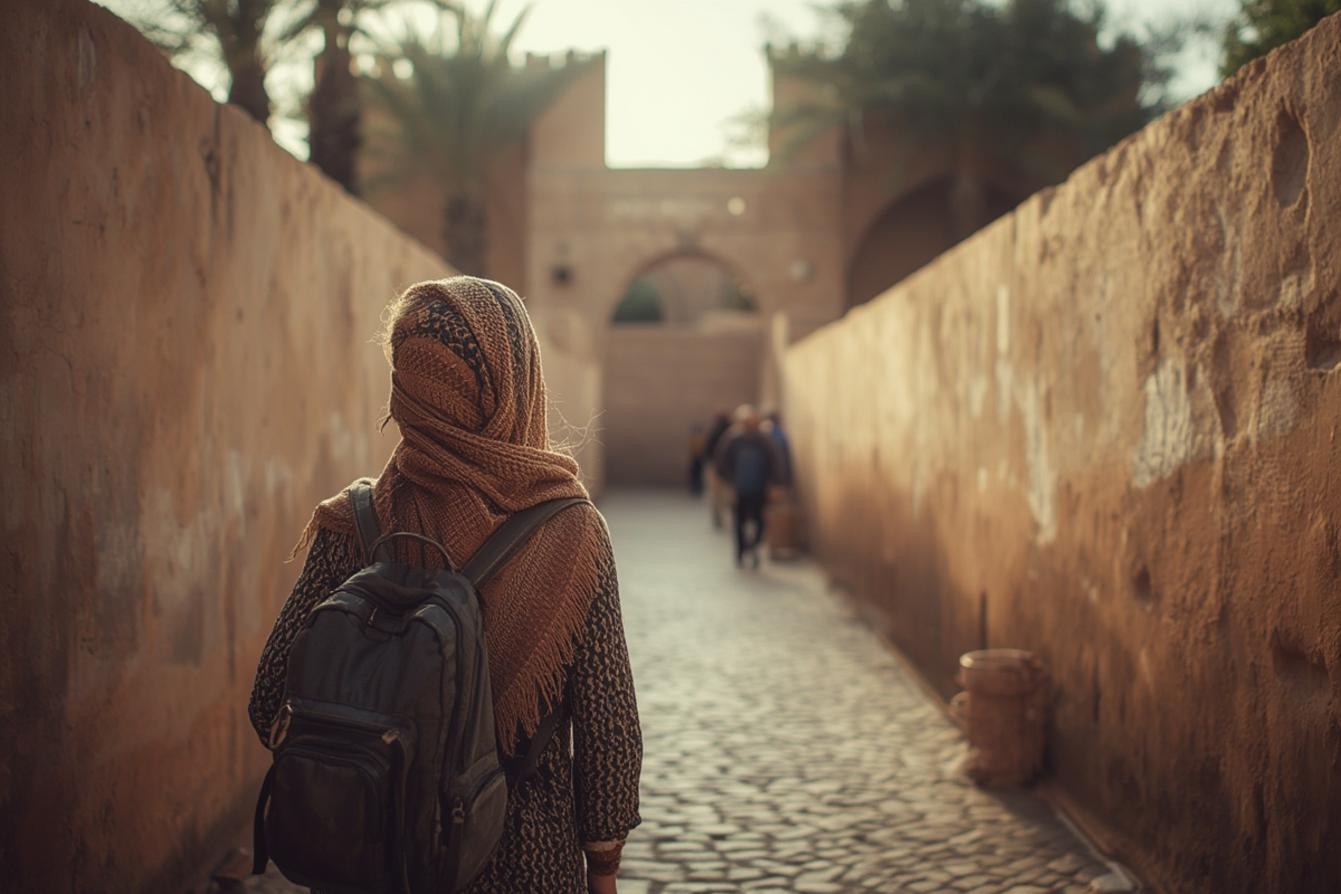
- Respect Local Culture: Morocco is a Muslim country with conservative customs. Dress modestly, especially when visiting religious sites or rural areas. Women may find it comfortable to carry a scarf to cover their shoulders or head when appropriate. Be mindful of public displays of affection.
- Photography: Always ask permission before taking photos of people, particularly women and children. Some people may request a small fee.
- Language: While Arabic and Berber are the official languages, French is widely spoken, especially in tourist areas. Learning a few basic Arabic phrases (e.g., “Salam alaikum” – hello, “Shukran” – thank you) will be greatly appreciated.
By addressing these practical aspects, your Moroccan tour will be not only unforgettable but also comfortable and secure. For an even deeper dive into specific cities and planning a diverse itinerary, consider resources like this moroccan tour guide.
Choosing the Right Accommodation: From Riads to Desert Camps for Your Moroccan Tour
The choice of accommodation significantly shapes your Moroccan tour experience. Morocco offers a fascinating array of lodging options, each providing a unique perspective on the country’s culture and hospitality.
Riads: Found predominantly in the medinas of imperial cities like Marrakech and Fes, riads are traditional Moroccan houses with internal courtyards, often featuring a fountain or garden. They are known for their intricate tilework, carved wood, and tranquil atmosphere, providing a welcome escape from the bustling souks outside. Staying in a riad offers an authentic cultural experience, with personalized service, homemade breakfasts, and often rooftop terraces with stunning city views. They range from charming budget-friendly options to luxurious boutique properties with pools and hammams. When booking a riad, read reviews carefully to ensure it aligns with your expectations regarding comfort and location. Some riads can be challenging to find within the labyrinths of the medina, so clear arrival instructions or a pick-up service are a plus.
Hotels: Across Morocco, you’ll find a range of hotels, from international chains to local establishments. In New Towns (Villes Nouvelles), hotels often provide more modern amenities, larger rooms, and easier access by car. They can be a good option if you prefer a more conventional stay or require specific facilities like gyms or business centers. In coastal areas, resorts and beach hotels are prevalent, offering amenities like private beaches and swimming pools.
Desert Camps: A quintessential part of any Sahara Desert Moroccan tour is an overnight stay in a desert camp. These range from basic, traditional Berber tents to luxurious glamping experiences with private bathrooms, hot showers, and gourmet meals. Regardless of the level of luxury, the magic lies in sleeping under a blanket of stars, enjoying a traditional dinner by campfire, and waking up to a desert sunrise. When booking a desert tour, clarify what’s included (transport, meals, camel treks, guide) and the type of camp you’ll be staying in.
Kasbah Guest Houses: In the Atlas Mountains and rural areas, you’ll find charming kasbahs, often restored fortified houses or citadels, converted into guest houses. These offer unique architectural beauty, stunning views, and a chance to experience regional culture and hospitality. They are perfect for those seeking tranquility and immersion in nature.
When making your accommodation choices for your Moroccan tour, consider:
- Location: Do you want to be within walking distance of attractions in the medina, or prefer the accessibility of the New Town?
- Amenities: What are your non-negotiable comforts (e.g., air conditioning, private bathroom, pool, Wi-Fi)?
- Atmosphere: Are you seeking cultural immersion, luxury, or budget-friendly practicality?
- Reviews: Always check recent reviews on reputable sites to get an accurate picture of the property and its service.
Booking your accommodation well in advance, especially during peak season, is highly recommended to secure your preferred options and potentially better rates.
What to Book in Advance for a Stress-Free Moroccan Tour
While some aspects of a Moroccan tour can be spontaneous, certain bookings are essential to secure early, particularly during peak travel seasons, to ensure a smooth and enjoyable trip. Taking care of these ahead of time saves you stress, time, and often money.
- International Flights: As mentioned, securing your round-trip international airfare as early as possible generally yields the best prices and availability, especially if you’re traveling during popular periods.
- Key Accommodations: Your preferred riads, hotels, or desert camps in popular destinations like Marrakech, Fes, and the Sahara can fill up quickly. Booking these well in advance, sometimes 3-6 months out, is prudent.
- Desert Tours: If a Sahara Desert experience (e.g., from Marrakech or Fes to Erg Chebbi or Erg Chigaga) is on your itinerary, these multi-day tours are best booked ahead of time. This includes arrangements for transport, guides, and accommodation in desert camps. Reputable tour operators will often require deposits.
- High-Speed Train Tickets: For intercity travel on the Al Boraq high-speed train between Casablanca and Tangier, or even mainline routes between major cities, booking first-class tickets in advance is advisable to guarantee a seat and comfort. This can often be done online or through a local travel agent once you’ve arrived.
- Specialized Activities/Guided Tours: If you have specific activities in mind, such as a hot air balloon ride over Marrakech, a cooking class, a particular Atlas Mountains trek with a local guide, or a city walking tour with a specific expert, book these slots ahead of time. These often have limited capacity and popular guides get booked quickly. You can find a comprehensive moroccan travel guide with booking options there.
- Private Transfers (if applicable): If you opt for private airport transfers or intercity travel with a dedicated driver, arrange this in advance, especially for late-night arrivals or early departures, to avoid last-minute hassles and ensure a fair price.
- Restaurant Reservations (for high-end dining): While many Moroccan restaurants cater to walk-ins, popular and upscale dining establishments, particularly in Marrakech and Fes, often require reservations, especially for dinner.
While booking some elements in advance is crucial, leaving a degree of flexibility for spontaneous discoveries is also part of the Moroccan experience. Balance critical pre-bookings with room for improvisation to create your ideal Moroccan tour.
Common Planning Mistakes to Avoid on Your Moroccan Tour
Even with the best intentions, travelers can fall into common traps when planning a Moroccan tour. Being aware of these pitfalls can help you sidestep them for a smoother journey.
- Overpacking the Itinerary: Trying to squeeze too many cities or attractions into a limited timeframe is perhaps the most frequent mistake. Morocco is larger and denser than many expect, and travel between destinations, while efficient, still takes time. Rushing leads to fatigue and detracts from deeper cultural immersion. Prioritize quality over quantity.
- Underestimating Travel Times: Moroccans operate on a slightly different sense of time (“Inshallah” – God willing), and travel can sometimes take longer than anticipated due to road conditions, short stops, or unexpected delays. Always add buffer time between destinations and activities.
- Not Carrying Enough Cash (Dirham): While credit cards are accepted in many places, cash is king, especially in souks, for small purchases, local cafes, and tipping. Relying solely on cards will limit your options. Always have small denominations on hand.
- Ignoring Local Customs and Dress Codes: Disregarding cultural norms, especially regarding dress and public behavior, can inadvertently cause offense. Modest dress is appreciated, particularly outside tourist bubbles. Research basic etiquette to show respect.
- Failing to Bargain (or Bargaining too Aggressively): Bargaining is an integral part of Moroccan souk culture. It’s expected, but should be done with good humor and respect, not aggression. Start lower than you’re willing to pay, but don’t insult the vendor. If you’re not interested, politely decline and move on.
Not Confirming Prices Before Services: From taxis to unofficial guides offering to lead you through the medina, always agree on a price before* accepting a service. This avoids misunderstandings and potential overcharging.
- Drinking Tap Water: Unless clearly stated otherwise (e.g., in some high-end hotels with filtered systems), always stick to bottled water to avoid stomach issues.
- Falling for “Free” Guides: In the medinas, especially in Fes and Marrakech, you might encounter people offering to guide you for free, stating “it’s for practice.” These “guides” will inevitably lead you to shops where they get a commission, or demand payment at the end. If you want a guide, book a licensed one through your accommodation or a reputable tour operator.
- Not Booking Desert Tours with Reputable Companies: An unforgettable desert experience requires a reliable company. Avoid extremely low-priced tours that might cut corners on safety, comfort, or ethical practices. Read reviews and choose operators known for professionalism.
- Forgetting Travel Insurance: While hopefully never needed, comprehensive travel insurance is a crucial safety net for any international trip, covering medical emergencies, trip interruptions, and lost luggage.
By being mindful of these common missteps, your Moroccan tour can be much smoother and more enjoyable, allowing you to focus on the wonders of the country.
Conclusion
Planning an unforgettable Moroccan tour doesn’t have to be overwhelming. By adopting a strategic approach to your itinerary, budgeting wisely, understanding logistics, and making essential preparations, you can ensure a journey that’s rich in culture, adventure, and comfort. From the bustling medinas to the serene Sahara, each decision contributes to the tapestry of your experience. Embrace the planning process, knowing that a well-organized trip allows for more spontaneous joy and deeper immersion into the magic of Morocco. May your Moroccan tour be filled with incredible memories.
FAQs
### What is the best time of year to visit Morocco for a tour?
The best time to visit Morocco for a tour is typically during the spring months (March to May) and autumn months (September to November). During these periods, the weather is pleasant across most of the country, making it ideal for sightseeing in cities, trekking in the mountains, and comfortable desert excursions. Summers can be very hot, especially inland, while winters are cooler with potential snow in the mountains.
### Do I need a visa to enter Morocco as a tourist?
Visa requirements for Morocco vary by nationality. Many tourists from countries like the US, UK, EU, Canada, and Australia do not require a visa for stays up to 90 days. However, it is crucial to check the specific, up-to-date visa regulations with the Moroccan embassy or consulate in your country of residence before planning your Moroccan tour.
### What currency is used in Morocco, and should I carry cash?
The local currency in Morocco is the Moroccan Dirham (MAD). While credit cards are accepted in many hotels, larger restaurants, and shops, it is highly recommended to carry cash (Dirham), especially for smaller purchases in souks, local cafes, street food, and for tipping. ATMs are readily available in cities.
### Is it safe to travel independently on a Moroccan tour, or should I book an organized trip?
Morocco is generally a safe country for tourists, and independent travel is certainly possible and rewarding. However, for first-time visitors, especially those venturing into the Sahara Desert or navigating complex medinas, an organized tour, or at least a private driver for certain legs of the trip, can significantly enhance comfort and convenience. It depends on your travel style and confidence level.




 Covers cities, coast, mountains, desert & food