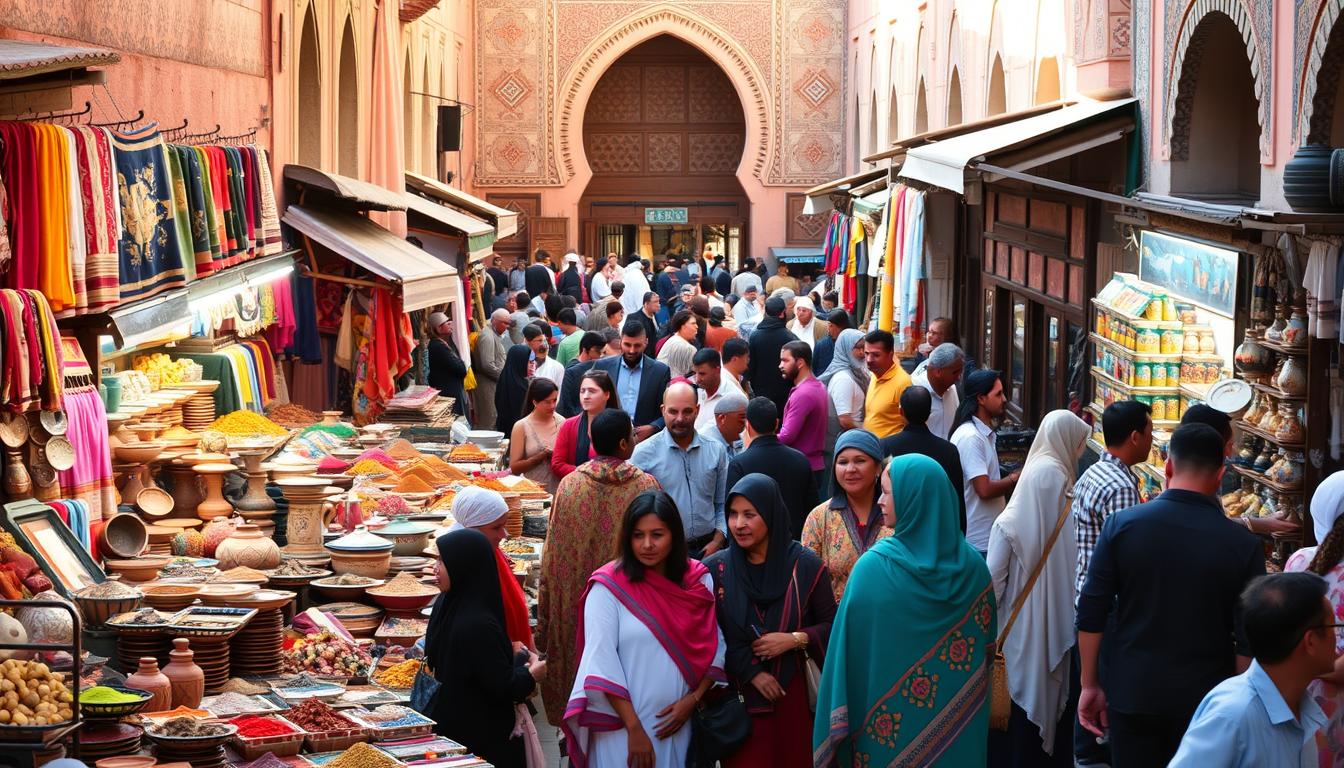
Get ready to dive into the world of Moroccan people. Here, old traditions meet new ways of life. The Moroccan community is a colorful mix of different ethnic groups and cultures.
Exploring Morocco’s rich heritage reveals a unique mix of Arab, Berber, and Mediterranean cultures. You’ll see this in the lively markets and peaceful landscapes. The true spirit of Moroccan heritage is everywhere.
Key Takeaways
- Morocco’s cultural diversity is shaped by its ethnic groups and traditions.
- The blend of Arab, Berber, and Mediterranean cultures influences daily life.
- Moroccan heritage is characterized by its vibrant cultural practices.
- Community life plays a significant role in Moroccan society.
- The country’s rich history is reflected in its architecture and landscapes.
The Ethnic Tapestry of Morocco
Exploring Morocco’s ethnic tapestry reveals the vital roles of Berber and Arab cultures. Morocco’s culture is a rich mix, influenced by the Berbers and Arab migrants. This blend has shaped the country’s identity.
Berber Origins and Heritage
The Berbers, or Amazigh, are Morocco’s original inhabitants. Their culture is rooted in community and tradition. This heritage is ancient and strong.
Ancient Berber Civilizations
The ancient Berbers were known for their complex societies and resilience. Their legacy lives on in the Amazigh people’s modern practices and traditions.
Berber Cultural Continuity
Even after the Arab conquest, Berber culture remained strong. They preserved their language, customs, and social ways. Many Berbers still live in rural areas, keeping their traditions alive.
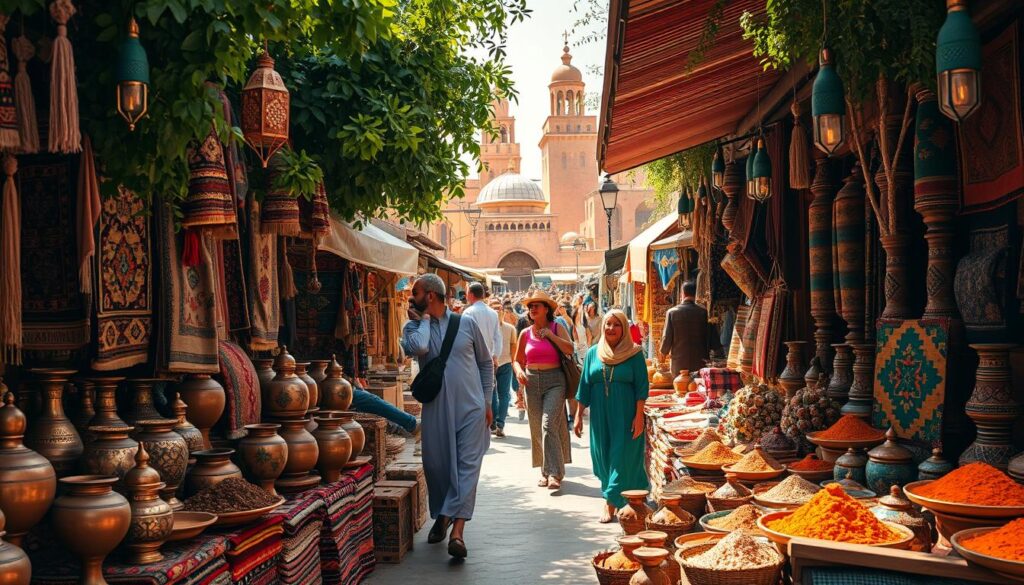
Arab Influence and Integration
The arrival of Arab migrants in the 7th century changed Morocco’s culture. For more on Arab migration’s impact, visit Morocco Dreams Safari.
Arab Migration Waves
The Arab migrations introduced Islam and Arabic, shaping Morocco’s identity. These changes were significant.
Cultural Synthesis
The mix of Berber and Arab cultures created a unique blend. This is seen in Morocco’s architecture, cuisine, and social norms. It’s a fascinating cultural synthesis.
| Cultural Element | Berber Influence | Arab Influence |
|---|---|---|
| Language | Amazigh languages | Arabic |
| Religion | Traditional beliefs | Islam |
| Cuisine | Traditional dishes like tagine | Influence on spices and cooking methods |
Historical Foundations of Moroccan Identity
To understand Morocco’s identity, we must explore its rich history. Morocco’s past is a mix of many cultures. These influences have shaped the country into what it is today.

Pre-Islamic Morocco
Before Islam, Morocco was home to Berber tribes. These tribes had their own cultures and traditions. The Berbers were Morocco’s original people, with a history going back to ancient times.
Their ways of life and cultural practices set the stage for Morocco’s future.
Islamic Conquest and Cultural Transformation
In the 7th century, Islam came to Morocco. This changed the country’s culture and religion. Islam became a key part of Moroccan identity.
It influenced the language, customs, and laws of Morocco. This period was a turning point for Moroccan society.
Colonial Influences on Moroccan Society
Later, Morocco was influenced by France and Spain. These colonial powers had a big impact on Moroccan society, culture, and politics. They introduced new systems and practices.
These changes blended with Morocco’s existing identity. This created a unique cultural mix.
| Period | Key Events | Cultural Impact |
|---|---|---|
| Pre-Islamic | Berber tribes | Indigenous cultures |
| Islamic Conquest | 7th century conquest | Introduction of Islam |
| Colonial Era | French and Spanish rule | Administrative and cultural changes |
The Amazigh People: Morocco’s Indigenous Population
Exploring Morocco’s vibrant culture reveals the Amazigh community’s big role. The Amazigh, or Berbers, are Morocco’s original people. They have a rich history and traditions that have shaped the country.
Amazigh Tribes and Regional Distinctions
The Amazigh people are not all the same. They live in different parts of Morocco, each with their own culture.
Rif Mountain Communities
In the Rif Mountains, the Amazigh have a unique culture. Their traditions and language are shaped by their history and the mountains.
Atlas Mountain Groups
The Atlas Mountains are home to many Amazigh. They have a strong cultural heritage that shows their deep connection to the land.
Southern Desert Tribes
In Morocco’s southern deserts, Amazigh tribes live. They have learned to thrive in the harsh desert environment.
Amazigh Cultural Revival in Modern Morocco
Lately, there’s been a big interest in Amazigh culture. People are working hard to keep their language, arts, and traditions alive.
Traditional Amazigh Crafts and Artistry
Amazigh culture is known for its beautiful crafts. They make things like textiles, pottery, and jewelry. These crafts show their artistic side and are important to their identity.
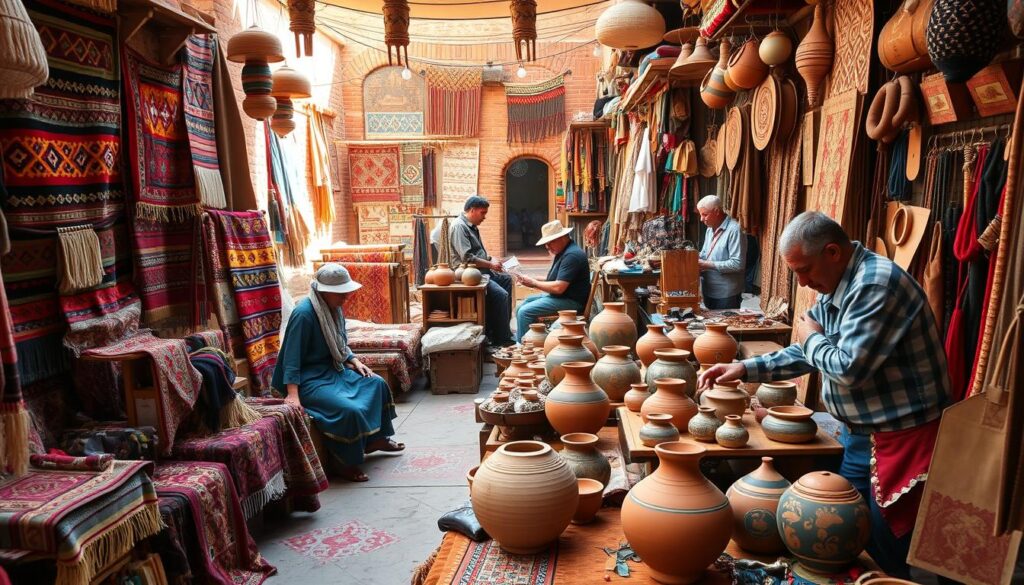
The Amazigh people’s impact on Morocco’s culture is huge. Their traditions, language, and art make Morocco a more interesting place to visit.
Arab-Moroccan Communities and Traditions
Exploring Morocco reveals the big role Arab-Moroccan communities play in its traditions. The country’s culture is a mix of Arab and Berber, seen mostly in cities.
Urban Arab Culture in Morocco
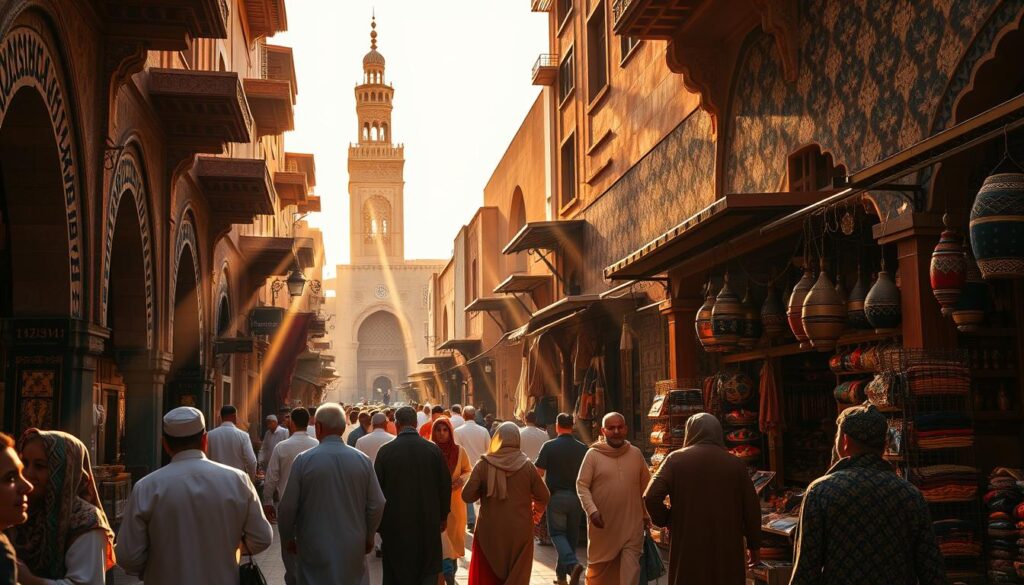
Urban Arab culture in Morocco is a mix of old and new. Arab areas in cities like Marrakech and Fez were once centers of culture and religion.
Historical Arab Quarters
The old Arab quarters, or medinas, are full of narrow streets, lively markets, and important buildings. They keep their traditional beauty and are key to city life.
Modern Urban Arab Life
Today, urban Arab life in Morocco is a mix of old and new. Cities are where you see both Arab and Berber traditions. You can feel this mix in the souks, cafes, and festivals.
Arab-Berber Cultural Synthesis
The mix of Arab and Berber cultures is what makes Morocco unique. This blend is seen in language, food, and social ways. For example, the culture of Morocco is a special mix of Arab and Berber, making a distinct identity.
| Cultural Aspect | Arab Influence | Berber Influence |
|---|---|---|
| Language | Arabic | Amazigh languages |
| Cuisine | Tagines, couscous | Traditional Berber dishes |
| Social Norms | Islamic traditions | Berber customs and hospitality |
The Arab-Berber mix has made Moroccan society rich and diverse. As you learn more about Moroccan culture, you’ll see how these influences work together.
The People of Morocco: Diversity in Unity
Exploring Morocco reveals a vibrant mix of cultures and traditions. The country’s people show a rich diversity shaped by different regional influences.
Regional Cultural Variations
Morocco’s culture varies by region. The north is influenced by Spanish and Mediterranean cultures. This is seen in its architecture, food, and traditions.
Northern Influences
Northern cities like Tangier mix Moroccan and Mediterranean cultures. They have unique buildings and food traditions.
Central Traditions
The center of Morocco is deeply rooted in Arab and Berber customs. It’s known for lively festivals and historical sites.
Southern Cultural Practices
The south, near the Sahara Desert, has its own culture. It’s known for special music and traditional clothes.
Shared National Identity
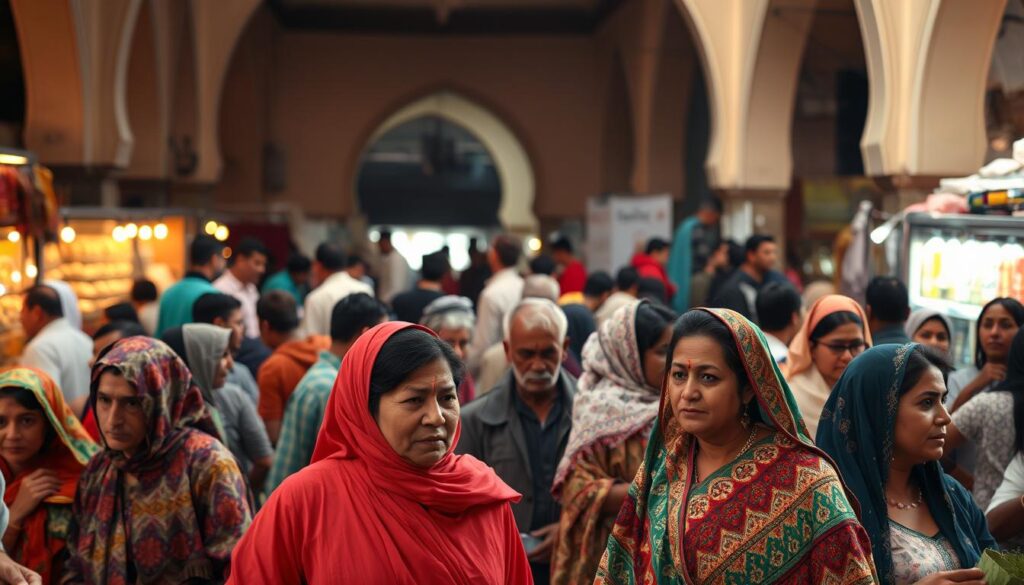
Despite differences, Moroccans share a strong national identity. This is based on their history, language, and Islamic heritage. As “Morocco is a country where tradition and modernity coexist harmoniously.”
Modern Demographic Trends
Today, urbanization and migration are changing Morocco’s culture. People moving to cities bring their traditions, leading to a dynamic cultural evolution.
In conclusion, Morocco’s people are a beautiful mix of diversity and unity. Regional differences add richness to their shared identity.
Languages of Morocco: Communication and Identity
Morocco is a country where many languages live together. Each one adds to the nation’s culture and daily life. This mix of languages shows Morocco’s history, culture, and where it’s located.
Darija: Moroccan Arabic
Darija, or Moroccan Arabic, is spoken by most people every day. It helps people talk to each other all over the country. You can see Darija in TV shows, books, and when people talk to each other.
Amazigh Languages and Dialects
Amazigh languages are part of Morocco’s roots, spoken by the Amazigh people. There’s a push to keep these languages alive, like in schools. For more on Amazigh languages, check out Wikipedia’s page on the Languages of Morocco.
French, Spanish, and Other Linguistic Influences
French and Spanish, from colonial times, are still important in Morocco. French is used in official places, and Spanish in the north. English is also becoming more common, especially with the young and in tourist spots. These languages make Morocco’s culture richer and help with talking to the world.
The many languages in Morocco show its complex history and its identity. When you visit Morocco, you’ll see how language shapes its culture, how people interact, and everyday life.
Religious Life in Morocco
Islamic practices and traditions deeply shape Moroccan society. The country’s religious identity comes from its history, culture, and geography.
Moroccan Islam: Practices and Traditions
Islam is the main religion in Morocco, with most people following Sunni Islam. The Maliki school of thought is especially influential.
Maliki School of Thought
The Maliki school is one of the four major Islamic legal schools. It greatly impacts Moroccan Islamic practices. It focuses on the practices of the people of Medina.
Daily Religious Practices
Daily life in Morocco includes religious practices. These include the five daily prayers, fasting during Ramadan, and giving zakat (charity). These practices are key to the social fabric.
Religious Institutions
Religious institutions like mosques and madrasas are vital in Moroccan society. They are not just places of worship but also centers of education and community gathering.
| Religious Institution | Role in Society | Notable Features |
|---|---|---|
| Mosques | Places of worship and community gathering | Architectural beauty, calligraphy |
| Madrasas | Centers of Islamic education | Historical significance, educational programs |
| Zawiyas | Sufi religious centers | Spiritual significance, Sufi rituals |
Sufi Traditions and Brotherhoods
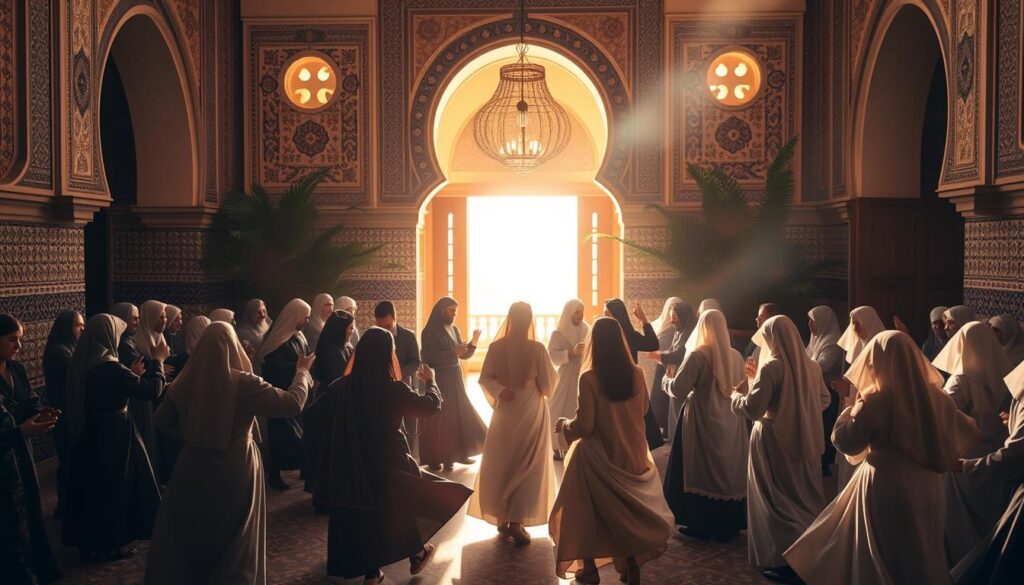
Sufism has a rich history in Morocco. Various Sufi brotherhoods enrich the country’s spiritual landscape. These brotherhoods are known for their mystical practices and cultural contributions.
Religious Minorities in Morocco
While Islam is the main religion, Morocco also has small communities of religious minorities. These include Christians and Jews. These communities have a long history in the country and add to its cultural diversity.
Morocco’s religious landscape is a mix of Islamic traditions and cultural diversity. Understanding the role of religion in Moroccan society gives insight into the country’s values and practices.
Family Structure and Social Organization
Understanding Moroccan family structures is key to grasping the broader social landscape of the country. Family is a vital component of Moroccan society. It influences various aspects of life, from social norms to economic activities.
Traditional Family Dynamics
In traditional Moroccan families, gender roles are clearly defined. Men typically hold the position of authority. Women manage the household and care for children. This division of labor is rooted in cultural and religious beliefs.
Gender Roles in Traditional Settings
Traditional gender roles in Morocco are influenced by Islamic values and cultural norms. Men are often seen as the primary breadwinners. Women are expected to manage domestic duties.
Extended Family Networks
Extended family networks play a crucial role in Moroccan society. These networks provide support, both financial and emotional. They are essential in times of need.
Evolving Family Structures in Modern Morocco
As Morocco modernizes, family structures are evolving, particularly in urban areas. Urbanization and education have led to changes in family dynamics. More women are entering the workforce.
Urban Family Transformations
Urban families in Morocco are experiencing significant changes. With increased access to education and employment opportunities, women are playing a more active role in the economy.
Women’s Changing Roles
Women’s roles in Moroccan society are expanding. More women are pursuing higher education and entering the workforce. This contributes to a shift in traditional gender roles.
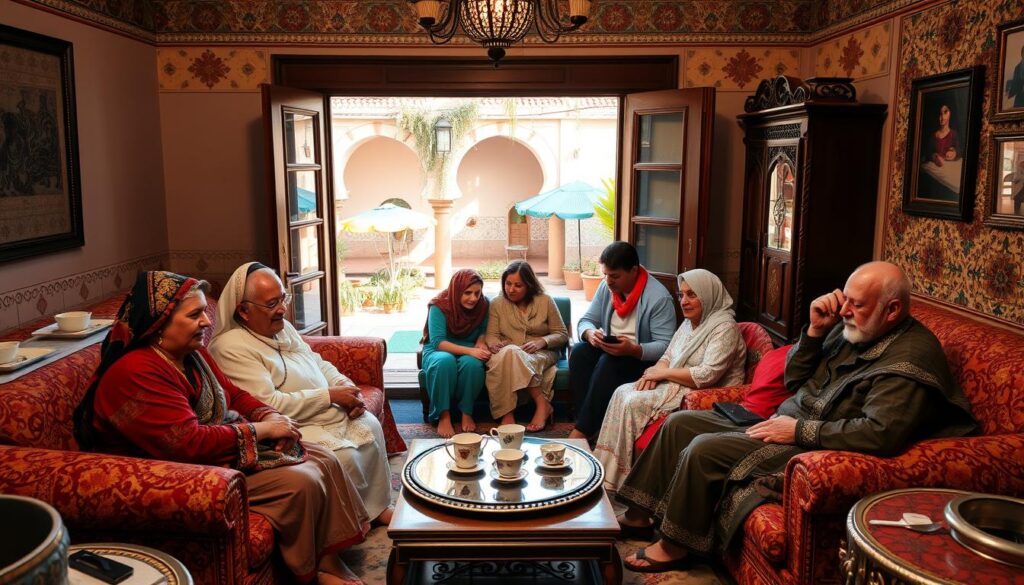
As Moroccan society continues to evolve, the traditional family structures are adapting to modern realities. This evolution is a testament to the resilience and adaptability of Moroccan families.
Moroccan Celebrations and Festivals
Immerse yourself in Moroccan culture and you’ll find a world of vibrant festivals. These events bring people together, showing the country’s rich history and diverse heritage. They highlight the strong sense of community.
Religious Celebrations
Religious celebrations are key in Moroccan life. Many festivities are based on the Islamic calendar. These events showcase the country’s deep-rooted traditions.
Ramadan Traditions
During Ramadan, Moroccans fast, pray, and gather with family and friends. The month is filled with spiritual reflection, charity, and traditional foods like harira and dates.
Eid Celebrations
Eid al-Fitr, marking Ramadan’s end, is a time of feasting, gift-giving, and prayer. Eid al-Adha honors Abraham’s sacrifice with rituals and charity.
Islamic Calendar Observances
Morocco celebrates various Islamic calendar events, including the Prophet’s Birthday and the Islamic New Year. For more information, visit this travel guide.
Cultural and Seasonal Festivals
Morocco also hosts cultural and seasonal festivals. These events showcase its rich heritage through traditional music, dance, and crafts.
Regional Celebrations and Moussems
Regional celebrations and moussems are vital in Moroccan culture. They give a glimpse into the country’s diverse traditions and regional identities.
| Festival | Location | Features |
|---|---|---|
| Mawazine Festival | Rabat | Music, dance, cultural events |
| Marrakech Popular Arts Festival | Marrakech | Traditional arts, crafts, music |
| Essaouira Gnawa Music Festival | Essaouira | Gnawa music, cultural exchange |

Moroccan Cuisine: A Cultural Cornerstone
Exploring Morocco’s rich culture, you’ll find its food is a lively mirror of its history and geography. Moroccan cuisine is more than just eating; it’s a blend of tradition, culture, and community.
Regional Culinary Traditions
Morocco’s different areas have their own cooking styles. These are shaped by local foods, history, and culture.
Northern Coastal Cuisine
The northern coast is famous for its seafood. Seafood is often grilled or cooked in a tagine. You’ll see Mediterranean touches like olives and preserved lemons.
Central Moroccan Dishes
Central Morocco, with cities like Fez and Meknes, has rich, hearty dishes. You’ll find couscous with veggies and meat, and tagines with fruits and nuts.
Desert and Oasis Food Traditions
The desert and oasis areas have a special cuisine. Dates are a key ingredient, used in stews and sweet treats.
Food as Social Connection
In Morocco, food is key to social events and welcoming guests. Meals are chances to bond and show kindness.
Communal Dining Practices
Sharing meals together is common in Morocco. Everyone eats from a central dish. This builds community and togetherness.
Hospitality Traditions
Hospitality is a big part of Moroccan culture, and food is central to it. Serving traditional dishes to guests shows respect and kindness.
“Food is the heart of Moroccan culture, and every meal is an opportunity to connect with others and celebrate the rich heritage of the country.”
Traditional Arts and Crafts of Morocco
Morocco’s traditional arts and crafts show its rich heritage. These crafts highlight the skill and creativity of Moroccan artisans. They also help keep the country’s cultural identity alive.
Textiles and Carpet Making
Moroccan textiles and carpets are famous for their bright colors and detailed patterns. Carpet making is a treasured tradition, with each area having its own designs and methods. These textiles are made with traditional techniques and natural materials, making each piece unique.
Pottery and Ceramics
Pottery and ceramics are key parts of Moroccan crafts. Artisans use local clays and glazes to make various items, from everyday tableware to decorative pieces. They keep traditional pottery making alive, blending old techniques with new designs.
Metalwork and Jewelry
Moroccan metalwork and jewelry are loved for their detailed designs and skill. Berber jewelry stands out for its symbolic motifs and use of silver and other metals. These pieces are not just beautiful but also carry deep cultural meaning, often used in ceremonies and celebrations.
Wood Carving and Architecture
Wood carving is highly respected in Morocco, with artisans creating detailed designs on doors, furniture, and more. The traditional Moroccan architecture also features elaborate wood carvings. These carvings add beauty to buildings and show the country’s rich cultural heritage.
These traditional arts and crafts are essential to Morocco’s culture. They reflect the country’s history, creativity, and community. Exploring these crafts helps us understand the importance of preserving traditional techniques in modern Moroccan society.
Music and Dance in Moroccan Culture
Exploring Moroccan culture reveals a world where music and dance are key parts of daily life. The country’s heritage shines through in its varied musical styles and dance traditions. Each has its own history and cultural importance.
Traditional Musical Styles and Instruments
Moroccan music combines traditional styles like Andalusian classical, Gnawa, and Berber folk. Each genre has its own instruments and musical expressions.
Andalusian Classical Music
This music comes from al-Andalus (Islamic Spain) and is known for its complex melodies and poetic lyrics. It’s seen as one of the most refined Moroccan music forms.
Gnawa Traditions
Gnawa music is known for its soulful rhythms and spiritual roots. It uses the guembri (a three-stringed bass lute) and qraqeb (metal castanets).
Berber Folk Music
Berber folk music varies by region and is lively and storytelling. It’s a big part of Berber cultural celebrations and daily life.
Regional Dance Traditions
Moroccan dance traditions are as varied as its music. Each region has its own style, showing the country’s cultural diversity.
Ahwash and Amazigh Dances
The Ahwash is a traditional Berber dance done in a circle. It features rhythmic movements and chanting. It’s a key part of Amazigh cultural celebrations.
Urban Dance Forms
Urban dance in Morocco combines modern styles with traditional roots. It’s a lively way to show the country’s youthful energy and cultural spirit.
Morocco’s music and dance show off its rich cultural heritage. By exploring these art forms, you’ll see the complexity and beauty of Moroccan culture.
Urban vs. Rural Life in Morocco
Morocco’s society shows a big difference between city and country life. Exploring Morocco, you see how different lifestyles shape this North African country.
City Life in Modern Morocco
Urban areas in Morocco mix old and new. Places like Casablanca and Rabat show this mix. They have modern buildings, lively culture, and busy markets.
Casablanca and Rabat Urban Culture
Casablanca is Morocco’s economic heart, known for its modern feel. Rabat, the political center, is quieter but rich in history. Both cities blend old and new ways of life.
Fez and Marrakech Traditional Urban Centers
Fez and Marrakech keep Morocco’s heritage alive. Fez’s ancient medina is a UNESCO site. Marrakech is known for its lively souks and buildings.
Rural Communities and Traditions
Rural Morocco is calm and keeps traditional ways. Farming and herding are big here. Life follows the seasons.
Agricultural Practices and Seasonal Rhythms
Farming and herding shape rural life in Morocco. People’s lives change with the seasons. This affects their work and celebrations.
Village Social Structures
Country villages in Morocco are close-knit. Community is key. They keep old traditions and customs alive.
Migration and Changing Demographics
Many move from country to city in Morocco. This changes the city’s culture. Rural traditions add to city life’s diversity.
Moroccan Diaspora and Global Influence
The Moroccan diaspora has spread across the globe, creating vibrant communities. These communities keep their cultural heritage alive. Moroccan culture is now a big part of many countries’ cultural scenes.
Moroccan Communities Abroad
Moroccans have formed big communities in Europe and North America. These communities stay connected to their Moroccan roots. At the same time, they also blend into their host countries.
European Moroccan Communities
In Europe, countries like France, Spain, and the Netherlands have big Moroccan populations. These communities have set up cultural centers, mosques, and social groups. They work to keep Moroccan traditions alive.
North American Moroccan Diaspora
In North America, the United States and Canada have growing Moroccan communities. These communities hold cultural events, festivals, and religious celebrations. They show off their Moroccan heritage.
Cultural Contributions on the Global Stage
Moroccans abroad have made big impacts in arts, entertainment, and cuisine. Their contributions have shown Moroccan culture to the world.
Arts and Entertainment
Moroccan artists, musicians, and filmmakers have won international acclaim. For example, Moroccan filmmaker Farida Benlyazid has been celebrated worldwide.
“Moroccan culture is a rich tapestry of Arab, Berber, and Mediterranean influences, and its global presence is a testament to its enduring appeal.”
Culinary Influence
Moroccan cuisine is loved all over the world. Dishes like tagine and couscous are enjoyed in restaurants everywhere. Moroccan cuisine’s influence can also be seen in fusion dishes that mix Moroccan flavors with local ingredients.
| Cultural Contribution | Global Impact | Examples |
|---|---|---|
| Arts and Entertainment | International recognition of Moroccan artists | Films, music, literature |
| Culinary Influence | Global popularity of Moroccan cuisine | Tagine, couscous, fusion dishes |
Modern Challenges and Cultural Preservation
Morocco is moving forward, but it faces a big challenge. It wants to keep its rich cultural heritage alive. The country is trying to find a balance between progress and preserving its unique identity.
Balancing Tradition and Modernity
Morocco’s culture is shaped by old traditions and new changes. Technology and global trends play a big role in this mix.
Technology and Cultural Change
Digital technology has changed how Moroccans connect with their culture. It offers new ways to share and keep traditions alive. But, it also risks making cultures blend together too much.
Globalization Impacts
Global trends have brought both good and bad for Moroccan culture. They’ve opened up new markets and cultural exchanges. But, they also threaten the specialness of local traditions.
Efforts to Preserve Cultural Heritage
Both the government and local groups are working hard to save Morocco’s cultural treasures.
Government Initiatives
The Moroccan government has started several projects to protect its cultural assets. They’re restoring old sites, promoting festivals, and helping traditional craftspeople.
Community-Based Preservation
Local efforts are key in keeping culture alive. Communities are working to save their heritage through traditions, language, and education.
| Initiative | Description | Impact |
|---|---|---|
| Historical Site Restoration | Restoration of ancient medinas and historical monuments | Preserves cultural landmarks for future generations |
| Cultural Festivals | Promotion of traditional festivals and events | Enhances cultural identity and community engagement |
| Support for Artisans | Financial and training support for traditional artisans | Preserves traditional crafts and skills |
Conclusion: The Enduring Spirit of Morocco’s People
You’ve seen how Morocco’s identity is rich and diverse. Its people mix traditions from different origins, shaped by history and culture. This mix shows in their resilience, hospitality, and strong connection to their heritage.
Morocco’s culture is full of languages, customs, and art. Berber tribes and Arab communities each add to the country’s unique identity. Morocco’s people keep their heritage alive while moving forward with the times.
Thinking about Moroccan culture shows its spirit is about balance. The people of Morocco show us how to keep traditions alive while embracing change. They prove that cultural diversity and heritage are key in a fast-changing world.



 Covers cities, coast, mountains, desert & food