
Embarking on Morocco walking tours offers an unparalleled way to delve deep into the country’s vibrant tapestry, uncovering hidden gems and immersing yourself in authentic local culture. Forget rushed bus tours; these guided explorations by foot allow you to truly connect with the heart of Morocco, from bustling medinas to serene olive groves. If you’re seeking an immersive, personal, and unforgettable travel experience, a walking tour is your ultimate ticket to discovering the soul of this captivating North African nation. This guide will illuminate the best options for uncovering Morocco’s magic on foot, helping you choose the perfect adventure.
Why Choose Morocco Walking Tours for Cultural Immersion?
Opting for walking tours in Morocco provides a unique lens through which to experience the country. Unlike conventional sightseeing, a guided walk allows for an intimate engagement with the environment. You’ll navigate winding alleyways too narrow for vehicles, witness daily life unfolding at a human pace, and breathe in the aromas of spices, mint tea, and street food that define Moroccan cities. This mode of exploration fosters genuine interactions with locals – from artisans in their workshops to vendors in the souks – offering insights that are impossible to gain from a distance.
Beyond the sensory experience, walking tours often focus on specific themes, whether it’s culinary explorations, historical narratives, or artistic traditions. Your guide, typically a local expert, enriches the journey with stories, anecdotes, and cultural context that bring each sight to life. They can decipher the intricate patterns of a mosaic, explain the significance of a calling from a mosque, or introduce you to a hidden gem known only to residents. This personalized approach transforms a simple walk into a profound cultural education.
Consider, for instance, a walk through the ancient Fes medina. While you could technically wander on your own, a knowledgeable guide will steer you through its labyrinthine streets, pointing out medieval tanneries, traditional fondouks, and centuries-old madrasas that might otherwise go unnoticed. They become your interpreter of both language and culture, bridging the gap between traveler and local life. This deep dive into cultural heritage is precisely what makes Morocco walking tours so appealing for those who want more than just a surface-level visit.
Unearthing Hidden Gems: The Best Regions for Walking Adventures
Morocco’s diverse landscapes offer a plethora of opportunities for walking tours, each region presenting its own distinct charm and collection of hidden gems. To truly explore the local culture, it’s essential to choose a region that aligns with your interests, whether you’re drawn to ancient cities, stunning natural beauty, or remote villages.
Fes: The Labyrinthine Heart of Moroccan Culture
Fes el Bali, the ancient medina of Fes, is arguably the quintessential destination for a walking tour. It’s a UNESCO World Heritage site and a living museum, where daily life has continued virtually unchanged for centuries. A walking tour here is not just about seeing monuments; it’s about experiencing a tangible connection to Morocco’s past.
Your guide will lead you through its 9,000+ alleyways, revealing hidden courtyards, traditional riads, and historic artisan quarters. You’ll discover the Chouara Tannery, where leather has been dyed since medieval times, witness coppersmiths at work, and explore traditional bakeries using communal ovens. Essential stops often include the Al-Attarine Madrasa, with its exquisite zellij tilework, and the Qarawiyyin Mosque and University, one of the oldest continually operating universities in the world. The “hidden gems” of Fes are often tucked away behind unassuming doors – a beautifully restored fondouk, a fragrant spice shop, or a local tea house – and a walking tour ensures you don’t miss these profound cultural encounters. A knowledgeable guide is indispensable here, not just for navigation but for unlocking the stories behind every turn.

Marrakech: Souks, Palaces, and Secret Gardens
Marrakech, often called the “Red City,” presents a different, yet equally captivating, walking experience. While its main square, Jemaa el-Fna, is a spectacle in itself, the true magic lies in the dense network of souks and the quieter residential areas. A walking tour here can focus on specific crafts, such as textiles, leather, or spices, guiding you to trustworthy vendors and explaining the intricacies of Moroccan handicrafts.
Beyond the bustling souks, your guide can lead you to the Bahia Palace, a stunning example of Islamic and Moroccan architecture, or the tranquil Secret Garden (Le Jardin Secret), a beautifully restored riad with Andalusian and Arabic-Andalusian gardens. You might also explore the historical Ben Youssef Madrasa or discover small, local Hammams that offer an authentic glimpse into Moroccan wellness traditions. The hidden gems in Marrakech are often found within the vibrant tapestry of its daily life – a street musician, a storyteller in a quiet courtyard, or a small, family-run restaurant serving traditional tagines away from the main tourist paths.
Chefchaouen: The Blue Pearl’s Serene Alleys
Nestled in the Rif Mountains, Chefchaouen is instantly recognizable by its striking blue-washed buildings. A walking tour here is less about grand monuments and more about soaking in the unique atmosphere and aesthetic. Your guide can explain the history behind the blue color, which theories range from warding off mosquitoes to representing the sky and heaven.
Wandering through its calm, photogenic alleys reveals hidden squares, small mosques, and artisanal shops selling wool products and traditional Moroccan garments. The town’s slower pace encourages contemplation and picturesque photography. Hidden gems might include a local bakery with freshly baked bread, a family making traditional cheese in the Rif style, or a viewpoint offering panoramic vistas of the blue city against the rugged mountains. A walking tour in Chefchaouen provides a chance to connect with the local Berber culture and appreciate the town’s serene beauty away from the more crowded tourist spots.
The Atlas Mountains: Trekking Through Berber Villages
For those who crave nature and a deeper connection with indigenous culture, walking tours (often becoming treks) in the Atlas Mountains are an exceptional choice. The High Atlas, particularly around Imlil or Ourika Valley, offers stunning landscapes, traditional Berber villages, and ancient trails. A local guide is essential here, not only for navigation but also for cultural interpretation.
You can walk through terraced fields, past walnut and cherry orchards, and alongside crystal-clear streams. Hidden gems include encounters with nomadic families, visits to local markets where community life unfolds, and stays in guesthouses (gîtes d’étape) that offer authentic Berber hospitality. These walks are not just about reaching a destination but about the journey itself – experiencing the resilience of mountain communities, learning about their way of life, and appreciating the raw beauty of Morocco’s high peaks. Often, these tours involve sharing a meal with a local family or sipping mint tea in a traditional home, providing genuine cultural exchange.
Crafting Your Perfect Morocco Walking Tour Experience
Choosing the right Morocco walking tours for your trip involves considering several factors, from the tour’s focus to its duration and the type of experience you’re seeking. Given the commercial intent, thinking about these elements will help you make an informed decision for an unforgettable journey.
Defining Your Interests: Culture, Cuisine, History, or Nature?
Before booking, consider what aspects of Morocco most intrigue you. Are you a food enthusiast eager to explore traditional markets and learn about Moroccan spices and cooking techniques? A culinary walking tour can take you through souks, introduce you to street food vendors, and might even include a cooking demonstration. Do you love history and architecture? Then a specialized tour focusing on ancient medinas, historical sites, and religious buildings would be ideal. For nature lovers and hikers, mountain treks to Berber villages or coastal walks offer breathtaking scenery and a different pace. Self-assessment of your priorities ensures you pick a tour that resonates deeply with your personal travel style.
Guided Group Tours vs. Private Guided Walks
You’ll generally find two main options: group tours and private tours.
- Group Tours: These are often more budget-friendly and offer the chance to meet fellow travelers. They usually follow a set itinerary and move at a pace suitable for the average participant. While they might cover popular highlights, they can sometimes limit personalized interactions or spontaneous detours to truly “hidden” spots. However, reputable tour operators prioritize small group sizes for a more intimate experience.
- Private Guided Walks: Opting for a private guide offers maximum flexibility and personalization. You can tailor the itinerary to your specific interests, spend more time at sites that captivate you, and move at your own pace. A private guide can also provide more in-depth commentary and facilitate more genuine interactions with locals, often leading you to spots truly off the beaten path – those genuine hidden gems the title promises. While pricier, the enhanced experience and bespoke nature often justify the investment for travelers seeking a deeper dive.
Choosing Your Guide: The Key to Unlocking Authenticity
The quality of your walking tour largely depends on your guide. Look for guides who are:
- Locals: Native guides possess an intrinsic understanding of the culture, language, and nuances of their region. They can offer personal stories and insights that a non-local simply cannot.
- Licensed: In Morocco, official tour guides are licensed by the government, ensuring they have met certain standards of knowledge and professionalism. This also offers a level of safety and reliability.
- Passionate and Knowledgeable: A good guide brings history and culture to life with enthusiasm and a wealth of information, not just rote facts. They should be able to answer your questions thoughtfully and engage you with their storytelling.
- Multilingual: While many guides speak excellent English, finding one who also speaks a bit of various local dialects (Arabic, Berber) can further enhance interactions with local communities.
Don’t hesitate to check reviews or ask for recommendations when selecting a guide. A great guide transforms a simple walk into an unforgettable journey of discovery.
Practical Tips for Enjoying Your Morocco Walking Tour
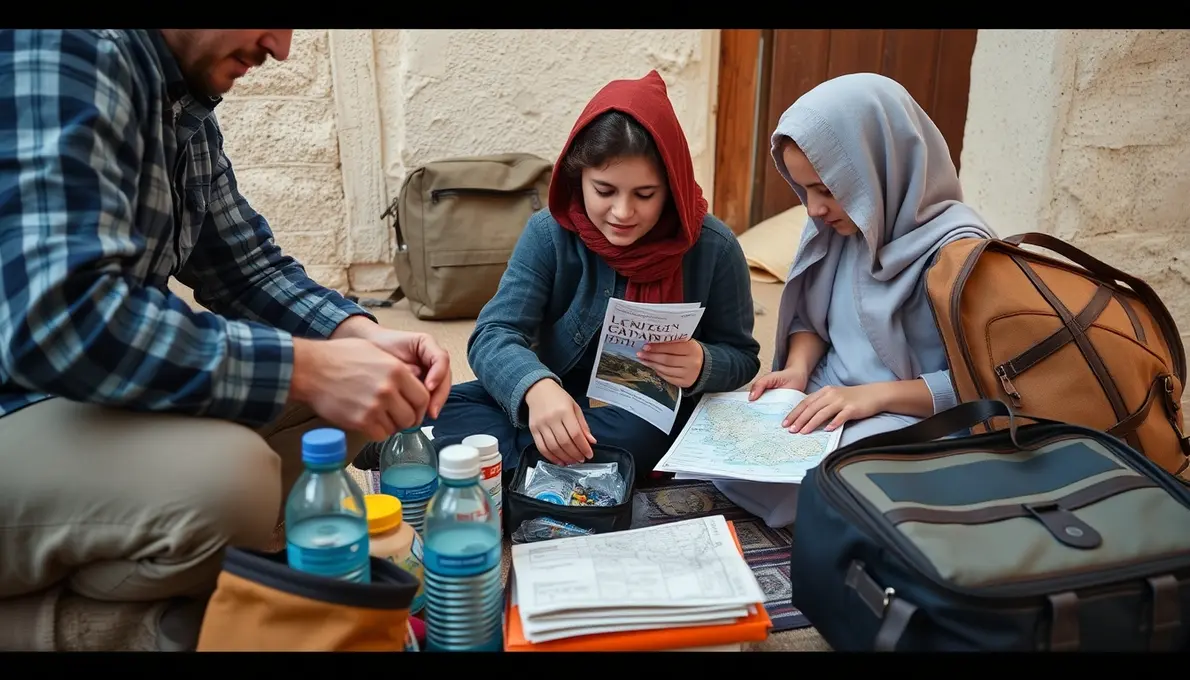
To ensure your Morocco walking tours are as comfortable and enjoyable as possible, a bit of practical preparation goes a long way. These tips will help you navigate the various environments and make the most of your cultural exploration.
Dress Code and Comfort
Morocco is a conservative country, and while tourist areas are often more lenient, dressing respectfully is always appreciated and can enhance your interactions with locals. For walking tours, aim for lightweight, breathable clothing that covers your shoulders and knees. Loose-fitting attire made from cotton or linen is ideal, especially during warmer months. Comfortable walking shoes are a non-negotiable; you’ll be covering significant distances on uneven cobblestones, dirt paths, and potentially stairs. Sandals with good support can work, but sturdy sneakers or hiking shoes are often better, particularly for longer tours or those in mountainous areas.
Hydration and Sun Protection
The Moroccan sun can be intense, especially from late spring to early autumn. Staying hydrated is crucial. Always carry a reusable water bottle and refill it whenever possible. Many cafes and riads offer bottled water. A wide-brimmed hat, sunglasses, and high-SPF sunscreen are essential to protect yourself from sun exposure. If embarking on a mountain trek, consider a light scarf or buff to protect your neck.
Navigating Medinas and Souks
Medinas, particularly in Fes and Marrakech, are mazes. While your guide is there to navigate, it’s wise to stay aware of your surroundings. If you’re planning any independent exploration after your tour, consider dropping a pin on your phone’s map to your accommodation or a known landmark. Be prepared for sensory overload: the sights, sounds, and smells of a Moroccan souk are vibrant and intense. Embrace the experience, but don’t feel pressured to buy at every stall. Your guide can offer valuable advice on polite refusal or help you with respectful bartering if you wish to purchase something.
Language Basics and Etiquette
Learning a few basic Arabic phrases like “Salam Alaikum” (hello), “Shokran” (thank you), and “La shokran” (no thank you) can significantly enhance your interactions. Moroccans appreciate the effort, and it’s a great way to show respect for their culture. Always ask permission before taking photos of people, especially women and children. A simple gesture or “Mumkin soura?” (“May I take a picture?”) goes a long way. When entering someone’s home or a mosque, remember to remove your shoes. Your guide will provide specific advice on local customs as you go, ensuring you navigate cultural sensitivities with ease.
Money and Haggling
While many shops in tourist areas accept credit cards, cash (Moroccan Dirham, MAD) is king, especially in local markets and for smaller purchases. It’s always wise to carry small denominations for street food, tips, and minor souvenirs. Haggling is an integral part of Moroccan market culture, particularly in souks. It’s often approached as a friendly negotiation rather than a confrontation. Your guide can give you tips on how to haggle effectively or even assist you if you feel uncomfortable. Remember to be polite, patient, and good-humored.
For further planning your Moroccan adventure, you might find useful insights on Morocco walking tours or consult general travel advice on Morocco guided tours for broader context.
Beyond the Beaten Path: Unique Walking Tour Experiences
While the major cities offer classic experiences, Morocco’s true magic often lies in its lesser-known corners and specialized walking tours that take you truly off the beaten path, revealing unique aspects of local life and culture.
Culinary Walks: A Taste of Morocco
A culinary walking tour is a feast for the senses and an incredible way to understand Moroccan culture through its food. These tours often begin in a bustling souk, where your guide will introduce you to local spices, fresh produce, and traditional ingredients. You’ll learn about Moroccan staples like Argan oil, Amalou, and various types of olives.
The journey continues with tastings of street food delicacies – from savory harira soup and succulent tangia to sweet pastries and refreshing mint tea. Some tours even include visits to local bakeries, communal ovens, or even a cooking class where you can learn to prepare tagine or couscous. This isn’t just about eating; it’s about understanding the role of food in Moroccan family life, hospitality, and daily rituals. You might discover a hidden restaurant cherished by locals or a family-run café that has perfected a secret mint tea recipe for generations.
Artistic & Craft Walks: Discovering Artisanal Traditions
Morocco is renowned for its rich artisanal heritage, and a dedicated craft walking tour allows you to witness these traditions firsthand. In cities like Fes and Marrakech, you can visit workshops where master artisans practice centuries-old trades.
Imagine observing a skilled potter shape clay using ancient methods, a leather tanner transform hides into vibrant leather goods, or a weaver meticulously working on a Berber carpet. These tours often provide opportunities to interact with the artisans, learn about their techniques, and appreciate the immense skill and dedication involved in their craft. You might find yourself in a hidden corner of the medina, discovering a small studio creating intricate cedarwood carvings or delicate mosaic tilework (zellij). Such tours offer not only unique souvenirs but also a deeper understanding of the artistic soul of Morocco.
Storytelling & Heritage Walks: Unraveling Local Narratives
Some walking tours focus less on physical sights and more on oral traditions and historical narratives. These “storytelling walks” immerse you in the legends, folklore, and personal histories that shape Moroccan communities. Your guide might share tales of ancient sultans, local saints, or the daily struggles and triumphs of generations of residents.
In cities like Meknes or Taroudant, such tours could explore Jewish quarters (mellahs) and their fascinating history, or delve into the stories behind specific gates, fountains, and architectural styles. In more rural settings, a guide might introduce you to traditional music, poetry, or the rituals of a Berber wedding, providing context to cultural practices. These experiences offer a profound human connection, bringing the past to life through vivid narration and personal accounts that often remain hidden from the casual visitor.
Conclusion
Morocco walking tours offer an unparalleled opportunity to transcend typical tourism and truly connect with the country’s fascinating culture and hidden beauty. By choosing to explore on foot with a knowledgeable guide, you’re not just seeing Morocco; you’re experiencing it – one step, one story, and one authentic interaction at a time. Whether you choose the labyrinthine medinas, the serene blue city, the majestic Atlas Mountains, or a specialized culinary or craft tour, these immersive journeys promise rich discoveries and lasting memories. Embrace the pace, engage your senses, and let Morocco reveal its treasures to you on a walking adventure that will be anything but ordinary.
FAQs
What should I pack for a Morocco walking tour?
For a Morocco walking tour, pack lightweight, breathable clothing that covers your shoulders and knees. This respects local customs and protects you from the sun. Essential items include comfortable walking shoes, a wide-brimmed hat, sunglasses, high-SPF sunscreen, and a reusable water bottle. A light scarf can also be useful for sun protection or entering religious sites.
Are Morocco walking tours suitable for all fitness levels?
Most walking tours in cities like Fes or Marrakech involve moderate walking on uneven surfaces and stairs, suitable for anyone with a reasonable fitness level. For tours in the Atlas Mountains, the difficulty can range from easy strolls to challenging multi-day treks. Always check the tour’s description and consult with the operator about the physical demands to ensure it matches your capabilities. Private tours offer more flexibility to set your own pace.
How do I choose a reputable tour guide for a walking tour?
To choose a reputable tour guide, look for licensed local guides with positive reviews from other travelers. You can often find recommendations through your riad or hotel, reputable tour operators, or online travel platforms. Ensure they are knowledgeable, passionate, speak your language well, and understand the cultural nuances of the areas you’ll be visiting. A good guide enhances your understanding and experience significantly.
Is it safe to do walking tours in Morocco?
Yes, walking tours in Morocco are generally very safe, especially when accompanied by a local guide. Guides are familiar with the areas, understand local customs, and can help navigate busy souks or less-trafficked areas. As with any travel, it’s wise to be aware of your surroundings, keep valuables secure, and follow your guide’s advice. Respecting local customs and dressing appropriately also contributes to a safe and enjoyable experience.





 Covers cities, coast, mountains, desert & food