Planning the ultimate Morocco trip itinerary for food lovers and culture seekers involves more than just ticking off the main sights. It’s about immersing yourself in the vibrant tapestry of traditions, flavors, and experiences that make this North African nation so captivating. This guide will help you craft a meticulously organized journey, ensuring your travel planning prioritizes authentic culinary adventures and deep cultural encounters, making every moment count in your Morocco trip itinerary.
Designing Your Gastronomic & Cultural Immersion Itinerary
When building a Morocco trip itinerary, especially for those passionate about food and culture, the initial layout is crucial. Instead of just jumping from city to city, think about the unique culinary and cultural offerings of each destination. Marrakech, Fes, and Essaouira each present distinct flavors and traditions. Consider a route that flows logically, minimizing wasted travel time and maximizing your discovery. For instance, moving from the bustling medinas to the serene coast, or vice versa, offers a beautiful contrast. Don’t underestimate the value of including specific food tours, cooking classes, or traditional artisan workshop visits in your daily plans. These aren’t just activities; they are the heart of your cultural and gastronomic exploration, transforming a conventional sightseeing trip into a truly immersive experience.
Navigating Logistics: Transport and Accommodation for a Richer Journey
Efficient logistics are the backbone of any successful Morocco trip itinerary, particularly when you’re keen on maximizing cultural and culinary experiences. When it comes to transportation, trains are a reliable and comfortable option between major cities like Marrakech, Fes, and Casablanca. For more remote or scenic journeys, such as crossing the Atlas Mountains or venturing towards the desert, private transfers or organized guided tours are often the best choice, offering flexibility and local insights. Consider shared grand taxis for shorter inter-city routes if you’re looking for a more local, budget-friendly option, but be prepared for a less structured experience.
Accommodation choices also play a significant role in enhancing your cultural immersion. While modern hotels are available, staying in a traditional riad, especially in the medinas of Fes or Marrakech, is an experience in itself. Riads are traditional Moroccan houses with interior courtyards, often beautifully decorated and offering an oasis of calm from the bustling souks. Many riads also offer authentic Moroccan breakfasts, and some even organize cooking demonstrations or cultural evenings for their guests. When booking, look for properties that prioritize local aesthetics and offer a personalized, warm welcome. Booking accommodations with character not only provides a comfortable stay but also serves as an extension of your cultural exploration.
Culinary Deep Dives: Integrating Food Experiences into Your Itinerary
For food lovers, a Morocco trip itinerary isn’t complete without dedicated culinary experiences woven into its fabric. Beyond just eating at restaurants, think about interactive and educational food encounters. A cooking class, for example, is an absolute must. In cities like Fes or Marrakech, you can learn to prepare classic tagines, couscous, or pastilla from local chefs, often starting with a market visit to pick fresh ingredients. This provides not only a delicious meal but also a deeper understanding of Moroccan culinary traditions and the rhythm of daily life.
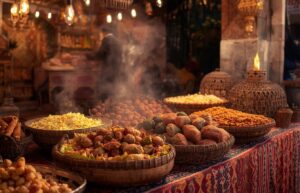
Consider specialized food tours that take you off the beaten path to sample street food delicacies – from harira soup and tangia to different types of Moroccan pastries and mint tea. Visiting a traditional farnatchi (public oven) in Fes to bake bread or slow-cook a tangia offers a glimpse into ancient cooking methods still in use today. Don’t forget to explore local markets and souks, which are sensory feasts in themselves, offering opportunities to taste fresh fruits, olives, spices, and unique local products. These authentic experiences ensure your palate and your mind are fully engaged with Morocco’s rich gastronomic heritage, enriching every aspect of your morocco trip itinerary.
Crafting Cultural Encounters: Beyond the Tourist Trail
To truly be a culture seeker in Morocco, your itinerary must extend beyond the major attractions. Seek out opportunities for genuine interaction and deeper understanding. Consider visiting cooperative artisan workshops, especially in Fes for leather tanneries and pottery, or in the Atlas Mountains for Berber carpet weaving. Engaging directly with artisans not only offers a chance to purchase authentic, handmade souvenirs but also to learn about traditional crafts that have been passed down through generations.
Attend a local festival or a Fantasia (traditional equestrian show) if your timing aligns, to witness vibrant displays of Moroccan culture. Look for opportunities to experience traditional music, whether it’s a Gnawa performance in Essaouira or an Andalusian classical concert in Fes. A visit to a Hammam (public bath) offers a unique cultural ritual and a chance for relaxation while observing local customs. For an even more profound cultural exchange, consider a homestay experience in a Berber village in the Atlas Mountains, offering insights into rural life, hospitality, and traditions. These authentic encounters will transform your understanding of Morocco, making your travel more meaningful and memorable than a typical tourist journey.
Optimizing Your Time: Recommended Itinerary Flow and Pacing
For an ideal Morocco trip itinerary balancing food and culture, aim for at least 10-14 days to comfortably explore key regions without feeling rushed. A popular and efficient route often starts in Marrakech, then heads east towards the desert, and then north to Fes, before perhaps concluding on the coast in Essaouira, or flying out of Casablanca.
- Days 1-4: Marrakech – Begin in the vibrant “Red City.” Dedicate time to Djemaa el-Fna square, exploring the souks, Bahia Palace, and Ben Youssef Madrasa. Crucially, integrate a cooking class focusing on Marrakech specialties and a dedicated street food tour. Consider a day trip to the Ourika Valley for a taste of rural Berber life and mountain cuisine.
- Days 5-7: High Atlas Mountains & Desert: A multi-day desert tour from Marrakech is quintessential. This typically includes stops in Ait Benhaddou, Ouarzazate, and a night in a luxury desert camp in the Sahara. While the focus here is the dramatic scenery, look for opportunities to sample Berber tagines and listen to traditional music under the stars.
- Days 8-10: Fes: Travel from the desert (or Marrakech) to Fes, the cultural and spiritual heart of Morocco. Dedicate ample time to exploring Fes El Bali (Old Fes) on foot, getting lost in its labyrinthine alleyways. Engage in a second cooking class, perhaps focusing on Fassi cuisine, and definitely visit the Chouara Tannery. Seek out traditional music performances in the evening.
- Days 11-13: Essaouira (Optional Coastal Retreat): If time permits, head to the coastal town of Essaouira for a different pace. Known for its fresh seafood and bohemian atmosphere, it offers a relaxing contrast. Explore the medina, watch the fishermen, and enjoy grilled seafood by the port. This provides a gentle wind-down to your culinary and cultural exploration.
- Day 14: Departure: Depending on your flight, you can return to Casablanca or Marrakech for your departure.
This pacing allows for deep dives into both culinary and cultural aspects of each region, preventing the feeling of simply skimming the surface. Remember to build in some free time for spontaneous discoveries and relaxation, which are just as vital for a fulfilling Morocco trip itinerary.
Budgeting Smart for a Richer Moroccan Experience
Budgeting for your Morocco trip itinerary isn’t just about saving money; it’s about allocating resources strategically to enhance your food and cultural experiences. When planning, consider that while Morocco can be budget-friendly, investing a little more in certain areas can significantly elevate your trip. For accommodations, traditional riads, while sometimes pricier than basic hotels, offer immense cultural value and often include excellent local breakfasts. Factor in costs for specific food experiences: a high-quality cooking class can range from $50-$100 USD but provides hands-on learning and a memorable meal. Guided food tours might be $30-$70 USD and introduce you to local hidden gems.
Transportation costs vary; trains are economical, but private transfers or organized desert tours, though more expensive, offer convenience, safety, and expert guidance, invaluable for navigating specific regions. Don’t forget to budget for entrance fees to historical sites, which are generally modest, and for purchasing authentic artisanal goods directly from cooperatives, which supports local communities. A good Morocco travel guide will often provide detailed budget breakdowns. By consciously allocating funds to curated experiences rather than just basic necessities, you’ll ensure your trip is not just seen, but truly tasted and felt.
Essential Preparations: Documents, Health, and Cultural Sensitivities
Thorough preparation is a non-negotiable part of a successful Morocco trip itinerary, especially for first-time visitors keen on cultural immersion. Ensure your passport is valid for at least six months beyond your intended departure date, and check visa requirements for your nationality well in advance. While many Western nationalities don’t require a visa for short tourist stays, verifying this is crucial.
Regarding health, consult your doctor about recommended vaccinations, such as Hepatitis A and Typhoid. Pack a basic medical kit including any personal medications, pain relievers, anti-diarrhea medication (a common traveler’s companion when trying new foods), and hand sanitizer. It’s also wise to purchase comprehensive travel insurance.
Culturally, Morocco is a predominantly Muslim country, and showing respect for local customs is vital. Dress modestly, especially when visiting religious sites; shoulders and knees should be covered. Always ask for permission before photographing people, and be prepared for polite bargaining in the souks – it’s part of the cultural experience! Learning a few basic phrases in Arabic or Darija (Moroccan Arabic), like “Salam Alaykum” (hello) and “Shukran” (thank you), will go a long way in fostering positive interactions. Being prepared in these areas will ensure a smoother, more respectful, and enjoyable Morocco trip itinerary.
Conclusion
Crafting the ultimate Morocco trip itinerary for food lovers and culture seekers is an exciting journey in itself. By focusing on immersive culinary experiences, genuine cultural encounters, and thoughtful logistical planning, you can transform a simple vacation into an unforgettable adventure. From the aromatic spices of the souks to the intricate patterns of a riad, every element of your trip can be designed to deepen your connection with this enchanting country. Embrace the opportunity to taste, learn, and discover, and you’ll return with not just memories, but a rich understanding of Morocco’s heart and soul, making your Morocco trip itinerary truly exceptional.
FAQs
What’s the best time of year for a food and culture-focused Morocco trip itinerary?
The spring (March to May) and autumn (September to November) months are generally ideal. The weather is pleasant for exploring cities and the desert, making outdoor culinary tours and cultural walks much more enjoyable without the extreme heat of summer or colder winter evenings.
Is it safe to explore Moroccan markets and try street food for a first-timer?
Yes, it’s generally safe and highly recommended for food lovers! However, exercise common sense: choose popular stalls with high turnover, observe hygiene practices, and opt for cooked foods when possible. Your guided food tour will focus on trusted vendors.
How much interaction with locals can I expect on a typical Morocco trip itinerary?
You can expect a good deal of interaction, especially if you stay in riads, take cooking classes, or venture into smaller shops. Moroccans are generally warm and hospitable. Learning a few basic Arabic phrases will significantly enhance your ability to connect with locals.
What should I pack specifically for a cultural and culinary Morocco trip?
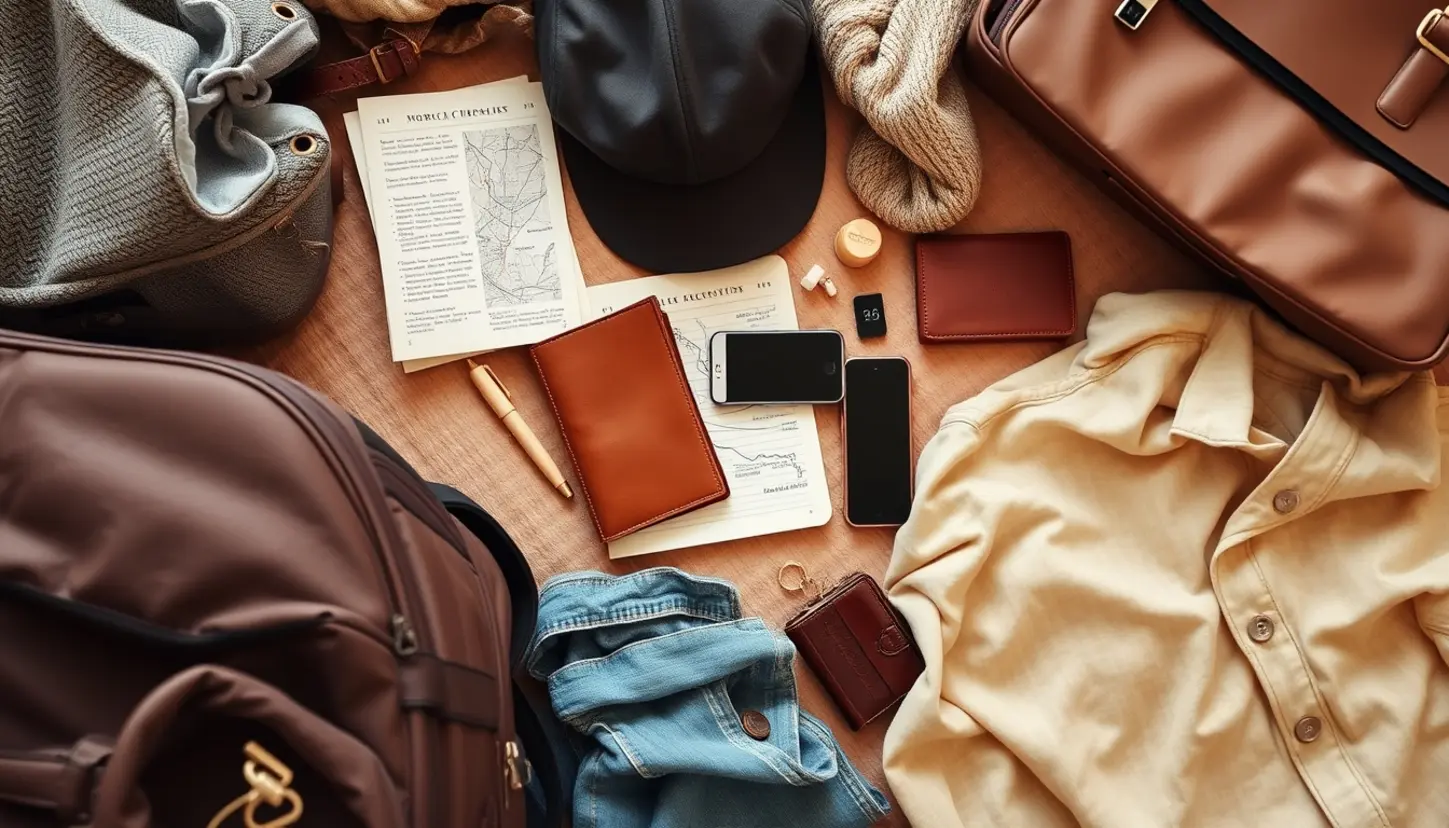
Beyond modest clothing, consider packing comfortable walking shoes for navigating medinas, a reusable water bottle, a small backpack for daily excursions, and a camera. For culinary experiences, an open mind and an adventurous palate are your best companions!




 Covers cities, coast, mountains, desert & food