Embarking on a journey to Morocco is an exhilarating prospect, especially for those whose travel dreams are woven with rich cultural tapestries and an explosion of culinary delights. This comprehensive morocco travel planning guide is crafted specifically for culture and food lovers, aiming to equip you with the knowledge and insights needed to navigate this incredible land. Beyond simply seeing the sights, we’ll delve into how to truly experience Morocco, from savoring its world-renowned cuisine to immersing yourself in its vibrant traditions. Successful travel planning here isn’t just about booking flights; it’s about understanding the rhythm of life, respecting local customs, and curating an itinerary that feeds both your soul and your stomach.
Crafting Your Moroccan Itinerary: Beyond the Postcard Views
Morocco offers a kaleidoscope of experiences, from bustling medinas to tranquil desert landscapes. For culture and food lovers, the key to a fulfilling itinerary lies in balancing iconic attractions with authentic local encounters. Don’t just tick off a list of cities; think about how each destination offers a unique flavor of Moroccan life. Marrakesh, with its Jemaa el-Fnaa square, offers an unparalleled sensory overload, perfect for street food exploration and vibrant performances. Fes, the spiritual and cultural heart, is a labyrinth of ancient tanneries, artisan workshops, and traditional riad stays, promising deep dives into history and craftsmanship.
Consider how much time you truly have. A whirlwind 7-day trip might focus on one or two major cities and perhaps a brief desert excursion. If you have two weeks, you can comfortably weave in coastal towns like Essaouira for fresh seafood and laid-back vibes, or explore the Atlas Mountains for a taste of Berber hospitality. The goal is immersion, not just observation. Prioritize experiences like cooking classes to learn the secrets of tagine and couscous, or guided walks through the medinas that introduce you to local artisans and their crafts. Think about how to structure your days to allow for spontaneous discoveries – a small, unassuming eatery serving incredible pastilla, or a quiet tea ceremony invitation from a local shopkeeper. This approach ensures your morocco travel planning guide extends beyond mere logistics to genuine cultural engagement.
Savoring Morocco: A Culinary Journey for the Adventurous Palate
For many, Moroccan cuisine is a primary draw, and rightly so. It’s a fusion of Berber, Arab, Andalusian, and Mediterranean influences, characterized by rich spices, fresh ingredients, and slow-cooked perfection. When planning your trip, integrate culinary experiences directly into your itinerary. This means more than just finding good restaurants; it means seeking out food markets, engaging with street vendors, and perhaps even staying in accommodations that offer traditional breakfast.
In Marrakesh, the Jemaa el-Fnaa transforms into an open-air restaurant at night, offering everything from snail soup to grilled skewers. Don’t shy away from trying it all, but choose stalls that are busy and look clean. In Fes, seek out tanjia, a slow-cooked meat dish traditionally prepared in clay pots and cooked in the embers of hammam furnaces. And no trip is complete without experiencing a traditional Moroccan mint tea ceremony; it’s a profound gesture of hospitality and a daily ritual. Look for opportunities to eat where locals eat – often, these are small, unassuming places that serve the most authentic and delicious food. Delve into the world of Moroccan bread, from khobz to harcha and m’smen, often baked fresh daily. Remember, dietary restrictions should be communicated clearly, as Moroccan cuisine can be rich. Embrace the communal experience of eating from shared dishes, a cornerstone of moroccan food culture.
Navigating the Logistics: Transport, Accommodation, and Local Etiquette
Effective morocco travel planning guide hinges on sorting out the practicalities. Transportation within Morocco is varied. For longer distances between major cities, trains are comfortable, affordable, and generally reliable (e.g., between Casablanca, Rabat, Fes, and Marrakesh). For shorter distances or destinations not serviced by trains, grand taxis (shared taxis for inter-city travel) or local buses are common. For a truly immersive experience, especially if you plan to venture into the desert, a private driver or organized tour often makes the most sense. If you’re considering a desert adventure, this morocco travel planning guide on desert trips has invaluable insights.
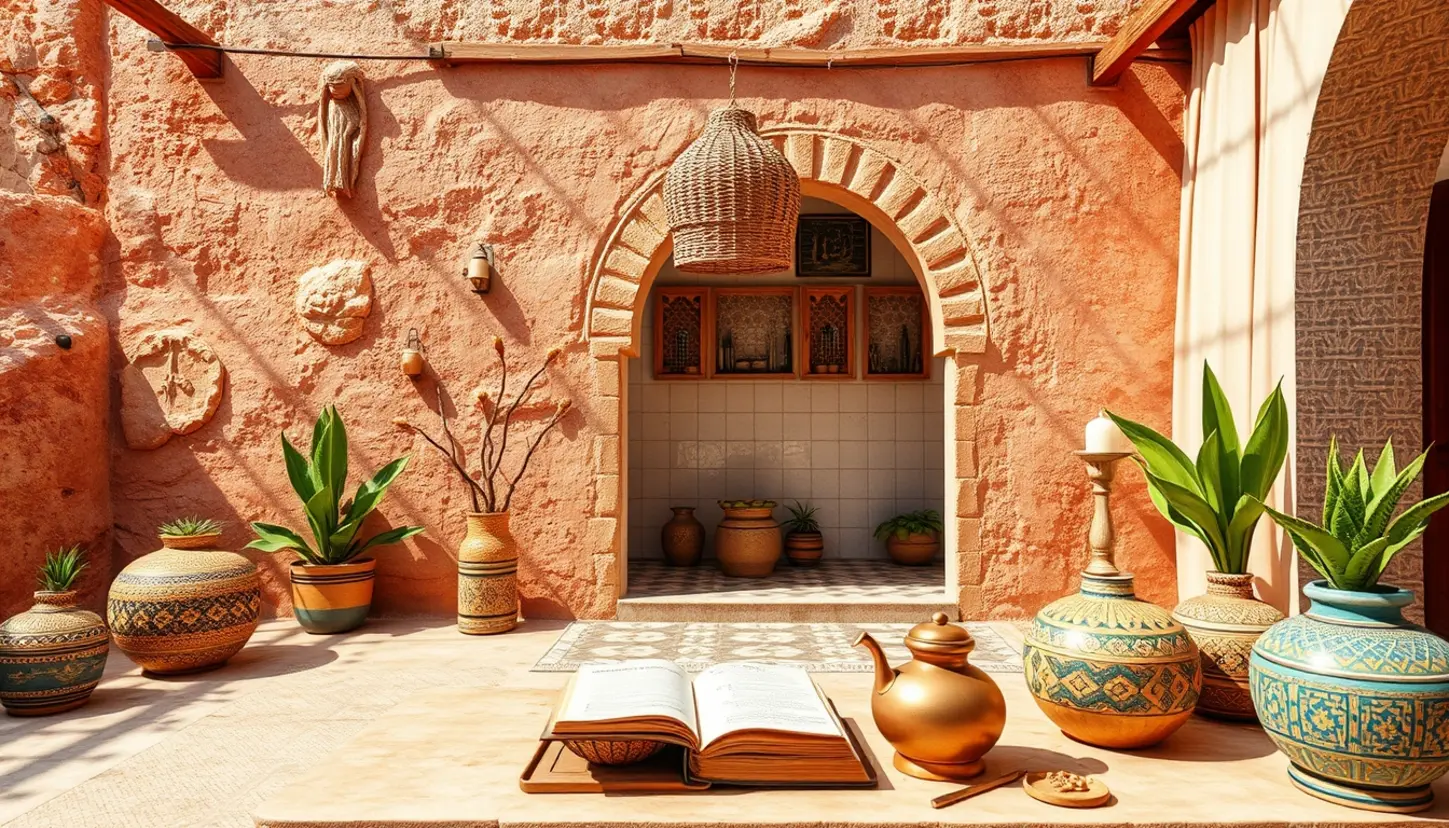
When it comes to accommodation, Moroccan riads are an absolute must-try for culture lovers. These traditional guesthouses, often hidden behind unassuming doors in the medinas, offer serene courtyards, beautifully decorated rooms, and an authentic taste of Moroccan hospitality. Book these far in advance, especially during peak season. When interacting with locals, a little knowledge of common Arabic phrases (hello, thank you, please) goes a long way. Always ask for permission before taking photographs of people, especially women. Haggling is expected in the souks – approach it as a friendly negotiation rather than a confrontation. Dress respectfully, covering shoulders and knees, particularly when visiting religious sites or smaller towns. These small considerations significantly enhance your cultural experience.
Budgeting for a Flavorful Journey: Making Your Dirhams Go Further
Morocco can be an incredibly affordable destination if planned correctly, but it can also accommodate luxury travelers. Your budget will largely dictate your choices in accommodation, transport, and dining. For food lovers, street food and local eateries offer incredible value and authentic flavors. A substantial meal at a local spot can cost as little as 30-50 DH (approx. $3-$5 USD). Dining in more tourist-oriented restaurants or riads will naturally be higher.
Accommodation ranges dramatically. A bed in a hostel dorm can be as low as 80-100 DH, while a mid-range riad might cost 500-1000 DH per night. Luxury riads and hotels can easily exceed that. Factor in costs for activities like cooking classes (often 400-700 DH), guided tours (which vary widely based on duration and exclusivity), and entrance fees to historical sites. Transportation costs also add up; a train ticket from Fes to Marrakesh is around 200-300 DH. Always have some cash in local currency (Moroccan Dirham, MAD) for small purchases, taxis, and tips, although major cities increasingly accept cards. ATM access is generally good in urban areas. This morocco travel planning guide strongly recommends setting a daily budget for food, transport, and activities to avoid overspending and ensure you can fully enjoy the culinary and cultural offerings.
Deepening Your Cultural Immersion: Connecting with Moroccan Traditions
Beyond just observing, truly immerse yourself. This means actively seeking out opportunities to engage with the culture. If you’re a food lover, consider a multi-day culinary tour that delves into regional specialties. Many riads offer cooking workshops, which are fantastic not just for learning recipes but for understanding the role of food in Moroccan family life. Visit local markets (souks) not just to shop, but to witness the vibrant daily commerce, the artistry of the sellers, and the incredible array of spices, fruits, and crafts.
Attend local festivals or cultural events if your travel dates align. These often provide an unvarnished view of Moroccan traditions, music, and dance. Engage in conversations with locals whenever possible. Even simple interactions, like sharing a glass of mint tea, can be incredibly rewarding. Learn about Moroccan craftsmanship by visiting tanneries in Fes, weaving cooperatives in the Atlas Mountains, or pottery workshops in Safi. Understanding the intricate processes behind these crafts deepens your appreciation for their cultural significance. Exploring Morocco’s less-traveled paths can also lead to profound cultural discoveries; find inspiration for such adventures with this moroccan food culture guide. This level of engagement transforms your trip from a vacation into a meaningful cultural exchange.
Essential Packing for the Culturally Curious and Food-Focused Traveler
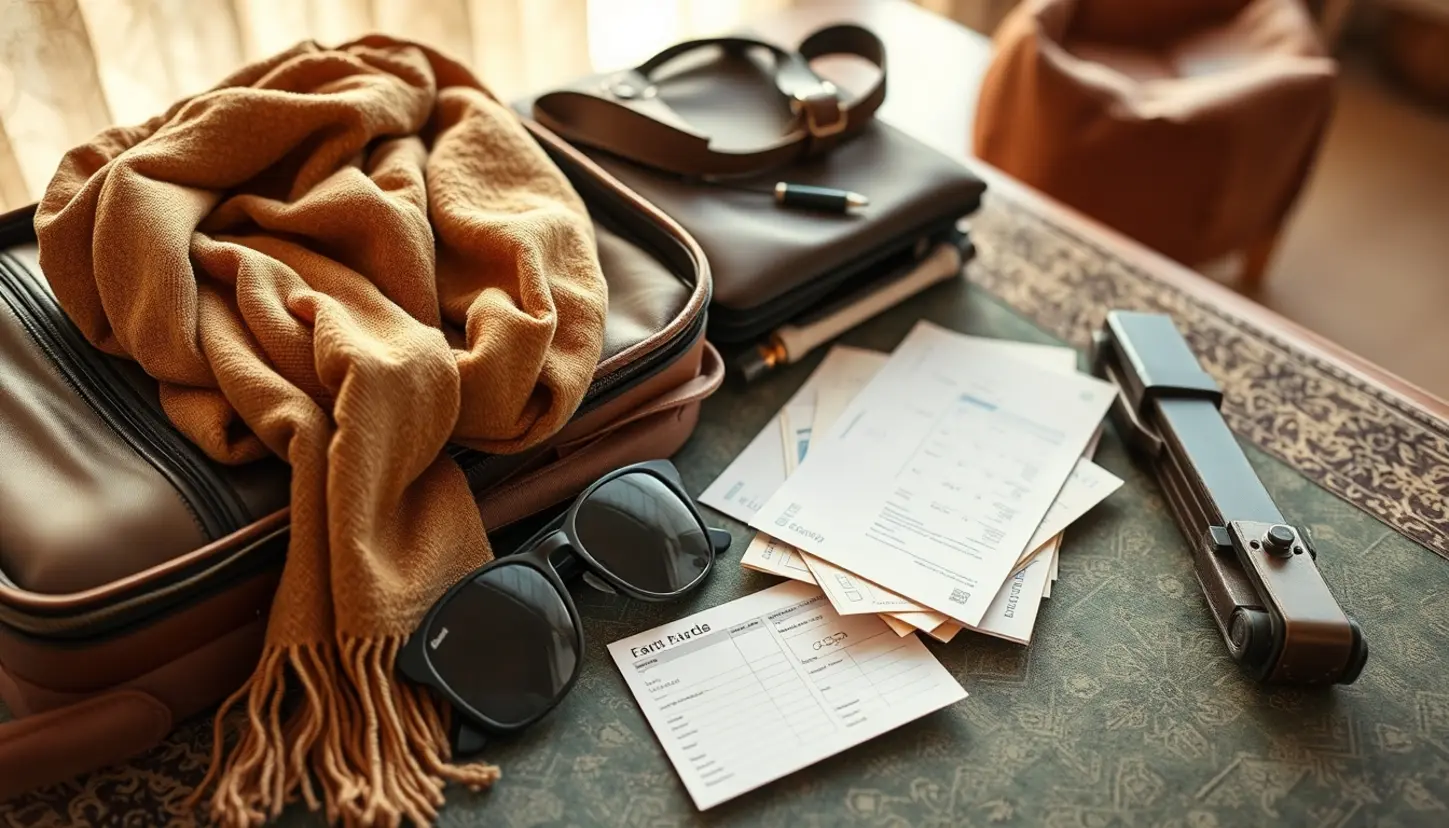
Packing smartly is crucial for a comfortable and respectful trip to Morocco. For culture lovers, this means prioritizing modest clothing. Loose-fitting trousers, long skirts, and tops that cover your shoulders and cleavage are ideal for both men and women. This is not only a sign of respect for local customs but also practical for sun protection and navigating conservative areas. A lightweight scarf is a versatile item for women – it can be used to cover hair when entering mosques (though many are not open to non-Muslims) or simply to protect from the sun.
For food lovers, consider packing:
- Reusable shopping bag: For collecting spices, argan oil, or souvenirs from the souks.
- Small insulated bag: If you plan on buying perishable food items like specialty cheeses or pastries to enjoy later.
- Personal water filter bottle or purification tablets: While bottled water is widely available, this is an eco-friendly option and provides peace of mind if you’re venturing off the beaten path.
- Basic digestive aids: Just in case your adventurous palate encounters something it’s not used to!
Comfortable walking shoes are non-negotiable – you’ll be doing a lot of walking, especially through uneven medina streets. Sunscreen, a wide-brimmed hat, and sunglasses are essential year-round. A small backpack or daypack is useful for daily excursions, and consider a cross-body bag for security in crowded areas. Layers are also key, as temperatures can vary significantly between day and night, especially in the desert or mountainous regions. This thoughtful packing ensures you’re ready for both culinary discoveries and cultural explorations as part of your comprehensive morocco travel planning guide.
Health, Safety, and Staying Savvy in the Souks
A well-rounded morocco travel planning guide must address health and safety. Before you go, ensure your routine vaccinations are up to date. While no specific vaccines are mandated for Morocco, consult your doctor about hepatitis A and B, typhoid, and tetanus. Travelers’ diarrhea is common, so pack anti-diarrhea medication and rehydration salts. Always drink bottled water and avoid ice unless you are certain it’s made from purified water. Be cautious with street food, though often delicious, stick to stalls with high turnover and freshly cooked items.
Regarding safety, Morocco is generally safe, but common sense precautions apply. Be aware of your surroundings, especially in crowded souks. Pickpocketing can occur, so keep valuables secure and out of sight. Be firm but polite with persistent touts or vendors; a simple “la shukran” (no thank you) is often sufficient. Scams, especially for first-time visitors, can involve people offering unwanted “guidance” for a fee. Be clear if you don’t want assistance. If lost in the medina, it’s often better to ask a shopkeeper for directions rather than a random person on the street. At night, stick to well-lit areas. For solo female travelers, dressing modestly and avoiding walking alone late at night are advisable. By being prepared and aware, your focus can remain on the incredible cultural and culinary experiences Morocco has to offer.
Conclusion
Morocco is a destination that promises to ignite all your senses, especially for those with a passion for vibrant cultures and exquisite flavors. By utilizing this morocco travel planning guide, you’re not just booking a trip; you’re orchestrating an unforgettable expedition into the heart of North Africa. From navigating the labyrinthine souks to savoring every aromatic bite of a tagine, mindful planning ensures every moment is rich with discovery. Embrace the unexpected, engage with the locals, and let the magic of Morocco unfold before you.
FAQs
What is the best time of year to visit Morocco for culture and food?
The spring (March to May) and autumn (September to November) offer the most pleasant weather for exploring Morocco. Temperatures are moderate, making it ideal for walking through medinas, hiking, and enjoying outdoor culinary experiences without extreme heat. These seasons also avoid the peak tourist crowds and provide a vibrant atmosphere.
Is it safe to eat street food in Morocco?
Yes, generally it is safe and highly recommended for an authentic culinary experience. However, exercise caution: choose street food stalls that are busy (indicating fresh turnover) and where food is cooked to order, hot, and visible. Avoid items that have been sitting out for too long. If in doubt, follow your instincts or ask locals for recommendations.
What should I wear as a culture-conscious traveler in Morocco?
For both men and women, modest clothing is advisable out of respect for local customs. This means covering your shoulders and knees. Loose-fitting trousers, long skirts, and tops with sleeves are good choices. A lightweight scarf is versatile for women to cover their hair if visiting religious sites or simply for sun protection.
How much money should I budget for daily expenses in Morocco?
Daily expenses can vary widely. For a budget-conscious traveler focusing on local food and public transport, around $40-$60 USD per person per day (excluding accommodation) is feasible. For mid-range travelers, allowing $80-$120 USD per day for comfortable meals, some guided tours, and private transport will give you more flexibility. Always factor in extra for souvenirs and unexpected delights.



 Covers cities, coast, mountains, desert & food