Embarking on a journey through Morocco as a food lover and culture seeker requires more than just booking flights; it demands a thoughtfully constructed morocco travel itinerary planner. This isn’t just about hitting the major sights, but about crafting an immersive experience that tantalizes your taste buds and deepens your understanding of a vibrant, ancient culture. From the bustling souks brimming with spices to the quiet corners of a riad offering traditional hospitality, Morocco promises an unforgettable adventure. A well-designed itinerary ensures you savor every moment, blending culinary discoveries with authentic cultural encounters.
Tailoring Your Moroccan Culinary Journey: Foodie Hotspots and Hidden Gems
For food lovers, Morocco is an absolute paradise. Your morocco travel itinerary planner should prioritize cities and regions renowned for their distinctive culinary traditions. Marrakech, undoubtedly, is a sensory overload. From the iconic Djemaa el-Fna square, transforming nightly into an open-air food festival, to high-end restaurants serving contemporary takes on national dishes, it’s a must-visit. Don’t just eat – learn! Consider booking a cooking class in Marrakech or Fes, where you can delve into the secrets of tagine, pastilla, and traditional bread making.
Fes, often considered the cultural and spiritual heart of Morocco, offers a more traditional and perhaps even more authentic food experience. Wander through its ancient medina, stumbling upon local eateries serving hearty harira soup, slow-cooked tangia, and an endless array of pastries. Seek out the smaller, less touristy spots for truly local flavors. Meknes and Chefchaouen also present unique culinary opportunities, though on a smaller scale. Chefchaouen, with its blue-washed alleyways, is perfect for savoring simple, fresh dishes and mint tea with panoramic views. When creating your itinerary, think about what kinds of food experiences you want: street food adventures, fine dining, market visits, or hands-on cooking.
Crafting Cultural Deep Dives: Beyond the Tourist Trail
Beyond the delicious food, Morocco’s rich cultural tapestry is what truly captivates. Your morocco travel itinerary planner needs to weave in genuine cultural experiences. In Marrakech, while the Djemaa el-Fna is a spectacle, consider also visiting the Bahia Palace, exploring the intricate craftsmanship of the Ben Youssef Madrasa, or spending an afternoon getting lost in the labyrinthine souks, interacting with artisans. Fes offers an unparalleled journey back in time. Explore the Chouara Tannery, visit ancient universities like Al-Attarine Madrasa, and witness traditional crafts being practiced, from pottery to leatherwork. Engaging with local guides can significantly enhance these experiences, providing context and opening doors to interactions you might otherwise miss.
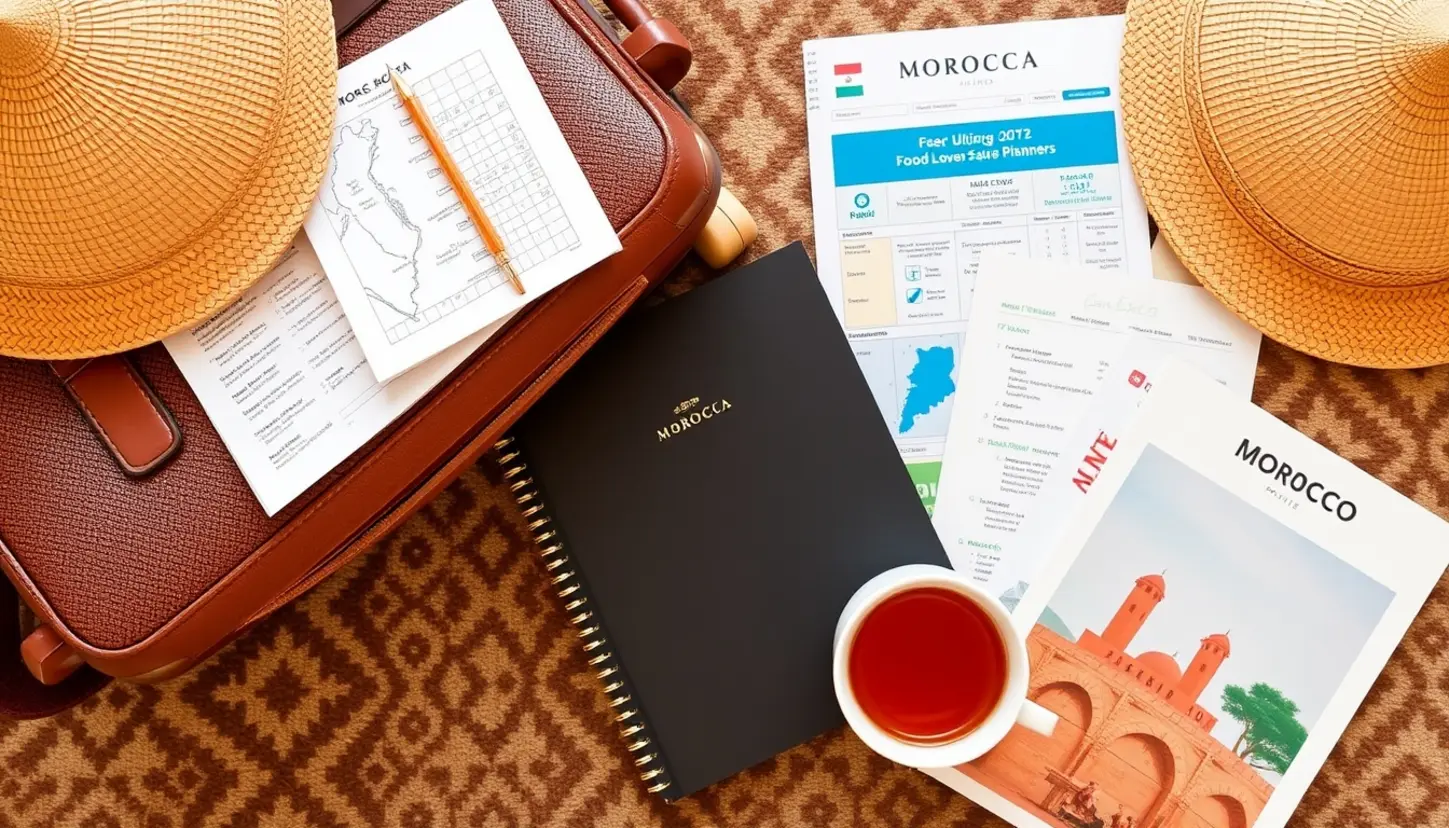
Consider a visit to a cooperative, especially one focused on argan oil production in the Souss-Massa region, to understand local industries and support rural communities. For a truly immersive experience, a stay in a traditional riad, rather than a modern hotel, places you directly within Moroccan architectural and hospitality traditions. Many riads offer cooking classes or opportunities to learn about local customs. If time permits, venturing into the Atlas Mountains to visit a Berber village can provide profound insights into a way of life that has endured for centuries, offering perspectives on community, music, and storytelling distinct from the imperial cities.
Strategic Timing and Duration for Food and Culture Exploration
The ideal length and timing for your Moroccan adventure significantly impact your ability to fully indulge in both culinary delights and cultural immersion. While a whirlwind week can give you a taste, aiming for 10 to 14 days allows for a much richer experience. This duration enables you to comfortably explore 2-3 key cities (Marrakech, Fes, and perhaps Chefchaouen or a desert excursion) without feeling rushed, offering time for day trips, cooking classes, and simply soaking in the atmosphere. Rushing from one place to another often means sacrificing deeper cultural engagement and the leisure required to truly appreciate local cuisine.
When planning your morocco travel itinerary planner, the best times to visit are spring (March to May) and autumn (September to November). During these seasons, the weather is pleasantly mild, making it comfortable for exploring medinas, hiking in the Atlas Mountains, or enjoying outdoor dining. Summer (June to August) can be intensely hot, particularly in the interior cities and the desert, which might impact your willingness to wander the souks for hours or partake in extensive outdoor activities. Winter (December to February) can be chilly, especially at night and in higher altitudes, though it offers its own charm with fewer crowds and cozy evenings by a riad fireplace. Your choice of season should align with your tolerance for heat and your activity preferences.
Navigating Morocco: Transport Decisions for Seamless Integration
Efficient transport planning is crucial for maximizing your time and enjoyment, especially when you have specific culinary and cultural goals. Morocco’s transport network is surprisingly robust, offering various options depending on your budget, comfort level, and desire for independence.
Trains and Buses: For inter-city travel between major hubs like Casablanca, Rabat, Fes, Meknes, and Marrakech, Morocco’s ONCF train system is reliable, comfortable, and affordable. It’s often the most scenic and relaxing way to travel, allowing you to observe the changing landscapes. For destinations not serviced by trains, such as Chefchaouen, Essaouira, or routes to the desert, CTM and Supratours are reputable bus companies offering scheduled services. Booking tickets a day or two in advance, especially during peak season, is advisable. Both trains and buses offer an opportunity to observe local life and are cost-effective choices for your morocco travel itinerary planner.
Private Drivers and Taxis: Hiring a private driver offers ultimate flexibility, allowing you to customize your route, make unscheduled stops for photos or local markets, and travel at your own pace. This is particularly beneficial for routes less traveled by public transport, or if you prefer door-to-door convenience. While more expensive, it can be a worthwhile investment, especially for groups or for specific segments of your trip, such as a multi-day desert tour. Grand taxis operate on fixed routes between towns and are a more budget-friendly shared option, often requiring negotiation for full hire. Within cities, petit taxis are plentiful; always insist on the meter (compteur) or agree on a price beforehand.
Rental Cars: Renting a car provides significant freedom, particularly if you plan to explore rural areas, smaller towns, or the anti-Atlas region. However, navigating Moroccan roads and city traffic can be challenging, especially in medinas which are often car-free. Ensure you have comprehensive insurance and are comfortable with potentially chaotic driving conditions. For a food and culture focused trip, public transport or private drivers often allow you to relax and absorb your surroundings rather than focusing on navigation.
Essential Pre-Trip Bookings and Preparations for an Enriched Experience
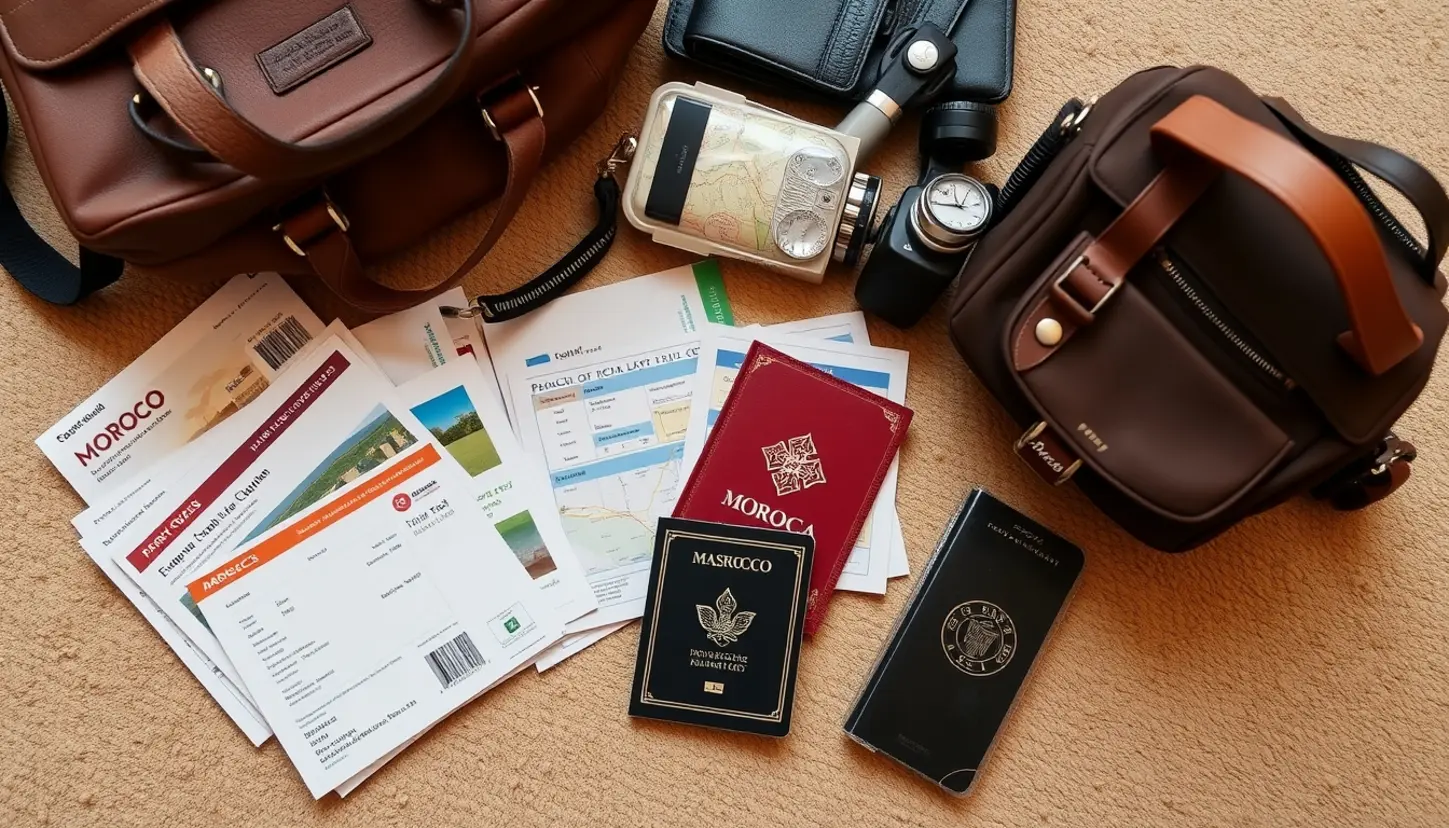
To ensure a smooth and rewarding trip focused on culinary discovery and cultural immersion, several bookings and preparations should be made well in advance. Proactive planning is key to a stress-free experience.
Accommodation: Riads, traditional Moroccan guesthouses, offer an unparalleled cultural experience with beautiful architecture, courtyards, and often home-cooked meals. These are highly sought after, especially in popular cities like Marrakech and Fes, and can book up months in advance, particularly for highly-rated establishments. Decide on your preferred style and budget, and book your riads and hotels as soon as your dates are firm. Consider locations within the medina for an immersive experience, but ensure easy access for luggage and taxis if needed.
Desert Tours: If a desert experience is on your itinerary, especially a multi-day trek to Erg Chebbi or Erg Chigaga, these tours often include transport, guides, meals, and accommodation. Booking these 3-6 months out, particularly for peak seasons, is highly recommended to secure reputable operators and preferred camp styles. Research tour operators carefully, reading reviews to ensure ethical practices and good service.
Specialized Culinary and Cultural Activities: For food lovers, booking cooking classes, food tours, or specialized culinary workshops in advance is crucial, especially for reputable schools or popular private chefs. Similarly, if you want to attend a particular cultural festival or event, tickets and accommodation for those dates will need to be secured far ahead of time. Guides for city tours, particularly specialized cultural or historical insight tours, are also worth booking, ensuring you get knowledgeable, licensed professionals. This is particularly important for gaining deep insights into morocco cultural experiences.
Flights and Travel Insurance: Lock in your international flights once your dates are set for the best prices. Don’t forget comprehensive travel insurance. This is a non-negotiable for any international trip, covering medical emergencies, trip cancellations, lost luggage, and other unforeseen events.
Visa and Entry Requirements: Check the specific visa requirements for your nationality well in advance of travel. While many nationalities enjoy visa-free entry, always confirm the latest regulations on the Moroccan consulate’s website or through a reliable visa service. Ensure your passport has at least six months of validity beyond your intended departure date.
Crafting Your Optimal Itinerary Flow: Connecting the Dots
Designing the flow of your itinerary is just as important as choosing your destinations. A well-structured itinerary minimizes travel time, optimizes your experience, and prevents backtracking. For food and culture lovers, consider a natural progression that allows you to deepen your understanding without feeling rushed.
Starting Points: Most international flights arrive in Casablanca (CMN) or Marrakech (RAK). From Casablanca, it’s easy to take a train directly to Rabat or Fes. From Marrakech, you might start your southern adventure or head north.
Logical Routes:
- Classic Imperial Cities (7-10 days): Fly into Casablanca, immediately travel to Fes (3-4 nights). Explore the ancient medina, take a cooking class. Then take the train to Meknes (day trip) and onward to Marrakech (3-4 nights) for its vibrant atmosphere, food stalls, and palaces. This route offers a strong cultural foundation.
- Imperial Cities & Desert (10-14 days): Start as above, but from Fes or Marrakech, embark on a 3-day desert tour to Erg Chebbi. This typically involves a long drive but rewards with stunning landscapes, stargazing, and Berber hospitality. After the desert, you could return to Marrakech or even fly out from Ouarzazate if available. This combination balances urban culture with natural beauty and unique experiences.
- Southern Charm & Coast (7-10 days): Fly into Marrakech (4-5 nights), dedicating time to its culinary scene and historical sites. From there, take a bus or driver to Essaouira (2-3 nights) for fresh seafood, a relaxed vibe, and a completely different coastal culture. This offers a change of pace and flavor.
Pacing your days is essential. Don’t overschedule. Allow for spontaneous discoveries, relaxed meals, and time to simply sit with a mint tea and observe local life. Factor in travel time between destinations, including check-in/out procedures. For example, a morning train from Fes to Marrakech will take up a significant part of your day, so plan a less demanding afternoon upon arrival. Your morocco travel itinerary planner should always include buffer time.
Budgeting Wisely for Culinary and Cultural Indulgences
Managing your budget effectively ensures you can fully indulge in the experiences that truly matter to a food lover and culture seeker. Morocco can be surprisingly affordable, but costs can escalate quickly if not planned.
Accommodation: Riads offer excellent value. Expect to pay anywhere from $50-$150 USD per night for comfortable, mid-range options, and upwards of $200+ for luxury. Budget-friendly hostels or guesthouses can be found for $20-$40 a night.
Food: This is where you can truly immerse yourself without breaking the bank. Street food and local eateries offer delicious meals for $3-$10. Mid-range restaurants might cost $15-$30 for a meal, while fine dining can easily be $50+ per person. Budget for daily mint tea breaks and a few splurge meals. Consider around $20-$40 per person per day for food, adjusting based on your preferences.
Transport: Trains are very economical ($10-$30 for inter-city travel). Buses are similarly priced. Private drivers will be your biggest transport expense, potentially $100-$300+ per day depending on distance and vehicle type. Factor in around $5-$10 daily for petit taxis within cities.
Activities and Tours: Cooking classes typically range from $40-$80 per person. Guided city tours can be $30-$60 for a half-day private tour, or less for group tours. Desert tours are a significant cost, ranging from $100-$300+ per person for a 2-3 night tour, depending on comfort levels. Entrance fees to historical sites are generally low, often $2-$7 per person.
Shopping and Souvenirs: Set a separate budget for shopping in the souks! Prices for textiles, leather goods, pottery, and spices are often negotiable. It’s an important part of the cultural experience, but can easily blow your budget if you’re not careful.
Contingency Fund: Always build in an extra 10-15% of your total budget for unexpected expenses, spontaneous activities, or simply treating yourself to something special. This allows your morocco travel itinerary planner to remain flexible and enjoyable, rather than stressful.
Conclusion
Creating the ultimate morocco travel itinerary planner for food lovers and culture seekers is an exciting endeavor that promises a journey rich in flavor, tradition, and unforgettable moments. By prioritizing authentic culinary experiences, seeking out genuine cultural interactions, strategically planning your timing and transport, and preparing diligently, you’re set to unlock the very soul of this enchanting country. Morocco offers a feast for all senses, and with careful planning, your trip will be as delicious and enlightening as you imagine.
FAQs
### How many days are ideal for a Morocco trip focused on food and culture?
Generally, 10 to 14 days is ideal. This allows sufficient time to explore 2-3 major cities like Marrakech and Fes, incorporating cooking classes, market visits, and cultural site explorations, without feeling rushed. It also provides flexibility for a desert excursion or a coastal escape.
### Is it safe to eat street food in Morocco?
Yes, street food in Morocco is generally safe and highly recommended for an authentic culinary experience. Look for stalls with long queues of locals, fresh ingredients, and high turnover. Common sense applies: avoid anything that looks like it’s been sitting out for too long. Stick to cooked foods and bottled water.
### What are some must-try Moroccan dishes for food lovers?
Absolutely! Don’t miss Tagine (slow-cooked stew with meat/vegetables), Couscous (usually served on Fridays), Harira (traditional soup), Pastilla (savory-sweet pastry), Zaalouk (cooked eggplant salad), and of course, copious amounts of traditional Moroccan mint tea. Look for fresh seafood on the coast and Tangia in Marrakech.
### How can I best engage with Moroccan culture as a traveler?
Beyond visiting historical sites, engage directly with locals. Learn a few basic Arabic or Berber phrases, try a cooking class, visit a local hammam (bathhouse), respectfully observe daily life in the medinas, and consider staying in a traditional riad. Hiring a local, licensed guide can also offer invaluable insights and facilitate deeper cultural understanding.



 Covers cities, coast, mountains, desert & food