Morocco offers a captivating blend of ancient traditions, vibrant souks, breathtaking landscapes, and an incredibly rich culinary scene. Preparing for a trip to this North African gem requires more than just booking flights and accommodation; it demands an understanding of its unique cultural nuances, an appreciation for its gastronomic delights, and a shrewd eye for what truly constitutes Morocco travel essentials. This guide will walk you through the key considerations, from deciphering social customs and navigating mealtime etiquette to compiling that crucial packing list, ensuring your adventure is both seamless and respectful.
Understanding Moroccan Cultural Nuances Beyond the Souk
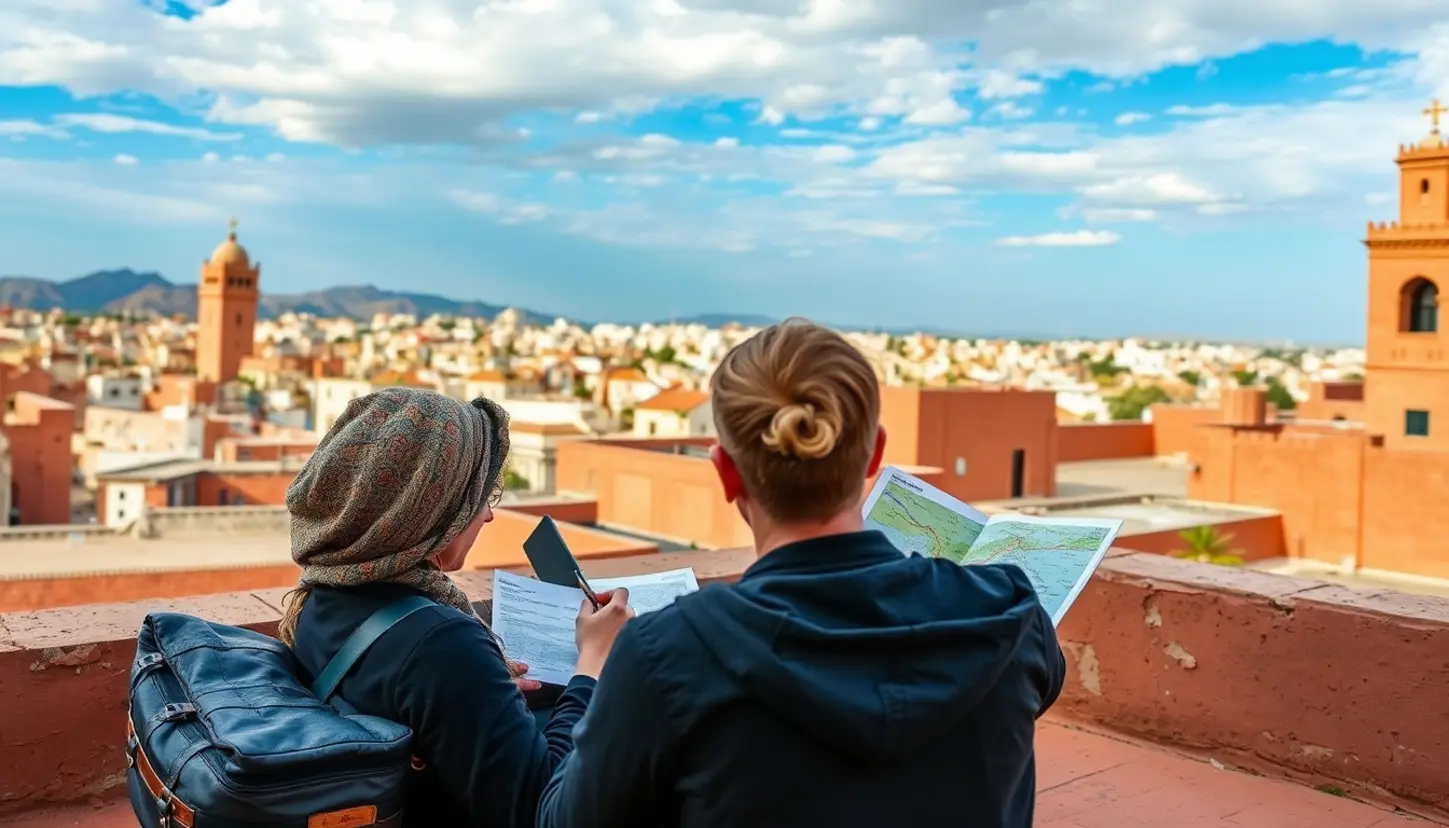
Before you even think about what to pack, immersing yourself in a basic understanding of Moroccan culture is paramount. This isn’t just about avoiding faux pas; it’s about enriching your travel experience and fostering genuine connections. Moroccans are renowned for their hospitality, but this generosity often comes with specific social expectations. For instance, public displays of affection are generally frowned upon. Modesty in dress, especially for women, is highly appreciated, particularly when visiting religious sites or conservative areas. While you’ll see a range of attire in cities like Marrakech and Casablanca, opting for clothing that covers shoulders and knees is always a safe bet and a sign of respect. When interacting with locals, a simple “Salam Alaikum” (peace be upon you) and a handshake (with men) or a hand over the heart (for women, especially if unsure about offering a handshake) go a long way. Patience is also a virtue; life moves at a different pace here, and rushing can be seen as impolite. Embrace the unhurried rhythm, especially during conversations or while bargaining in the markets.
Navigating the Flavors: Essential Moroccan Dining Etiquette
Moroccan cuisine is a highlight for many visitors, a symphony of spices and fresh ingredients. However, dining in Morocco, especially in traditional settings, comes with specific customs. Understanding these will not only prevent awkward moments but also deepen your appreciation for local traditions. Meals are often a communal affair, typically served on a large platter from which everyone eats. Always use your right hand for eating, as the left hand is considered unclean. Bread is a staple and often serves as your utensil to scoop up tagine, salads, or sauces. Don’t be surprised if your host tears off pieces of bread for you. It’s polite to accept what is offered, even if you can only manage a small portion. Refusing food outright can be seen as disrespectful.
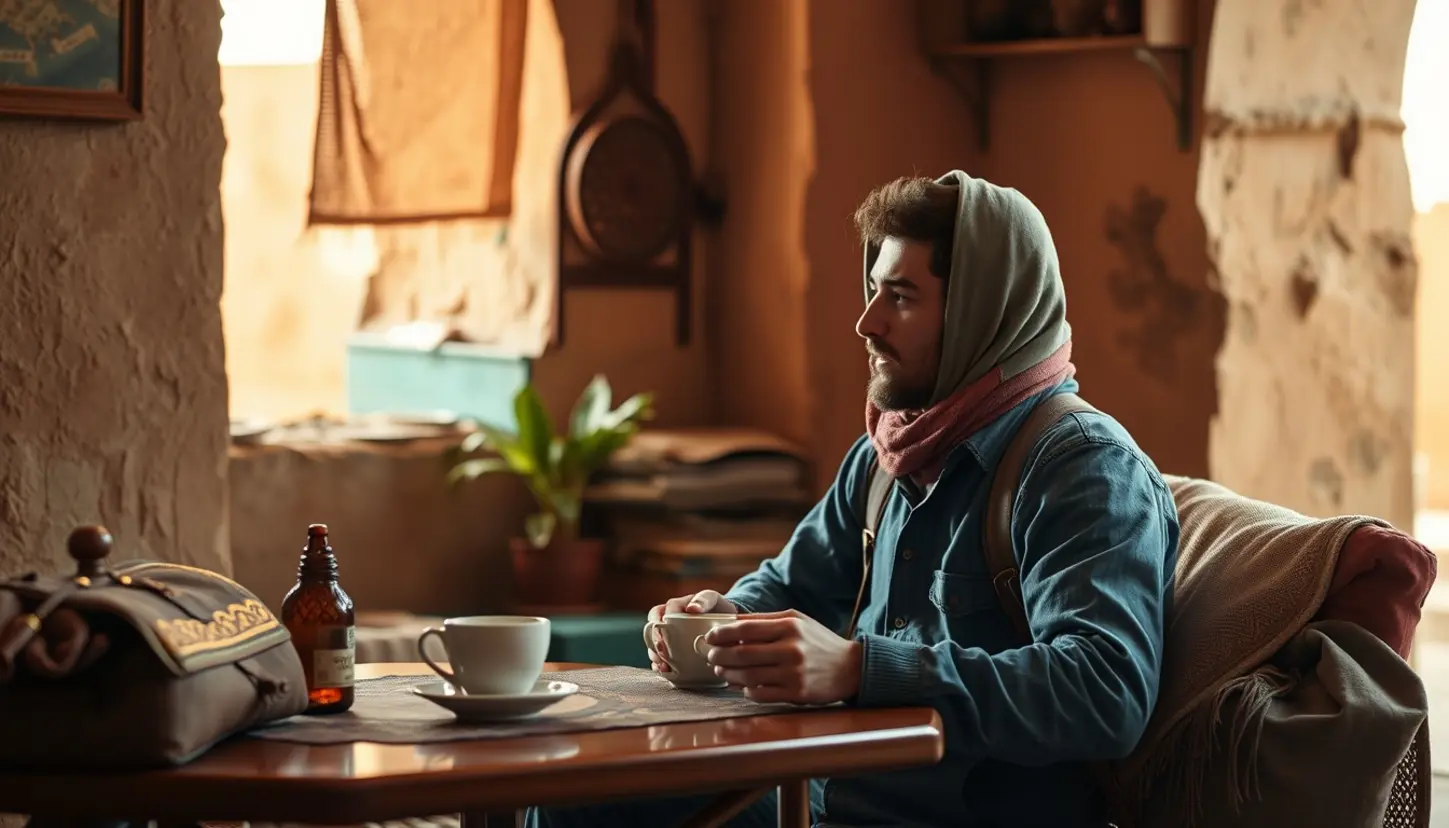
When drinking mint tea – a ubiquitous symbol of Moroccan hospitality – appreciate the ritual. It’s often poured from a height to create froth and aerate the tea, enhancing its flavor. Accepting the initial offering is expected, and you’ll often be offered several glasses. Don’t feel obliged to finish every glass, but a few sips are polite. If invited into a local home for a meal, it’s customary to bring a small gift, like pastries or a decorative item, though it’s not strictly required. Remember that alcohol is less common, especially in rural areas, and generally not served with meals in traditional guesthouses. Being mindful of these nuances is part of the Moroccan dining etiquette that enriches your culinary journey.
Packing Smart: Must-Have Items for Comfort and Cultural Respect
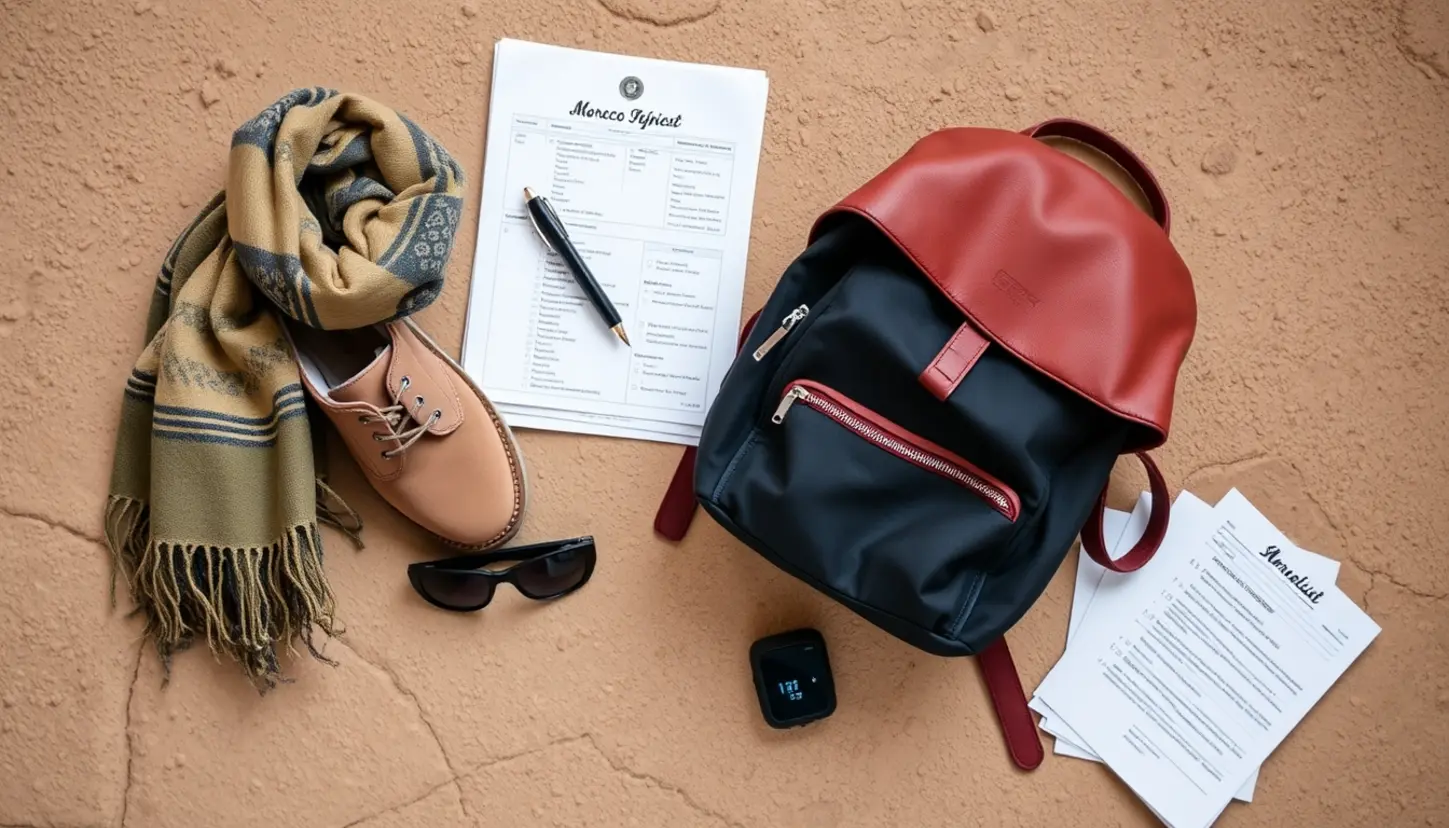
Compiling your packing list is where practicality meets cultural sensitivity. Beyond the usual travel documents and toiletries, certain items are truly Morocco travel essentials.
- Clothing for Modesty and Comfort: As mentioned, conservative attire is key. For women, long skirts, loose-fitting trousers, and tops that cover shoulders and cleavage are ideal. A lightweight scarf is invaluable – perfect for covering your head if entering a mosque (though many are closed to non-Muslims, some older ones allow access), shielding yourself from the sun, or adding an extra layer of modesty. For men, long shorts or trousers and t-shirts are generally acceptable. Pack breathable fabrics like cotton or linen, especially if traveling during warmer months.
- Layering is Key: Temperatures can fluctuate significantly between day and night, particularly in the desert regions. Layers allow you to adapt easily.
- Comfortable Walking Shoes: You’ll do a lot of walking, especially exploring medinas and historical sites. Opt for comfortable, broken-in shoes or sandals with good support.
- Sun Protection: A wide-brimmed hat, sunglasses, and high-SPF sunscreen are non-negotiable, even outside of summer. The Moroccan sun can be intense.
- Small Backpack/Daypack: Essential for carrying water, snacks, a camera, and any small souvenirs you pick up during your daily excursions.
- Reusable Water Bottle: Staying hydrated is crucial. Many accommodations offer filtered water, helping you reduce plastic waste.
- Basic First-Aid Kit: Include pain relievers, adhesive bandages, antiseptic wipes, and medications for stomach upset (often a common traveler’s complaint when trying new foods).
- Portable Charger/Power Bank: You’ll be using your phone for navigation, photos, and communication. Keep it charged, especially on longer excursions.
- Wet Wipes and Hand Sanitizer: Especially useful when eating street food or when soap and water aren’t readily available.
- Cash (Dirham): While credit cards are accepted in larger hotels and restaurants, many smaller shops, markets, and street food vendors operate on cash only. It’s wise to carry small denominations for ease of transactions.
- A Phrasebook or Translation App: Learning a few basic Arabic or Berber phrases (like “Shukran” for thank you, “Afak” for please) will be greatly appreciated.
Health and Safety: Practical Precautions for a Smooth Journey
Morocco is generally a safe country for travelers, but like any destination, certain precautions are wise to ensure a smooth and healthy trip. Your health is a prime concern, so prioritize food and water safety. Stick to bottled water or purified water from reliable sources. Be judicious with street food; while often delicious, ensure it’s cooked fresh and piping hot. Fruits you can peel yourself are generally safe, as are vegetables that have been cooked.
When it comes to personal safety, common sense prevails. Be aware of your surroundings, especially in crowded souks where petty theft can occur. Keep valuables out of sight and consider a money belt for cash and important documents. Avoid walking alone at night in unfamiliar areas. If you encounter aggressive touts or persistent vendors, a firm but polite “La shukran” (no thank you) is usually sufficient. Trust your instincts; if a situation feels uncomfortable, remove yourself from it. Research your accommodation reviews carefully and ensure reputable transportation. For instance, when arranging desert excursions, choose well-established tour operators. We’ve covered some comprehensive advice on Morocco travel essentials for a desert trip, which further emphasizes safety. Having travel insurance that covers medical emergencies and trip interruptions is also a non-negotiable Morocco travel essential.
Maximizing Your Journey: Smart Logistics and Planning
Effective planning goes a long way in Morocco. Don’t try to cram too much into a single trip. Morocco is vast and travel between cities can be time-consuming. Focus on a few key regions to truly experience them. For instance, combining a few days in Marrakech with a trip to the Atlas Mountains and a desert excursion is a popular and manageable itinerary. Booking inter-city transport, whether by train (ONCF) or reputable bus companies (like CTM or Supratours), in advance is often a good idea, especially during peak season. Taxis within cities are generally metered, but always confirm the use of the meter or agree on a price beforehand to avoid surprises.
Consider hiring a local guide, particularly for your first day in a new medina. They can help you navigate the labyrinthine alleys, provide historical context, and help you avoid getting lost or falling for common tourist scams. Negotiate prices for goods in the souks, but do so respectfully and good-naturedly. Bargaining is an expected part of the shopping experience, but remember the vendors are trying to make a living. ATMs are widely available in cities and larger towns for cash withdrawals, but inform your bank of your travel plans to avoid card suspensions. Finally, familiarize yourself with local holidays and religious observances like Ramadan, as these can affect operating hours and availability of services.
Conclusion
Embarking on a Moroccan adventure is an extraordinary experience, filled with vibrant sights, tantalizing aromas, and heartwarming encounters. By prioritizing the Morocco travel essentials outlined above – from deeply understanding and respecting local culture and dining etiquette to packing smartly and planning logically – you’re not just preparing for a trip; you’re setting the stage for an authentic and unforgettable journey. With a little foresight and an open mind, your exploration of Morocco’s rich heritage and stunning landscapes will be truly rewarding.
FAQs
What is the customary tipping etiquette in Morocco?
Tipping is customary in Morocco for various services. For restaurant staff, a tip of 10-15% is generally appreciated if service isn’t already included. For taxi drivers, rounding up the fare is common, or a small additional amount for longer journeys. Guides typically expect a tip of 50-100 MAD per person per day, depending on the length and quality of the tour. For porters, 10-20 MAD per bag is standard. Always have small denominations of Moroccan Dirham available for tips.
Is it safe for solo female travelers in Morocco?
Yes, Morocco is generally safe for solo female travelers, but vigilance and adherence to local customs are important Morocco travel essentials for a comfortable trip. Dressing modestly, being aware of your surroundings, and avoiding walking alone late at night in unfamiliar areas are recommended. It’s common to receive unwanted attention from men, which is usually harmless but can be annoying; often a polite but firm “no thank you” (la shukran) is sufficient. Choosing well-reviewed accommodations and reputable tour operators can also greatly enhance safety and peace of mind.
What is the best way to handle money and payments in Morocco?
The local currency is the Moroccan Dirham (MAD). While major credit cards are accepted in larger hotels, restaurants, and shops, cash is king, especially in souks, smaller establishments, and for street food. It’s wise to carry a mix of smaller denominations of Dirham. ATMs are widely available in cities and larger towns. Inform your bank of your travel dates to avoid card issues. Currency exchange offices are also common. Avoid exchanging money with unofficial vendors.
What are the main cultural differences to be aware of when visiting Morocco?
Key cultural differences include an emphasis on hospitality, modesty in dress and behavior (especially in public), punctuality being more flexible, and a general respect for elders and religious traditions. Public displays of affection are frowned upon. When eating, especially in traditional settings, use your right hand. Bargaining is expected in souks, but should be done respectfully. Friday is the holy day, and some businesses may have reduced hours or be closed. Understanding these is an important part of your Morocco travel essentials.



 Covers cities, coast, mountains, desert & food