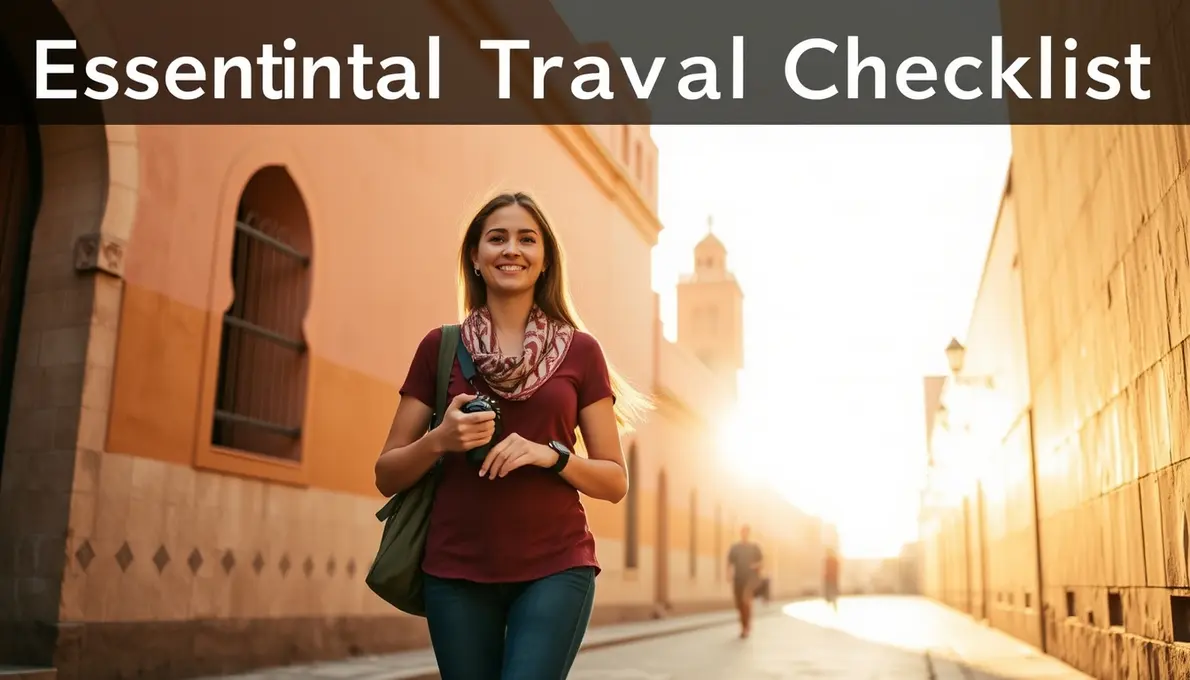
Embarking on a journey to Morocco promises an unforgettable adventure, but a truly hassle-free experience hinges on meticulous preparation. This essential Morocco travel checklist is your comprehensive guide to ensuring you’ve covered all bases before you even step foot on Moroccan soil. From crucial documents to practical packing tips, we’ll walk you through everything you need to consider for a smooth and enjoyable trip, helping you navigate the unique aspects of travel in this vibrant North African nation with confidence.
Pre-Departure Essentials: Your Morocco Travel Checklist for Documents & Health
Before you start dreaming of bustling souks and serene desert nights, getting your foundational documents in order and attending to health preparations is paramount. This segment of your Morocco travel checklist focuses on those non-negotiable items that dictate your entry and well-being.
First and foremost, your passport must be valid for at least six months beyond your intended departure date from Morocco. This is a standard international travel requirement, and overlooking it could lead to denied boarding. Alongside your physical passport, always carry a photocopy and a digital scan stored securely online or on your phone. In the unfortunate event of loss or theft, these backups can significantly expedite the replacement process. Depending on your nationality, you might also need a visa. Check the official Moroccan embassy or consulate website in your country well in advance, as visa application processes can take time. Don’t leave this to the last minute; apply early to avoid any unexpected delays.
Next, consider travel insurance. While often seen as an optional extra, comprehensive travel insurance is a critical component of any smart Morocco travel checklist. It should cover medical emergencies, trip cancellations, lost luggage, and personal liability. Healthcare facilities, especially outside major cities, might not always meet Western standards, and medical evacuation can be prohibitively expensive without insurance. Read the policy details carefully to understand what is and isn’t covered.
Health preparations extend beyond insurance. Consult your doctor or a travel clinic several weeks before your trip to discuss recommended vaccinations. While no vaccinations are legally required for entry from most countries, typhoid, hepatitis A and B, and tetanus are often advised. Also, discuss any prescription medications you take. Carry them in their original packaging with a copy of your prescription, especially if they are controlled substances. It’s also wise to pack a small personal first-aid kit with essentials like pain relievers, anti-diarrhea medication, antiseptic wipes, band-aids, and any personal allergy medications. Staying hydrated is crucial in Morocco’s climate, so consider packing electrolyte tablets.
Finally, inform your bank and credit card companies of your travel plans. This prevents them from flagging unusual international transactions as fraudulent and blocking your cards. Make sure you have a mix of payment methods: cash (dirhams), a credit card, and a debit card for ATM withdrawals. While cards are accepted in many larger establishments, cash is king in smaller shops, souks, and for tipping.
Packing Smart: What to Include in Your Morocco Travel Checklist for Comfort and Culture
Packing for Morocco isn’t just about fitting clothes into a suitcase; it’s about packing thoughtfully for the climate, cultural norms, and your planned activities. This section of your Morocco travel checklist focuses on striking that balance between practicality and respect.
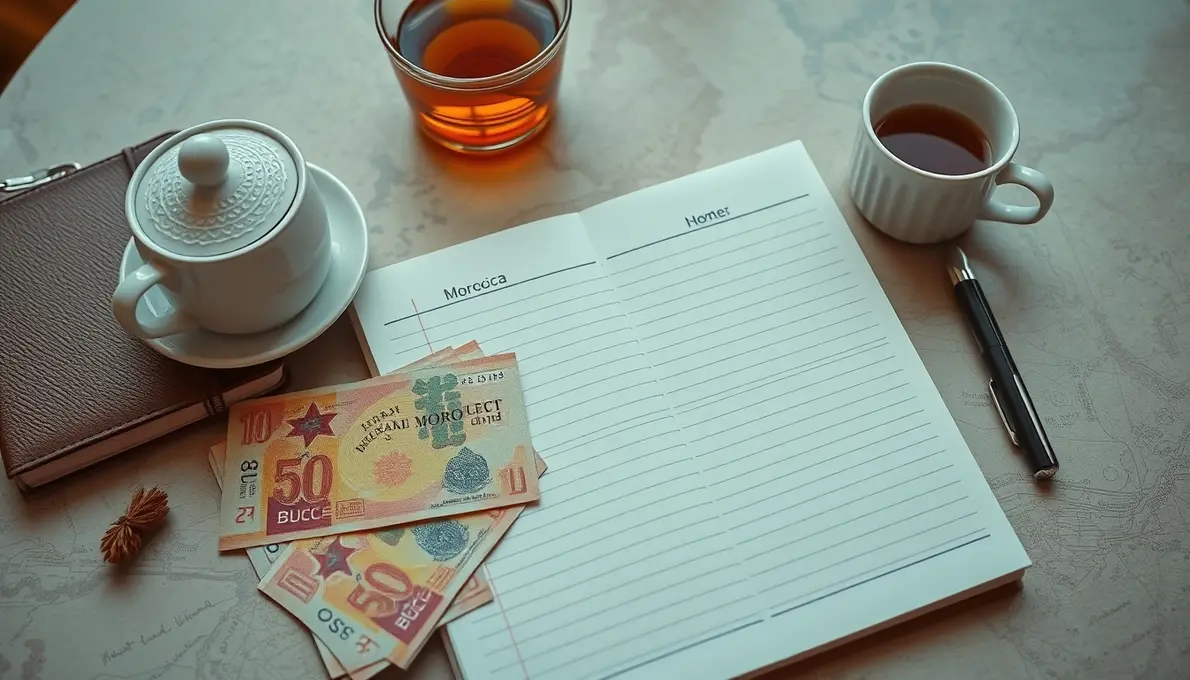
Morocco’s climate varies significantly depending on the region and season. If you’re visiting in summer, lightweight, breathable fabrics like cotton and linen are essential. For spring and autumn, layers are your best friend, as days can be warm and evenings surprisingly cool, especially in the desert or mountainous areas. Winter can be quite cold, particularly inland and at higher altitudes, so pack warmer clothing, including a jacket, sweaters, and even a hat.
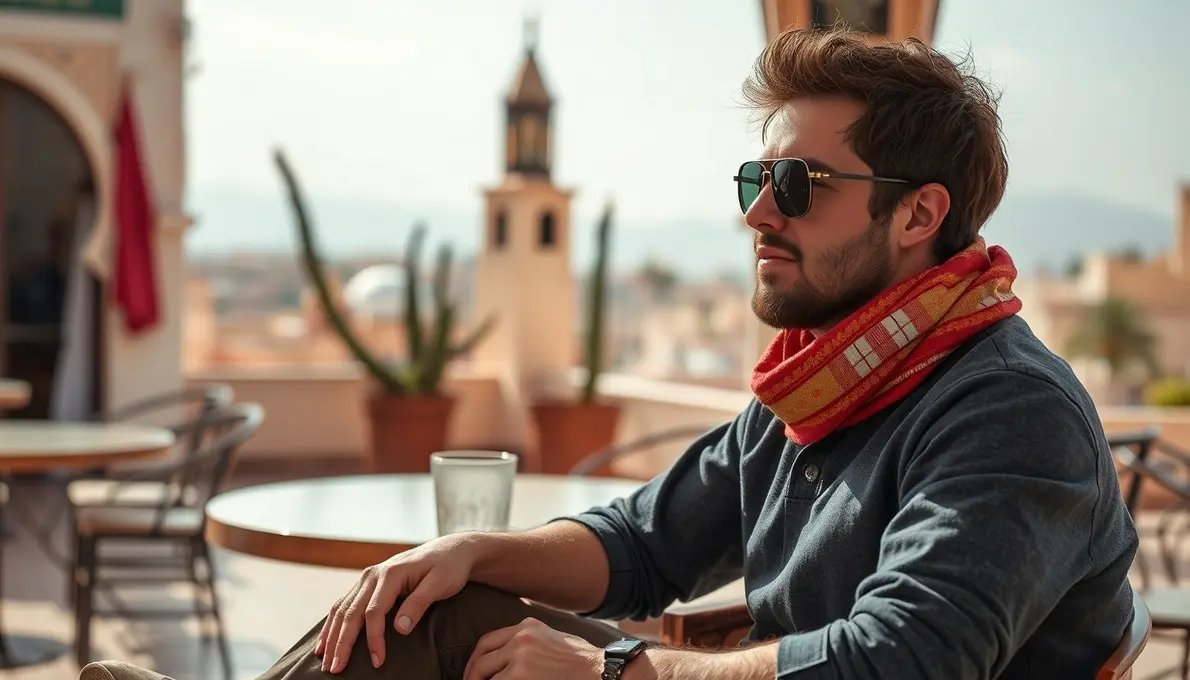
Culturally, Morocco is a conservative country, and dressing modestly is advisable for both men and women, especially outside of major tourist resorts. For women, this means avoiding overly revealing clothing. Loose-fitting trousers, long skirts, and tops that cover shoulders and cleavage are ideal. A lightweight scarf is an indispensable item on your Morocco travel checklist; it can be used to cover your head when entering religious sites (though many mosques are not open to non-Muslims), to shield you from the sun, or as an extra layer in the evening. Men should opt for trousers or longer shorts and avoid sleeveless tops. Dressing respectfully not only shows regard for local customs but can also help you feel more comfortable and avoid unwanted attention.
Footwear is another crucial consideration. You’ll likely be doing a lot of walking, often on uneven surfaces in medinas or cobbled streets. Comfortable, closed-toe walking shoes are a must. If you plan to hike in the Atlas Mountains or trek in the desert, sturdy hiking boots are essential. Sandals can be useful for evenings or highly relaxed settings, but don’t rely on them for exploring.
Beyond clothing, consider practical items. A reusable water bottle is a responsible choice for staying hydrated and reducing plastic waste. Sun protection is key: a wide-brimmed hat, sunglasses, and high-SPF sunscreen. A small daypack will be invaluable for carrying your daily essentials – water, camera, snacks, and any purchases. Don’t forget a universal travel adapter for your electronics. A portable power bank can be a lifesaver for charging phones and cameras on the go, especially during longer excursions or desert stays where outlets might be scarce. For an even smoother journey, check out this detailed Morocco travel checklist specifically for urban exploration.
While readily available in most towns, it’s always helpful to bring your preferred toiletries. Small bottles of hand sanitizer are excellent for maintaining hygiene while out and about. If you’re a light sleeper, earplugs can be beneficial, especially if staying in a bustling medina where the sounds of daily life, and the call to prayer, begin early.
Finally, think about entertainment. A good book, downloaded movies or podcasts, or a journal can provide welcome downtime, especially during longer bus or train journeys, or quiet evenings in your riad.
Navigating Moroccan Logistics: Essential Practicalities for Your Journey
Beyond packing, a truly hassle-free trip to Morocco involves understanding and preparing for the practicalities of getting around, staying connected, and managing your finances. This segment of your Morocco travel checklist delves into these logistical considerations.
For transportation, deciding how you’ll move between cities and within them is key. Morocco has a reasonably good public transport network. ONCF trains connect many major cities like Casablanca, Rabat, Fes, and Marrakech, offering a comfortable and efficient way to travel. For areas not served by trains, CTM and Supratours bus companies provide reliable and affordable options. Within cities, taxis are plentiful. Always agree on a fare before getting into a taxi, or ensure the meter is running. For a truly unique experience, consider arranging a private driver for longer distances or a multi-day tour to destinations like the Sahara Desert. If you plan to rent a car, be aware that driving in Morocco can be challenging, especially in cities, due to chaotic traffic and navigational complexities. An International Driving Permit is usually required alongside your home country’s license.
Staying connected is another important aspect. While Wi-Fi is generally available in hotels, riads, and many cafes, purchasing a local SIM card upon arrival is highly recommended for reliable data and calls. Major providers like Maroc Telecom, Inwi, and Orange offer affordable prepaid SIMs with various data packages. You’ll usually need your passport to activate it. This will be invaluable for navigation, communication, and looking up Morocco travel essentials on the go.
Regarding money, while credit and debit cards are accepted in larger establishments, cash is king for most day-to-day transactions, particularly in souks, smaller cafes, and when paying for petit taxis. The local currency is the Moroccan Dirham (MAD), which is a closed currency, meaning it cannot be legally imported or exported. You’ll need to exchange your foreign currency upon arrival or withdraw dirhams from ATMs. ATMs are widely available in cities and larger towns. Always carry a mix of smaller denominations for easy transactions and tipping. Bargaining is an integral part of shopping in Morocco, especially in the souks. Approach it with good humor and respect; it’s part of the cultural experience.
Cultural Sensitivity and Safety: Key Inclusions in Your Morocco Travel Checklist
Understanding and respecting local customs and being mindful of your safety are fundamental for an enriching and problem-free Moroccan adventure. This crucial part of your Morocco travel checklist helps you navigate the cultural landscape with grace and stay secure.
Morocco is a predominantly Muslim country, and while generally welcoming to tourists, observing local customs enhances your experience and demonstrates respect. We’ve already touched on modest dress, but it bears repeating as a primary aspect of cultural sensitivity. During the holy month of Ramadan, many locals fast from sunrise to sunset. While tourists are not expected to fast, it’s respectful to avoid eating, drinking, or smoking in public during fasting hours. Some restaurants may have altered opening hours during this period.
Greetings are important. A simple “Salam alaikum” (peace be upon you) is a widely appreciated greeting. Always ask permission before taking photos of people, particularly women and children. Some people are uncomfortable with being photographed, and an uninvited photo can be seen as disrespectful. When invited for mint tea, it’s considered impolite to refuse. Accept offers of hospitality graciously; they are often genuine expressions of welcome.
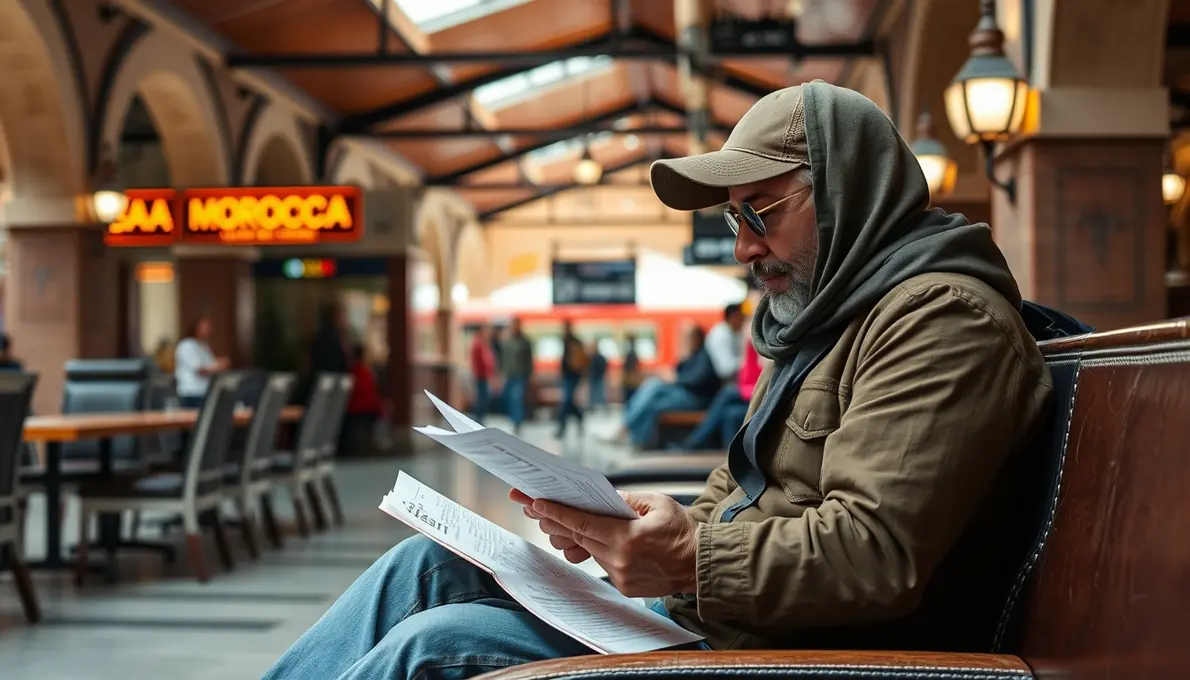
On the topic of safety, Morocco is generally a safe country for tourists, but like any travel destination, common sense and awareness are crucial. Petty crime, such as pickpocketing or bag snatching, can occur, especially in crowded areas like souks, bus stations, and main squares. Keep your valuables secure, preferably in a money belt worn under your clothes, and avoid displaying expensive jewelry or electronics overtly. Be particularly vigilant in busy marketplaces.
Women traveling alone might experience more unsolicited attention, though this is usually verbal and not threatening. Dressing modestly can help reduce this. If you feel uncomfortable, make eye contact, say “no, thank you” firmly, and continue walking confidently. Learning a few basic Arabic or French phrases like “La, shukran” (No, thank you) can be very helpful.
Navigating the labyrinthine medinas can be disorienting. While it’s part of their charm, it’s easy to get lost. Locals might offer to “guide” you, sometimes expecting payment. If you don’t want a guide, politely decline. Using offline maps on your phone (like Google Maps or Maps.me) can be a lifesaver. Stick to well-lit and populated areas at night, especially if you’re alone.
Be cautious of scams, which can range from overly insistent sellers to misleading “guides” who lead you to shops where they receive commission. A firm but polite “no” is usually effective. Trust your instincts; if something feels off, it probably is. Never accept offers of food or drink from strangers, and be wary of anyone who seems unusually persistent in befriending you immediately.
Lastly, regarding health, tap water in Morocco is generally not safe for drinking by tourists. Always stick to bottled water. Be mindful of street food; while delicious, ensure it’s freshly cooked and served hot. If you have a sensitive stomach, it’s often best to eat at busy, reputable establishments where food turnover is high.
Specialized Activities & Excursions: Rounding Out Your Morocco Travel Checklist
Morocco offers a diverse range of experiences, from trekking majestic mountains to exploring ancient cities and camping under desert stars. This final section of your Morocco travel checklist helps you prepare for any specialized activities you might have planned, ensuring you have the right gear and expectations.
If your adventure includes a trek in the Atlas Mountains, whether for a day trip or an extended multi-day hike, proper gear is non-negotiable. Sturdy hiking boots that are broken in are essential, along with layered clothing that can adapt to rapid temperature changes. Even in summer, evenings at higher altitudes can be surprisingly cold. A waterproof jacket is advisable, regardless of the season, and a good quality daypack for water, snacks, and extra layers. Don’t forget trekking poles for stability on uneven terrain. If you’re going with a guide (highly recommended for mountain treks), confirm what equipment they provide versus what you need to bring.
For those dreaming of a Sahara Desert experience, whether it’s a camel trek or an overnight camp, specific preparations are key. Desert temperatures fluctuate wildly; hot days give way to very cold nights. Pack light, breathable clothing for the day, but absolutely remember warm layers, including a jacket, hat, and gloves for desert evenings. A headscarf or shemagh (available locally) is invaluable for protecting your face and neck from sun and sand. Sunscreen, sunglasses, and a wide-brimmed hat remain essential. A small, durable bag or dry bag to protect your camera and electronics from sand is highly recommended. Earplugs can be useful if staying in a camp with communal areas. Bring extra batteries or a power bank, as charging opportunities will be limited.
If you plan to surf along the Atlantic coast, particularly in areas like Taghazout or Essaouira, pack your swimwear and consider a rash guard. While surf rentals are widely available, if you have your own wetsuit or board you prefer, plan accordingly for baggage.
For foodies embarking on a culinary tour or cooking class, comfortable shoes for market visits and perhaps a small notebook for recipes might be useful additions. If you plan to indulge in Moroccan hammam (traditional bathhouse) experiences, a sarong or lightweight towel and possibly your own toiletries are a good idea, though most hammams provide essentials.
Always book specialized tours and activities through reputable operators, especially for desert trips, mountain treks, or any activity involving significant logistics or potential risks. Read reviews and ensure they are transparent about what’s included and what you need to bring. Confirm dietary requirements or any other special needs in advance. By carefully considering the specific demands of your planned adventures, your Morocco travel checklist transforms from a generic list into a highly personalized and effective tool for a truly tailored and unforgettable trip.
Conclusion
A well-prepared traveler is a happy traveler, and this comprehensive Morocco travel checklist is designed to empower you for an unforgettable, hassle-free adventure. By meticulously covering everything from essential documents and health precautions to thoughtful packing, logistical strategies, cultural sensitivity, and specific gear for your chosen activities, you are setting the stage for a rich and rewarding experience. From the bustling medinas to the serene desert landscapes, being prepared allows you to fully immerse yourself in the magic of Morocco without unnecessary worries. So take the time to review each point, pack wisely, and get ready to create incredible memories.
FAQs
What documents do I absolutely need for Morocco travel?
You absolutely need a passport valid for at least six months beyond your planned departure date. Depending on your nationality, you might also require a visa. It’s also wise to have travel insurance documents and photocopies of your passport.
What kind of clothing should I pack for Morocco?
Pack lightweight, breathable, and modest clothing. For women, long skirts, loose trousers, and tops covering shoulders and cleavage are advisable. Men should opt for trousers or longer shorts and avoid sleeveless tops. Always pack layers, especially for the desert or mountains, as temperatures can fluctuate. A versatile scarf is a must-have.
Is it safe to drink tap water in Morocco?
No, it is generally not safe for tourists to drink tap water in Morocco. Always stick to bottled water for drinking and brushing your teeth to avoid stomach upset.
Should I bring cash or rely on credit cards in Morocco?
It’s best to bring a mix of both. While credit cards are accepted in larger hotels and restaurants, cash (Moroccan Dirhams) is essential for smaller shops, souk vendors, and local taxis. ATMs are available in cities for cash withdrawals.


 Covers cities, coast, mountains, desert & food