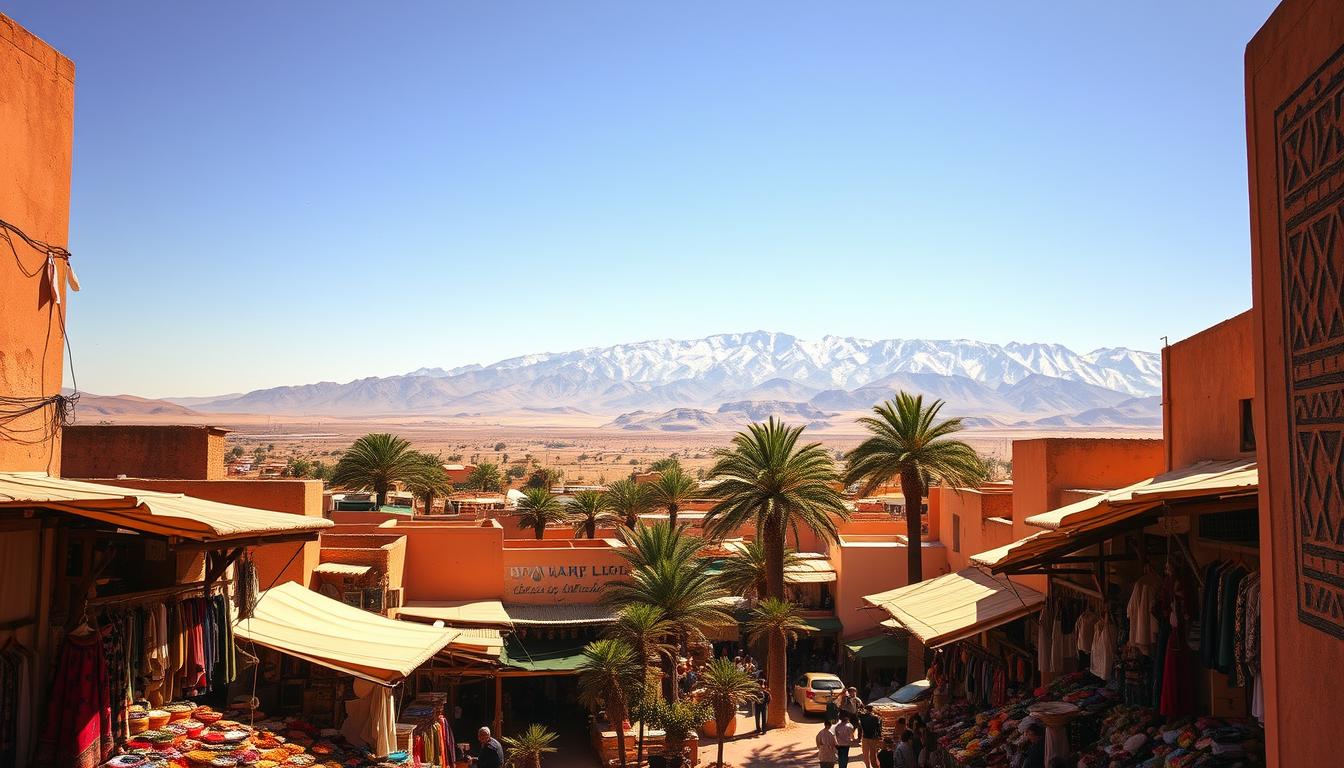
Planning a trip to Morocco in July? It’s key to know the climate and temperature conditions you’ll face. July is the hottest month, with soaring temperatures in every area.
In Morocco, you’ll find long and hot days. The weather varies by region. Marrakesh sees highs over 100°F (38°C). Tangier, on the northern coast, stays around 75°F (24°C).
If you’re off to Morocco in July, get ready for these temperatures.
Key Takeaways
- July is characterized by long and hot days across Morocco.
- Temperatures in Marrakesh can soar past 100°F (38°C).
- The northern coast, such as Tangier, experiences milder temperatures around 75°F (24°C).
- Essaouira’s daily average temperature hovers in the mid- to upper-70s (Fahrenheit).
- The Atlas mountains have a daily average temperature of 84°F (29°C) with 11 hours of daylight.
Morocco’s Climate Overview
Morocco’s climate varies greatly, from the coast to the desert. This change is due to its geography. It includes the Atlantic coast, the Atlas Mountains, and the Sahara Desert.
Geographic Influences on Weather Patterns
Morocco’s geography shapes its weather. The Atlas Mountains block rain, leading to different amounts of rain across the country. The Sahara Desert makes summers very hot.
Seasonal Climate Variations
Morocco sees many seasonal changes. Summer, including July, is very hot, especially in the desert. For more on visiting Morocco in July, see Rough Guides.
What Makes July Unique
July is Morocco’s hottest month. Average high temperatures often hit 40°C (104°F) in the desert. Coastal cities are cooler thanks to the Atlantic Ocean.
Key features of Morocco’s July climate include:
- High temperatures across the country
- Significant temperature variations between day and night
- Low humidity in the desert regions
Morocco Temperature July: Region by Region Analysis
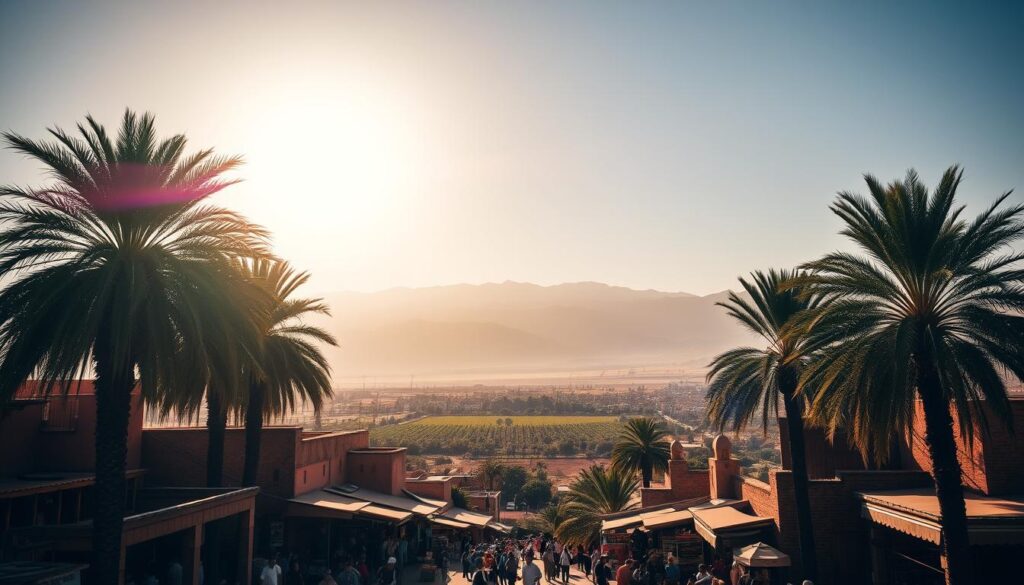
Morocco’s varied geography leads to distinct temperature fluctuations in July, depending on the region. As you travel across the country, you’ll experience different climate conditions in various areas.
Coastal Cities (Casablanca, Rabat, Tangier)
Coastal cities in Morocco enjoy a milder climate in July compared to inland areas. The ocean’s influence plays a significant role in moderating temperatures.
Temperature Ranges
In Casablanca, Rabat, and Tangier, daytime temperatures typically range from 75°F to 82°F (24°C to 28°C), while nighttime temperatures can dip to around 64°F (18°C).
Ocean Influence on Climate
The Atlantic Ocean has a cooling effect on these coastal cities, keeping temperatures relatively mild. The average sea temperature in July is around 68°F (20°C), making it pleasant for water activities.
Interior Cities (Marrakech, Fez)
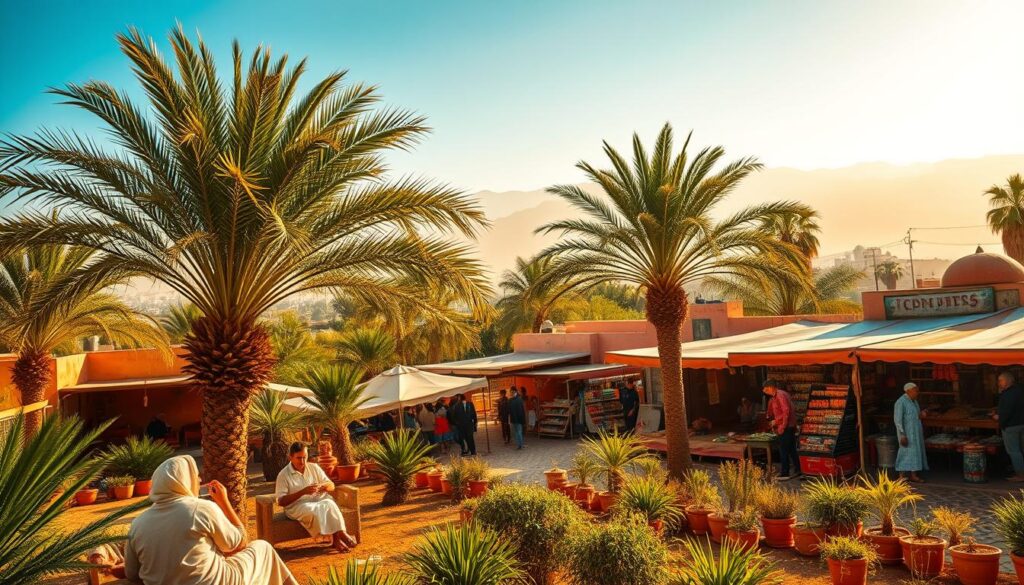
In contrast to the coastal regions, interior cities like Marrakech and Fez experience hotter temperatures during the day.
Heat Intensity in Urban Areas
Marrakech can see temperatures soar to over 100°F (38°C) during the day, while Fez experiences similar highs.
Day-to-Night Temperature Swings
Despite the heat during the day, nighttime temperatures in these cities can drop significantly, often to around 73°F (23°C).
| City | Daytime High | Nighttime Low |
|---|---|---|
| Marrakech | 100°F (38°C) | 73°F (23°C) |
| Fez | 99°F (37°C) | 72°F (22°C) |
Sahara Desert Regions
The Sahara Desert regions are known for their extreme heat during July.
Extreme Heat Conditions
Temperatures in the Sahara can reach as high as 122°F (50°C) during the day.
Safety Considerations
Travelers to these regions should take precautions, including staying hydrated and avoiding travel during the hottest parts of the day.
Understanding these regional temperature variations can help you prepare for your trip to Morocco in July.
Average Temperature in Morocco July: Statistics and Trends
July is one of the hottest months in Morocco. Temperatures vary a lot across different regions. Knowing these variations is key for a comfortable trip.
Daytime High Temperatures
In July, daytime highs in Morocco can get very hot. Cities like Marrakech often see temperatures over 38°C (100°F). The Sahara Desert can get even hotter, reaching 45°C (113°F) or more.
Coastal cities like Casablanca and Rabat are milder. They usually stay between 28°C to 32°C (82°F to 90°F).
Nighttime Low Temperatures
Nighttime lows offer some relief, especially in the desert. Temperatures can drop by 15°C to 20°C (27°F to 36°F) from daytime highs. In Marrakech, nights can be around 23°C (73°F).
In the Sahara Desert, nights can drop to 20°C (68°F) or lower.
Historical Temperature Records
July is consistently hot in Morocco. Data from WeatherSpark shows average highs have stayed stable, with occasional spikes. These records help us understand Morocco’s climate and prepare for future visits.
Recent Climate Trends
Recent trends show Morocco’s summer temperatures are rising. This follows global climate change patterns. As a traveler, knowing these trends helps you prepare for the heat and stay safe.
When planning your July trip to Morocco, pack right and stay updated on the weather. Understanding the average temperature and climate trends lets you enjoy Morocco fully.
Heat Waves and Extreme Weather Phenomena
In July, Morocco often faces intense heat waves. These can greatly affect your travel plans. The heat is not just about high temperatures. It can be very hard and impact your trip in many ways.
Frequency and Duration of Heat Waves
Heat waves in Morocco in July can last from a few days to over a week. The length and how often they happen can change from year to year. It’s very important to check the weather forecast while you’re there.
Chergui Wind Effects
The Chergui wind, coming from the east, makes the heat even worse. This hot, dry wind is tough for people not used to such extreme weather.
Preparing for Extreme Conditions
To deal with these extreme weather conditions, it’s key to drink lots of water. Try to avoid going outside when it’s hottest. Also, stay inside in cool places when you can. Being ready can really help you stay comfortable and safe in Morocco in July.
Humidity and Heat Index Considerations
When planning your trip to Morocco in July, remember the humidity’s role in heat. Morocco’s climate changes a lot from coast to inland, making summer feel different.
Coastal vs. Inland Humidity Levels
Coastal spots like Casablanca, Rabat, and Tangier are more humid than inland cities like Marrakech and Fez. The sea keeps temperatures steady but adds moisture, making the heat feel worse.
“Feels Like” Temperatures
The heat index, or “feels like” temperature, mixes actual temperature with humidity. In coastal Morocco, this makes the temperature feel much hotter than it is.
Humidity’s Impact on Travel Comfort
Knowing about humidity and heat index helps plan your day for comfort. Visiting indoor spots during the hottest times can be a relief. Enjoying the cool coastal breezes in the evenings is also nice.
“The key to enjoying Morocco in July is being prepared for the heat and humidity.” By understanding these climate factors, you can enjoy your trip and stay cool.
Sun Exposure and UV Index in July
July is the peak of summer in Morocco, with lots of sunshine. But, this also means a higher risk of sunburn and heat problems. It’s important to know about sun exposure and UV index to stay safe and have fun.
Average Sunshine Hours
In July, Morocco gets a lot of sunshine, about 10-11 hours a day. This long sunlight calls for strong sun protection.
Peak UV Times
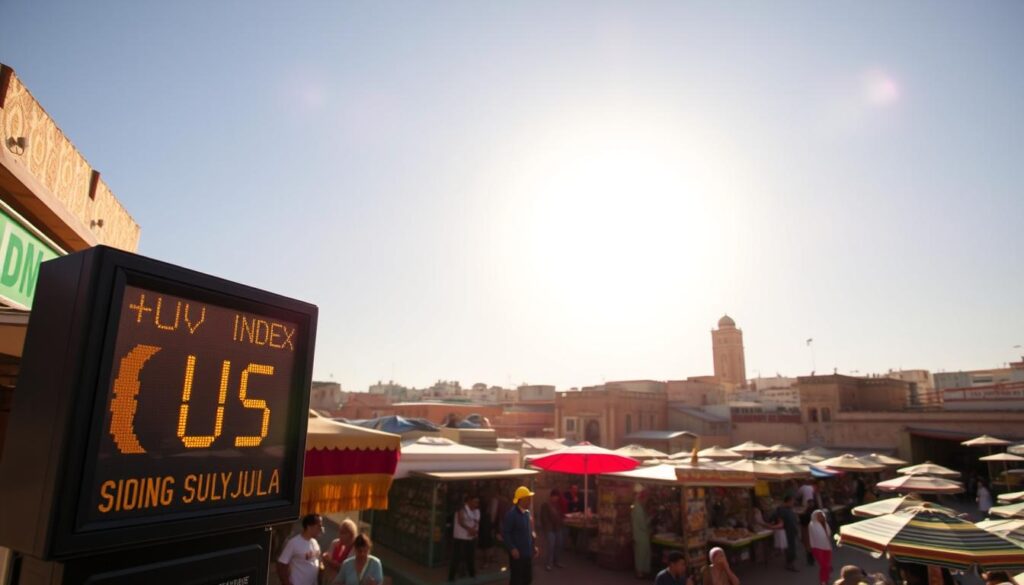
The UV index in Morocco is highest from 10 am to 4 pm in July. It’s very important to avoid direct sun during these times to avoid sunburn.
Sun Safety Recommendations
To keep safe from the sun, follow these tips:
- Use a broad-spectrum sunscreen with a high SPF.
- Wear protective clothing, like a hat and sunglasses.
- Stay in the shade when the sun is strongest.
Sunscreen Guidelines
Put on sunscreen 15-30 minutes before going outside. Reapply every two hours or after swimming or sweating.
Protective Clothing
Wear light, loose clothes that cover your skin but don’t make you hot. A wide-brimmed hat and UV-protective sunglasses are also good choices.
What to Pack for Morocco in July
To enjoy Morocco in July, you need to prepare for the extreme heat. The right clothing and gear are key. The desert regions are especially hot, so pack carefully for a comfortable trip.
Essential Clothing Items
Choose breathable fabrics for your clothing. These allow for airflow and keep you cool.
Breathable Fabrics
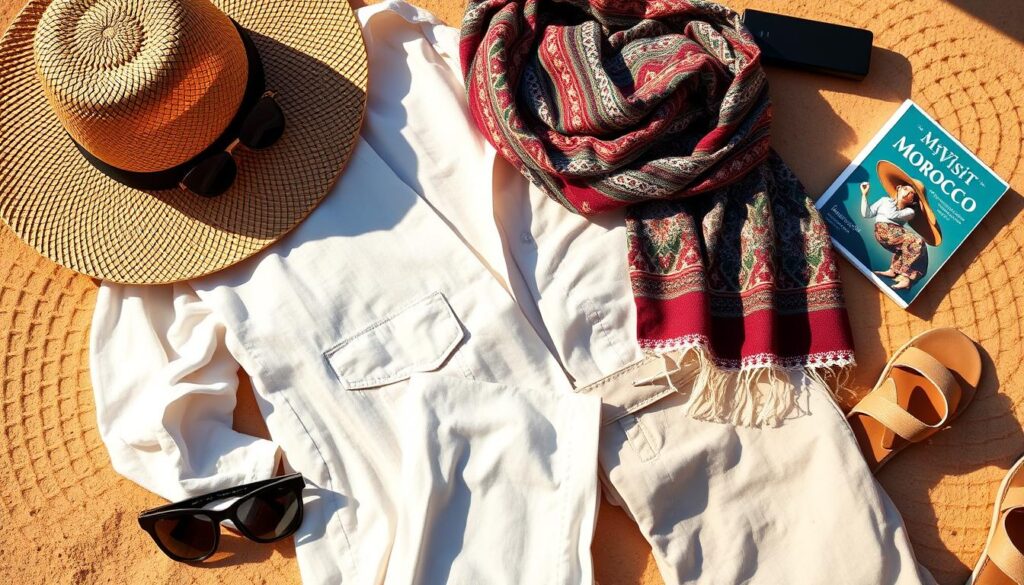
Go for lightweight, natural fabrics like cotton, linen, or silk. They’re breathable and comfy. Stay away from synthetic fabrics that trap heat.
Cultural Considerations
Morocco is conservative, so dress modestly. Wear loose-fitting clothes that cover your shoulders and knees. This is important when visiting mosques or rural areas.
Sun Protection Gear
Protecting yourself from the sun is crucial in Morocco’s July heat. Bring a wide-brimmed hat, sunglasses, and sunscreen with high SPF. This will help prevent sunburn.
Health and Comfort Supplies
Staying hydrated is vital. Pack hydration salts or electrolyte-rich drinks. Also, remember to bring personal medications and a basic first-aid kit.
Electronics and Heat Protection
The heat can damage electronics. Consider a protective case or bag for your devices. A portable power bank is also useful to keep your devices charged all day.
Staying Comfortable in Morocco’s Summer Heat
Morocco’s July temperatures can be tough, but you can still have a great trip. It’s all about staying cool and enjoying your Moroccan adventure.
Hydration Strategies
Drinking lots of water is key in Morocco’s July heat. Aim for 2 liters of water a day. If you’re active or outside a lot, drink even more.
- Drink water often, even if you’re not thirsty.
- Stay away from caffeinated and alcoholic drinks, as they dry you out.
- Carry a refillable water bottle to always have water ready.
Optimal Daily Schedule
Plan your day to avoid the hottest hours. Go out early or late when it’s cooler.
- Start your day early to enjoy the cooler morning.
- Take a break during the hottest time (12 pm to 3 pm).
- Go back out in the late afternoon or evening.
Cooling Foods and Beverages
Eating cool foods and drinks can help keep you cool. Choose fresh fruits, salads, and cold soups. Moroccan mint tea is refreshing and helps you stay hydrated.
Mint tea is a big part of Moroccan culture and helps cool you down.
Accommodation Considerations
Choosing the right place to stay is important for comfort. Look for hotels or riads with air conditioning to cool off when it’s hot.
Air Conditioning Availability
Many hotels and riads in big cities have air conditioning. Make sure to check if they have it before you book.
Traditional Cooling Architecture
Moroccan buildings are designed to stay cool. Look for riads with thick walls, high ceilings, and shaded areas. These help keep the inside cool.
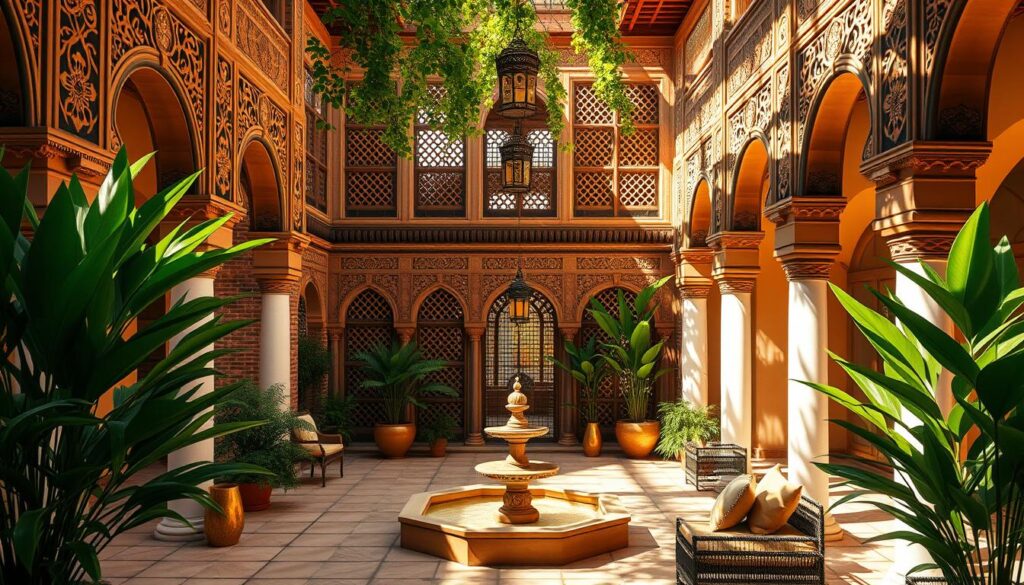
By using these tips, you can stay comfortable and enjoy Morocco in July.
Best Time to Visit Morocco: Is July Ideal?
July is a busy travel month for many places, but is it the best for Morocco? It’s important to think about the good and bad of visiting Morocco in July.
Advantages of July Travel
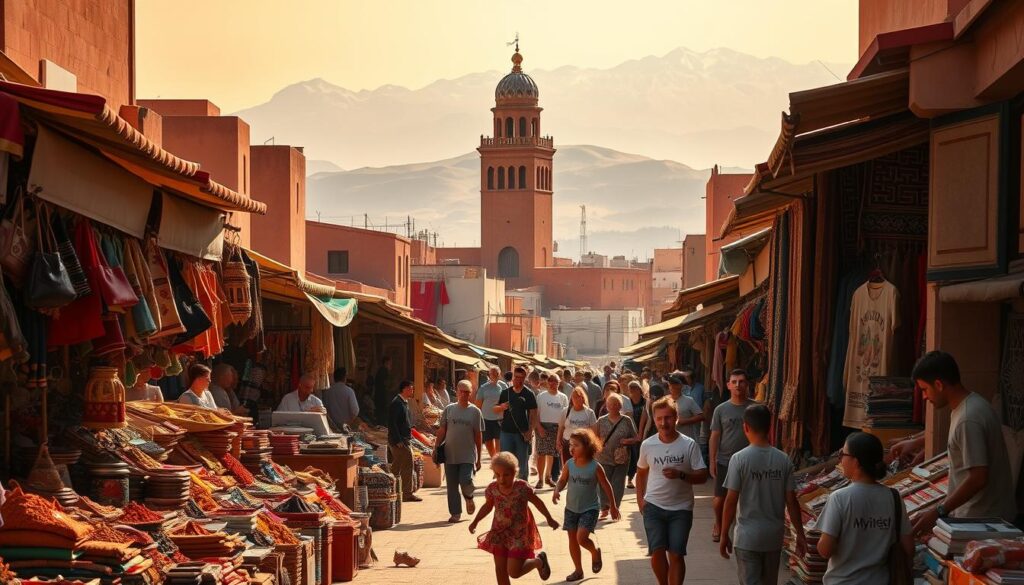
Visiting Morocco in July has its benefits. The days are long, giving you more time to see the souks and historic sites. July is also a great time for Morocco’s cultural events, like the Marrakech Popular Arts Festival. This festival features local music, dance, and crafts.
Challenges and Considerations
However, July is very hot in Morocco, especially in the desert. Travelers need to be ready for the heat. It’s important to drink lots of water and plan your day for cooler times.
Alternative Months for Different Experiences
If the heat in July worries you, think about visiting in the shoulder season. This is April-May or September-October. The weather is nicer, and there are fewer people in cities like Marrakech and Fez.
Ideal Destinations for July Visits
Some places in Morocco are still nice in July, even with the heat. Coastal cities like Casablanca and Tangier are cooler than inland areas. The Atlas Mountains are also a cool escape from the summer heat.
| Region | Average July Temperature | Tourist Season |
|---|---|---|
| Marrakech | 38°C (100°F) | Peak |
| Casablanca | 28°C (82°F) | Moderate |
| Sahara Desert | 40°C (104°F) | Peak |
| Tangier | 29°C (84°F) | Moderate |
In conclusion, July can be tough to visit Morocco because of the heat. But, it’s not all bad. With the right planning, you can still have a great time. Think about what you want from your trip to Morocco before deciding if July is right for you.
Morocco Weather in July: Impact on Tourist Activities
Planning your trip to Morocco in July? Knowing how the weather affects activities is key. The summer heat can change your trip, but with the right prep, you’ll have a great time.
Heat-Friendly Sightseeing Options
July is perfect for seeing Morocco’s sights early or late. Visit the Medina of Marrakech or the Roman Ruins of Volubilis. These spots are less busy when it’s cooler, making your visit better.
Beach and Water Activities
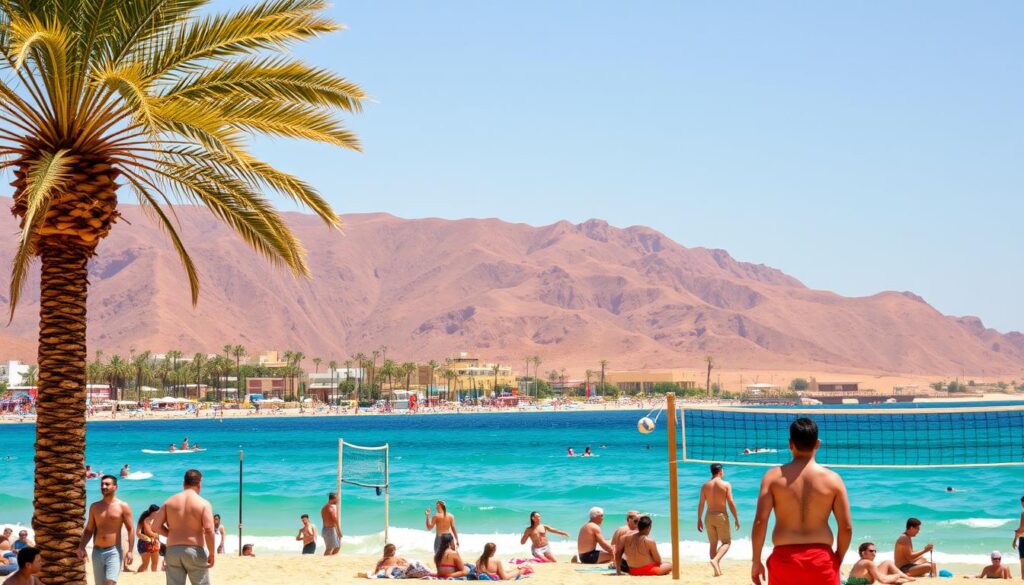
Morocco’s beaches are a cool escape from the heat. Try surfing in Taghazout, relax on Essaouira’s beaches, or go on a boat trip. The sea breeze is a nice break from the summer heat.
Indoor Cultural Experiences
For indoor fun, check out the Museums of Rabat or the Majorelle Garden’s Museum in Marrakech. These places are cool and let you dive into Moroccan culture.
Desert Excursions: Risks and Recommendations
Desert trips are popular, but July’s heat is extreme. Make sure to drink lots of water, wear protective clothes, and have a good guide. A night desert safari is a great way to avoid the heat and see the stars.
| Activity | Best Time | Precautions |
|---|---|---|
| Sightseeing | Early morning or late evening | Stay hydrated, wear sun protection |
| Beach activities | Anytime, with breaks | Use sunscreen, stay hydrated |
| Desert excursions | Night-time | Protective clothing, ample hydration, reliable guide |
By keeping an eye on the weather and planning smart, your July trip to Morocco will be unforgettable.
Morocco’s July Tourist Season
Morocco’s July tourist season is in full swing. Major destinations are bustling with activity. Planning your trip wisely can help you avoid crowds and enjoy your visit.
Crowd Levels at Major Destinations
July is a peak month for tourism in Morocco. Cities like Marrakech, Fez, and Rabat see a lot of visitors. Places like the Bahia Palace in Marrakech and Fez’s ancient medinas get very crowded.
Pricing Trends for Accommodations
Accommodation prices go up in July because of high demand. Booking early is key to get the best prices. Here’s a look at average prices in major cities:
| City | Average Price per Night (USD) | Price Range (USD) |
|---|---|---|
| Marrakech | 120 | 80-180 |
| Fez | 90 | 60-140 |
| Rabat | 100 | 70-160 |
Local Festivals and Events
July brings many cultural festivals and events to Morocco. The Marrakech Popular Arts Festival is a big highlight. It features local music, dance, and crafts.
Booking Recommendations
Booking your stay and activities early is smart. Use trusted booking sites and travel agencies. Look for those with flexible cancellation policies.
Morocco Climate July: Health and Safety Considerations
Visiting Morocco in July needs careful planning. You must know how to avoid health risks from the heat. The weather can be tough, so it’s key to be ready for any health or safety issues.
Heat-Related Illness Prevention
Heat-related illnesses are a big worry in Morocco in July. Heat exhaustion and heatstroke are serious. They happen when your body can’t cool down. To avoid these, drink lots of water and rest when it’s hottest.
Water Safety and Hydration
Drinking enough water is crucial in Morocco’s July heat. Aim to drink 2-3 liters of water per day. More is needed if you’re active or outside a lot. Also, be careful with water; tap water is safe in big cities, but bottled or filtered water is best in rural areas.
Medical Services Availability
Morocco has good medical care in cities like Marrakech and Casablanca. But, medical help might be scarce in rural areas. So, get comprehensive travel insurance that includes medical evacuations.
Travel Insurance Recommendations
Before you go to Morocco in July, get the right travel insurance. Look for policies that cover medical costs and trip changes due to weather. Make sure your policy fits your travel plans well.
Climate Change Effects on Morocco’s Summer Weather
Climate change is making Morocco’s summer weather hotter and more unpredictable. The country’s varied climate, from Mediterranean to desert, makes it very sensitive to global warming.
Recent Temperature Trends
In recent decades, Morocco’s summer temperatures have gone up. The World Bank Climate Knowledge Portal shows a 0.5°C rise since the 1960s. This trend is likely to keep going, affecting Morocco’s nature and people.
Drought Conditions and Water Availability
Climate change is changing when and how much rain Morocco gets, leading to more droughts. This makes finding water harder, especially in summer when we need it most. Morocco needs better ways to manage its water.
Key Statistics:
| Indicator | 1960s | Recent Years |
|---|---|---|
| Average Summer Temperature | 28°C | 30.5°C |
| Annual Rainfall | 400 mm | 350 mm |
Future Projections for Summer Climate
Climate models say Morocco’s summers will keep getting hotter and rain patterns will change. By 2050, summers could be 1-2°C warmer. This could harm farming, water, and health.
“The climate crisis is one of the most pressing issues of our time, and Morocco is on the frontlines. We must take immediate action to reduce our carbon footprint and adapt to the changing climate.” –
Sustainable Tourism Practices
As tourism grows in Morocco, it’s key to use green practices. This means choosing eco-friendly places to stay, cutting down on waste, and helping local areas. Morocco can keep its beauty and culture alive for the future by doing this.
Visitors to Morocco in summer should think about how they impact the environment. Simple steps like saving water, using less energy, and caring for nature can help a lot.
Conclusion: Embracing Morocco’s July Heat
Visiting Morocco in July means getting used to the heat. Cities like Marrakech can reach over 40°C (104°F). It’s key to know the weather and prepare well.
Traditional homes in Morocco, called riads, stay cool thanks to thick walls. Staying in a riad can be a great experience. Also, try local tips like taking siestas and eating cool foods like fruits and salads.
For more tips on handling Marrakech’s summer heat, check out summer heat in Marrakech. Knowing about morocco holiday weather and morocco temperature july will make your trip better.
With the right knowledge and precautions, you can still enjoy Morocco’s culture, views, and friendly people. Even in the hottest month, Morocco has a lot to offer.



 Covers cities, coast, mountains, desert & food