Stepping into the vast, silent expanse of the Sahara Desert feels like entering another dimension. It’s a journey that transcends typical travel, offering a profound connection with nature, ancient cultures, and oneself. For many, the highlight of a trip to Morocco is undoubtedly the captivating experience of camel trekking and staying in traditional Berber camps. This ultimate guide will walk you through everything you need to know to plan your unforgettable adventure into the heart of the morocco sahara desert.
Choosing Your Desert Gateway: Merzouga vs. M’Hamid
When planning your morocco sahara desert adventure, the first decision often revolves around which desert region to visit: Merzouga or M’Hamid. Both offer incredible experiences, but they cater to slightly different preferences.
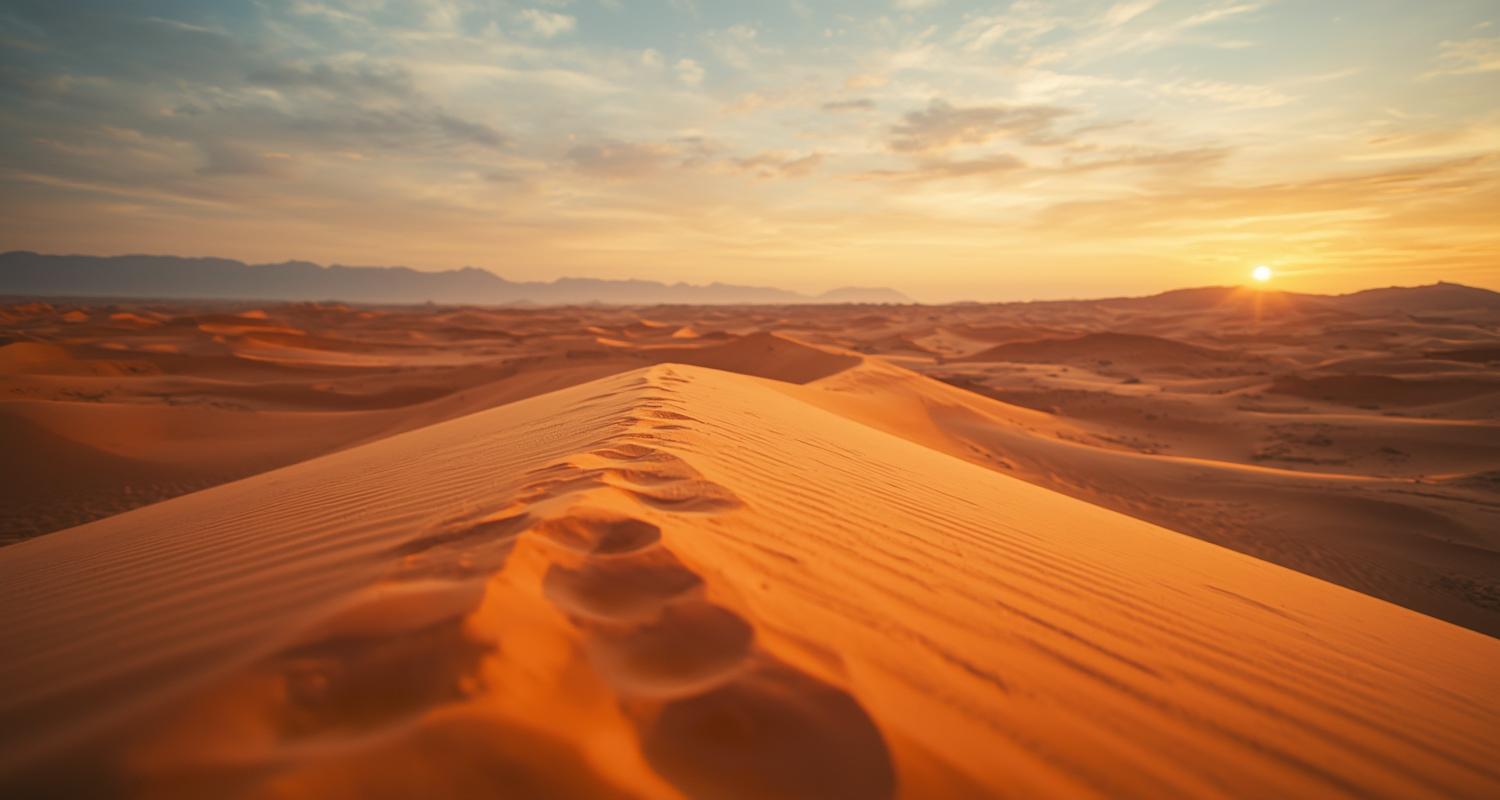
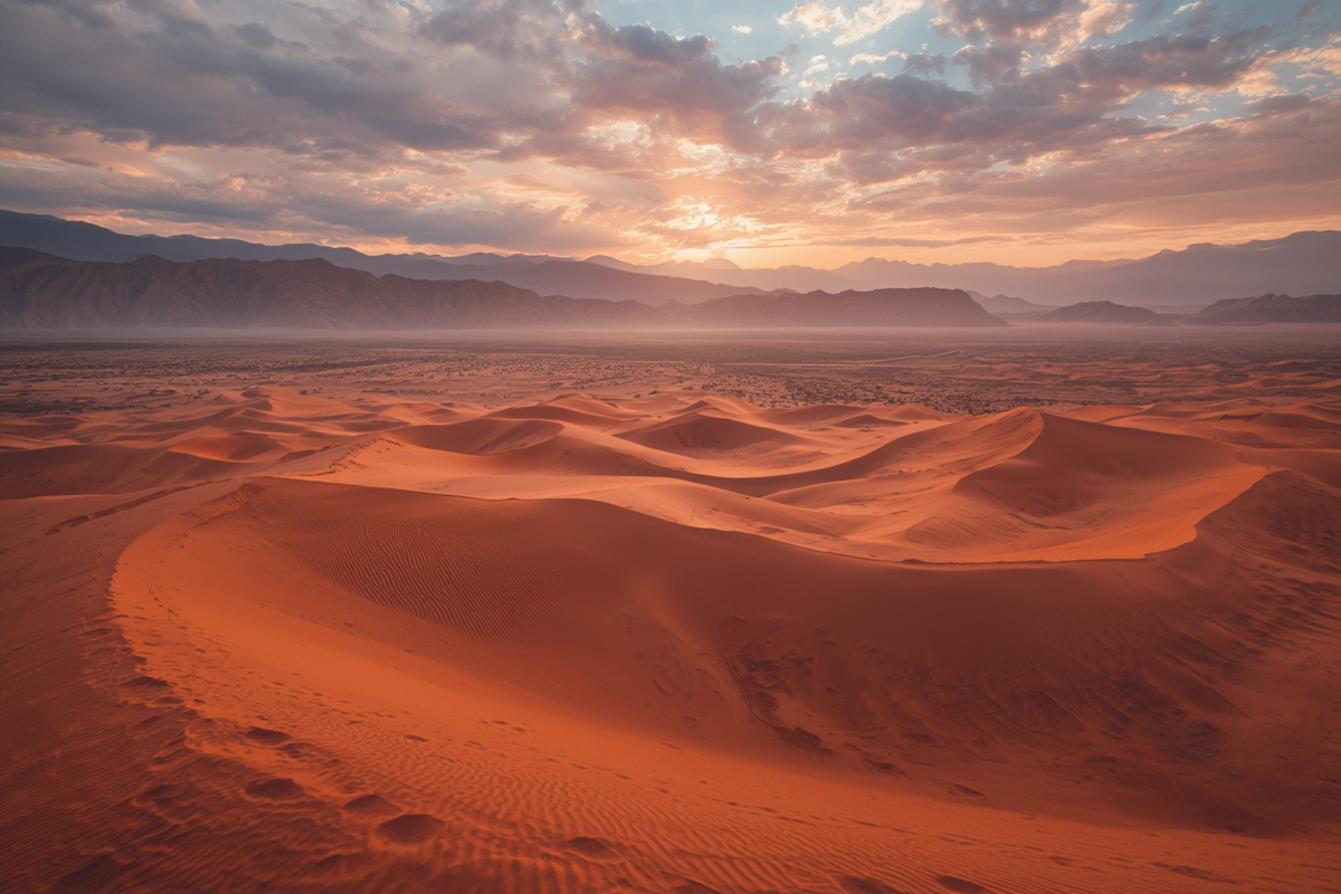
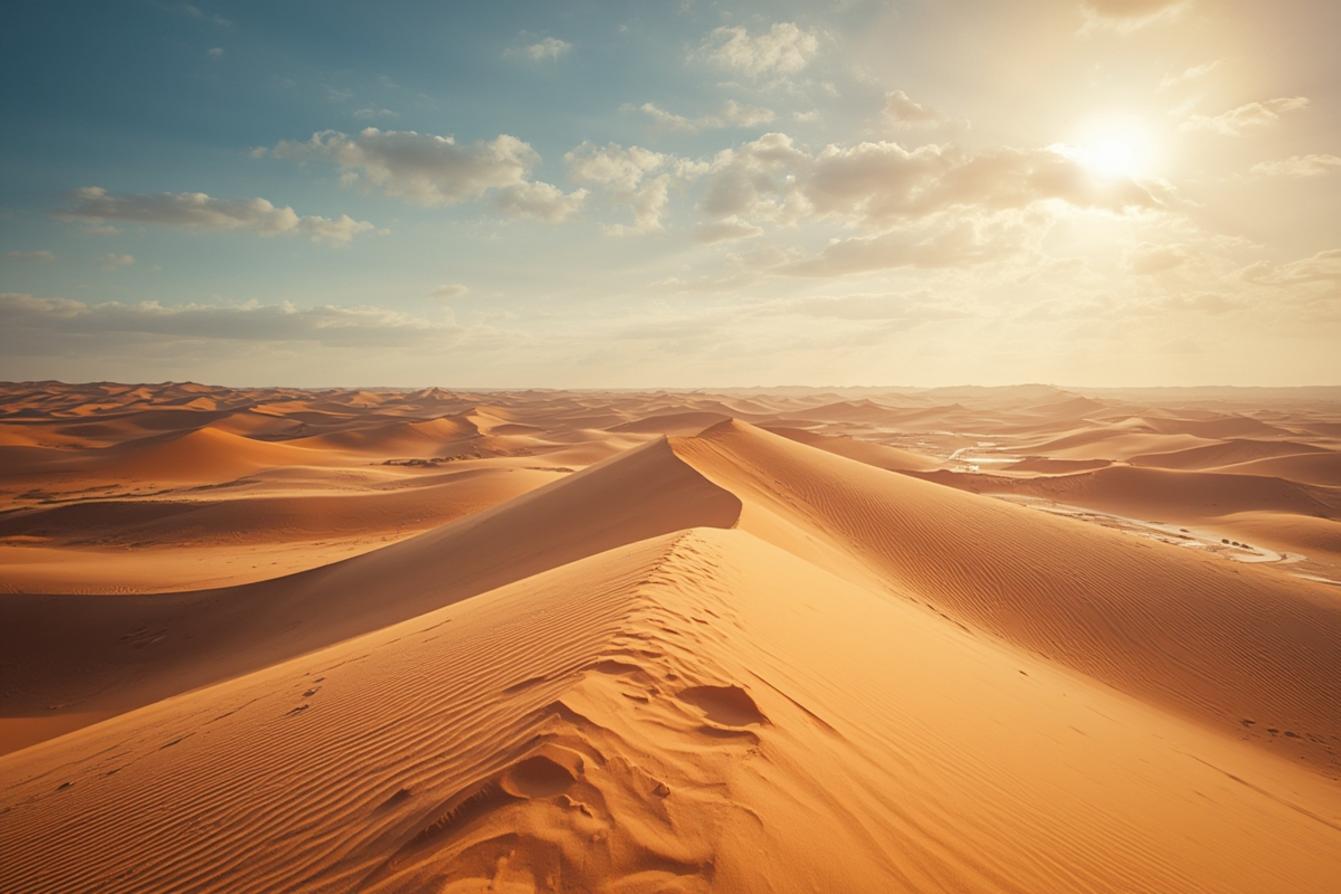
Merzouga, located closer to the Algerian border, is renowned for its Erg Chebbi dunes. These spectacular, towering sand formations, often depicted in iconic desert imagery, are truly breathtaking. The golden dunes can reach heights of up to 150 meters, creating a dramatic and photogenic landscape. Merzouga is generally more accessible and has a wider array of established camps, from basic to luxury, making it a popular choice for first-time desert visitors. The infrastructure is a bit more developed, and you’ll find more options for everything from quad biking to 4×4 excursions. While popular, Merzouga still delivers an authentic desert experience, especially once you’re deep within the dunes.
M’Hamid, on the other hand, sits at the ‘end of the road’ before the true wilderness begins, making it a gateway to the Erg Chigaga dunes. Erg Chigaga is wilder, more remote, and significantly larger than Erg Chebbi. Reaching Erg Chigaga often requires a longer 4×4 journey across rocky plains and smaller dunes before arriving at the truly massive sand sea. This route appeals to those seeking a more rugged, less-trafficked experience. Camps in Erg Chigaga tend to be more exclusive and offer a deeper sense of isolation. If you crave a raw, untouched desert environment and don’t mind a longer, more adventurous journey, M’Hamid and Erg Chigaga might be your perfect match. Both offer the quintessential camel trek and Berber camp stay, but it’s the surrounding landscape and general vibe that differentiate them.
The Enchantment of a Camel Trek: Swaying Through the Dunes
The quintessential morocco sahara desert experience begins with a camel trek, a truly immersive way to traverse the undulating dunes. Hopping aboard these majestic ‘ships of the desert’ feels like stepping back in time. The rhythmic sway of the camel, the soft crunch of sand underfoot, and the profound silence of the vast landscape create an almost meditative state. Most treks depart in the late afternoon, timed perfectly to witness the magical sunset over the dunes. As the sun dips below the horizon, painting the sky in fiery hues of orange, pink, and purple, the experience is nothing short of spiritual.
Your Berber guide, often born and raised in the desert, will lead the way, skillfully navigating the shifting sands. They are a wealth of knowledge, ready to share insights into desert life, local traditions, and the flora and fauna that manage to thrive in this seemingly harsh environment. The journey to your camp typically lasts an hour or two, just enough time to truly unwind and absorb the immensity of your surroundings. It’s a slow travel experience at its finest, allowing you to disconnect from the modern world and reconnect with nature. Don’t forget your camera, but also remember to put it down and just be present in the moment. The feeling of the breeze, the changing light, and the profound silence are memories best captured by your heart, not just your lens.
Immersing in Berber Hospitality: Life in a Desert Camp
After your camel trek, the warm glow of the Berber camp lights welcomes you to your home for the night. These camps, ranging from rustic to luxurious, offer an incredible insight into traditional desert living. You’ll typically find comfortable tents, often adorned with colorful Berber rugs and textiles, providing a cozy refuge from the desert night. The heart of any Berber camp experience is the communal dinner, often featuring a delicious tagine or couscous, freshly prepared over an open fire. Sharing a meal under a sky ablaze with stars is an unforgettable experience.
Following dinner, the evening comes alive with traditional Berber music. Guides and camp staff gather around a campfire, playing drums and singing ancient chants. It’s an authentic cultural exchange, inviting travelers to tap their feet, clap their hands, and even try some simple dance steps. Many camps also encourage stargazing, and with virtually no light pollution, the Milky Way sprawls across the inky blackness with breathtaking clarity. Waking up to the sunrise over the dunes, often accompanied by a simple breakfast of mint tea, bread, and jam, is the perfect way to conclude your overnight stay. The blend of simple comfort, genuine hospitality, and celestial beauty makes staying in a Berber camp a truly defining highlight of any morocco desert tours.
Planning Your Sahara Adventure: Practical Tips and Considerations
Embarking on a journey to the morocco sahara desert requires a bit of planning to ensure a smooth and enjoyable experience. Most desert tours originate from major cities like Marrakech or Fes. These tours typically include transportation, guides, camel treks, accommodation in a desert camp, and meals.
When choosing a tour, consider:
- Duration: Most tours are 2 or 3 nights. A 3-night tour allows for a more relaxed pace and deeper exploration, especially if you’re coming from afar.
- Group Size: Decide if you prefer a private tour for a more personalized experience or a small group tour for a more social atmosphere.
- Camp Comfort Level: Camps range from very basic shared tents with outside facilities to luxury options with private ensuite bathrooms and even hot showers. Research what’s included to match your comfort preferences.
- Reputation: Read reviews and choose reputable tour operators. Ask about their responsible tourism practices.
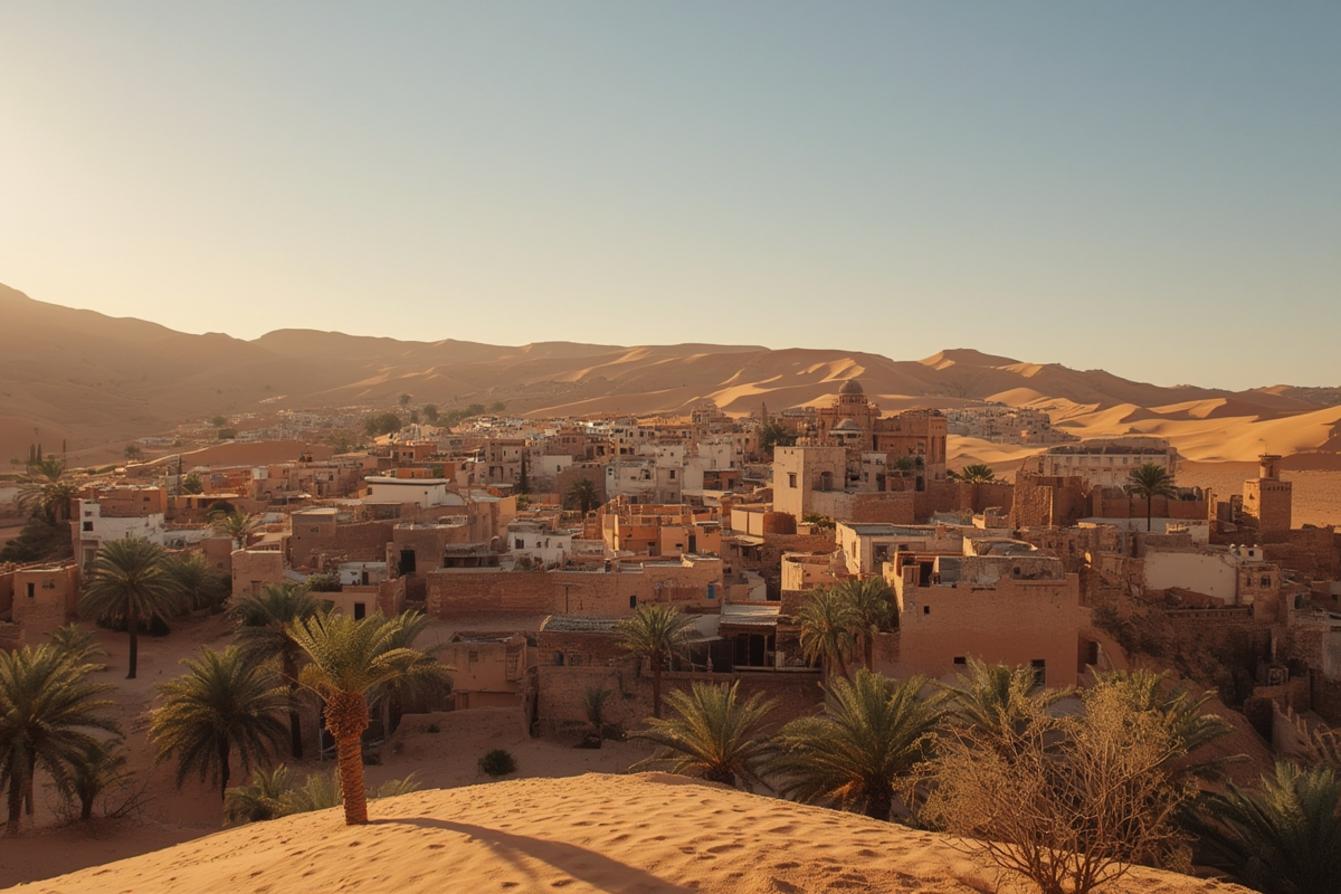
It’s essential to pack appropriately. Evenings in the desert can be surprisingly cold, especially in winter months (November to March), so layers are crucial. During the day, lightweight, breathable clothing is best. Don’t forget a wide-brimmed hat, sunglasses, sunscreen, and a scarf or Keffiyeh to protect yourself from the sun and sand. Comfortable closed-toe shoes are a must for walking in the sand. A small backpack for essentials, a headlamp or flashlight, and personal toiletries are also highly recommended. While some camps have charging stations, it’s wise to bring a portable power bank for your electronics. Remember that reaching the desert from cities like Marrakech involves significant driving, often 8-10 hours, passing through stunning landscapes like the Atlas Mountains and stop-offs at places like Ait Benhaddou and Ouarzazate. For more about exploring other Moroccan gems, check out this guide on morocco sahara desert.
Capturing the Magic: Photography and Stargazing in the Dunes
The visual spectacle of the morocco sahara desert is a photographer’s dream and a stargazer’s paradise. From the soft morning light illuminating the ripples in the sand to the dramatic silhouettes cast by the setting sun, every moment offers a unique photographic opportunity. Don’t be afraid to experiment with different angles and compositions – the vastness allows for incredible wide-angle shots, while the textures of the sand and the details of a camel’s face make for compelling close-ups. Pay attention to the light, as it dramatically changes the mood and appearance of the dunes throughout the day. Sunrise and sunset are, of course, prime times for stunning shots, but the midday sun also creates crisp shadows that can add depth and contrast.
Once darkness falls, the Sahara truly comes alive with its unparalleled night sky. Far from any major cities, light pollution is virtually nonexistent, revealing a canopy of stars that many people have never witnessed before. Lying on a dune, away from the campfires, and gazing up at the Milky Way stretching across the heavens is a humbling and awe-inspiring experience. If you’re interested in astrophotography, this is one of the best places in the world to practice. Even with just a smartphone, you can often capture decent shots of the moon or brighter constellations. For those with more advanced equipment, the possibilities are endless. Remember to bring extra batteries, as cold desert nights can drain them quickly, and a small tripod for stable night sky shots. The memories of a Sahara night under a million stars will stay with you long after you leave. You can find more practical tips for desert travel here: morocco desert tours.
Beyond the Camels: Other Desert Experiences
While camel trekking and overnight stays in Berber camps are the highlights, the morocco sahara desert offers a range of other activities to enhance your adventure. For thrill-seekers, quad biking or dune buggies provide an exhilarating way to conquer the sandy hills at a faster pace. Imagine racing over the crests and troughs of the golden dunes, feeling the wind in your hair – it’s an adrenaline rush set against an incredible backdrop.
Another popular activity is sandboarding. Similar to snowboarding, but on sand, you can slide down the dunes on a board, a fun and unique way to interact with the landscape. Your guides will often bring boards along or you can rent them at the edge of the dunes. For those interested in local culture, visiting a nomadic family in their tent or exploring a nearby desert village can offer a deeper understanding of desert life and traditions. Some tours also include stops at fossil sites, showcasing the ancient history of this extraordinary landscape, or visits to the Gnawa musicians of Khamlia, a community known for its spiritual music. These additional experiences provide different perspectives on the Sahara, enriching your overall journey and creating a more comprehensive understanding of this unique part of Morocco.
Conclusion
A journey into the morocco sahara desert is more than just a trip; it’s an adventure that awakens the senses and touches the soul. From the rhythmic sway of a camel trek through endless dunes to the profound silence of a starlit night in a traditional Berber camp, every moment is imbued with a sense of wonder and timelessness. It’s an opportunity to disconnect from the frantic pace of modern life and reconnect with the raw beauty of nature and the warmth of genuine hospitality. Whether you’re seeking adventure, cultural immersion, or simply an escape to an otherworldly landscape, the Sahara delivers an experience that will undoubtedly be a highlight of your Moroccan travels.
FAQs
### What is the best time of year to visit the Morocco Sahara Desert?
The best time to visit the Morocco Sahara Desert is during the shoulder seasons: spring (March to May) and autumn (September to November). During these months, temperatures are pleasant during the day, becoming cool but not freezing at night. Summer (June to August) can be extremely hot, while winter (December to February) can be quite cold, especially at night, though daytime temperatures are often mild and sunny.
### What should I pack for a desert trip to Morocco?
For a desert trip, pack lightweight, breathable clothing for the day, but crucial layers for the evening/night as temperatures drop significantly. Include a wide-brimmed hat, sunglasses, high SPF sunscreen, comfortable closed-toe shoes (sandals for camp), and a scarf or Keffiyeh for sun and sand protection. Don’t forget a small backpack, a headlamp, toiletries, and a portable power bank.
### Are desert camps in the Sahara safe?
Yes, desert camps in the Moroccan Sahara are generally very safe. Tour operators are experienced, and the local Berber guides are incredibly knowledgeable about the desert environment and ensuring traveler safety. The camps themselves are usually well-maintained, and guides prioritize the well-being of their guests. It’s always wise to follow your guide’s instructions and stay with your group.
### Can I go to the Sahara Desert without booking a full tour package?
While it’s possible to arrange transportation to the edge of the desert (e.g., Merzouga or M’Hamid) independently, you will still need to book a camel trek and an overnight camp stay upon arrival. Many people find that booking a full tour package from a major city like Marrakech or Fes, which includes transport, guides, and accommodation, is the most convenient and cost-effective option, offering a seamless experience.



 Covers cities, coast, mountains, desert & food