Morocco offers an incredible array of experiences, from the vibrant markets of Marrakech to the serene Sahara dunes. To ensure your adventure is as magical as you imagine, understanding essential Morocco safety tips is paramount. This guide focuses on practical advice to help you navigate this captivating country with confidence, ensuring a stress-free and enjoyable trip. We’ll delve into various aspects of personal security, cultural awareness, and practical precautions, all designed to arm you with the knowledge needed for a smooth journey.
Navigating Public Spaces Safely: Essential Morocco Safety Tips
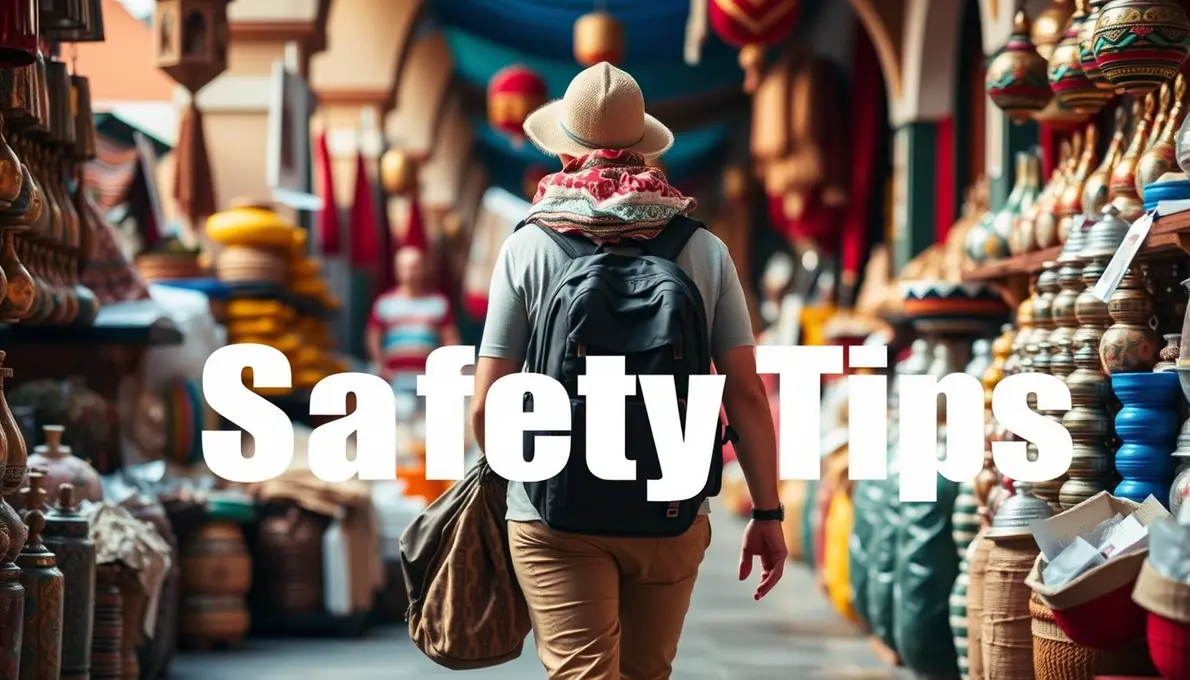
When exploring cities like Marrakech, Fes, or Casablanca, public spaces are bustling and full of life. However, they also require a certain level of awareness. Pickpocketing, while not rampant, can occur in crowded areas such as souks, main squares like Djemaa el-Fna, and on public transport. The best defense is to be discreet with your valuables. Carry only what you need for the day and keep wallets, phones, and passports in secure, inside pockets or a cross-body bag worn to the front. Avoid flashing large amounts of cash or expensive gadgets.
Another key aspect of public safety involves walking alone at night. While many areas are well-lit and generally safe, it’s always advisable to stick to main thoroughfares and well-populated areas after dark, especially if you are unfamiliar with your surroundings. Taxis are readily available and a safer option for getting around at night. If you’re a solo female traveler, this advice becomes even more pertinent. Dressing respectfully, covering shoulders and knees, can also help you blend in and avoid unwanted attention, though it’s not a guarantee against all forms of harassment. Should you encounter persistent touts or unwanted attention, a firm, polite “no, thank you” or simply ignoring them and continuing to walk is often the most effective approach. Engaging in long arguments or showing frustration can sometimes escalate the situation.
Bargaining is a cultural norm in Morocco, particularly in the souks, but it should be a friendly interaction, not a confrontation. Understand that vendors are trying to make a living, and while a firm stance is fine, aggression is not. Researching typical prices for common items before you shop can give you a good baseline and prevent overpaying significantly.
Understanding Local Etiquette and Cultural Sensitivity
Morocco’s rich culture is a huge part of its appeal, and showing respect for local customs goes a long way in ensuring a positive experience and enhancing your personal Morocco safety tips. The country is predominantly Muslim, and while generally tolerant of tourists, adhering to certain social norms is appreciated.
Dressing modestly is one of the most important forms of respect. For both men and women, covering shoulders and knees is recommended, especially when visiting religious sites or more conservative areas. Women might consider carrying a scarf to cover their heads if entering a mosque or during specific cultural events. This isn’t just about respect; it can also help you feel more comfortable and avoid unnecessary attention.
When interacting with locals, always ask for permission before taking photographs, especially of people. Many Moroccans are happy to oblige, but it’s polite to ask first. Offering a small tip (bacsheesh) for a photo of performers or specific artisans is also customary. Public displays of affection are generally frowned upon, so it’s best to keep them private. During the holy month of Ramadan, be extra mindful of those who are fasting. Eating, drinking, and smoking in public during fasting hours are considered impolite. While tourists are not expected to fast, discretion is appreciated.
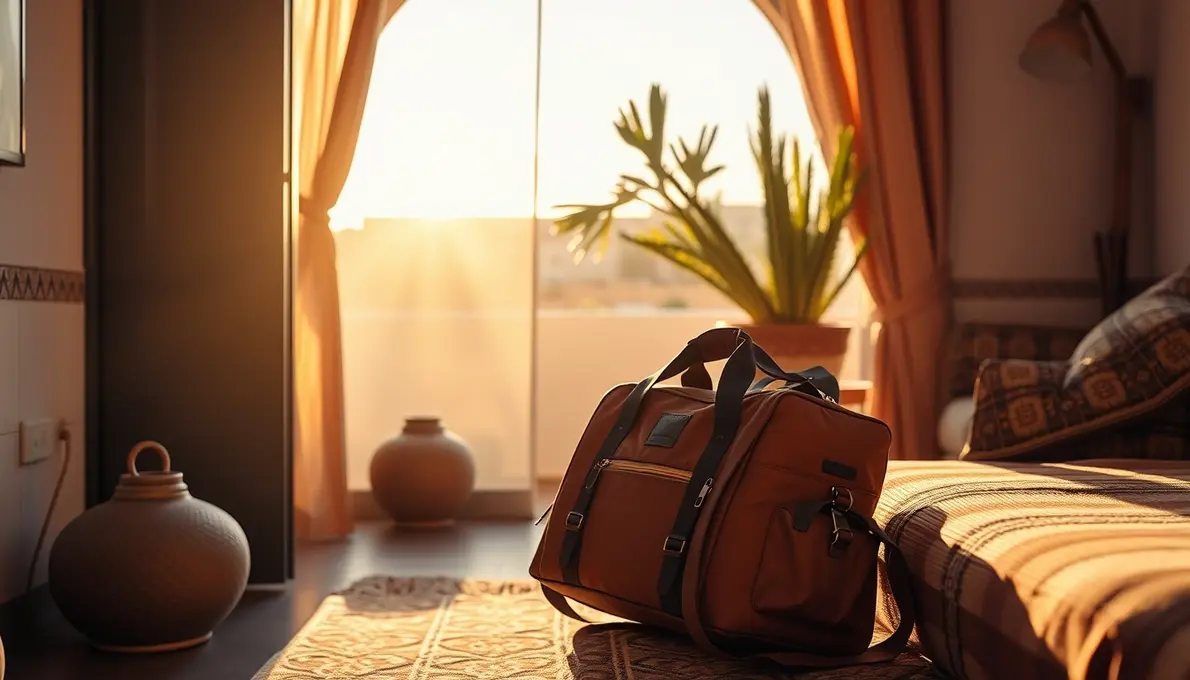
Hospitality is a cornerstone of Moroccan culture. You might be invited for tea by shopkeepers or locals. This is a gesture of friendliness and often a prelude to conversation or even bargaining. Accepting is usually a good way to experience local life, but it’s okay to politely decline if you feel uncomfortable. Remember that the left hand is considered unclean in Islamic culture, so always use your right hand when shaking hands, passing food, or handling money.
Practical Safeguards: Health and Environmental Morocco Safety Tips
Beyond personal security and cultural understanding, practical health and environmental precautions are crucial for a truly stress-free trip. The Moroccan sun can be intense, especially during the warmer months, so sun protection is non-negotiable. Always wear a high-SPF sunscreen, a wide-brimmed hat, and sunglasses. Stay hydrated by drinking plenty of bottled water. Tap water is generally not safe for consumption by tourists, so stick to sealed bottled water – even for brushing your teeth – to avoid stomach upsets.
Food safety is another key consideration. While Moroccan cuisine is delicious, exercise caution with street food, especially if it looks like it’s been sitting out for a while or hasn’t been cooked thoroughly. Opt for food that is freshly cooked and served hot. Choose busy stalls, as high turnover generally means fresh ingredients. Fruits and vegetables should ideally be peeled or thoroughly washed with purified water. If you have a sensitive stomach, consider carrying an over-the-counter anti-diarrhea medication.
When venturing into natural environments, such as the Sahara Desert or the Atlas Mountains, always go with a reputable guide or tour operator. They are familiar with the terrain, weather conditions, and potential risks. In the desert, sudden changes in weather can occur, and it’s easy to get lost without experienced guidance. In the mountains, paths can be challenging, and having a knowledgeable guide ensures your safety and enhances your experience. Respect wildlife from a distance and avoid engaging with animals that appear distressed or aggressive.
Having comprehensive travel insurance is another critical Morocco safety tips for any international trip. It should cover medical emergencies, trip cancellations, lost luggage, and emergency evacuation. Before your trip, consult your doctor about recommended vaccinations and any necessary prophylactic medications. Ensure your routine vaccinations are up to date.
Managing Your Finacnes Securely
Protecting your finances is a vital component of ensuring a safe and enjoyable trip to Morocco. While credit cards are accepted in many larger establishments, particularly in cities and more tourist-oriented areas, cash remains king in many smaller shops, souks, and for services like petit taxis.
Diversifying your money sources is a smart strategy. Carry a mix of cash (preferably smaller denominations for daily expenses and tips), a debit card, and at least one credit card. Store them in separate, secure locations to minimize loss if one is misplaced or stolen. For example, keep some cash in your wallet for immediate use, some in a hidden money belt, and a credit card tucked away in your luggage.
When using ATMs, choose those located inside banks or in well-lit, busy areas. Be aware of your surroundings before and during your transaction, and inspect the machine for any signs of tampering. It’s also a good idea to inform your bank of your travel plans beforehand to prevent your cards from being blocked due due to suspicious activity.
Be cautious of anyone offering to help you at an ATM, as this can sometimes be a distraction tactic for theft. When making purchases, especially in souks, be mindful of currency conversions and ensure you receive the correct change. A quick mental calculation or using a conversion app on your phone can be helpful. Avoid carrying excessive amounts of cash, but ensure you have enough for your daily needs to avoid frequent ATM visits, which can sometimes come with fees. For larger purchases or hotel payments, using a credit card can offer better security and fraud protection than cash. Consider carrying a secure travel wallet or money belt to keep your essential documents and extra cash out of sight and secure.
Transportation Safety and Navigation
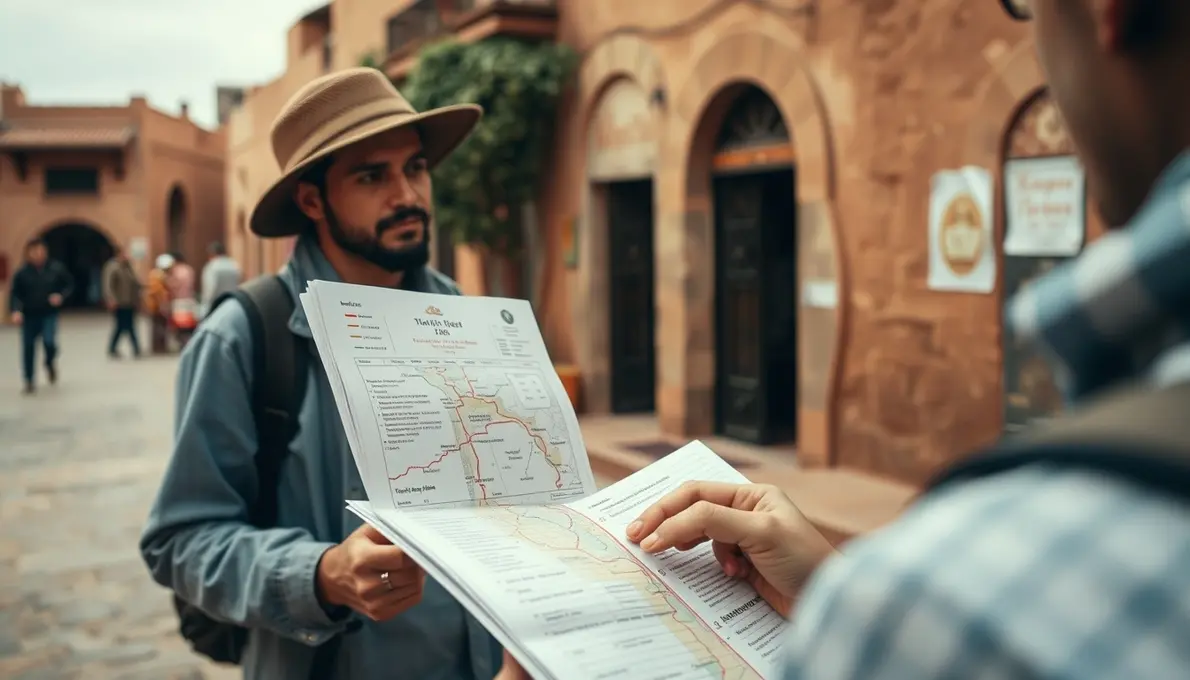
Getting around Morocco is an adventure in itself, but it’s important to approach transportation with a focus on safety. When it comes to taxis, always agree on a price before starting your journey, especially with “petit taxis” (smaller city cabs). If the taxi has a meter, insist that the driver uses it. For longer journeys or airport transfers, grand taxis are an option, but again, negotiations are key. If possible, have your hotel or riad arrange a taxi for you, or use ride-sharing apps like Careem, which are available in some major cities, as they offer transparent pricing.
Trains are generally a safe and comfortable way to travel between major cities like Casablanca, Rabat, Fes, and Marrakech. The national rail service, ONCF, offers reliable connections. It’s advisable to book tickets in advance, especially for popular routes or during peak season. First-class tickets offer more space and comfort and are often worth the small additional cost for peace of mind. Keep an eye on your luggage, especially on overnight trains.
Buses are a cost-effective way to travel throughout Morocco. CTM and Supratours are two of the most reputable companies, known for their modern fleets and scheduled services. Book tickets at the station a day or two in advance. While generally safe, be mindful of your belongings, particularly in overhead compartments or luggage storage underneath the bus. Ensure all your valuable items are with you in the main cabin.
Renting a car offers flexibility, but driving in Morocco can be challenging. Road conditions vary widely, from well-maintained highways to narrow, winding mountain and desert roads. Traffic in cities can be chaotic. If you choose to drive, ensure your rental car is insured, you have an international driving permit, and you are comfortable with aggressive driving styles. Be particularly cautious of pedestrians, animals on the roads, and unmarked speed bumps. Avoid driving at night, especially outside of major cities, due to poor lighting and unexpected obstacles. Always keep your car doors locked and windows up, especially when stopped in traffic.
For specific details on navigating larger cities like Casablanca, you might find valuable insights and additional Morocco safety tips relevant to urban travel.
Staying Connected and Emergency Preparedness
In the age of smart devices, staying connected is not just about sharing your experiences, but also about safety. Having a local SIM card can be incredibly beneficial for navigation, communication, and in case of emergencies. Moroccan SIM cards are relatively inexpensive and can be purchased from providers like Maroc Telecom, Orange, or Inwi at airports or local shops. Ensure your phone is unlocked before you travel. Having data allows you to access maps, translate phrases, and quickly look up information.
Before you travel, make a list of important emergency contacts:
- Local Emergency Number: 19 (Police), 150 (Ambulance/Fire)
- Your country’s embassy or consulate in Morocco.
- Your hotel/riad contact information.
- Your travel insurance company’s emergency hotline.
- Family or friends back home.
Keep both digital and physical copies of essential documents, including your passport, visa (if applicable), travel insurance policy, and flight details. Store digital copies in a secure cloud service and have physical copies in a separate location from your originals. This will greatly assist you if your originals are lost or stolen.
Understanding basic phrases in Arabic or French can also be very helpful in emergency situations or when seeking assistance. Even simple greetings and requests for help can make a significant difference. While many Moroccans in tourist areas speak English, venturing off the beaten path might require some basic language skills.
It’s also wise to share your itinerary with a trusted person at home. Let them know your general movements and expected return dates. This provides an extra layer of security, as someone will be aware if you deviate from your plans or can’t be reached. For more comprehensive global travel advice, consult resources like Morocco travel safety to further enhance your preparedness.
Conclusion
Embarking on a journey to Morocco promises an unforgettable experience, rich in culture, history, and natural beauty. By prioritizing personal security, respecting local customs, taking practical health measures, managing your finances wisely, navigating transportation safely, and staying prepared for emergencies, you can significantly enhance your trip. These Morocco safety tips are designed to empower you with the knowledge needed to travel confidently and enjoy every moment of your Moroccan adventure without unnecessary stress.
FAQs
What should I do if I experience harassment or unwanted attention in Morocco?
If you experience harassment, the best approach is often to firmly and politely say “no, thank you” and continue walking without engaging further. Avoid eye contact and try to blend in. If the situation persists or escalates, seek assistance from a nearby shopkeeper, restaurant owner, or a hotel concierge. In more serious situations, contact local police by dialing 19.
Is it safe for solo female travelers in Morocco?
Morocco is generally safe for solo female travelers, but it requires an extra layer of awareness and adherence to cultural norms. Dressing modestly, avoiding walking alone in dimly lit areas at night, and being confident in interactions can help. Solo female travelers may experience more unwanted attention or occasional harassment, but these incidents are usually minor. Researching women-only travel groups or tour operators can also provide a comfortable travel environment.
What are the main health precautions I should take before traveling to Morocco?
Before traveling, consult your doctor about recommended vaccinations, which may include Hepatitis A and B, Typhoid, and Tetanus. Ensure your routine vaccinations are up to date. During your trip, always drink bottled water, avoid raw fruits and vegetables that haven’t been peeled or thoroughly washed, and be cautious with street food. Carry hand sanitizer and basic over-the-counter medications for common ailments like an upset stomach.
How can I avoid getting scammed in Moroccan souks or markets?
To avoid scams in souks, always agree on a price before accepting an item or service. Bargaining is expected and part of the cultural experience, but remain firm and polite. Be wary of anyone offering overly generous assistance or trying to lead you to specific shops, as they may be working on commission. Keep your valuables secure and out of sight. If something feels too good to be true, it probably is. It’s often helpful to observe local prices beforehand and compare.




 Covers cities, coast, mountains, desert & food