Embarking on a Morocco road trip is an exhilarating prospect, promising an unforgettable journey through diverse landscapes, vibrant cities, and ancient cultures. To truly unlock the magic of motor an adventure, meticulous Morocco road trip planning is absolutely essential. This isn’t just about picking a car; it’s about crafting an immersive experience, ensuring every twist and turn brings discovery rather than frustration. Whether you envision navigating the bustling medinas, traversing the majestic Atlas Mountains, or feeling the desert sands beneath your feet, careful preparation will transform a good trip into an extraordinary one. Let’s dive into the critical steps to design your seamless Moroccan driving adventure.
Charting Your Course: Crafting the Perfect Morocco Road Trip Itinerary
The foundation of any successful road trip in Morocco is a well-thought-out itinerary. This isn’t just a list of places; it’s a strategic roadmap designed to maximize your experience while minimizing logistical headaches. Morocco is vast and varied, making it crucial to select a route that aligns with your interests and the time you have available. Do you crave the imperial cities, the coastal charm, or the raw beauty of the Sahara?
When you begin your Morocco road trip planning, consider the pace. Over-scheduling can lead to exhaustion and a feeling of being rushed. Aim for a comfortable balance between driving time and exploring time. Factor in a couple of nights in each major stop to allow for deeper immersion. For instance, if Casablanca is on your list, remember that Morocco road trip planning for that city alone requires careful thought regarding its attractions and traffic. Popular routes often include the Fes-Sahara-Marrakech loop, the coastal drive from Tangier to Essaouira, or a more mountainous trek through the Dadès Valley. Research each destination to understand its unique offerings, from historical sites to culinary delights, and integrate them logically into your route. Think about how much time you genuinely want to spend behind the wheel each day. Morocco offers breathtaking scenery, and you’ll want time to pull over, take photos, and soak it all in.
Navigating the Logistics: Car Rental, Documentation, and Road Conditions
Once your itinerary begins to take shape, the practicalities of a Morocco road trip come to the forefront. Choosing the right vehicle is paramount. A compact car might suffice for city driving and well-paved highways, but if your route veers into rural areas, the Atlas Mountains, or the fringes of the desert, a more robust vehicle, perhaps an SUV with higher clearance, will offer greater peace of mind and comfort. Always book your rental car in advance, especially during peak season, and scrutinize the rental agreement for insurance coverage, mileage limits, and any hidden fees. Confirm the type of fuel (diesel is generally more common and cheaper in Morocco) and the transmission.
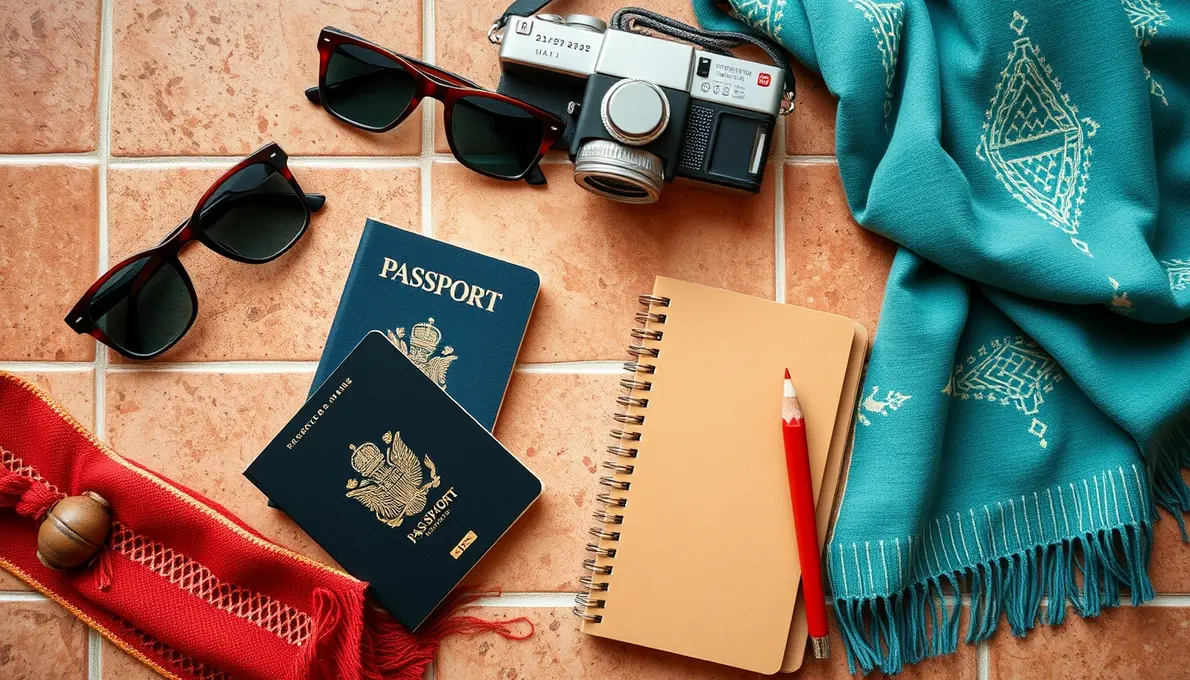
Your documentation is equally critical. Ensure your passport is valid for at least six months beyond your intended departure date. While an International Driving Permit (IDP) isn’t strictly mandatory for all nationalities, it is highly recommended as it translates your home country’s driving license into multiple languages, which can be invaluable if you encounter local authorities or need to present your license at a rental agency. Always carry your original driving license, car rental agreement, and insurance documents with you. Moroccan roads vary significantly in quality. Major highways between cities are generally well-maintained, but rural roads can be narrow, winding, and sometimes unpaved. Be prepared for occasional potholes, shared road space with pedestrians and animals, and varying driving styles. Researching specific route conditions as part of your Morocco road trip planning will prevent surprises.
Essential Preparations: Packing, Safety, and Communication on the Go
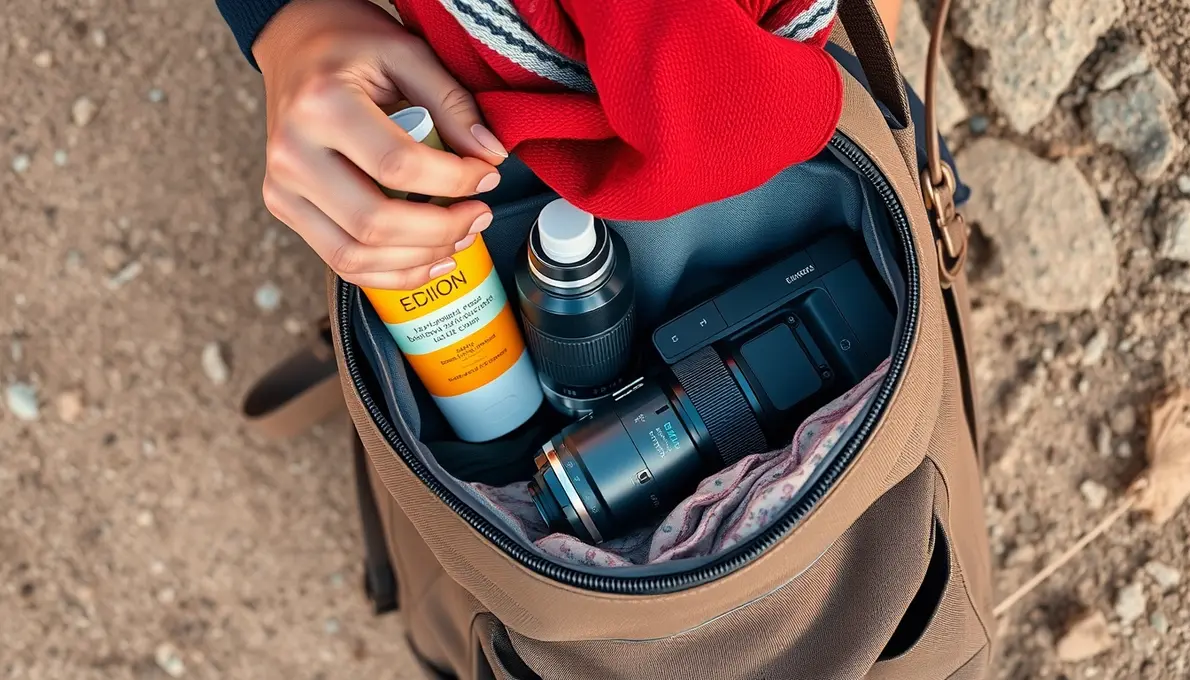
A successful Morocco road trip requires more than just a car and a map; it demands thoughtful preparation for your personal comfort and safety. Packing smart means anticipating diverse climates and activities. You’ll likely encounter scorching desert heat, cool mountain air, and sometimes chilly evenings, even in warmer months. Layers are your best friend. Comfortable walking shoes are a must for exploring medinas and historical sites. Remember sunscreen, a wide-brimmed hat, sunglasses, and a reusable water bottle. While many hotels offer Wi-Fi, consider a local SIM card (available at airports and mobile provider stores) for reliable mobile data and calls, which can be invaluable for navigation, emergencies, and staying connected.
Safety should always be a top priority during your Morocco road trip planning. Drive defensively and be aware of your surroundings, especially in busy urban areas or on less-trafficked rural roads, particularly after dark. It’s generally advisable to avoid driving long distances at night due to poor lighting, animals on the road, and sometimes challenging terrain. Familiarize yourself with basic roadside assistance procedures and have contact numbers for your rental company and local emergency services readily available. Store valuables securely, out of sight, and keep only enough cash for daily expenses easily accessible. When it comes to communication, learning a few basic Arabic or French phrases can greatly enhance your interactions and prove useful in various situations, from ordering food to asking for directions.
Fueling Your Journey: Petrol Stations and Overnight Stops
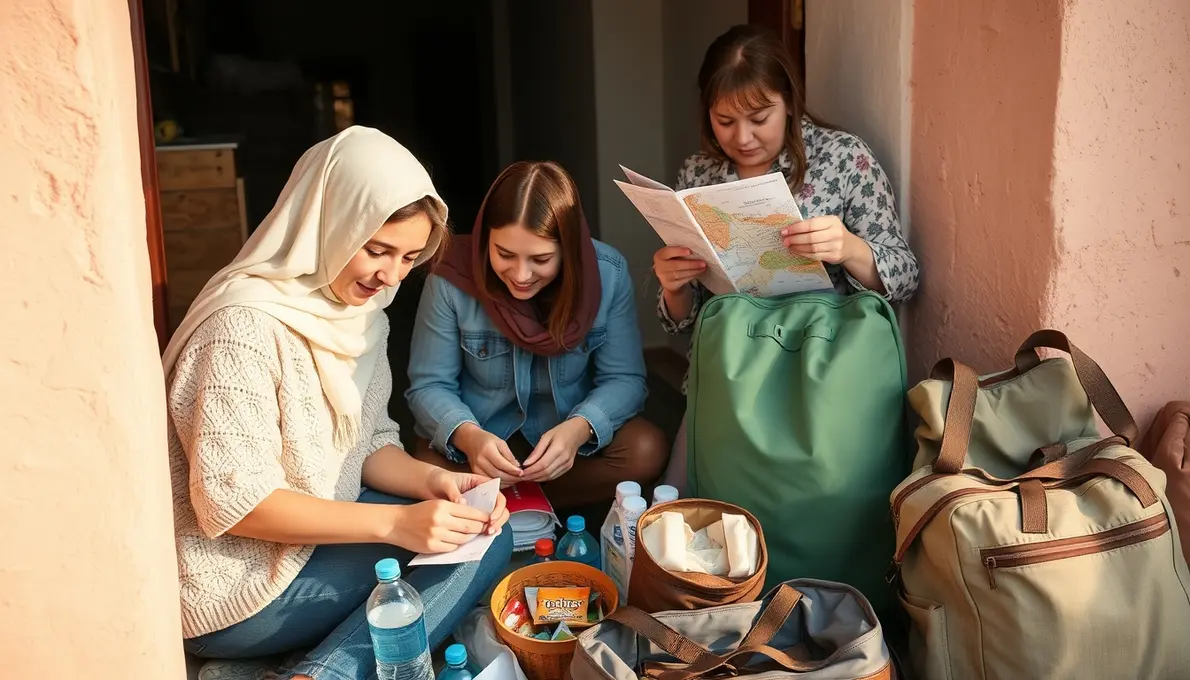
Understanding the logistics of fuel and accommodation is a crucial component of effective Morocco road trip planning. Petrol stations are generally abundant on main roads and in larger towns, but their frequency can decrease significantly in more remote areas, particularly through the Atlas Mountains and as you approach the desert. Always keep your tank at least half full, especially before embarking on longer stretches where services might be sparse. Look out for major brands like Afriquia, Total, and Shell. Most stations accept cash, and some larger ones might take credit cards, though it’s always wise to have dirhams on hand. You’ll often find attendants who will fill your tank for you.
For overnight stops, Morocco offers a wide range of options, from charming riads and traditional guesthouses (dars) in the medinas to modern hotels and even desert camps. Booking accommodation in advance, especially during peak travel seasons or if you have specific preferences, is highly recommended. Many riads, for example, are small and book up quickly. When considering where to stay, assess the parking situation. If you’re driving a rental car, secure parking is a practical concern, especially in bustling cities. Some riads may not have direct car access, requiring you to park a short walk away. Discuss parking options with your chosen accommodation prior to your arrival. Utilizing resources like Morocco road stops guides can also help you identify suitable resting points and amenities along your chosen routes.
Enhancing Your Experience: Local Etiquette, Food & Drink
Beyond the practicalities of driving, immersing yourself in the local culture is what truly makes a Morocco road trip unforgettable. Understanding and respecting local customs will enrich your interactions and ensure a smoother journey. Moroccans are renowned for their hospitality, but it’s appreciated if visitors observe certain etiquette. Modest dress, especially when visiting religious sites or conservative areas, is advisable. Always ask for permission before taking photos of people. Haggling is common in souks (markets) and is often part of the cultural experience, but always do so respectfully and with a smile.
Moroccan cuisine is a highlight in itself, and a road trip offers the perfect opportunity to sample regional specialties. From the iconic tagine and couscous to harira soup, pastilla, and a myriad of delicious pastries, every stop can be a culinary adventure. Don’t be afraid to try street food from reputable vendors, and always opt for bottled water. Mint tea, a symbol of Moroccan hospitality, will be offered everywhere, and accepting it is a gesture of goodwill. Be mindful of food and drink consumption during the holy month of Ramadan, when many locals fast daylight hours. When planning your Morocco road trip, factor in time to simply sit, sip tea, and observe daily life – these moments often become the most cherished memories. While driving, designated rest stop areas often feature small cafes where you can grab a quick bite or a refreshing drink.
Conclusion
A Morocco road trip truly offers unparalleled freedom and discovery, allowing you to venture off the beaten path and create your own unique narrative. By dedicating time to thorough Morocco road trip planning, from charting your intricate routes and securing the right vehicle to understanding local customs and ensuring your safety, you’re not just organizing a trip; you’re investing in an experience that will resonate long after you’ve returned home. Embrace the journey, the unexpected detours, and the warmth of Moroccan hospitality, and you’ll find yourself on an adventure of a lifetime.
FAQs
What is the best time of year for a Morocco road trip?
The best time for a Morocco road trip is typically during spring (March to May) or autumn (September to November). During these months, the weather is pleasant across most of the country, avoiding the intense heat of summer and the colder, sometimes rainy, conditions of winter, especially in the mountains. This makes for more comfortable driving and exploring.
Do I need an International Driving Permit (IDP) to drive in Morocco?
While many rental agencies might accept just your home country’s driving license, it is strongly recommended to obtain an International Driving Permit (IDP) before your trip. The IDP translates your license into several languages and is recognized by local authorities, which can be invaluable if you are stopped by police or involved in any incident, ensuring a smoother process.
Are Moroccan roads safe for driving?
Overall, Moroccan roads are generally safe, especially major highways between large cities. However, road conditions can vary significantly in rural or mountainous areas, where they may be narrower, more winding, or unpaved. Drivers should be prepared for varying driving styles, pedestrians, animals on the road, and some unlit sections, especially when driving after dark, which is best avoided.
What should I do if I encounter a roadside emergency during my Morocco road trip?
In case of a roadside emergency, first ensure your safety and the safety of your passengers. If your rental car has breakdown assistance, contact the rental company immediately using the number provided in your agreement. For more serious emergencies, dial 150 for an ambulance, 190 for the police in urban areas, or 177 for the Royal Gendarmerie (police) in rural areas. Having a local SIM card with credit can be very helpful for these situations.




 Covers cities, coast, mountains, desert & food