Ever wondered about the identity of people from Moroccans? It’s shaped by a rich cultural heritage. A Morocco person has a complex identity. It’s influenced by ethnic, linguistic, and religious factors.
Exploring Moroccan identity reveals a mix of Arab, Berber, and other cultural influences. Morocco’s cultural heritage is diverse. It includes different ethnic groups, languages, and religious practices. This makes Morocco a unique and interesting place.
Key Takeaways
- Moroccan identity is shaped by a mix of ethnic and cultural influences.
- The majority of Moroccans identify as Arabs or Berbers.
- Islam plays a significant role in shaping Moroccan identity.
- Morocco’s cultural heritage is reflected in its diverse languages and traditions.
- The country’s history and geography have contributed to its distinct identity.
The Historical Foundations of Moroccan Identity
Exploring Moroccan identity reveals a rich mix of cultures. These cultures have shaped the North African citizen over centuries. The native of Morocco is influenced by ancient cultures and foreign impacts.
Ancient Berber Roots and Indigenous Heritage
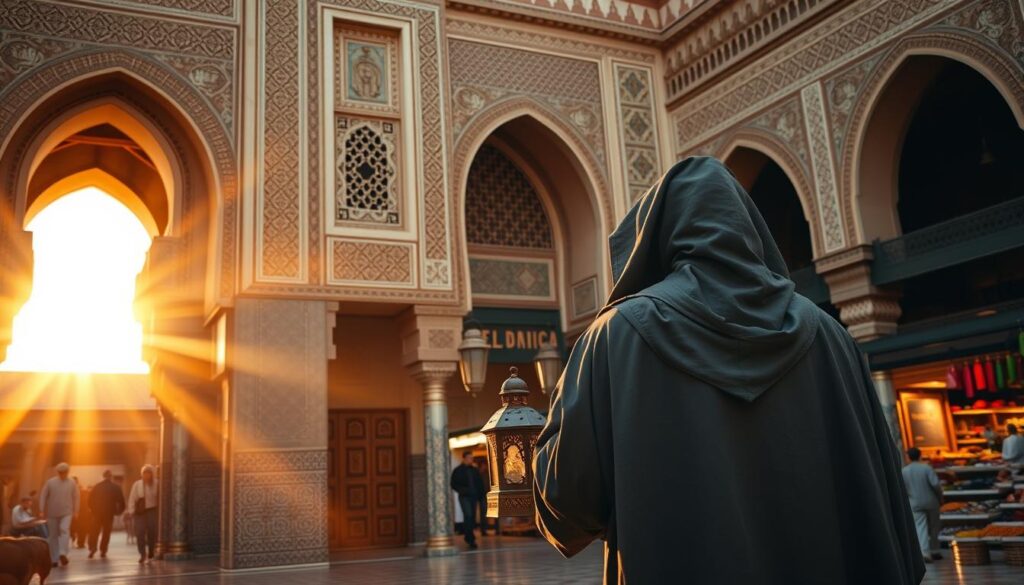
The Berber Roots are key to understanding Morocco’s culture. The Berber tribes, known for their strength and unique culture, were the first to inhabit Morocco. Their influence still shapes the Moroccan identity today.
You can see Berber culture in Morocco’s architecture, language, and traditions. It’s a lasting part of the country’s heritage.
Arab Influence and Islamic Expansion
In the 7th century, Arab conquerors arrived, bringing Islam and Arabic. This had a big impact on Moroccan identity. It shaped its culture, religion, and language.
The mix of Arab and Berber cultures created a unique Moroccan identity. It’s distinct yet connected to North Africa and Islam.
Morocco’s history shows its ability to blend cultures while keeping its unique character.
The Morocco Person: A Complex Cultural Identity
Exploring the culture of Moroccan residents reveals a mix of traditions and influences. The identity of a person from Morocco is shaped by its location at the crossroads of Africa, Europe, and the Arab world.
Defining Characteristics of Moroccan Nationals
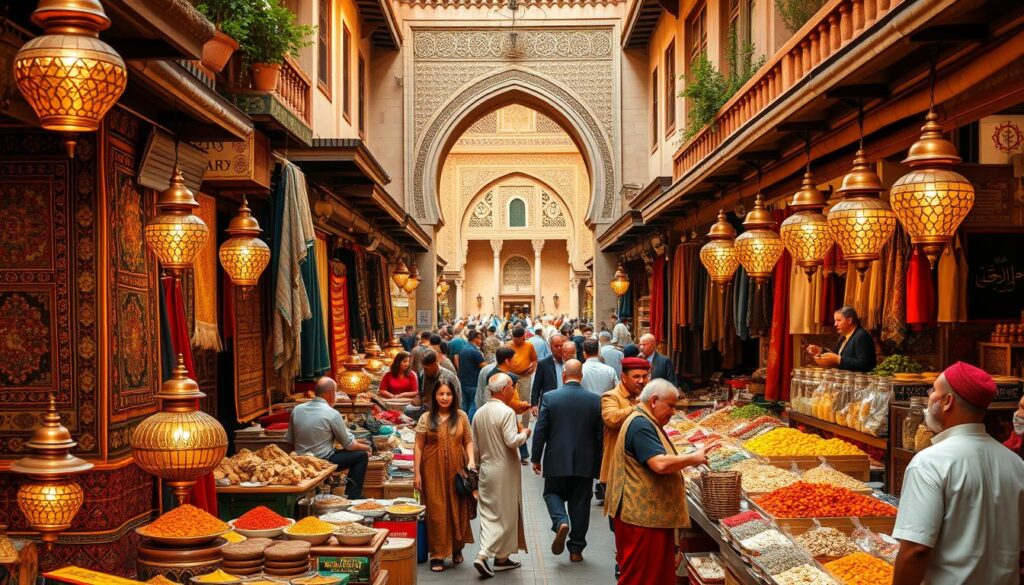
Moroccan nationals are known for their warm hospitality and strong family ties. Their cultural identity is a blend of Arab, Berber, and Mediterranean influences. Traditional values such as respect for elders and community cohesion are key in their daily lives. The country’s rich cultural heritage is also seen in its vibrant arts scene, including music, dance, and handicrafts.
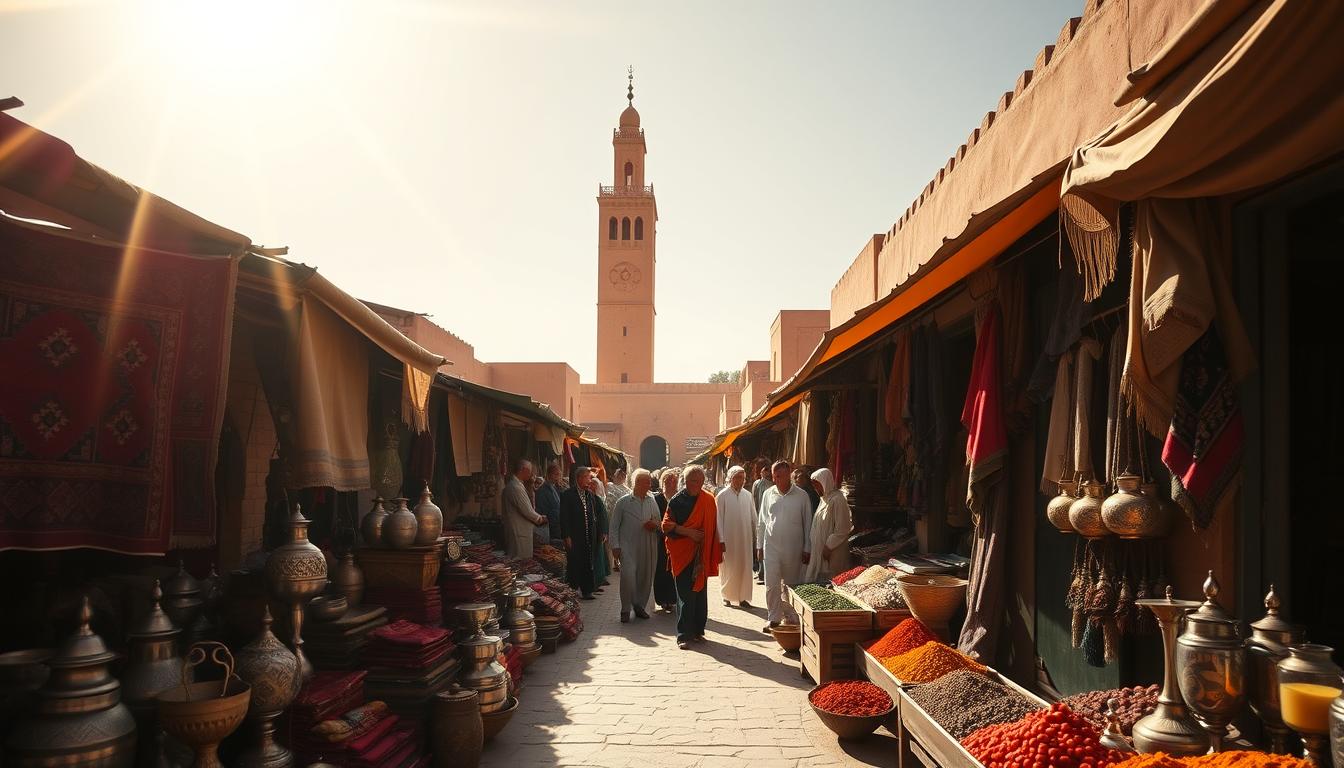
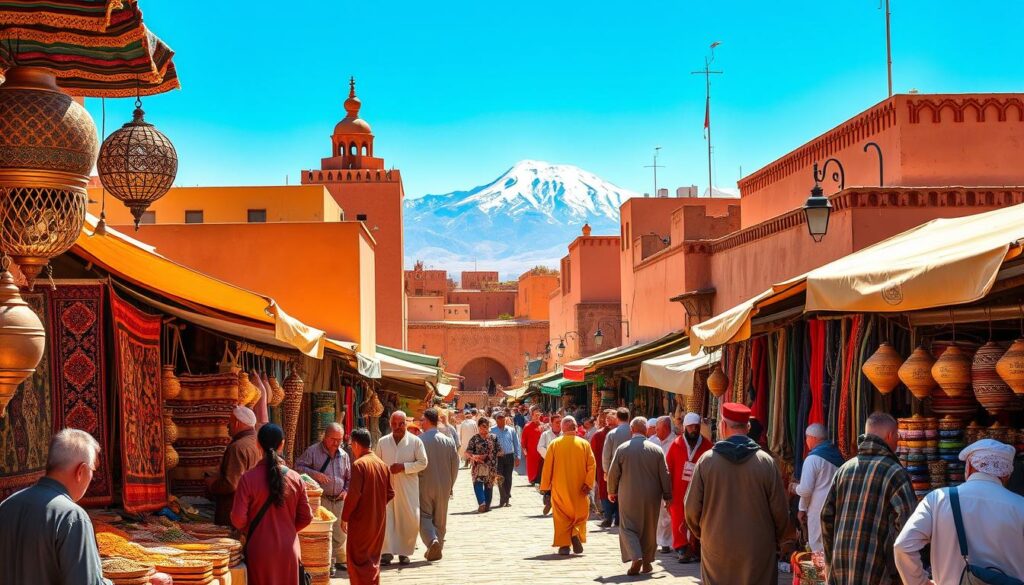
In cities like Marrakech and Casablanca, you see a mix of old and new. Ancient medinas stand next to modern buildings. This mix shows the Moroccan identity, reflecting the country’s history as a crossroads of cultures.
Regional Variations in Moroccan Identity
Regional variations in Moroccan identity are significant. Different regions have unique cultural practices and traditions. For example, the Berber communities in the Atlas Mountains have distinct practices compared to coastal cities.
The Sahara Desert region adds to the country’s cultural diversity with its nomadic tribes. Coastal cities show a mix of Mediterranean and Arab influences in their cuisine and architecture. As you travel, you notice variations in dialect, traditional clothing, and cultural celebrations, showing the rich diversity of Moroccan identity.
The Geographical Diversity That Shapes Moroccan Character
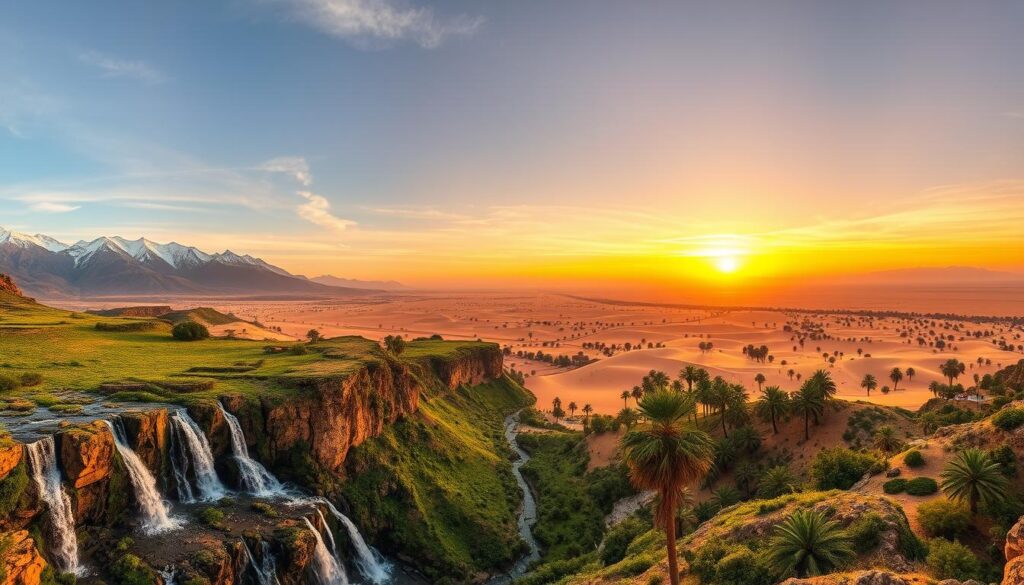
Exploring Morocco shows how its varied landscapes have shaped its people. The mix of Mediterranean, mountain, and desert areas enriches the culture.
Coastal Cities and Mediterranean Influence
Cities like Casablanca and Tangier feel the Mediterranean’s touch. They are centers of trade, culture, and new ideas. Here, old traditions meet modern life.
The Mediterranean diet and building styles show the coastal areas’ unique blend. Visit Morocco’s tourism website to plan your trip.
Mountain Communities and Their Traditions
The Atlas Mountains house communities that keep old ways alive. These areas are known for farming, unique buildings, and lively festivals. The mountains’ beauty and challenge have made the people strong and united.
Desert Life and Saharan Heritage
The Sahara Desert greatly influences Morocco’s identity. Its vast lands and nomadic tribes add to the country’s rich stories, music, and crafts. The desert’s tough conditions have made the people resourceful and welcoming.
In summary, Morocco’s varied landscapes have deeply shaped its people. From coastal cities to mountain and desert areas, each region brings its own culture. Together, they make up the rich identity of the Moroccan national.
Languages as a Pillar of Moroccan Identity
The languages of Morocco show the country’s rich cultural mix. Language shapes who the Moroccan people are. Different dialects and languages add to the nation’s cultural wealth.
Darija: The Moroccan Arabic Dialect
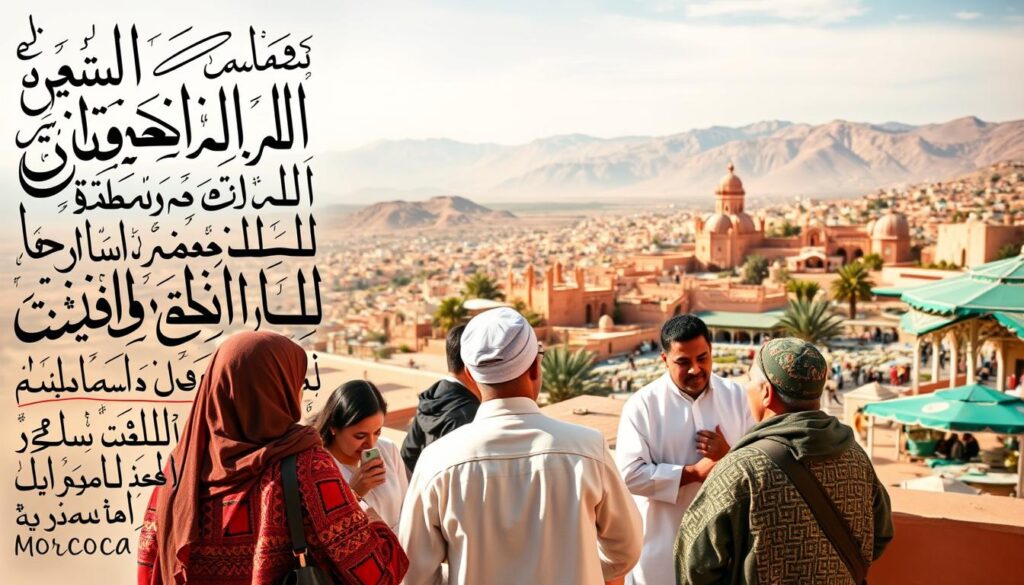
Darija, or Moroccan Arabic, is spoken by most in Morocco. It mixes Arabic, Berber, French, and Spanish, showing Morocco’s complex past. It’s used daily and is a big part of being Moroccan, setting it apart from other Arabic-speaking countries.
Amazigh Languages and Their Cultural Significance
Amazigh languages, or Berber, are native to Morocco and are very important. They are spoken by the Amazigh people, with a long history and culture in the area. There are efforts to standardize and promote these languages, seeing their value in Moroccan culture.
The Role of French, Spanish, and English in Modern Morocco
In modern Morocco, European languages like French, Spanish, and English are key. French is used in official and business settings, thanks to Morocco’s colonial history. Spanish is spoken in the north, near Spanish territories. English is becoming more common, especially among the young and in tourism. This mix of languages helps with global communication and cultural sharing.
| Language | Usage in Morocco | Cultural Significance |
|---|---|---|
| Darija | Everyday conversation | Key component of Moroccan identity |
| Amazigh languages | Indigenous communities | Rich cultural heritage |
| French | Official and business contexts | Legacy of colonial past |
| Spanish | Northern regions | Historical and cultural ties |
| English | Tourism and education | Increasingly popular among youth |
For more insights on the class politics behind Morocco’s language debate, you can read here.
Religious Practices and Their Impact on Moroccan Life
The religious practices in Morocco shape its identity and culture. Islam is the main faith, affecting daily life in many ways.
Moroccan Islam: Maliki School and Sufism
Moroccan Islam follows the Maliki school, known for its balanced approach to Islamic law. This has fostered religious tolerance and diversity. Sufism, a mystical part of Islam, also plays a big role in Morocco, influencing both religious and cultural practices.
Sufism in Morocco focuses on the spiritual side of faith. It aims for a direct connection with the divine. This has led to unique cultural events, like the Festival of Moussem, honoring Sufi saints.
Religious Diversity and Interfaith Relations
Despite Islam’s dominance, Morocco has small communities of Christians, Jews, and others. The country values interfaith dialogue and cooperation. Interfaith relations in Morocco are marked by tolerance and cooperation, fostering a culture of peaceful coexistence.
| Religious Group | Population Percentage | Cultural Influence |
|---|---|---|
| Muslims | 99% | Predominant influence on laws, customs, and daily life |
| Christians | 0.5% | Presence in urban areas, contribution to social services |
| Jews | 0.2% | Historical significance, cultural heritage |
| Other Faiths | 0.3% | Diverse cultural practices, minority communities |
The religious landscape in Morocco is complex and rich. Various faiths add to the country’s cultural tapestry.
Family Structure and Social Values of the Morocco Person
The Moroccan identity is deeply rooted in family and social values. Family in Morocco goes beyond just the immediate family. It plays a big role in shaping who we are as individuals and as a community.
The Importance of Extended Family Networks
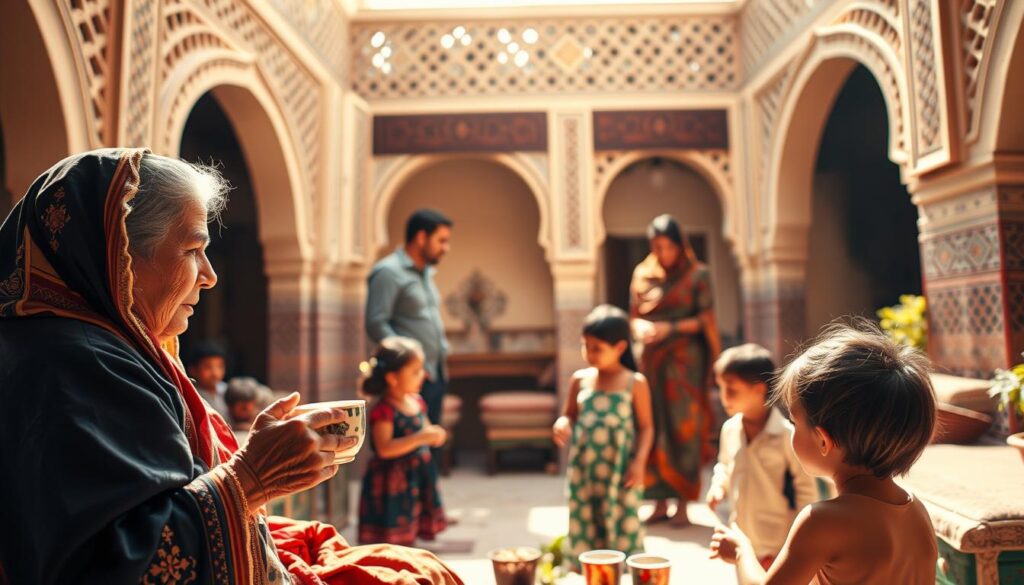
In Morocco, extended family networks are key for emotional and financial support. They create a sense of belonging and security. The extended family structure is common, with many generations living together or close by. This helps share resources and childcare.
These close family ties are good for everyone involved. They also help keep the community together. They help keep cultural traditions and values alive through generations.
| Aspect | Traditional | Modern |
|---|---|---|
| Family Structure | Extended family households | Nuclear family households |
| Family Roles | Defined roles based on age and gender | More flexible roles with shared responsibilities |
| Support System | Strong reliance on extended family | Increasing reliance on social services |
Generational Changes in Family Dynamics
Over time, Moroccan family dynamics have changed a lot. This is due to urbanization, education, and global exposure. Younger generations are more open to modern values, sometimes differing from traditional family expectations.
Yet, the importance of family remains the same. Younger generations still respect and value their heritage. They do this while facing the challenges of modern life. This mix of old and new values defines the Moroccan individual today.
What Makes a Morocco Person Unique in North Africa
Ever wonder what makes a Moroccan different from others in North Africa? It’s a mix of history, culture, and geography. These factors have shaped the unique identity of Moroccans.
Distinguishing Cultural Traits and National Character
A Moroccan is known for their national pride and deep cultural roots. They have some key cultural traits:
- They are famous for their warm hospitality, treating guests with respect and generosity.
- Their culture is a mix of Arab, Berber, and French, seen in their language, food, and art.
- They follow Islamic values but are also open to other cultures.
These traits make Moroccans proud of their heritage yet open to new ideas.
Shared Heritage with Neighboring Countries
Despite their unique identity, Moroccans share a rich heritage with North African neighbors. This shared heritage is seen in:
- The use of Arabic and Islamic traditions across the region.
- The presence of Berber communities and their cultural practices in several countries.
- The historical trade and cultural exchange networks that connected Morocco with the Maghreb.
This shared heritage shows the cultural ties between Morocco and its neighbors. It highlights the diversity and interconnectedness of North Africa’s cultures.
Moroccan Cuisine as a Cultural Identifier
Moroccan cuisine is a window into the country’s culture. It reflects Morocco’s history, geography, and heritage. This makes it a key part of what makes a Moroccan.
Moroccan food is known for its bold flavors and vibrant looks. Ingredients like olives, olive oil, and spices like cumin and cinnamon give it a unique taste.
Iconic Dishes and Their Cultural Significance
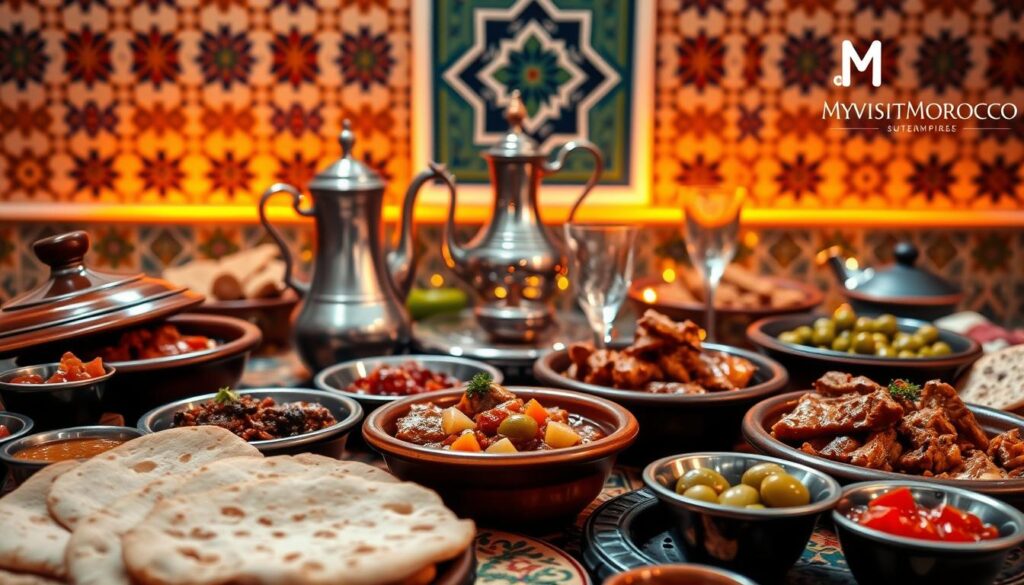
Moroccan food has many iconic dishes that are deeply rooted in culture. Tagine, a slow-cooked stew, is a favorite. It comes in many flavors, like chicken and vegetable.
Harira, a rich soup, is another beloved dish. It’s made with tomatoes, lentils, and spices. Learn more about Harira and its cultural importance on this page.
Regional Variations in Moroccan Cooking
Moroccan food changes a lot from one region to another. Coastal areas are known for their seafood dishes. The mountains are famous for meat stews.
The desert regions use local ingredients like dates and almonds. This variety makes Moroccan cuisine rich and diverse.
| Region | Characteristic Dishes | Key Ingredients |
|---|---|---|
| Coastal | Seafood tagine, grilled fish | Fresh seafood, olive oil, garlic |
| Mountainous | Meat stews, kebabs | Meat, onions, spices |
| Desert | Date-based desserts, almond pastries | Dates, almonds, honey |
The Social Rituals of Moroccan Dining
Dining in Morocco is a social event. Meals are eaten on a maida, a low table. Bread is used as a utensil, and sharing food is key to Moroccan culture.
In conclusion, Moroccan cuisine is a vital part of the country’s culture. Its diverse dishes and social dining rituals make it unique and fascinating.
Traditional Arts and Crafts of Moroccan Heritage
Exploring Morocco’s rich cultural heritage is a journey through its vibrant traditional arts and crafts. These crafts show the country’s deep history and are key to understanding the Moroccan identity.
Textiles: Carpets, Rugs, and Embroidery
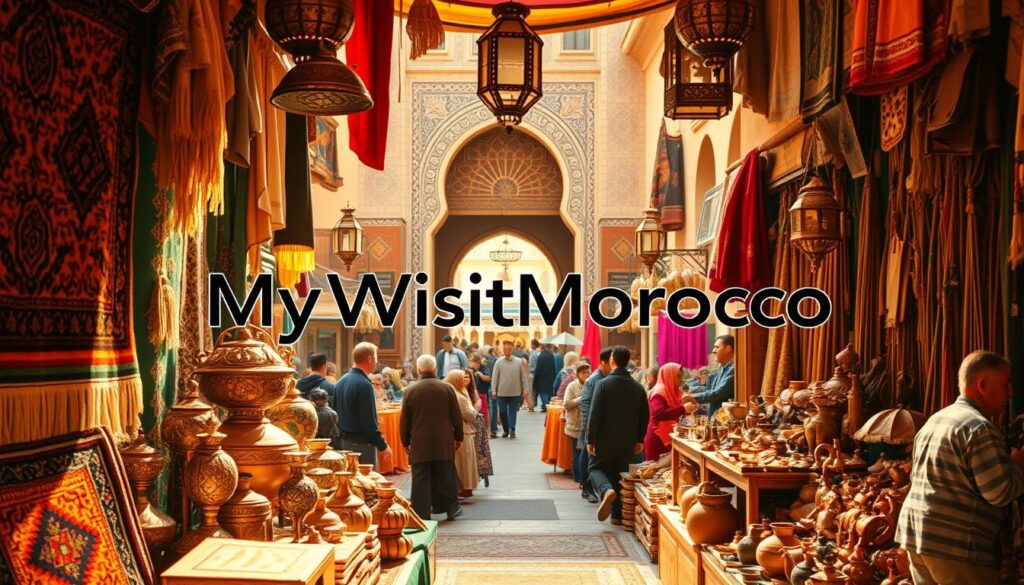
Moroccan textiles are famous for their beauty and detail. Carpets and rugs, made from wool and silk, use old techniques. Embroidery adds intricate designs to clothes and home decor.
Pottery, Ceramics, and Zellige Tilework
Pottery and ceramics are big parts of Moroccan crafts. Artisans make both useful and decorative items from clay. Zellige tilework, with its bright, geometric patterns, is a key feature of Moroccan buildings.
Metalwork, Jewelry, and Leathercraft
Metalwork, like jewelry, is a big part of Moroccan arts. Artisans create detailed pieces from silver and gold. Leathercraft is also important, with skilled artisans making quality leather goods.
| Craft | Description | Significance |
|---|---|---|
| Textiles | Carpets, rugs, and embroidery made from natural fibers | Cultural identity and traditional techniques |
| Pottery and Ceramics | Functional and decorative pieces made from clay | Centuries-old craft, integral to Moroccan heritage |
| Metalwork and Jewelry | Intricate pieces made from silver, gold, and other metals | Symbolic and beautiful, reflecting Moroccan craftsmanship |
Music and Dance in Moroccan Cultural Expression
Morocco’s music and dance mix old and new in a special way. The country’s rich musical history shows its varied past and geography. This mix makes Moroccan culture stand out.
The music scene in Morocco combines old and new sounds. Artists blend global influences with their cultural roots. This creates a unique sound.
Traditional Styles from Different Regions
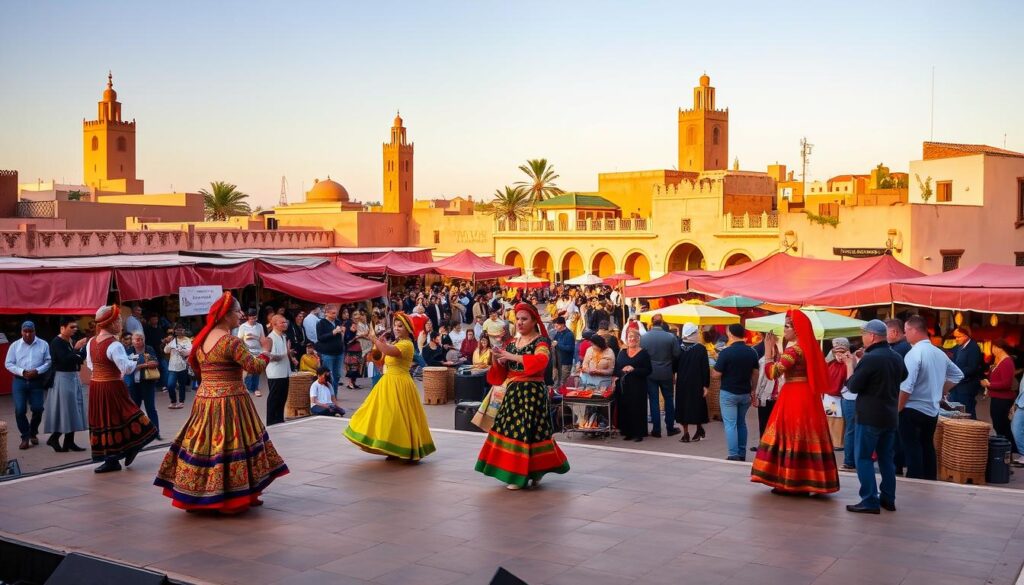
Different parts of Morocco have their own music and dance. For instance, the Gnawa people have a unique style. It shows their cultural identity.
- The Gnawa style is known for its energetic rhythms and spiritual significance.
- The Andalusian style reflects the country’s historical ties to Spain and the Islamic world.
- Berber music and dance traditions vary across different regions, showcasing the diversity of Morocco’s indigenous cultures.
Gnawa, Andalusian, and Berber Musical Traditions
Moroccan music includes Gnawa, Andalusian, and Berber styles. These styles have been shaped by Islamic and African traditions. They show Morocco’s rich cultural history.
Gnawa music is known for its soulful melodies and spiritual significance, while Andalusian music reflects the country’s rich cultural heritage.
Modern Moroccan Music and Global Influence
Modern Moroccan music combines global influences with traditional roots. Many Moroccan artists have become famous worldwide. They share Morocco’s musical heritage with the world.
Using modern instruments and techniques, Moroccan artists create a unique sound. This sound blends traditional and contemporary styles.
Celebrations and Festivals That Define Moroccan Identity
Morocco’s identity is shaped by its celebrations. You can experience the rich tapestry of Moroccan culture through its various festivities. These reflect the country’s diverse heritage and traditions.
Islamic Holidays and Their Moroccan Character
Islamic holidays are a big part of Moroccan identity. Eid al-Fitr and Eid al-Adha are celebrated with great fervor. They mark the end of Ramadan and honor the willingness of the Prophet Ibrahim to sacrifice his son, respectively.
These events are characterized by communal prayers, feasting, and acts of charity. They showcase the values of compassion and community that are central to Moroccan society.
Cultural and Seasonal Festivals
Morocco’s cultural calendar is filled with festivals that celebrate its rich heritage. The Marrakech International Film Festival and the Fez Festival of World Sacred Music attract international attention. They promote cultural exchange and showcase Morocco’s vibrant arts scene.
Seasonal festivals, such as the Rose Festival in El Kelaa M’Gouna, celebrate the local flora and agricultural traditions. They highlight the connection between the land and the people.
Wedding Traditions and Life Celebrations
Wedding traditions in Morocco are elaborate affairs that reflect the joy and significance of the occasion. Henna nights, where the bride’s hands and feet are decorated with intricate henna designs, are a highlight of the celebrations. These events are not just about the union of two individuals but also about the coming together of families and communities.
Through these celebrations, you can see how Moroccan identity is deeply intertwined with its cultural and religious practices. The country’s festivals and traditions not only reflect its rich history but also its values of community, hospitality, and joy.
The Modern Morocco Person: Urban Life and Changing Identities
In modern Morocco, city life is changing how people live and work. The cities are centers of cultural, economic, and social change. This is shaping the identity of the modern Moroccan.
Education, Career Paths, and Social Mobility
Education is key for young Moroccans. More people are going to college, leading to various career paths. This has opened up new opportunities and a more global view among the young.
A report shows a big jump in Moroccan students in college over the last ten years. This trend is likely to keep growing, with a focus on STEM fields.
| Year | Number of Students | Percentage Increase |
|---|---|---|
| 2010 | 100,000 | – |
| 2020 | 250,000 | 150% |
Technology and Globalization Impacts
Technology is changing lives in urban Morocco. Social media and the internet connect Moroccans to global trends. This is shaping their lifestyles and views of the world.
“The digital revolution has transformed the way Moroccans interact, access information, and engage with the world around them.”
Youth Culture and Evolving Social Norms
Young Moroccans are leading cultural and social changes. They are mixing old traditions with new ideas. This is seen in their music, fashion, and art, showing a vibrant and varied youth culture.
As Morocco keeps changing, it’s important to understand its modern identity. The mix of tradition and modernity, city life, and global connections will keep shaping Moroccan lives and identities.
Moroccan Diaspora: Maintaining Identity Abroad
Being a Moroccan abroad is complex. It involves keeping cultural traditions alive while fitting into a new place. People must balance their heritage with adapting to their new home.
Communities in Europe, North America, and Beyond
Moroccans have built strong communities worldwide, especially in Europe and North America. These places are cultural centers where people celebrate their heritage. They enjoy traditional foods, festivals like Eid al-Fitr, and the Mawlid al-Nabi.
A study on the Amazigh diaspora shows how crucial cultural preservation is. It shows how Moroccan communities keep their traditions alive, even from afar.
Cultural Preservation and Adaptation in Foreign Lands
Keeping cultural heritage alive is key for Moroccans abroad. They use cultural centers, language schools, and religious places to do this. At the same time, they learn new languages and customs, and join the local workforce.
| Cultural Practices | Preservation Methods | Adaptation Strategies |
|---|---|---|
| Traditional Cuisine | Cooking classes, cultural events | Incorporating local ingredients, fusion cuisine |
| Language | Language schools, cultural centers | Learning local languages, bilingualism |
| Religious Practices | Establishing mosques, religious gatherings | Participating in interfaith dialogue, community service |
Moroccans abroad find a balance between keeping their culture and adapting. This way, they stay true to their roots while enriching their new communities. This balance helps them succeed in diverse settings.
Conclusion: The Evolving Nature of Moroccan Identity
The identity of a Moroccan is a mix of history, culture, and geography. We’ve seen how Moroccan culture combines Arab, Berber, Andalusi, and Mediterranean influences. This unique blend keeps evolving.
The identity of Moroccans is shown in their languages, like Darija and Amazigh. It also shows in their mix of old and new ways of life. Moroccan food, arts, and festivals are key parts of their culture.
As Morocco faces modern challenges, its culture remains a source of pride. Learning about this evolving identity helps us understand Moroccan society better. It also shows Morocco’s role in the world.



 Covers cities, coast, mountains, desert & food