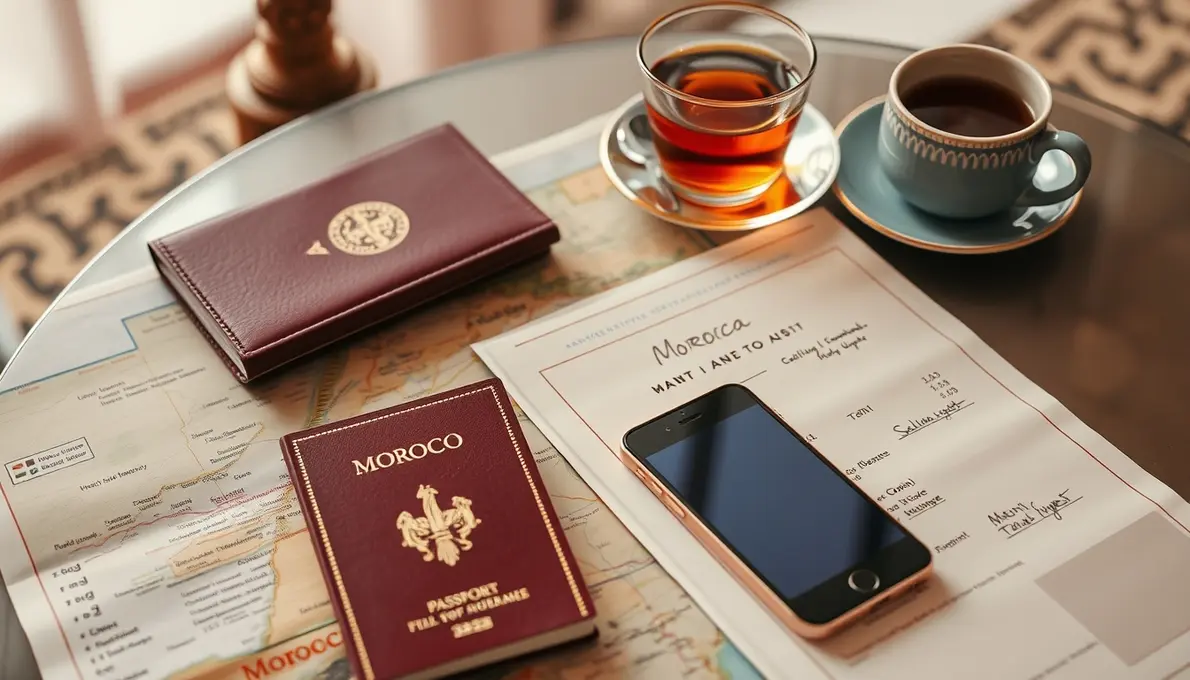
Navigating your finances while traveling can often feel like a puzzle, especially in a new country. When planning your adventure, understanding essential Morocco money tips for budgeting, exchanging currency, and saving is key to a smooth and enjoyable trip. This guide will walk you through the practicalities of managing your finances, ensuring you get the most value from your dirhams without any unwelcome surprises. From anticipating everyday costs to savvy exchange strategies, mastering these aspects will significantly enhance your Moroccan experience.
Understanding Moroccan Currency and Exchange Strategies
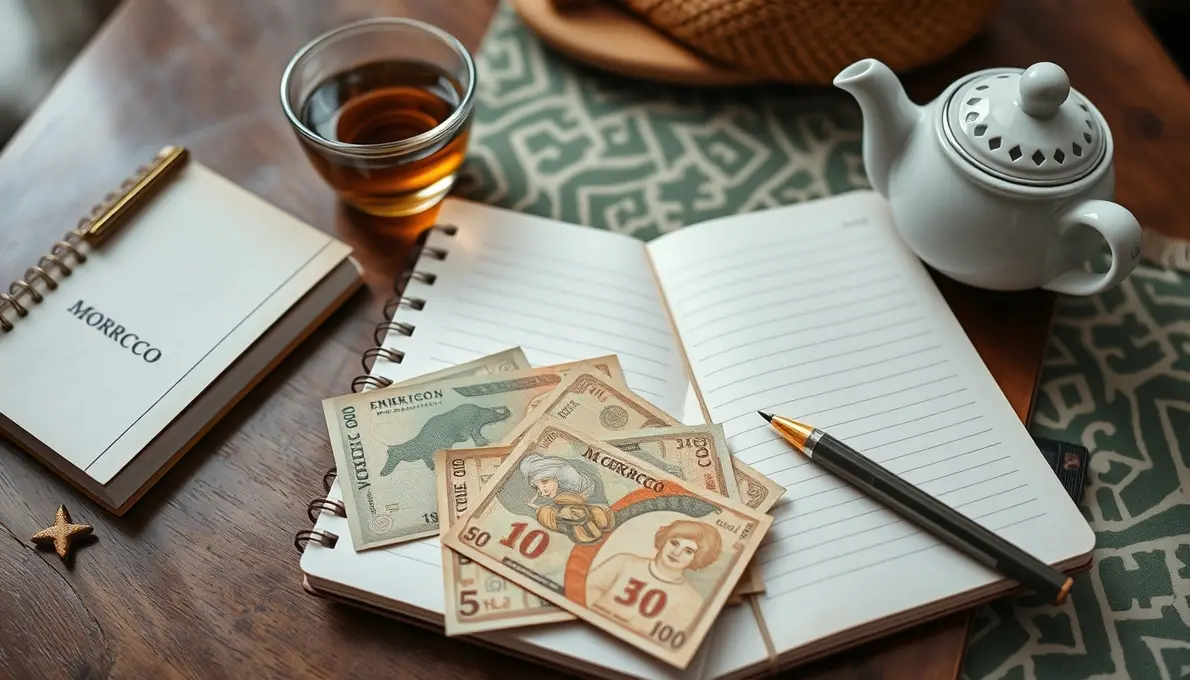
The official currency of Morocco is the Moroccan Dirham (MAD). While prices might sometimes be quoted in euros, especially in tourist-heavy areas, transactions are legally required to be conducted in Dirhams. Attempting to pay with euros might lead to unfavorable exchange rates offered by vendors, or even refusal. Therefore, having local currency readily available is one of the most crucial Morocco money tips.
When it comes to exchanging your home currency for Dirhams, you have several options, each with its pros and cons. Banks and official exchange bureaus are generally the safest and offer the most competitive rates. You’ll find these at airports upon arrival, in major cities, and often in larger hotels. While airport exchange rates might be slightly less favorable than those in city centers, it’s always wise to exchange a small amount right away for immediate expenses like a taxi or a quick snack. Always compare rates and check for any commission fees before committing. Avoid unofficial money changers on the street, as they are often illicit and can lead to scams or counterfeit currency.
Debit and credit cards are widely accepted in larger establishments such as upscale hotels, restaurants, and many shops in cities like Marrakech, Fes, and Casablanca. However, cash is king for smaller purchases, souk negotiations, local cafes, and particularly in more rural areas or smaller towns. Don’t rely solely on cards, as many vendors, especially in the bustling markets, only accept Dirhams.
ATMs are widely available in cities and towns, linked to international networks like Visa and MasterCard. These are often the most convenient way to get cash at a competitive exchange rate. However, be aware of bank fees both from your home bank and the Moroccan ATM’s bank. Some Moroccan ATMs, such as those operated by Attijariwafa Bank or Banque Populaire, generally have lower fees than others, but this can vary. It’s smart to withdraw larger sums less frequently to minimize transaction charges, but never carry excessive amounts of cash for safety. Always inform your bank before you travel to avoid your card being blocked for suspicious activity.
Budgeting for Your Moroccan Adventure: Anticipating Costs
Effective budgeting is at the core of sound Morocco money tips. Morocco offers a range of experiences, from luxurious to budget-friendly, and your daily expenses will largely depend on your travel style. Here’s a breakdown of what you can expect in terms of typical costs.
Accommodation:
- Budget Accommodation (Hostels, Guesthouses, Basic Riads): Expect to pay between 100-300 MAD per night for a bed in a hostel dorm or a very basic private room.
- Mid-Range Accommodation (Comfortable Riads, 3-star Hotels): A pleasant private room in a well-located riad or a mid-range hotel could cost anywhere from 400-800 MAD per night.
- Luxury Accommodation (Boutique Riads, 4-5 star Hotels): High-end options can range from 1000 MAD upwards per night, offering more amenities, services, and often stunning architecture.
Food and Drink:
Moroccan cuisine is delicious and generally affordable.
- Street Food & Local Eateries: A filling tagine or a plate of couscous at a local eatery or street stall can cost as little as 20-50 MAD. Fresh juices are usually 10-20 MAD. This is where you can save significantly.
- Mid-Range Restaurants: A meal in a nicer restaurant with table service might cost 80-150 MAD per person.
- Upscale Dining: Expect to pay 200 MAD or more per person at high-end establishments, especially those catering to tourists.
- Water: Essential and cheap. A large bottle costs 5-10 MAD. Alcoholic beverages are typically only available in tourist-oriented restaurants, hotels, and some specific bars, and can be quite expensive.
Transportation:
- Intercity Travel: Trains (ONCF) are comfortable and efficient for connecting major cities like Casablanca, Rabat, Fes, and Marrakech. Tickets vary by class and distance but are generally affordable. For example, a 2nd class ticket from Casablanca to Marrakech might be around 100-150 MAD. Buses (CTM and Supratours being the best companies) connect a wider network of towns.
- Local Transportation:
* Petit Taxis: These are small, metered taxis within city limits. In cities like Casablanca, always insist on the meter (compteur). A short ride might be 10-20 MAD. In some cities, especially Marrakech, negotiating the fare before you start is common if the meter isn’t used.
* Grand Taxis: These are shared taxis, typically older Mercedes, that operate on fixed routes between cities or distant parts of a large city. They are cheaper than private taxis but you share the ride with five other passengers.
* Buses: Local city buses are the cheapest way to get around, usually costing 4-8 MAD per ride.
* Trams: Rabat and Casablanca have modern tram systems, offering an efficient way to travel within these cities for a low cost (around 6-8 MAD per ride).
- Car Rental: Renting a car offers flexibility for exploring, but fuel and insurance costs can add up. Daily rates vary widely but expect at least 300-500 MAD per day for a basic rental.
Activities and Sightseeing:
- Entry fees for historical sites, museums, and gardens typically range from 10-70 MAD. Some major attractions might be slightly more.
- Guided tours can range from 150 MAD for a half-day walking tour to several hundred dirhams or more for a full-day excursion or multi-day desert trip.
- Cooking classes, hammam experiences, and other specialized activities can vary significantly in price, often starting from 250-500 MAD.
Miscellaneous:
- Souvenirs: This is entirely up to your shopping habits! Bargaining is expected in the souks.
- Tips (Baksheesh): Tipping is customary for various services. A small tip of 5-20 MAD is appreciated for luggage carriers, public toilet attendants, and helpful guides. For restaurant meals, 5-10% is standard.
- Snacks/Drinks: 5-20 MAD.
By estimating these daily expenses, you can set a realistic budget for your trip. A budget traveler might spend 300-500 MAD per day, a mid-range traveler 700-1200 MAD, and a luxury traveler 1500+ MAD.
Smart Saving Strategies for Your Trip
Saving money doesn’t mean compromising on experience; it means being smart about your choices. Here are some effective Morocco money tips to help your Dirhams go further:
- Embrace Local Markets and Street Food: This is arguably the best way to save on food costs and experience authentic Moroccan flavors. Forget fancy restaurants for every meal. The food stalls in Djemaa el-Fna in Marrakech or the smaller, local eateries across the country offer incredible value and taste. Look for places frequented by locals.
- Haggle Respectfully in Souks: Bargaining is a cultural norm in Moroccan markets, but it should be done with respect and good humor. Never start haggling unless you are seriously considering buying an item. A good rule of thumb is to aim for 30-50% off the initial asking price. Sometimes, the first offered price can be significantly inflated for tourists. Walking away gracefully if the price isn’t right is always an option.
- Utilize Public Transportation: Petit taxis are generally inexpensive for short city trips, but always ensure the meter is on or agree on a price beforehand (especially in Marrakech). For intercity travel, trains and CTM/Supratours buses offer comfortable and budget-friendly options compared to private transfers. Consider grand taxis for shared, longer local routes, but know they can be cramped.
- Cook Your Own Meals (Sometimes): If your accommodation, like a riad or hostel, has kitchen facilities, buying fresh produce and ingredients from local markets can be a fun and cost-effective way to prepare some meals. This is less common in standard hotels but worth checking for.
- Choose Free or Low-Cost Activities: Many of Morocco’s most captivating experiences are free: wandering through the medinas, exploring the intricate alleyways, soaking in the atmosphere of Djemaa el-Fna, or hiking in the Atlas Mountains (if you have the gear). Many gardens or historical sites have very minimal entry fees.
- Stay Hydrated Smartly: Buy large bottles of water from supermarkets rather than continually purchasing smaller, more expensive bottles from tourist shops or cafes. Consider a reusable water bottle and purification tablets if you’re venturing off the beaten path, though bottled water is readily available.
- Off-Season Travel: Visiting during shoulder seasons (spring or autumn, outside of peak European holidays) can often lead to lower prices for flights and accommodation, as well as fewer crowds.
- Group Tours for Desert Trips: For popular activities like desert excursions, joining a group tour rather than arranging a private one will significantly reduce costs. Always research tour operators thoroughly beforehand.
Debit and Credit Card Usage: Practical Morocco Money Tips
While cash is essential, using your debit and credit cards wisely can provide convenience and security. Here are specific Morocco money tips for card usage:
- Notify Your Bank: Before you leave, inform your bank and credit card companies of your travel dates and destinations. This prevents them from flagging your transactions as suspicious and blocking your cards.
- Understand ATM Fees: Be aware of potential fees. Your home bank might charge a foreign transaction fee and


 Covers cities, coast, mountains, desert & food