
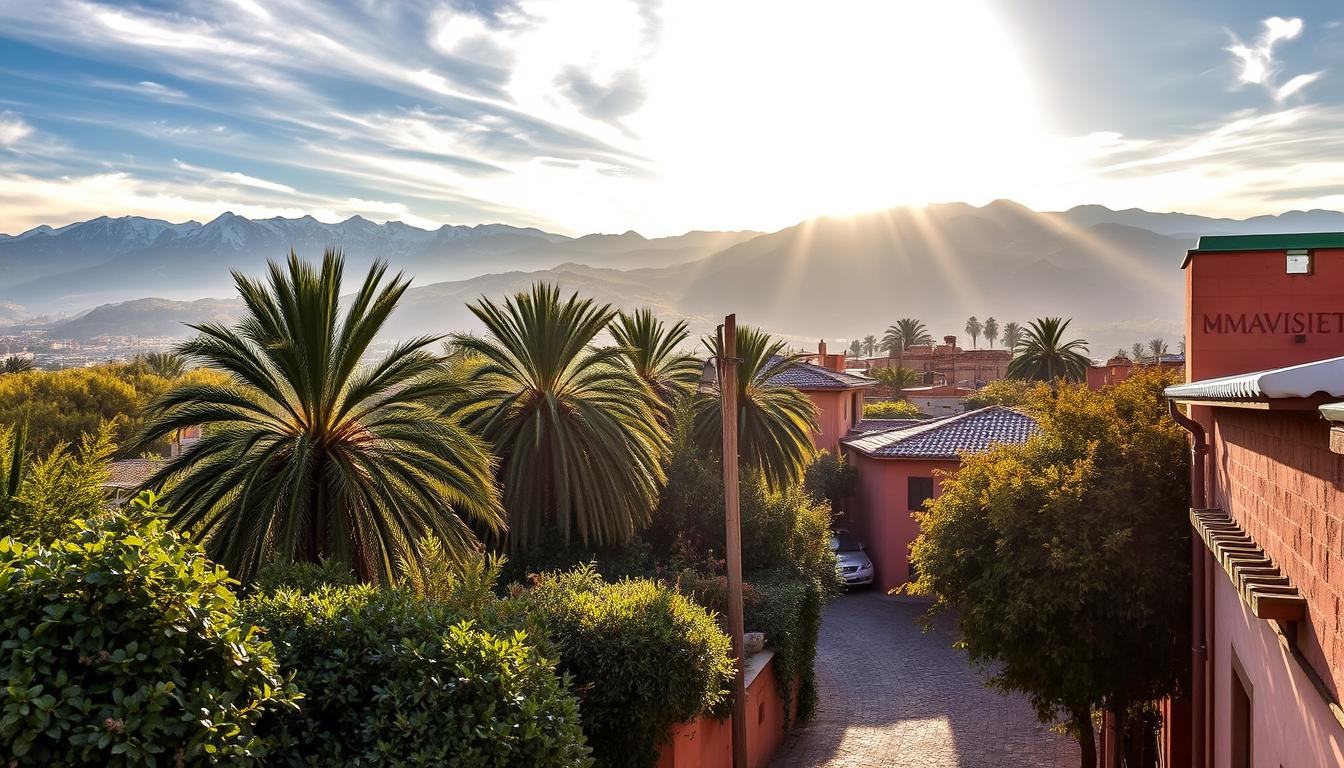
Planning a trip to Morocco in January? It’s key to know the weather then. Winters in Morocco get quite cold, especially in the mornings and evenings.
Rough Guides say temperatures change all over the country. They range from 59°F to 73°F (15°C to 23°C). Coastal areas like Casablanca and Rabat stay mild. But the mountains can get really cold.
January is a fantastic time to see Morocco. There are fewer tourists, and the days are not too hot. You can explore lively cities, chill on the coast, or go trekking in the mountains.
Key Takeaways
- Morocco’s winter climate is chilly, especially in the mornings and evenings.
- Temperatures vary across the country, from 59°F to 73°F (15°C to 23°C).
- January is a great time to visit, with fewer tourists and mild daytime temperatures.
- The coastal regions are mild, while the mountains can be quite cold.
- You can enjoy various activities, such as exploring cities, relaxing on the coast, or trekking in the mountains.
Understanding Morocco’s Winter Climate
Planning a trip to Morocco in January? It’s important to know the winter climate. Morocco’s weather changes a lot because of its mountains, deserts, and coastlines.
Geographic Diversity and Its Impact on Weather
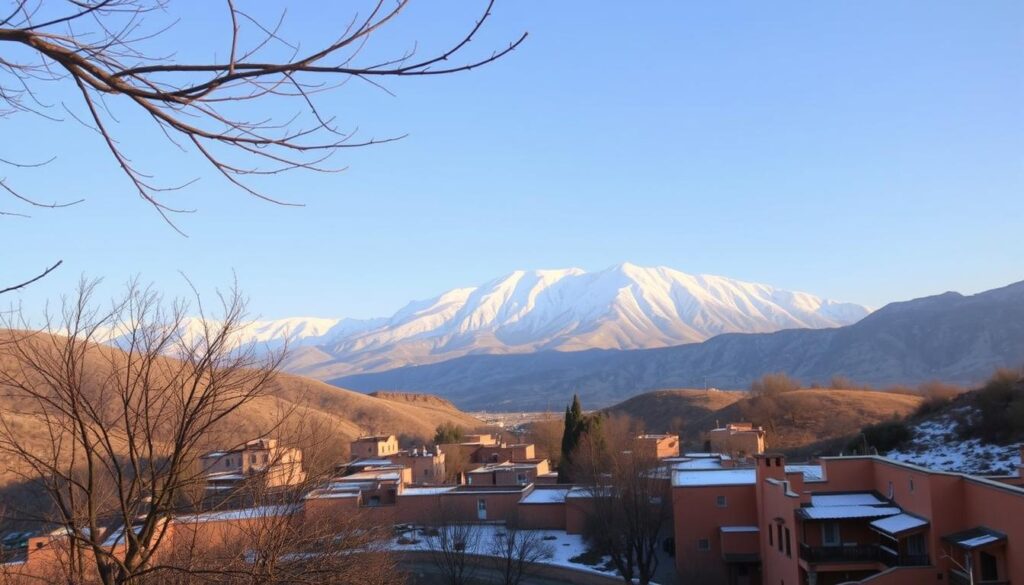
Morocco’s geography greatly affects its winter weather. The Atlas Mountains can be cold and snowy. But, the deserts have chilly nights and warm days. Coastal areas are milder, with the Atlantic Ocean’s influence.
This variety means weather can change a lot from one place to another.
January’s Place in Morocco’s Seasonal Calendar
January is in the middle of Morocco’s winter. It’s one of the cooler months, but the weather varies by region. Knowing this helps you pack right and enjoy your trip more.
Whether you’re in the cities or the wilderness, being ready for the local weather makes your trip better.
Morocco January Weather: What to Expect
Morocco’s weather in January changes a lot from one place to another. It’s important to know what to expect. When planning your trip, think about the weather in different parts of the country.
Average Temperatures Across Regions
In January, Morocco’s temperatures vary by region. Coastal areas are generally milder, with highs around 17°C (63°F) in cities like Casablanca and Rabat. But, the interior and mountains can get quite cold, sometimes below 0°C (32°F) at night.
Daylight Hours and Sunshine Expectations
January has short daylight hours, with about 9-10 hours of daylight across the country. Despite the short days, Morocco still gets a lot of sunshine. You can expect 6-7 hours of direct sunlight each day, perfect for exploring outdoors.
Wind Patterns and Their Effects
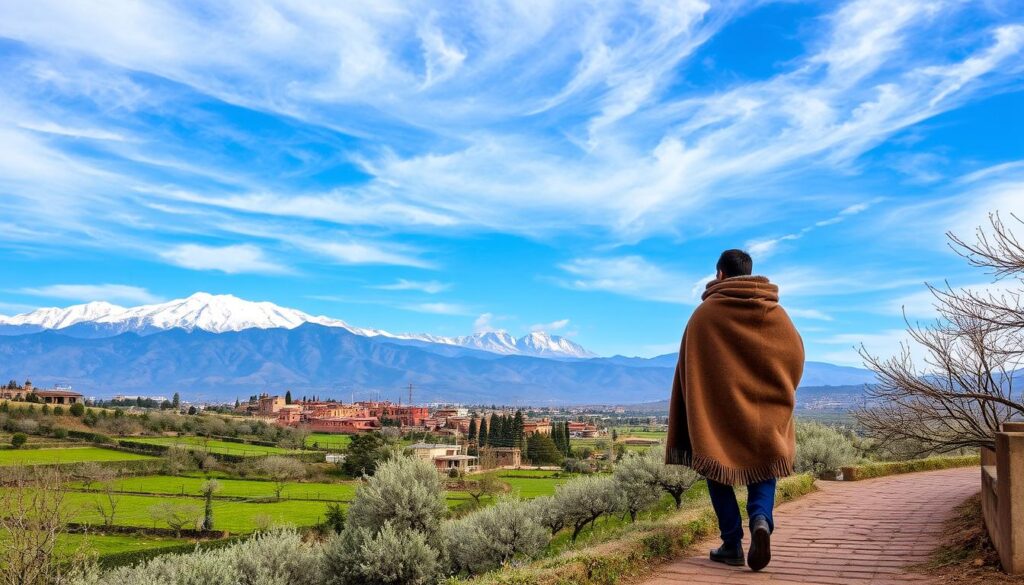
January winds in Morocco can really affect the weather. Coastal areas feel a moderate oceanic influence, keeping temperatures steady. But, the Atlas Mountains can be very windy, with cold gusts lowering the temperature. Knowing about these winds helps you get ready for your trip.
| Region | Average High Temperature | Average Low Temperature |
|---|---|---|
| Coastal Areas | 17°C (63°F) | 8°C (46°F) |
| Interior Regions | 15°C (59°F) | 5°C (41°F) |
| Mountainous Regions | 10°C (50°F) | 0°C (32°F) |
Regional Weather Breakdown: Coastal Morocco
Exploring Morocco’s coast in January reveals a milder climate than the interior. The Atlantic Ocean’s influence makes temperatures pleasant. This makes the coastal areas perfect for a visit.
Casablanca and Rabat Weather Patterns
In Casablanca and Rabat, winters are mild. Temperatures range from 17°C to 18°C (63°F to 64°F). These cities are great for seeing historic sites and trying local food without the cold.
Some rain falls, but it’s not heavy.
Essaouira and Agadir: The Milder Atlantic Coast
Further south, Essaouira and Agadir have even milder weather. Essaouira is windy, especially in January. Agadir is calm and sunny. Both are great for surfing or beach activities.
Coastal Activities Suitable for January
January is perfect for coastal activities in Morocco. You can:
- Surfing or bodyboarding in Agadir or Essaouira
- Exploring historic ports in Casablanca and Rabat
- Enjoying fresh seafood at coastal restaurants
- Walking along the beach or promenade
The coastal regions of Morocco offer a peaceful winter experience. January is a great time to visit.
The Atlas Mountains in January
The Atlas Mountains turn into a winter wonderland in January. They are the highest mountain range in North Africa. This makes them a must-see on any trip to Morocco.
In January, the region gets a cold and refreshing winter climate.
Marrakech’s Winter Climate
Marrakech sits at the foot of the Atlas Mountains. It has a milder winter than the mountains themselves. Daytime temperatures can reach the mid-teens Celsius (around 60°F).
Nights can get cool, sometimes dropping to around 5°C (41°F). This makes Marrakech a great place to start exploring the Atlas Mountains in January.
High Atlas Conditions and Snowfall
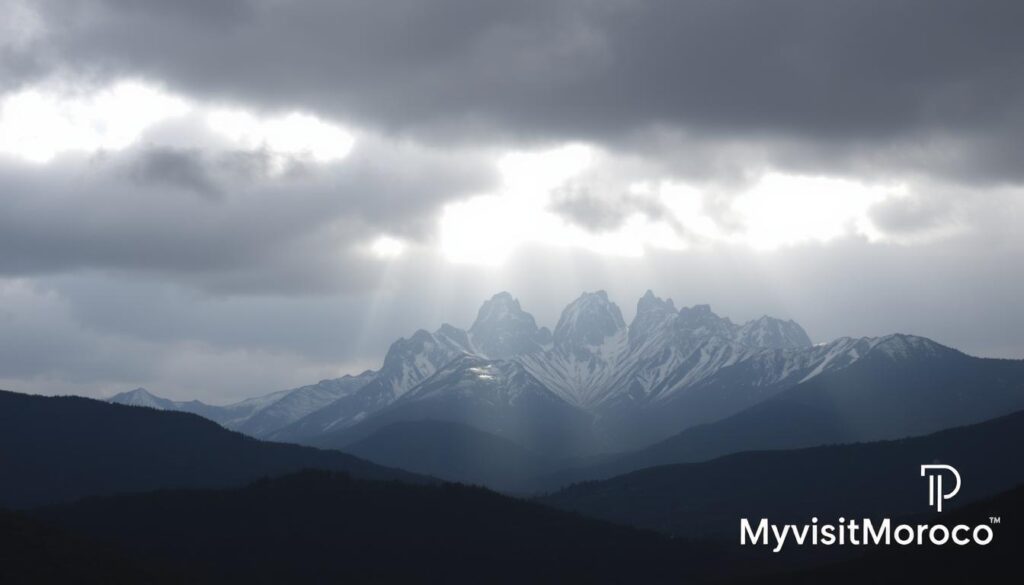
The High Atlas region gets a lot of snow in January. This makes it a favorite spot for winter sports fans. The snow-covered peaks are perfect for skiing and snowboarding.
But, the weather can change quickly. Temperatures can fall below freezing, especially at night.
Winter Trekking Possibilities and Precautions
January is a great time for trekking in the Atlas Mountains. The snow makes the landscapes even more beautiful. But, it’s important to be well-prepared with the right gear and to check the weather before you go.
Some trails might be closed because of snow and ice. It’s best to hire a local guide who knows the terrain and weather.
Desert Climate: January in the Sahara
Exploring the Sahara Desert in January reveals a unique winter scene. This vast desert is a key spot in Morocco, offering calm and beautiful views in winter.
Merzouga and Erg Chebbi Dunes
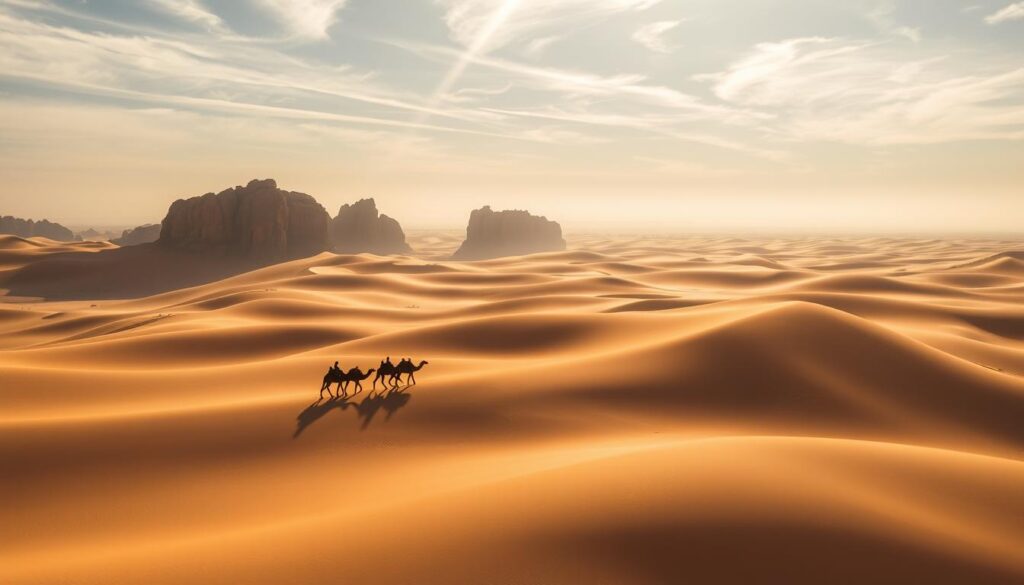
Merzouga, a small village near Erg Chebbi, is great for desert adventures. In January, Erg Chebbi’s dunes are less busy, making it perfect for quiet exploration. You can go on camel rides, see the sunset, or just enjoy the desert’s peace.
Day-Night Temperature Variations
January in the Sahara has big temperature swings. Days are mild, around 15°C to 20°C (59°F to 68°F). But nights can get very cold, sometimes below 0°C (32°F). Bring layers to stay warm during your desert trip.
Desert Camping in Winter: What to Know
Winter desert camping is magical. The clear skies show amazing stars, and the cool air makes sleeping easy. For a great camping trip, pack warm clothes, a good sleeping bag, and a reliable guide.
| Location | Daytime Temperature | Nighttime Temperature |
|---|---|---|
| Merzouga | 15°C – 20°C | -2°C – 0°C |
| Erg Chebbi Dunes | 18°C – 22°C | 0°C – 5°C |
Northern Morocco’s January Weather
Exploring Northern Morocco in January reveals a mild winter climate. The Mediterranean Sea and Atlantic Ocean’s influence create a unique weather pattern. It’s definitely worth experiencing.
Tangier and the Mediterranean Influence
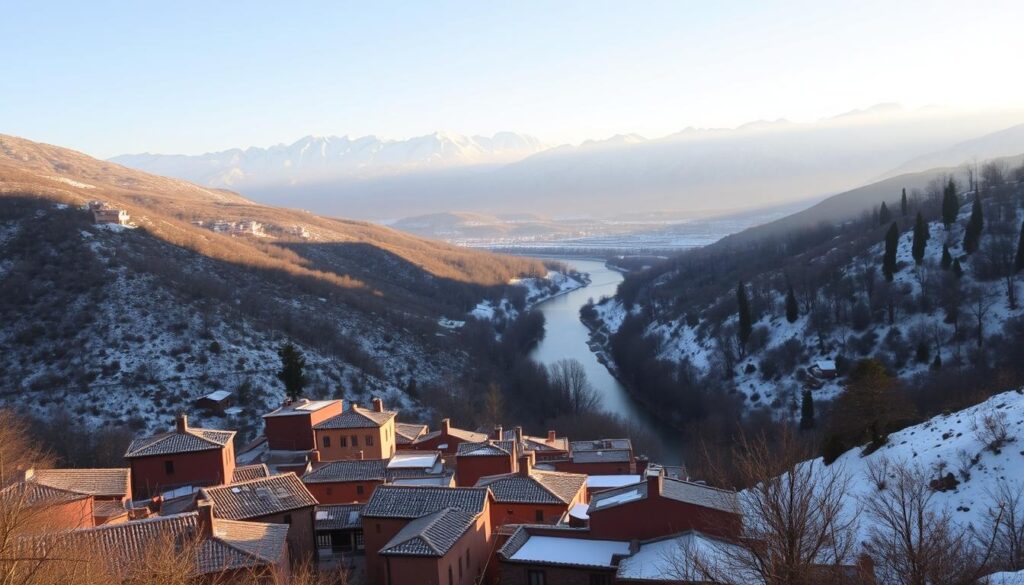
Tangier, a coastal city, has mild January weather. Temperatures range from 12°C to 17°C (54°F to 63°F). The Mediterranean keeps temperatures moderate, making it a great winter destination.
Some rainfall is expected, but the weather remains pleasant. This allows for enjoyable visits to the city’s historic sites.
Chefchaouen’s Blue City in Winter
Chefchaouen, the Blue City, is a charming spot in Northern Morocco. In January, it’s slightly cooler than Tangier, with temperatures from 8°C to 14°C (46°F to 57°F). The relaxed atmosphere and picturesque streets make it perfect for winter visits.
Enjoy the local cuisine, explore the kasbah, and soak in the tranquil ambiance. It’s an ideal place to relax and explore.
Fez and Meknes Winter Conditions
Fez and Meknes are cooler than coastal areas but still worth visiting in January. Temperatures range from 6°C to 12°C (43°F to 54°F), making mornings and evenings chilly.
Despite the cooler weather, these cities’ rich history and cultural significance make them must-visit spots. Explore ancient medinas, visit historical landmarks, and enjoy local hospitality.
Northern Morocco in January offers a mix of cultural experiences and pleasant weather. Whether you’re exploring Tangier’s coastal charm, Chefchaouen’s relaxed atmosphere, or Fez and Meknes’ historical significance, you’ll find something unique. As one traveler noted,
“Morocco in winter is a hidden gem, with its mild climate and fewer tourists.”
Pack accordingly and enjoy the diverse experiences Northern Morocco has to offer.
Rainfall and Precipitation Patterns
Travelers planning a trip to Morocco in January need to know about the rain. January is quite wet, with rain falling differently in various places.
Wettest and Driest Regions in January
The north and mountains get more rain than the south and desert. For example, the Atlas Mountains can get a lot of snow. Meanwhile, places like Merzouga stay dry. You can find out more about places like Agadir on WeatherSpark.
| Region | Average Rainfall in January |
|---|---|
| Northern Morocco | 60-80 mm |
| Atlas Mountains | 100-150 mm (often as snow) |
| Desert Regions | Less than 10 mm |
How Rain Affects Travel Plans
Rain can make some places hard to reach, but it also makes Morocco look beautiful. You might face challenges in rural areas and mountain passes. But cities like Marrakech and Fez are still great, with lots of indoor fun.
Knowing about the rain helps you plan a great trip to Morocco in January. You’ll have a memorable and fun time.
What to Pack for Morocco in January
Getting ready for Morocco in January means packing for different weather. Morocco’s weather changes a lot depending on where you are. So, it’s important to pack for all kinds of temperatures and weather.
Essential Clothing Items
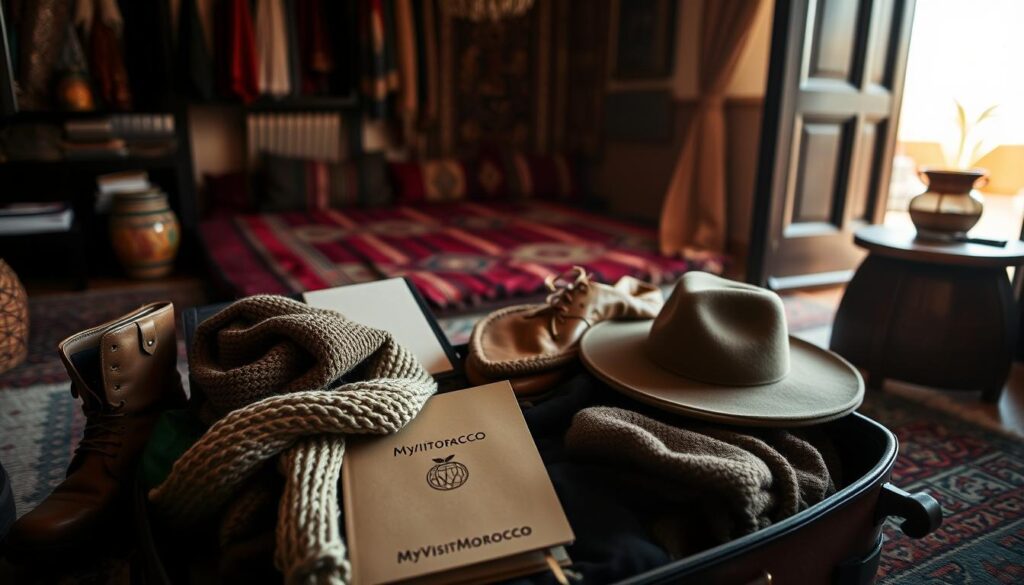
When you travel to Morocco in January, pack layers. You’ll need warm clothes for the cool mornings and evenings. And light layers for the warmer afternoons.
Make sure to include a waterproof jacket or umbrella. Also, pack warm sweaters or fleeces and comfy walking trousers. Don’t forget a hat, gloves, and a scarf for cold days, especially in the Atlas Mountains.
In desert places like Merzouga and Erg Chebbi, pack clothes that protect you from the sun and sand. Bring light, breathable clothes that cover your skin. And a warm layer for the cooler desert nights.
Region-Specific Packing Recommendations
Your packing list changes based on where you go. Coastal areas like Casablanca and Essaouira are milder but still cool in the evenings. Bring a light jacket or sweater for these places.
If you’re going to the Atlas Mountains, pack warm, waterproof clothes. And sturdy hiking boots if you plan to trek.
| Region | Recommended Clothing |
|---|---|
| Coastal Areas | Light jacket, sweater, comfortable trousers |
| Atlas Mountains | Warm, waterproof clothing, sturdy hiking boots |
| Desert Regions | Lightweight, breathable clothing, warm layer for nights |
Electronics and Other Travel Necessities
Don’t forget to pack your essential electronics and travel items. Bring a universal power adapter for Morocco, a camera for the beautiful views, and a portable charger. Also, a reusable water bottle, sunscreen, and a first-aid kit are good to have.
Packing smart and being ready for the weather lets you enjoy Morocco in January. You’ll get to see all the amazing things this country has to offer.
Best Activities for January Visitors
January in Morocco is a mix of culture and outdoor fun. Plan your trip with activities that make it special.
Indoor Cultural Experiences
January is perfect for diving into Morocco’s culture. Visit historic sites and museums. Explore ancient medinas and see landmarks like the Bahia Palace in Marrakech.
Don’t miss the souks. Museums like Dar Si Said in Marrakech show Morocco’s history and crafts. Try local food like tagines and couscous in riads or restaurants.
“Morocco is a place where old and new meet, giving visitors a special cultural experience,” a local guide notes.
Outdoor Adventures in Winter
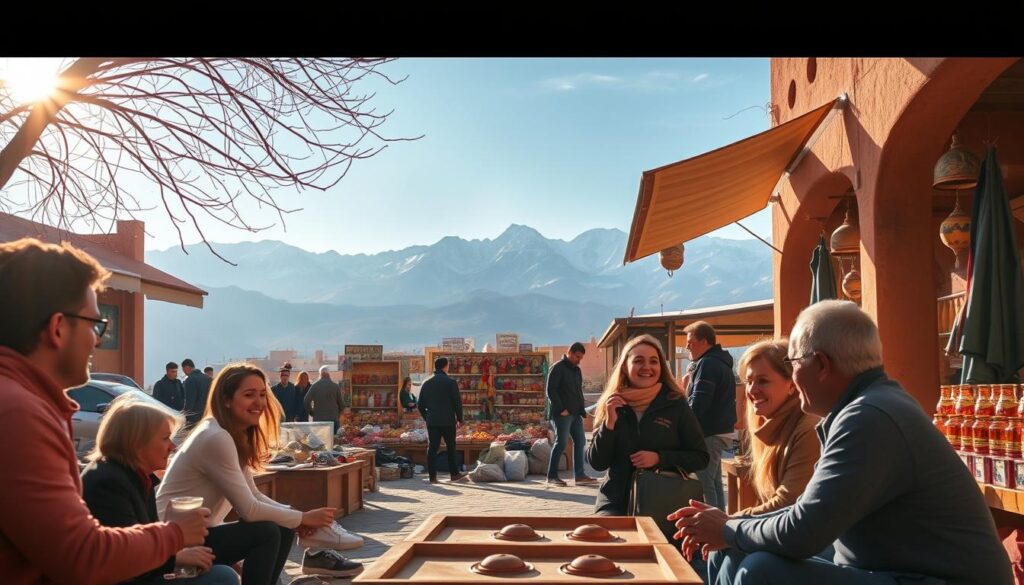
January is great for hiking and trekking in Morocco. The Atlas Mountains have tough trails with amazing views. The Sahara Desert is perfect for camel rides and camping.
Coastal towns like Essaouira are great for kitesurfing and windsurfing because of the wind.
Unique January-Only Opportunities
January offers special chances to see Morocco’s culture, like New Year’s and winter festivals. Join local events, see traditional rituals, or just enjoy the holiday vibe. Some tours have winter packages for stargazing or farm visits.
Adding these activities to your trip makes January in Morocco unforgettable.
January Festivals and Events in Morocco
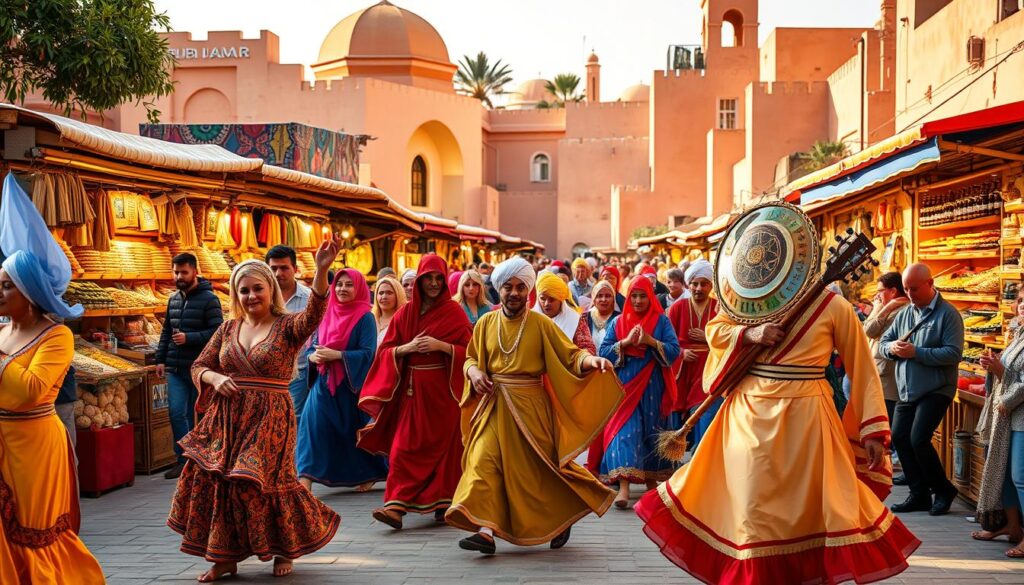
Morocco is buzzing with life in January. The country hosts many festivals and events that highlight its rich culture. These celebrations give you a peek into Morocco’s vibrant culture and traditions.
Traditional Celebrations
January is perfect for experiencing Morocco’s traditional celebrations. These often feature music, dance, and delicious local food. Some key events include:
- Traditional folk music festivals in the rural areas
- Celebrations of local saints and historical figures
- Regional food festivals showcasing traditional dishes
Attending these events will give you a real taste of Moroccan culture.
Modern Events and Gatherings
Besides traditional celebrations, Morocco also has modern events in January. These include:
- The Marrakech International Film Festival, which attracts international filmmakers and cinema enthusiasts
- Modern art exhibitions and cultural festivals in major cities
- Music festivals featuring both local and international artists
These modern events offer a fresh look at Moroccan culture and its modern scene.
Accommodation Considerations for Winter Travel
Planning your trip to Morocco in January? Choosing the right place to stay is key for a cozy winter trip. Morocco has many lodging options, from cozy riads to modern hotels. Each has its own charm and amenities.
Heating and Comfort in Moroccan Lodging
Many riads and hotels in Morocco have heating systems. This makes your stay warm and cozy, even in the cold winter months. It’s a good idea to check the heating when booking, especially if you get cold easily.
Some riads, like those in Marrakech and Fez, have fireplaces or wood-burning stoves. These add to the warmth and charm of your stay.
Riads vs. Hotels in Winter Months
Riads offer a unique Moroccan experience with their architecture and location. Hotels provide modern amenities and services. Both can be cozy in winter, but riads are especially charming with their courtyards and decor.
When choosing between a riad and a hotel, think about what matters most to you. Is it location, service, or specific amenities?
Best Places to Stay in January
Marrakech and Fez are great for winter visits. They have rich history, cultural experiences, and mild temperatures. Coastal towns like Essaouira and Agadir are also good for escaping the cold.
Check the weather forecast for Morocco on Holiday Hypermarket to plan your trip.
| City | Average Temp in January | Recommended Accommodation |
|---|---|---|
| Marrakech | 12°C (54°F) | Riads with traditional charm |
| Fez | 10°C (50°F) | Historic hotels with modern comforts |
| Essaouira | 13°C (56°F) | Coastal riads or beachfront hotels |
Transportation Tips for January Travel
Planning your trip to Morocco in January? Think about how you’ll get around. Morocco’s transport is usually good, but winter weather can change things.
Knowing the road conditions is key for a smooth trip. In January, rain or snow might hit some areas, especially mountains.
Road Conditions in Winter
Morocco’s roads are mostly in good shape, but winter can cause problems. Always check the latest road conditions before you go. For more tips, visit Morocco travel tips.
| Region | Road Conditions | Precautions |
|---|---|---|
| Coastal Areas | Generally good | Be prepared for rain |
| Mountainous Regions | May be affected by snow | Check weather forecasts, consider snow chains |
| Desert Regions | Generally good | Be prepared for cold nights |
Public Transport Reliability
Morocco’s buses and trains are usually reliable. But, weather can change schedules. Always check the latest info before you travel.
Mountain Passes and Weather-Related Closures
Some mountain passes might close due to snow or bad weather. Plan your trip carefully and stay updated on closures to avoid problems.
By understanding these factors and planning, you can have a great trip to Morocco in January.
Pros and Cons of Visiting Morocco in January
Visiting Morocco in January has its ups and downs. It’s important to think about these points when planning your trip. This way, you can make the most of your time there.
Advantages: Fewer Crowds and Better Rates
One big plus of visiting Morocco in January is fewer tourists. You can enjoy popular spots without the usual crowds. Plus, many places offer discounts, helping you save money.
| Benefits | Description |
|---|---|
| Fewer Crowds | Explore popular destinations without the usual tourist crowds. |
| Better Rates | Take advantage of discounts on accommodations and tour packages. |
Challenges: Weather Limitations and Closures
January in Morocco has its challenges too. The weather can be cold, especially in the mornings and evenings. Some places might even get rain. Also, some roads might be closed because of snow or maintenance.
“The winter landscape in Morocco can be breathtaking, but it’s not without its challenges. Being prepared for the weather and potential closures can make all the difference in your travel experience.”
Photography Opportunities in Winter Light
January is great for photography, with the winter light adding beauty to the landscapes. The Atlas Mountains are especially stunning, with snow and hills. The desert also looks amazing in the soft winter light, perfect for photos.
January vs. Other Months: When to Visit Morocco
The best time to visit Morocco depends on what you like to do. Morocco is great all year round, with something special in every season.
Morocco’s weather changes a lot, so think about the time of year you plan to go. January is winter, with cooler mornings and evenings.
Comparing Winter with Spring and Fall Visits
Spring (March to May) and fall (September to November) are the best times to see Morocco. The weather is mild, and there are fewer people around. These seasons are perfect for seeing the Atlas Mountains and the Sahara Desert.
January, in the middle of winter, is cooler, especially in the mountains. But the coast stays pretty warm.
Who Should Choose January for Their Trip
January is great for those who like cooler weather but not too cold. It’s a good time for city tours in Marrakech and Fez because it’s less crowded.
It’s also perfect for outdoor fun by the coast, like surfing in Taghazout. If you want to see Morocco’s winter beauty, like the snow on the Atlas Mountains, January is a special time to visit.
Health and Safety Considerations in Winter Morocco
Traveling to Morocco in January lets you see the country’s winter beauty. But, you also need to think about your health and safety. Morocco’s healthcare is good in big cities like Marrakech and Casablanca. There, you can find hospitals and clinics ready to help.
Common Winter Illnesses and Prevention
Winter illnesses like the flu can be a worry. Getting vaccinated before you go is a smart move. Also, washing your hands often helps keep you healthy. For the latest health tips, check out the National Center for Biotechnology Information.
Emergency Services and Healthcare Access
In emergencies, Morocco has services ready to help. Big cities have hospitals with emergency rooms. Some even have international staff. Still, having travel insurance that covers medical evacuations is wise.
For health concerns or to find local healthcare, your hotel or riad can help. They often know the best places to go.
Conclusion: Embracing Morocco’s Winter Beauty
Planning your trip to Morocco in January? You’re about to discover a mix of culture and natural beauty in a calm setting. Knowing the weather helps you pack right and enjoy your trip fully.
Morocco’s winter is a treasure, perfect for seeing the country’s true self without the crowds. You can see the Atlantic coast, the Atlas Mountains, and the Sahara Desert in January. By diving into the local culture, trying new things, and following january travel tips, you’ll make memories to last a lifetime.
Exploring morocco winter beauty in January is a unique experience. The cooler weather adds a fresh touch to your travels. Whether you’re in the lively cities, hiking the mountains, or enjoying the desert, Morocco in January will stay with you forever.



 Covers cities, coast, mountains, desert & food