Morocco beckons with its vibrant souks, ancient medinas, breathtaking landscapes, and an unparalleled culinary scene. Crafting a seamless and enriching Morocco itinerary planning experience, especially one focused on cultural immersion and food adventures, requires thoughtful consideration. This guide will walk you through the essential steps and smart choices to ensure your journey through this North African gem is nothing short of unforgettable, blending cultural exploration with delectable tastes at every turn. We’re not just talking about ticking off sights; we’re diving into how to strategically plan a trip where every tagine, every spice market, and every interaction enriches your understanding and enjoyment.
Defining Your Culinary and Cultural Compass: What Truly Inspires You?
Before you even open a map, take a moment to pinpoint the core experiences you seek. Are you dreaming of mastering Moroccan cooking techniques in a Fes riad, or is exploring the bustling street food scene in Marrakech your priority? Perhaps a Berber hospitality experience in the Atlas Mountains, complete with traditional meals, is more your style. When considering your Morocco itinerary planning, think about whether you want to focus heavily on one region’s cuisine or sample diverse flavors across the country.
Consider also the cultural angles. Do you want to delve into ancient Roman ruins at Volubilis, wander through the blue city of Chefchaouen, or explore the intricate artisan crafts of a specific medina? Your answers here will directly influence the cities and regions you prioritize and, crucially, the pace of your trip. Don’t try to squeeze every single experience into a short timeframe; Morocco offers depth, and rushing through it often means missing the magic. Outline 2-3 “must-have” cultural experiences and 2-3 “must-taste” culinary adventures. This clarity will serve as your guiding star for all subsequent planning decisions.
Optimizing Your Travel Flow for Maximum Flavor and Discovery
Effective Morocco itinerary planning hinges on smart routing and understanding geographical proximity. Morocco is a large country with diverse regions, each offering unique cultural and culinary facets. For a cultural and food adventure, a common and highly rewarding route involves a triangular path: Marrakech – Atlas Mountains/Desert – Fes.
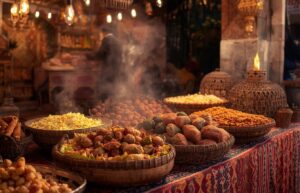
Marrakech: Often the starting point, Marrakech is a sensory explosion. Dedicate time here to explore Djemaa el-Fna’s night market, take a traditional cooking class, and sample various street foods. It’s a fantastic introduction to Moroccan gastronomy.
Atlas Mountains/Desert: From Marrakech, you can venture into the Atlas Mountains for a taste of Berber culture and cuisine. Options range from day trips to Ourika Valley to multi-day treks, staying in guesthouses where home-cooked meals are the norm. Further south, an overnight desert excursion to the Sahara offers an unparalleled cultural experience, often including traditional desert meals cooked over an open fire. This segment is crucial for understanding the country’s diverse ethnic groups and their culinary traditions.
Fes: The imperial city of Fes is a historical and culinary treasure trove. Its sprawling medina is a UNESCO World Heritage site, and its food scene is legendary. Think slow-cooked tagines, pastilla, and a staggering array of sweets. Fes is ideal for deeper dives into Moroccan culinary heritage, perhaps even a multi-day cooking workshop.
Coastal Options (Essaouira/Casablanca/Rabat): If time allows, adding a coastal city like Essaouira offers a different cultural vibe, known for its fresh seafood and laid-back atmosphere. Casablanca and Rabat, the modern capital, present a more contemporary Moroccan experience, though still rich in history and culinary delights like refined Moroccan and international dining.
When planning your route, be strategic about travel time between destinations. For instance, the journey from Marrakech to Fes via the desert is long but incredibly scenic and rewarding. Consider whether you prefer private transfers for comfort and flexibility, or the more budget-friendly and culturally immersive shared taxis (grand taxis) and trains. Minimizing transit time through smart routing maximizes your opportunities for exploration and gastronomic indulgence.
Designing Your Daily Rhythm: Pacing for Authentic Engagement
A truly authentic cultural and food adventure in Morocco isn’t about rushing from one landmark to the next. It’s about savoring moments, engaging with locals, and allowing your senses to guide you. When sketching out your daily Morocco itinerary planning, factor in ample time for:
Leisurely Mornings: Many riads offer magnificent breakfasts. Don’t skip these moments. Enjoy your mint tea, fresh bread, and sweets. A relaxed start sets a positive tone for the day.
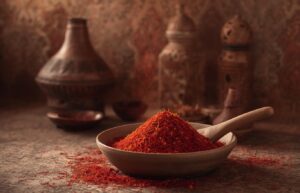
Immersive Market Exploration: Moroccan souks are sensory overload in the best possible way. Dedicate a significant chunk of time to wandering, observing, and interacting. This isn’t just about shopping; it’s about understanding the local economy, the spice trade, and how daily life unfolds. Engage with vendors, ask about their wares, and maybe even pick up some spices to recreate flavors back home.
Cooking Classes & Food Tours: Allocate specific half-days or full days for these. A cooking class offers hands-on experience and a deeper understanding of ingredients and techniques, while a food tour allows you to sample a wide variety of local specialties with expert guidance. These are indispensable elements of any Morocco culinary tours experience.
Cultural Experiences Beyond the Plate: Balance your food adventures with cultural sites. Visit a tannery in Fes, explore the Bahia Palace in Marrakech, or discover ancient kasbahs. These provide context for the food you’re eating and the traditions you’re observing.
Relaxation and Reflection: Always build in downtime. Whether it’s enjoying a rooftop terrace with a view, getting a hammam treatment, or simply sipping mint tea while people-watching, these moments allow you to absorb your experiences and avoid burnout. Remember, travel should be enjoyable, not exhausting. Over-scheduling can detract from the magic.
Strategic Accommodation Choices for Enhanced Immersion
Where you sleep significantly impacts your cultural and culinary experience in Morocco. For an unforgettable adventure, prioritize accommodations that offer more than just a bed.
Riads and Dars: These traditional Moroccan guesthouses, often tucked away in medinas, are a non-negotiable for immersive travel. Riads (larger, with an interior garden or courtyard) and dars (smaller, similar concept) offer authentic architecture, personalized service, and often home-cooked meals. Many riads also run their own cooking classes, allowing you to learn from local chefs without even leaving your accommodation. The opportunity to dine on a rooftop terrace overlooking the medina, tasting dishes prepared with local ingredients, is a highlight in itself. Always check if breakfast is included, and inquire about dinner options. Some riads offer different menus nightly, utilizing seasonal produce.
Kasbah Guest Houses: When traveling to the Atlas Mountains or desert regions, staying in a converted kasbah or a traditional guesthouse offers a deep dive into Berber hospitality. These often feature communal dining, allowing interaction with other travelers and your hosts, and meals showcasing regional specialties like tagine cooked in an oven dug into the ground or fresh bread baked in a clay oven.
Eco-Lodges/Camps: In the desert, opting for a luxury desert camp provides a unique blend of adventure and comfort, often including traditional music, stargazing, and delicious dinners under the stars. These aren’t just places to sleep; they are integral parts of the cultural itinerary.
When booking, read reviews carefully, particularly regarding the food and atmosphere. Do they emphasize local, authentic cuisine? Is the staff friendly and willing to share cultural insights? Choosing the right accommodation can elevate your Morocco itinerary planning from good to truly exceptional.
Navigating the Moroccan Table: Essential Food Etiquette and Allergy Considerations
Part of an enriching food adventure is understanding the local dining customs. Moroccans are incredibly hospitable, and a little awareness goes a long way in enhancing your experience.
Eating with Your Right Hand: When eating communal meals, particularly from a shared tagine or platter, always use your right hand. The left hand is considered unclean.
Bread is King: Bread (khobz) is central to every meal and serves as your primary utensil. Use it to scoop up tagine, sauces, and salads. Don’t waste bread; it’s highly respected.
Mint Tea Ritual: Accepting mint tea is a gesture of hospitality. Don’t refuse it. Enjoy the ritual, which often involves pouring the tea from a height to create a frothy top.
Dining Pace: Meals in Morocco are often leisurely and social. Don’t rush. Take your time, enjoy conversations, and savor the flavors.
Tipping: While not mandatory in small local eateries, it’s customary to tip around 10-15% in more formal restaurants and cafes if service is good.
Allergies and Dietary Restrictions: This is crucial for your Morocco itinerary planning. If you have allergies (e.g., nuts, gluten, dairy), it’s vital to communicate these clearly. Learn a few key phrases in Darija (Moroccan Arabic) such as “ana 3andi hassasiyya li…” (I have an allergy to…). Bringing an allergy card translated into Arabic can be incredibly helpful. While vegetarian options are abundant (couscous and tagines are often meat-free), ensure that cross-contamination is understood, especially for severe allergies. Veganism can be slightly more challenging but is entirely possible, focusing on vegetable tagines, lentil dishes, and fresh salads. Always reconfirm ingredients, especially in street food settings or small local eateries where understanding might be less consistent.
Budgeting for Bites and Experiences: What to Expect and How to Save
Your budget will significantly shape your Morocco itinerary planning, especially when focusing on food and culture. Morocco can be surprisingly affordable, but it’s also easy to spend more if you opt for luxury.
Accommodation: Riads range from budget-friendly (40-60€/night) to luxurious (150€+). Guest houses in rural areas are generally cheaper. Booking in advance, especially during peak season, can secure better rates.
Food: This is where Morocco shines with incredible value.
- Street Food: Highly recommended for both taste and budget. A hearty meal of harira (soup), brochettes, or msemen (fried bread) can cost as little as 2-5€.
- Local Eateries (Snacks/Haunts): Mid-range restaurants catering to locals often offer full meals for 8-15€.
- Riad/Restaurant Dining: Upscale restaurants or dining within your riad can range from 20-40€+ per person for a multi-course meal.
- Cooking Classes: Typically cost between 40-80€ per person, providing excellent value as they often include a meal.
- Food Tours: Range from 50-100€ and are usually worth it for the insights and variety of tastings.
Transportation:
- Trains: Efficient and affordable for inter-city travel (e.g., Fes-Marrakech).
- Shared Taxis (Grand Taxis): Very common and budget-friendly for shorter inter-city routes or specific destinations (e.g., Marrakech to Ourika Valley). Negotiate the price beforehand.
- Private Transfers: More expensive but offer comfort, flexibility, and convenience, especially for longer distances or if you have a group.
- City Taxis (Petit Taxis): Metered within cities; insist on the meter or agree on a price before getting in.
Activities: Entrance fees to museums and historical sites are generally low (1-7€). Guided tours for half or full days can vary from 30-100€ depending on the length, exclusivity, and what’s included. Desert tours (2-3 nights) are a larger expense, ranging from 100-300€+ per person, depending on the camp’s luxury level and inclusions.
Saving Tips:
- Haggle (politely) in souks: It’s part of the culture.
- Eat street food and at local “snack” places: Not only is it delicious, but it’s also very economical.
- Walk everywhere in medinas: Avoid unnecessary petit taxi fares.
- Choose shared transport options: For inter-city travel, grand taxis or trains are cheaper than private transfers.
- Cook for yourself: If your accommodation has a kitchen, buying ingredients from local markets is a fun and cost-effective experience.
By carefully allocating your budget, you can indulge in incredible food and cultural experiences without breaking the bank, ensuring your Morocco itinerary planning aligns with your financial comfort zone.
Essential Booking Decisions for a Smooth Cultural & Culinary Journey
Several key elements of your Morocco itinerary planning demand advance booking, especially if you’re traveling during peak season or have specific preferences. Securing these early ensures peace of mind and access to the best experiences.
International Flights: As soon as your travel dates are firm, book your flights. Prices tend to rise closer to departure. Consider flying into one city (e.g., Casablanca or Marrakech) and out of another (e.g., Fes) to optimize your route and avoid backtracking, potentially saving money and time.
Accommodation: For unique riads, popular guesthouses, or specific desert camps, booking 3-6 months in advance is advisable, particularly if you’re traveling during spring (March-May) or autumn (September-November), which are peak seasons. These smaller, boutique accommodations fill up quickly.
Desert Tours: If a Sahara desert experience is a non-negotiable, book your tour several months ahead. Reputable tour operators and the best camps sell out quickly. Make sure to understand what’s included (transport, meals, activities, guides) and confirm the quality of the camp.
Inter-City Transport (for specific routes/preferences): While you can often buy train tickets a few days in advance, for popular routes or sleeper trains, booking online or upon arrival can be wise. If you’re opting for private transfers, booking these through a reputable local agency a few weeks in advance ensures availability and a fair price.
High-Demand Culinary Experiences: Popular cooking classes in Marrakech or Fes, especially those with renowned chefs or specific focuses, can book up. Secure your spot a month or two out. Similarly, if you want to experience specific food tours on particular dates, pre-booking is recommended.
Car Rentals (if applicable): If you plan to rent a car for part of your journey, book well in advance, especially if you require an automatic transmission or a larger vehicle. However, for a food and culture-focused trip, private drivers or public transport are often preferred over self-driving due to challenging navigation in medinas and parking issues.
By making these crucial booking decisions early, you solidify the practical backbone of your trip, allowing you to relax and fully immerse yourself in the cultural and gastronomic delights once you arrive.
Conclusion
Crafting an unforgettable Morocco itinerary planning experience centered on cultural immersion and food adventures is about more than just a list of places; it’s about intentional design. From defining your culinary compass and optimizing your travel flow to choosing authentic accommodations and understanding local customs, every decision contributes to a richer journey. By thoughtfully planning your daily rhythm, budgeting wisely, and making key bookings in advance, you’re paving the way for a seamless and deeply rewarding Moroccan adventure where every meal tells a story and every interaction creates a lasting memory. Embrace the vibrant chaos, the fragrant spices, and the warm hospitality, and you’ll find Morocco offers an unparalleled feast for all your senses.
FAQs
What’s the ideal length for a Morocco itinerary focused on food and culture?
For a comprehensive cultural and culinary immersion, 10 to 14 days is ideal. This allows you enough time to explore two to three major cities (e.g., Marrakech, Fes), experience the Atlas Mountains or desert, and participate in cooking classes and food tours without feeling rushed. A shorter trip (7 days) would require focusing on one or two regions, like Marrakech and the surrounding areas, or Fes and Meknes.
Is it safe to eat street food in Morocco?
Yes, generally, street food in Morocco is safe and highly recommended for an authentic culinary experience. Look for stalls that are busy with locals, indicating fresh turnover of ingredients. Observe hygiene practices and choose food that is cooked fresh and hot in front of you. Trust your instincts; if something doesn’t look or smell right, move on.
How do I communicate dietary restrictions in Morocco?
The best way to communicate dietary restrictions is to learn a few key phrases in Darija (Moroccan Arabic) or to carry a written card with your specific allergies/restrictions translated into Arabic. While many Moroccans in tourist areas speak French and some English, clear communication about food allergies is crucial, especially in smaller, local eateries.
Should I hire a private guide for cultural and food explorations?
For a deeper dive into the culture and food, hiring a local guide (especially in complex medinas like Fes or Marrakech) can be incredibly beneficial. They can navigate labyrinthine streets, explain cultural nuances, introduce you to hidden culinary gems, and help with communication at local markets. For food tours or cooking classes, a guide is often part of the package and highly enhances the experience.



 Covers cities, coast, mountains, desert & food