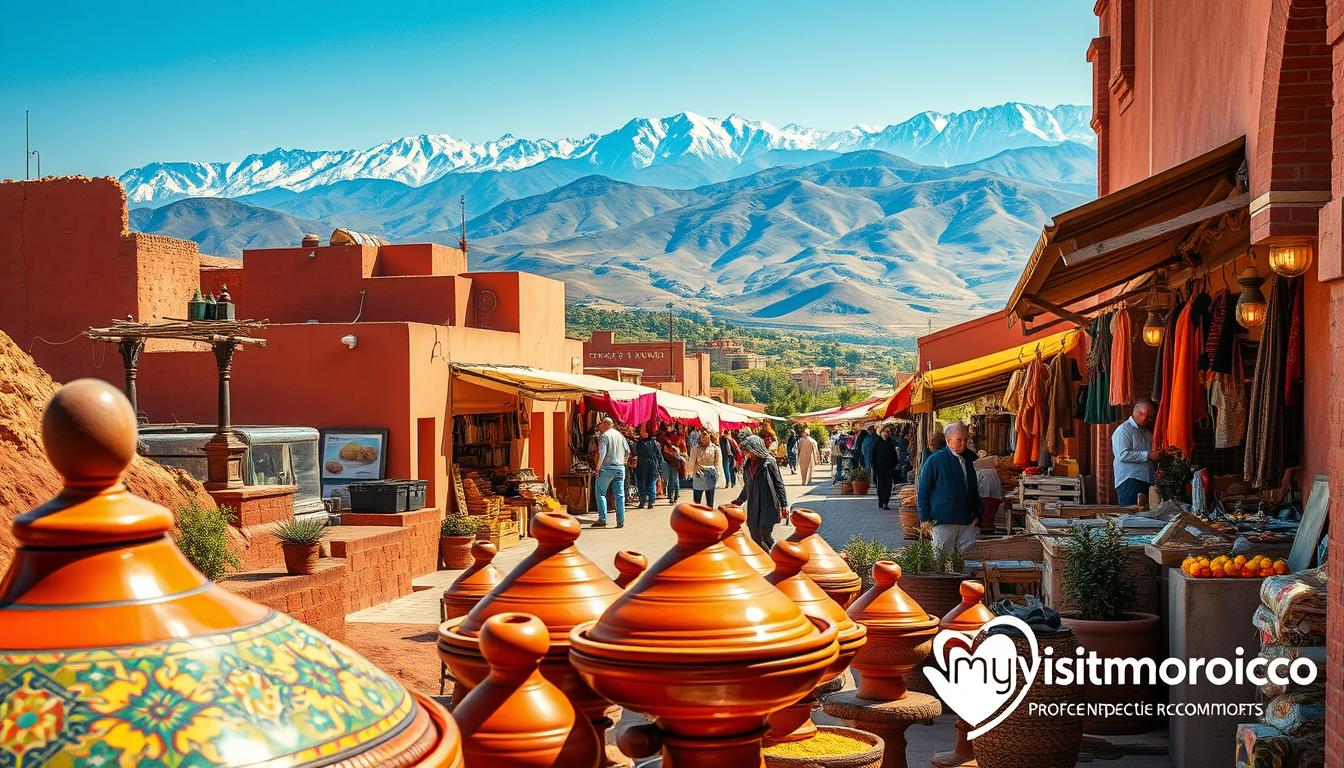
Exploring Morocco’s vibrant culture and rich history reveals a world full of trivia that will amaze you. The country’s stunning architecture and unique traditions blend the old with the new seamlessly.
Did you know Morocco has bustling markets and the Atlas Mountains? Here, you can enjoy the great outdoors in a special way. As you dive into Moroccan trivia, you’ll find many interesting facts that highlight Morocco’s beauty.
Key Takeaways
- Discover Morocco’s rich cultural heritage
- Explore the country’s unique traditions
- Learn about Morocco’s stunning architecture
- Uncover the secrets of the Atlas Mountains
- Get ready to be amazed by Moroccan trivia
The Ancient Kingdom: Morocco’s 12-Century History
Exploring Morocco, you’ll find a history over a thousand years old. Its strategic spot has made it a meeting place for many cultures. Each has left a lasting mark on its heritage.
Berber Origins and Indigenous Heritage
The Berbers, Morocco’s original people, have lived here for thousands of years. Their culture, full of tradition and history, is at the heart of Moroccan identity. The Berbers were known for their strength and ability to adapt, traits seen in Moroccan culture facts today.
You can still see their legacy in the many Berber communities across the country.
From Phoenicians to French Protectorate
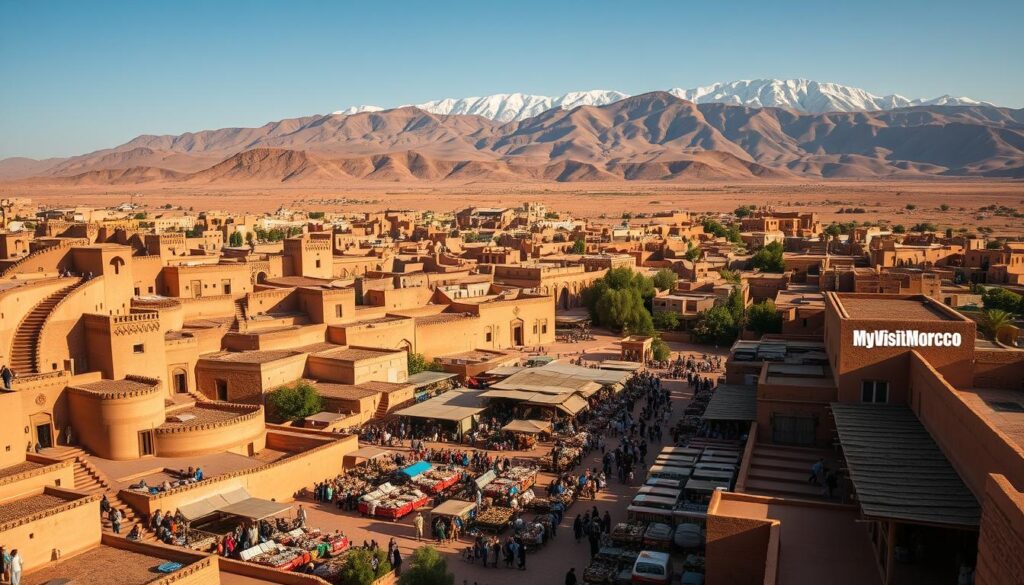
Over time, Morocco has been shaped by many cultures, like the Phoenicians, Romans, and Arabs. Each has added to Morocco’s rich history. The Arab conquest in the 7th century brought Islam, a key part of Morocco’s identity.
Later, the French Protectorate, starting in 1912, introduced European influences. This added to Morocco’s cultural mix. You can learn about these historical periods in museums and historical sites across the country. These places reveal morocco history facts that show the depth of this ancient kingdom.
| Period | Influence | Legacy |
|---|---|---|
| Berber Era | Indigenous Culture | Traditional Practices |
| Phoenician & Roman Era | Trade & Architecture | Historical Landmarks |
| Arab Conquest | Islamic Faith | Religious Heritage |
| French Protectorate | European Modernization | Modern Infrastructure |
For more detailed information on Morocco’s history, you can visit Wikipedia’s page on the History of Morocco. It offers a detailed look at the country’s historical development.
Morocco’s Strategic Geographic Position
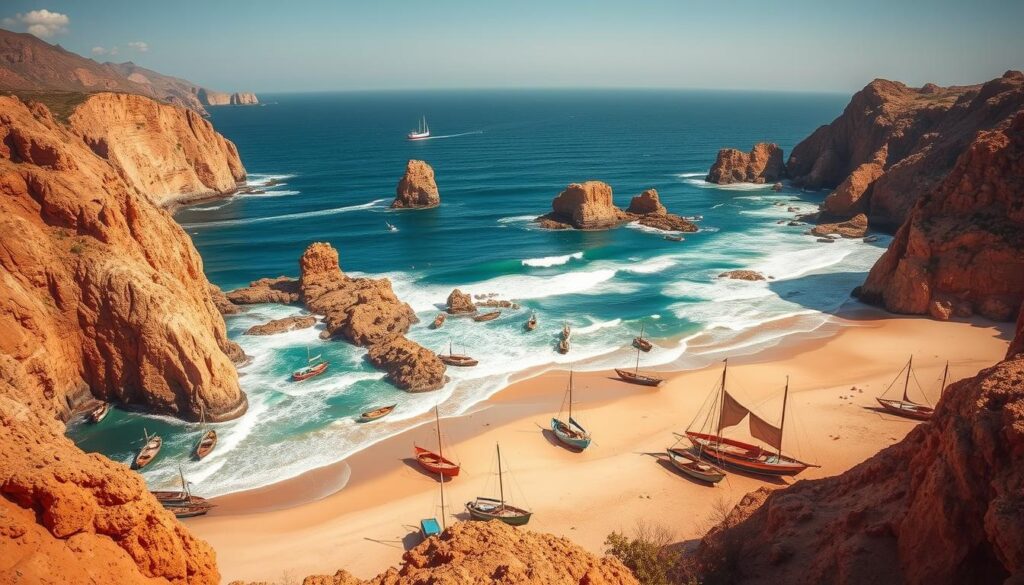
Morocco is unique because it’s the only African country with both Atlantic and Mediterranean coastlines. This special spot makes Morocco key in international trade and cultural sharing.
The Only African Country with Both Atlantic and Mediterranean Coastlines
Morocco’s coastlines offer different landscapes and climates. From the rough Atlantic coast to the calm Mediterranean beaches, there’s a lot to see. This variety supports many morocco tourist attractions, drawing in travelers from around the world.
You can explore vibrant cities, rich history, and diverse cultures in Morocco. It’s a place where history meets modern life.
Just 9 Miles from Europe: The Strait of Gibraltar
The Strait of Gibraltar, between Morocco and Europe, is a vital shipping route. At its narrowest, it’s just 9 miles wide. This close distance has helped Morocco and Europe share cultures and trade.
Visitors can see historic cities and feel the mix of African and European influences. Morocco is a unique place to visit. For more on Morocco, check out Wikipedia’s page on Morocco.
| Geographic Feature | Description | Significance |
|---|---|---|
| Atlantic Coastline | Rugged and scenic, with popular beaches | Supports tourism and fishing industries |
| Mediterranean Coastline | Serene beaches and historic ports | Facilitates trade and cultural exchange with Europe |
| Strait of Gibraltar | Narrow waterway between Morocco and Europe | Crucial for global shipping and trade |
The Four Imperial Cities of Morocco
Exploring Morocco’s four imperial cities lets you dive into its heart. Each city has its own charm and history. They’ve been Morocco’s cultural and architectural centers for centuries.
Fez: Home to the World’s Oldest University
Fez is a city that captures Morocco’s rich history. It hosts the University of Al Quaraouiyine, the oldest university still running. The ancient medina, a UNESCO site, is a labyrinth of historic spots.
Marrakech: The Red City and Its Famous Jemaa el-Fnaa Square
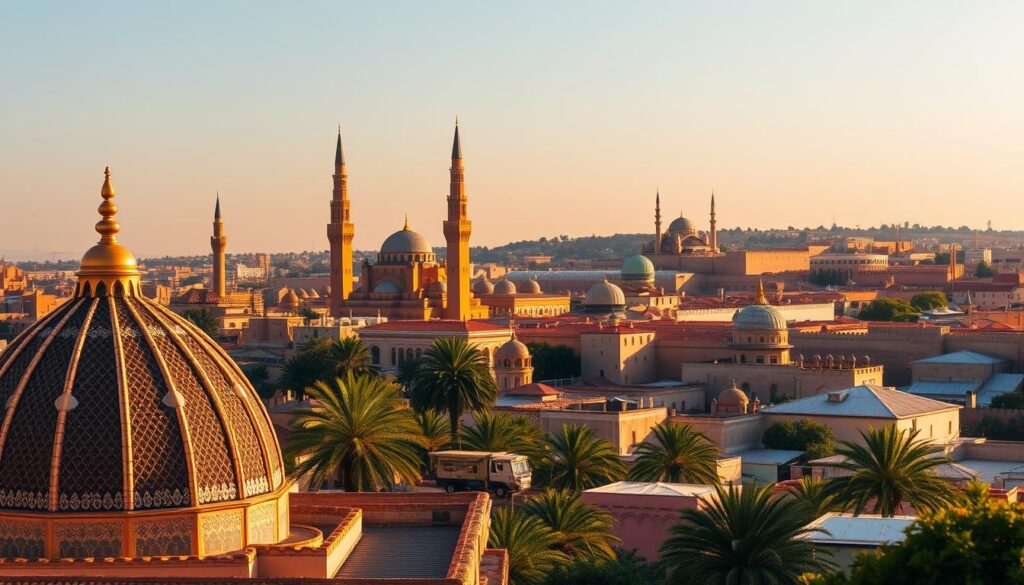
Marrakech, or the Red City, is alive with color and energy. Its Jemaa el-Fnaa Square buzzes with street performers and food. The city also boasts stunning palaces and gardens, reflecting its cultural wealth.
Meknes and Rabat: Royal Heritage and Modern Capital
Meknes is known for its ancient architecture and history. It’s home to the Mausoleum of Moulay Ismail, honoring a famous sultan. Rabat, Morocco’s capital, blends old and new, with landmarks like the Kasbah of the Udayas and Hassan Tower.
| City | Main Attraction | Historical Significance |
|---|---|---|
| Fez | University of Al Quaraouiyine | Oldest university in the world |
| Marrakech | Jemaa el-Fnaa Square | Vibrant cultural hub |
| Meknes | Mausoleum of Moulay Ismail | Historical royal site |
| Rabat | Kasbah of the Udayas | Blend of modern and historical |
Visiting these four cities gives you a deep look into Morocco’s history and culture. Each city offers a special view of Morocco’s heritage. They are essential stops for anyone exploring Morocco.
Morocco Interesting Facts About Its Linguistic Diversity
Exploring Morocco reveals a world of languages as diverse as it is captivating. The country’s cultural identity shines through its languages. These have been influenced by its geography and history.
The Four Official Languages You’ll Encounter
Morocco has four official languages: Arabic, Berber (also known as Amazigh), French, and Spanish. Although French and Spanish are not technically official, they are widely spoken. Arabic is the most common, used in official settings and everyday life. Berber reflects the country’s indigenous roots.
French is prevalent in business, education, and government, a result of colonial history. Spanish is mainly spoken in the north.
Darija: The Moroccan Arabic That Confuses Other Arabs
Darija, or Moroccan Arabic, is a unique dialect. It’s close to Arabic but has words from French, Spanish, and Berber. This makes it distinct. Even other Arabs find it confusing due to local slang and expressions.
Understanding Darija is crucial for grasping Moroccan culture. It helps in interacting with locals.
Culinary Secrets of Moroccan Cuisine
Exploring Moroccan cuisine opens a world of complex flavors and aromas. These reflect the country’s history and cultural heritage. Moroccan cooking combines traditional ingredients and techniques, making it rich and diverse.
The Science Behind Perfect Couscous
Couscous, Morocco’s national dish, is more than a meal; it’s a cultural staple. The secret to perfect couscous is in its preparation. It’s made from semolina flour and steamed to be light and fluffy.
The steaming process is key. Couscous is steamed over a flavorful broth, absorbing aromas without becoming soggy. As Chef Fatima notes, “The art of making couscous is in the patience and the touch; it’s about feeling the grain.”
Mint Tea: The Whiskey of Morocco
Mint tea, or “Atay,” is a key part of Moroccan hospitality. It’s made with green tea, fresh mint leaves, and sugar. The preparation is a ritual, with the tea poured from a height to create a frothy top.
As a Moroccan proverb says, “The first glass is as bitter as life, the second is as strong as love, and the third is as gentle as death.” Mint tea is more than a drink; it’s a symbol of friendship and welcome.
The 27 Spices in Authentic Ras el Hanout
Ras el Hanout, or “head of the shop,” is a complex spice blend. It varies by region and chef, with up to 27 spices. The exact mix is often a secret, passed down through generations.
The blend adds depth and warmth to dishes like tagines and grilled meats. As Abdelmajid, a spice merchant in Marrakech, explains, “Ras el Hanout is the essence of Moroccan cuisine; it’s the key to unlocking the flavors of the country.”
Moroccan cuisine reflects the country’s diverse cultural influences and rich history. Understanding the secrets behind dishes like couscous, mint tea, and Ras el Hanout deepens your appreciation for Moroccan cooking.
The Sahara Desert: Morocco’s Golden Treasure
Morocco’s Sahara Desert is a place of stunning beauty. The Erg Chebbi dunes stand tall, and the Tuareg people keep their traditions alive. It’s a top Morocco tourist attraction that offers a unique experience. You can wander the dunes, dive into local culture, and enjoy the desert’s calm.
Erg Chebbi: Dunes Rising 500 Feet High
Erg Chebbi is a natural wonder, with dunes over 500 feet high. You can ride camels, watch the sunset, or just soak in the quiet. It’s a key spot for anyone visiting Morocco.
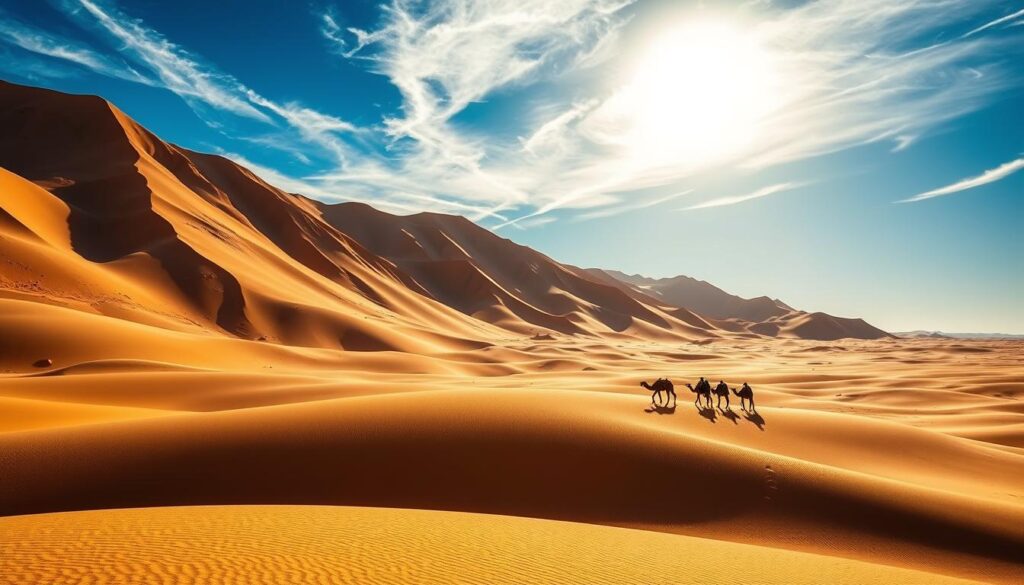
Here are some interesting facts about Erg Chebbi:
| Feature | Description |
|---|---|
| Height | Over 500 feet |
| Activities | Camel rides, sandboarding, sunset watching |
| Best Time to Visit | Early morning or late afternoon |
The Blue-Turbaned Tuareg People
The Tuareg people are a big part of the Sahara’s culture. They’re known for their blue turbans and have kept their traditions alive for centuries. You can visit their camps, learn about their customs, and experience their kindness. They’re a key part of Morocco’s cultural heritage.
Exploring the Sahara Desert reveals Morocco’s rich culture and natural wonders. From the towering Erg Chebbi dunes to the lively Tuareg culture, the Sahara is Morocco’s treasure.
Architectural Marvels That Define Morocco
Exploring Morocco reveals a world of architectural wonders. These marvels show the country’s rich history and cultural mix. From old structures to lively cityscapes, Morocco’s buildings tell its story.
Chefchaouen: Why This Entire City Is Painted Blue
Chefchaouen, in the Rif Mountains, is known for its blue buildings. Founded in 1471, it was a fortress against invaders. The blue color, brought by Jewish refugees, symbolizes the sky and heaven.
Walking through Chefchaouen feels like entering a dream. The blue color fills every corner of this town.
The Ancient Medinas: UNESCO World Heritage Sites
Morocco boasts many ancient Medinas, including Fez and Marrakech. These walled cities are UNESCO World Heritage Sites. They are full of architectural and cultural treasures.
The Medina of Fez is huge and car-free. It has narrow alleys, busy souks, and stunning Islamic architecture.
Kasbahs and Riads: Traditional Moroccan Living
Kasbahs and Riads are key parts of Moroccan architecture. Kasbahs were strongholds and homes for leaders. Riads are houses with gardens inside.
Both use local materials and have intricate tile work. They show Morocco’s cultural heritage and influence modern designs.
Morocco’s landmarks are a big part of its culture. They reflect the country’s history, diversity, and traditional life. Exploring these sites helps us understand Morocco’s rich heritage.
Unusual Moroccan Cultural Traditions
Exploring Morocco reveals a world of cultural traditions that are both captivating and unique. Moroccan culture is alive with vibrant celebrations, spiritual practices, and communal activities. These traditions unite people and add to the country’s rich heritage.
The Seven-Day Wedding Celebration
Moroccan weddings are grand, lasting seven days. They are filled with music, dance, and feasting. This celebration highlights the importance of family and community in Moroccan culture.
The Henna Night Ritual
The Henna Night is a cherished tradition. It involves decorating the bride’s hands and feet with intricate henna designs. These designs symbolize good luck and happiness.
The Amariya Procession
The Amariya procession is a festive event. It marks the bride’s journey to her new home. The procession is accompanied by music, dancing, and celebration.
Gnaoua Music: The Hypnotic Healing Rhythms
Gnaoua music is a unique spiritual practice. It combines music, dance, and trance to heal and purify. This ancient tradition is a key part of Moroccan cultural heritage.
The Hammam: More Than Just a Bath
The Hammam is a traditional Moroccan bathhouse. It’s not just for bathing. It’s a place for socializing and relaxation. The Hammam strengthens community bonds and is vital to Moroccan culture.
| Cultural Tradition | Description | Significance |
|---|---|---|
| Seven-Day Wedding Celebration | A grand wedding ceremony lasting seven days | Reflects the importance of family and community |
| Gnaoua Music | A spiritual practice combining music, dance, and trance | Integral to Moroccan cultural heritage and healing practices |
| The Hammam | A traditional bathhouse for socializing and relaxation | Strengthens community bonds and is essential to Moroccan culture |
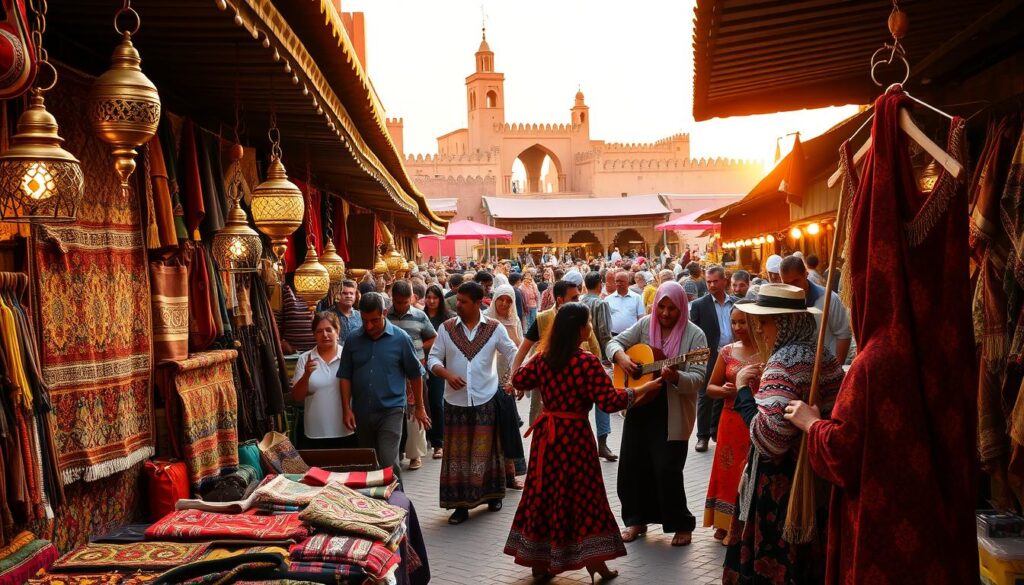
Artisan Crafts Passed Down Through Generations
Morocco’s artisan crafts show the country’s rich history and cultural mix. Skilled artisans have honed their crafts for centuries. Today, you can see this cultural richness in the many artisan crafts still alive.
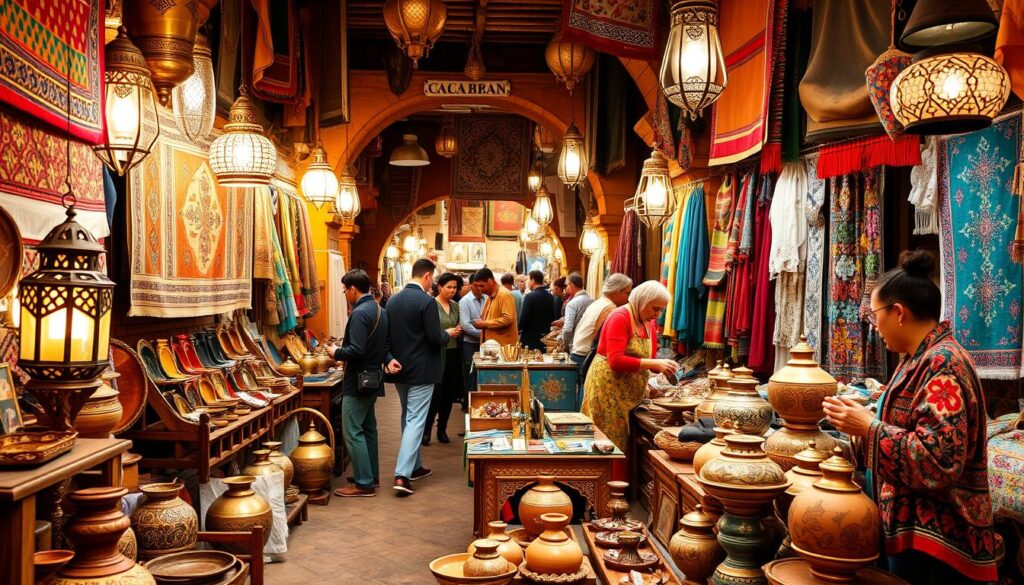
The Secret Language of Berber Carpets
Berber carpets are more than art; they carry deep symbolic meanings. They tell stories of the Berber people’s history and traditions. The patterns and colors in these carpets share messages about identity and cultural values.
Exploring Berber carpets reveals the importance of these symbols. It also shows the skill in making each piece. For more on Moroccan crafts, check out this resource on Fez’s craft traditions.
Key elements of Berber carpets include:
- Intricate patterns that convey symbolic meanings
- Use of natural materials and dyes
- Craftsmanship passed down through generations
Fez’s Tanneries: Unchanged for 1,000 Years
Fez’s tanneries show traditional craftsmanship unchanged for centuries. They use the same techniques as over 1,000 years ago. This makes them a unique part of Moroccan cultural heritage.
Seeing the tanning process shows the skill and dedication needed. The tanneries of Fez are also key to Morocco’s artisan craft industry. The leather made here is famous for its quality, used in everything from slippers to luxury handbags.
Bizarre Natural Phenomena in Morocco
Morocco is full of surprises, from tree-climbing goats to surreal rock formations. As you explore this country, you’ll see unique attractions. These show off Morocco’s diverse geography and natural beauty.
The Tree-Climbing Goats of Argania
In Morocco’s southwest, you’ll find argan tree forests. Here, famous tree-climbing goats feed on argan fruits. It’s a sight that’s both funny and strange.
The argan tree is important for the goats and for making argan oil. This oil is a prized Moroccan product.
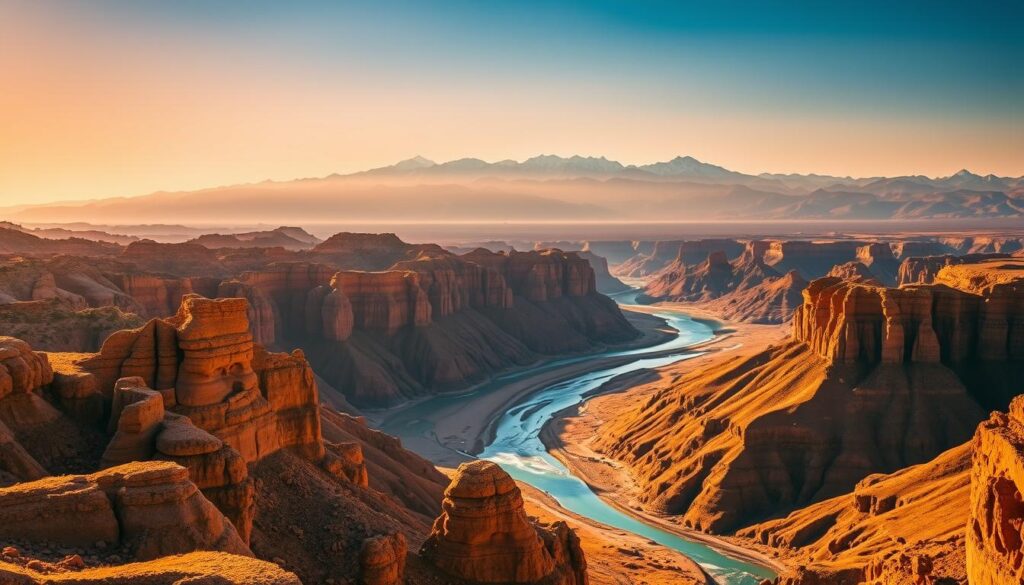
Legzira Beach’s Massive Red Arches
Legzira Beach is on Morocco’s Atlantic coast. It’s known for its dramatic red rock formations and massive arches. The ocean waves have shaped these natural wonders.
Walking on the beach, you’ll see the beauty and size of these arches. It’s a sight that will amaze you.
| Natural Phenomenon | Location | Description |
|---|---|---|
| Tree-Climbing Goats | Argania Forests, Southwest Morocco | Goats climbing argan trees to feed on fruits |
| Legzira Beach Arches | Atlantic Coast, Morocco | Massive red rock arches shaped by ocean waves |
Morocco is a fascinating place for travelers. It has bizarre natural phenomena like tree-climbing goats and stunning rock formations. Morocco’s natural wonders will surely impress you.
Hollywood’s Love Affair with Morocco
Did you know Morocco has been in many big movies? Its beautiful landscapes, rich culture, and good weather make it a favorite for filmmakers. As you see Morocco, you’ll understand why Hollywood loves it.
Ouarzazate: Africa’s Little Hollywood
Ouarzazate is called “Africa’s Hollywood.” It’s known for its unique desert landscapes and historic kasbahs. The city’s film studios have hosted many famous movies, making it a top spot for filming.
Game of Thrones to Gladiator: Famous Films Shot in Morocco
Morocco has been in many films, from Gladiator to Game of Thrones. Its varied landscapes can stand in for different places, from old cities to new worlds. Visiting these spots will make you appreciate movies more and see Morocco’s role in them.
Seeing Morocco’s film spots is a great Morocco travel tip. It’s a way to see where your favorite movies were made. Whether you love movies or just want an amazing trip, Morocco’s film landscapes will amaze you.
Modern Morocco: Surprising Developments
Did you know Morocco is leading in renewable energy and high-speed transport in Africa? The country is investing in new infrastructure. This is changing its economy and improving life for its people.
Noor: The World’s Largest Concentrated Solar Power Plant
The Noor Concentrated Solar Power Plant in Ouarzazate is a big deal for Morocco. It’s the largest concentrated solar power plant in the world. This project is helping Morocco reach its goal of getting 52% of its electricity from renewables by 2030.
The Fastest Train in Africa: Al Boraq
Morocco introduced Al Boraq, the fastest train in Africa, in 2018. It connects Tangier to Casablanca in under 2.5 hours. This train has changed rail travel in the area.
It makes traveling between cities easier and supports economic growth. It helps move goods and people faster.
These developments show Morocco’s dedication to innovation and sustainable growth. It’s an exciting place for investors, tourists, and business travelers.
Hidden Gems: Lesser-Known Moroccan Landmarks
For those willing to explore beyond the usual spots, Morocco has a lot to offer. Many tourists stick to the well-known places, but there are many hidden gems. These landmarks show off Morocco’s rich history and cultural variety.
Volubilis: The Ancient Roman City in North Africa
Volubilis is a site with some of the best Roman ruins in North Africa. It was a key Roman trade and culture center. Its mosaics and buildings offer a peek into the past.
You can see the city’s basilica, temples, and arches. These structures highlight its importance in history.
Ait Ben Haddou: The Fortified City from Another Time
Ait Ben Haddou is a centuries-old fortified city. Its earth buildings and defenses blend into the landscape. It’s a UNESCO World Heritage site.
It’s been in films like Gladiator and Game of Thrones. Its architecture is fascinating for history and film fans. You can wander its narrow alleys and see the Berber architecture.
The Caves of Hercules: Where the Atlantic Meets Mythology
The Caves of Hercules are near Tangier, where the Atlantic Ocean meets myth. Hercules rested here during his twelve labors. It’s a place where nature and myth meet.
You can visit the caves and see the Atlantic coast. For more hidden gems in Morocco, check out seven secret spots in Marrakech.
Festivals That Showcase Morocco’s Cultural Diversity
Experience Morocco’s rich culture through its unique festivals. Each festival in Morocco shows off the country’s diverse traditions. They all have their own special flavor and customs.
The Rose Festival of Kelaat M’Gouna
The Rose Festival in Kelaat M’Gouna is a lively event. It celebrates the rose harvest, a big deal in the area. You can see beautiful views, local crafts, and enjoy traditional music and dance.
Essaouira’s Gnaoua World Music Festival
Essaouira’s Gnaoua World Music Festival is special. It mixes traditional Gnaoua music with global beats. Musicians and fans from everywhere come together. It’s a celebration of Morocco’s music and its global connections.
The Date Festival in Erfoud
The Date Festival in Erfoud is a big deal. It honors the date harvest. Erfoud is famous for its dates. You can try dates, see local crafts, and watch cultural shows.
| Festival | Location | Main Attraction |
|---|---|---|
| Rose Festival | Kelaat M’Gouna | Rose Harvest Celebration |
| Gnaoua World Music Festival | Essaouira | Traditional and International Music |
| Date Festival | Erfoud | Date Harvest and Local Crafts |
Conclusion: Why Morocco Continues to Captivate Travelers
Morocco is a treasure trove of history, culture, and nature. Its ancient medinas, imperial cities, and vast Sahara Desert are filled with stories. These morocco interesting facts show how the country’s mix of Berber, Arab, and European cultures creates a unique experience.
Planning a trip to Morocco? Knowing the local customs and trying the food will make your visit unforgettable. Morocco’s location makes it a key spot for travel, connecting Africa and Europe. Modern projects like the Noor solar plant and the Al Boraq train add to its charm.
Thinking about where to go next? Morocco has it all, from Chefchaouen’s blue city to Ouarzazate’s movie landscapes. Its friendly people, lively festivals, and stunning nature will make your trip memorable.



 Covers cities, coast, mountains, desert & food