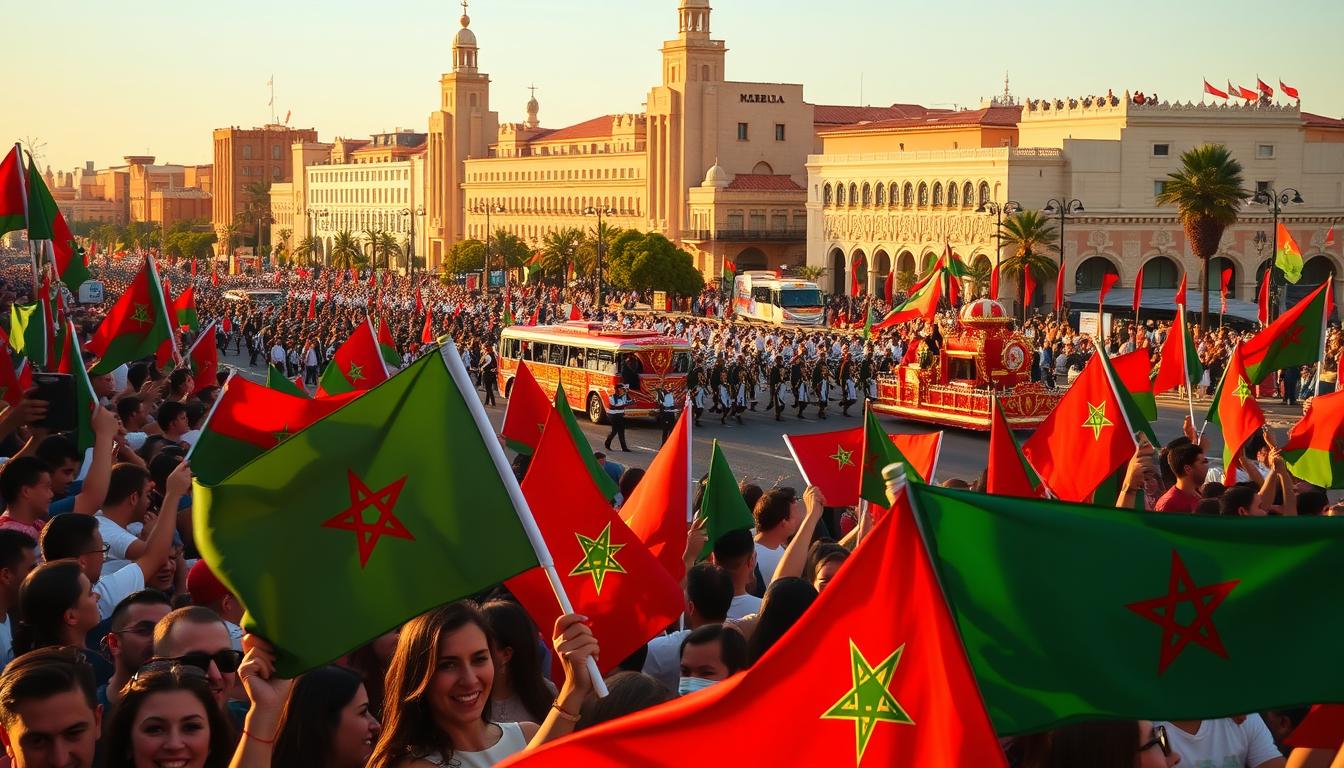
Get ready to explore the rich history and lively celebrations of Morocco’s Independence Day. This important holiday shows the country’s strength and pride.
The story of Morocco’s independence is key to its identity. It goes from the colonial era to today’s national celebrations. This day honors the nation’s fight for freedom.
Key Takeaways
- Understanding the historical significance of Morocco’s Independence Day
- Exploring the key figures who led to Morocco’s independence
- Discovering the vibrant national celebrations that take place
- Learning about the country’s journey to independence
- Appreciating the national pride that defines Morocco’s Independence Day
The Historical Context of Moroccan Colonization
Understanding Morocco’s colonization history is key to appreciating its independence. By looking into the colonization period, you’ll see how it has shaped the country.
French and Spanish Protectorates (1912-1956)
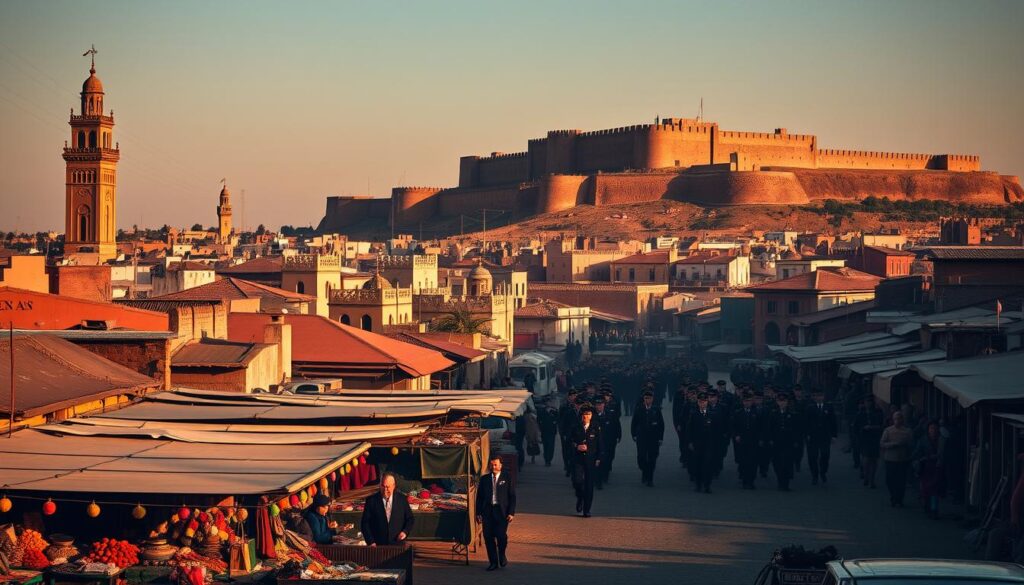
In 1912, Morocco was split into French and Spanish zones. This lasted until 1956. The French controlled most of the country, while Spain had the north and south.
This time brought economic growth and new buildings. But, Morocco’s resources were used for gain, and its culture was pushed aside.
| Protectorate | Region Controlled | Duration |
|---|---|---|
| French | Majority of Morocco | 1912-1956 |
| Spanish | Northern and Southern regions | 1912-1956 |
The Impact of Colonial Rule on Moroccan Society
Colonial rule deeply affected Moroccan society. It changed the culture, economy, and politics. Foreign languages and customs were forced upon the people.
Yet, this time also sparked a nationalist movement. This movement would lead to Morocco’s fight for freedom.
The legacy of colonial rule still influences Morocco today. It shapes the country’s identity and pride. The complex history of colonization is at the heart of Morocco’s independence celebration.
The Nationalist Movement: Seeds of Independence
The nationalist movement was key in Morocco’s journey to freedom. It united the people against colonial rule.
Formation of the Istiqlal Party
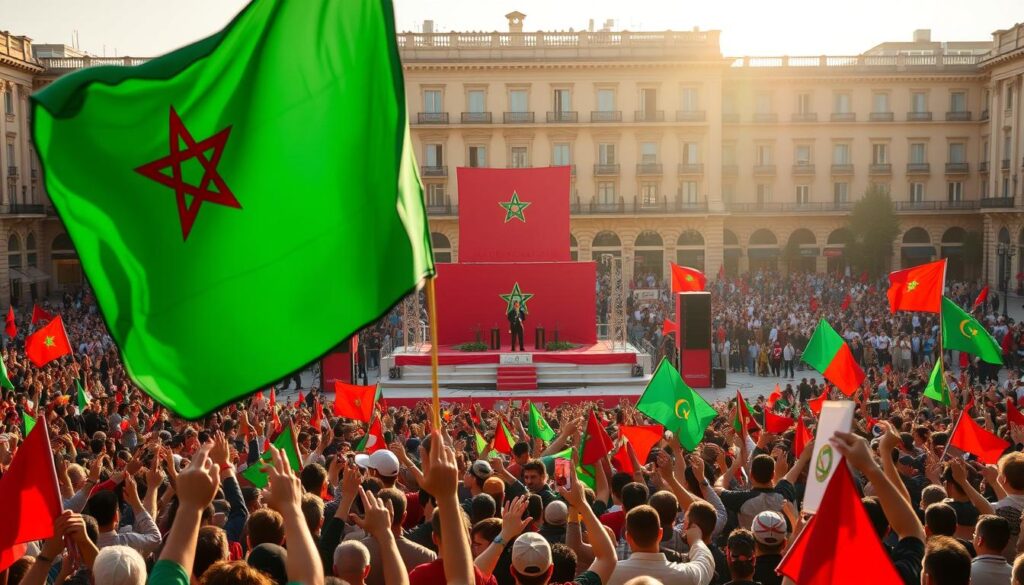
The Istiqlal Party, or “Independence Party,” started in 1944. It was a major force in the fight for freedom. The party wanted to end French and Spanish rule, inspiring Moroccans everywhere.
The Istiqlal Party brought together different groups. This was crucial for the country’s future.
Key Revolutionary Figures and Their Contributions
Many important figures helped the nationalist cause. Their work was key in rallying the people.
Allal al-Fassi and the Nationalist Intellectuals
Allal al-Fassi was a leading figure in the movement. His words and ideas motivated many Moroccans to stand up for their rights. His work was essential in shaping the story of Moroccan freedom.
Grassroots Resistance Leaders
Grassroots leaders also played a big role. They led protests, strikes, and fights against colonial powers. Their courage kept the movement alive. Their actions supported the Istiqlal Party’s goals.
The movement grew stronger, showing that freedom would come from everyone’s efforts. The Istiqlal Party and the movement are still celebrated in national celebrations in Morocco. They honor the country’s fight for independence.
Sultan Mohammed V: The Architect of Independence
Sultan Mohammed V bravely stood up against colonial powers, marking a key moment in Morocco’s history. As the Sultan during the French and Spanish protectorates, he became a symbol of resistance. He united the Moroccan people.
Royal Defiance Against Colonial Powers
Sultan Mohammed V showed remarkable courage against colonial powers that ruled Morocco since 1912. He promoted Moroccan culture and identity, subtly challenging the colonial authorities. This led to growing hostility from them.
Despite the dangers, Sultan Mohammed V kept asserting his authority. He refused to follow some colonial policies, focusing on his people’s welfare. This quiet resistance won him the admiration and loyalty of Moroccans everywhere.
Exile to Madagascar and Its Impact
In 1953, the French exiled Sultan Mohammed V to Madagascar, hoping to weaken the nationalist movement. But, this move actually strengthened the opposition to colonial rule. Protests and demonstrations broke out across Morocco.
The Sultan’s exile became a rallying cry for independence. The slogan “Return of the Sultan” became popular. His return in 1955 was celebrated, marking a big step towards Morocco’s freedom, achieved on March 2, 1956.
Sultan Mohammed V’s leadership during this time solidified his legacy as a hero of Moroccan independence. His bravery and commitment to his people continue to inspire national pride today.
The Struggle for Freedom: 1953-1955
The years 1953 to 1955 were crucial for Morocco’s fight for freedom. During this time, the people faced many challenges as they battled colonial rule.
Armed Resistance in the Rif Mountains
The Rif Mountains became a key area for fighting against French and Spanish rule. Resistance fighters used guerrilla tactics, making the most of the terrain. The mountains were a natural defense for the rebels.
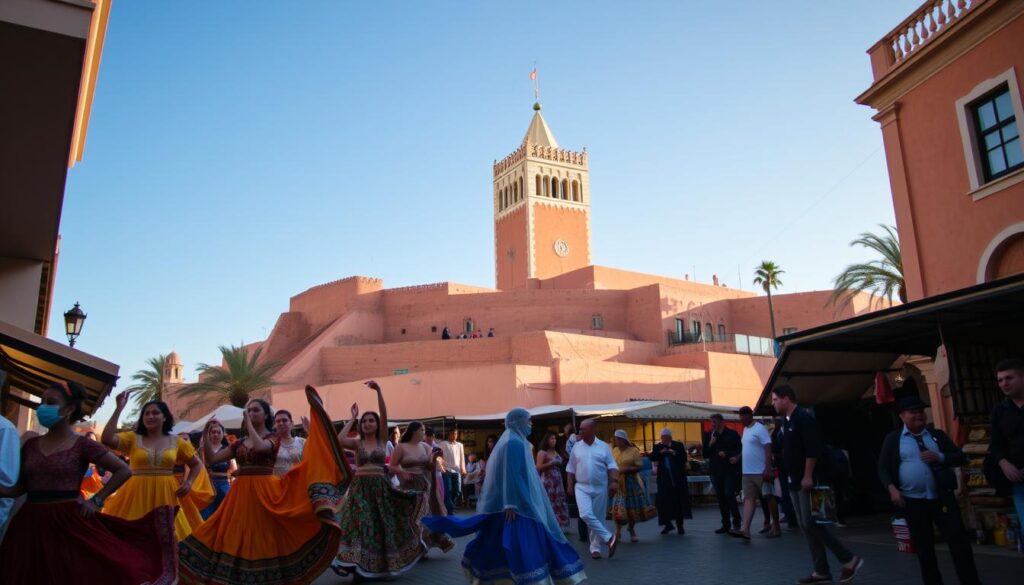
This armed resistance was key in weakening colonial control. It showed the Moroccan people’s strong will to gain independence.
International Support for Moroccan Independence
Morocco’s fight for freedom also won support from around the world. Many countries and organizations started to see the need for Moroccan independence. This pressure helped France and Spain rethink their rule.
| Year | Event | Impact |
|---|---|---|
| 1953 | Exile of Sultan Mohammed V | Increased resistance |
| 1954 | Armed resistance in Rif Mountains | Disruption of colonial control |
| 1955 | Return of Mohammed V | Paved way for independence |
The mix of internal resistance and international pressure led to Morocco’s freedom. This shows how these efforts shaped the country’s future.
Morocco Independence Day: November 18, 1955
The declaration of independence on November 18, 1955, was a key moment for Morocco. It ended colonial rule and welcomed back Sultan Mohammed V. He was a symbol of national unity and resistance.
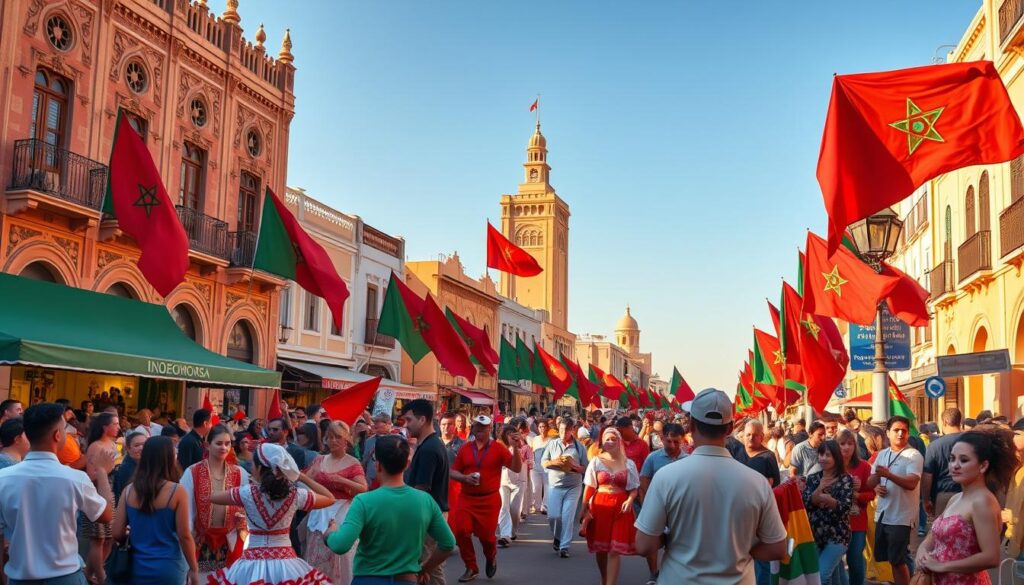
The Declaration of Independence
On November 18, 1955, France declared Morocco’s independence. This was after years of struggle by nationalists. The declaration was a big step for Morocco’s future.
People across Morocco celebrated their freedom. The journey to this moment was long and hard. Nationalists, led by Allal al-Fassi and Mohammed V, fought for years.
The Return of Mohammed V
Sultan Mohammed V returned from exile on November 16, 1955. His return was celebrated widely. He was seen as a symbol of Moroccan identity and resistance.
Mohammed V’s return was a big moment for Morocco. It marked a new era where Morocco could control its own future. His return was a celebration of his role and the sacrifices of the Moroccan people.
The Transition Period: From Declaration to Full Sovereignty
After declaring independence, Morocco started talks with its former rulers. This time was key for setting up the country’s full freedom.
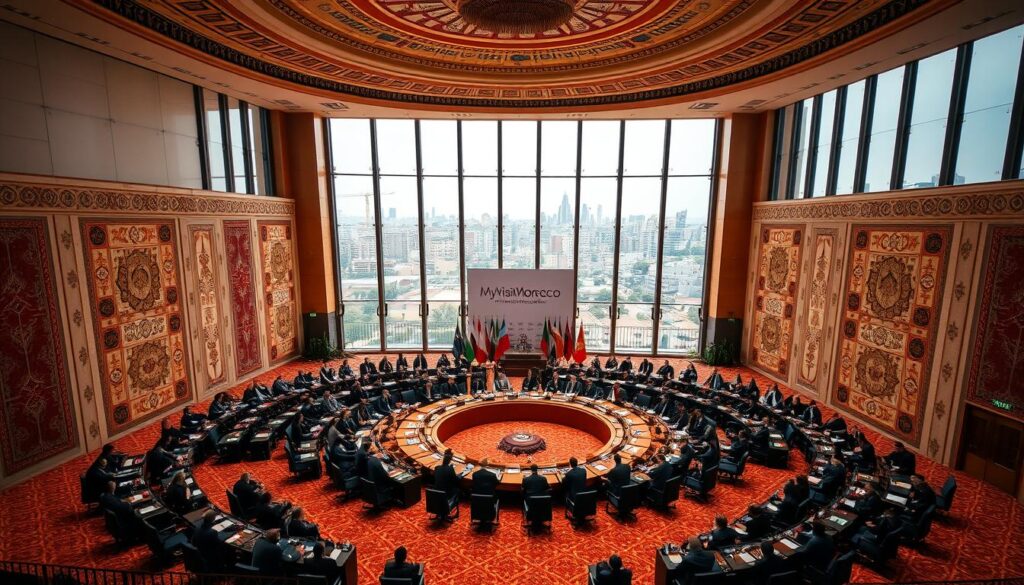
Negotiations with France and Spain
Talking with France and Spain was a big step for Morocco’s freedom. Morocco had to work hard to get both countries to accept its independence. They talked about many things, like borders and economic help.
Important topics included:
- Changing borders and adding new areas.
- Setting up economic deals to help Morocco grow.
- Getting France and Spain to officially recognize Morocco’s freedom.
The March 2, 1956 Agreement with France
The March 2, 1956 deal with France was a big win for Morocco. It officially made Morocco free and in charge of its own affairs. This deal ended France’s control and let Morocco handle its own business.
As Wikipedia notes, many African countries, including Morocco, fought for their freedom. The March 2, 1956 agreement was a big part of this fight.
Getting this deal showed Morocco’s strong will for freedom. It showed the hard work of the Moroccan leaders, especially Sultan Mohammed V.
July 2nd: Significance in Morocco’s Independence Timeline
July 2nd is a key date in Morocco’s fight for freedom. It’s a moment that shows the country’s journey to full independence.
On July 2nd, 1956, Spain officially recognized Morocco’s freedom. This was after Morocco won its freedom from France on November 18, 1955. But, Morocco still had to deal with Spanish rule in some areas.
Spanish Recognition of Moroccan Independence
Spain’s recognition on July 2nd was a big win for Morocco. It was the start of the end of Spanish rule in Northern Morocco.
Unification of Northern and Southern Territories
This recognition also helped unite northern and southern Morocco. This unity was key for Morocco to be whole again.
The process of uniting these areas was tough. It involved talks with Spain and France. In the end, King Mohammed V ruled over a unified Morocco.
| Date | Event | Significance |
|---|---|---|
| November 18, 1955 | Morocco gains independence from France | Marks the beginning of Morocco’s journey to full sovereignty |
| July 2, 1956 | Spain recognizes Moroccan independence | Crucial step in unifying Moroccan territories |
| March 2, 1956 | Morocco and France sign agreement | Further solidifies Morocco’s independence |
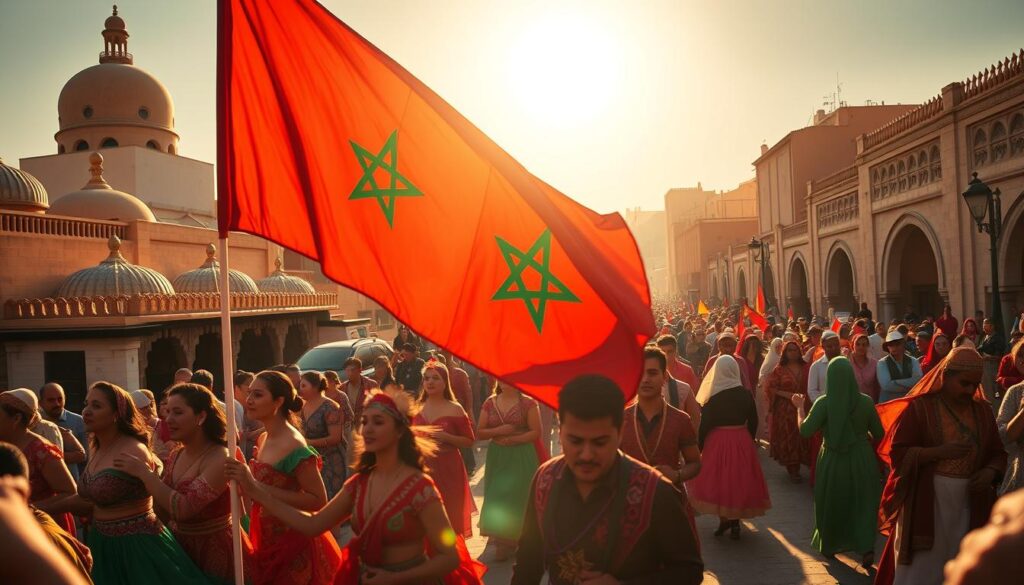
Official National Celebrations and Commemorations
Witness the excitement of Moroccan national pride on Independence Day. These events show the country’s unity and rich history. They mix traditional and modern, celebrating Morocco’s path to freedom.
Royal Ceremonies and Speeches
The royal family is key in the Independence Day celebrations. The King of Morocco talks about the importance of freedom and Morocco’s growth. Royal ceremonies are grand, with leaders from all over the world attending, showing Morocco’s place on the world stage.
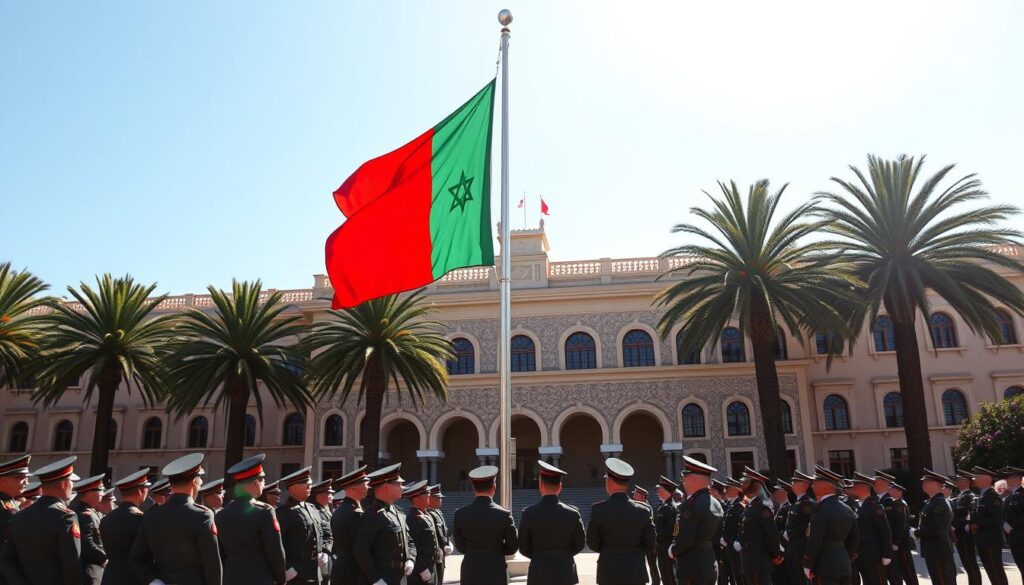
The Moroccan Flag Raising Ceremony
The Moroccan flag raising ceremony is a moving part of the celebrations. The national flag, a symbol of Moroccan identity, is raised in many places. It reminds everyone of the hard-won freedom.
Military Parades and Official Honors
Military parades are a big part of the celebrations. They show Morocco’s military strength and honor its heroes. Military personnel march, showing off their skills and honoring those who fought for freedom. National heroes and veterans are also honored for their roles in gaining independence.
These celebrations honor Morocco’s independence and strengthen national unity and pride. Exploring these events helps you understand the importance of this day in Moroccan history.
Regional Independence Day Festivities Across Morocco
Exploring Morocco’s Independence Day celebrations reveals a rich tapestry of regional festivities. Each region in the country celebrates this day with its own traditions and customs. This showcases Morocco’s diverse cultural heritage.
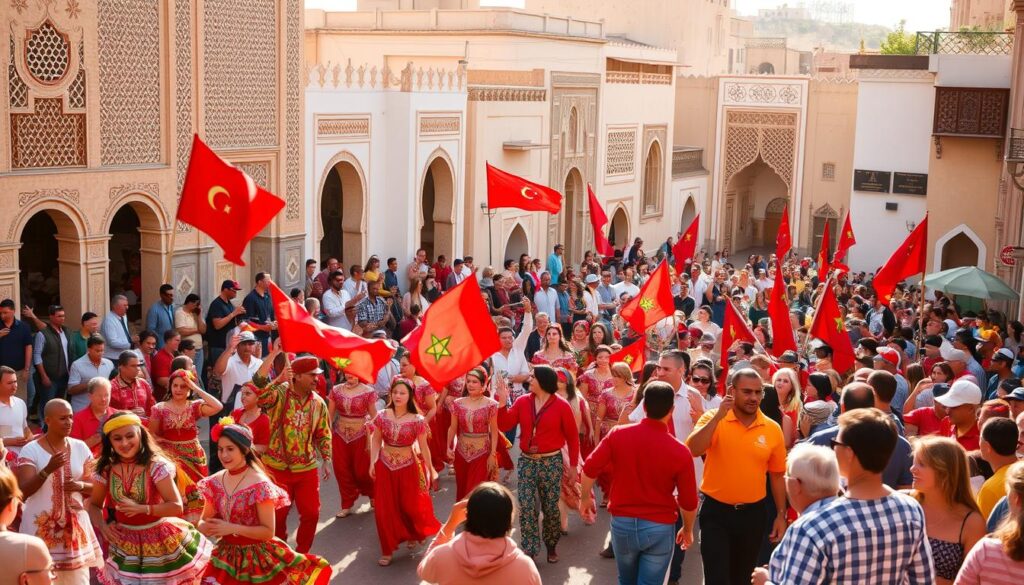
Celebrations in Rabat, the Capital
In Rabat, the capital, Independence Day is celebrated with grand ceremonies. You’ll see the Moroccan flag raised high, symbolizing national pride. The city’s historic sites are decorated, and locals join in the festivities.
Casablanca’s Urban Commemorations
Casablanca, Morocco’s largest city, hosts vibrant urban commemorations. The city’s energy is palpable as it celebrates independence. Cultural events and community gatherings reflect Casablanca’s diverse identity.
Traditional Observances in Marrakech and Fez
In Marrakech and Fez, traditional observances are key to the celebrations. You can dive into the rich cultural heritage of these historic cities. Traditional music, dance, and art exhibitions fill the air, making the experience unforgettable.
These regional festivities across Morocco celebrate the nation’s independence and its diverse culture. As you experience the different celebrations, you’ll understand Morocco’s rich heritage and national pride better.
Cultural Expressions of Moroccan National Pride
The spirit of Moroccan independence shines through in its culture. It reflects the nation’s history and pride. Exploring art, music, dance, and literature on this day reveals the rich Moroccan culture.
Vibrant Performances
Music, dance, and theater are key to Morocco’s Independence Day. Traditional Gnawa music fills the air with its unique sounds. Folk dances show off the country’s diverse heritage.
Theatrical shows often tell the story of Morocco’s fight for freedom. They remind us of the nation’s journey.
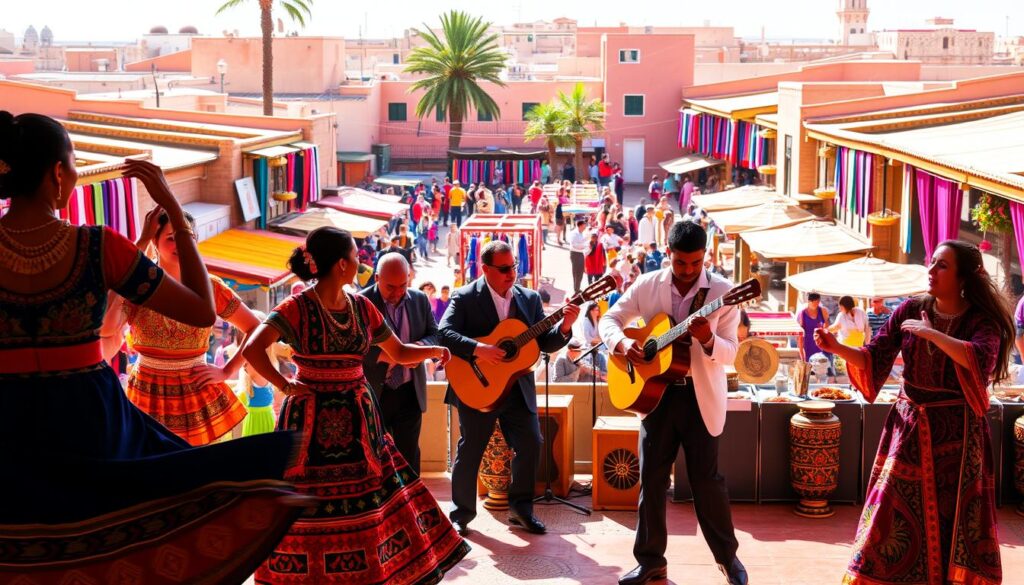
Artistic Celebrations
Art and history are big parts of the celebrations. Museums and galleries display exhibits on Morocco’s path to freedom. They feature artifacts, photos, and documents that tell the nation’s story.
| Cultural Expression | Description |
|---|---|
| Music and Dance | Traditional performances like Gnawa music and folk dances |
| Art Exhibitions | Displays of historical artifacts and photographs |
| Literary Works | Poetry and prose celebrating independence and national pride |
Literary Tributes
Literary works are important on Moroccan Independence Day. Writers and poets write about the nation’s fight for freedom. Their works are shared at public readings and events, adding to the celebration.
Through these cultural expressions, Morocco’s pride is celebrated. It honors the country’s history and the people’s strong spirit.
Culinary Traditions During Independence Celebrations
Exploring Morocco’s Independence Day, you’ll see how food is a big part of the fun. The country’s food is a big part of its culture and history.
Festive Dishes and Their Historical Significance
Moroccan food is full of flavor and shows the country’s mix of cultures. On Independence Day, special dishes are made. They remind everyone of the nation’s strength and unity.
Traditional Tagines and Couscous
Tagines and couscous are key in Moroccan food. Tagines are slow-cooked stews in clay pots, with meat, veggies, and fruits. Couscous is a semolina flour dish, often with veggies and sometimes meat. These are big at family and community meals on Independence Day.
Ceremonial Sweets and Pastries
Ceremonial sweets and pastries are also big in Moroccan celebrations. They’re filled with nuts, honey, and spices. These treats are tasty and show the value of welcoming guests.
Community Feasts and Family Gatherings
On Independence Day, community feasts and family gatherings are big. They help people feel closer and celebrate together. It’s a time to share meals and show national pride.
- Family gatherings often feature traditional dishes passed down through generations.
- Community feasts are organized in neighborhoods and towns, fostering a sense of unity.
- These culinary traditions are a vital part of Morocco’s cultural heritage.
Modern Observances of Morocco’s National Holiday
Today, Morocco celebrates its freedom in a mix of old and new ways. This celebration now includes more people, especially the young. It keeps the spirit of freedom alive.
Youth Participation and Educational Programs
Young people are key in these celebrations. Schools hold special events like historical reenactments, cultural shows, and essay contests. These teach students why independence is important.
These efforts boost national pride. They also help young Moroccans understand their history and their ancestors’ fights.
Digital Celebrations and Social Media Campaigns
Digital tools have become a big part of the celebrations. Social media campaigns, like #MoroccoIndependenceDay, are popular. They let people share their pride and stories.
Government and private groups also use digital tools. They run online contests and virtual shows. This makes the celebration reach more people, both in Morocco and abroad.
| Platform | Initiative | Objective |
|---|---|---|
| Online Contest | Encourage user-generated content celebrating independence | |
| Hashtag Campaign | Promote national pride through shared stories and images | |
| YouTube | Virtual Exhibitions | Showcase historical documents and cultural heritage |
A Moroccan official said, “Digital platforms have changed how we celebrate our freedom. They make it more fun and easy for young people to join in.”
“The future of our nation is in the hands of our youth, and it is our responsibility to ensure they are connected to their heritage.”
The Moroccan Diaspora: Independence Day Abroad
The Moroccan diaspora is spread out in many countries. They celebrate Independence Day with great enthusiasm. This shows their strong bond to their homeland.
Community Events in the United States
In the United States, Moroccans hold many events for Independence Day. You’ll find cultural festivals, traditional food, and music. These events remind them of Morocco’s celebrations.
Cities like New York and Washington D.C. have big events. They include traditional dances, food festivals, and cultural shows. These events bring the Moroccan community together, showing their pride and unity.
Cultural Festivals in European Countries
In Europe, especially in France, Spain, and the Netherlands, Moroccans also celebrate with joy. Cultural festivals showcase Moroccan music, art, and food. These festivals feature Moroccan artists, art exhibitions, and traditional dishes.
These events highlight the deep cultural ties Moroccans abroad have with their homeland. They celebrate their independence and cultural heritage with pride.
Morocco’s Post-Independence Development
Morocco has grown a lot since it became independent in 1956. It has worked hard to build a strong economy and modern politics. This journey has been filled with challenges and successes.
Economic Growth
The Moroccan economy has grown a lot since it became independent. The country has started new industries like textiles, agriculture, and tourism. It has also improved its roads, ports, and communication systems.
| Sector | Pre-Independence | Post-Independence |
|---|---|---|
| Agriculture | Traditional farming practices | Modernized farming techniques and irrigation systems |
| Industry | Limited manufacturing base | Diversified manufacturing sector including textiles and automotive parts |
| Tourism | Minimal tourist infrastructure | Developed tourist infrastructure and services |
Political Evolution
Morocco has changed a lot politically since it became independent. It has moved towards more democracy. The country has made laws to help people have a say in government and to be more open.
Key political reforms include:
- Adoption of a new constitution in 2011, enhancing democratic principles
- Strengthening of parliamentary powers
- Increased participation of women in politics
These changes have helped Morocco grow and become more stable. The country is now ready for more progress and success.
Conclusion: The Enduring Legacy of Moroccan Independence
Reflecting on Morocco’s Independence Day, you see the nation’s rich history and people’s resilience. The celebrations show the country’s pride and its deep connection to its heritage.
Morocco’s independence legacy is clear in its growth and development. You see this in its economic progress, cultural expressions, and people’s identity. This day reminds us of the importance of keeping national heritage alive and uniting citizens.
Today, Moroccans worldwide celebrate, reaffirming their commitment to their nation’s values. Looking ahead, Morocco will likely continue to grow, keeping national pride alive for future generations.



 Covers cities, coast, mountains, desert & food