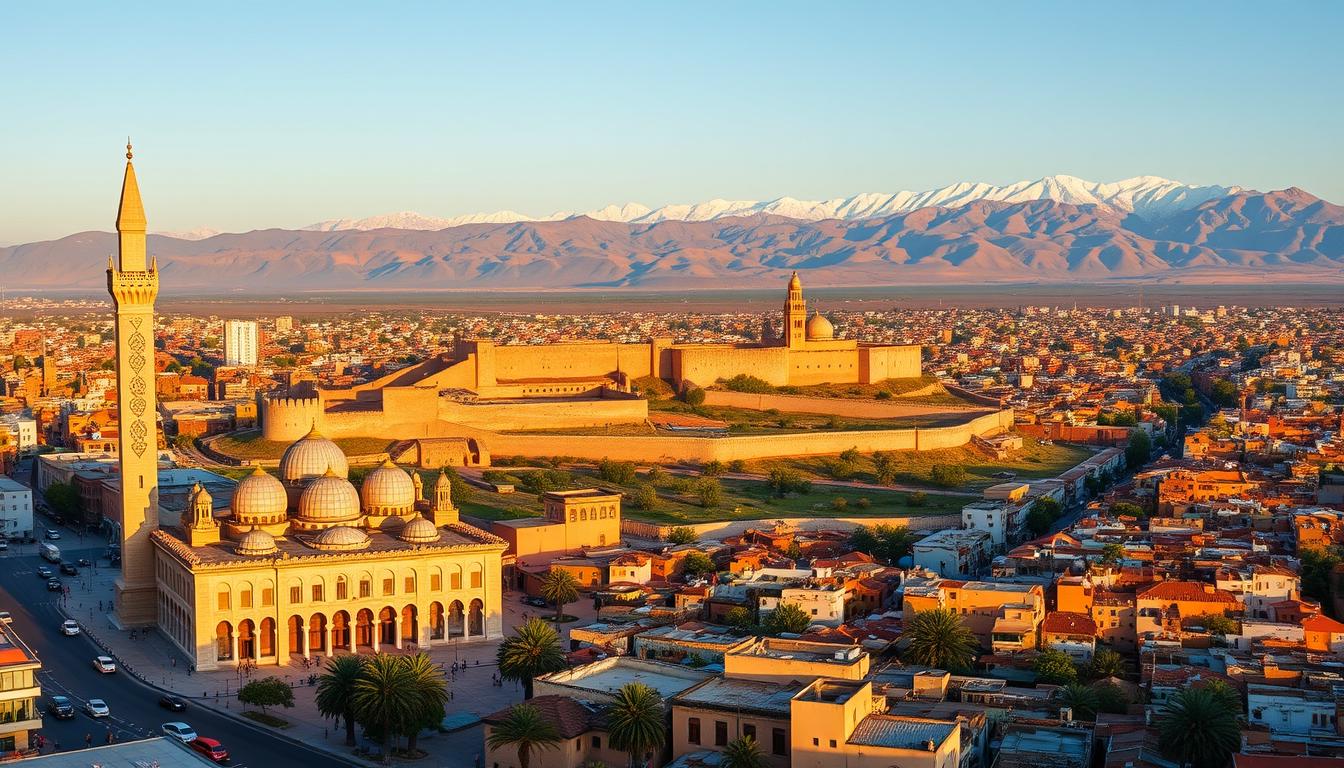
You’ve probably heard about Morocco’s lively souks, stunning architecture, and deep history. These Morocco’s iconic landmarks are not just places to see. They hold stories that make them unforgettable.
Morocco’s culture is a mix of Arab, Berber, and French. This blend is seen in its top tourist attractions. It makes Morocco a place full of wonder for visitors.
Key Takeaways
- Discover the historical significance of Morocco’s most iconic landmarks.
- Explore the diverse cultural influences that have shaped Morocco’s architecture.
- Learn about the must-visit attractions that make Morocco a unique destination.
- Uncover the stories behind Morocco’s most famous sites.
- Find out why Morocco’s landmarks are a testament to its rich cultural heritage.
The Rich Cultural Heritage of Morocco
Morocco’s culture is a mix of many influences, creating a unique identity. This is seen in its moroccan landmarks and monuments. Each landmark has its own story, reflecting the history and culture of its time.
A Brief History of Morocco’s Diverse Influences
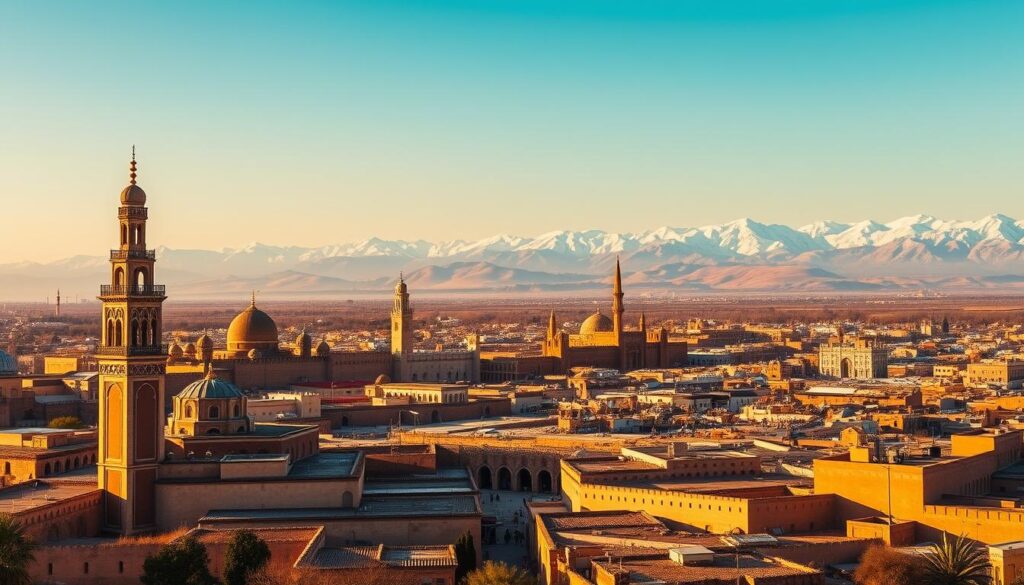
Morocco’s history is a mix of Berber tribes, Arab conquerors, and European colonizers. This mix has shaped its architecture, culture, and traditions. For example, Fez and Marrakech’s medinas show Arab and Islamic influences. Meanwhile, Essaouira’s architecture blends Moroccan and European styles.
The Blend of Arab, Berber, and European Cultures
Morocco’s culture is a blend of Arab, Berber, and European influences. This is seen in its food, language, and art. Moroccan food, for instance, uses Arab spices with Berber and European ingredients.
The architecture of Morocco’s famous historical sites also shows this mix. It creates a unique and fascinating cultural identity.
Why Morocco’s Landmarks Stand Out on the World Stage
Morocco’s landmarks are known worldwide for their cultural and historical value. Places like the Koutoubia Mosque and the Bahia Palace are among the best places to visit in morocco. They attract visitors from all over.
The unique cultural mix and rich history make Morocco’s landmarks special. They offer a glimpse into a diverse and rich cultural heritage.
Hassan II Mosque: A Modern Marvel with Ancient Roots
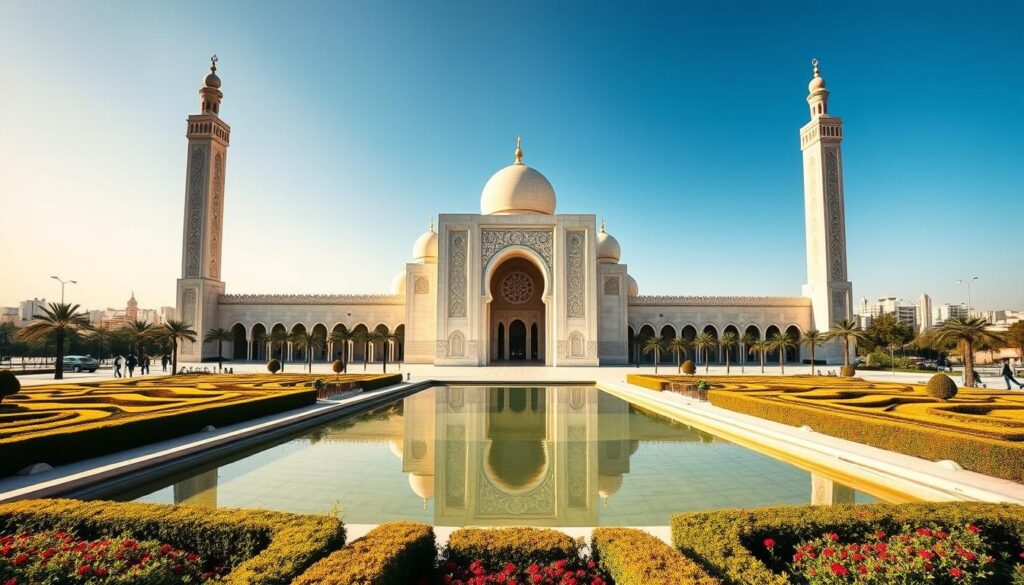
The Hassan II Mosque is a standout in Morocco’s landmarks. It’s in Casablanca and shows the country’s rich culture. This mosque is a mix of old traditions and new architecture.
The Vision Behind the Mosque
King Hassan II wanted a mosque that would show Morocco’s Islamic pride. He started it in 1986. It took seven years to finish, with thousands helping.
The mosque’s design combines Moroccan and Islamic styles with modern touches. You can see this in its stone carvings, tile work, and cedar wood.
Architectural Brilliance and World Records
The Hassan II Mosque is known for its amazing architecture. It has the tallest minaret and can hold over 25,000 people.
Key architectural features include:
- A massive retractable roof that opens to the sky
- Intricate zellij tile work and carved stone
- A large laser beam pointing towards Mecca
Cultural and Religious Significance
The mosque is more than a place of prayer. It shows Morocco’s Islamic history and its mix of old and new.
Visitors can see the mosque’s gardens and courtyards. They learn about Morocco’s culture and religion.
Visitor Information and Photography Tips
When you visit, dress modestly and respect the prayer areas. Guided tours offer insights into the mosque’s history and design.
For photos, go early morning or late afternoon. The light is soft, and you can capture the mosque’s details and colors beautifully.
Jemaa el-Fnaa: The Heart of Marrakech
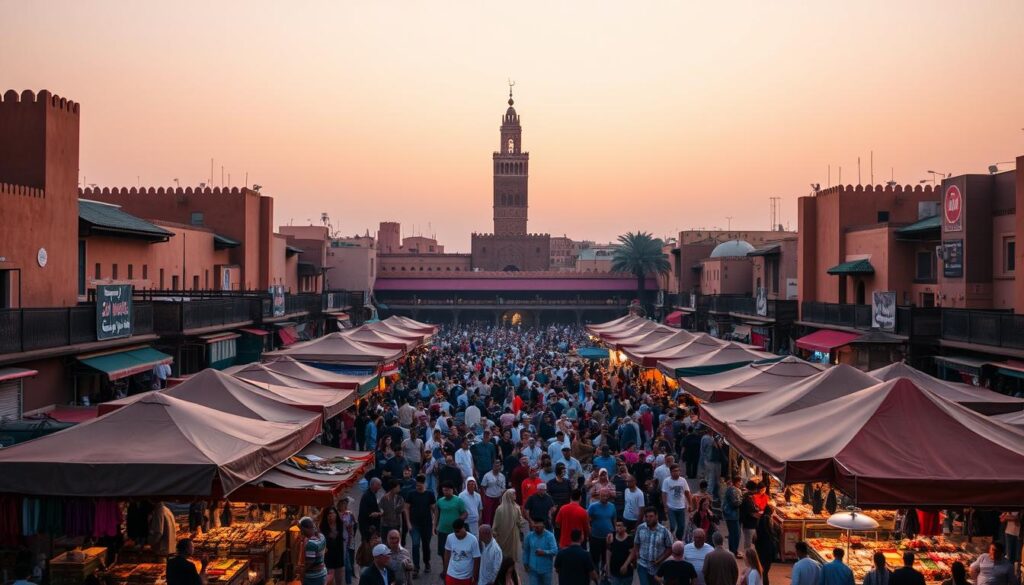
As the sun sets over Marrakech, Jemaa el-Fnaa comes alive. It turns into a colorful, lively place. This square is not just a top tourist attraction in Morocco. It’s the city’s heart, full of energy and life.
From Execution Square to Cultural Hub
Jemaa el-Fnaa has a rich history. It was once an execution square. Now, it’s a vibrant cultural hub that shows off Morocco’s heritage. Its change over time shows Marrakech’s ability to grow while keeping its traditions.
The Daily Transformation of the Square
Jemaa el-Fnaa changes every day. By day, it’s calm with a few stalls and snake charmers. At night, it turns into a lively place with music, dance, and food. It’s a key famous historical site in Morocco.
UNESCO Recognition and Preservation Efforts
UNESCO named Jemaa el-Fnaa a Masterpiece of the Intangible Heritage of Humanity in 2001. This recognition helped protect its cultural value. Efforts are ongoing to keep the square vibrant, blending tradition with modern times.
Best Times to Visit and Must-See Performances
Visit Jemaa el-Fnaa in the late afternoon and evening for the best experience. See snake charmers, musicians, and enjoy local food. For tips on visiting Marrakech and Morocco, check our destination guides.
Jemaa el-Fnaa is a must-see for its history, culture, and lively atmosphere. Exploring this square shows why it’s Marrakech’s heart.
Koutoubia Mosque: Marrakech’s Iconic Minaret
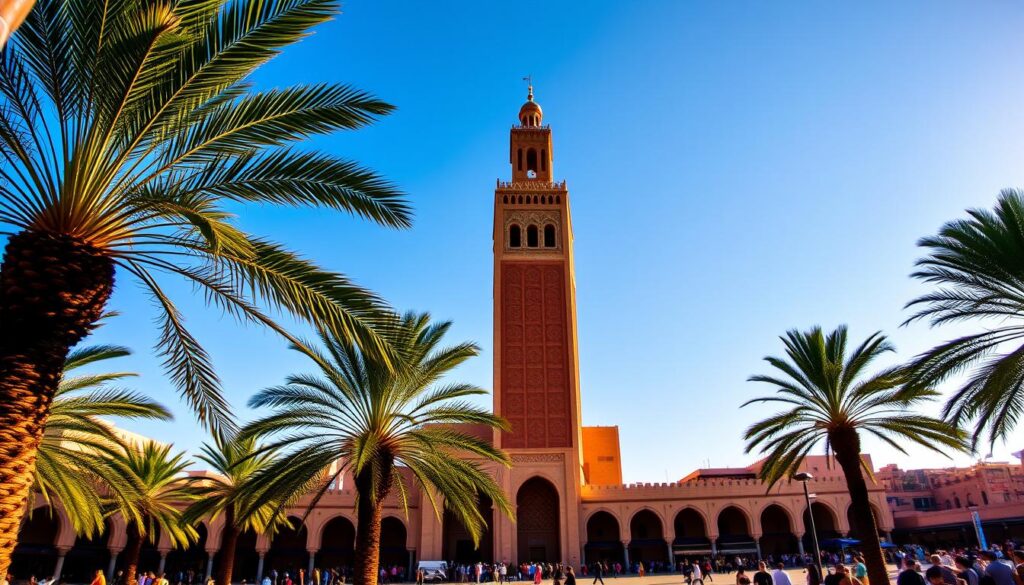
The Koutoubia Mosque is a key famous landmark in Morocco in Marrakech. It stands as a symbol of the city’s rich history and cultural heritage. Its striking minaret is a testament to Marrakech’s past.
Architectural Influence on Western Design
The Koutoubia Mosque’s design has shaped Western architecture, especially during the Moorish Revival. Its 69-meter tall minaret is a landmark that has inspired many buildings worldwide. The mosque’s use of arches and stone carvings has influenced architecture globally, showing the exchange between Morocco and the West.
The Legend of the Booksellers
The name “Koutoubia” comes from Arabic, meaning “booksellers.” It was built near a market where books were sold. This shows the mosque’s importance in Islamic culture, as a place of worship and learning.
Restoration and Preservation Challenges
Keeping the Koutoubia Mosque in good condition is a big challenge. It faces environmental damage and needs restoration. Efforts to save it include restoring its architecture and keeping it a community center. It must also welcome visitors while protecting it from tourism.
Exploring the Surrounding Gardens
The mosque is surrounded by lovely gardens. These gardens offer a peaceful break from Marrakech’s busy streets. They are perfect for reflection and relaxation. A walk around the mosque and gardens is a highlight of visiting Morocco.
Visiting the Koutoubia Mosque and its gardens is a journey through Morocco’s history and culture. Its beauty and importance make it a must-see in Marrakech.
Bahia Palace: The Beautiful Brilliance of Moroccan Craftsmanship
When you enter the Bahia Palace, you’re surrounded by Moroccan craftsmanship and architectural beauty. This 19th-century palace shows the skill of Moroccan craftsmen. It reflects the culture and history of that time.

The Grand Vizier’s Ambitious Project
Grand Vizier Bou Ahmad built the Bahia Palace. He wanted it to be the best in Marrakech. The name “Bahia” means “brilliance” or “beauty,” showing his dream for a masterpiece. Learn more about this landmark on Lonely Planet.
Architectural Elements and Artistic Details
The Bahia Palace is famous for its stunning design. It has detailed tile work, carved cedar ceilings, and beautiful doorways. Its design mixes Islamic, Arab, and Moorish styles, creating a unique look.
The Intricate Zellige Tilework
The palace’s Zellige tilework is a standout feature. It covers walls and floors with detailed geometric patterns. This traditional craft is a true work of art.
Carved Cedar Ceilings and Doorways
The palace’s ceilings and doorways are made of cedar wood. They are carved with floral and geometric motifs. These add to the palace’s grandeur, making it a must-see.
| Architectural Feature | Description |
|---|---|
| Zellige Tilework | Intricate geometric patterns using traditional Moroccan tiles |
| Carved Cedar Ceilings | Intricately carved cedar wood with floral and geometric motifs |
| Doorways | Beautifully crafted cedar wood doorways with intricate carvings |
The Palace’s Role in Modern Morocco
Today, the Bahia Palace is a key cultural and historical site. It draws visitors from all over. It shows Morocco’s rich heritage and inspires many.
Guided Tour Recommendations
Joining a guided tour at the Bahia Palace is a great idea. Guides share the palace’s history, architecture, and cultural background. It makes your visit even more meaningful.
Fez Medina: The World’s Largest Car-Free Urban Area
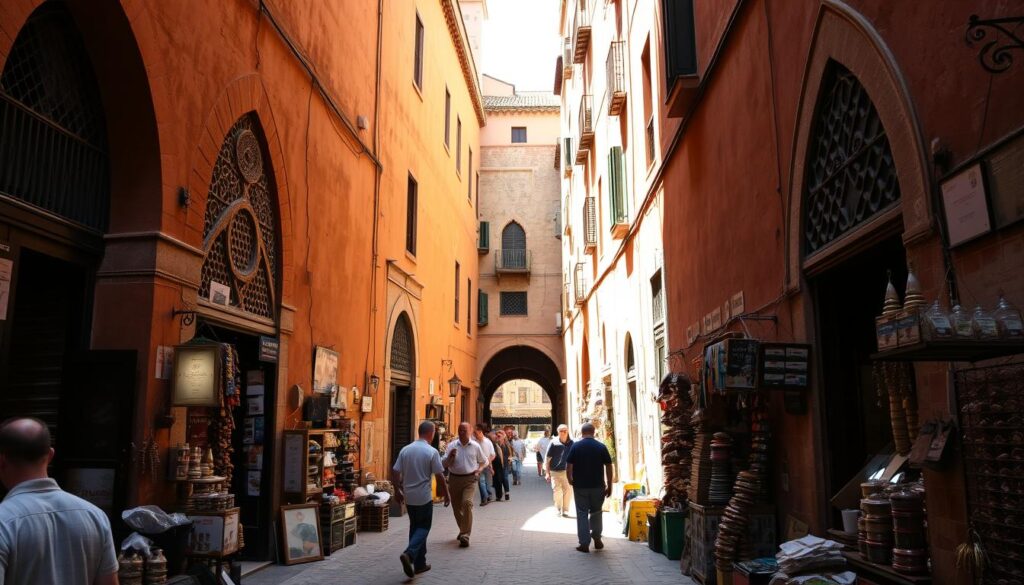
Stepping into Fez Medina, you enter a world where old meets new. It’s the largest car-free urban area globally. This ancient city is a treasure trove of history, culture, and architecture. It’s one of the top tourist attractions in Morocco.
The city’s lack of cars reveals a rich tapestry of Moroccan life. The sounds, smells, and sights take you back in time.
The Founding of Al-Qarawiyyin University
Fez Medina is home to Al-Qarawiyyin University, founded in 859 AD. It’s one of the oldest universities in the world. This historic institution has been a center of learning and culture for centuries.
Scholars from across the Islamic world have been drawn to it. The university’s ancient architecture and rich history make it a popular landmark in Morocco.
The Famous Tanneries and Their Ancient Methods
The tanneries of Fez Medina are a significant attraction. They showcase traditional methods used for centuries. These ancient tanneries highlight the city’s historical importance in the leather trade.
Visitors can witness the fascinating process of leather production. It involves natural dyes and manual labor. The tanneries are a Morocco famous landmark, symbolizing the city’s artisanal heritage.
Navigating the 9,000 Alleyways
Navigating Fez Medina can be challenging due to its labyrinthine layout. It has over 9,000 alleyways. However, this complexity is part of the city’s charm.
Visitors can easily get lost in the narrow streets. They can discover hidden gems and experience the local culture firsthand. To navigate this maze, it’s advisable to hire a local guide or use a detailed map.
Shopping for Authentic Crafts and Souvenirs
Fez Medina is a shopper’s paradise. It offers a wide range of authentic crafts and souvenirs. From intricately designed pottery to handmade textiles, the medina is filled with unique items.
Visitors can explore the various souks (markets) to find the perfect memento. When shopping, be sure to haggle. It’s part of the local culture. Enjoy the warm hospitality of the vendors.
In conclusion, Fez Medina is a captivating destination. It offers a unique blend of history, culture, and tradition. As one of Morocco’s famous landmarks, it’s a must-visit for anyone interested in exploring Moroccan heritage.
The Blue Pearl: Chefchaouen’s Mesmerizing Streets
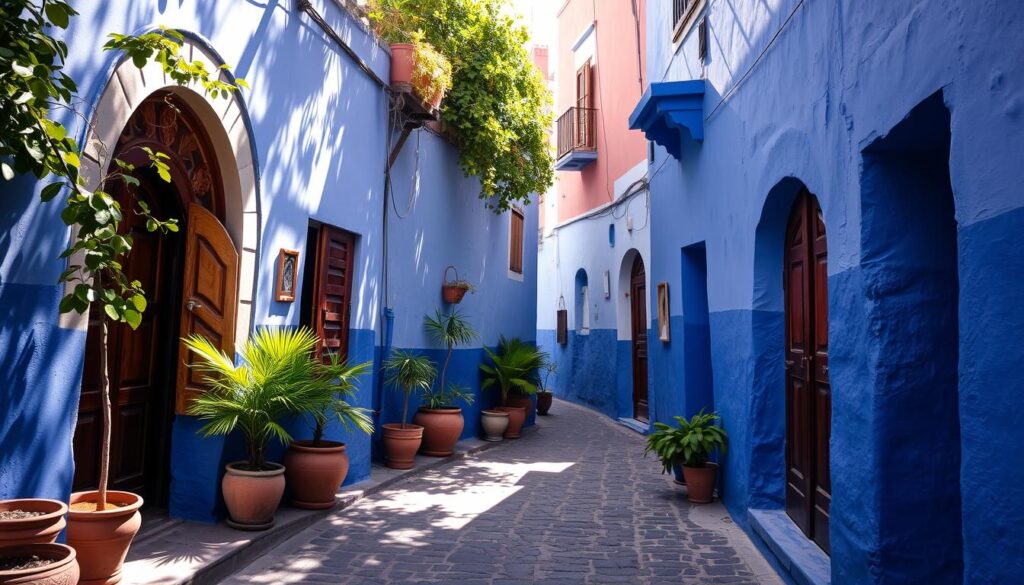
Chefchaouen is a peaceful town in Morocco known for its blue buildings. It’s a calm escape from the busy cities. Located in the Rif Mountains, it’s a top spot for those wanting a special cultural experience.
Theories Behind the Blue Color Tradition
The blue buildings in Chefchaouen are a big draw for visitors. Many theories try to explain why the buildings are blue. Some say it came from Jewish refugees from Spain, who brought their traditions.
- The blue color is thought to symbolize the sky and heaven.
- It may also have been used to repel mosquitoes.
- Another theory suggests it was a sign of prosperity and good luck.
Jewish Influence and Historical Context
Chefchaouen has a deep history, with a strong Jewish heritage. The town was founded in 1471 by Ali ibn Rashid al-Alami, a Muslim leader. Later, it became a safe haven for Jews fleeing the Spanish Inquisition.
This mix of cultures makes Chefchaouen unique and interesting to explore.
The Modern Appeal of the Blue City
Today, Chefchaouen is a famous spot in Morocco. It’s a must-see landmark for anyone visiting. The town’s calm vibe and beautiful nature make it perfect for a peaceful getaway.
Guests can go hiking, check out the local markets, or just enjoy the blue streets.
Photography Spots and Best Viewing Times
For photographers, Chefchaouen is a dream come true. The best times to visit are early morning or late afternoon for the best light.
- Photograph the main square, Plaza de Uta el-Hammam, with its vibrant atmosphere.
- Capture the blue-hued streets and alleys, which offer a myriad of colorful scenes.
- Visit the Spanish Mosque for panoramic views of the town.
Chefchaouen is one of the best places to visit in Morocco. It offers a mix of culture, history, and natural beauty.
Morocco Famous Landmarks from Ancient Civilizations
Exploring Morocco’s ancient landmarks gives us a peek into its rich cultural past. You can see sites from the Roman and Phoenician times. These places show the area’s deep historical roots.
Volubilis: Roman Legacy in North Africa
Volubilis is a top Roman site in North Africa. It gives a unique look at the region’s Roman history. The site is famous for its stunning mosaics and historical value.
Remarkable Preservation of Mosaics
The mosaics at Volubilis are incredibly well-kept. They show mythological scenes and life back then. These mosaics highlight the Roman artists’ skill.
Archaeological Discoveries and Research
Research at Volubilis keeps revealing new things about its ancient people. For more on Volubilis, check out this detailed blog post.
Lixus: The Forgotten Phoenician City
Lixus is an old Phoenician city near Larache today. It’s a key Phoenician site in Morocco. It offers insights into the Phoenician world.
Planning Your Visit to Archaeological Sites
When visiting these sites, pick the best times to avoid crowds and bad weather. Getting a local guide can also help you understand the history better.
| Site | Best Time to Visit | Must-See Attractions |
|---|---|---|
| Volubilis | Early morning or late afternoon | Mosaics, Roman Forum |
| Lixus | Spring or autumn | Phoenician ruins, scenic views |

Ait Ben Haddou: Where History Meets Hollywood
Ait Ben Haddou sits on a hill, showing Morocco’s past and its connection to cinema. This ancient village, or ksar, is a top iconic landmark in Morocco. It draws visitors worldwide with its clay buildings and rich history.
The History of the Fortified Village
The village dates back to the 17th century. It was key for caravans between the Sahara and Marrakech. Its strong walls and strategic spot made it a major trading center. Over time, it has seen many cultures, showing Morocco’s diverse heritage.
Famous Films Shot at this Iconic Landmark
Ait Ben Haddou has been in many films, making it a popular landmark in Morocco. Classics like “Gladiator” and “Lawrence of Arabia” used its buildings for historical scenes. Recently, “Game of Thrones” also filmed here, boosting its fame. For more on these films, check TripSavvy’s guide on Ait Ben Haddou.
Life in the Ksar: Past and Present
Despite looking ancient, people still live in Ait Ben Haddou. They live as the Berbers did, keeping the village real. Visitors can see this firsthand, making it a unique visit.
Day Trips from Marrakech and Overnight Options
Ait Ben Haddou is close to Marrakech, perfect for a day trip or a stay. You can stay in the village or in Marrakech’s luxury hotels. Planning ahead makes your trip to this iconic Moroccan landmark better.
In conclusion, Ait Ben Haddou is a mix of history, culture, and cinema. Its ancient traditions and modern charm make it a highlight in Morocco. It’s great for history lovers, movie fans, or anyone wanting to see Morocco’s heritage. A visit here is unforgettable.
Majorelle Garden: Yves Saint Laurent’s Moroccan Sanctuary
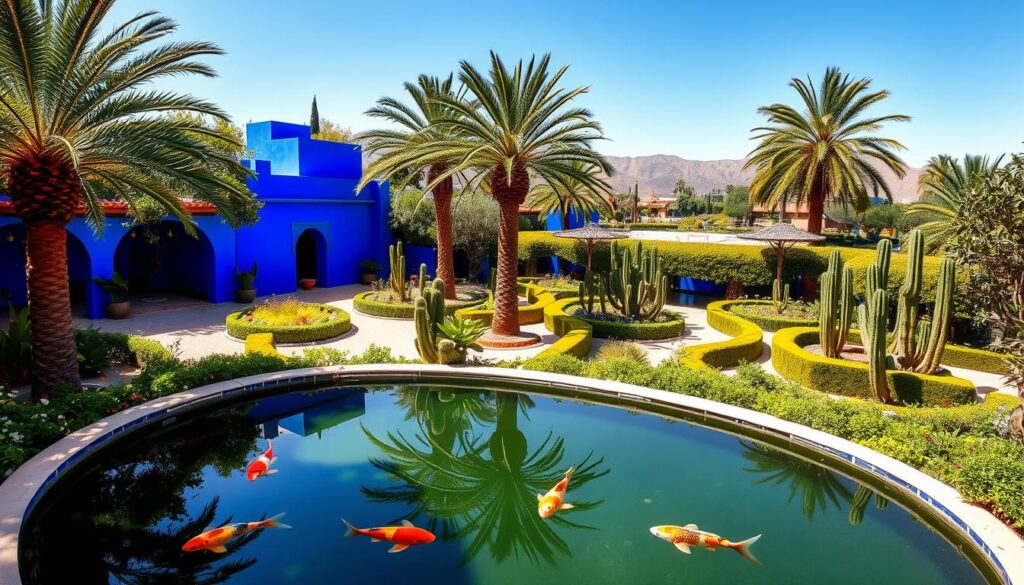
Majorelle Garden is a Moroccan gem loved by Yves Saint Laurent. It’s a mix of modern architecture and beautiful plants. Located in Marrakech, it’s a top spot for anyone visiting Morocco.
Jacques Majorelle’s Original Vision
In the early 1900s, French artist Jacques Majorelle turned a small olive grove into this stunning garden. He wanted to blend art and nature. Today, you’ll see Art Deco buildings, bright blue colors, and exotic plants.
The Rescue and Revival by Fashion Icons
In the 1980s, fashion legends Yves Saint Laurent and Pierre Bergé saved Majorelle Garden. They worked hard to bring it back to life. Their efforts made the garden a cultural gem and a piece of Moroccan history.
The Unique Majorelle Blue and Botanical Collections
The garden’s Majorelle Blue is famous. Jacques Majorelle used it everywhere. It’s a sight to see. The garden also has plants from all over, like cacti and herbs.
The YSL Museum and Combined Ticket Options
There’s also the Yves Saint Laurent Museum nearby. It shows the designer’s life and work. You can buy a ticket that lets you see both places. Majorelle Garden is a favorite among tourists, art fans, and YSL enthusiasts.
Majorelle Garden is perfect for history buffs, architecture lovers, or anyone seeking peace. Its mix of art, culture, and nature is unforgettable.
Coastal Wonders: Morocco’s Maritime Landmarks
Explore Morocco’s coast and discover ancient forts and natural wonders. These landmarks show the country’s rich sea history and its stunning coast.
Essaouira’s Skala de la Ville Fortifications
Essaouira’s Skala de la Ville is a key part of Morocco’s history. Built in the 18th century, it has impressive ramparts and bastions that stand strong today.
Portuguese Military Innovation
The Skala de la Ville shows Portuguese military architecture. It mixes European and Moroccan designs, showing the historical ties between the two.
Game of Thrones Filming Locations
Essaouira, including its Skala de la Ville, was in Game of Thrones. Fans can see the real places where their favorite scenes were filmed.
Legzira Beach’s Natural Stone Arches
Legzira Beach is famous for its natural stone arches. These amazing formations were shaped by the sea and wind, drawing visitors from all over.
Best Seasons for Coastal Exploration
The best time to see Morocco’s coast is in spring and autumn. The weather is nice, and it’s less crowded than in summer.
| Location | Best Time to Visit | Must-See Attractions |
|---|---|---|
| Essaouira | Spring/Autumn | Skala de la Ville, Game of Thrones locations |
| Legzira Beach | Early Morning/Late Afternoon | Natural Stone Arches, Sunset Views |
Natural Monuments: The Dramatic Landscapes of Morocco
Morocco’s natural beauty is stunning, perfect for adventurers and nature lovers. You’ll find many natural monuments that will impress you. These spots are a must-see when you visit.
Todra Gorge: Nature’s Masterpiece
Todra Gorge is a breathtaking sight in Morocco. It has tall cliffs and a calm river. This narrow canyon is great for rock climbing and hiking.
The gorge’s walls are vertical and rise high from the valley. Hiking here, you’ll hear nature’s sounds and feel the calm of the Moroccan wilderness.
The Sahara’s Erg Chebbi Dunes
Visiting Morocco without seeing the Sahara’s Erg Chebbi Dunes is missing out. These iconic sand dunes are over 100 meters high. They’re perfect for camel rides and desert camping.
- See the sunrise over the dunes for a memorable moment.
- Go on a camel ride across the sands for peace.
- Stay in a traditional Berber camp under the stars, with local food and music.
Adventure Tourism and Outdoor Activities
Morocco’s varied landscapes offer many adventure tourism and outdoor activities. You can hike, rock climb, go on desert safaris, or mountain bike. There’s something for every adventurer.
Some top activities include:
- Hiking in the Atlas Mountains or the Sahara Desert.
- Rock climbing in Todra Gorge or the Ourika Valley.
- Camel treks or 4×4 safaris across the Erg Chebbi Dunes.
Whether you’re an experienced adventurer or just want to see Morocco’s beauty, these must-see landmarks will amaze and inspire you.
Conclusion: The Enduring Legacy of Morocco’s Landmarks
Exploring Morocco reveals a wealth of famous landmarks. These sites showcase the country’s rich cultural heritage. From the majestic Hassan II Mosque to the vibrant Jemaa el-Fnaa square, Morocco’s landmarks tell a story of diverse history and cultural influences.
Morocco’s famous landmarks, like the Koutoubia Mosque and Bahia Palace, amaze visitors with their stunning architecture and historical importance. The country’s famous historical sites, including the ancient city of Volubilis and the fortified village of Ait Ben Haddou, give a glimpse into Morocco’s storied past.
Walking through Chefchaouen’s blue-painted streets or marveling at Todra Gorge’s natural beauty, you’ll see Morocco’s unique blend of cultures and landscapes. Moroccan landmarks and monuments are more than tourist spots. They are keys to understanding the country’s complex history and cultural identity.
Whether you’re interested in Morocco’s urban landscapes or its natural wonders, the country’s landmarks will surely impress you. As you plan your trip to Morocco, make sure to see these incredible sites for yourself.




 Covers cities, coast, mountains, desert & food