
Exploring the streets of a Moroccan city is an eye-opening experience. You see the mix of Arabic, Berber, and French cultures everywhere. This mix is what makes the Morocco travel guide a must-have for travelers.
The history of these cities is deep and rich. You can feel it in the old landmarks and the lively souks. Even the calm gardens tell stories of Morocco’s past and its people.
Key Takeaways
- Moroccan cities are a melting pot of cultures, with a unique blend of Arabic, Berber, and French influences.
- The historical significance of these cities is evident in their architecture and landmarks.
- A Morocco travel guide is essential for navigating the complexities of Moroccan urban life.
- The blend of cultures is reflected in the local cuisine and traditions.
- Moroccan cities offer a rich and immersive travel experience.
The Magical Allure of Moroccan Urban Centers
Walking through Morocco’s cities, you find a mix of old and new. The culture here is shaped by African, Arab, and European traditions.
A Fusion of African, Arab, and European Heritage
Moroccan cities are a mix of cultures. You can see this in their buildings, food, and lifestyle. Visit the top cities in Morocco to see it for yourself.
The Geographic Diversity Shaping Urban Development
Morocco’s varied landscapes have shaped its cities. Coastal areas and mountain towns each have their own charm.
| City | Region | Notable Feature |
|---|---|---|
| Marrakech | Desert | Vibrant souks |
| Casablanca | Coastal | Modern architecture |
| Chefchaouen | Mountain | Blue-painted buildings |
Morocco’s cities show the country’s rich history and cultural mix. They are among the most interesting Morocco tourist attractions.
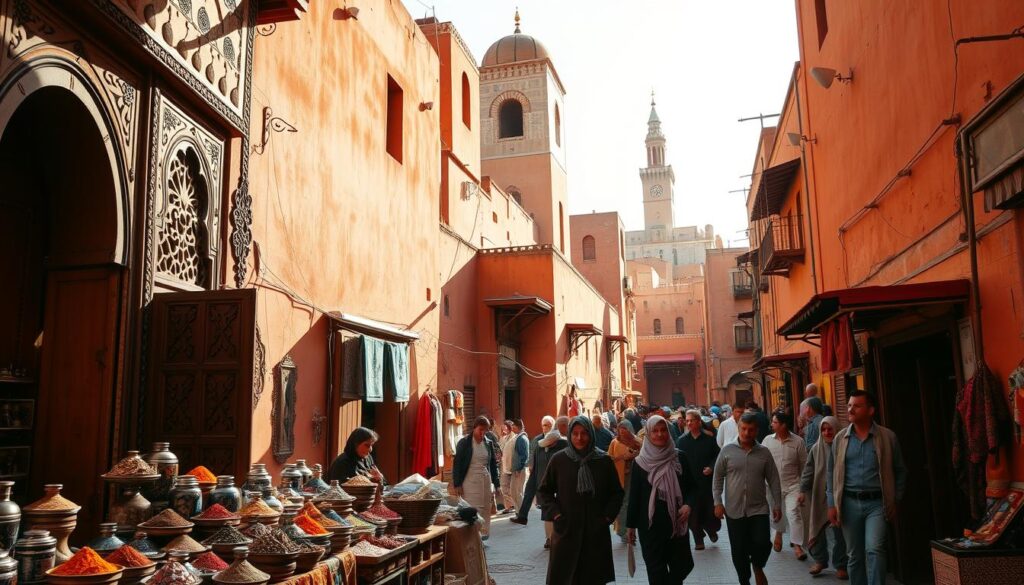
Anatomy of a Morocco City: Key Elements That Define Urban Morocco
Morocco’s cities are known for their rich history, cultural mix, and stunning buildings. As you wander through these cities, you’ll see a mix of old and new. This makes each city special in its own way.
The Medina: Ancient Walled City Centers
The medina is the heart of Morocco’s history. These old cities have narrow streets, historic sites, and lively markets. If you’re on a morocco city tours, don’t miss the medina. It’s where you can truly feel the Moroccan charm.
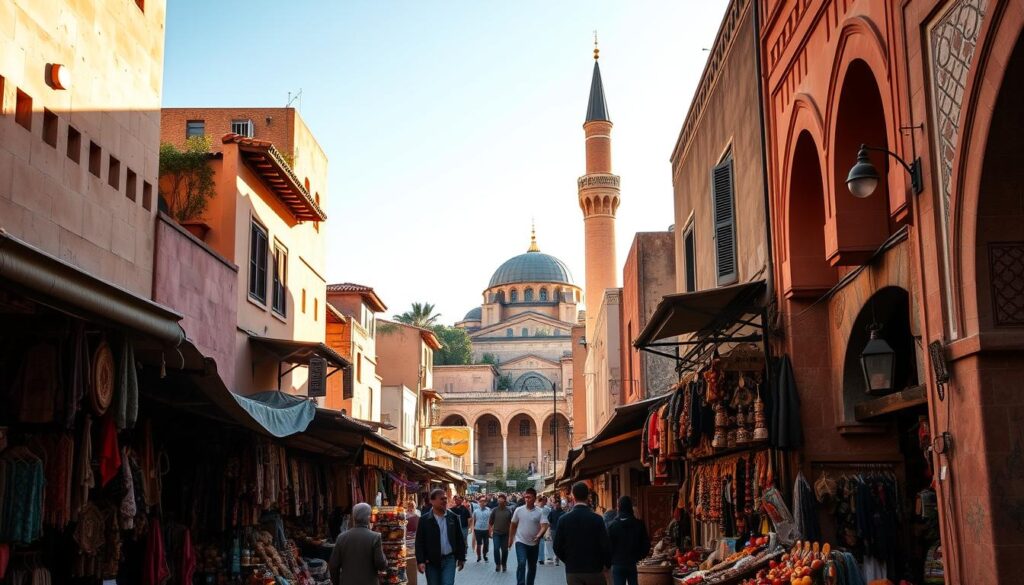
The Ville Nouvelle: French Colonial Influence
The Ville Nouvelle, or new city, was built during the French colonial time. It’s known for its wide streets, Art Deco buildings, and modern comforts. This area shows Morocco’s colonial history and how it shaped the cities.
Modern Districts and Urban Expansion
Moroccan cities are always changing, with new areas popping up. These modern spots have modern buildings, shopping malls, and business areas. Visiting these places gives you a peek into Morocco’s future, making them some of the best places to visit in morocco.
Knowing how a Moroccan city works helps you see its beauty and complexity. From the old medinas to the new areas, each part adds to the rich story of urban Morocco.
The Ancient Medinas: Living Museums of History
The medinas of Morocco are more than old city centers. They are vibrant, living museums that show the country’s rich heritage. As you explore these ancient walled cities, you’ll find a world of history, culture, and tradition.
Labyrinthine Streets and Their Historical Purpose
The medinas have narrow, winding streets. These streets were made to protect residents from invaders and harsh weather. Now, they show the cleverness of ancient urban planning.
- Navigation was challenging, but it provided security.
- The narrow streets helped to keep the medina cool in the summer.
- They also fostered a sense of community among residents.
UNESCO World Heritage Status and Preservation Efforts
Many of Morocco’s medinas are UNESCO World Heritage Sites. This recognition has led to more efforts to preserve these ancient areas.
Preservation efforts include:
- Restoration of ancient buildings and walls.
- Improvement of infrastructure without compromising historical integrity.
- Promotion of cultural heritage through tourism.
Fes Medina: The World’s Largest Car-Free Urban Area
Fes Medina, also known as Fes el-Bali, is one of the oldest and largest car-free urban areas in the world. It’s a fascinating place to explore, with its ancient mosques, traditional schools, and bustling markets.
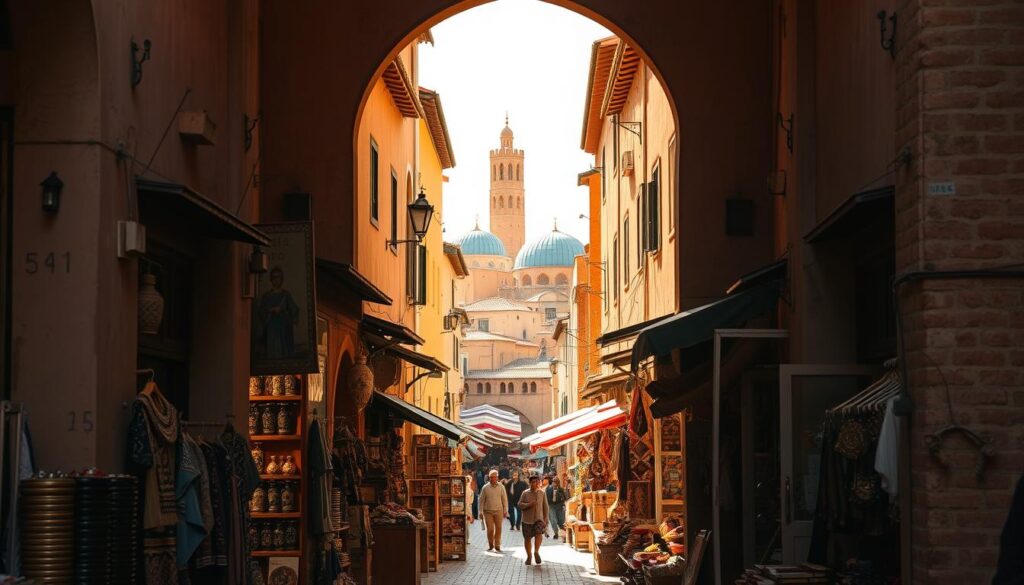
Marrakech Medina is another iconic medina in Morocco, boasting a thousand years of history. From the vibrant Jemaa el-Fnaa square to the serene Majorelle Garden, Marrakech Medina is a must-visit destination on any morocco vacation destinations list.
Architectural Treasures That Captivate Visitors
Walking through Morocco’s cities, you see amazing buildings that show the country’s rich culture. The mix of African, Arab, and European styles creates a unique look. It’s both stunning and inspiring.
Riads: Traditional Moroccan Houses with Interior Gardens
Riads are old Moroccan homes with beautiful gardens inside. They often have intricate Zellige tilework and carved stucco. These homes are peaceful spots in the busy city.
Mosques and Minarets: Islamic Architectural Marvels
Mosques and minarets are key parts of Moroccan cities. They show Islamic architectural excellence. The minarets, tall and thin, guide people to prayer.
Kasbahs and Fortifications: Defensive Structures
Kasbahs are strong buildings that were important in Morocco’s past. They were used for defense and as government centers. The work on them, like carved cedar wood and detailed stonework, is impressive.
The Intricate Art of Zellige Tilework
Zellige tilework is a big part of Moroccan art. It uses geometric patterns and bright colors. Making it requires a lot of skill and care.
Carved Stucco and Cedar Wood Craftsmanship
Carved stucco and cedar wood are common in Moroccan buildings. They add ornate details to the structures. The skill in making these is highly valued, with many families keeping these traditions alive.

The Vibrant Souks: Shopping in Sensory Wonderlands
As you explore Morocco’s cities, you’ll find the souks. These markets are full of life and color. They’re not just places to buy things; they’re an adventure for your senses.
Organization by Trade and Craft
The souks are set up by type of product. You’ll see sections for textiles, spices, and metalwork. This makes it easy to find what you need.
Artisanal Products and Traditional Craftsmanship
The souks are famous for their handmade goods. You can find everything from beautiful carpets to unique jewelry. These items show the talent of Moroccan artisans.
The Art of Haggling: A Cultural Experience
Haggling is a big part of shopping in the souks. It’s not just about the price. It’s a way to connect with the culture. You can learn more about haggling on websites like https://matias-travel.com/best-souks-in-marrakech/.
What to Buy: From Carpets to Spices
The souks have lots of things to buy. You can find everything from fancy carpets to tasty spices. Popular items include traditional clothes, handmade crafts, and local treats.
| Product | Description | Price Range |
|---|---|---|
| Carpets | Handwoven wool carpets | $50-$500 |
| Spices | Aromatic spice blends | $5-$20 |
| Handicrafts | Intricately designed crafts | $10-$100 |
Marrakech: The Iconic Red City
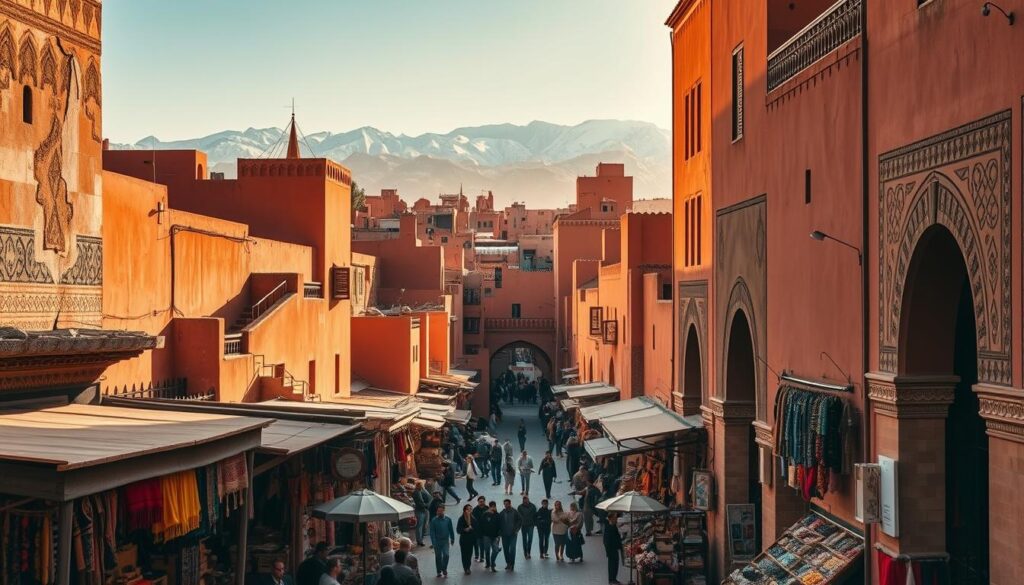
Marrakech, known as the Red City, is a vibrant morocco vacation destination. It captivates visitors with its rich history and cultural heritage. As you wander through its streets, you’ll discover a city that is both ancient and alive with modern energy.
Jemaa el-Fnaa: The Famous Square and Cultural Hub
Jemaa el-Fnaa is the heart of Marrakech, a bustling square that has been the city’s main gathering place for centuries. Here, you can experience the city’s vibrant culture firsthand. Street performers, food stalls, and local artisans create an unforgettable atmosphere. As Yves Saint Laurent once said, “Marrakech is a place that makes you want to devour life, to savor every moment.”
“Marrakech is a dream, a dream that one wants to relive every moment, to savor every pleasure.”
The Majorelle Garden and Yves Saint Laurent Museum
The Majorelle Garden is a serene oasis in the midst of the bustling city. It features stunning gardens and an impressive collection of art and artifacts. The adjacent Yves Saint Laurent Museum showcases the famous designer’s inspirations and creations, reflecting the deep connection he felt with Marrakech. This blend of natural beauty and artistic expression makes Marrakech one of the top cities in morocco for cultural enthusiasts.
Royal Palaces and Historic Monuments
Marrakech is also home to numerous royal palaces and historic monuments. The Bahia Palace and the Koutoubia Mosque are just a few examples. These sites offer a glimpse into the city’s past, showcasing the craftsmanship and artistry that have defined Marrakech over the centuries. As a visitor, exploring these landmarks is an essential part of experiencing the full depth of Marrakech’s cultural identity.
Fes: The Intellectual and Spiritual Center
When you arrive in Fes, you feel a mix of learning and spiritual growth. This old city is filled with Morocco’s most important historical and cultural spots.
Al Quaraouiyine: The World’s Oldest University
The University of Al Quaraouiyine is at the heart of Fes’s learning scene. It’s the oldest university still open today. Started in 859 AD, it draws scholars from all over, showing its deep history and beauty.
The Famous Tanneries: Ancient Leather Production
Fes is known for its old tanneries, where leather making has stayed the same for ages. These tanneries show the city’s industrial past. Visitors can see how leather is made, giving a peek into the city’s craft traditions.
Religious Significance and Sacred Sites
Fes is full of mosques, madrasas, and other places of worship. These sites highlight the city’s spiritual role. They show Fes’s importance in Islamic learning and culture.
Key Highlights of Fes:
- Rich intellectual and spiritual heritage
- Historic University of Al Quaraouiyine
- Ancient tanneries showcasing traditional crafts
- Numerous religious sites and sacred landmarks
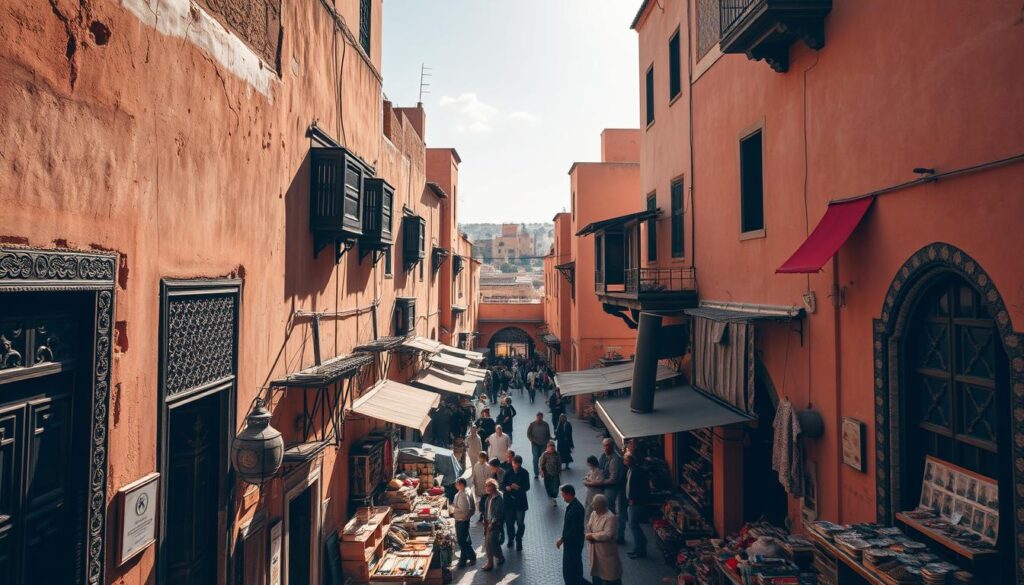
Fes is a special place that mixes learning and spirituality. It’s a key spot on any Morocco travel guide. You can explore ancient universities, see traditional crafts, or visit sacred places. Fes offers a memorable experience that will stay with you.
Casablanca: Morocco’s Modern Economic Powerhouse
Casablanca is a city of contrasts, where old traditions meet new dreams. It’s a place of architectural styles, cultural experiences, and economic growth. This makes Casablanca a top spot on any Morocco city list.
Hassan II Mosque: Architectural Wonder by the Sea
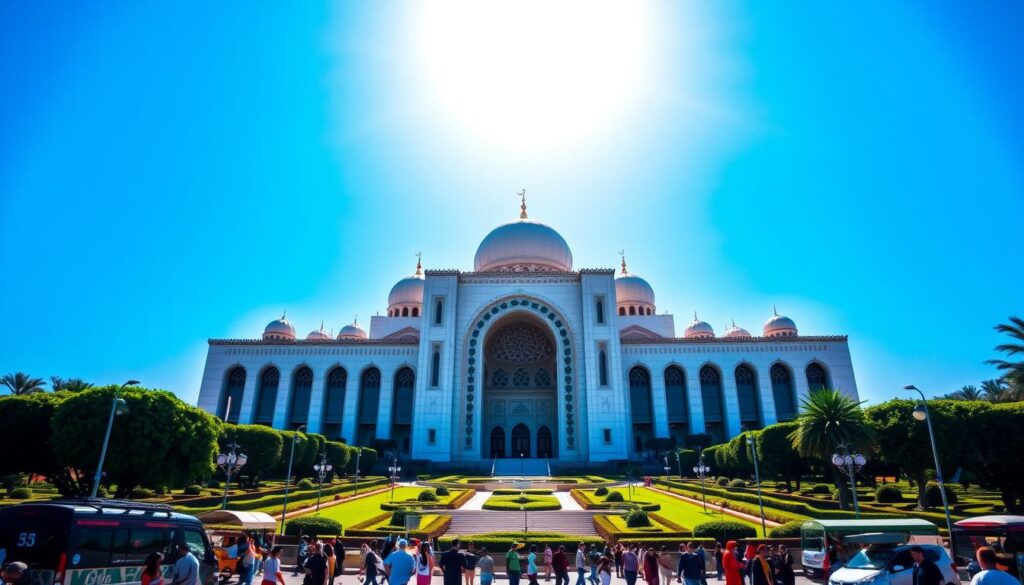
The Hassan II Mosque is a key landmark in Casablanca. It’s one of the most stunning mosques globally. Built over the sea, it shows off Moroccan craftsmanship and design. Its 210-meter minaret is a sight to behold, drawing visitors worldwide.
Art Deco Architecture and Colonial Heritage
Casablanca’s buildings reflect its Art Deco heritage from the French colonial era. The Ville Nouvelle area is filled with these structures. They feature geometric shapes, metallics, and detailed designs. Walking through these areas feels like a Morocco city break, blending cultures.
Contemporary Urban Life and Business Districts
Today, Casablanca is a bustling economic center. It has modern business areas and a lively urban scene. The city’s financial importance is clear in its Casablanca Finance City, drawing global businesses. This mix of old and new makes Casablanca exciting to explore.
| Economic Indicator | Description | Significance |
|---|---|---|
| Casablanca Finance City | A financial hub attracting international businesses | Boosts Morocco’s economic growth |
| Port of Casablanca | One of the busiest ports in Africa | Facilitates trade and commerce |
| Industrial Zones | Areas dedicated to manufacturing and production | Supports local and international trade |
Casablanca shows Morocco’s economic drive and ability to mix tradition with innovation. It’s a city that offers something for everyone, from history to business. Casablanca is a must-see on any Morocco city break.
Chefchaouen: The Blue Pearl of the Rif Mountains
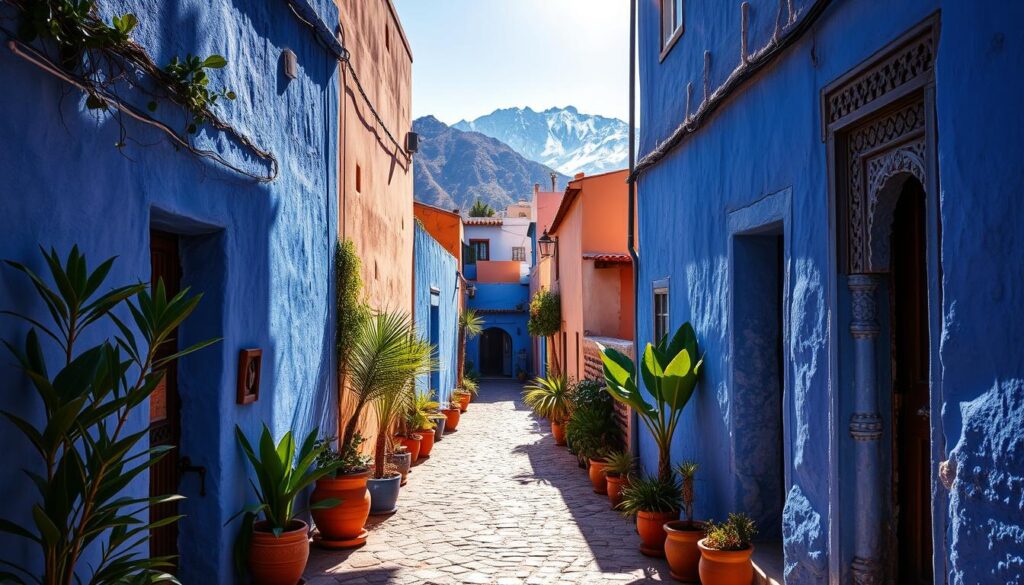
Chefchaouen is a hidden gem for those looking for something different. It’s in the Rif Mountains and is famous for its blue buildings. Walking through its streets, you’ll see houses painted in blue, creating a magical feel. It’s a top spot among morocco tourist attractions.
Theories Behind the Iconic Blue Walls
The story of Chefchaouen’s blue walls is intriguing. Some say Jewish refugees from Spain brought the blue. Others think it was to keep mosquitoes away. But the blue walls are now a key part of Chefchaouen’s charm, making it a standout best places to visit in morocco.
Mountain Setting and Unique Atmosphere
Chefchaouen sits in the Rif Mountains, offering breathtaking views. It’s a peaceful place away from city noise. Exploring Chefchaouen, you’ll find a calm that contrasts with Morocco’s lively cities. For more on Morocco’s spots, check out Morocco’s Destination Guides.
Artisanal Crafts and Local Specialties
Chefchaouen is also known for its crafts and food. You can find unique items like textiles and pottery. The local food, made with fresh ingredients, is a must-try. Chefchaouen is a treasure among morocco’s cultural treasures.
“Chefchaouen’s blue walls and mountainous setting make it a captivating destination that combines natural beauty with cultural richness.”
Culinary Journey Through Moroccan Cities
As you explore Morocco’s cities, the smells of local food draw you in. Moroccan cities mix old flavors with new twists. This makes for a rich food experience.
Street Food Culture and Local Delicacies
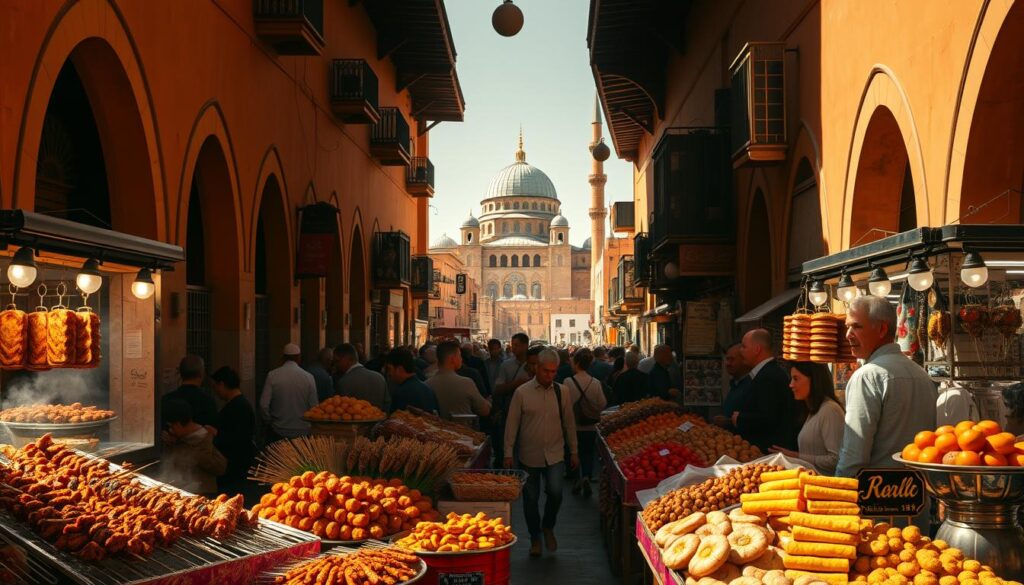
Street food is big in Morocco. Vendors sell tasty treats like msemen (square pancakes) and grilled meats skewers. They’re all flavored with special spices.
Traditional Restaurants and Dining Customs
Traditional Moroccan restaurants are in old riads. They offer a real taste of Morocco. You can try tagine and couscous in a setting that shows off the country’s culture.
Tagine: The National Dish in Regional Variations
Tagine is a slow-cooked stew cooked in a special pot. You can find chicken tagine with lemons and olives, or lamb with prunes.
Couscous: Friday Tradition and Family Gatherings
Couscous is a big deal in Morocco, especially on Fridays. It’s a family dish made from semolina flour. It’s served with veggies and meat.
| Dish | Region | Description |
|---|---|---|
| Chicken Tagine | Marrakech | Slow-cooked chicken with preserved lemons and olives |
| Lamb Tagine | Fes | Lamb cooked with prunes and spices |
| Couscous | Various | Semolina flour dish served with vegetables and meat |
Cooking Classes for Visitors
Want to learn about Moroccan food? Take a cooking class. Riads and schools teach you to make traditional dishes. For more on Moroccan food, check out https://passingthru.com/culinary-journeys-through-morocco/.
Cultural Experiences Unique to Moroccan Urban Life
Walking through Morocco’s cities, you’re surrounded by a world of culture. The smells of food and the sounds of prayer fill the air. Every moment is a treat for your senses.
The Art of Mint Tea and Café Culture
Mint tea in Morocco is more than a drink; it’s a sign of welcome and friendship. Sipping it in a traditional café, you join a long tradition of togetherness. Café life in Morocco is lively, with people chatting, doing business, and enjoying the view.
Hammams: Traditional Public Baths
Visiting a hammam is a key Moroccan experience. These baths mix relaxation with socializing. As you clean your body and mind, you dive into a tradition that’s been part of Moroccan life for ages.
Music Traditions from Andalusian to Gnawa
Morocco’s cities buzz with music. You’ll hear everything from Andalusian classics to Gnawa’s heartfelt tunes. Exploring the cities, you might find street musicians showing off Morocco’s musical variety.
Seeing these cultural practices up close makes morocco city tours special. Whether you’re in an old medina or a modern riad, you’re experiencing the heart of morocco city life.
Festivals and Celebrations That Transform City Streets
Morocco’s cities burst with life during festivals and celebrations. These events show off the country’s rich culture. They draw tourists and give a peek into local traditions, making Morocco’s top cities stand out.
Religious Celebrations: Ramadan and Eid
Religious events are key in Moroccan culture. During Ramadan, cities feel special. People come together for iftar and enjoy evenings in mosques and homes.
The Eid celebrations that follow are filled with feasting, gifts, and prayers. They add to the cultural richness of Morocco’s tourist attractions.
Cultural and Music Festivals
Moroccan cities also host cultural and music festivals. These events celebrate the country’s diverse heritage. They feature traditional music, folk performances, and contemporary art.
Fes Festival of World Sacred Music
The Fes Festival of World Sacred Music is a highlight. It brings musicians from all over to perform sacred music. This festival shows the power of music and Fes’s role as a cultural hub.
Marrakech Popular Arts Festival
The Marrakech Popular Arts Festival focuses on Moroccan folk arts. It includes performances, exhibitions, and workshops. This festival highlights Marrakech’s lively culture and makes it a top Morocco tourist attraction.
Where to Stay: Accommodation Options in Moroccan Cities
Planning your Morocco city break means picking the right place to stay. Moroccan cities have many choices for all tastes and budgets.
Authentic Riad Experiences in the Medina
Stay in a riad in the old medinas for a real Moroccan feel. These houses have gardens inside and mix old charm with today’s comforts. They keep their original look but add modern touches.
Luxury Hotels and Modern Amenities
For luxury, Moroccan cities have top hotels with modern perks. They offer great food, spas, and more for a comfy stay. Check out Rough Guides for more on luxury stays.
Budget-Friendly Options for Travelers
Travelers on a budget can find hostels and guesthouses. These places are cheap and let you meet others and see local life.
No matter what you want, Morocco’s cities have it. From riads to luxury hotels and hostels, there’s something for everyone. Your Morocco vacation destinations will be memorable.
Practical Travel Tips for American Visitors
Morocco is a treasure trove of culture for American travelers. Knowing local customs can make your trip even better. As you explore Morocco’s cities, being ready for the unique challenges and opportunities will make your journey more fun.
Getting Around: Transportation Options
Morocco’s cities are easy to get around with many transport options. You can take taxis, buses, or use ride-sharing services. For longer trips, trains or domestic flights are convenient. For a real experience, walk or rent a car to find hidden spots.
Safety Considerations and Cultural Etiquette
Morocco is safe, but stay cautious to protect yourself and your stuff. Be aware of local customs, especially in mosques or rural areas. Dress modestly and respect traditions to avoid any misunderstandings.
Money Matters: Currency and Payment Methods
The Moroccan dirham is the local money. You can exchange it when you arrive or get dirhams from ATMs. Credit cards work in big cities, but cash is better in small towns and souks.
Tipping Customs in Moroccan Cities
Tipping is common in Morocco. Tip 10% in restaurants and cafes for good service. Give 50-100 dirhams a day to tour guides.
Dealing with Persistent Vendors
In souks, vendors might approach you. Politely say no if you’re not buying. For tips on navigating Moroccan cities, check Morocco Travel Resources.
| Transportation | Cost | Tips |
|---|---|---|
| Taxis | 10-20 dirhams | Agree on the fare before you start your journey. |
| Buses | 3-5 dirhams | Use local buses for an authentic experience. |
| Trains | 50-200 dirhams | Book in advance for comfort and availability. |
Day Trips from Major Moroccan Cities
Staying in Marrakech, Casablanca, Fes, or Chefchaouen? There are many day trips to explore. Morocco’s varied landscapes offer exciting experiences just outside the city.
Desert Excursions from Marrakech
One top day trip from Marrakech is to the Merzouga Dunes. Here, you can ride camels on golden sands. Watch the sunset and spend the night under the stars.
Coastal Escapes from Casablanca
For a coastal break, visit El Jadida from Casablanca. This town has a lovely beach, a Portuguese fort, and a scenic harbor. Don’t miss the Cité Portugais for history.
Mountain Adventures from Fes and Chefchaouen
Nature fans and adventurers, take a day trip to the Atlas Mountains from Fes or Chefchaouen. See Berber villages, hike scenic valleys, and enjoy mountain views. For a calm trip, visit Tangier from Chefchaouen, with its beaches and history.
| City | Day Trip Destination | Main Attractions |
|---|---|---|
| Marrakech | Merzouga Dunes | Camel rides, desert sunset, stargazing |
| Casablanca | El Jadida | Beach, Portuguese fort, Cité Portugais |
| Fes/Chefchaouen | Atlas Mountains/Tangier | Berber villages, hiking, beaches, historical sites |
Conclusion: The Enduring Charm of Morocco’s Urban Treasures
Exploring Morocco’s cities reveals a rich mix of cultures, histories, and architectural styles. Each city has its own unique charm, from ancient medinas to modern districts. Morocco’s cities captivate visitors with their vibrant souks, stunning architecture, and lively atmosphere.
Morocco’s cities are a blend of African, Arab, and European influences, creating a unique cultural identity. Cities like Marrakech, Fes, and Casablanca are major tourist attractions. They offer a glimpse into Morocco’s past and present. Leaving Morocco, you’ll carry memories of its urban wonders, inviting you to return and explore more.



 Covers cities, coast, mountains, desert & food