Embarking on a Morocco backpacking itinerary is an adventure that promises an unparalleled blend of vibrant culture, ancient history, and mouthwatering culinary experiences. For culture and food lovers especially, Morocco offers a sensory overload in the best possible way. This guide will help you craft an unforgettable journey, focusing on practical planning and maximizing your exposure to the country’s rich traditions and incredible flavors, ensuring your trip is not just a vacation, but a deep dive into the heart of North Africa. From navigating bustling souks to savoring tagines prepared with generations of expertise, every decision in your Morocco backpacking itinerary should enhance your cultural and gastronomic exploration.
Crafting Your Ideal Backpacking Loop: Marrakech to the Desert and Beyond
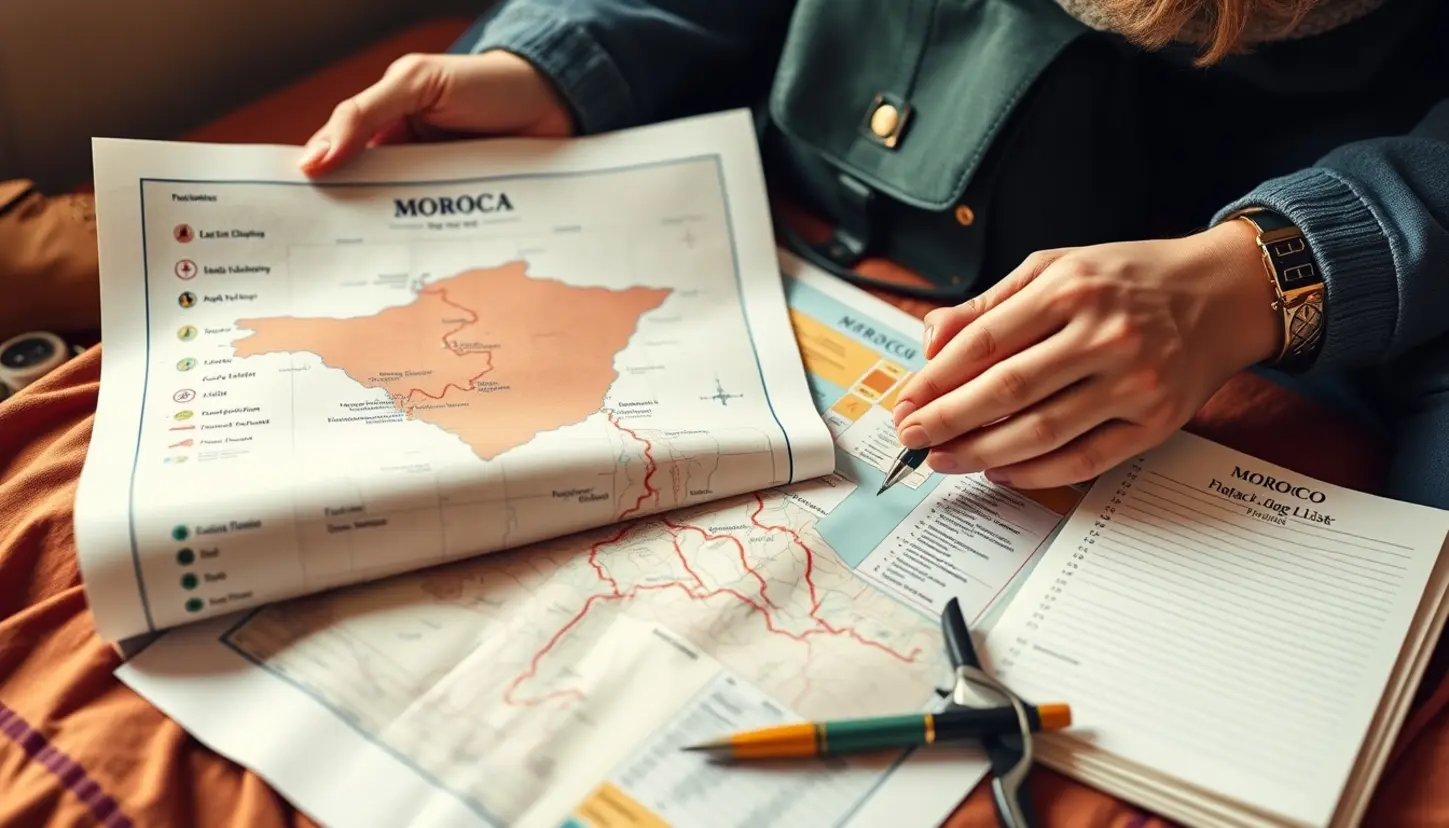
When designing a Morocco backpacking itinerary, especially for those prioritizing cultural immersion and culinary delights, a classic loop starting and ending in Marrakech often proves most efficient. Marrakech, with its chaotic yet captivating Djemaa el-Fna, serves as an excellent starting point to acclimatize and plunge headfirst into Moroccan life. From here, you can easily venture into the Atlas Mountains, experience the magic of the Sahara, and then loop back, perhaps veering off towards a different coastal city or mountain town depending on your interests and available time. This structure allows for a logical progression, gradually unfolding different facets of Morocco, from its imperial cities and desert landscapes to its coastal charm and Berber villages. Thinking about transport links and practical routing now will save you precious travel time and help you budget effectively for the journey ahead.
Immersing in Moroccan Flavors: A Street Food-Focused Itinerary
For the food lover, Morocco is a paradise, and your backpacking itinerary should heavily feature its incredible street food. Beyond the well-known tagine and couscous, each city and region boasts its own culinary specialties. In Marrakech, the Djemaa el-Fna transforms nightly into a colossal outdoor restaurant where you can sample everything from snail soup and harira to grilled meats and pastilla. Fes offers a different gastronomic journey with its medina’s hidden eateries and traditional pastries. When planning your route, consider how you can dedicate specific time to food tours, cooking classes, or simply wandering through markets to discover local snacks and delicacies. Look for opportunities to eat where the locals eat – often the most authentic and delicious experiences. Exploring the food culture is an integral part of understanding Moroccan society, reflecting its history, geographical influences, and hospitality.
Navigating Transport & Accommodation for Culture & Food Seekers
Efficient transport and strategic accommodation are crucial for a smooth Morocco backpacking itinerary. For budget-conscious travelers, Morocco offers an excellent network of intercity buses, notably CTM and Supratours, which are comfortable, reliable, and cover most major destinations. For shorter distances or if you’re traveling in a small group, shared grand taxis can be cost-effective and provide a more local experience, though comfort can vary. Within cities, Petit Taxis are readily available and affordable. For accommodation, riads are an absolute must for culture lovers. These traditional guesthouses, often tucked away in the medinas, offer an authentic experience with beautiful courtyards, intricate decor, and often home-cooked breakfasts. Staying in a riad also provides a personal touch, allowing you to interact with local hosts who can offer invaluable advice on everything from hidden eateries to cultural etiquette. Hostels are also abundant, especially in tourist hubs, and are great for meeting other backpackers. When booking, consider proximity to the medina or key attractions, as this impacts both convenience and food access.
Budgeting Your Backpacking Adventure: Maximizing Experiences
A well-planned budget is key to enjoying your Morocco backpacking itinerary without financial stress. Morocco is generally an affordable destination for backpackers, but costs can quickly add up if not managed. Your biggest expenses will likely be accommodation, transportation, and activities. Prioritize staying in riads or reputable hostels, which offer good value. For food, embrace street eats and local restaurants; this not only saves money but also provides a more authentic culinary experience than tourist-trap restaurants. Desert tours, especially those extending over multiple days, will be one of your more significant activity expenses, so research and book these in advance with reputable operators. Bargaining is commonplace in souks and part of the cultural experience, but always do so politely and with a smile. Factor in a daily allowance for treats, small purchases, and unexpected opportunities. A good guideline for a comfortable backpacking experience, excluding flights, might be around $30-50 USD per day, depending on your choices regarding comfort and activities.
Packing Smart: Essentials for the Moroccan Backpacker
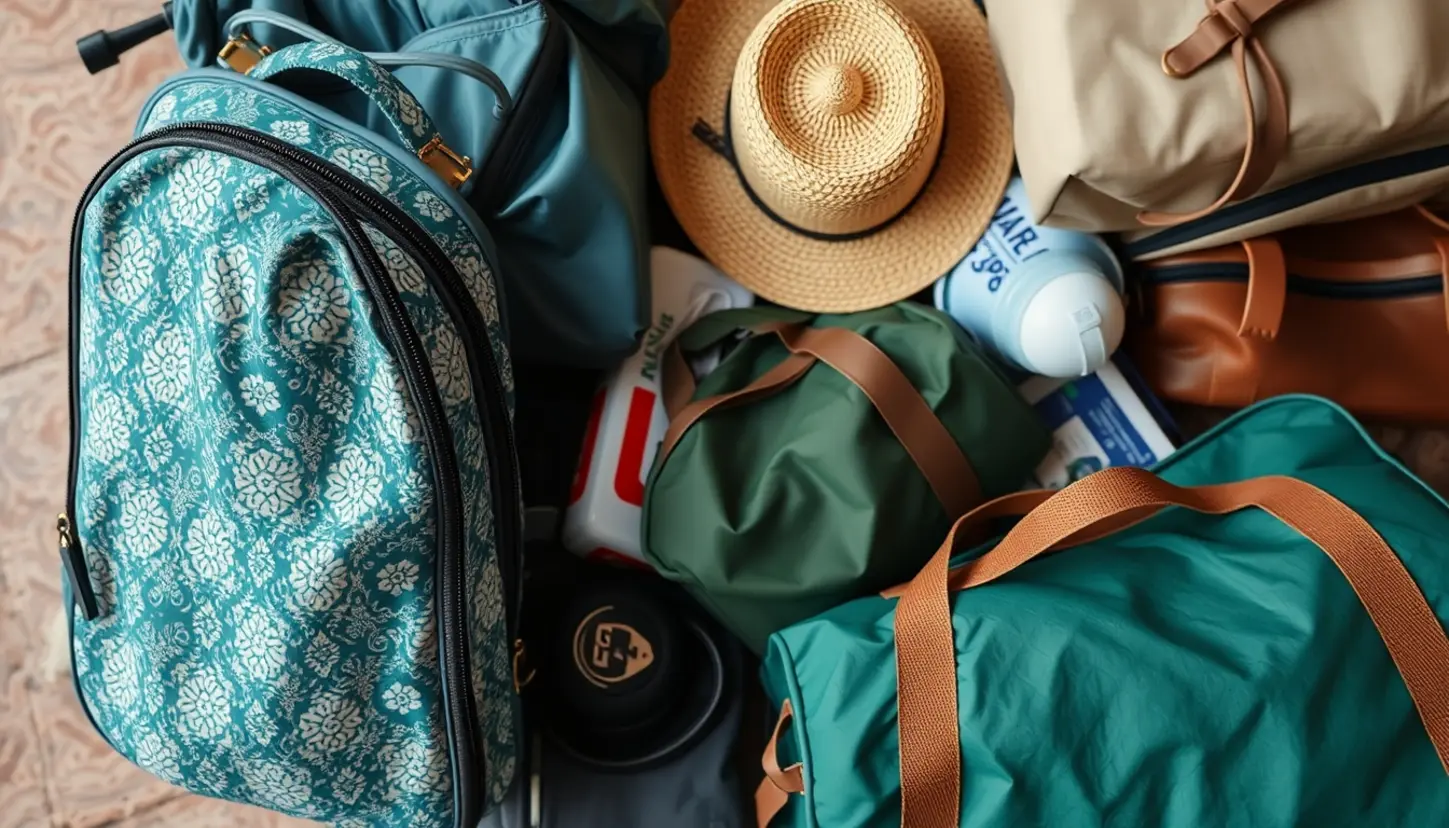
Packing for a Morocco backpacking itinerary requires a thoughtful approach, balancing practicality with cultural sensitivity. Given that you’ll be immersed in markets and traditional settings, modest clothing is advisable for both men and women. Loose-fitting trousers, long skirts, and tops that cover shoulders and cleavage are respectful and comfortable in the Moroccan climate, particularly in religious sites. A lightweight scarf is versatile for women, usable as head covering, sun protection, or added warmth. Comfortable walking shoes are non-negotiable for navigating ancient medinas and uneven terrain. Don’t forget a small daypack for daily excursions, a reusable water bottle to stay hydrated, and essential toiletries. Sun protection (hat, sunglasses, high SPF sunscreen) is crucial, especially in the desert and during warmer months. Consider a universal adapter, a portable power bank, and a basic first-aid kit. Finally, embrace the concept of layers, as temperatures can fluctuate significantly between day and night, particularly in the desert regions and during cooler seasons.
Mastering Cultural Etiquette and Food Safely
To truly appreciate your Morocco backpacking itinerary, understanding and respecting local customs is paramount. Politeness, patience, and a friendly demeanor go a long way. Always ask permission before photographing people, especially women. When invited for tea, accept graciously; it’s a sign of hospitality. Learn a few basic Arabic or Darija phrases like “Salam Alaikum” (hello) and “Shukran” (thank you); locals appreciate the effort. Regarding food, while street food is a highlight, exercise caution. Choose vendors with high turnover, where food is cooked fresh and served hot. Opt for bottled water or purified water from reliable sources. Wash your hands frequently, and if you’re prone to a sensitive stomach, consider bringing some electrolyte sachets or activated charcoal. Embrace the experience of eating with your hands where appropriate, particularly when sharing communal dishes like tagine or platter-style meals – just remember to use your right hand. Understanding the nuances of interaction and food preparation will significantly enhance your cultural and culinary journey.
Unmissable Experiences: Beyond the Typical Tourist Trail
While the major cities are incredible, a truly enriching Morocco backpacking itinerary for culture and food lovers should include experiences beyond the popular tourist routes. Consider a visit to a local hammam for a traditional public bath experience, which is both relaxing and a deep dive into Moroccan self-care rituals. Seek out smaller, local markets (souks) in less frequented towns to witness daily life and find unique crafts and spices away from the tourist crush. For foodies, don’t just eat at a restaurant, try a cooking class. Many riads and specialized centers offer excellent classes, allowing you to learn the secrets behind popular dishes like a traditional morocco backpacking itinerary tagine or Moroccan pastries. Exploring small Berber villages in the Atlas Mountains will offer insights into local life, traditional architecture, and a different style of cooking, often relying on local produce. This deeper exploration will undoubtedly give you a more authentic and rewarding experience. Also, don’t miss out on exploring the vibrant history of Morocco, for more general advice consider looking at Morocco street food for further guidance.
Conclusion
This comprehensive guide should equip you with the essential knowledge to plan an extraordinary Morocco backpacking itinerary, especially if your heart beats for authentic culture and incredible cuisine. From the moment you land to your final departure, strategic planning can transform a simple trip into a profound journey of discovery. By focusing on efficient routing, mindful budgeting, cultural immersion, and adventurous eating, your Moroccan adventure will be rich, memorable, and deeply satisfying. Get ready to embrace the magic of Morocco, one delicious bite and fascinating encounter at a time.
FAQs
What’s the best time of year for a Morocco backpacking itinerary focused on food and culture?
The best times to visit are spring (March to May) and autumn (September to November). During these seasons, the weather is pleasantly mild, making it ideal for exploring bustling medinas, hiking in the Atlas Mountains, and enjoying outdoor dining without the extreme heat of summer or the chill of winter, especially in the desert.
Is it safe for a solo female traveler to follow a Morocco backpacking itinerary?
Morocco is generally safe for solo female travelers, but it’s essential to exercise common sense and be aware of your surroundings. Dress modestly, especially when navigating busy areas, avoid walking alone at night in dimly lit areas, and be firm but polite if approached by touts. Staying in reputable riads or hostels and planning your transportation in advance can enhance your safety and comfort significantly.
How much local currency (Dirhams) should I carry daily?
While major cities have ATMs, it’s always advisable to carry a good amount of Moroccan Dirhams for street food, small purchases, tips, and transportation, especially when venturing into smaller towns or rural areas where card payments are less common. A conservative estimate for daily cash needs, outside of pre-booked tours and accommodation, would be around 200-400 DH (about $20-40 USD) per person, allowing for meals, local transport, and incidental expenses.
Should I book all my accommodations and tours in advance for my Morocco backpacking itinerary?
For peak season travel or if you have specific riads or tours in mind, booking accommodation and popular tours (like desert trips) in advance is highly recommended to secure your preferred options and potentially better rates. For more flexibility, especially during the shoulder seasons, you can book a few days in advance or even upon arrival, particularly for hostels. Transport (intercity buses) can often be booked a day or two before departure without issue.



 Covers cities, coast, mountains, desert & food