
Stepping into Casablanca’s historic medina is like entering a vibrant, living museum, a stark contrast to the city’s modern façade. Here, amidst the labyrinthine alleys and bustling souks, you truly discover authentic Moroccan culture Casablanca. It’s a place where centuries-old traditions flourish, where the scent of spices mingles with the calls of street vendors, and where every corner tells a story. This guide will help you navigate the heart of Casablanca’s heritage, offering insights into the customs, crafts, and community spirit that define this often-overlooked cultural gem.
Unpacking the Medina’s Historical Layers: A Glimpse into Old Casablanca
Casablanca, often celebrated for its Art Deco architecture and modern vibrancy, holds a profound historical core within its ancient medina. This isn’t the romanticized, sprawling medina of Fez or Marrakech, but a more authentic, local experience, less polished for tourists and more reflective of daily Moroccan life. The old medina, or “Derb Moulay Cherif” as it’s locally known, predates much of the city’s 20th-century expansion. It’s a place where families have lived for generations, their homes stacked closely together, creating a dense urban fabric.
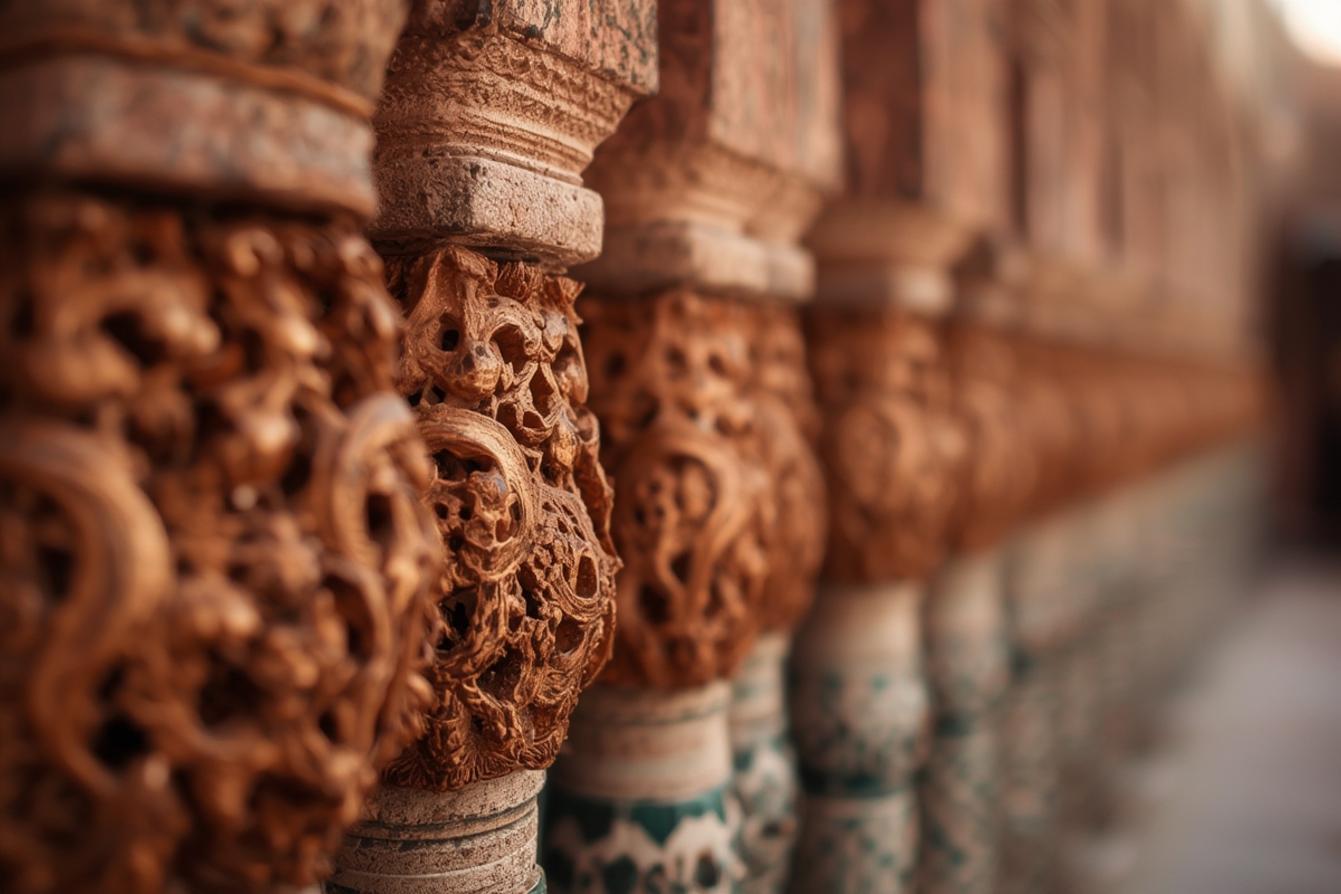
Walking through its narrow passages, you’ll feel the weight of history. The architecture, though less grand than other imperial cities, speaks of resilience and community. Expect to see traditional houses with small courtyards, ancient mosques, and workshops where artisans practice inherited trades. This is where the pulse of Moroccan culture Casablanca beats strongest, far from the gleaming skyscrapers of the Corniche. It’s an essential encounter for anyone wanting to understand the city beyond its contemporary facade.
The Souks of Casablanca: Sensory Overload and Artisan Traditions
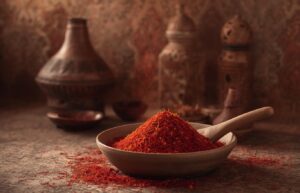
The souks within Casablanca’s medina are a kaleidoscope of sights, sounds, and smells. Unlike the more commercialized souks in places like Marrakech, these are primarily centers for local commerce, offering a genuine glimpse into Moroccan daily life. Here, you’ll find everything from fresh produce and aromatic spices to handcrafted leather goods, intricate textiles, and traditional clothing. The air is thick with the scent of mint tea, saffron, cumin, and the freshly baked bread from communal ovens.
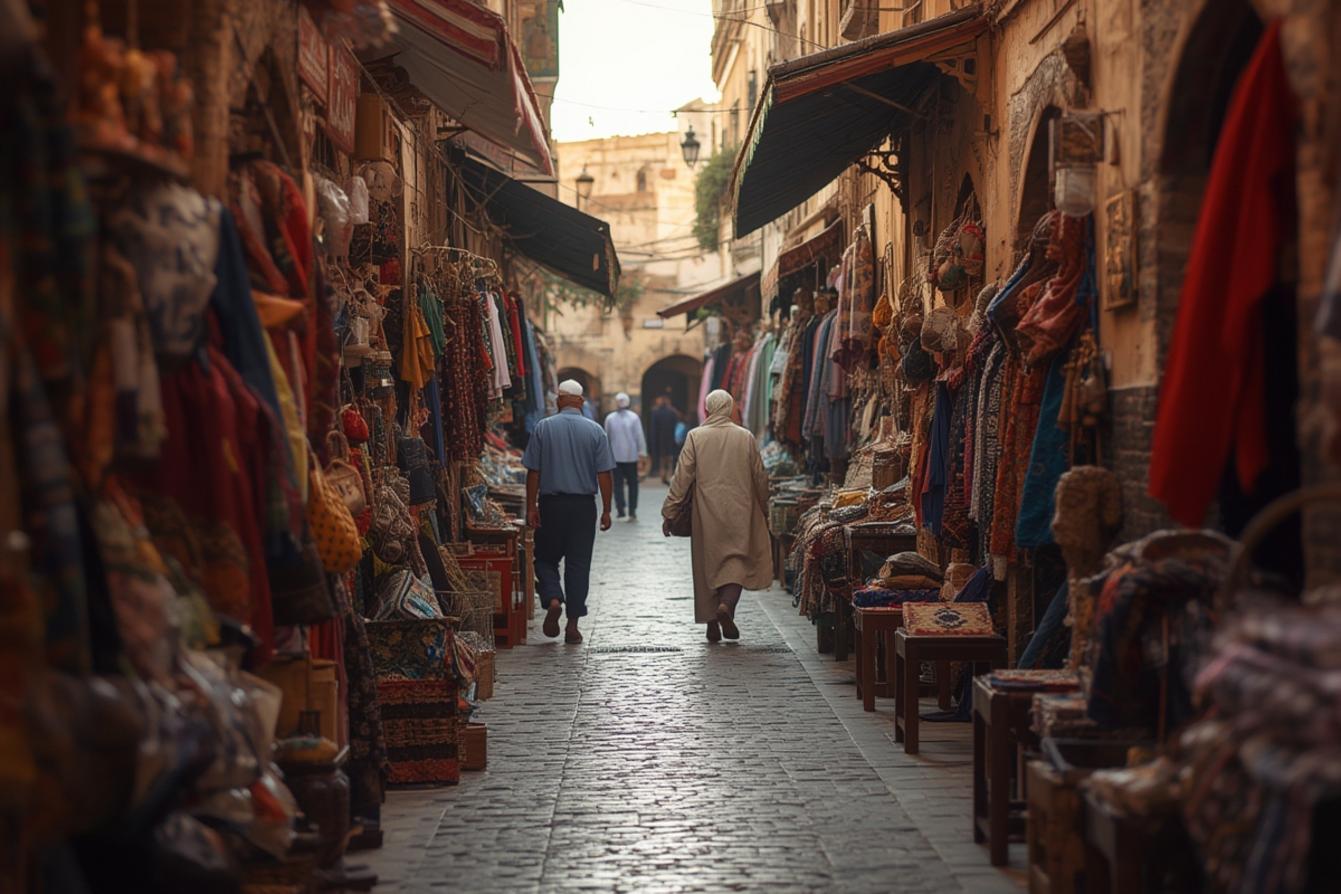
Observing the artisans at work is a particularly rewarding experience. You might spot a carpenter shaping cedarwood, a leatherworker skillfully tooling a bag, or a weaver creating vibrant patterns on a loom. These are not merely shops; they are living workshops where ancient skills are passed down through generations. Bargaining, or “mufawada,” is an integral part of the experience. It’s a social ritual, a friendly negotiation that’s more about connection than just price, and mastering it is part of engaging with the local Moroccan culture Casablanca. Embrace the banter, share a glass of mint tea if offered, and enjoy the human connection.
Culinary Adventures: Eating Your Way Through the Medina
Exploring the medina is also a journey for the taste buds. Street food and traditional eateries offer an authentic flavour of Casablanca, far removed from tourist-centric restaurants. Keep an eye out for small, unassuming stalls selling harira (a rich tomato and lentil soup), flaky msemen (Moroccan pancakes), or tender brochettes (skewered grilled meats). For a more substantial meal, seek out a local hanout (small shop) or humble restaurant serving tagine or couscous. These dishes, often slow-cooked to perfection, are staples of Moroccan cuisine.
Don’t miss out on fresh juices, especially orange juice, which is squeezed right before your eyes. And, of course, the vibrant tea culture. Mint tea, or “Berber whiskey,” is offered as a sign of hospitality everywhere. It’s more than just a drink; it’s a symbol of friendship and welcome. Participating in these local culinary experiences is one of the most direct ways to immerse yourself in Moroccan culture Casablanca, tasting the heritage with every bite. The tastes of the medina are as rich and varied as its history, a delightful counterpoint to the more refined Moroccan cuisine Marrakech is known for.
Embracing Local Etiquette and Customs
To truly appreciate and respect the Moroccan culture Casablanca medina, understanding a few local customs and etiquette points is essential. Moroccans are generally warm, hospitable, and polite. When interacting with locals, a simple “Salam Alaikum” (peace be upon you) is always appreciated. Dress modestly, especially when visiting religious sites or moving through conservative areas of the medina. Covering shoulders and knees for women is advisable.
Photography is generally accepted, but always ask for permission before taking photos of individuals, especially women and children. A polite gesture and “mumkin nsowwer?” (may I take a photo?) goes a long way. When eating, especially from shared dishes, use your right hand. Public displays of affection are generally frowned upon. By observing these simple guidelines, you show respect for local traditions and enhance your cultural immersion, making your visit more meaningful and enjoyable for both yourself and the residents of the medina.
Beyond the Souks: Discovering Hidden Gems and Community Life
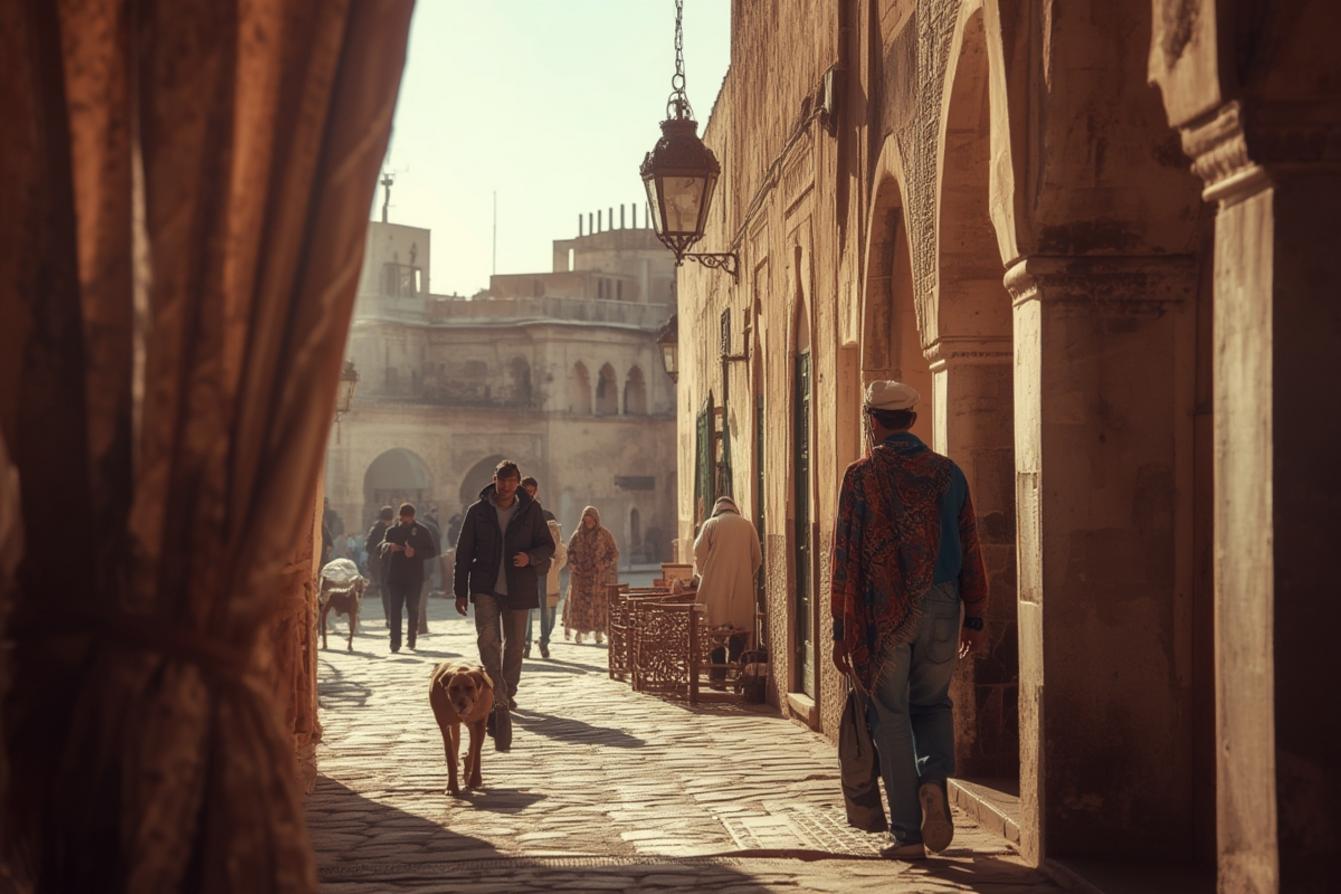
While the souks are a major draw, don’t limit your exploration to just the main thoroughfares. Wander off the beaten path into the quieter residential areas of the medina. Here, you’ll witness daily life unfold in its most authentic form. Children playing in small courtyards, women gossiping by doorsteps, and the rhythmic sounds of daily chores create a symphony of local existence. Look for the small, neighborhood mosques with their unique minarets, and the traditional fountains that still serve as gathering points.
For a deeper dive, consider seeking out a local guide who can share personal anecdotes and introduce you to community members. This personal connection can unlock insights that guidebooks simply cannot provide, revealing the true spirit of Casablanca’s older neighborhoods. It’s in these quieter moments and interactions that the heart of Moroccan culture Casablanca truly reveals itself, offering a perspective far richer than a quick visit.
Practical Tips for Navigating Casablanca’s Historic Medina
Navigating the historic medina of Casablanca can be an exhilarating experience, but a few practical tips will ensure a smooth and enjoyable visit. Firstly, wear comfortable shoes – you’ll be doing a lot of walking on uneven surfaces. The medina is best explored on foot, allowing you to discover hidden nooks and crannies. Secondly, while generally safe, it’s wise to be aware of your surroundings, especially in crowded areas. Keep valuables secure and avoid flashing expensive items.
A basic understanding of Darija (Moroccan Arabic) phrases, like “shukran” (thank you) and “la shukran” (no thank you), can be very helpful for interactions with vendors. While many locals speak French, and some English, a little effort in their local language is always appreciated. Finally, don’t be afraid to get a little lost. Some of the most memorable discoveries are made when you let curiosity lead the way. However, if you feel overwhelmed or are in a hurry, it’s easy to ask directions back to a main thoroughfare. For longer stays in Casablanca or exploring other Moroccan cities, planning your accommodations beforehand can significantly enhance your trip. You can find some excellent recommendations for places to stay by checking out Moroccan culture Casablanca.
Conclusion
Casablanca’s historic medina offers a profound and authentic immersion into Moroccan culture, a vibrant ecosystem where history breathes through every alley and interaction. It’s a place that challenges preconceptions about Casablanca, revealing a rich tapestry of tradition, community, and everyday life that stands in beautiful contrast to the city’s modern dynamism. Engaging with the souks, savoring local cuisine, and respecting age-old customs are all part of discovering the true essence of Moroccan culture Casablanca. It’s an experience that lingers long after you leave, a testament to the enduring spirit of Morocco.
FAQs
What is the best way to experience the historic medina in Casablanca?
The best way to experience the historic medina is on foot, allowing you to wander through its narrow alleys, discover hidden shops, and observe daily life. Consider hiring a local guide for deeper insights into the history and culture.
Is it safe to visit Casablanca’s medina as a tourist?
Yes, Casablanca’s medina is generally safe for tourists during the day. Like any bustling urban area, it’s wise to be aware of your surroundings, keep valuables secure, and avoid walking alone at night in less-trafficked areas.
What kind of items can I buy in the medina’s souks?
You can find a wide variety of items, including traditional Moroccan crafts like leather goods, textiles, ceramics, spices, argan oil products, traditional clothing, and fresh produce. Remember to engage in friendly bargaining for the best prices.
How does Casablanca’s medina differ from those in other Moroccan cities like Fes or Marrakech?
Casablanca’s medina is often considered more authentic and local, less geared towards mass tourism than the medinas of Fes or Marrakech. It offers a more intimate glimpse into the daily life of Casablancans, with fewer tourist traps and a strong focus on local commerce and community.




 Covers cities, coast, mountains, desert & food