
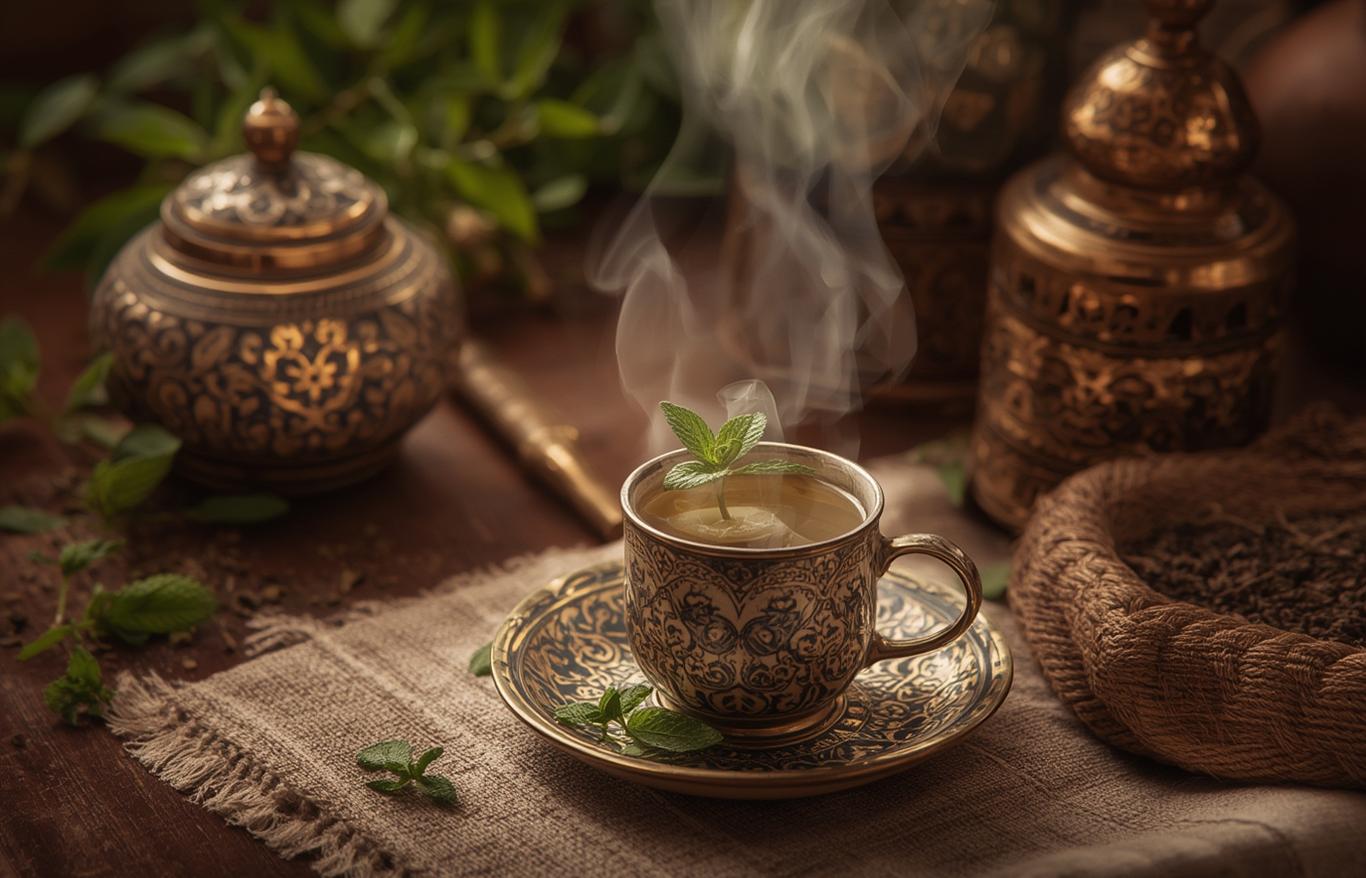
Stepping into a café in Rabat, the air often carries a delicate, sweet aroma – the unmistakable scent of Moroccan mint tea. This isn’t just a beverage; it’s a profound cultural ritual, a symbol of hospitality, and a pillar of daily life. For any traveler exploring Morocco’s capital, discovering the art of mint tea Rabat cafés is an essential experience, offering a direct portal into the city’s charming social fabric. It’s where conversations unfold, deals are struck, and friendships are forged, all over a steaming glass of “Atai.” This guide will help you navigate the vibrant café scene in Rabat, ensuring you savor this iconic Moroccan tradition.
Rabat’s Café Culture: The Heartbeat of the City
Rabat, with its captivating blend of ancient medina and modern boulevards, offers a diverse array of cafés, each with its own character and charm. Far from being mere coffee shops, these establishments are vital social hubs. Here, locals gather at all hours, from early morning until late evening, to chat, read newspapers, play cards, and, of course, enjoy countless glasses of mint tea. Unlike the hustle of European coffee culture, the pace in Rabat’s cafés is often slower, encouraging lingering and conversation. You’ll find everything from traditional, bustling spots in the Old City, where the clinking of glasses and animated chatter create a symphony of local life, to more contemporary, chic establishments along Avenue Mohammed V. Each offers a unique perspective on the city’s rhythm, but all share the common thread of mint tea as their cornerstone.
The Ritual of Moroccan Mint Tea
Understanding the “why” behind mint tea is just as important as tasting it. The Moroccan mint tea ceremony is not merely about brewing leaves; it’s an elaborate dance of hospitality and precision. Traditionally, the host prepares the tea in front of guests, a silver teapot gleaming, fresh mint leaves filling the air with their intoxicating perfume, and sugar, often in large cones, ready to be added. The process involves multiple pours back and forth between the pot and glasses to aerate the tea and ensure an even mix and, crucially, to create that frothy head, known as rwef in Arabic, which is considered a sign of a well-poured tea.
The first pour is often discarded, believed to cleanse the leaves. Then, the magic begins, with careful attention paid to the balance of tea, mint, and sugar. It’s a sensory experience: the visual spectacle of the pouring, the aroma that precedes each sip, the warmth of the glass in your hand, and finally, the refreshing taste. This isn’t just about quenching thirst; it’s about connection, respect, and enjoying the moment. This shared experience is what makes a Moroccan mint tea ceremony so memorable anywhere in the country.
Finding Your Perfect Glass of Mint Tea in Rabat
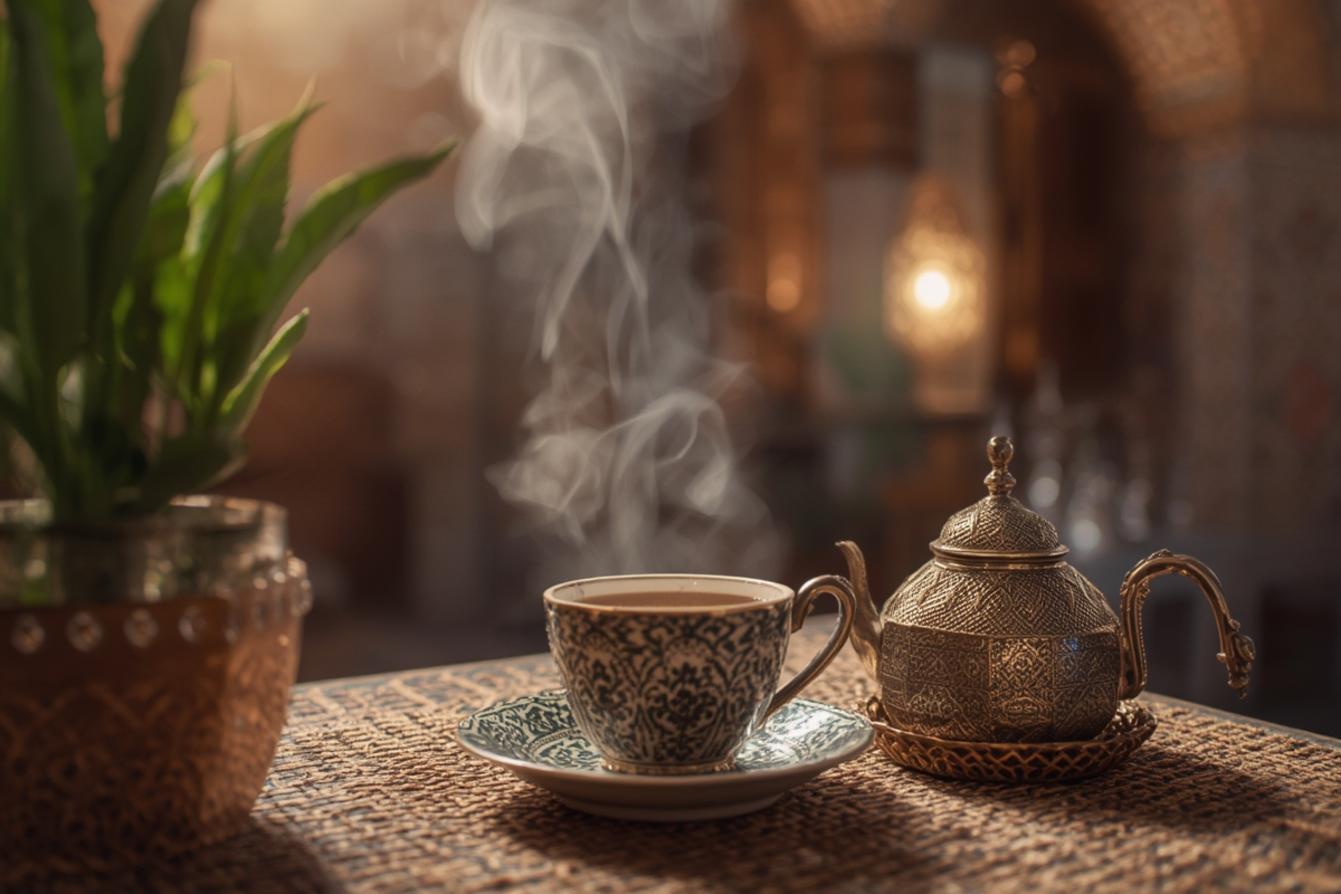
Rabat offers a wealth of charming cafés where you can savor authentic mint tea. Your choice largely depends on the atmosphere you prefer.
For an experience steeped in history and local life, head into the Medina.
Café Maure: Located in the Kasbah of the Udayas, this iconic spot offers breathtaking views of the Bou Regreg River and the Atlantic Ocean. Sitting on its blue and white tiled terrace, sipping atai*, and watching the boats drift by is an absolutely quintessential Rabat experience. It’s often bustling, but the ambiance is unparalleled.
- Les Oudayas Café: Another gem within the Kasbah, slightly less crowded than Café Maure but equally charming. It provides a serene setting to enjoy your tea amidst the ancient walls and well-tended gardens.
If you prefer a more modern, slightly more upscale, but still authentic experience:
- Avenue Mohammed V: This bustling avenue is lined with numerous traditional and contemporary cafés. Many have outdoor seating, perfect for people-watching. Look for spots where locals are congregating – a sure sign of good tea and a lively atmosphere.
- Café Renaissance: A classic Rabat institution on Avenue Mohammed V, known for its grand architecture and prime location. It’s a great place to feel the pulse of the city while enjoying a glass of mint tea.
- The Oudayas Café in the Ville Nouvelle: Not to be confused with the one in the Kasbah, this café maintains a traditional feel within the newer part of the city, offering a pleasant break from shopping or sightseeing.
For a unique blend of heritage and culture:
- Dars in the Old City: Some guesthouses and riads in the medina have their own internal courtyards or rooftop terraces where they serve tea to guests and sometimes non-guests. These can offer a more intimate and tranquil setting.
Don’t be afraid to wander off the main streets into smaller alleys; sometimes the best hidden gems are found in the most unexpected places. Just follow the aroma of fresh mint! Each place offers its own unique take on the mint tea Rabat experience.
The Sweetness of Sharing: Etiquette and Enjoyment
When you’re served mint tea in Rabat, especially in a traditional setting or as a guest in a home, there’s a certain etiquette that enhances the experience.
- Acceptance is Key: Refusing tea is generally considered impolite, particularly when offered in someone’s home or by a shopkeeper. Even if you’re not a tea drinker, accepting at least one small glass shows respect.
- The Pour: Notice the way the tea is poured from a height into small, delicate glasses. This aeration tradition is crucial; it’s not just for show but is believed to enhance the flavor and create a delightful froth.
- Three Glasses: It’s common to be offered three glasses of tea. There’s a saying: “The first glass is as bitter as life, the second is as sweet as love, and the third is as gentle as death.” Take your time, savor each glass, and appreciate the host’s generosity.
Sweetness Levels: Moroccan tea is typically quite sweet. If you prefer less sugar, it’s best to politely request “suggar shweeya” (a little sugar) or “suggar naa”* (no sugar) when ordering in a café, if the tea is made to order. In a home, it’s often best to accept it as offered.
Holding the Glass: The glasses are often hot, so traditionally, they are held by the rim or served in a zahwa*, a metal holder.
- Lingering is Encouraged: Don’t feel rushed. Moroccan tea culture is about slowing down, engaging in conversation, and enjoying the company.
Beyond the Sip: Mint Tea’s Cultural Significance
Mint tea, or Atai, is far more than a refreshing drink; it’s intricately woven into the fabric of Moroccan society. It greets guests in every home, seals business deals, marks celebrations, and is a constant companion during daily breaks. Its warmth embodies the warmth of Moroccan hospitality, making visitors feel welcome and cherished. It’s a symbol of Moroccan identity, distinguishing it from other cultures’ tea traditions.
The act of preparing and serving tea is often a male-dominated ritual in many traditional settings, a testament to the skill and honor associated with it. The mint itself, locally known as na’na’, is highly prized, with various types used depending on the region and season, each offering a slightly different perfume and flavor profile. In Rabat, you’re experiencing a refined version of this nationwide custom, perfectly reflecting the city’s cosmopolitan yet deeply traditional character. Engaging in the mint tea ritual is perhaps the fastest way to feel connected to the soul of Rabat.
Crafting Your Own Atai: Bringing Rabat Home
Inspired by your experiences with mint tea in Rabat? You can easily recreate this experience at home. To make authentic Moroccan mint tea, you’ll need:
- Gunpowder Green Tea: The traditional base.
- Fresh Mint: Spearmint is preferred. Lots of it!
- Sugar: Granulated sugar, adjust to taste.
- A Moroccan Teapot (Berrad): While not essential, it adds to the aesthetics and pouring experience.
- Small Tea Glasses: Delicate and handle-less.
The Basic Method:
1. Rinse a tablespoon or two of gunpowder tea leaves with a little boiling water in the teapot, then discard the water quickly. This removes bitterness.
2. Add a generous bunch of fresh mint leaves to the teapot.
3. Add sugar to your desired sweetness (typically a few tablespoons, but this is personal preference).
4. Fill the teapot with boiling water.
5. Allow it to steep for a few minutes (3-5 minutes is a good starting point).
6. Pour a small amount into a glass, then pour it back into the pot. Repeat this several times. This mixes the sugar and helps to aerate the tea, creating that sought-after foam.
7. Pour from a height into the small glasses to create the rwef (foam) on top. Serve immediately.
Experiment with the amount of mint and sugar until you find your perfect balance. This act of preparation is a beautiful way to carry a piece of your Rabat journey back with you, allowing you to relive the charm of its cafés anytime.
Conclusion
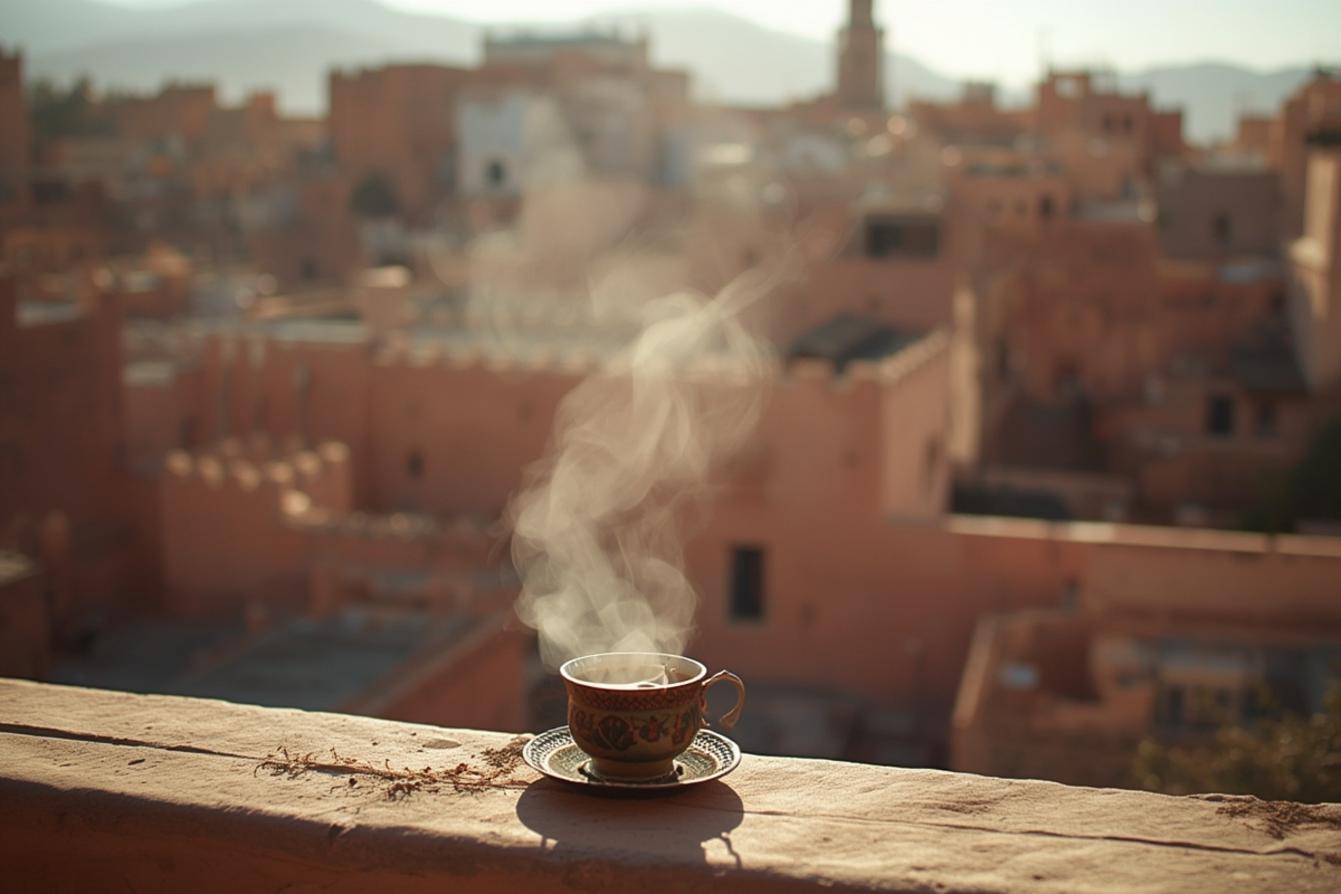
The art of mint tea in Rabat is more than just a culinary pleasure; it’s a living tradition that offers a profound glimpse into Moroccan culture and hospitality. From the bustling medina cafés to the elegant avenues, each glass tells a story of community, warmth, and enduring heritage. Seek out these charming spots, immerse yourself in the ritual, and let the sweet, refreshing taste of mint tea Rabat leave an indelible mark on your travel memories.
FAQs
What is the best time of day to enjoy mint tea in Rabat?
Mint tea is enjoyed throughout the day in Rabat. Mornings are quieter, perfect for a peaceful start to your day. Afternoons are lively, ideal for people-watching and experiencing the city’s social buzz. Evenings offer a relaxed ambiance, often accompanied by pastries. There’s truly no wrong time to enjoy it.
Is Moroccan mint tea always served hot?
Yes, traditionally, Moroccan mint tea is always served hot, regardless of the weather. Its refreshing qualities are believed to help cool the body in the heat, while its warmth is comforting during cooler evenings.
Can I find mint tea without sugar in Rabat?
While traditionally sweet, it is possible to request mint tea without sugar (“suggar naa”) or with very little sugar (“suggar shweeya”) in most cafés. It’s always best to specify your preference when ordering, as the default is quite sweet.
What snacks or pastries are typically served with mint tea in Rabat?
Mint tea is often enjoyed on its own, but it’s also commonly accompanied by a variety of Moroccan pastries, such as fakkas, ghoriba, chebakia, or almond cookies. In some cafés, you might also find small savory bites.



 Covers cities, coast, mountains, desert & food