In the heart of the Sahara, where the golden dunes of Erg Chebbi rise majestically into the endless sky, there’s a ritual that transcends mere refreshment: the serving of mint tea in Merzouga. Thisisn’t just a beverage; it’s the very soul of Berber hospitality, a tradition steeped in warmth, welcome, and ancient customs. For travelers venturing into this captivating desert region, understanding the significance of this sweet, aromatic brew is key to unlocking a deeper connection with the local culture. The experience of sharing mint tea in Merzouga offers an intimate glimpse into the rhythms of desert life and the profound generosity of its people.
The Cultural Tapestry Woven by Merzouga’s Mint Tea
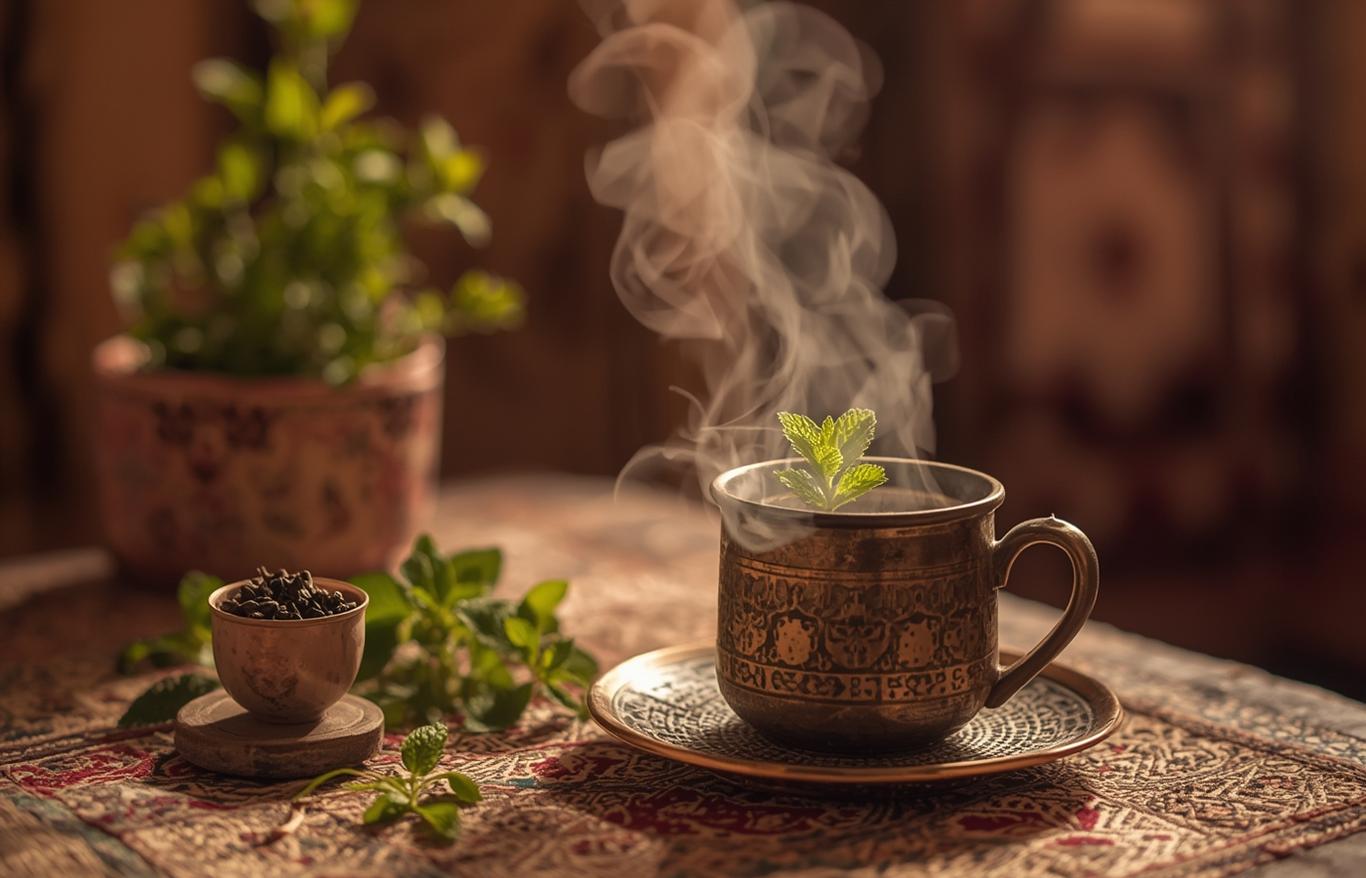
Known locally as atay, Moroccan mint tea is far more than just a drink; it’s a profound cultural symbol. In Merzouga, amidst the vastness of the Sahara, this importance is amplified. It embodies the essence of Berber hospitality – a testament to welcome even in the most remote corners of the world. Imagine arriving at a nomad tent or a simple desert lodge after a long journey across the dunes. The first thing you’re offered, often with a warm smile and a hand placed over the heart, is a glass of steaming atay. This act immediately breaks down barriers, signaling friendship and respect.
The tea preparation itself is a performance, a deliberate and unhurried ceremony passed down through generations. It speaks volumes about the value placed on human connection and the slowing down of time. In a place where resources can be scarce, sharing something as simple as tea becomes an act of abundance and community. It’s a moment to pause, to converse, to listen to stories of the desert, and to feel truly at home, even thousands of miles away from your own. The mint tea in Merzouga, therefore, isn’t just a drink to quench thirst; it’s a bridge to understanding, a warm embrace in a sometimes intimidating landscape, and an invitation into the heart of Berber life.
The Art of Preparing Berber Atay: A Desert Ritual
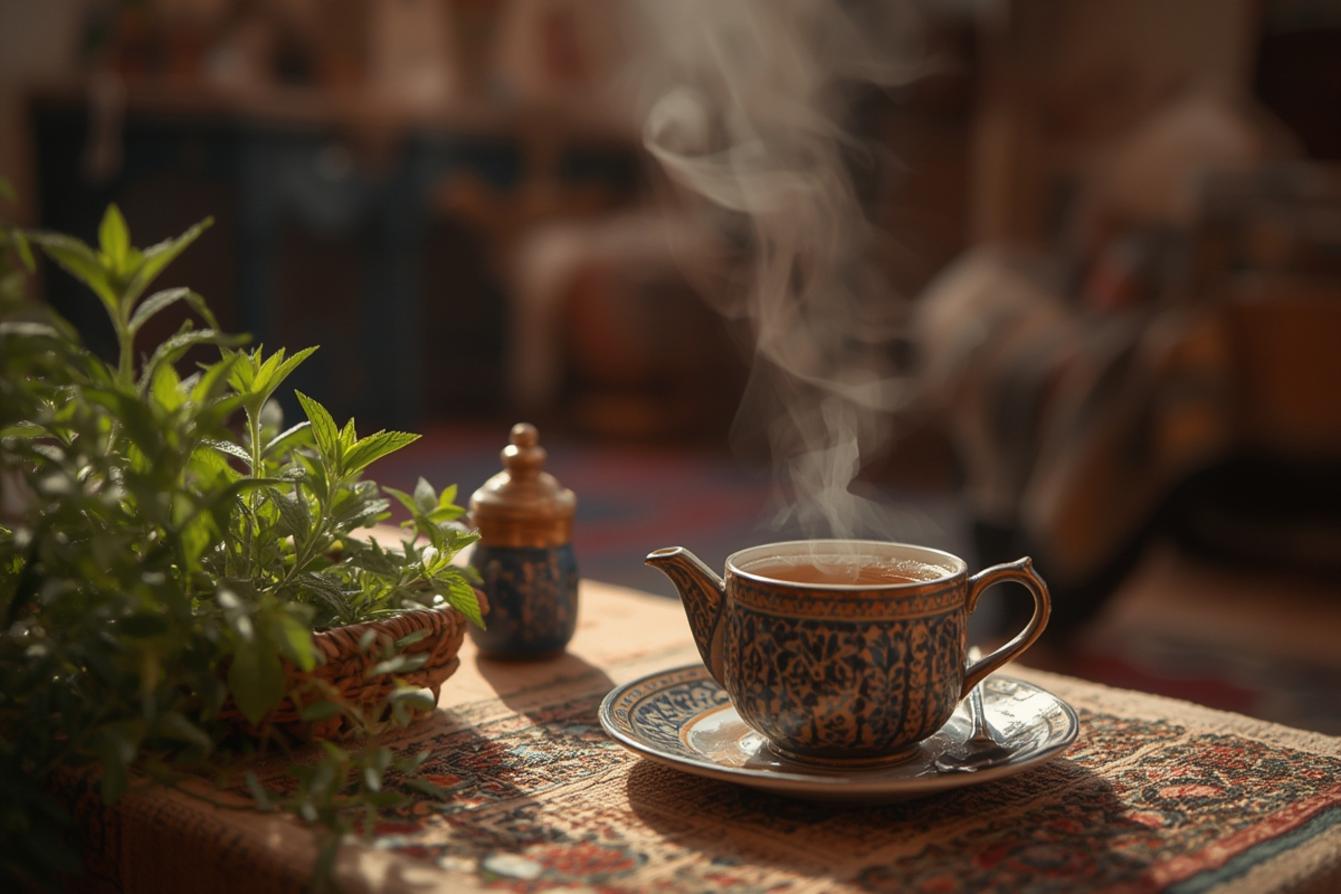
Preparation of mint tea in Merzouga is an art form, a meticulous ritual that is both social and symbolic. It’s rarely rushed; instead, it unfolds with grace and precision. The process begins with green tea, typically gunpowder tea, steeped in a metal teapot with fresh sprigs of nana (spearmint). Sugar – and often a generous amount – is added, not just for sweetness, but also for its symbolic gesture of prosperity and good fortune. The tea is then poured from a height into small, decorated glasses, creating a frothy layer on top, which is considered a sign of a well-made brew. This initial pour often goes back into the pot, a process repeated several times to ensure all ingredients are perfectly blended and the tea is thoroughly aerated.
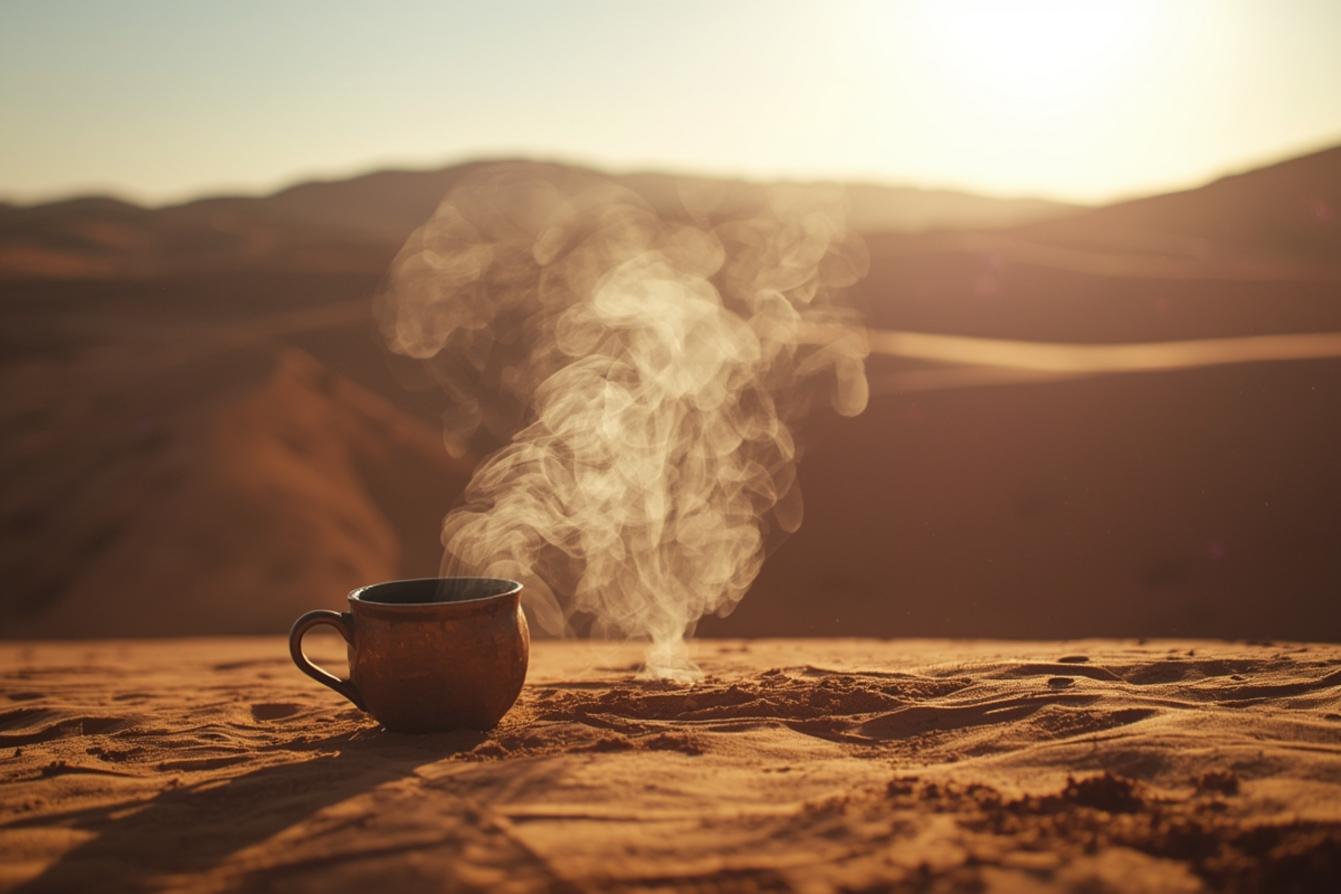
Each pour from above is not just for show; it cools the tea to an optimal drinking temperature and helps to mix the flavors evenly. The host will often sample the tea themselves to ensure its perfection before serving it to guests. This attention to detail reflects deep respect and care for those being welcomed. The resulting brew is strong, sweet, and intensely aromatic, a perfect counterpoint to the desert’s heat and dust. Drinking this atay with locals, perhaps in a traditional tent or around a glowing campfire under a sky full of stars, is an unforgettable experience and a highlight of any desert adventure centered around mint tea Merzouga.
Understanding the Etiquette of Sharing Tea in the Sahara
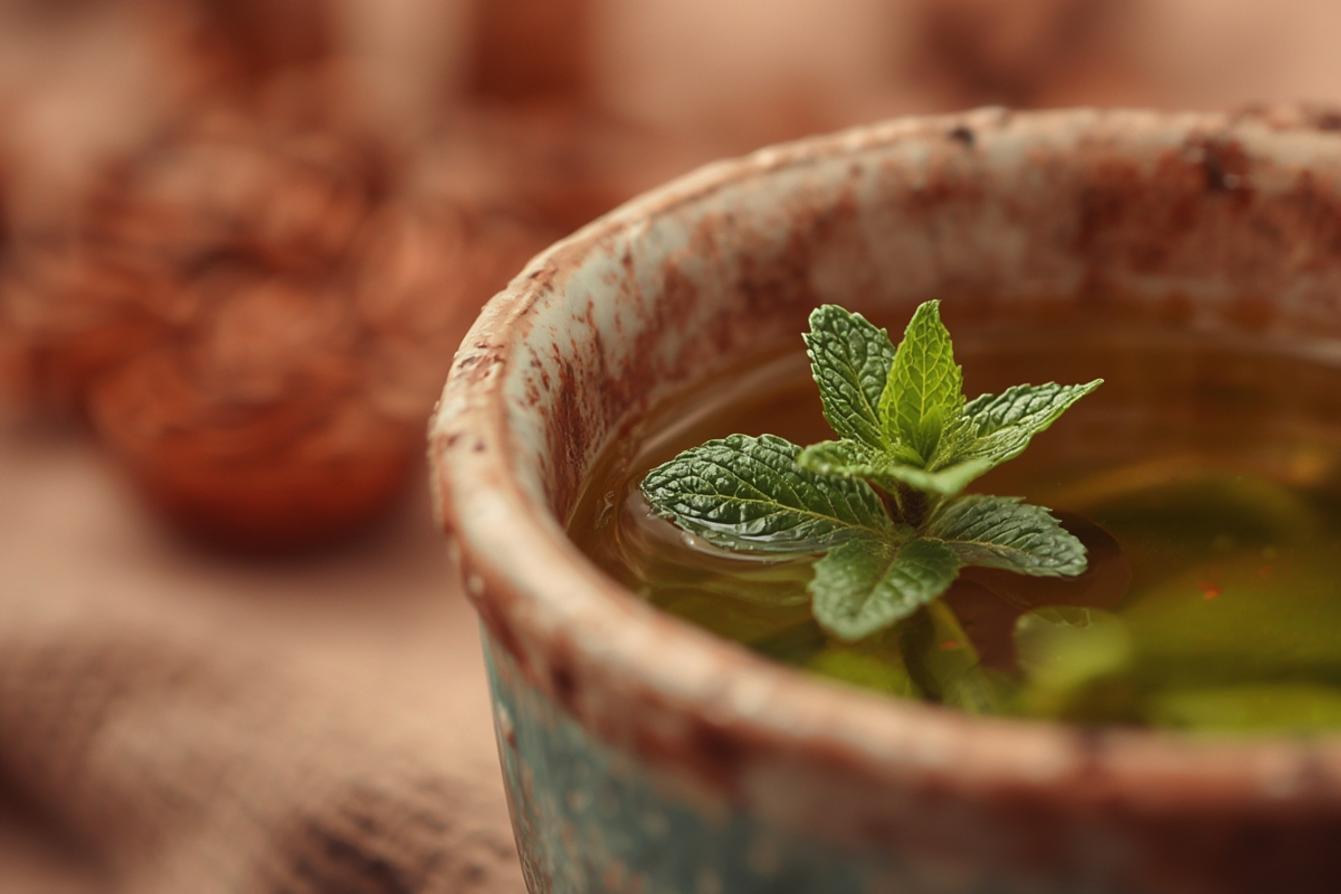
When invited to share mint tea in Merzouga, there are a few unspoken rules that enhance the experience and show your respect for Berber traditions. Firstly, always accept the tea. Refusing is considered impolite, as it’s an offering of hospitality and friendship. Even if you’re not a big tea drinker, taking at least one small glass is a gesture that will be deeply appreciated. Secondly, do not rush the experience. The tea ceremony is a time for conversation and connection, not a quick refreshment. It’s common for three rounds of tea to be served, each slightly different in strength and sweetness, reflecting Arabic proverbs about life, love, and death.
It’s also customary to admire the tea-making process and perhaps comment on its deliciousness. Watch as the tea is poured from high above, and appreciate the delicate balance of mint and sugar. If you’re served by hand, accept the glass with your right hand. While not universally enforced, it’s a sign of respect in many parts of Morocco. Ultimately, the best etiquette is to relax, be present, and engage with your hosts. This shared moment over steaming glasses of atay is where true cultural exchange happens, forging memories that last long after the last sip.
Beyond the Brew: The Social Significance of Atay in Desert Life
In the nomadic and semi-nomadic communities around Merzouga, mint tea acts as the social glue, bringing people together and facilitating communication. It’s part of nearly every social interaction, from welcoming a stranger to sealing a business deal, from celebrating a family milestone to simply catching up with neighbors. In the vast, silent stretches of the Sahara, where visual cues or boisterous gatherings might be few, the ritual of atay provides a structured and comforting framework for human connection. The bubbling of the teapot, the clinking of glasses, and the fragrant steam create an atmosphere of warmth and intimacy.
For visitors, participating in this tradition offers a unique window into the slow pace of desert life and the importance placed on community. It’s often during these tea sessions that stories are shared, local wisdom is imparted, and genuine friendships are formed. You might learn about the rhythms of the desert, the challenges and joys of nomadic existence, or hear ancient tales passed down through generations. This social dimension is what makes mint tea in Merzouga so much more than just a drink – it’s an essential thread in the fabric of Berber society, a symbol of continuity and collective identity.
Finding Your Perfect Mint Tea Experience in the Merzouga Desert
Experiencing authentic mint tea in Merzouga is one of the most enriching parts of a Sahara adventure. The best way to do this is often organically, through interactions with local guides, lodge owners, or during a camel trek where you might share a pot with Berber hosts under a starry sky. Many desert camps, from basic bivouacs to luxury glamping sites, include daily tea ceremonies as part of their hospitality, often accompanied by traditional music or storytelling. Seek out opportunities to sit with locals, even if language is a barrier; a shared smile and a glass of atay can communicate volumes.
Consider booking a guided tour that specifically highlights cultural immersion, as these often include opportunities for a more in-depth Moroccan mint tea ceremony. Whether it’s in a bustling market town on the edge of the desert, in a small village dwelling, or right out in the heart of the Erg Chebbi dunes, the experience will be memorable. Remember, it’s not about finding the fanciest teahouse, but rather about connecting with the people and embracing the moment. Allow yourself to be present, savor the flavors, and absorb the unique atmosphere of desert hospitality.
Conclusion
The experience of drinking mint tea in Merzouga is an indelible part of any journey to the Moroccan Sahara. It’s a journey into the heart of Berber culture, an embrace of unparalleled hospitality, and a simple yet profound ritual that leaves a lasting impression. More than just a refreshment, atay is a symbol of friendship, respect, and the timeless traditions that define life in this captivating desert. So, as you plan your adventure to the golden dunes, prepare to slow down, savor the moment, and allow the sweet, warm sips of mint tea in Merzouga to welcome you home.
FAQs
What is the significance of pouring Moroccan mint tea from a height?
Pouring mint tea from a height aerates the tea, creating a frothy top layer which is considered a sign of a well-prepared tea. It also helps to cool the tea to an optimal drinking temperature and mixes all the ingredients evenly, enhancing the flavor.
Is it acceptable to refuse mint tea when offered in Merzouga?
While visitors are not always expected to adhere to every local custom, it is generally considered impolite to refuse mint tea when offered. It’s a fundamental gesture of welcome and hospitality in Moroccan culture, especially among Berbers. It’s best to accept at least one glass to show respect, even if you only take a few sips.
How much sugar is typically in Berber mint tea?
Berber mint tea is traditionally very sweet. Generous amounts of sugar are added, both for taste and as a symbolic gesture of prosperity and good fortune. While you can sometimes request less sugar, the authentic experience involves a very sweet brew.
Can I learn to prepare mint tea myself while visiting Merzouga?
Many desert camps and local hosts are delighted to share the tea-making process. If you express interest, some guides or camp staff may offer a demonstration or even allow you to participate in preparing the atay, providing a wonderful and immersive cultural experience.



 Covers cities, coast, mountains, desert & food