
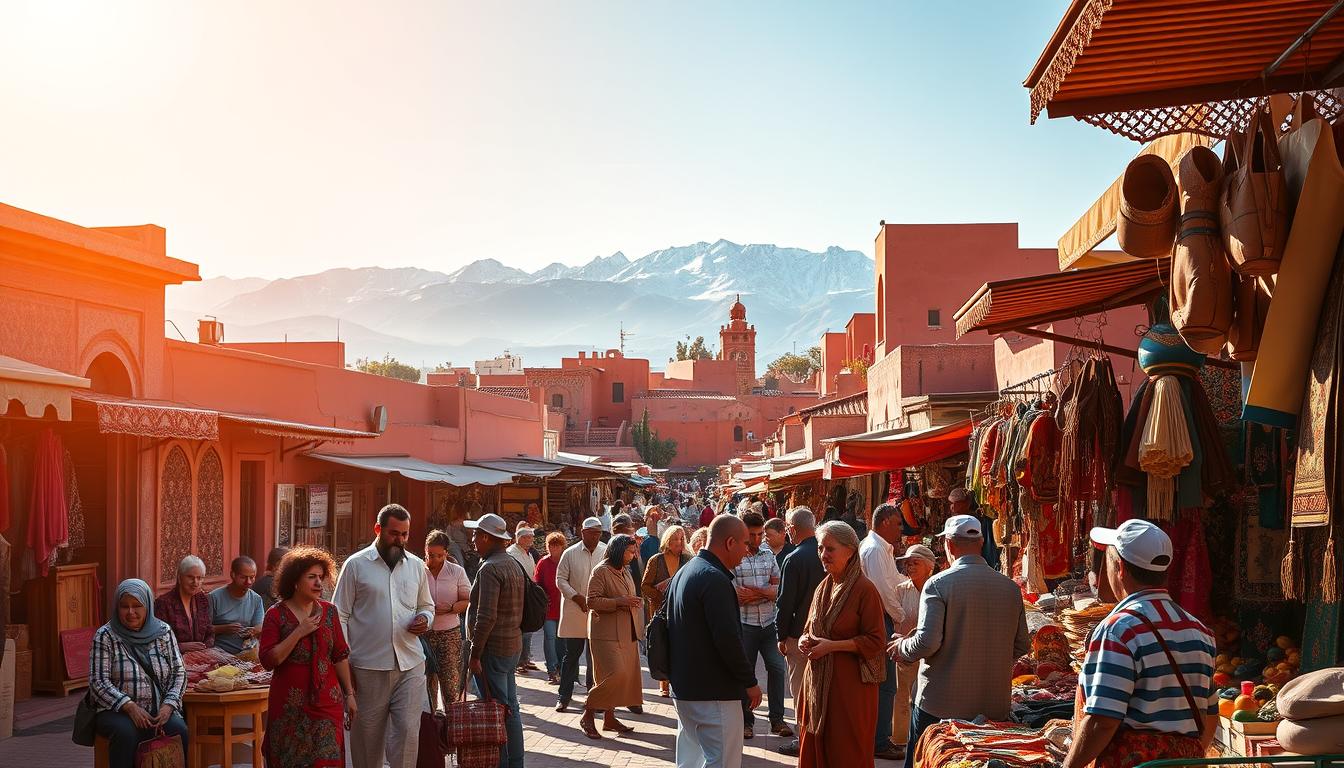
Planning a trip to Marrakech? You might wonder what makes this Moroccan city special. Marrakech is a lively place that blends old traditions with new vibes.
It has bustling markets and peaceful gardens for everyone. We’ll show you the best spots and share marrakech travel tips to help you enjoy your visit.
Key Takeaways
- Explore Marrakech’s vibrant markets and gardens
- Discover the city’s rich history and culture
- Get valuable insights into marrakech travel tips
- Experience the unique blend of traditional and modern Marrakech
- Make the most of your trip with our expert guidance
The Magic of Marrakech: An Introduction to Morocco’s Red City
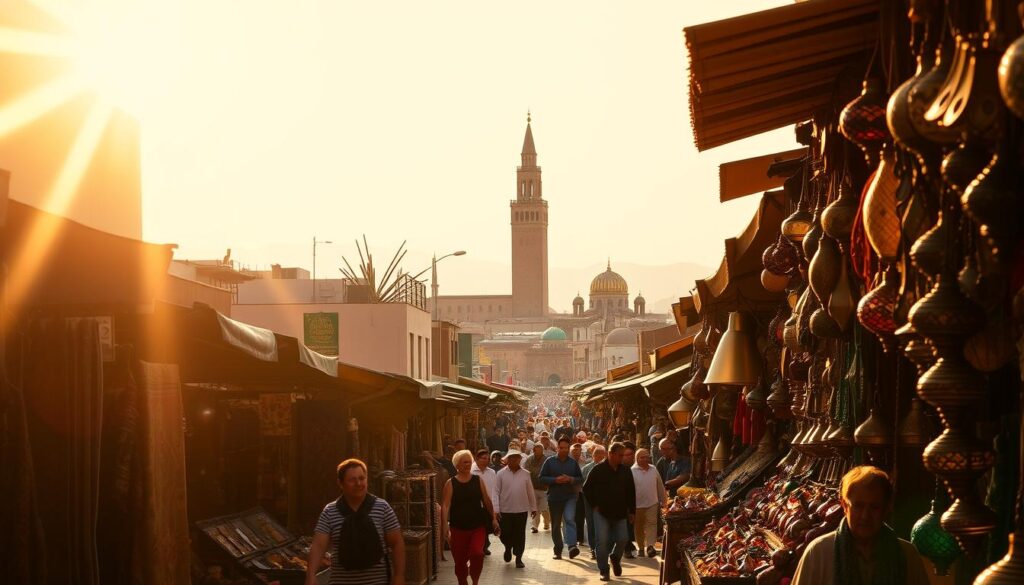
When you arrive in Marrakech, you’ll feel the city’s lively spirit. It’s a place where old traditions meet modern life. The city’s history is seen in its buildings, food, and daily activities, making it a must-see for travelers.
The Cultural Significance of Marrakech
Marrakech is a mix of old and new, creating a special culture. Its historical sites, like the ancient medina and Koutoubia Mosque, show its deep history. Exploring Marrakech helps you understand its culture and best Marrakech attractions.
For tips on visiting Marrakech, check out Morocco’s destination guides. They offer great advice on the top spots to see in Marrakech, helping you enjoy your trip.
Best Times to Visit Marrakech
The best time to see Marrakech depends on what you like. Spring (March to May) and autumn (September to November) are great for a visit. These times offer nice weather for exploring the top places to visit in Marrakech.
If you want a lively scene, visit during the cooler months. This is when Marrakech’s cultural events and festivals happen.
Essential Marrakech Things to See for Every Traveler
To fully enjoy Marrakech, focus on the top sights and learn how to get around. This city is rich in history and culture. It offers many experiences that can be too much for first-timers.
Planning Your Itinerary
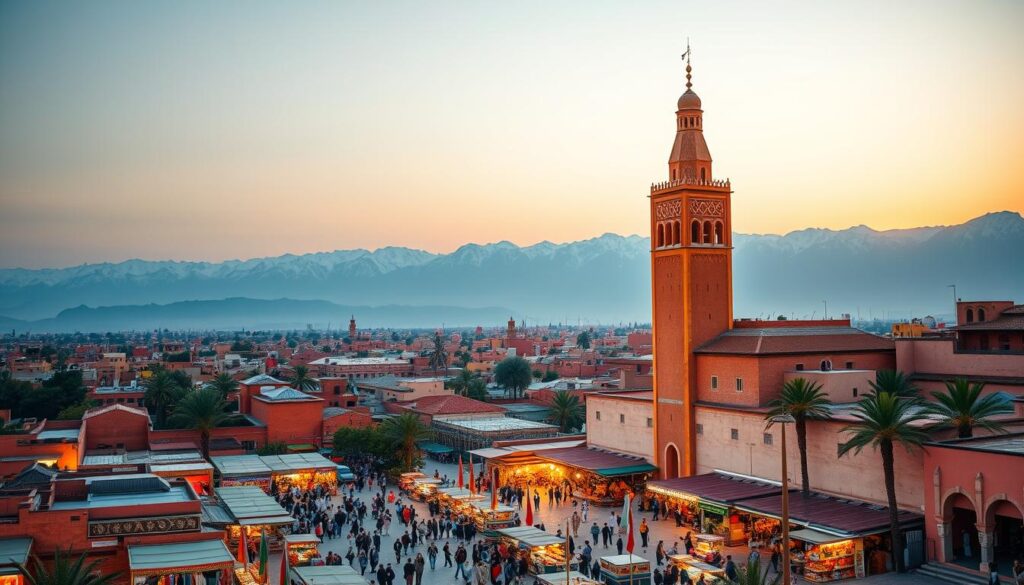
First, list the must-see sights in Marrakech like Jemaa el-Fnaa and the Koutoubia Mosque. Also, don’t miss the Bahia Palace. For a deeper dive, check out the top Marrakech attractions recommended by experts. Plan your days based on when these places are open and if you need tickets.
Getting Around the City
Marrakech’s streets can be tough to navigate. But, there are easy ways to get around. Taxis are cheap and easy to find. Or, take a guided walking tour to see the medina. For longer trips, renting a private driver is a good choice.
Practical Tips for American Visitors
For Americans, a few tips can make your trip better. Be ready for the crowds and haggling in the souks. Knowing basic Arabic, like “hello” (Marhaba) and “thank you” (Shukran), shows respect. Also, drink plenty of water and wear comfy shoes to enjoy the city.
By following these tips, you’ll make a memorable Marrakech itinerary. It will show you the best of this magical city.
Jemaa el-Fnaa: The Beating Heart of Marrakech
When you enter Jemaa el-Fnaa, you’re surrounded by a world of colors, sounds, and smells. This famous square is a key spot in Marrakech, mixing old traditions with new fun.
Daytime Activities in the Square
By day, Jemaa el-Fnaa buzzes with life. You’ll see snake charmers, street artists, and vendors selling local items. Enjoy fresh orange juice or a Moroccan snack while watching the shows. The square is alive with people from all walks of life, creating a lively vibe.
Evening Entertainment and Food Stalls
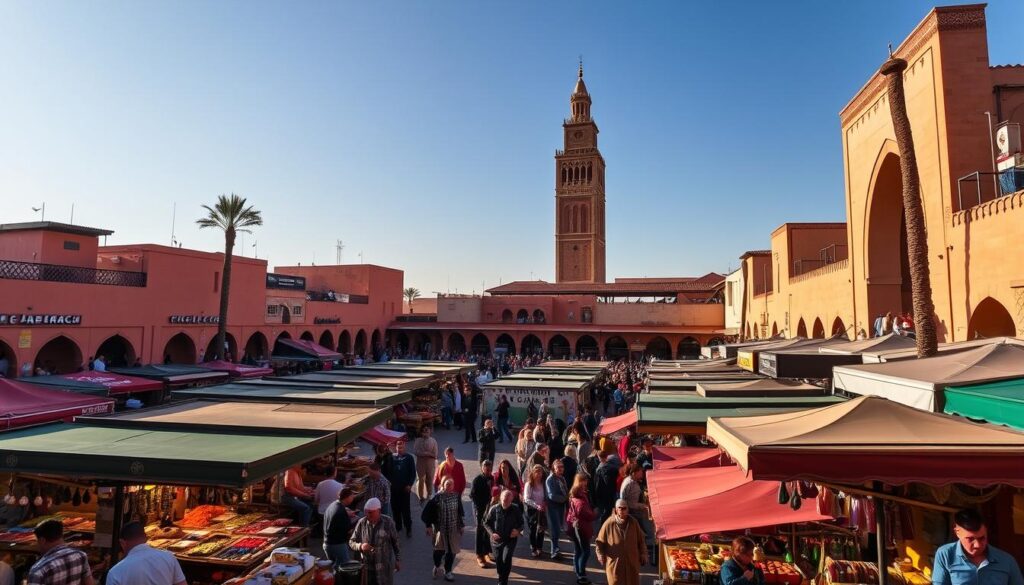
At night, Jemaa el-Fnaa shines even brighter. The square lights up, and the smell of food wafts through the air. Try local dishes like grilled meats and seafood, or listen to music and stories from the area.
Photography Opportunities and Cultural Performances
Jemaa el-Fnaa is perfect for photos, with its colorful stalls and lively shows. You can also see cultural events like Gnawa music and dance. These performances give a glimpse into Moroccan culture.
Visiting Jemaa el-Fnaa is a true Marrakech experience. It’s a place you must see, day or night. The square offers a mix of excitement, culture, and fun, making your visit unforgettable.
Exploring the Historic Medina: A UNESCO World Heritage Site
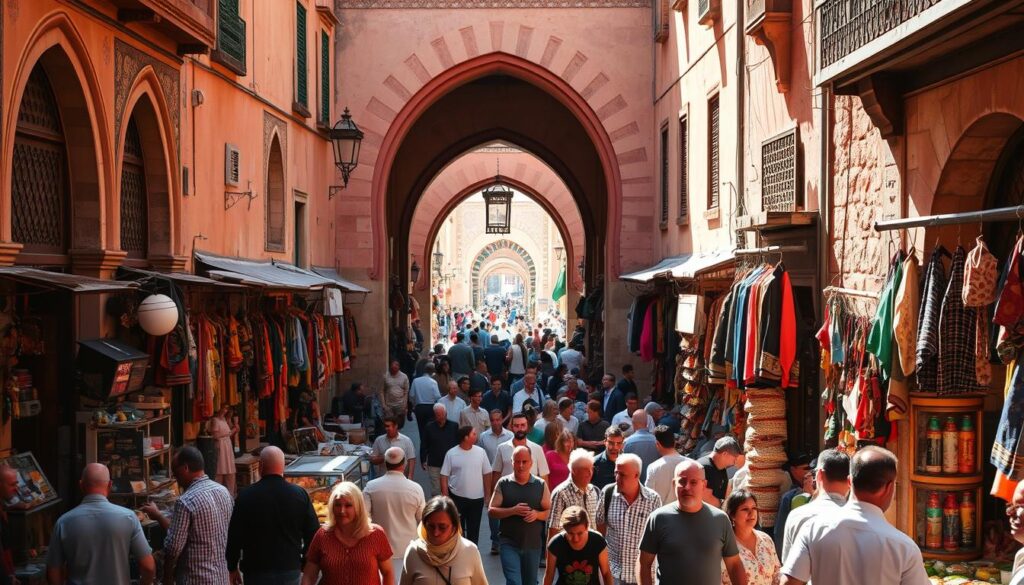
When you enter the historic Medina of Marrakech, you step into a world of ancient traditions and vibrant culture. This area is the heart of Marrakech, filled with narrow alleys, bustling markets, and stunning architecture.
Navigating the Ancient Walled City
Exploring the Medina can be a bit tricky, but it’s all part of the fun. The ancient city is a maze of narrow streets and alleys. You’ll find hidden riads and palaces waiting to be discovered.
To get the most out of your visit, think about hiring a local guide. They can help you find your way and share stories about the area’s history and culture.
- Start at the Jemaa el-Fnaa square, the heart of the Medina.
- Wander through the souks, exploring the various markets and shops.
- Take a break at a local riad or café to rest and recharge.
Hidden Riads and Traditional Architecture
The Medina is full of hidden riads, traditional Moroccan houses with beautiful interior gardens and intricate architecture. These riads show the skill and detail of Moroccan artisans. As you explore, look out for these hidden gems, which often house local artisans, craftsmen, and boutique hotels.
Key features of traditional Marrakech architecture include:
- Intricate tile work and zellij.
- Carved wood and cedar ceilings.
- Ornate plasterwork and stucco.
Local Craftsmanship and Artisans
The Medina is a center of local craftsmanship, with artisans working their trades for centuries. You’ll find woodworkers, weavers, metalworkers, and perfumers. It’s a treasure trove of traditional crafts.
Make sure to visit local workshops and souks. Here, you can see artisans at work and buy unique, handmade souvenirs.
Some of the local crafts you can find in the Medina include:
- Hand-woven carpets and textiles.
- Intricately carved wood and metalwork.
- Traditional Moroccan pottery and ceramics.
The Magnificent Koutoubia Mosque and Minaret
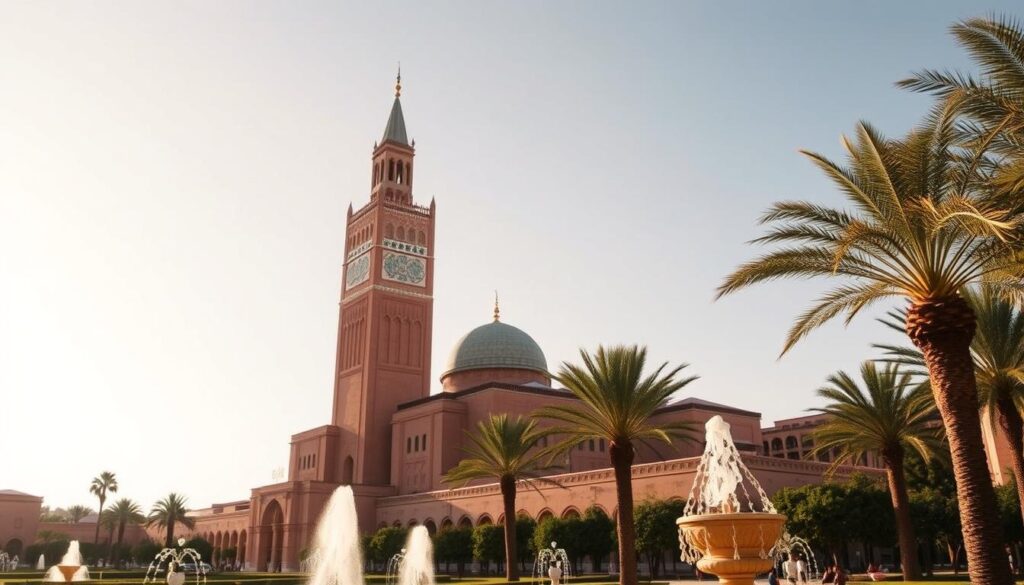
The Koutoubia Mosque stands tall in Marrakech, attracting visitors from everywhere. It’s a key popular landmark Marrakech is proud of. It shows the city’s deep cultural and religious roots.
Architectural Highlights and History
Built in the 12th century, the Koutoubia Mosque is famous for its 69-meter-tall minaret. Its design mixes Almohad and Moroccan styles. This creates a simple yet elegant look, using local materials.
Best Viewing Points and Photo Opportunities
There are many spots to see the Koutoubia Mosque in Marrakech. The best times for photos are early morning and late afternoon. The light then makes the mosque look amazing.
For a special view, try the nearby gardens or rooftops. They offer a clear view of the minaret.
| Viewing Point | Best Time | Tips |
|---|---|---|
| Nearby Gardens | Early Morning | Capture the mosque against a lush green backdrop |
| Rooftops | Late Afternoon | Use the golden hour for warm, soft lighting |
Visiting Etiquette for Non-Muslims
Non-Muslims can’t go inside the mosque but can still admire it from outside. It’s important to dress modestly and respect the site. Avoid taking photos of people praying and don’t enter the mosque grounds.
Exploring Marrakech? The Koutoubia Mosque is a must-see. Its history, beauty, and importance in the city make it a fascinating spot for culture, history, or architecture lovers.
Bahia Palace: A Masterpiece of Moroccan Design
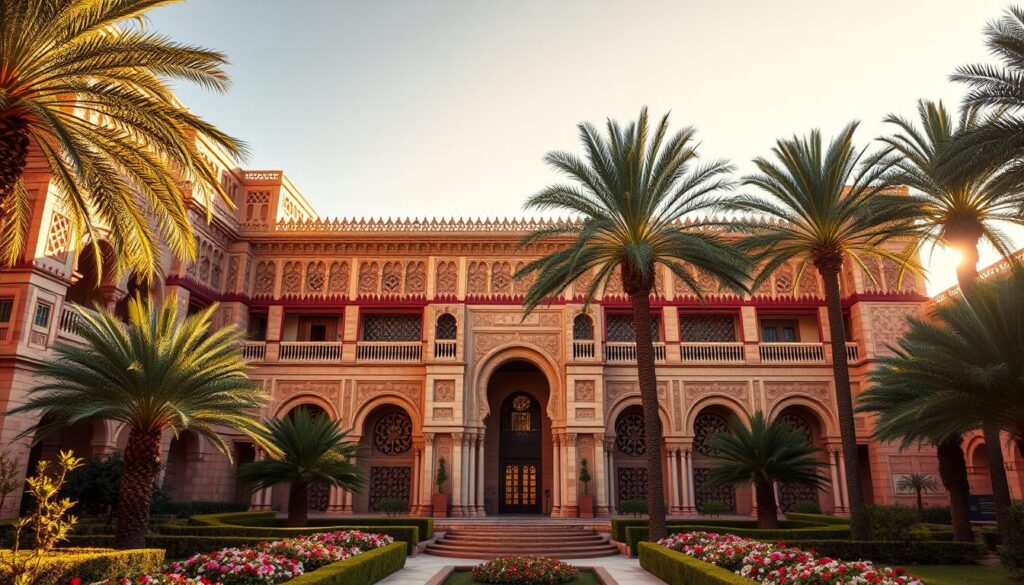
In the heart of Marrakech lies Bahia Palace, a true masterpiece. It showcases the finest elements of traditional Moroccan design. This 19th-century palace was crafted by craftsmen from across Morocco. It blends Islamic, Arabic, and Moorish architectural styles.
The History Behind the Palace
Bahia Palace was built in the late 19th century for the Grand Vizier Bou Ahmad. The name “Bahia” means “brilliance” or “beauty,” reflecting the palace’s stunning architecture and intricate craftsmanship. You can explore the rich history of the palace through its various rooms and courtyards, each telling a story of Morocco’s past.
Must-See Rooms and Courtyards
As you wander through Bahia Palace, you’ll discover a series of impressive rooms and courtyards. The central courtyard is a highlight, surrounded by intricately carved wooden ceilings and marble floors. Be sure to visit the grand reception rooms, adorned with zellij tile work and ornate plasterwork.
Architectural Elements and Decorative Arts
Bahia Palace is renowned for its exquisite architectural elements. These include intricately carved wood, zellij tile work, and ornate plasterwork. These decorative arts reflect the skill and craftsmanship of Moroccan artisans. For more information on Bahia Palace, you can visit this detailed guide.
| Architectural Feature | Description |
|---|---|
| Intricate Wood Carvings | Exquisite cedar wood carvings adorn the ceilings and doors of Bahia Palace. |
| Zellij Tile Work | Colorful zellij tiles cover the walls and floors, creating a vibrant atmosphere. |
| Ornate Plasterwork | Intricate plasterwork decorates the walls and ceilings, showcasing Moroccan craftsmanship. |
Visiting Bahia Palace is a journey through Marrakech’s rich cultural heritage. It offers insights into the city’s historical and architectural significance. As one of the top places to visit in Marrakech, Bahia Palace is a must-see destination for anyone interested in history, architecture, or Moroccan culture.
The Saadian Tombs: Uncovering Royal History
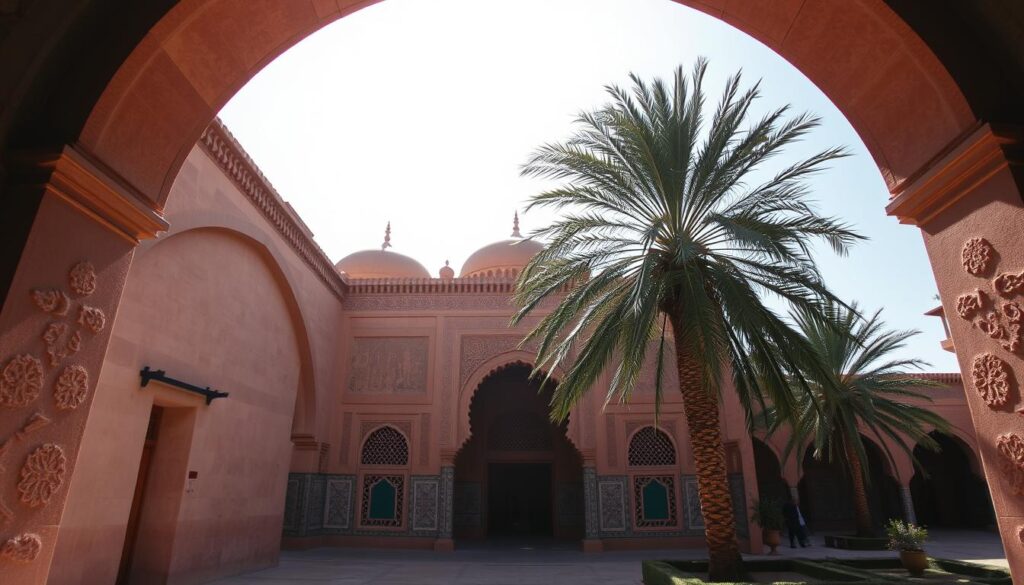
For centuries, the Saadian Tombs were hidden. They were found again, showing off Marrakech’s rich history and architecture. The tombs go back to the 16th century. They tell the story of the Saadian dynasty, who ruled Morocco back then.
The Rediscovery of the Tombs
In 1917, the Saadian Tombs were found again. They were hidden behind a wall in Marrakech’s Kasbah. Now, you can see their beauty and learn about their history. It’s a top spot for tourists.
Highlights of the Mausoleum
The Saadian Tombs are famous for their amazing architecture and tile work. The mausoleum of Sultan Ahmad al-Mansur is a highlight. It has a grand hall with a cedar wood ceiling and beautiful zellij tiles. The courtyards and gardens offer a peaceful break from the city’s noise.
Tips for Avoiding Crowds
To enjoy the Saadian Tombs, visit early morning or late afternoon. This way, you’ll miss the crowds. You can also check out the historic Kasbah of Marrakech nearby. Here are some tips for your visit:
- Arrive early to beat the crowds
- Consider a guided tour to gain deeper insights into the history and significance of the tombs
- Be respectful of the site and its visitors, and dress modestly
| Tips for Visiting | Benefits |
|---|---|
| Arrive Early | Avoids Crowds |
| Guided Tour | Deeper Insights |
| Dress Modestly | Respectful Visit |
By following these tips, your visit to the Saadian Tombs will be more enjoyable. It’s one of Marrakech’s must-see historical sites.
Complete Guide to Marrakech Things to See in the Souks
Exploring Marrakech’s souks is an adventure that combines culture, history, and commerce. The souks, or markets, are a fundamental part of Marrakech’s identity. They offer a vast array of goods that reflect the city’s rich heritage.
Souk Semmarine and Textile Markets
The Souk Semmarine is one of the most famous souks in Marrakech. It’s known for its vibrant textiles, including traditional Moroccan carpets and intricately designed fabrics. As you navigate through the narrow alleys, you’ll discover a variety of textile markets.
Here, you can find everything from handmade clothing to luxurious fabrics.
Tips for Shopping in Textile Markets:
- Inspect the quality of the textiles carefully.
- Don’t hesitate to bargain; it’s part of the local culture.
- Look for unique, handmade items that reflect local craftsmanship.
Spice Markets and Traditional Apothecaries
Marrakech’s spice markets are a sensory delight. They are filled with the aromas of exotic spices, herbs, and fragrances. You can explore traditional apothecaries where local vendors offer a range of natural remedies and spices.
Be sure to smell and taste the various spices to appreciate their quality.
Metalwork, Leather, and Pottery Souks
The souks also feature a variety of artisans specializing in metalwork, leather goods, and pottery. You can find beautifully crafted items, from intricately designed metal lanterns to high-quality leather bags and traditional pottery.
| Craft | Description | Price Range |
|---|---|---|
| Metalwork | Intricately designed lanterns and decorative items | $20-$100 |
| Leather Goods | High-quality bags, belts, and accessories | $30-$200 |
| Pottery | Traditional and modern ceramic pieces | $10-$50 |
Bargaining Tips for American Tourists
Bargaining is an essential part of shopping in Marrakech’s souks. Here are some tips to help you navigate the process:
- Start with a lower offer than you’re willing to pay.
- Be respectful and friendly; bargaining is a negotiation, not a confrontation.
- Know the approximate value of the item you’re interested in.
Jardin Majorelle: Yves Saint Laurent’s Blue Paradise
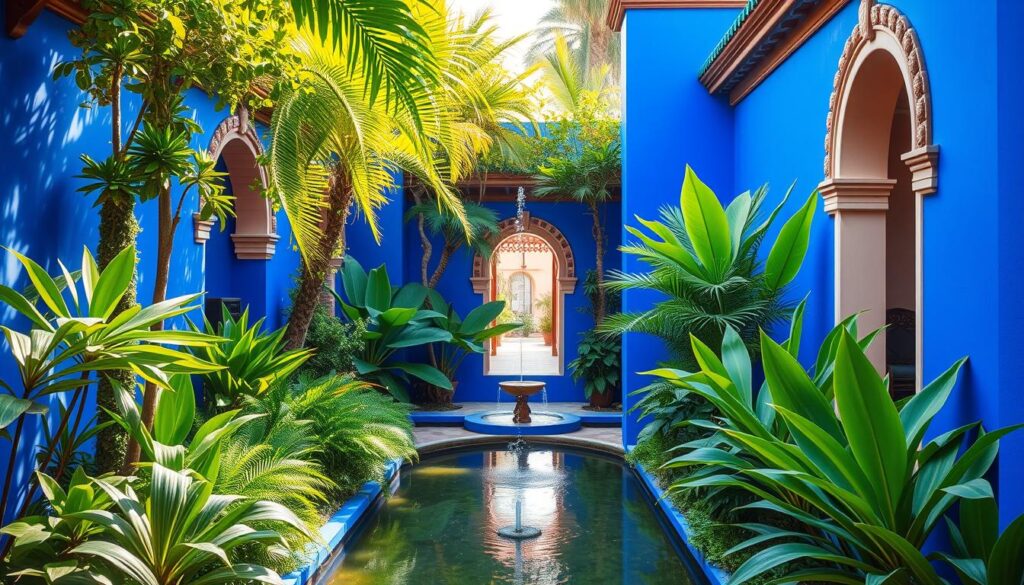
When you enter Jardin Majorelle, you’re surrounded by stunning blue buildings and lush greenery. It’s a true paradise in Marrakech’s heart. This garden is one of the city’s hidden gems, offering a peaceful escape from the busy streets.
The Garden’s History and Restoration
Jardin Majorelle was started by French artist Jacques Majorelle in the 1920s. Majorelle wanted to create a serene oasis. He worked on the garden for decades.
After it fell into disrepair, Yves Saint Laurent and Pierre Bergé restored it in the 1980s. Their hard work turned Jardin Majorelle into the stunning place it is today.
Exotic Plants and Landscape Design
The garden is famous for its vibrant blue buildings, like the iconic villa and studio. These now house the Berber Museum. As you explore, you’ll see exotic plants and trees from all over the world.
The garden’s design shows Majorelle’s artistic vision and YSL’s commitment to preserving his work.
The Berber Museum and YSL Memorial
A visit to Jardin Majorelle isn’t complete without seeing the Berber Museum. It has a wide range of Berber artifacts and cultural exhibits. The garden also has a memorial for Yves Saint Laurent, celebrating his role in preserving the garden and his legacy in Marrakech.
Best Times to Visit and Photography Tips
For the best experience, visit early in the morning or late in the afternoon. These times are cooler and have better light for photos. A travel photographer says, “The blue architecture of Jardin Majorelle is breathtaking. Capturing it during the golden hour can result in stunning images.”
Jardin Majorelle is a must-see for unique experiences in Marrakech. It’s perfect for nature lovers, photography enthusiasts, or anyone looking for a beautiful place to relax. Jardin Majorelle will surely leave a lasting impression.
Marrakech’s Hidden Gardens: Le Jardin Secret and Menara
Marrakech’s lesser-known gardens offer a peaceful escape from the city’s chaos. While many visitors flock to the famous Jardin Majorelle, other beautiful and serene gardens remain relatively unknown. Two such hidden gems are Le Jardin Secret and Menara Gardens.

Le Jardin Secret: Islamic Garden Design
Le Jardin Secret is a masterpiece of Islamic garden design. It features tranquil courtyards, water features, and beautifully manicured plants. This garden is a perfect representation of the traditional Moroccan riad, with its emphasis on privacy and serene ambiance.
As you explore the garden, you’ll discover a variety of plant species and architectural elements. These reflect the rich cultural heritage of Marrakech. For more information on planning your visit, check out our Marrakech travel guide.
Menara Gardens and Pavilion
Menara Gardens is a historic garden that dates back to the 12th century. It is characterized by its olive groves and the striking pavilion that overlooks the surrounding landscape. The pavilion, with its green-tiled roof, is a picturesque spot for relaxation and offers stunning views of the Atlas Mountains.
Menara Gardens is not only a peaceful retreat but also a significant historical site. It showcases the advanced irrigation systems of ancient Morocco.
The Historic Water Systems of Marrakech
The historic water systems of Marrakech are a testament to the city’s rich engineering heritage. The city’s gardens, including Le Jardin Secret and Menara, rely on ancient irrigation techniques. These systems demonstrate the ingenuity of Moroccan craftsmen and their ability to create lush oases in the desert.
Peaceful Retreats from the City Bustle
Both Le Jardin Secret and Menara Gardens offer visitors a chance to escape the hustle and bustle of Marrakech’s streets. These gardens are not just beautiful spaces; they are also havens of peace. Whether you’re looking for a quiet spot to read, a picturesque backdrop for photography, or simply a calm atmosphere, these hidden gems are must-visit destinations.
| Garden | Key Features | Best Time to Visit |
|---|---|---|
| Le Jardin Secret | Islamic garden design, tranquil courtyards, water features | Morning |
| Menara Gardens | Olive groves, historic pavilion, olive oil production | Afternoon |
Ben Youssef Madrasa: Islamic Educational Heritage
The Ben Youssef Madrasa shows the city’s deep Islamic roots and educational past. It’s a top place to visit in Marrakech. It gives a unique look into the city’s cultural and religious history.
The Architecture and Intricate Inscriptions
The madrasa is famous for its beautiful architecture. It has detailed inscriptions and stunning tile work. As you walk through, you’ll see the detailed craftsmanship on the walls and ceilings. It shows the talent of Moroccan artisans.
Historical Significance as a Center of Learning
The Ben Youssef Madrasa was once a key place for learning. Students from all over the Islamic world came here. It was a big part of Marrakech’s education and religion, and its impact is still felt today. For more on Marrakech’s history, check out https://tours360morocco.com/must-see-historical-sites-in-marrakech/.
Restoration Efforts and Present-Day Importance
Recently, the madrasa has been restored to keep its beauty and importance. Now, it’s a symbol of Marrakech’s rich heritage. It attracts visitors worldwide who are fascinated by its beauty and history.
Day Trips from Marrakech: Beyond the City Walls
Looking to explore more than Marrakech? There are many day trips that show off Morocco’s varied landscapes and cultures. The areas around Marrakech are full of unique experiences for all interests.
Atlas Mountains and Berber Villages
A trip to the Atlas Mountains is essential for experiencing Berber culture. You can visit Berber villages, see the beautiful landscapes, and try local food. It’s a chance to dive into the rich cultural heritage of the area.
The Atlas Mountains are also perfect for outdoor lovers. You can hike, bike, or ride horses. Guided tours offer stunning views and insights into local plants and animals.
| Activity | Location | Duration |
|---|---|---|
| Hiking | Atlas Mountains | Full Day |
| Visit Berber Villages | Atlas Mountains | Half Day |
| Horseback Riding | Atlas Mountains | Full Day |
Essaouira: The Coastal Escape
Essaouira is a lovely coastal town for a day trip from Marrakech. It’s famous for its beaches, arts scene, and seafood. You can walk the historic ramparts, check out the markets, and eat fresh seafood. For more on Essaouira, see this guide to Essaouira day trips.
“Essaouira is a haven for artists and those seeking tranquility by the sea.” – Traveler’s Review
Ouzoud Waterfalls
The Ouzoud Waterfalls are a stunning natural sight, 150 km from Marrakech. They’re surrounded by olive groves and offer amazing views. You can hike down, take a boat ride, or just enjoy the scenery.
Agafay Desert Experience
For a unique desert adventure, visit the Agafay Desert near Marrakech. You can go on camel rides, watch the sunset, and enjoy the desert’s calm. Many tours include dinner and stargazing.
In conclusion, Marrakech is a great starting point for exploring marrakech itinerary beyond the city. Whether you’re into culture, nature, or adventure, there’s a day trip for you. Adding these trips to your plan makes your Moroccan experience more diverse and fulfilling.
Modern Marrakech: Contemporary Art and Culture
Exploring Marrakech reveals a lively art and culture scene. It’s a mix of old and new, showing the city’s growth as a cultural center.
Museum of African Contemporary Art Al Maaden (MACAAL)
The Museum of African Contemporary Art Al Maaden (MACAAL) is a top spot for modern art in Marrakech. It’s in the city’s heart and has a vast collection of African art. This gives a peek into Africa’s rich cultural world.
Yves Saint Laurent Museum
The Yves Saint Laurent Museum is a must-see for those who love the famous designer Yves Saint Laurent. It shows YSL’s life and work, focusing on his ties to Marrakech. It also shows how he shaped the city’s culture.
The New City (Gueliz) and Its Attractions
Gueliz, or the New City, is Marrakech’s modern area. It’s a contrast to the old medina. Here, you’ll find cool shops, art galleries, and places to eat modern Moroccan cuisine. Gueliz is where you can feel the city’s modern spirit.
Modern Moroccan Cuisine and Dining Experiences
Marrakech’s food scene is more than just traditional dishes. It also has modern Moroccan cuisine. Restaurants in Gueliz and other places offer new ways to enjoy Moroccan food. Don’t miss out on these modern culinary adventures in Marrakech.
Conclusion: The Timeless Appeal of Marrakech
As you finish your trip to Marrakech, it’s obvious that this city has something for everyone. You can see historic sites like the Koutoubia Mosque and Bahia Palace. Or, you can enjoy the lively Jemaa el-Fnaa square and peaceful Jardin Majorelle gardens.
Exploring the souks and discovering local crafts is exciting. You can also dive into the contemporary art scene. Whether you’re walking through the Medina, visiting the Saadian Tombs, or relaxing in the Menara Gardens, Marrakech offers a mix of old and new. This makes your visit unforgettable.
Planning your trip or thinking back on your visit shows Marrakech’s lasting charm. It balances tradition and modernity, appealing to many interests. With its history, culture, and charm, Marrakech will continue to captivate travelers for years.




 Covers cities, coast, mountains, desert & food