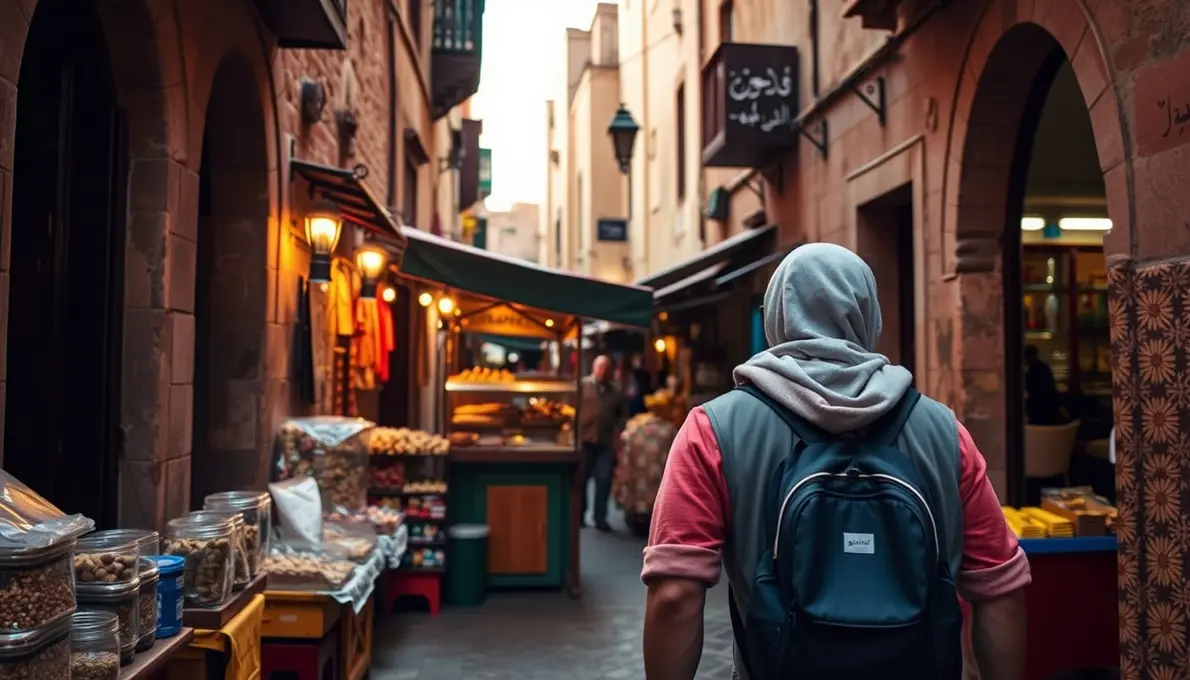
Marrakech, with its vibrant medina and bustling souks, is a sensory feast, and nowhere is this more evident than in its incredible street food scene. For any traveler wanting to genuinely connect with the Red City, diving into the world of Marrakech street food is non-negotiable. Forget fancy restaurants for a moment; the true flavors and heartbeat of Marrakech are found at its lively stalls, in the smoky evening air of Djemaa el-Fna, and tucked away down narrow alleyways. This guide will walk you through the essential eats and where to find them, ensuring your culinary journey through Marrakech is as authentic and delicious as possible.
Djemaa el-Fna After Dark: The Epicenter of Marrakech Street Food
As dusk settles over Marrakech, Djemaa el-Fna transforms from a daytime spectacle into an open-air food theater. Hundreds of temporary food stalls, marked by their numbered signs and sizzling grills, pop up like magic. This is arguably the most famous place to experience Marrakech street food. The air fills with a symphony of aromas –
grilling meats, simmering tagines, and sweet pastries. It can feel overwhelming at first, but embracing the chaos is part of the fun. Look for stalls that are busy with locals; this is usually a good indicator of quality and freshness.
Navigating Djemaa el-Fna’s food stalls requires a bit of an adventurous spirit. Don’t be afraid to strike up a conversation with the stall owners, who are often charismatic and eager to share their food. While the atmosphere is undoubtedly lively, it’s worth noting that some stalls cater predominantly to tourists. For a more authentic experience, observe where families and groups of Moroccan friends are congregating. Common offerings here include various grilled meats (kebabs, kefta), harira soup, snail soup (a surprisingly popular and traditional snack), and a plethora of fried delicacies. Always ask for prices before ordering to avoid any surprises, and don’t hesitate to try a little bit of everything.
Beyond the Square: Hidden Gems and Local Lunch Spots
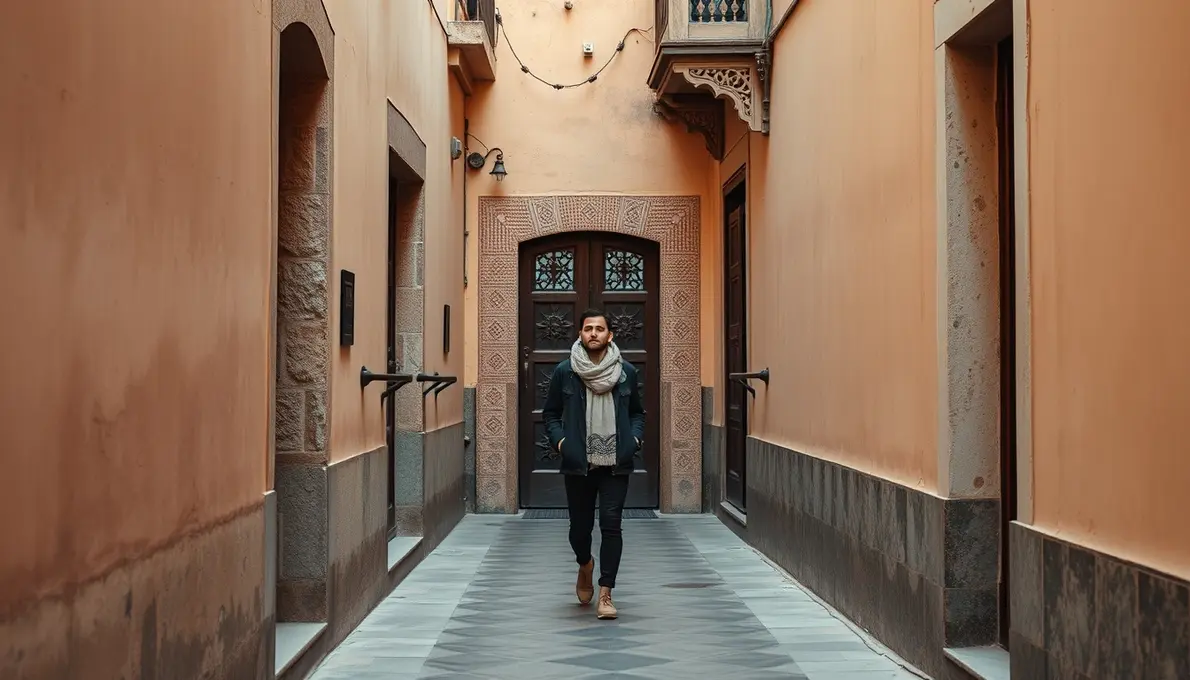
While Djemaa el-Fna is iconic, the real depth of Marrakech’s street food culture awaits those willing to venture just beyond its perimeter and into the souks and local neighborhoods. During the day, particularly around lunchtime, you’ll find smaller, less conspicuous stalls and small eat-in eateries (often just a few tables) catering to residents and shopkeepers. These spots often offer exceptional value and incredibly fresh, home-style cooking.
One such find might be a small mechoui (slow-roasted lamb) restaurant. Look for places with whole roasted lambs displayed – a true sign of artisanal preparation. The meat is so tender it falls off the bone and is usually served simply with cumin salt and bread. Another local favorite is tanjia, a slow-cooked beef or lamb dish prepared in an earthenware pot, traditionally cooked in the embers of a public hammam furnace overnight. It’s rich, flavorful, and a must-try. You’ll typically find dedicated tanjia eateries, often small and unassuming, especially in the Mellah (Jewish Quarter) or near Bab Doukkala. Exploring these areas on foot, letting your nose guide you, is the best strategy. Don’t be shy about peering into kitchens or asking locals for their recommendations on the best Msemen (flaky flatbread) or Beghrir (spongy pancakes) stands for breakfast or an afternoon snack.
A Taste of Tradition: Essential Marrakech Street Food Snacks
Marrakech boasts an incredible variety of snacks, many of which can constitute a full meal in themselves. Understanding these local staples is key to truly enjoying the Marrakech food stalls.
- Harira: This rich, savory tomato-based soup, often thickened with lentils, chickpeas, and a hint of meat, is a Moroccan classic. It’s especially popular during Ramadan but enjoyed year-round, particularly in the cooler evenings. It’s hearty, warming, and often served with a wedge of lemon and a sweet date.
Snail Soup (Babbouche): Don’t let the idea put you off. This aromatic, earthy broth, infused with various herbs and spices, is a beloved local delicacy. The snails are small and flavorful, often eaten with a toothpick. It’s surprisingly addictive and said to have medicinal properties. You’ll find bubbling pots of Babbouche* all over Djemaa el-Fna, especially after dark.
- Tangia Marrakchia: As mentioned, this slow-cooked meat dish is a Marrakchi specialty. It’s traditionally cooked in a clay urn, often by men, and left overnight in the hot ashes of a public hammam. The result is incredibly tender, fall-apart meat (usually beef or lamb) infused with spices like saffron, cumin, and preserved lemon, all rendered in its own fat. Served with bread for scooping, it’s an intensely flavorful experience.
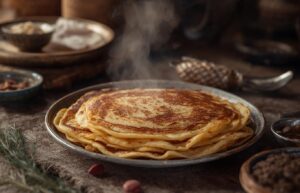
Msemen and Beghrir: These flatbreads are ubiquitous. Msemen is a square, layered, pan-fried bread, often eaten with honey, jam, or cheese, or stuffed with savory fillings like spiced vegetables or minced meat. Beghrir* are porous, spongy pancakes, typically served warm with butter and honey syrup. Both are fantastic breakfast items or afternoon snacks, often found at small stalls or cafes.
- Maakouda: These deep-fried potato cakes, spiced and crispy on the outside, soft on the inside, are served hot, often with a spicy harissa sauce. They’re a popular, inexpensive snack perfect for a quick bite while exploring the souks.
Zaalouk and Taktouka: These are classic Moroccan salads, often served as sides but substantial enough to be snacks. Zaalouk is a smoky, spiced cooked eggplant salad, while Taktouka* features cooked tomatoes, bell peppers, garlic, and spices. Both are eaten with khobz (Moroccan bread) for scooping.
A Sweet Ending: Moroccan Pastries and Desserts
No street food tour is complete without indulging in the sweet side of Marrakech. Moroccan pastry stalls are a feast for the eyes, often displaying towering piles of glistening treats.
- Chebakia: A sesame-fried cookie, shaped like a flower, drenched in honey and sprinkled with sesame seeds. It’s often enjoyed with harira soup, especially during Ramadan. It’s chewy, sweet, and distinctly flavored.
- Cornes de Gazelle (Kaab el Ghazal): Translated as “gazelle’s horns,” these delicate crescent-shaped pastries have a fine, almost crumbly almond paste filling scented with orange blossom water. They are usually less sweet than other pastries and an elegant treat.
- Coconut and Semolina Cakes: You’ll find many variations of these, often round or square, dense and moist, sometimes topped with a cherry or dipped in chocolate. They are deliciously rich and satisfying.
- Sellou/Sfouf: A nutty, flour-based sweet made with roasted sesame seeds, almonds, flax seeds, and various spices, all mixed with melted butter and honey or sugar. It’s a rich, energy-dense snack, often served during special occasions, but available at some spice shops or specialized patisseries.
Look for small bakeries or dedicated pastry shops in the medina outskirts, or even small carts selling individual sweets. Don’t forget to pair your sweet treat with a glass of refreshing nana (mint tea) – the national drink. For more planning tips on navigating Moroccan cities, you might find useful information on Marrakech street food.
Navigating the Stalls: Tips for a Seamless Street Food Experience
To truly enjoy the best of Marrakech’s street food scene, a few practical tips can go a long way.
Firstly, hygiene is paramount. While most reputable stalls maintain good standards, it’s wise to observe how food is prepared and handled. Look for places with high turnover, clean surfaces, and cooks wearing clean aprons. Opt for freshly cooked items that are hot off the grill or out of the fryer, rather than food that has been sitting out for a long time. Bottled water is always recommended.
Secondly, embrace the local pace and interaction. Street food is as much about the experience as it is about the meal itself. Don’t be afraid to ask questions about the dishes – even a few words in Darija (Moroccan Arabic) like “Shnoo hada?” (What is this?) or “Besh hal?” (How much?) will be appreciated. Keep small denominations of dirhams handy for easier transactions. While bargaining isn’t common for street food, confirming the price before you order is always a good practice.
Thirdly, don’t try to eat everything at once. Marrakech street food is best enjoyed in small doses throughout the day. Graze from a few different stalls, sampling a variety of dishes. This allows you to taste more without getting overwhelmed or feeling unwell. It’s also a great way to discover your personal favorites. Remember that many places are open late, especially around Djemaa el-Fna, so you can spread your culinary adventures across evenings.
Finally, be prepared for a unique atmosphere. Dining at Marrakech food stalls means sitting on shared benches, rubbing shoulders with locals, and being immersed in the vibrant sounds and smells of the city. It’s not a quiet, private dining experience, and that’s precisely its charm. Let yourself be carried away by the energy and warmth of Moroccan hospitality.
Conclusion
Exploring the vibrant world of Marrakech street food is an adventure for the senses, a genuine immersion into the city’s culture, and undoubtedly one of the most memorable aspects of any visit. From the bustling theatrics of Djemaa el-Fna to the quiet, authentic corners of the medina, the culinary landscape offers endless discoveries. Don’t hesitate to step outside your comfort zone, try new flavors, and engage with the passionate vendors who keep these traditions alive. Your taste buds will thank you, and you’ll leave with a deeper appreciation for the heart and soul of Marrakech. For more global travel insights, you can explore resources like Marrakech food stalls.
FAQs
What are the must-try dishes at Djemaa el-Fna’s food stalls?
At Djemaa el-Fna, you absolutely must try the slow-cooked Tanjia Marrakchia, the hearty Harira soup, and the surprisingly delicious snail soup (Babbouche). Also popular are various grilled meats like kebabs and kefta, often served with bread and salads. Don’t forget to sample some of the fried pastries for a sweet finish.
Is Marrakech street food safe to eat for tourists?
Generally, yes, Marrakech street food is safe, but it’s important to choose wisely. Look for stalls that are busy (indicating fresh turnover), appear clean, and where food is cooked to order and served hot. Avoid food that has been sitting out uncovered for long periods. Sticking to cooked items and drinking bottled water will further minimize any risks.
How much does street food typically cost in Marrakech?
Street food in Marrakech is very affordable. A bowl of harira soup might cost around 5-10 dirhams, while a plate of grilled kebabs or a serving of tanjia could range from 30-60 dirhams, depending on the portion and ingredients. Snacks like maakouda or a pastry usually cost just a few dirhams. It’s an excellent way to eat well on a budget.
What is Tangia Marrakchia, and where can I find it?
Tangia Marrakchia is a traditional Marrakchi slow-cooked meat dish, usually beef or lamb, prepared in a distinctive clay urn. It’s flavored with saffron, cumin, and preserved lemon and cooked for hours in the embers of a public hammam fire, resulting in incredibly tender meat. You can find specialized tangia restaurants, often small and traditional, particularly in the Mellah district or near Bab Doukkala, though some stalls in Djemaa el-Fna also offer it.

 Covers cities, coast, mountains, desert & food