
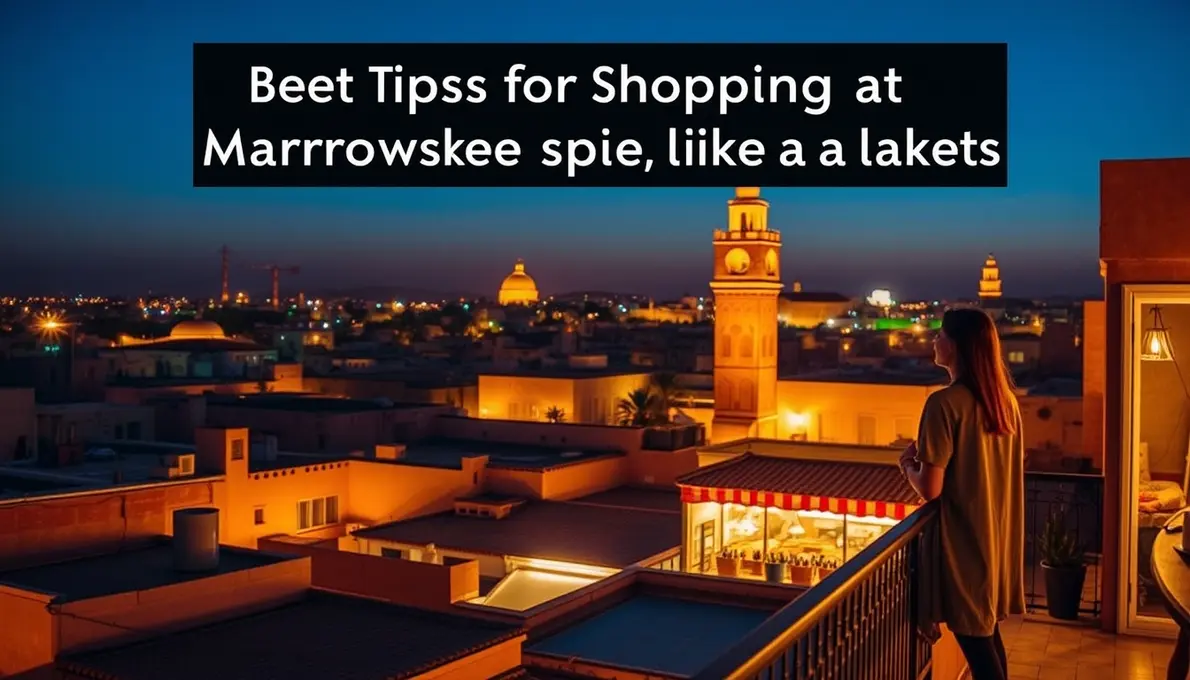
The heady aroma of cumin, turmeric, and saffron hangs thick in the air, a scent that defines the very essence of Marrakech. If you’re planning a trip to this vibrant Moroccan city, a visit to the Marrakech spice markets is an absolute must. More than just a place to buy seasonings, these souks offer a sensory explosion, a cultural immersion, and an incredible opportunity to connect with local life. But navigating them like a seasoned traveler requires a few tricks up your sleeve. This guide will help you embrace the art of shopping for spices, teas, and traditional remedies, ensuring you take home authentic treasures and unforgettable memories.
Discovering the Heart of the Souks: Where the Scents Begin
When you venture into the labyrinthine alleys of the Marrakech medina, you’re not just entering a marketplace; you’re stepping into a living, breathing testament to centuries of trade. The spice markets, while interwoven with other souks selling leather, textiles, and metalwork, often cluster around specific areas, particularly near the Rahba Kedima (the old spice square) and extending into the surrounding arteries. This is where the magic truly unfolds, with colorful mounds of spices piled high, exotic teas displayed in intricate patterns, and traditional apothecaries showcasing ancient herbal remedies. It’s a feast for the eyes and a challenge for your sense of smell – in the best possible way. Understanding this geographical heart helps you focus your shopping efforts and prevents you from getting completely overwhelmed by the sheer scale of the medina. Look for stalls that specialize in spices, where the range and quality will be much higher than general souvenir shops.
Decoding the Display: What to Look For (and Look Out For)
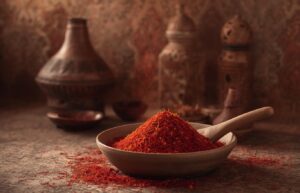
Walking through the Marrakech spice markets, you’ll be greeted by an incredible diversity of products. From the deep red of paprika and the vibrant yellow of curcuma to the earthy tones of Ras el Hanout, the visual spectacle is captivating. But how do you discern quality from mere presentation? For saffron, often one of the most prized (and counterfeited) spices, look for long, deep red threads with a trumpet-shaped end – avoid yellowish strands. True saffron is dry and brittle, not soft or oily. For argan oil, ensure it’s sold in dark glass bottles to protect it from light, and check for a subtle, nutty aroma; a strong, pungent smell can indicate rancidity. Many reputable spice vendors will allow you to smell and even taste small samples, which is a great way to assess freshness. Don’t be afraid to ask about the origin of the spices; genuine traders will be knowledgeable and proud of their products. Keep an eye out for interesting blends like “Berber spices” or specific regional mixes that are unique to Morocco.
Engaging with Vendors: The Art of Negotiation and Connection
Shopping at the Marrakech spice markets is as much about the interaction as it is about the purchase. Moroccan culture values connection and conversation. Vendors are often eager to share stories about their spices, explain their uses, and offer you a small glass of mint tea. Embrace this. A genuine smile, a few words of basic Arabic (like “Shukran” for thank you, or “Salam Alaikum” for hello), and a respectful approach can go a long way. When it comes to prices, negotiation is not just expected; it’s a fundamental part of the shopping experience. Never accept the first price offered. Start by offering around half of what they initially quote and work your way up, aiming for something closer to two-thirds. Be polite but firm. If you can’t agree on a price, it’s perfectly acceptable to politely decline and move on. Often, as you walk away, they’ll call you back with a better offer. Remember, the goal isn’t to get the absolute lowest price, but a fair price that both you and the vendor are happy with. This ritual is part of the charm of Marrakech souks shopping.
Beyond the Classic Spices: Exploring Local Treasures
While saffron, cumin, and turmeric are mainstays, the Marrakech spice markets hold a wealth of other fascinating ingredients. Keep an open mind and explore traditional Moroccan herbal remedies and beauty products. Beldi soap (black soap), rhassoul clay, and kohl eyeliner are all easily found here and make excellent authentic souvenirs. You might also discover unique tea blends, such as green tea infused with nana mint (spearmint), or a mixture for internal cleansing. For those interested in culinary adventures, look for preserved lemons, harissa paste, and dried olives. Many vendors will happily explain the uses and benefits of these items. Don’t overlook the intricate spice grinders and traditional tagine pots, which, while not spices themselves, are essential tools for Moroccan cooking and often sold in the same vicinity. This is also a perfect opportunity to understand different types of argan oil, separating culinary from cosmetic grades.
Practical Tips for a Smooth Spice Hunting Expedition
To make your visit to the Marrakech spice markets as enjoyable and productive as possible, a little preparation goes a long way. First, carry smaller denominations of Moroccan Dirhams (MAD). While some larger stalls might accept cards, cash is king, especially for smaller purchases and easier negotiation. Bring a reusable shopping bag to carry your fragrant treasures; plastic bags are less environmentally friendly and can sometimes split. Consider visiting earlier in the morning when the souks are less crowded and the vendors are often more relaxed. If you’re sensitive to strong smells, a small scarf or face covering might be useful, though inhaling the diverse aromas is part of the experience! Be wary of individuals who offer to “guide” you without being asked; they often lead you to specific shops where they receive a commission, which can result in higher prices. Instead, get purposefully lost and enjoy the serendipitous discoveries. For a comprehensive overview of planning your Moroccan adventure, including travel beyond Marrakech, consider exploring resources like Marrakech spice markets for broader insights.
Safeguarding Your Purchases and Enjoying Them Back Home
Once you’ve successfully navigated the bustling Marrakech spice markets and made your selections, you’ll want to ensure your aromatic souvenirs make it home in peak condition. Most vendors will package dried spices in sturdy plastic bags, but consider bringing small, airtight containers or resealable bags for extra security, especially for fragile items like saffron or potent powders. To maintain freshness, store your spices in a cool, dark place away from direct sunlight and humidity. Ground spices generally have a shorter shelf life than whole spices, so grind them fresh if possible, or buy smaller quantities. For argan oil, remember to keep it in its dark bottle. When you unpack your bags at home, the faint, exotic aroma lingering will be a wonderful reminder of your Moroccan adventure, ready to infuse your cooking and memories with the spirit of Marrakech. For more general travel information and tips on exploring other regions, you might find Marrakech souks shopping a valuable reference.
Conclusion
Shopping for spices in Marrakech is more than just a transaction; it’s a cultural encounter, a sensory journey, and a skill honed through friendly banter and respectful negotiation. By understanding the heart of the souks, knowing what to look for, engaging authentically with vendors, and adopting a few practical strategies, you can transform a simple shopping trip into one of the most memorable parts of your Moroccan experience. The Marrakech spice markets offer not just ingredients, but stories, traditions, and the very essence of this captivating city, ready to be discovered and brought home.
FAQs
What are the busiest times to visit the spice markets?
The spice markets tend to be busiest in the late morning and late afternoon, especially when tour groups are present. For a slightly quieter and more relaxed experience, try visiting earlier in the morning, shortly after the stalls open, or during lunchtime.
Is it safe to buy food items like spices and teas from the souks?
Generally, yes, it is safe. Reputable spice vendors in Marrakech maintain high standards. Look for busy stalls with fresh, vibrant displays and a high turnover of products. It’s always a good idea to buy from established vendors rather than transient hawkers.
How much should I expect to pay for spices in Marrakech?
Prices vary widely depending on the spice, quality, and your negotiation skills. For common spices like cumin or turmeric, you might pay anywhere from 10-20 MAD per 100g. Saffron and argan oil are significantly more expensive. Always negotiate, and don’t be afraid to walk away if the price feels too high.
What is the difference between culinary and cosmetic argan oil?
Culinary argan oil is made from roasted argan kernels, giving it a distinctive nutty flavour and a darker colour, perfect for dipping bread or drizzling over salads. Cosmetic argan oil is pressed from unroasted kernels, has a much lighter scent, and is used for skin and hair. Ensure you specify which type you want when purchasing.



 Covers cities, coast, mountains, desert & food