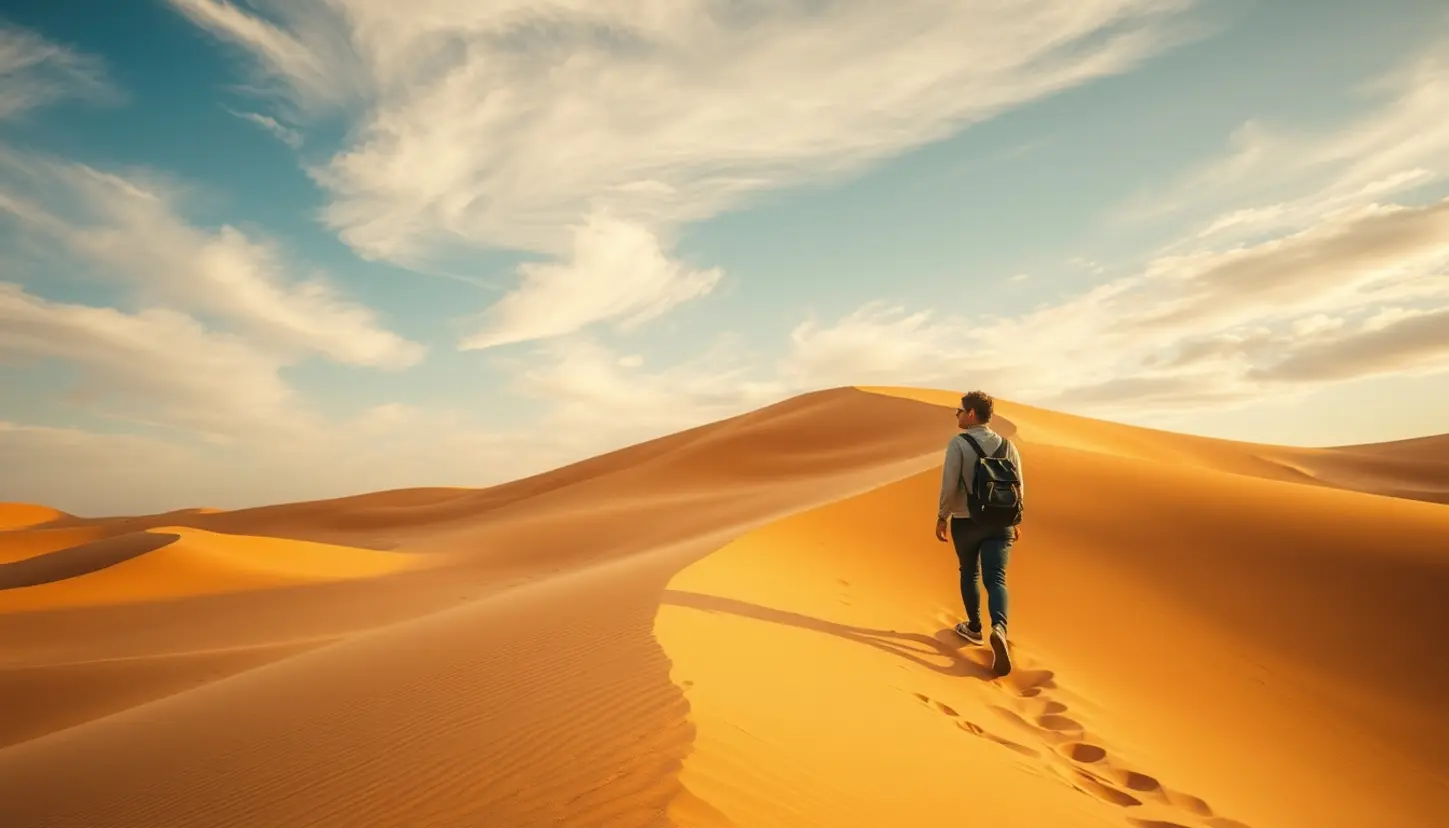
Morocco, a land of vibrant colours and ancient traditions, holds the key to one of the world’s most epic natural wonders: the Sahara Desert. When you look at any map of Africa, the Sahara stretches its golden fingers across a vast expanse, but it’s in the southern reaches of Morocco where its grandeur truly reveals itself in accessible and breathtaking ways. This journey isn’t just about marking a spot on a map; it’s an immersion into a landscape that has captivated explorers, traders, and dreamers for millennia. From towering dunes that shift with the wind to starlit nights that defy imagination, a Moroccan Sahara adventure promises an unforgettable encounter with nature’s raw beauty and timeless Bedouin culture.
Pinpointing Morocco’s Desert Gateways on the Map
Understanding where Morocco’s Sahara begins on a map of Africa is key to planning your desert adventure. While the vast Sahara spans many North African nations, Morocco offers some of the most stunning and accessible dune fields. Typically, when people speak of experiencing the Moroccan Sahara, they are referring to the Erg Chebbi dunes near Merzouga or the Erg Chigaga dunes near M’hamid El Ghizlane. Merzouga, a small village nestled on the edge of Erg Chebbi, is perhaps the most famous and easily reached gateway, often taking travellers through Errachidia and Rissani. Erg Chigaga, on the other hand, requires a more intrepid journey, often starting from Ouarzazate or Zagora, and leading into a wilder, more remote expanse of sand. Both offer distinct experiences, but both deliver that iconic Sahara magic – the endless horizon of golden sand.
The Allure of Erg Chebbi’s Shifting Sands
Erg Chebbi is the quintessential Moroccan desert experience for many. Its towering, apricot-hued dunes rise dramatically from the flat landscape, creating a mesmerizing vista that feels ripped from a postcard. This isn’t just a sandy patch; it’s a living, breathing landscape that changes with the light and the wind. The primary draw here is the opportunity to trek into the dunes on camelback, watch the sun set and rise over the endless sands, and spend a night under a blanket of stars in a traditional desert camp. The local Berbers, with their deep knowledge of the desert, are your guides, sharing stories and hospitality that enrich the experience. While it’s a popular destination, the vastness of Erg Chebbi allows for moments of profound solitude, making it easy to forget there’s a world beyond these golden sculptures.
Discovering the Untamed Wilderness of Erg Chigaga
For those seeking a more rugged and secluded Sahara experience, Erg Chigaga beckons. Located further south and west than Erg Chebbi, this dune field is often described as wilder and more remote. Reaching Erg Chigaga typically involves a 4×4 journey that crosses Hamada (stony desert) and takes several hours from the nearest towns like Zagora or M’hamid. The dunes here are less uniform than Erg Chebbi, with some reaching extraordinary heights, creating a sense of truly being in the heart of the great desert. Camping in Erg Chigaga often provides an even deeper sense of isolation and connection with nature, as fewer large-scale camps exist here. It’s an ideal choice for adventurous travellers who prioritize tranquility and an off-the-beaten-path encounter with the grandeur of the map Africa Sahara.
Beyond the Dunes: Life and Culture in the Desert’s Embrace
The Sahara isn’t just sand; it’s also home to a resilient culture that has thrived in this harsh environment for centuries. The local Berber and nomadic communities are integral to any desert experience. From their intricate patterns woven into carpets to the rhythmic beat of their drum circles around a bonfire, their traditions are deeply intertwined with the landscape. Visiting a local village, sharing a cup of mint tea, or simply observing daily life provides a fascinating glimpse into a culture shaped by the desert’s demands and its unexpected generosity. Understanding this human element adds immense depth to simply traversing the landscape. You might even find yourself contemplating the profound connection between culture and geography, a relationship clearly illustrated on any map africa sahara.
Navigating Your Desert Expedition from Far and Wide
Reaching the Sahara in Morocco, especially the main desert gateways, involves a journey that is often part of the adventure itself. Most travellers begin their trip in major Moroccan cities like Marrakech, Fes, or even from the capital, Rabat. From these points, multi-day desert tours are the most popular and practical option. These tours typically include transportation, usually by comfortable minibus or 4×4, taking you through the Anti-Atlas Mountains, past kasbahs and palm oases, before finally delivering you to the edge of the dunes. For those opting for a more independent journey, renting a car is possible, but navigating some of the more remote, unpaved roads requires a certain level of experience and the right vehicle. Internal flights to Errachidia can shorten the travel time significantly for Erg Chebbi, but still require ground transport to the dunes.
Essential Packing and Preparation for Your Desert Adventure
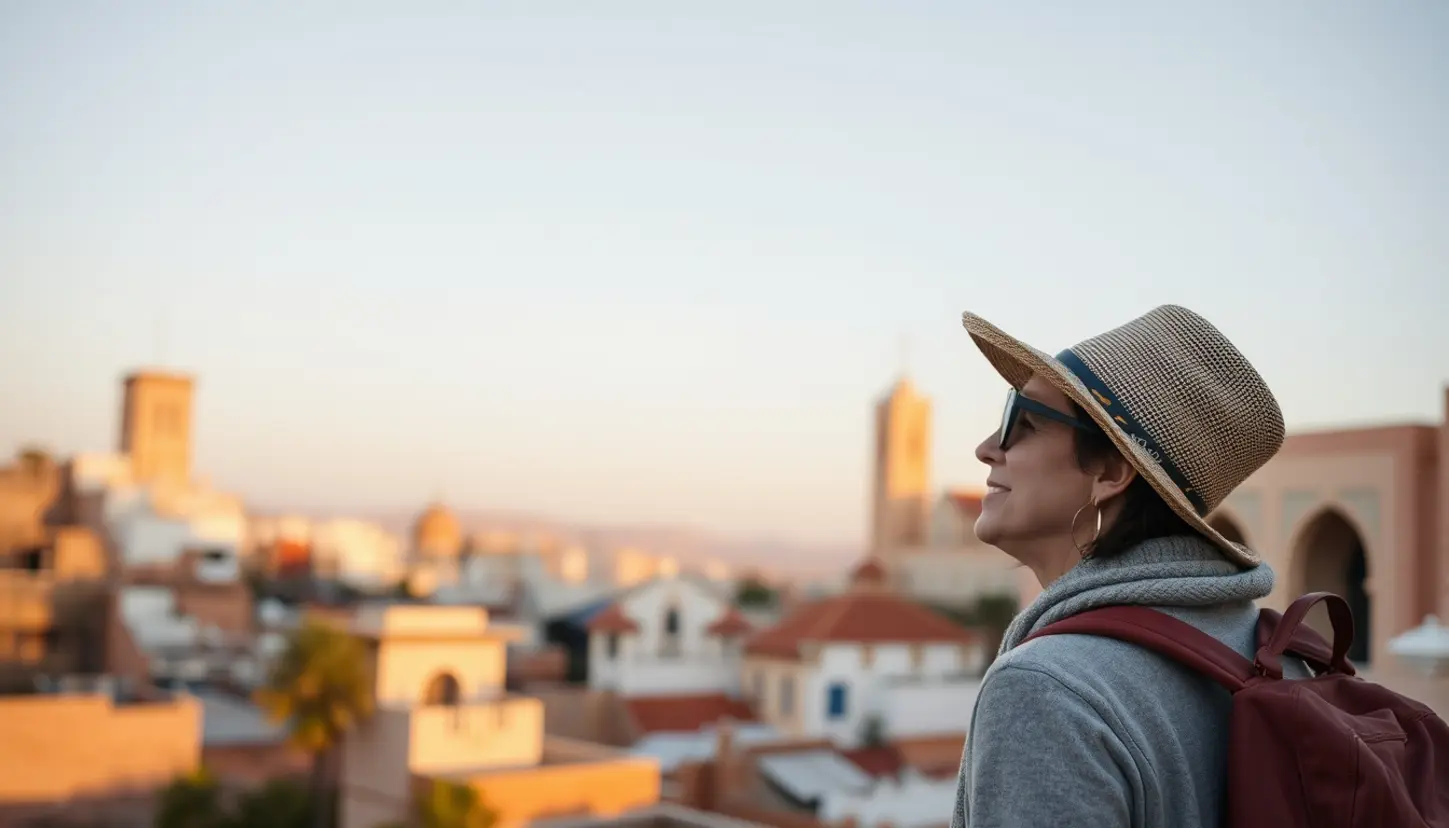
A trip to the Sahara, while magical, requires practical preparation to ensure comfort and safety. Key items include lightweight, breathable clothing for sun protection during the day, but also warm layers for surprisingly chilly desert nights. A wide-brimmed hat, sunglasses, and high-factor sun cream are non-negotiable. Sturdy closed-toe shoes are essential for walking in the sand and around camp. Don’t forget a reusable water bottle, as staying hydrated is paramount. A small backpack for day excursions, a headlamp for navigating after dark, and a power bank for electronics are also highly recommended. Most importantly, bring an open mind and a sense of adventure; the desert has a way of stripping away the unnecessary and leaving you with pure, unforgettable moments.
Choosing Your Desert Experience: From Basic to Boutique Camps
The range of desert camps in Morocco has expanded significantly, offering everything from rustic, traditional experiences to luxurious glamping with all the modern comforts. Standard camps usually consist of traditional Berber tents, shared facilities, and communal dining, providing an authentic and budget-friendly option. Mid-range camps offer private tents, often with ensuite bathrooms, and a more comfortable level of service. For those seeking indulgence, luxury camps provide spacious, well-appointed tents, gourmet meals, and often unique amenities like hot showers and even Wi-Fi. When choosing, consider your budget, your desire for comfort, and how “authentic” you want your experience to be. Each option, however, still offers the unparalleled joy of sleeping under the vast, star-studded sky of the Sahara.
The Rhythm of the Sahara: Best Times to Visit for Optimal Enjoyment
Timing your visit to the Moroccan Sahara dramatically impacts your experience. The shoulder seasons – spring (March to May) and autumn (September to November) – are generally considered the best. During these months, daytime temperatures are pleasantly warm, and nights are cool and comfortable, perfect for stargazing and sleeping. Summer (June to August) sees scorching temperatures, often exceeding 45°C (113°F), making daytime activities challenging and potentially uncomfortable. While winter (December to February) offers cool, crisp days, nights can be surprisingly cold, sometimes dropping below freezing. So, if you’re plotting your course on a map of Africa, aim for spring or autumn to truly savor the magic of Morocco’s golden dunes without confronting extreme temperatures.
Capturing the Magic: Photography and Stargazing in the Dunes
The Sahara is a photographer’s dream. The ever-changing light, the dramatic shadows cast by the dunes, and the vibrant colours of sunrise and sunset provide endless opportunities for stunning shots. Consider bringing a tripod for long-exposure night photography, as the desert sky, devoid of light pollution, offers an unparalleled canvas of stars, galaxies, and the Milky Way. Beyond photography, simply lying back and gazing at the cosmos is an experience in itself. The silence of the desert amplifies the grandeur of the celestial display, making you feel profoundly connected to the universe. It’s a moment of reflection and wonder, a perfect culmination to exploring the vastness that the map Africa Sahara represents.
Conclusion
Embarking on a journey to the Moroccan Sahara is more than just a trip; it’s an immersive experience that deeply connects you with nature, culture, and yourself. From navigating your chosen route on a map of Africa to witnessing the endless golden expanse of Erg Chebbi or the wild beauty of Erg Chigaga, every moment is imbued with discovery. The captivating landscapes, the warmth of Berber hospitality, and the profound silence of the desert under a canopy of stars create memories that last a lifetime. This iconic region truly embodies the spirit of adventure and wonder, cementing its place as a must-visit destination for anyone looking to explore the incredible diversity of Morocco.
FAQs
What are the main points of entry for desert tours in Morocco?
Most desert tours in Morocco begin from major cities such as Marrakech or Fes. These cities offer numerous tour operators, and from there, you’ll embark on a multi-day journey that usually takes you through the Atlas Mountains to reach the desert gateways like Merzouga (for Erg Chebbi) or M’hamid (for Erg Chigaga).
Is it safe to travel to the Sahara Desert in Morocco?
Yes, traveling to the Sahara Desert in Morocco is generally very safe. Tour operators are experienced and knowledgeable, ensuring visitor safety. The local Berber communities are welcoming and hospitable. As with any travel, it’s always wise to exercise general precautions, stay hydrated, and follow your guide’s advice, especially regarding the environment.
What kind of activities can I do in the Sahara Desert?
The primary activities include camel trekking through the dunes, enjoying sunrise and sunset views, stargazing, and staying overnight in a desert camp. Many tours also include visits to local villages, kasbahs, and oases along the journey to the desert. Some camps offer sandboarding or even quad biking experiences.
How many days are typically recommended for a Sahara Desert trip from Marrakech or Fes?
For a comprehensive experience from Marrakech or Fes to the Sahara, a 3-day, 2-night trip is the most common duration. This allows for sufficient travel time, a night in the desert, and exploration of some sights en route. A 4-day, 3-night trip offers a more relaxed pace and can include more stops and deeper immersion.




 Covers cities, coast, mountains, desert & food