
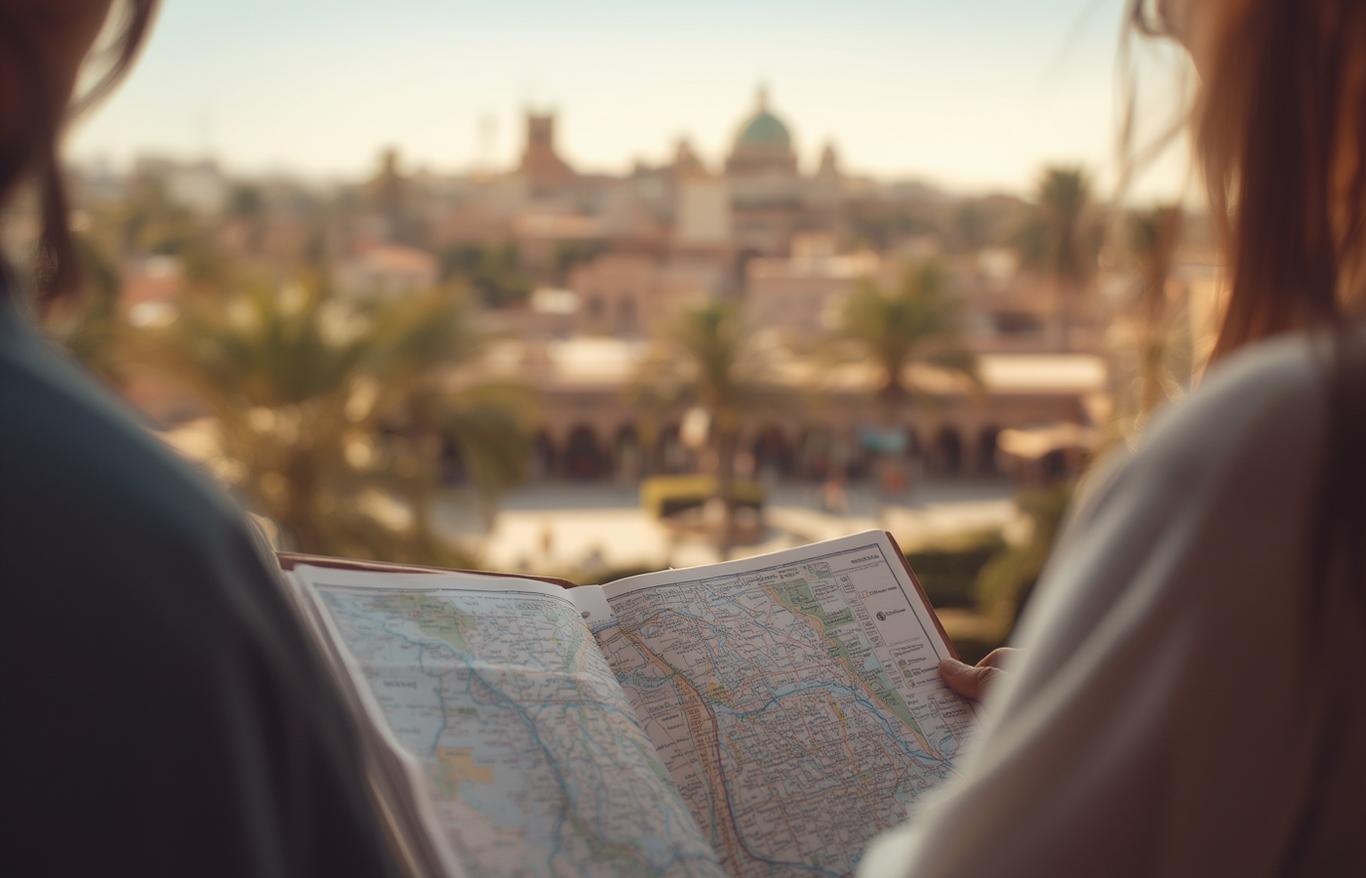
So you’re planning your first trip to Morocco and Casablanca is on your radar? Excellent choice! Often seen as just an arrival point, Casablanca is a vibrant, modern city with a rich history and a unique pulse that truly deserves more than just a fleeting glance. As a travel writer who’s spent a fair bit of time navigating its bustling streets and serene corners, I’ve put together a comprehensive 5-day travel plan specifically designed for first-time visitors. This isn’t just a list of places; it’s a guide to experiencing Casablanca’s rhythm, savoring its flavors, and understanding its heart. My goal here is to provide you with practical, actionable itinerary suggestions Casablanca that will make your first visit memorable, enjoyable, and surprisingly enriching, moving beyond the usual tourist traps to discover the city’s authentic charm.
Unveiling Casablanca’s Essence: Day-by-Day Explorations
For first-time visitors, getting a feel for Casablanca means balancing its iconic landmarks with its everyday life. Our 5-day journey is structured to gradually immerse you in the city’s diverse offerings. We’ll start with the grand, awe-inspiring sights, then delve into its art, history, and finally, its vibrant local scene. This approach allows for a relaxed pace, preventing burnout while ensuring you capture the essence of this dynamic Moroccan metropolis. Think less about rushing from one spot to another, and more about soaking in the atmosphere, interacting with locals, and discovering unexpected delights around every corner.
Immerse in Iconic Grandeur: Hassan II Mosque and Coastal Charms
Your first full day in Casablanca should undoubtedly revolve around its most celebrated masterpiece: the Hassan II Mosque. This architectural marvel, standing majestically on the Atlantic coastline, is an absolute must-see. It’s not just a religious site; it’s a testament to Moroccan craftsmanship and engineering, boasting the world’s tallest minaret and intricate details that will leave you spellbound. Take a guided tour to truly appreciate its significance and artistry. Post-mosque, allow yourself to wander along the Corniche, the city’s picturesque waterfront promenade. Enjoy the sea breeze, perhaps grab a fresh juice from a local vendor, and watch the waves crash against the shore. For lunch, numerous restaurants along the Corniche offer delicious seafood with stunning ocean views. In the afternoon, consider a visit to the Parc de la Ligue Arabe for a stroll amidst palm trees and lush greenery, providing a tranquil escape from the urban hustle. This initiation provides not just sightseeing, but a true sense of Casablanca’s grandeur and its connection to the sea.
Art Deco Allure and Historic Heart: Exploring Habous and the Old Medina
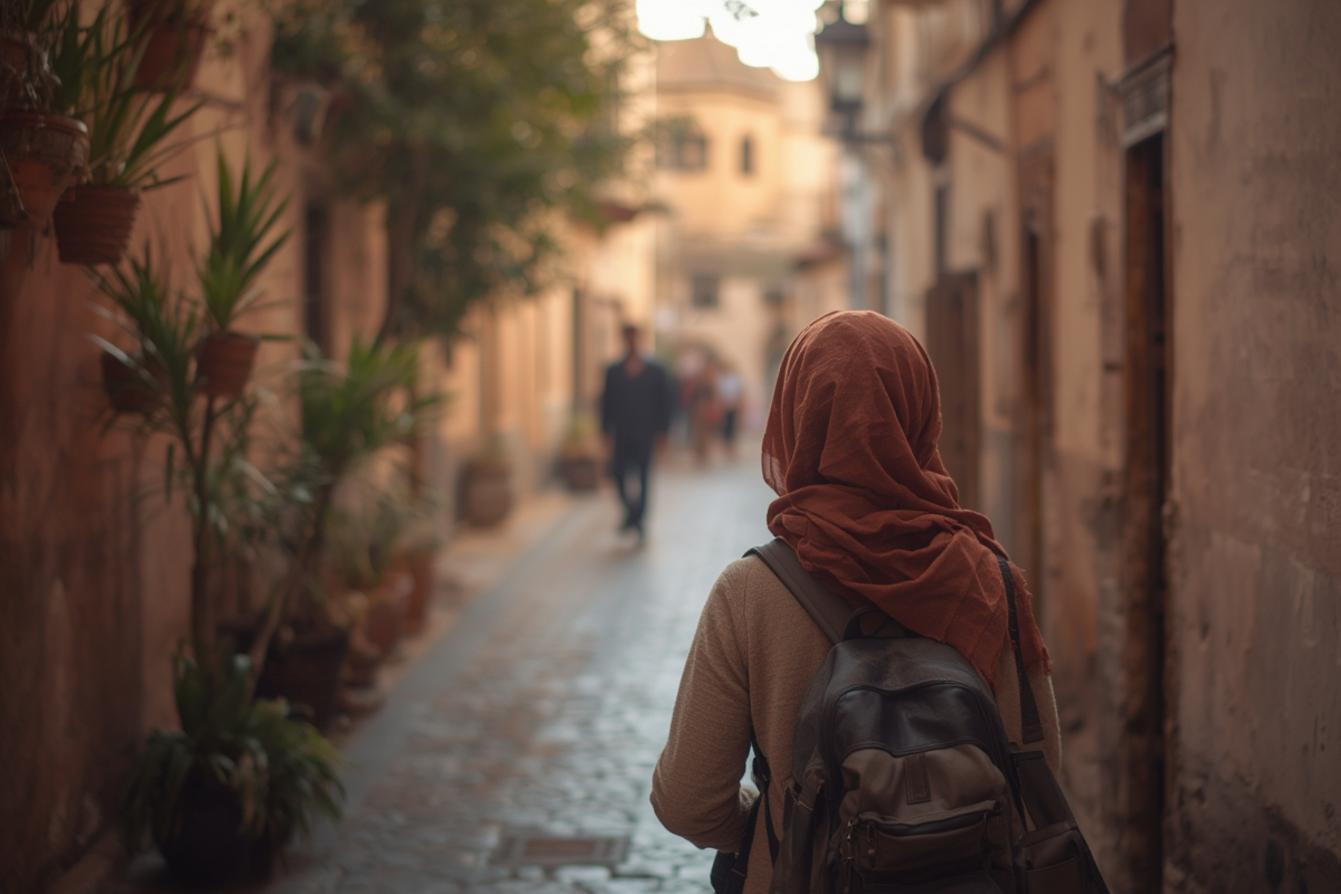
Day three takes us into Casablanca’s historical and architectural gems. Begin your morning in the Habous Quarter, also known as the New Medina. This area, built by the French in the 1930s, offers a charming blend of traditional Moroccan souk culture with organized, planned boulevards. It’s less chaotic than a traditional old medina, making it perfect for first-timers to navigate. Here you can find artisan shops, leather goods, spices, and clothing. Don’t miss the opportunity to visit the Royal Palace (exterior view only, of course) and the Mahkama du Pacha, a stunning courthouse with exquisite Moroccan architecture. For lunch, sample local street food or find a traditional restaurant within Habous.
In the afternoon, brace yourself for the authentic, bustling experience of the Old Medina. This is where Casablanca’s historical heart beats strongest. Unlike some other Moroccan cities, Casablanca’s Old Medina is less touristy and more genuinely local. It’s a labyrinth of narrow alleys filled with small shops, workshops, and traditional homes. While it can be disorienting, it’s an incredible place to soak in the atmosphere, practice your bartering skills, and observe daily Moroccan life. Keep an eye out for interesting handicrafts and local eateries. Navigating the Old Medina can be an adventure in itself, a true highlight of these itinerary suggestions Casablanca.
A Taste of Modernity and Cultural Insights: Museums and Shopping
Day four is designed for a blend of cultural immersion and modern exploration. Start your day by visiting one of Casablanca’s key museums. The Museum of Moroccan Judaism, for instance, offers a unique insight into the rich history of Jewish communities in Morocco, a significant part of the country’s diverse heritage. Alternatively, the Abderrahman Slaoui Foundation Museum showcases a beautiful private collection of Moroccan art, jewelry, and artifacts from the early 20th century, providing a glimpse into the country’s artistic traditions.
Afterward, head to the city center to experience Casablanca’s modern vibe. The Twin Center, a landmark of contemporary architecture, offers a panoramic view from its upper floors (though access can be tricky, sometimes requiring a visit to a restaurant or café within). For some retail therapy, explore the high-end boutiques and international brands at Morocco Mall, one of Africa’s largest shopping centers. It also features an impressive indoor aquarium. For a more relaxed evening, perhaps catch a movie or enjoy a delicious dinner at one of the mall’s diverse restaurants. This day contrasts the old with the new, showcasing Casablanca’s forward-looking spirit while honoring its past.
Culinary Delights and Departure Preparations: Savouring Local Flavours
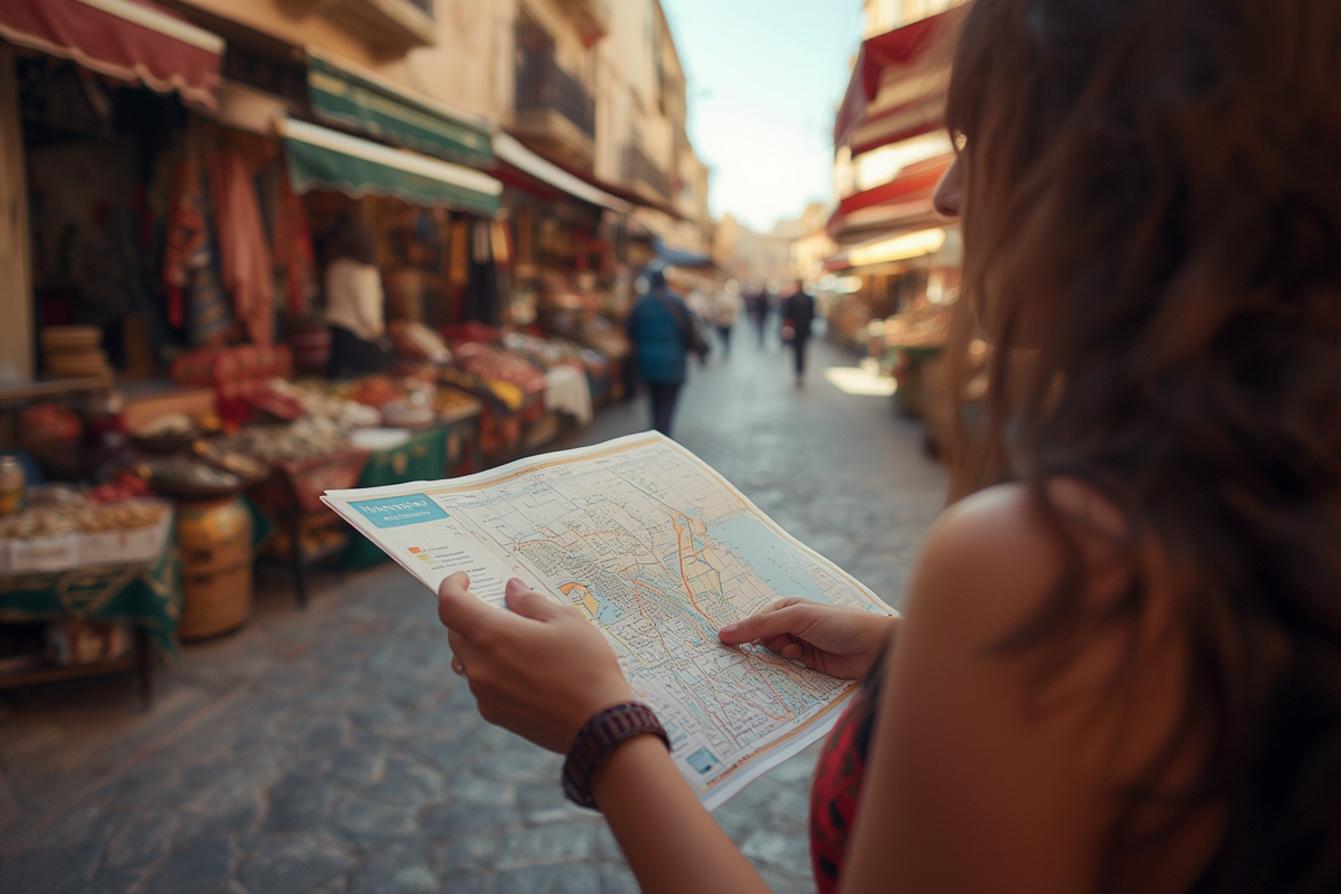
Your final day in Casablanca is all about savoring its culinary scene and tying up loose ends before departure. Start your morning with a traditional Moroccan breakfast at a local cafe – think harcha (semolina flatbread), msemen (flaky pancake), olives, cheese, and mint tea. Consider taking a cooking class to delve deeper into Moroccan cuisine. Many guesthouses and specialized centers offer half-day courses where you can learn to prepare a tagine, couscous, or pastilla. This isn’t just a meal; it’s an experience that connects you with the heart of Moroccan culture.
For lunch, put your new skills to the test or seek out a local restaurant that serves authentic, home-style Moroccan food away from the main tourist circuits. The central market (Marche Central) is another fantastic spot for fresh produce, seafood, and a lively atmosphere – ideal for a casual, authentic lunch experience. Use your afternoon for any last-minute souvenir shopping or revisit a spot you particularly enjoyed. If you have time and energy, a final visit to the bustling central market can be a fitting end for some last-minute photos or spice purchases. Reflect on your journey and the incredible memories you’ve made. For those considering further Moroccan adventures, don’t forget that Casablanca is also a major transportation hub, connecting you to other exciting destinations. You might even find yourself pondering itinerary suggestions Casablanca that stretch beyond borders! This culinary and reflective final day helps solidify your connection with the city and its vibrant culture.
Conclusion
Casablanca, while often overshadowed by Marrakech or Fes, offers a distinct and enriching experience for first-time visitors. This 5-day itinerary suggestions Casablanca provides a balanced blend of its grand architectural wonders, historic quarters, modern pulse, and tantalizing culinary scene. From the awe-inspiring Hassan II Mosque to the bustling Old Medina and the charming Habous Quarter, you’ll discover a city that is both deeply rooted in tradition and constantly embracing modernity. By following this guide, you won’t just see Casablanca; you’ll feel its energy, taste its flavors, and understand its unique place in the tapestry of Morocco. So pack your bags, prepare to be captivated, and let Casablanca surprise you with its vibrant charm.
FAQs
Is 5 days enough for a first-time visit to Casablanca?
Absolutely! While some travelers only allocate a day or two, five days allows you to truly immerse yourself without feeling rushed. It gives you ample time to explore the main attractions, delve into local neighborhoods, enjoy leisurely meals, and even relax a bit. You’ll gain a much deeper understanding of the city than a whirlwind tour would provide. This Morocco travel tips itinerary is designed to maximize your experience.
What’s the best way to get around Casablanca for tourists?
Casablanca has a well-developed public transport system. The tramway is efficient and covers many key areas, making it a great option for tourists. Taxis are also readily available; always insist on the meter (taxi petit for smaller city rides) or agree on a fare beforehand for longer journeys. Ride-sharing apps like Careem can also be found. For convenience, especially when arriving or departing from the airport, pre-arranged transfers are recommended. Walking is excellent for exploring specific neighborhoods like the Habous Quarter or the Old Medina.
Is Casablanca safe for first-time visitors?
Generally, Casablanca is a safe city for tourists. Like any large urban center, it’s wise to be aware of your surroundings, particularly in crowded areas like souks where petty theft can occur. Avoid walking alone at night in poorly lit areas, and dress modestly out of respect for local customs. Women generally face no issues but may experience occasional unwanted attention; firmly but politely ignore it. Trust your instincts, and you’ll find Casablanca to be a welcoming and hospitable city.
What are some essential Moroccan phrases to know for a Casablanca trip?
Learning a few basic Arabic or Darija phrases can significantly enhance your experience. “Salam alaikum” (hello), “Shukran” (thank you), “Afak” (please), “Labas?” (How are you?), and “Bessaha” (to your health/enjoy) are great starting points. Knowing numbers for bargaining in souks is also very helpful. While many people, especially in tourist areas, speak French and some English, making an effort with a few local words is always appreciated and can open doors to warmer interactions.





 Covers cities, coast, mountains, desert & food