
Are you planning a trip to Morocco? Getting the right vaccinations is key to a safe journey. Travel vaccines help keep you healthy while you explore this lively country. The vaccines you need depend on your travel plans and activities.
Before you go, talk to a healthcare expert to find out what shots you need. For more info on vaccinations and staying healthy while traveling, check out Passport Health USA’s destination advice. They offer detailed guidance on the vaccines you might require.
Key Takeaways
- Consult a healthcare professional to determine necessary vaccinations.
- Vaccines such as Typhoid, Hepatitis A, and Polio are commonly recommended.
- Additional vaccines like Rabies and Hepatitis B may be required based on your activities.
- Ensure you’re up-to-date on routine vaccinations like MMR and Tdap.
- Consider COVID-19 and Influenza vaccines as part of your travel preparation.
Understanding Morocco’s Health Landscape
Morocco’s geography and climate bring unique health challenges for travelers. The country’s varied landscapes, from the Atlas Mountains to the Sahara Desert, pose different health risks.
Current Health Situation in Morocco
Morocco has improved its healthcare system a lot. But, some health concerns still exist. Infectious diseases like hepatitis A and typhoid fever are present. Travelers need to know about these risks.
Common Health Risks for Travelers
Travelers in Morocco might face health risks like food and waterborne illnesses. They could also get vector-borne diseases like malaria. Getting the recommended vaccines for Morocco is key. Also, practicing good hygiene and avoiding undercooked foods helps a lot.
By understanding these health challenges and taking steps to prevent them, you can have a healthy trip to Morocco.
Injections Needed for Morocco: Complete Overview
Planning a trip to Morocco means knowing about necessary vaccinations. Morocco has health risks that vaccines can help prevent. It’s key to know which vaccines are needed and when to get them.
Required vs. Recommended Vaccines
When traveling to Morocco, it’s important to know the difference between required and recommended vaccines. Some vaccines are needed to enter the country, while others are suggested to protect against certain health risks. For example, the CDC advises all travelers to be up to date on routine vaccinations.
Hepatitis A is also recommended for all travelers because of the risk of contaminated food and water. Knowing these recommendations helps plan your health before traveling.
Required vaccines are those needed by the destination country or for certain activities. For Morocco, the requirements depend on your travel history. Always check with a healthcare provider to find out what you need based on your plans.
Vaccination Timeline Before Travel
Timing is everything when it comes to vaccinations before traveling to Morocco. Different vaccines need different schedules, and some require more than one dose. For instance, the Hepatitis A vaccine needs two doses, with the second dose 6-12 months after the first.
However, a single dose can provide immunity for at least 12 months. This makes it a good option for those traveling at the last minute.
It’s best to talk to a healthcare provider 4-6 weeks before your trip to Morocco. This allows time for vaccines that need multiple doses or a specific period to work. Planning ahead ensures you’re protected against diseases during your trip.
CDC and WHO Recommended Vaccines for Morocco
The Centers for Disease Control and Prevention (CDC) and the World Health Organization (WHO) give important advice on vaccines for Morocco. They help protect travelers from health risks in Morocco.
Core Vaccine Recommendations
The CDC and WHO say travelers to Morocco should have all routine vaccinations. This includes MMR, DTaP, and polio vaccine. Also, Hepatitis A vaccine is advised for all travelers because of food or water risks.

Updated Guidelines for 2023-2024
The CDC and WHO have new guidelines for 2023-2024. Travelers need to know about COVID-19 requirements for Morocco. This might include vaccination or tests.
It’s also wise to think about Typhoid fever and Rabies vaccines. This is if you eat outside big restaurants or hotels, or if you’re around animals.
For a safe trip to Morocco, talk to a doctor 4-6 weeks before. They can give the latest advice on vaccines.
Routine Vaccines to Update Before Travel
Before you travel to Morocco, it’s important to update your routine vaccines. This step is key to staying healthy on your trip. It also helps keep the communities you visit safe.
MMR (Measles, Mumps, Rubella)
The MMR vaccine protects against measles, mumps, and rubella. Make sure you’ve had two doses of the MMR vaccine, usually given when you’re a kid. This vaccine is very important for places where these diseases are common.
Tdap (Tetanus, Diphtheria, Pertussis)
The Tdap vaccine guards against tetanus, diphtheria, and pertussis. Adults should get a Tdap booster every 10 years. Travel to Morocco, especially rural areas, may expose you to tetanus. So, it’s crucial to keep up with this vaccine.
Influenza and Other Routine Immunizations
Don’t forget about other routine vaccines like the annual flu shot. The flu vaccine is a must for all travelers, no matter where you’re going. It helps fight off the flu season. Here’s a quick guide to the vaccines you should get:
| Vaccine | Recommendation | Booster Frequency |
|---|---|---|
| MMR | 2 doses | Lifetime protection after 2 doses |
| Tdap | 1 dose | Every 10 years |
| Influenza | Annual vaccination | Yearly |
By keeping up with these vaccines, you’ll lower your risk of getting sick on your trip to Morocco.
Hepatitis Vaccines for Morocco Travel
As you get ready for your trip to Morocco, it’s important to know about hepatitis risks. Hepatitis A and B are big concerns for travelers. Getting vaccinated is a smart move.

Hepatitis A Vaccination
Hepatitis A is a contagious liver infection common in areas with bad sanitation, like parts of Morocco. The Centers for Disease Control and Prevention (CDC) say everyone traveling to Morocco should get vaccinated. You’ll need two doses, 6-12 months apart.
Key benefits of Hepatitis A vaccination include:
- High efficacy in preventing the infection
- Long-term protection with booster shots
- Minimal side effects
Hepatitis B Vaccination
Hepatitis B is a serious liver infection spread through bodily fluids. If you might be exposed to blood or bodily fluids, like through medical procedures or intimate contact, you’re at risk. The CDC suggests Hepatitis B vaccination for those who:
- Have medical procedures
- Engage in activities that involve blood or bodily fluids
- Stay in Morocco for an extended period
The Hepatitis B vaccine is given in three doses over six months.
Typhoid Fever Protection for Morocco
When planning your trip to Morocco, remember the need for typhoid fever vaccination. Typhoid fever is a bacterial infection spread through contaminated food and water. In Morocco, the risk is higher due to varying sanitation and hygiene standards.
Oral vs. Injectable Typhoid Vaccines
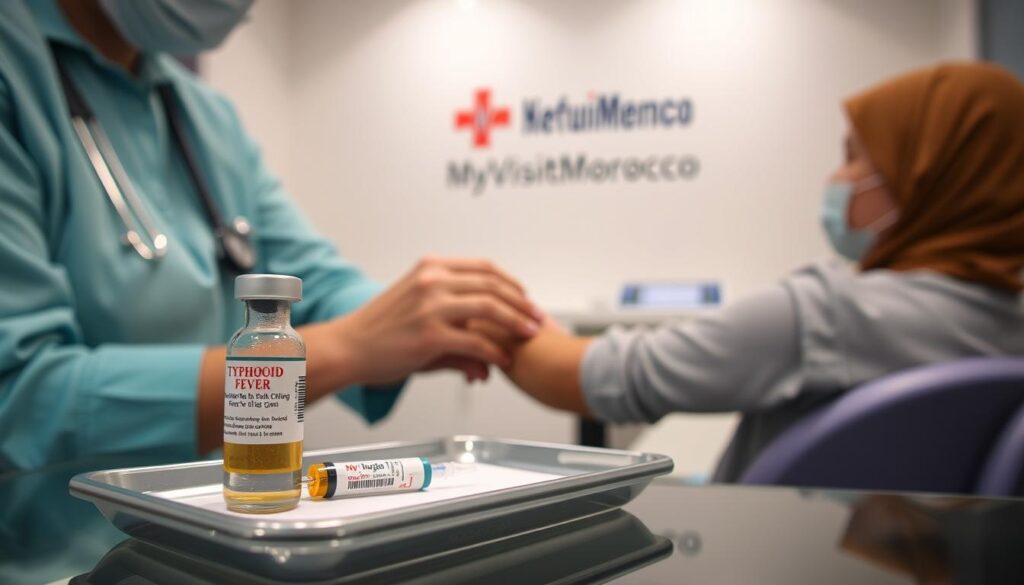
There are two main typhoid vaccines: oral and injectable. The oral vaccine, Vivotif, is taken in capsules over days, offering 5 years of immunity. The injectable vaccine, Typhim Vi, is a single dose, protecting for 2 years. Your choice depends on your health and preferences.
Duration of Protection and Boosters
The oral vaccine protects for up to 5 years, while the injectable vaccine lasts 2 years. To keep immunity, booster shots are needed. Consult a healthcare provider to plan your vaccination schedule.
| Vaccine Type | Duration of Protection | Booster Recommendation |
|---|---|---|
| Oral (Vivotif) | 5 years | Every 5 years |
| Injectable (Typhim Vi) | 2 years | Every 2 years |
For more information on typhoid vaccination, visit Al Hilal Healthcare’s blog on typhoid. Staying informed on vaccinations is key to a safe trip to Morocco.
Rabies Vaccination Considerations
Rabies vaccination is key for travelers to Morocco, especially for those who love the outdoors or like animals. Morocco has a risk of rabies, with many animals possibly carrying the virus.

Risk Assessment for Different Travelers
The risk of rabies changes based on what you do and how long you stay. If you’re hiking, camping, or working with animals, you’re at a higher risk. Also, those who spend more time in rural areas or with local wildlife are more likely to meet infected animals.
- Travelers who will be involved in animal handling or veterinary care
- Those planning to spend time in rural or wilderness areas
- Adventure seekers and outdoor enthusiasts
Pre-exposure Prophylaxis Protocol
Pre-exposure prophylaxis (PrEP) means getting a rabies vaccine before you might get exposed. You’ll get two to three doses over a few days or weeks. This vaccine makes post-exposure treatment easier and protects you if you’re exposed unexpectedly. For the latest advice, check out travel health tips.
Talking to a healthcare provider about your trip to Morocco is crucial. They can tell you if you need PrEP.
COVID-19 Requirements for Morocco Travel
To have a smooth trip to Morocco, you need to follow the latest COVID-19 rules. The situation is always changing. So, it’s important to know the current rules to enter the country easily.
Current Entry Regulations
Morocco has set up rules to fight COVID-19. Travelers must meet certain requirements, such as:
- Valid COVID-19 vaccination certificates
- Negative COVID-19 test results
- Completion of health declaration forms
Always check the official government websites for the latest entry rules.
Vaccination and Testing Options
Travelers need to know about vaccination and testing options. Morocco accepts many COVID-19 vaccines, like those from the WHO. Some travelers might need to take a test when they arrive.
| Vaccination/Testing Option | Description |
|---|---|
| COVID-19 Vaccination | Accepted vaccines include Pfizer, Moderna, and AstraZeneca |
| PCR Testing | Required for some travelers, depending on their country of origin |
| Rapid Antigen Testing | May be accepted in some cases, but PCR is generally preferred |
The WHO says, “Vaccination is key in fighting COVID-19.” Having the right vaccinations and documents will help your travel to Morocco.
Regional Health Risks Within Morocco
The health risks in Morocco change a lot based on where you go. The country has cities, villages, and deserts, each with its own health issues.
Urban Centers: Casablanca, Marrakech, Rabat
In cities like Casablanca, Marrakech, and Rabat, health risks are different. You might face:
- Air pollution-related respiratory issues
- Crowd-related infectious diseases
- Access to better healthcare facilities
Even with challenges, cities offer top-notch medical care. Knowing the local health risks helps you stay safe.
Rural Areas and Berber Villages
Rural areas and Berber villages have their own health risks. These include:
- Limited access to healthcare services
- Higher risk of waterborne diseases
- Increased exposure to zoonotic diseases
It’s important to be careful with food and water and know about local diseases in these places.
Desert Regions and Atlas Mountains
The desert and Atlas Mountains have their own health challenges. These include:
- Extreme weather conditions leading to dehydration and heatstroke
- Altitude sickness in mountainous regions
- Remote areas with limited medical access
Traveling here requires being ready for the weather and planning for emergencies.
Knowing about these health risks helps you prepare for a safer trip to Morocco.
Where to Get Travel Vaccinations in the US
Getting vaccinated is a key step for your Moroccan trip. Knowing where to go is important. The US has many healthcare options for travelers to get Morocco’s needed vaccinations.
Healthcare providers for travel vaccinations include travel health clinics, primary care doctors, and pharmacy services. Each offers different options for your needs.
Travel Health Clinics
Travel health clinics focus on vaccinations and advice for travelers. They have staff trained in travel medicine. They give personalized advice based on your trip and health.
You can find travel health clinics online or through organizations like the International Society of Travel Medicine (ISTM). They have a list of certified clinics.
Primary Care Providers
Your primary care doctor is also a good place for travel vaccinations. Many can give routine shots and refer you to specialists if needed. Make sure to book an appointment early to get the vaccines you need.
Pharmacy-Based Immunization Services
Many pharmacies now offer travel vaccinations. Pharmacists are trained to give vaccines. Some pharmacies have special travel health services.
Big pharmacy chains like CVS and Walgreens often have travel vaccination services. They are easy to find and have long hours.
| Provider Type | Services Offered | Advantages |
|---|---|---|
| Travel Health Clinics | Specialized travel vaccinations and health advice | Expertise in travel medicine, personalized recommendations |
| Primary Care Providers | Routine vaccinations, general health advice | Convenient, familiar with your medical history |
| Pharmacy-Based Immunization Services | Vaccinations, sometimes travel health advice | Accessible locations, often extended hours |
By looking at these options, you can find a good place for your travel vaccinations. This will help you have a healthy and fun trip to Morocco.
Managing Vaccine Side Effects
As you get ready for your trip to Morocco, knowing about vaccine side effects is key. Vaccines are vital for your health, but they can sometimes cause reactions. Being aware can help you handle these effects and make your trip smoother.
Common Reactions to Travel Vaccines
Most people feel mild side effects from travel vaccines. These can include soreness at the injection site, feeling tired, or a slight fever. For instance, the MMR vaccine might cause a mild rash or fever. The Hepatitis A vaccine can lead to fatigue or headaches.
When to Seek Medical Attention
Even though most side effects are mild, there are times when you should see a doctor. Severe allergic reactions, high fever, or ongoing pain are signs you need medical help. Always follow up with your doctor if you’re worried about any symptoms.
| Symptom | Action |
|---|---|
| Mild soreness or redness at injection site | Monitor and apply cold compress if necessary |
| Severe allergic reaction | Seek immediate medical attention |
Cost Considerations for Travel Vaccines
Knowing the cost of travel vaccines is key for trips to Morocco. The prices for vaccinations can change. Being ready helps in planning your budget for a safe trip.
Insurance Coverage for Travel Immunizations
Many insurance plans cover travel vaccines, but how much varies. It’s important to talk to your insurance to know what’s covered. Some plans cover all needed vaccines, while others might not.
For more info on vaccinations for travel, check out https://www.mxandoffroadtours.com/vaccinations-for-travel.
Budgeting for Out-of-Pocket Expenses
For costs not covered by insurance, planning is crucial. Vaccine prices can be from $50 to $200 per shot. Some vaccines need more than one shot. Knowing the costs helps avoid last-minute money worries.
“Planning for vaccine costs is vital for travel,” says a health expert. “It’s not just about money. It’s also about making sure you’re healthy before you go.”
Special Vaccination Considerations for Different Travelers
It’s important to know the special vaccination needs for different travelers going to Morocco. Your age, health, and travel plans can affect what shots you need.
Children and Adolescents
Traveling with kids to Morocco means making sure they’re up-to-date on all shots. They might need extra protection against some diseases. Consult a pediatrician to figure out the best vaccination plan for your child.
Since kids are more likely to get sick, it’s key to be careful. Make sure they get all the shots they need. Also, think about the risks of diseases like hepatitis A and typhoid fever.
Pregnant Travelers
Pregnant women should talk to their doctor before going to Morocco. Live vaccines are usually not safe during pregnancy. It’s important to weigh the risks and benefits of different vaccines.
Pregnant travelers should focus on safe vaccines like the inactivated flu shot. They should also protect themselves from diseases like Zika virus.
Seniors and Immunocompromised Travelers
Seniors and people with weakened immune systems need special care with vaccinations. They might get sick easier, so it’s important to keep their shots up to date.
Immunocompromised travelers might need to avoid live vaccines. It’s crucial to talk to a doctor to find out the best plan. They should also protect themselves from diseases like flu and pneumococcal disease.
Beyond Vaccines: Additional Health Precautions
To have a healthy trip to Morocco, take these extra steps. Vaccines are key, but other actions help too. They protect you in Morocco’s varied settings.
Malaria Prevention Measures
Malaria is a risk in some parts of Morocco, especially in rural areas. To lower your risk:
- Use insecticide-treated bed nets
- Wear protective clothing, especially during peak mosquito hours
- Apply insect repellents containing DEET, picaridin, or oil of lemon eucalyptus
- Consider antimalarial medication if prescribed by your healthcare provider
Food and Water Safety
To avoid foodborne illnesses in Morocco:
- Drink bottled or filtered water
- Avoid consuming ice or unpasteurized dairy products
- Eat at reputable restaurants and street food stalls with high turnover
- Ensure food is cooked thoroughly and served hot
Insect-Borne Disease Prevention
Beyond malaria, diseases like dengue fever and Zika virus are also risks. Use insect repellent and:
- Wear long-sleeved shirts and long pants
- Stay in accommodations with screened windows and doors
- Avoid areas with standing water where insects may breed
By following these steps, you can greatly reduce your risk of insect-borne diseases. Enjoy a healthier trip to Morocco.
Conclusion: Ensuring a Healthy Moroccan Adventure
Before you head to Morocco, make sure to focus on your health and safety. Knowing the right vaccinations and taking precautions can help you have a great trip. Talk to a healthcare provider about getting vaccinated for Hepatitis A, Hepatitis B, Typhoid, and Tetanus-diphtheria.
Learn about the health risks in Morocco and take steps to stay safe. Also, check out Morocco travel tips to make your trip better. By taking care of your health, you can enjoy Morocco’s culture, history, and beautiful landscapes.
With the right preparation, you’ll be ready for Morocco’s unique setting. Follow these tips to have a safe and fun trip. You’ll make memories that last a lifetime.




 Covers cities, coast, mountains, desert & food