
immunizations needed for morocco
When you’re planning a trip to Morocco, it’s key to protect yourself from health risks. Knowing about the health situation in your destination is vital for a safe and fun trip.
This guide will help you understand the vaccinations and health precautions you need. Learning about Morocco’s health requirements will help you stay healthy during your visit.
Key Takeaways
- Consult your doctor or a travel clinic about recommended vaccinations.
- Ensure you have all the necessary vaccinations before your trip.
- Understand the health risks associated with travel to Morocco.
- Take necessary health precautions to avoid illness.
- Stay informed about local health concerns and outbreaks.
Understanding Morocco’s Health Landscape
Planning a trip to Morocco? Knowing about the local health scene is key for a safe and fun trip. Morocco’s health situation is stable, with a good healthcare system. But, there are health things to keep in mind.
Current Health Situation in Morocco
Morocco has improved its healthcare a lot. Reports show the country is doing better in preventing and controlling diseases. For the latest health news, check out Arab News.
The healthcare in cities like Marrakech and Rabat is strong. But, rural areas face different health challenges. Knowing these differences helps you prepare better for your trip.
Common Health Risks for Travelers
Travelers in Morocco might face health risks like hepatitis A, typhoid, and rabies. Here are some important health tips for Morocco:
- Get vaccinated against hepatitis A and typhoid
- Protect yourself from insect-borne diseases
- Stay away from animals that could have rabies
By following these travel health tips for Morocco, you can lower your risk of health problems. It’s smart to talk to a doctor for advice tailored to your health and travel plans.

Required vs. Recommended Immunizations for Morocco
To have a healthy trip to Morocco, knowing the difference between required and suggested vaccinations is key. This knowledge ensures a safe and fun journey.
Mandatory Vaccinations for Entry
Morocco has strict rules about vaccinations for entry. You need to show proof of Yellow Fever vaccination if you’re coming from a country where Yellow Fever is common. Always check the latest travel advisories to see if you need this vaccine.
Here’s a quick overview of mandatory vaccinations:
| Vaccination | Requirement |
|---|---|
| Yellow Fever | Required if traveling from or through a Yellow Fever risk country |
CDC and WHO Recommended Vaccines
The CDC and WHO also suggest certain vaccines for Morocco. These include Hepatitis A, Typhoid, and Rabies vaccinations. For instance, if you plan to eat outside big restaurants and hotels, you might need Hepatitis A and Typhoid shots.
Talking to a healthcare expert is a good idea. They can advise on the best vaccines for your trip and health.
Routine Vaccinations to Update Before Your Trip
Before you head to Morocco, make sure your routine vaccinations are up to date. This step is key to keeping you healthy and making your trip better. Routine vaccinations are for everyone, not just travelers, and it’s important to stay current.
MMR (Measles, Mumps, Rubella)
The MMR vaccine guards against measles, mumps, and rubella. Make sure you’ve had two doses of the MMR vaccine. This is especially important since measles can pop up in places like Morocco. Getting vaccinated lowers your risk of getting these diseases.
Tdap (Tetanus, Diphtheria, Pertussis)
The Tdap vaccine helps fight tetanus, diphtheria, and pertussis. Tetanus can sneak in through cuts or wounds, which is a risk for outdoor enthusiasts. It’s important to get a Tdap booster every 10 years to stay protected.
Influenza (Flu)
The influenza vaccine is a must every year for everyone, including those going to Morocco. The flu season changes around the world, and getting vaccinated can save you from getting sick. This is especially important for travelers.
COVID-19 Considerations
When you travel, always keep an eye on the COVID-19 situation.
“Staying informed about the latest COVID-19 travel advisories and ensuring you’re following local health guidelines is crucial for a safe trip.”

Immunizations Needed for Morocco: Complete Checklist
To have a safe and enjoyable journey to Morocco, knowing the necessary immunizations is key. Making sure you have all the required vaccinations is crucial for a healthy trip.
Priority Vaccines for Most Travelers
Most travelers to Morocco need certain core vaccinations. These are essential for travel to the region.
Core Vaccinations Overview
Core vaccinations include those recommended for all travelers to Morocco. These include MMR (Measles, Mumps, Rubella), Tdap (Tetanus, Diphtheria, Pertussis), and Influenza (Flu) vaccines.
Also, make sure your COVID-19 vaccinations are current. Travel restrictions and recommendations can change.
Vaccination Record Documentation
Keeping accurate records of your vaccinations is crucial. You should have a record of the vaccine type, date, and any other details. This information is vital for travel documents and future medical care.
| Vaccine | Date Administered | Remarks |
|---|---|---|
| MMR | 2023-01-01 | Booster dose |
| Tdap | 2022-06-01 | Primary dose |
| Influenza | 2023-10-01 | Annual flu vaccine |
Situational Vaccines Based on Activities
Depending on your travel plans and activities in Morocco, more vaccines might be needed.
Adventure and Rural Travel Vaccines
If you plan adventure activities or rural travel, consider Hepatitis A and Typhoid vaccines. These are due to higher disease risks.
Long-Term Stay Considerations
For long-term stays in Morocco, you might need more vaccinations or boosters. Always consult a healthcare provider for the best plan for you.

Hepatitis A and B: Essential Protections
Morocco, like many places, has risks of Hepatitis A and B. Vaccinations are key. Knowing these risks and how to stay safe is important.
Hepatitis A: Transmission and Prevention
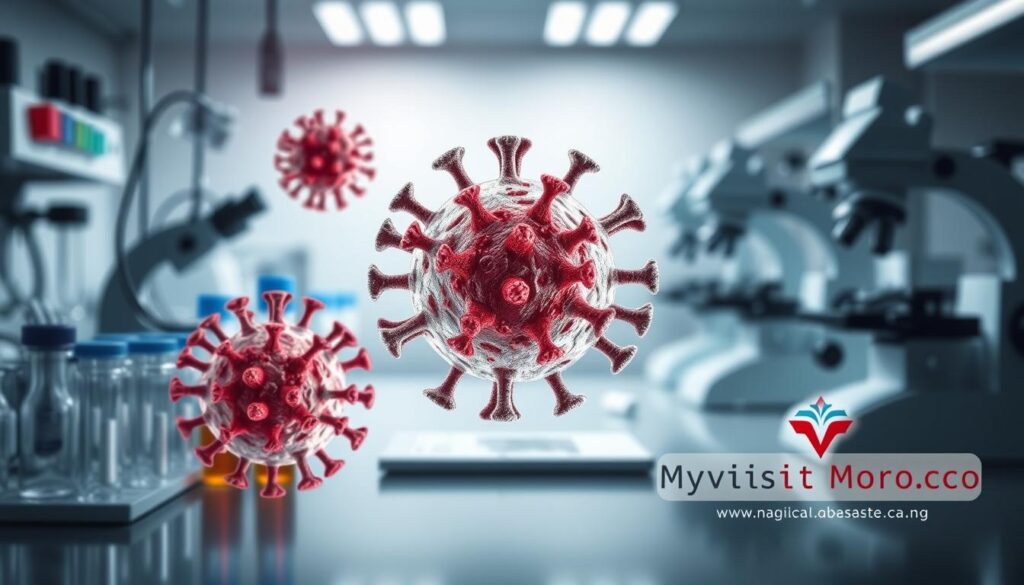
Hepatitis A spreads through contaminated food, water, or close contact. All travelers to Morocco are at risk because of poor sanitation.
Vaccine Schedule and Effectiveness
The Hepatitis A vaccine works well. You get the first dose 2 weeks before travel. Then, a second dose 6-12 months later for long-term protection.
Food and Water Precautions
Along with the vaccine, be careful with food and water. Avoid untreated water and make sure food is cooked or peeled well.
Hepatitis B: Risk Factors in Morocco
Hepatitis B spreads through bodily fluids like blood and semen. This makes certain activities risky if not safe.
Who Needs Hepatitis B Protection
Those who might get tattoos, have medical procedures, or have intimate contact with locals should get the Hepatitis B vaccine.
Combination Vaccine Options
There’s a vaccine for both Hepatitis A and B. It makes getting vaccinated easier for those at risk of both diseases.
By knowing the risks and getting the right vaccines, you can lower your chance of getting Hepatitis A and B in Morocco.
Typhoid Fever Vaccination: When You Need It
Typhoid fever is a big health risk in Morocco, especially in rural areas. Vaccination is key for travelers. Knowing the risks and options can keep you healthy on your trip.
Urban vs. Rural Travel Considerations
The risk of typhoid fever changes a lot between urban and rural Morocco. Rural areas have a higher risk due to contaminated food and water. If you’re going to rural areas, eating at local festivals, or staying with families, getting vaccinated is wise.
Vaccine Options and Effectiveness
There are two main typhoid vaccines: injectable and oral. Knowing the differences is important for choosing the right one.
Injectable vs. Oral Typhoid Vaccines
The injectable vaccine gives protection for 2 years and is for those 2 and older. The oral vaccine lasts 5 years and is for those 6 and older. It’s taken in capsules over several days.
Duration of Protection
The protection time varies by vaccine. The injectable vaccine protects for 2 years, needing boosters after. The oral vaccine protects for 5 years, also needing boosters.
| Vaccine Type | Age Suitability | Duration of Protection |
|---|---|---|
| Injectable | 2 years and above | 2 years |
| Oral | 6 years and above | 5 years |
For more info on travel vaccinations, check out travel vaccination guides.
Rabies Vaccination for Morocco Travelers
Rabies is a big health risk in Morocco. Travelers need to know how to stay safe. The country’s mix of cities and countryside means you might meet animals with rabies.

Animal Exposure Risks in Morocco
In Morocco, you might see stray dogs, cats, and wild animals. These animals can carry rabies. Even a small bite or scratch can spread the disease. It’s important to watch where you are and not touch animals you don’t know.
Pre-Exposure Prophylaxis Benefits
Pre-exposure prophylaxis (PrEP) is a vaccine given before you might get bitten. It’s good for those going to rural places, doing outdoor activities, or working with animals. PrEP lowers the chance of getting rabies if bitten or scratched.
What to Do If Bitten or Scratched
If you get bitten or scratched in Morocco, act fast. First, clean the wound with soap and water. Then, get medical help right away.
Emergency Treatment Protocol
Immediate wound care: Clean the wound with soap and water for 15 minutes. Seek medical help: Go to a doctor or hospital for more treatment, like post-exposure prophylaxis (PEP).
Finding Post-Exposure Treatment in Morocco
If bitten or scratched, finding the right medical care is key. Big cities like Marrakech and Rabat have good hospitals. For rural areas, local clinics might help first. But, getting more care in big cities is best if you can.
Timing Your Vaccinations: Planning Ahead
To make sure you’re safe for your Moroccan trip, plan your vaccinations carefully. It’s important to start early for a healthy and fun journey.
Vaccination Schedule Timeline
Knowing when to get your shots is key. The Centers for Disease Control and Prevention (CDC) and the World Health Organization (WHO) offer advice to help you get ready.
6-Month Planning Window
It’s best to start planning your vaccinations 6 months before your trip. This gives you time to finish any needed shots. It also helps protect you from diseases like hepatitis A and B.
1-Month Minimum Requirements
If you’re running tight on time, the CDC suggests getting some shots 4-6 weeks before you leave. But, some vaccines can be given even closer to your trip.
Last-Minute Vaccination Options
If you’re traveling at the last minute, there are still options. For example, the hepatitis A vaccine can be given the day before you travel. Always talk to a doctor to figure out the best plan.

- The type of vaccine needed
- The time required for the vaccine to become effective
- Any specific health requirements for the vaccine
By planning ahead and knowing your options, you can have a safe and fun trip to Morocco.
Where to Get Travel Vaccinations in the US
In the US, you have many places to get travel vaccinations for Morocco. You can choose from specialized clinics or your primary care provider. Pick the one that works best for you and your schedule.
Travel Health Clinics
Travel health clinics are a great choice for travelers. They specialize in vaccinations and advice for international trips. They keep up with the latest vaccination needs for places like Morocco. You can check travel health resources to find one near you.
Primary Care Providers
Your primary care doctor is also a good source for travel vaccinations. Many know a lot about travel health and can give you the shots you need. They can also do a health check before your trip.
Health Departments and Pharmacies
Local health departments and some pharmacies also offer travel vaccinations. They might be more convenient and cheaper than clinics. It’s smart to call first to see what they offer.
| Provider | Services | Benefits |
|---|---|---|
| Travel Health Clinics | Specialized travel vaccinations and advice | Up-to-date information on destination-specific health risks |
| Primary Care Providers | General health check-ups and travel vaccinations | Personalized care and advice |
| Health Departments and Pharmacies | Travel vaccinations and sometimes health advice | Convenient locations and potentially lower costs |

Travel Health Insurance and Vaccination Documentation
When planning your trip to Morocco, remember the importance of travel health insurance and vaccination documents. Having the right coverage and records can greatly enhance your travel experience.
International Certificate of Vaccination
The International Certificate of Vaccination, or Yellow Card, is a key document. It proves you’ve had certain vaccinations. This card is recognized worldwide and may be needed to enter some countries.
Yellow Card Requirements
The Yellow Card is crucial for Morocco, as it shows you’ve had yellow fever shots. Make sure your Yellow Card is current and valid for your trip.
Digital Health Records
Keeping digital health records is also helpful. Many doctors offer digital copies of your vaccination records. These can be easily accessed if needed.
Insurance Coverage for Travel Health Needs
Travel health insurance is essential for unexpected medical costs abroad. Knowing what your insurance covers helps you prepare for any situation.
Medical Evacuation Coverage
Medical evacuation coverage is a key feature. It pays for moving you to a medical facility that can handle your needs. This can be very expensive without insurance.
Reimbursement for Overseas Treatment
Reimbursement for overseas medical treatment is also important. Make sure your policy covers medical costs in Morocco, including hospital stays and treatments.
| Insurance Feature | Description | Importance |
|---|---|---|
| Medical Evacuation | Covers transportation to a suitable medical facility | High |
| Reimbursement for Overseas Treatment | Covers costs of medical care abroad | High |
| Digital Health Records | Electronic access to vaccination records | Medium |

Regional Health Risks Within Morocco
Morocco’s different areas, from the coast to the Sahara, have their own health risks. Knowing these risks is key for a safe trip.
Coastal Areas Health Considerations
Places like Casablanca and Rabat have good healthcare. But, watch out for food and waterborne illnesses. Drink bottled or filtered water and eat at safe places.
Atlas Mountains Health Risks
The Atlas Mountains have their own health issues, like altitude sickness. If you’re trekking high, be ready with the right gear. Also, get used to the altitude before doing hard activities.
Sahara Desert Health Precautions
When exploring the Sahara, be careful of extreme heat and dehydration. Drink lots of water and wear sunscreen and the right clothes to protect yourself.
Urban Centers Health Concerns
Cities like Marrakech and Fez are crowded, which raises the risk of respiratory infections. Keep clean by washing your hands often. Wearing a mask in busy spots is a good idea too.
For more health tips and vaccine advice for Morocco, check out Travelvax. It’s a trusted source for travel health info.

Special Considerations for Different Travelers
Morocco’s diverse environments and cultures need special health care for different travelers. It’s key to know the unique challenges you might face based on your situation.
Families with Children
Traveling with kids means making sure their shots are current. Pediatric vaccination schedules should be checked to ensure they’re safe from diseases in Morocco.
Pediatric Vaccination Schedules
Children should stick to the usual vaccination plan. They also need Hepatitis A and Typhoid fever vaccinations for Morocco.
Child-Specific Health Concerns
Children get dehydrated and sunburned easily. Make sure they drink plenty of water and use sunscreen.
Seniors and Immunocompromised Travelers
Seniors and those with weak immune systems must be extra careful. Talk to your doctor about extra shots and meds. For more travel health tips, check out Rough Guides.
Pregnant Travelers
Pregnant women should talk to their doctor before going to Morocco. Some vaccines, like the live-virus one, are not safe during pregnancy.
Long-Term Travelers and Expatriates
For long stays, knowing local health risks is vital. Get shots and meds for long-term protection against diseases like Hepatitis B.
Beyond Vaccines: Additional Health Precautions
When planning your trip to Morocco, think about more than just vaccines. Vaccines are key, but other steps can also keep you healthy and make your trip better.
Food and Water Safety
It’s important to be careful with food and water in Morocco. Bad food or water can cause stomach problems.
Safe Drinking Practices
Stick to bottled or filtered water to stay safe. Don’t drink tap water. Also, watch out for ice cubes and unpeeled fruits and veggies that might be contaminated.
Food Selection Guidelines
Go for cooked, hot foods. Avoid raw meat, unpeeled veggies, and fruits. Busy places like restaurants and food stalls are safer because they serve more food.
Insect-Borne Disease Prevention
Morocco has diseases like malaria and Zika virus. It’s important to protect yourself from bugs.
Mosquito Protection Measures
Use bug spray with DEET or picaridin. Wear long clothes and socks outside, especially when bugs are most active.
Tick and Fly Precautions
Stay away from tall grass and brush where ticks live. Wear clothes and gear treated with permethrin to keep bugs away.
Sun and Heat Protection
The sun in Morocco can be very strong, especially in the desert. Use sunscreen, a hat, and sunglasses to protect yourself. Drink lots of water to stay cool.
Essential Medical Kit for Morocco Travel
Before you start your Moroccan adventure, make sure to pack a medical kit. It should be tailored to your needs. A good medical kit can help you deal with common health problems and make your trip more enjoyable.
Prescription Medications
If you take prescription meds, bring enough for your whole trip and a little extra. This is in case you get stuck somewhere longer than planned. It’s smart to carry a copy of your prescription and a letter from your doctor. This can be helpful if you need more meds or see a doctor while you’re away.
Over-the-Counter Essentials
OTC meds can fix many travel problems. Here are some things to consider packing:
- Pain relievers like acetaminophen or ibuprofen
- Antihistamines for allergic reactions
- Anti-diarrheal medication
- Motion sickness medication
First Aid Supplies
A basic first aid kit should have items for minor injuries. You’ll need:
| Supply | Purpose |
|---|---|
| Band-Aids | Covers minor cuts and scrapes |
| Gauze pads | Applies pressure to wounds |
| Antiseptic wipes | Cleans wounds |
| Medical tape | Secures bandages |
With these items in your medical kit, you’ll be ready for any health issues that come up during your Moroccan trip.
Accessing Healthcare in Morocco
When planning your trip to Morocco, think about healthcare access. Morocco has both public and private healthcare providers. The quality and ease of access vary.
Urban Medical Facilities
In cities like Marrakech, Rabat, and Casablanca, you’ll find top-notch hospitals and clinics. These places offer quality care and often have English-speaking staff. For example, the Cheikh Zaid Hospital in Rabat is known for its excellent services.
Rural Healthcare Access
Rural areas have fewer healthcare options. Facilities might be understaffed or far away. If you’re heading to rural Morocco, be aware of the healthcare challenges.
Emergency Services and Contacts
In emergencies, knowing who to call is key. Morocco has emergency services, but they might not be as quick as in your home country.
Important Phone Numbers
Save these numbers: 15 for medical emergencies, 112 for general emergencies, and 118 for police. Also, have your embassy or consulate’s contact info.
Embassy and Consulate Assistance
Your embassy or consulate can help in emergencies. They can even arrange for evacuation if needed. Register with your embassy’s travel service so they can reach you in an emergency.
Conclusion: Ensuring a Healthy Moroccan Adventure
Before you head to Morocco, it’s key to know about the vaccinations and health steps you need. This guide helps you avoid getting sick and enjoy your trip.
Knowing the health risks in different parts of Morocco and taking extra steps can make your trip better. From safe food and water to avoiding bugs, being informed helps you travel confidently.
Plan well to have a great time in Morocco. Check the vaccinations you need, like those from the CDC and WHO. Also, take steps to stay healthy while exploring Morocco.
By taking care of your health, you can fully enjoy Morocco’s culture and stunning views. This way, your trip will be both healthy and memorable.




 Covers cities, coast, mountains, desert & food