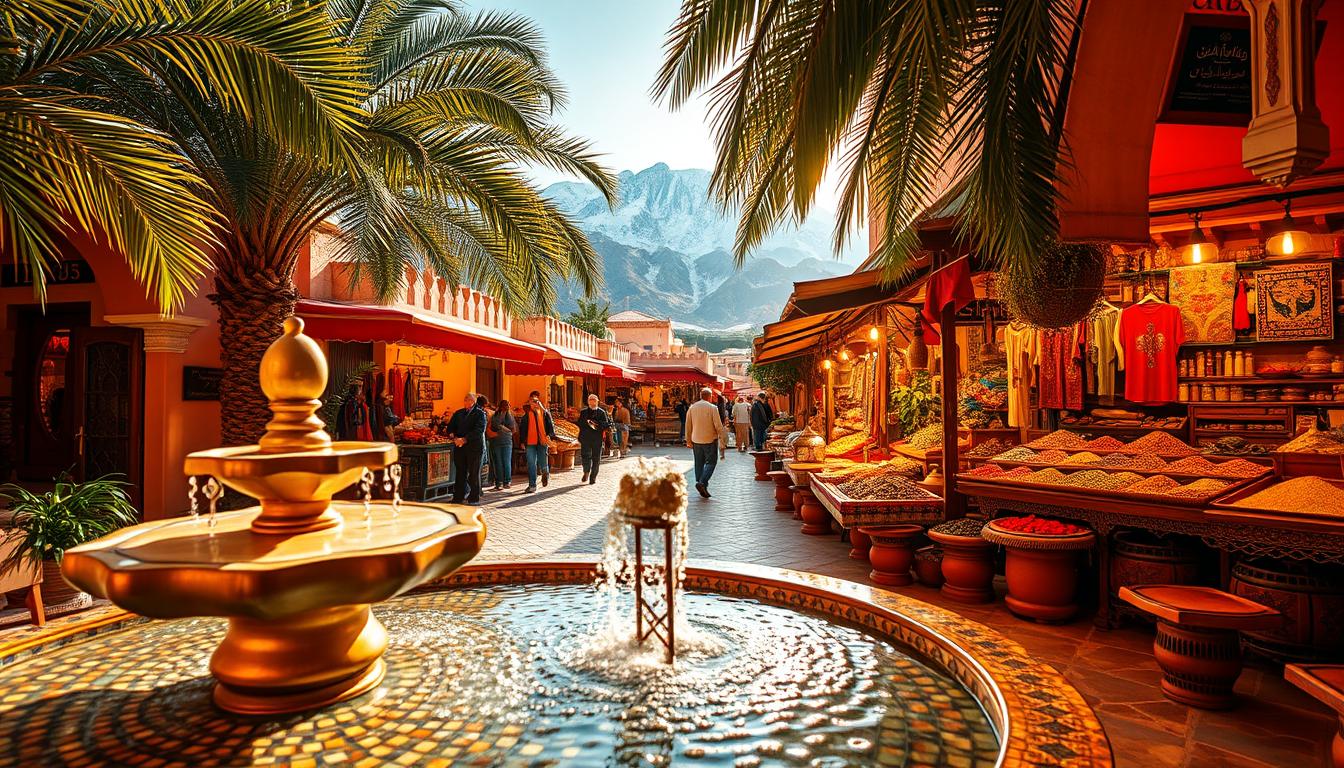
Morocco is in the northern part of Africa. It’s known for its rich history, vibrant culture, and stunning landscapes. Its location between continents makes it a special mix of Arab, Berber, and European influences. Exploring this country, you’ll find lots of surprising Morocco Africa trivia.
Morocco is full of fascinating facts. From the lively markets to the peaceful deserts, there’s much to discover. In this article, we’ll explore some of the most interesting parts of Morocco.
Key Takeaways
- Morocco’s unique cultural blend is reflected in its architecture and cuisine.
- The country’s diverse landscapes range from deserts to mountains.
- Morocco is home to several UNESCO World Heritage sites.
- The vibrant souks (markets) offer a glimpse into local life.
- Moroccan cuisine is a delicious mix of Arab, Berber, and Mediterranean flavors.
The Magical Kingdom at Africa’s Northern Edge
Morocco sits at Africa’s northern tip, a crossroads between continents. It’s a land steeped in history and culture. Here, you’ll find a mix of African, Arab, and European influences that define the country.
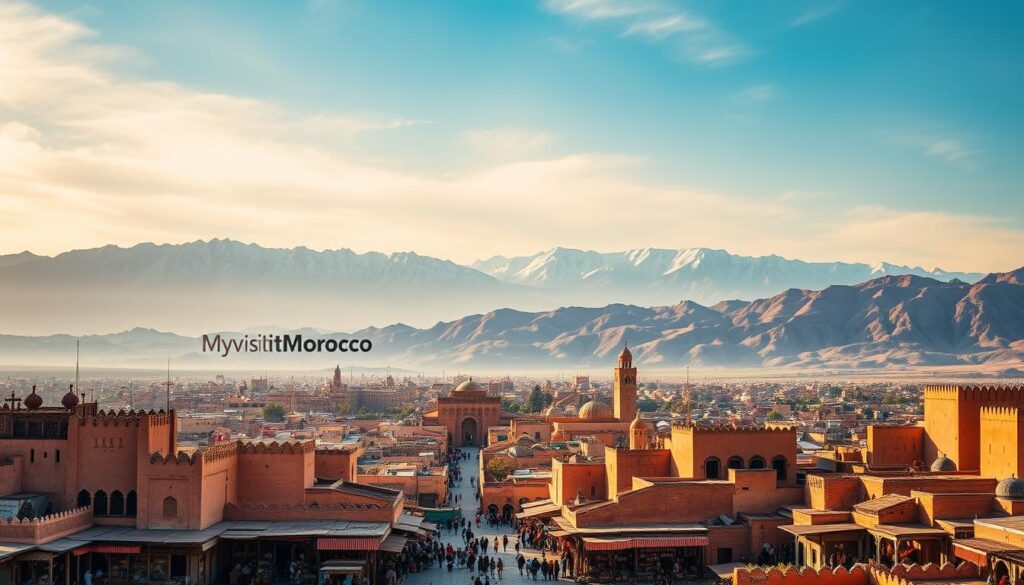
The country’s rich heritage comes from its strategic spot. It has allowed for the sharing of cultures, ideas, and goods between Africa and Europe. This mix is seen in Moroccan food, architecture, and more.
Morocco’s Strategic Position Between Continents
Morocco’s location has made it key for trade and cultural exchange. Its close proximity to Europe has led to the sharing of cultures and goods. This has enriched Morocco’s history and is still seen today in its architecture, food, and language.
This strategic spot has also shaped Morocco’s modern infrastructure. Its cities are cosmopolitan, drawing travelers and businesses from around the world.
The Country of Four Imperial Cities
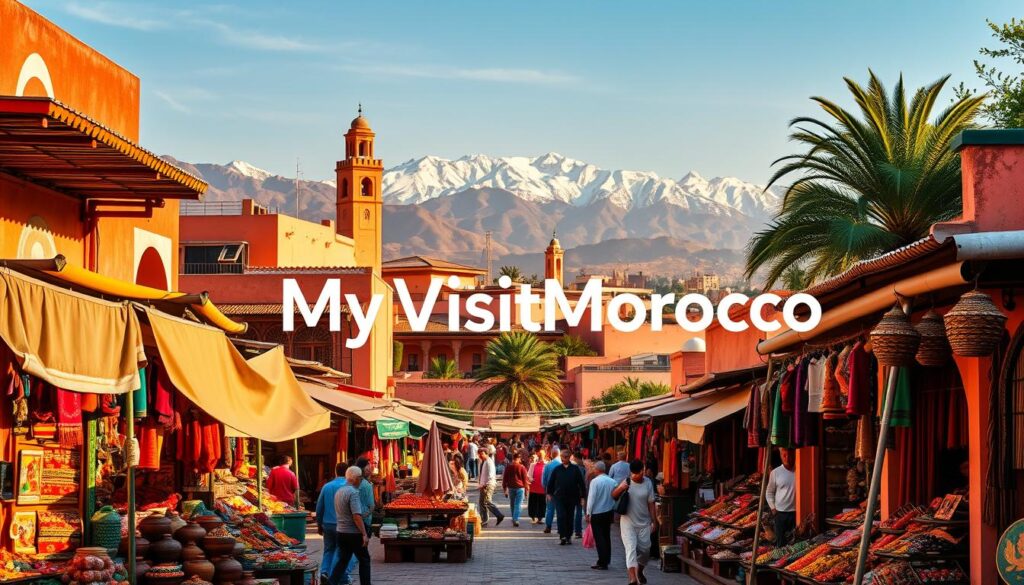
Morocco boasts four imperial cities: Marrakech, Fez, Meknes, and Rabat. Each city has its own story and charm, offering a peek into Morocco’s past. Marrakech is famous for its lively souks and beautiful buildings.
Fez, the oldest, has an ancient medina that’s a UNESCO World Heritage Site. Meknes and Rabat, though less known, are also worth visiting. They offer a glimpse into Morocco’s history and cultural richness.
Fun Facts About Morocco Africa That Will Amaze Travelers
Exploring Morocco reveals amazing facts. It’s a place where old traditions meet modern life. This mix offers a unique journey for all who visit.
The World’s Oldest University Is in Fez
The University of Al Quaraouiyine in Fez is the oldest university still open. It was founded in 859 AD. Scholars from all over the Islamic world have studied here for centuries.
The university’s buildings show off Moroccan skill. They are covered in beautiful tile work and carved cedar wood. Visitors can see the campus and feel the history and culture of this ancient place.
Morocco Has Been a Hollywood Favorite for Decades
Morocco’s landscapes have drawn filmmakers for years. The Sahara Desert and the Atlas Mountains have been in many famous movies.
Movies like “Lawrence of Arabia” and “Gladiator” were filmed here. Morocco’s culture and beauty keep bringing filmmakers to its shores.
Morocco’s Rich Historical Timeline
Exploring Morocco reveals a rich history spanning centuries. From ancient civilizations to modern-day independence, Morocco’s story is complex and fascinating. It’s a tale of various cultures and empires that have shaped the country.
Ancient Berber Origins and Culture
The Berbers were Morocco’s earliest known inhabitants, dating back to around 2000 BCE. They were skilled farmers, traders, and warriors. Their legacy lives on in Morocco’s many Berber tribes, who still preserve their language and customs.
Arab Influence and Islamic Golden Age
In the 7th century CE, Arabs conquered Morocco, introducing Islam and Arabic. This started the Islamic Golden Age in Morocco. The city of Fez became a center of learning and culture, attracting scholars from across the Islamic world. Today, you can visit the University of Al-Qarawiyyin, one of the oldest universities in the world, founded in 859 CE.
European Colonial Period and Independence
In the early 20th century, Morocco was colonized by France and Spain. This had a big impact on the country’s language, culture, and politics. Morocco gained independence in 1956, starting a new chapter in its history. Today, it balances traditional values with modernization and development.
| Period | Major Events | Cultural Impact |
|---|---|---|
| Ancient Berber | Berber tribes inhabited Morocco | Development of Berber culture and language |
| Arab Conquest | Introduction of Islam and Arabic | Islamic Golden Age; Fez becomes a cultural hub |
| European Colonial | Colonization by France and Spain | Influence on language, culture, and politics |
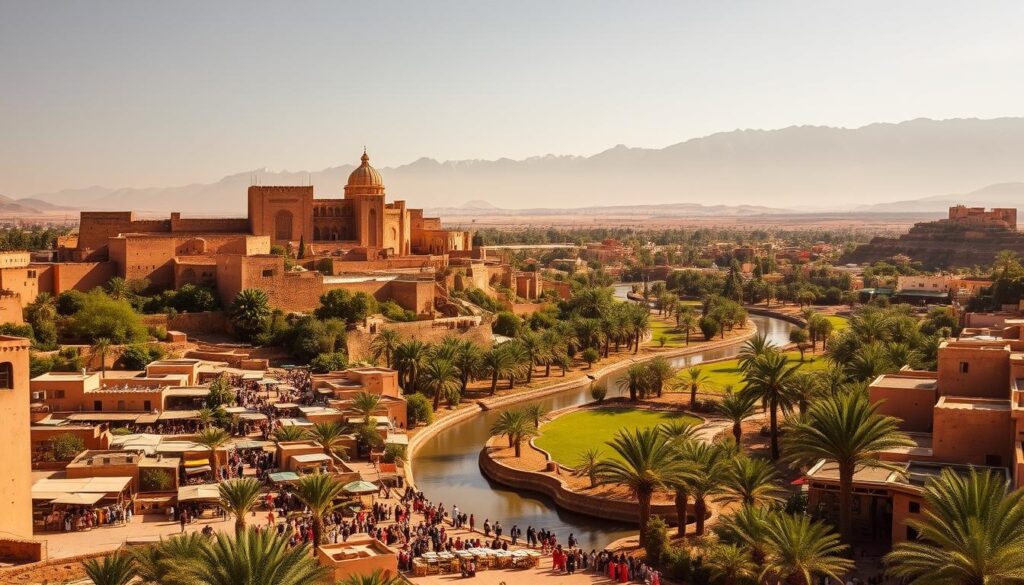
The Sahara Desert: Morocco’s Golden Treasure
The Sahara Desert is a treasure trove of natural wonders in Morocco. It offers breathtaking landscapes, from towering sand dunes to nomadic tribes living in harmony with the harsh yet beautiful environment.
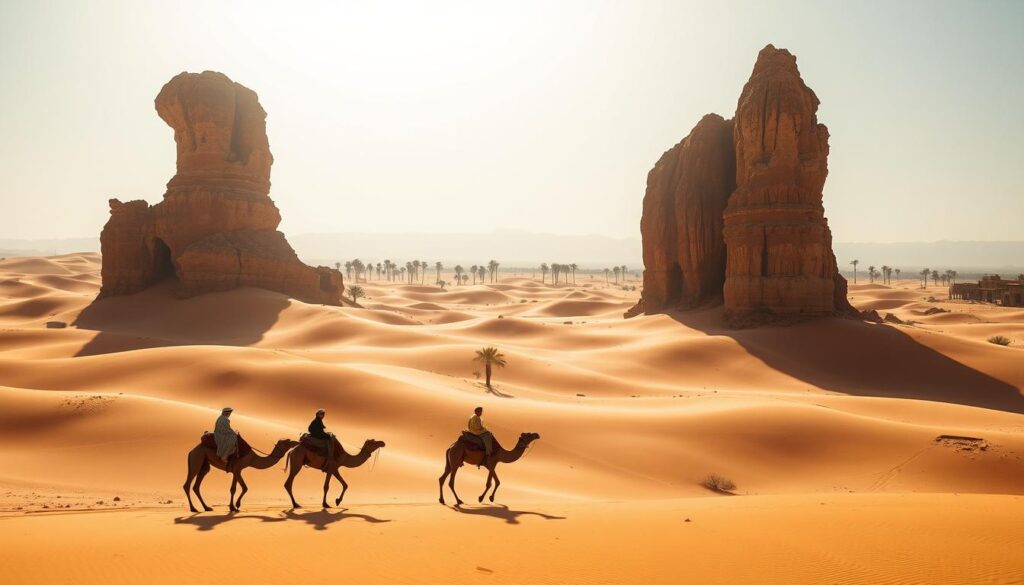
Erg Chebbi’s Towering Sand Dunes
Erg Chebbi is a massive collection of sand dunes in the Sahara Desert of Morocco. These towering dunes, some over 150 meters high, create a surreal landscape. Visitors can experience the thrill of sandboarding down these giant dunes or enjoy the serene beauty of the desert at sunrise and sunset.
Nomadic Berber Tribes and Their Desert Lifestyle
The Sahara Desert is home to the nomadic Berber tribes. They have lived in this harsh environment for centuries. By visiting their camps, you can gain insight into their traditional ways of life, including their expert navigation skills and rich cultural heritage.
Stargazing in One of Earth’s Clearest Skies
The Sahara Desert offers some of the clearest skies on Earth. On a clear night, you can see thousands of stars twinkling above. Many desert camps offer stargazing experiences, allowing you to appreciate the night sky in its full glory.
| Activity | Description | Best Time |
|---|---|---|
| Sandboarding | Experience the thrill of sliding down Erg Chebbi’s massive sand dunes. | Early morning or late afternoon |
| Camel Trekking | Explore the desert landscape on camelback, a traditional mode of transport. | Sunrise or sunset |
| Stargazing | Enjoy the incredibly clear night skies of the Sahara Desert. | After dark |
Moroccan Architecture That Defies Imagination
Morocco’s buildings show off its rich culture. You’ll see structures that are both detailed and creative. Walking through the streets and historic sites, you’ll notice a mix of Arab, Berber, and Mediterranean styles.
The Blue Pearl: Chefchaouen’s Azure Streets
Chefchaouen is a beautiful town known for its blue buildings and streets. It’s a peaceful place in the Rif Mountains. The blue color is not just pretty; it also shows the town’s culture and beliefs.
Intricate Riads: Palaces Hidden Behind Plain Walls
In Moroccan cities, you’ll find riads. These are traditional houses with gardens inside, hidden behind simple walls. They show off Moroccan skill, with detailed tile work, carved wood, and lovely gardens. Riads are a peek into Morocco’s architectural past and a calm spot in busy cities.
The Hassan II Mosque: Built Partially Over the Atlantic Ocean
The Hassan II Mosque in Casablanca is a must-see. It’s one of the few mosques built over water, with views of the Atlantic. The mosque mixes old Moroccan styles with new engineering, making it a standout in architecture today.
| Architectural Feature | Description | Location |
|---|---|---|
| Blue Painted Buildings | Characteristic blue hue dominating the town’s architecture | Chefchaouen |
| Intricate Riads | Traditional houses with interior gardens and ornate decor | Marrakech, Fez |
| Hassan II Mosque | Mosque partially built over the Atlantic Ocean | Casablanca |
Moroccan architecture shows the country’s varied cultures and its skill in mixing old and new. Exploring Morocco, you’ll see different styles in each area. From Chefchaouen’s blue streets to Marrakech and Fez’s grand mosques and riads, each place has its own unique look.
Surprising Facts About Moroccan Cuisine
Exploring Moroccan cuisine opens a world of flavors. It’s a mix of African, Arab, and European traditions. This blend creates a unique taste that is both aromatic and flavorful.
Tagine: The Ancient Slow-Cooking Method
The tagine is a key Moroccan dish, named after its cooking pot. It cooks ingredients like meat, veggies, and fruits slowly. This makes the stew rich and flavorful, bringing people together.
Regional Tagine Variations
Different regions in Morocco have their own tagine styles. The south uses preserved lemons and olives, while the north has seafood. This shows how versatile the tagine can be.
| Region | Tagine Variation | Key Ingredients |
|---|---|---|
| South | Preserved Lemon and Olive Tagine | Preserved lemons, olives, chicken or lamb |
| North | Seafood Tagine | Fish, shrimp, mussels, white wine |
| East | Prune and Almond Tagine | Prunes, almonds, beef or lamb |
Mint Tea: The Elaborate Ceremony Behind Morocco’s National Drink
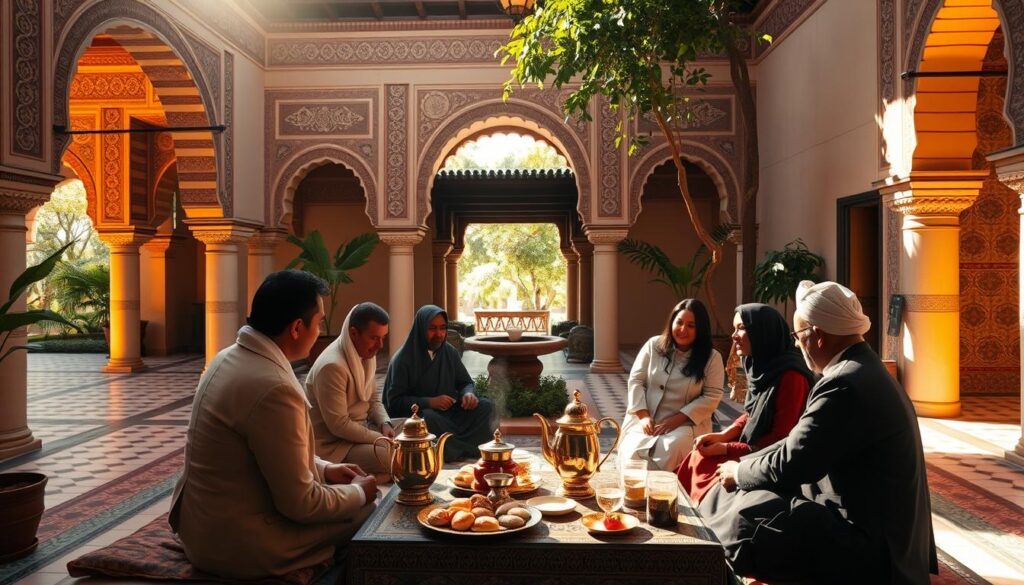
Mint tea is more than a drink in Morocco. It’s a sign of hospitality and friendship. The tea-making is a special ceremony with green tea, fresh mint, and sugar. Pouring the tea from high up creates a frothy top, showing the host’s generosity.
Unusual Moroccan Delicacies That Challenge Western Palates
Moroccan cuisine has some unusual dishes like sheep’s head and pickled cow’s foot. These are often served at special times and are seen as a test of bravery. For the bold, trying these flavors is an exciting adventure. Learn more about Moroccan food and its culture on Crossroads Cultural Exchange.
In conclusion, Moroccan cuisine is rich and diverse. It reflects the country’s cultural heritage through dishes like tagines and mint tea. There’s much to explore and enjoy in this unique culinary world.
Morocco’s Incredible Biodiversity
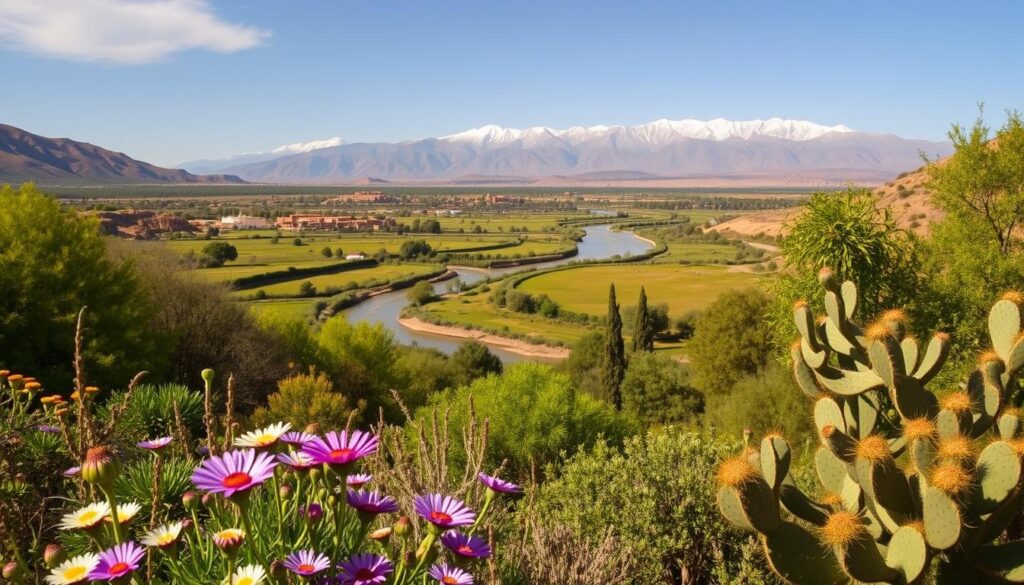
Did you know Morocco is a biodiversity hotspot? Its unique geography supports a wide variety of life. From mountains to deserts, Morocco’s landscapes host many different ecosystems.
The Barbary Macaque: Europe’s Only Wild Monkey Lives in Morocco
The Barbary macaque is a fascinating species found in Morocco’s forests. This monkey is the only wild primate in Europe and North Africa. It makes Morocco a special place for this species. Visitors can see these macaques in the cedar forests of the Middle Atlas Mountains.
“The Barbary macaque is an iconic species that has adapted to the rugged terrain of Morocco’s mountains, showcasing the country’s rich biodiversity.”
Four Mountain Ranges and Their Unique Ecosystems
Morocco has four mountain ranges: the Atlas, Rif, Middle Atlas, and Anti-Atlas. Each range has its own ecosystem. For example, the High Atlas has alpine meadows and snow-capped peaks. The Anti-Atlas is drier, with different plants and animals.
These ecosystems support a wide range of wildlife and plants. Some plants are found nowhere else in the world. Morocco’s biodiversity makes it a great place for nature lovers.
The Vibrant World of Moroccan Crafts and Artisans
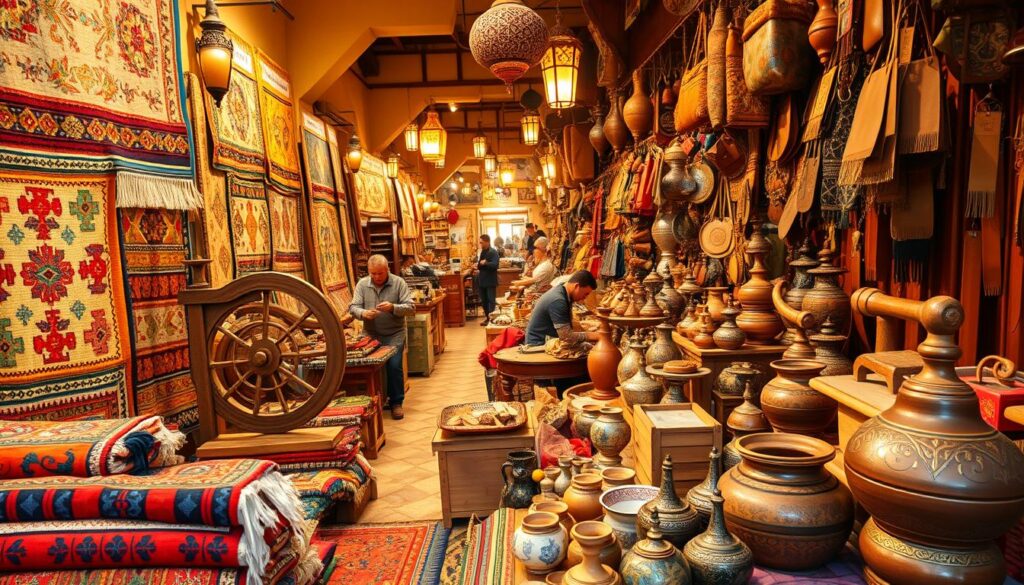
Exploring Moroccan crafts and artisans reveals a world of traditional skills. These crafts are not just beautiful; they also show Morocco’s history, culture, and values.
Morocco’s crafts have a long history. Artisans have mastered many techniques over centuries. The crafts reflect the diverse cultures and traditions that have shaped Morocco.
The Ancient Art of Carpet Weaving
Carpet weaving is a key craft in Morocco, with a history spanning centuries. Moroccan carpets are known for their detailed patterns, bright colors, and high quality. This craft is often passed down through families, with techniques and designs shared within communities.
“Moroccan carpets are not just decorative pieces; they are a reflection of the weaver’s soul and a representation of the country’s rich cultural heritage,” as noted by crafts experts. Creating these carpets involves selecting materials, using precise techniques, and paying attention to detail, skills developed over years.
Leather Tanneries: A Millennium-Old Tradition
Morocco’s leather tanneries showcase the country’s ancient craftsmanship. The tanneries of Fez are famous for their traditional methods. Visitors can see the tanning process and how hides are turned into beautiful leather products. The vibrant trading cities like Marrakech also offer a glimpse into the leather trade, with numerous souks selling high-quality leather goods.
The tanning process is hard work and requires skill. It uses natural ingredients like pomegranate and poppy to create the distinctive colors and textures of Moroccan leather. This results in products like luxurious handbags and intricately decorated saddles, highly valued by locals and tourists.
Zellige Tilework: Mathematical Precision in Art
Zellige tilework is a key feature of Moroccan architecture. It uses small, glazed tiles in intricate geometric patterns. This craft requires artistic skill and mathematical precision to fit the tiles together accurately.
The art of zellige tilework shows Moroccan artisans’ ingenuity and creativity. As you explore Morocco’s cities and towns, you’ll see many examples of zellige tilework. Each one is a unique expression of Morocco’s rich cultural heritage.
Moroccan Languages and Communication Surprises
Exploring Morocco’s languages can be quite surprising. The country’s rich history and cultural diversity are reflected in its language landscape.
Darija: Morocco’s Unique Arabic Dialect
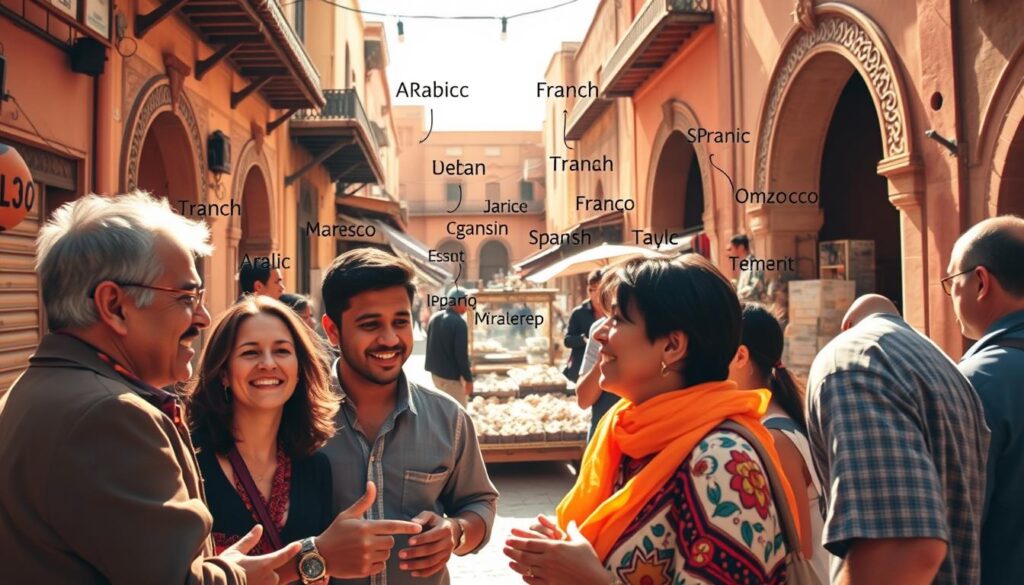
Darija is Morocco’s special Arabic dialect. It mixes Arabic, Berber, French, and Spanish. This makes it hard for other Arabs to understand. Darija is the most spoken language in Morocco. It’s used in daily talks, media, and government.
Amazigh (Berber) Languages: The Indigenous Tongues
Amazigh, or Berber languages, are Morocco’s native tongues. They are spoken by the Berber communities. These languages have a deep oral tradition and are key to Berber identity. Efforts have been made to standardize and promote Amazigh languages. They are now part of the education system.
| Language/Dialect | Speakers | Usage |
|---|---|---|
| Darija | Most Moroccans | Daily life, media, government |
| Amazigh (Berber) | Berber communities | Oral tradition, local communities |
Unexpected Modern Facts About Morocco
Exploring Morocco reveals a country rich in history and modern innovation. It’s leading in fields like renewable energy and transportation. Morocco aims for a sustainable and connected future.
Noor: The World’s Largest Concentrated Solar Power Plant
The Noor Ouarzazate Solar Complex is Morocco’s modern marvel. It’s the world’s largest concentrated solar power plant. Located in the Sahara Desert, it has a 510 MW capacity.
This project is part of Morocco’s goal to get 52% of its electricity from renewables by 2030. Noor reduces Morocco’s fossil fuel use and inspires other countries to switch to clean energy.
Al Boraq: Africa’s First High-Speed Rail System
Morocco boasts Al Boraq, Africa’s first high-speed rail. It connects Tangier and Casablanca. Launched in 2018, it can hit speeds of 320 km/h (200 mph).
Travel time between the cities is now just over 2 hours. Al Boraq boosts Morocco’s connectivity and rail technology leadership in Africa. Its success could lead to more rail projects across the continent.
Moroccan Traditions and Festivals That Captivate
Exploring Morocco reveals a world of traditions and festivals. These events are more than fun; they show the heart of Moroccan culture. They dive into the country’s history, religious life, and community spirit.
The Fantasia: A Spectacular Horse-Riding Tradition
The Fantasia is a thrilling horse-riding and marksmanship show. It’s a key part of Moroccan culture. Riders, dressed in traditional clothes, ride together and fire muskets into the air. It’s a celebration of Moroccan history and identity.
Moussem Festivals: Celebrating Saints and Seasons
Moussem festivals are key in Morocco’s cultural life. They honor saints and mark seasonal changes. These festivals are full of music, dance, and food. They give a glimpse into Moroccan spirituality and community.
The Rose Festival of Kelaat M’Gouna
The Rose Festival in Kelaat M’Gouna celebrates the area’s rose production. It’s a colorful event with parades, music, and a rose queen. It highlights the role of agriculture and crafts in Moroccan culture.
| Festival | Location | Main Attraction |
|---|---|---|
| The Fantasia | Various | Horse-riding spectacle |
| Moussem Festivals | Various | Celebration of saints and seasons |
| Rose Festival | Kelaat M’Gouna | Celebration of rose production |
Morocco’s traditions and festivals show its rich cultural diversity. By joining in or watching, you learn about Moroccan values, history, and community.
Cinematic Morocco: A Backdrop for Famous Films
Morocco’s landscapes, from the Sahara to the Atlas Mountains, are a dream for filmmakers. Its mix of African, Arab, and European cultures, along with its beauty, draws many to film here.
Ouarzazate: The Hollywood of the Desert
Ouarzazate is known as the “Hollywood of the Desert.” It has been the setting for many famous films. Its kasbahs, fortifications, and desert have attracted directors from around the world. Studios here have worked on Lawrence of Arabia and Gladiator, making Ouarzazate a top filming spot.
Iconic Movies You Didn’t Know Were Filmed in Morocco
Morocco’s appeal goes beyond Ouarzazate. Films like Gladiator used Essaouira, while the Atlas Mountains were in Game of Thrones. Here are some famous movies filmed in Morocco:
| Movie Title | Location | Year |
|---|---|---|
| Lawrence of Arabia | Ouarzazate | 1962 |
| Gladiator | Essaouira | 2000 |
| Game of Thrones | Atlas Mountains | 2011-2019 |
These films highlight Morocco’s role in filmmaking. From deserts to mountains, its beauty and culture attract filmmakers worldwide. Morocco is a key player in the global film industry.
Unusual Laws and Social Customs in Morocco
Traveling to Morocco can be more fun if you know its laws and customs. This country mixes old traditions with new ways. It’s a place where culture and modern life blend together.
Navigating Moroccan Social Etiquette
In Morocco, showing respect to elders and being hospitable is key. When you meet people, a handshake or a kiss on the cheek is common. It depends on how well you know them.
Dressing modestly is also important. Morocco is a conservative place. Women should cover their shoulders and knees as a sign of respect.
Remember to take off your shoes before entering a mosque or a traditional home. This shows respect. Knowing these customs will make you fit in better and gain the locals’ respect.
Legal Quirks That Might Surprise Western Visitors
Morocco has some laws that might surprise you. For example, public displays of affection are not allowed. This is different from what you might see in Western countries.
Also, Morocco has strict rules about taking pictures. You can’t take photos of government buildings, military people, or religious sites. Knowing these rules can help you avoid trouble.
Moroccan Contributions to World Culture and Science
Morocco has made a big impact on the world. It has contributed to culture and science in many ways. You might be surprised by what this North African country has achieved.
Ancient Moroccan Innovations That Changed History
Morocco’s history is filled with amazing facts. It developed advanced irrigation systems for the Sahara Desert. These systems helped agriculture and changed irrigation worldwide.
The city of Fez is home to Al-Qarawiyyin, the oldest university still in operation. Founded in 859 AD, it has greatly influenced education and Islamic scholarship.
Modern Moroccan Achievements on the Global Stage
Recently, Morocco has made big strides globally. The Noor solar power complex is the world’s largest solar plant. It shows Morocco’s dedication to renewable energy.
The Al Boraq high-speed rail system was launched in 2018. It’s Africa’s first high-speed train, connecting Tangier and Casablanca.
| Innovation/Achievement | Description | Impact |
|---|---|---|
| Advanced Irrigation Systems | Ancient techniques developed to support agriculture | Influenced global irrigation practices |
| Al-Qarawiyyin University | Founded in 859 AD, world’s oldest operating university | Center for Islamic scholarship and education |
| Noor Solar Power Complex | World’s largest concentrated solar power plant | Promotes renewable energy and sustainability |
| Al Boraq High-Speed Rail | Africa’s first high-speed train system | Revolutionizes transportation in Morocco |
Morocco’s contributions to culture and science are vast. From ancient times to today, it shows the country’s lasting legacy and drive for progress.
Conclusion: Why Morocco Should Be Your Next Travel Destination
Morocco Africa is full of fascinating facts and trivia, making it a must-see for travelers. It offers a mix of rich history, vibrant culture, and stunning landscapes. From Marrakech’s busy streets to the Sahara Desert’s calm, Morocco has something for everyone.
These fun facts about Morocco Africa show it’s a place you won’t forget. Whether you love history, culture, food, or adventure, Morocco is perfect for you. Its unique mix of Arab, Berber, and European influences makes it unforgettable.
So, start packing and get ready to see Morocco’s vibrant souks, stunning buildings, and friendly people. Morocco Africa is eager to share its wonders and fascinating facts with you.



 Covers cities, coast, mountains, desert & food