
The ancient city of Fes, a labyrinthine marvel in the heart of Morocco, holds countless wonders. Among its most iconic and vividly memorable experiences are the Fes tanneries. Stepping into their vicinity is like embarking on a journey back in time, engaging all your senses in a tradition that has thrived for centuries. This comprehensive Fes tanneries guide delves into the historical significance, offers practical advice for tours, and shares insider tips to enhance your visit to these bustling, aromatic workshops. Understanding the intricate artistry and laborious craft involved in the Fes tanning process is essential for any visitor truly looking to grasp the soul of this imperial city.
Stepping Back in Time: The Enduring Legacy of Fes Tanneries
The Fes tanneries, particularly the Chouara Tannery, are not merely tourist attractions; they are living testaments to an ancient craft that defines a significant part of Fes’s industrial and cultural heritage. For over a thousand years, leather production here has employed methods largely unchanged since medieval times. Imagine artisans, much like their ancestors, working barefoot in vats filled with natural dyes and solutions, transforming raw animal hides into supple, vibrant leather. This incredible continuity is what makes visiting the tanneries a truly unique experience.
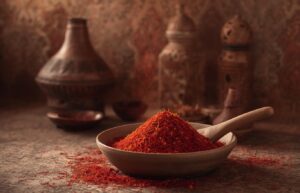
Before the age of machinery, every step, from softening to coloring, was done by hand, and it remains largely so today. The sight from above, usually from a balcony overlooking the vast complex of vats, is breathtaking. A mosaic of circular stone wells, filled with an array of natural pigments—red from poppy, yellow from saffron or pomegranate, green from mint, and white from pigeon droppings used as a softening agent—paints a picture unlike anything else. The air, undeniably pungent, tells its own story of tradition and hard work. This long-standing tradition has seen generations pass down their knowledge, techniques, and even the very tools of their trade, ensuring that the legacy of the Fes tanneries continues to flourish. Each piece of leather crafted here carries with it a fragment of this profound history.
Unraveling the Secrets of the Fes Tanning Process
To truly appreciate the Fes tanneries, it’s helpful to understand the intricate, multi-stage process that transforms rough animal hides into beautiful leather goods. It’s a labor-intensive journey, demanding skill, patience, and a deep understanding of natural materials. The process typically begins with soaking the hides – often from cows, sheep, goats, and camels – in vats containing a mixture of water and pigeon droppings, known for their ammonia content, which acts as a natural softening and de-hairing agent. This initial softening bath can last for several days, breaking down the tough fibers of the skin. This phase is crucial for preparing the hides for subsequent treatments.
After softening, the hides are thoroughly cleaned and scraped to remove any remaining hair, flesh, and fat. This often involves manual scraping with specialized tools, a laborious task requiring considerable physical effort. Once clean, the hides are then moved to a series of dyeing vats. Here, the magic of natural pigments truly comes alive. Artisans plunge and manipulate the hides in wells filled with preparations derived from plants and minerals. For instance, vibrant reds are achieved using poppy flowers or paprika, rich yellows from saffron (though less common due to cost) or turmeric, deep browns from cedarwood, and greens from mint. Indigo is used for blue. The tanners meticulously work the hides in these solutions, ensuring even absorption of the color. This dyeing process can take several days, with hides being repeatedly soaked, wrung, and dried.
Following the dyeing, the hides are dried, typically laid out on terraces under the Fes sun or hung across rooftops. This natural drying process is vital for setting the dyes and solidifying the leather’s structure. Once fully dry, the leather is then treated with oils to make it supple and durable. Finally, the finished leather is transported to workshops throughout the medina, where skilled craftsmen fashion it into an array of products: bags, wallets, belts, shoes, jackets, and poufs, all showcasing the rich texture and vibrant colors that are hallmarks of Fes leather. The entire Fes tanning process is a testament to sustainable, traditional manufacturing, relying almost entirely on natural ingredients and human effort.
Navigating the Chouara Tannery: Your Essential Tour Handbook
The Chouara Tannery is undoubtedly the most famous and largest of the Fes tanneries and is usually the primary destination for visitors. Getting there and experiencing it can feel a bit overwhelming, especially for first-timers, but with a few tips, you can have a smooth and memorable visit. The tanneries are located within the sprawling Fes el-Bali medina, a UNESCO World Heritage site known for its confusing alleyways. The easiest and most common way to visit is to be led by a local guide. Many unofficial “guides” will offer their services as soon as you near the medina gates. While some are genuinely helpful, others might demand inflated fees or pressure you into specific shops. It’s often best to arrange a guide through your riad or a reputable tour agency, or to politely decline offers if you prefer to navigate independently.
When you approach the tannery area, you’ll notice a concentration of leather shops. These shops are strategically built with balconies overlooking the tannery complex, offering the best vantage points for observing the work below. Shopkeepers will invite you in, explaining that they offer the best view. Don’t feel pressured to buy anything immediately. It’s customary to be offered a sprig of mint upon entry to help mask the strong smell – definitely accept it! After enjoying the panoramic view and taking photos, a shop assistant or a guide will usually provide a brief explanation of the tanning process. This is often an unwritten agreement that you should then browse their shop.
Allow yourself enough time to observe the workers, the rhythm of their movements, and the vibrant tapestry of colors in the vats. Ask questions if you have a guide, but remember that the workers themselves are busy. The best viewing times are generally in the morning when the light is good and the tanners are actively working. Also, consider the angle of the sun for your photos. While the views are free, it’s polite to consider a small purchase if you received an extensive explanation or spent considerable time in a shop’s viewing area. Remember, the shopkeepers are offering a service (the view) in the hope of making a sale. Negotiating prices for leather goods is expected and part of the Fes shopping experience.
Beyond Chouara: Other Significant Fes Tanneries
While Chouara Tannery justly steals most of the limelight, it’s important to note that it’s not the only tannery in Fes. The city is home to several other smaller, but equally historical, tanneries that often provide a different, sometimes more intimate, glimpse into this ancient craft. Exploring these can offer a deeper understanding of the breadth of the local leather industry and allow you to escape some of the larger crowds often found at Chouara.
One notable alternative is the Sidi Bou Khareb Tannery, often referred to as the Bab Bou Jeloud Tannery due to its proximity to the iconic blue gate. This tannery, while smaller than Chouara, still operates using traditional methods. The advantages of visiting Sidi Bou Khareb often include slightly fewer tourists and arguably a more accessible viewing experience from shops that are a bit less overwhelming. The views here are equally captivating, showcasing the distinctive multi-colored vats and the diligent work of the tanners. The processes are fundamentally the same, offering the same rich historical context and visual appeal but in a perhaps more contained environment.
Another, even smaller, set of tanning pits can sometimes be glimpsed in the vicinity of the Kairouine Mosque and around the Mellah (Jewish Quarter), though these are much less formally organized for viewing by tourists. These smaller operations contribute to the overall identity of Fes as a hub for traditional leather crafts. They serve local workshops and often specialize in specific types of leather or smaller batch productions. While a dedicated tour might not be available for these, catching a glimpse of a handful of pits and workshops can provide a valuable perspective on how integrated the craft is within the fabric of the medina. Exploring these less-trafficked areas requires a more adventurous spirit and often a knowledgeable local guide who can point them out. These additional Fes tanneries reinforce the idea that leatherwork is not concentrated in one massive factory but rather permeates various corners of the old city.
Ethical Considerations and Supporting Local Artisans
Visiting the Fes tanneries, while an incredible cultural experience, also brings up important ethical considerations regarding sustainable tourism and supporting local artisans. The conditions for the workers in the tanneries are undeniably tough. They labor long hours, often bare-legged, standing in acidic and dye-filled vats, exposed to strong odors and sometimes harsh chemicals, despite the primary reliance on natural substances. It’s a physically demanding job that has been passed down through generations, often out of necessity. As visitors, it’s important to approach this with respect and sensitivity, understanding the history and economic realities that underpin their work.
When you buy leather goods, you are directly supporting these artisans and their families. However, it’s crucial to be a discerning shopper. The quality of leather varies significantly, as does the craftsmanship of the finished products. Don’t be afraid to examine items closely. Genuine leather from the Fes tanneries will be durable and have a distinct, natural aroma (though sometimes initially masked by various treatments). Some sellers might try to pass off synthetic alternatives as genuine leather. Look for signs of good stitching, sturdy hardware, and the natural imperfections that characterize real leather. Remember to haggle respectfully; it’s a part of the local shopping culture. Start with an offer significantly lower than the asking price and work towards a mutually agreeable number.
Beyond direct purchases, consider how your visit impacts the local economy. Opting for locally-owned riads, dining at traditional restaurants, and hiring official local guides (rather than unofficial touts) all contribute positively to the community. By engaging thoughtfully and making informed choices, you can ensure that your visit to the Fes tanneries not only enriches your own travel experience but also helps sustain the livelihoods of the people who keep this ancient craft alive. Learning about Fes tanneries guide like this helps you become a more responsible traveler.
Practical Tips for an Enriched Tannery Visit
To make your visit to the Fes tanneries as enjoyable and insightful as possible, here are some practical tips gleaned from countless traveler experiences. Firstly, timing is key. The tanners typically start their day early, so arriving in the morning, ideally before noon, gives you the best chance to see them actively working. During the hottest parts of the afternoon, activity can sometimes slow down. Also, consider avoiding Fridays, as it’s the Muslim holy day, and some workers might be at the mosque or shops might have reduced hours.
Be prepared for the smell. It’s potent, a mix of animal hides, pigeon dung, and various dyes. Accepting the sprig of mint offered at shop entrances helps immensely. Holding it to your nose provides a refreshing counterpoint to the strong odors. Some visitors even bring their own small bottle of essential oil (like peppermint) to dab on a scarf. Embrace it as part of the authentic experience.
Wear comfortable shoes. The medina’s alleyways are uneven and can be slippery in places. You’ll likely do a fair bit of walking to reach the tannery lookout points. Also, dress modestly as a sign of respect for local customs; shoulders and knees covered are generally appreciated.
Be patient with shopkeepers. Their primary goal is to sell you leather goods, and they will likely be persistent. A polite but firm “no, thank you” (“la shukran” in Arabic) usually suffices if you’re not interested in buying. If you do want to purchase, remember that bargaining is not just accepted but expected. It’s an art form in itself! Start with a low offer and slowly negotiate towards a price you’re comfortable with. Don’t be afraid to walk away if you can’t agree on a price; there are plenty of other shops.
Consider hiring a licensed local guide for your entire Fes medina exploration, not just for the tanneries. A good guide can smoothly navigate you through the labyrinthine streets, explain cultural nuances, keep touts at bay, and ensure you get to the tannery viewing terraces without unnecessary detours or pressure. They can also provide a deeper understanding of the Fes tanning process and its historical context. This investment can significantly enhance your experience and even save you time and potential hassle. For more general travel advice, refer to resources like Fes tanning process.
Conclusion
Visiting the Fes tanneries is more than just a sightseeing stop; it’s an immersive journey into the heart of an ancient craft that has shaped the identity of Fes for centuries. From the pungent aromas to the vibrant mosaic of dyeing vats and the rhythmic work of the artisans, every aspect tells a story of tradition, resilience, and ingenuity. By understanding the historical context, the intricate Fes tanning process, and by approaching your visit with respect and an appreciation for local culture, you’ll undoubtedly gain a profound insight into one of Morocco’s most iconic living heritage sites. This Fes tanneries guide aims to equip you with the knowledge and tips for an unforgettable and ethical exploration of these incredible workshops.
FAQs
What is the best time of day to visit the Fes tanneries?
The best time to visit the Fes tanneries, particularly Chouara, is generally in the morning. This is when the tanners are most active, and the natural light is often ideal for viewing the complex and taking photographs. Activity tends to slow down in the hotter afternoon hours.
Is the smell at the Fes tanneries really that bad?
Yes, the smell is quite strong and pungent, a mix of animal hides, natural dyes, and pigeon dung (used for softening). However, it’s part of the authentic experience. Most shops offering views provide a sprig of mint to hold to your nose, which helps significantly. It’s something you get used to after a few minutes, turning into a memorable sensory experience.
Do I have to buy something from the leather shops to get a good view?
While there’s no official entry fee for the Fes tanneries, shops with balconies overlooking the tanneries are how most visitors get their view. Shopkeepers often expect you to browse their goods after providing the view and an explanation. While you are not strictly obligated to buy, it is seen as courteous to at least consider a purchase or offer a small tip if you’ve received extensive explanation and service without buying.
What kind of products can I find made from the leather at Fes tanneries?
You can find a wide variety of leather products made from the leather processed at the Fes tanneries. These include traditional Moroccan poufs, handbags, wallets, belts, jackets, slippers (babouches), and various decorative items. The quality and craftsmanship vary, so it’s advisable to inspect items carefully and haggle over prices.



 Covers cities, coast, mountains, desert & food