
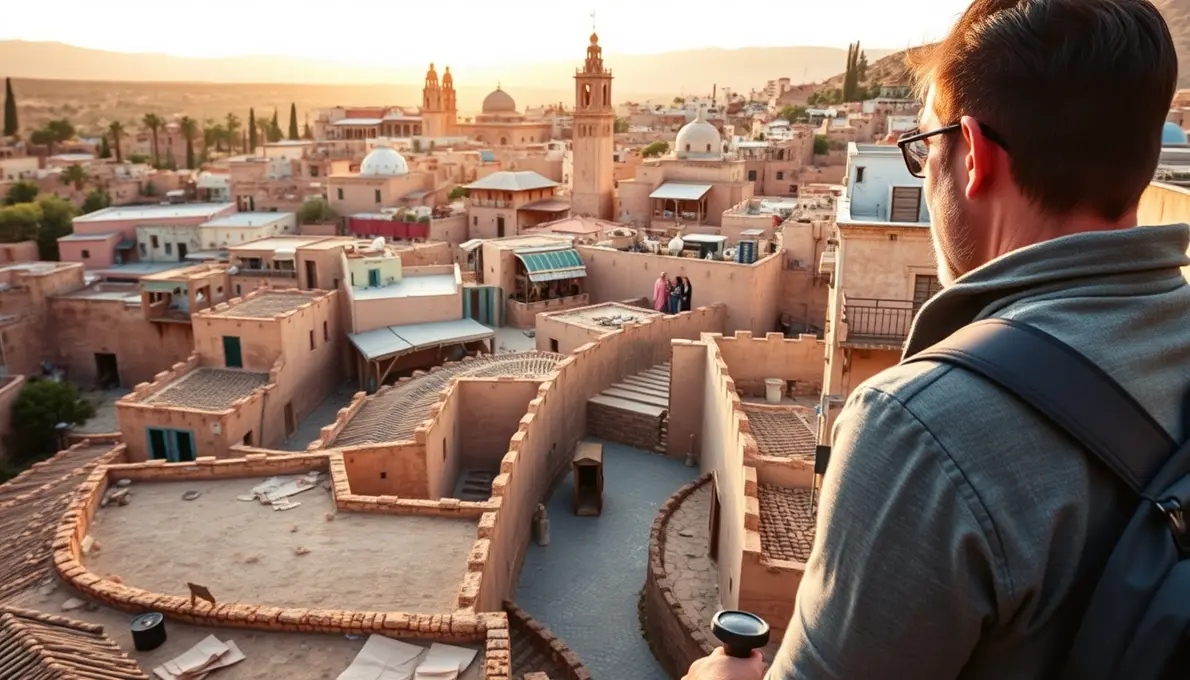
Embarking on a journey through Fes is an immersion into centuries of artisanal tradition, and few crafts capture the spirit of this ancient city quite like its ceramics. For those eager to delve deeper than just admiring the finished products, discovering the best Fes pottery workshops offers a unique, hands-on experience, connecting you directly with the heart of Moroccan artistry. This guide will navigate you through finding authentic workshops where you can not only witness the magic of clay transforming into vibrant masterpieces but perhaps even try your hand at it.
The Enduring Legacy of Fes Pottery
The craft of pottery in Fes is not merely a trade; it’s a living, breathing art form passed down through generations. From the famed blue and white Fassi pottery to the intricate Zellige tiles that adorn palaces and mosques across Morocco, the city is a crucible of ceramic excellence. Understanding this rich heritage is key to appreciating the workshops. When you step into a Fes pottery workshop, you’re not just observing a craft; you’re stepping into a millennia-old tradition that has defined Moroccan aesthetics. The raw materials – the specific clay from the local region – are handled with reverence, shaped with practiced precision, and fired in ancient kilns. The distinctive Fassi blue, often derived from natural cobalt, is world-renowned and a hallmark of the city’s ceramic identity. Beyond decorative items, these artisans produce a wide array of functional pieces, from tagine pots that are central to Moroccan cuisine to elaborate fountains that bring life to courtyards. Exploring these spaces offers a tangible connection to the city’s soul.
Seeking Authenticity: Where to Find Genuine Fes Pottery Workshops
Finding the “best” Fes pottery workshops isn’t about luxury; it’s about authenticity and the depth of the experience. Many tour operators will guide you to larger factory-like establishments, which, while impressive in scale, might lack the intimate touch of smaller, family-run operations. For a truly immersive experience, venture towards the areas outside the old medina walls, specifically the Potters’ Quarter, or Quartier des Potiers, in Ain Nokbi. This district, a short taxi ride from Bab Bou Jeloud, is where many of Fes’s finest artisans ply their trade, often in workshops that house both production and small showrooms.
Here, you’ll find multiple workshops ranging from those specializing in the decorative plates and bowls Fes is famous for, to others focusing on architectural ceramics like zellige. Look for workshops where you can see every stage of the process: the kneading and shaping of clay, the intricate hand-painting, and the firing in traditional ovens. Don’t be shy about asking questions, observing closely, and interacting with the artisans. Often, these workshops are multi-generational, with older masters working alongside their children and apprentices, ensuring the continuity of these age-old techniques. Some of the more established workshops in Ain Nokbi even offer short, informal classes or demonstrations for visitors keen to get their hands dirty.

Engaging with the Artisans: Hands-On Experiences and Demonstrations
For many travelers, the highlight of visiting Fes pottery workshops is the opportunity for a hands-on experience. While not every small workshop explicitly advertises classes, many are incredibly hospitable and willing to offer an impromptu demonstration or even let you try your hand at the potter’s wheel for a few minutes. If you’re looking for a more structured approach, several workshops and cultural centers within Fes now offer dedicated pottery classes, catering to various skill levels. These typically range from a couple of hours to a full day, providing an introduction to Fassi ceramics, from shaping the clay to painting traditional designs.
Imagine sitting at a traditional potter’s wheel, guided by a master artisan, feeling the clay respond to your touch. Or carefully applying the first brushstrokes of cobalt blue paint onto a biscuit-fired piece under the watchful eye of a maâlem (master craftsman). These experiences are not merely about creating a souvenir; they are about understanding the patience, skill, and cultural significance embedded in each piece. It’s an opportunity to connect with the local culture on a deeper level, to appreciate the craftsmanship, and to leave with a tangible, self-made memory that transcends any purchased item. When seeking out these experiences, it’s often best to inquire in advance, either through your accommodation or by visiting the artisan quarter and speaking directly with workshop owners.
Beyond the Wheel: The Art of Zellige and Its Workshops
While bowls and plates often capture the initial imagination, Fes is also the undisputed capital of zellige – the intricate mosaic tilework that graces Moroccan architecture. Visiting a zellige workshop offers a completely different, yet equally mesmerizing, insight into Moroccan ceramic artistry. Unlike thrown pottery, zellige involves a painstaking process of cutting individual geometric shapes from glazed tiles and then arranging them into complex patterns without the use of a design template.
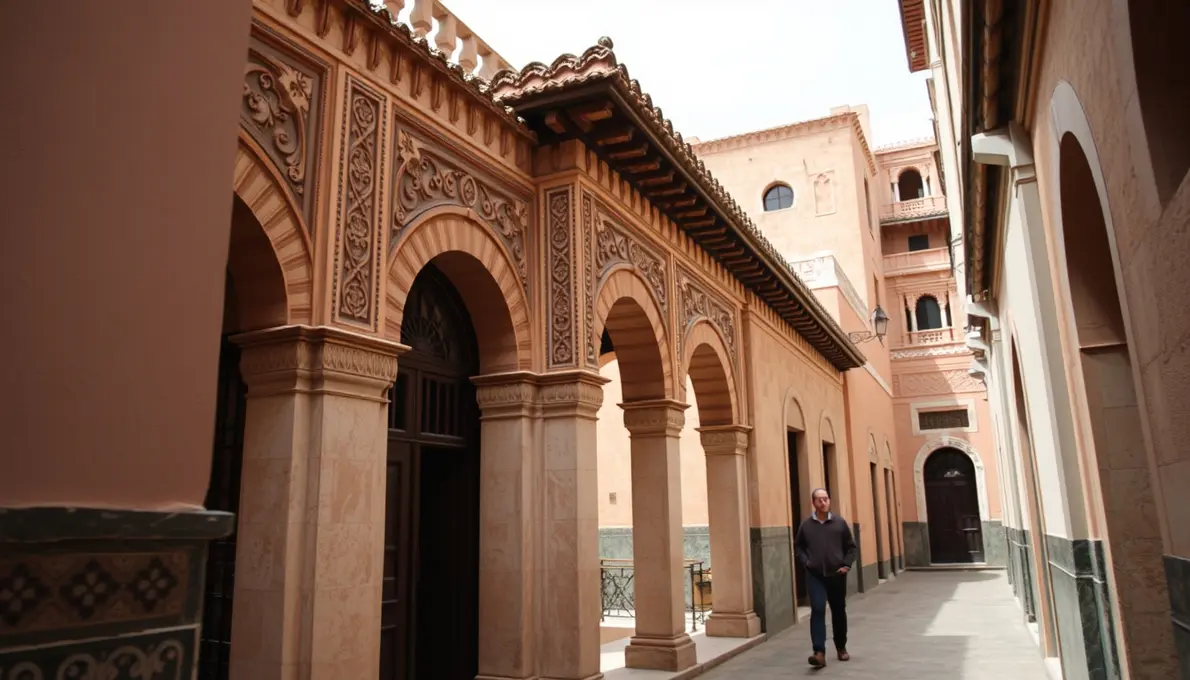
At a zellige workshop, you’ll witness master craftsmen, known as maâlem zellij, methodically chipping away at glazed ceramic squares using specialized hammers and anvils. The precision and speed are astonishing, as they conjure stars, rosettes, and interwoven patterns from seemingly random pieces. The work is passed down through generations, often from father to son, emphasizing the importance of family traditions in preserving these intricate crafts. Understanding the effort and skill involved in creating even a small zellige panel will forever change how you view the tiled walls of a Moroccan Riyadh or mosque. You’ll find these specialized workshops often located near the main pottery district, or sometimes as part of larger ceramic complexes that produce both practical pottery and architectural elements. Observing this craft provides invaluable context for the beauty you see throughout the city.
Bringing Fes Home: Selecting Authentic Ceramics and Supporting Artisans
After immersing yourself in the world of Fes pottery workshops, you’ll undoubtedly want to bring a piece of this artistry home. The workshops themselves are often the best places to purchase authentic items directly from the artisans. Buying straight from the source ensures that your money directly supports the craftspeople and their families, sustaining this vital part of Fes’s cultural economy. When browsing, differentiate between mass-produced items and genuine handmade pieces. Look for imperfections – slight variations in color, glaze, or shape – these are often hallmarks of an item crafted by hand.
Consider the intricate details: is the painting precise and delicate, or does it look rushed? Feel the weight and texture. High-quality Fassi pottery often has a distinctive smooth, yet substantial feel. While haggling is a part of Moroccan market culture, remember that these pieces represent hours of skilled labor. Negotiate respectfully and fairly, understanding the true value of the work. Beyond plates and bowls, consider tagines (ensure they are lead-free and food-safe if you plan to cook with them), decorative tiles, or even custom-made pieces if your budget allows. Many workshops can also arrange for reliable international shipping for larger or more fragile purchases. Supporting these artisans through your purchases is crucial for the continuation of these ancient practices and ensures that future generations can also discover the magic of Fes ceramics shops. You might also encounter artisans who specialize in particular types of items, from elegant decorative vases to functional earthenware. For those looking to plan a wider trip to Morocco, understanding how to integrate such cultural experiences can be quite useful. For instance, knowing Fes pottery workshops can enrich a broader itinerary that includes cities like Casablanca.
Preserving a Craft: The Future of Fes Ceramics
The ancient craft of Fes ceramics, while deeply rooted in tradition, is also navigating the challenges of the modern world. Preserving this heritage involves not only dedicated artisans but also conscious consumers. When you visit Fes pottery workshops and actively engage with the craft, you contribute significantly to its survival. Apprenticeship programs are vital, allowing younger generations to learn directly from the maâlems, ensuring the intricate techniques and unique Fassi aesthetic are not lost. However, attracting young people to such a labor-intensive craft in an increasingly digital world can be challenging.
Moreover, workshops are constantly seeking ways to innovate while respecting tradition. This might involve exploring new glaze formulations, adapting designs to contemporary tastes, or utilizing more sustainable firing methods. However, the core principles—the locally sourced clay, the hand-shaping, the intricate painting, and the wood-fired kilns—remain essential to the authenticity of Fes pottery. Supporting fair trade initiatives and purchasing directly from workshops helps to ensure that artisans receive a fair income for their immense skill and effort. Your visit is more than just tourism; it’s an active participation in the preservation of a global cultural treasure. The vibrance and resilience of these workshops reflect the enduring spirit of Fes itself, a city that cherishes its past while steadily stepping into the future. For more global insights into traditional crafts, consider checking out resources like Fes ceramics shops.
Conclusion
Exploring the Fes pottery workshops offers far more than just a souvenir-hunting expedition; it’s an educational and deeply enriching journey into the heart of Moroccan culture and craftsmanship. From the rhythmic spin of the potter’s wheel to the meticulous creation of zellige mosaics, every moment spent observing or participating reveals the dedication and skill that define Fassi ceramics. By choosing to visit authentic workshops, engaging with the artisans, and making conscious purchasing decisions, you not only take home a beautiful piece of Fes but also contribute to the vital preservation of a centuries-old artistic legacy. It’s an experience that genuinely connects you to the soul of this remarkable city.

FAQs
What is Fes pottery known for?
Fes pottery is particularly renowned for its distinctive cobalt blue and white designs, often featuring intricate geometric and floral patterns. It’s also famous for its high-quality clay, hand-thrown techniques, and the production of traditional items like tagines, plates, bowls, and especially the famous Moroccan zellige mosaic tiles.
Can visitors participate in pottery workshops in Fes?
Yes, many workshops and cultural centers in Fes offer hands-on experiences. These can range from short demonstrations and opportunities to try the potter’s wheel to more structured classes that delve into shaping, painting, or even zellige cutting. It’s often best to inquire in advance or ask your accommodation for recommendations.
Where is the best place to buy authentic Fes ceramics?
The most authentic and often best value place to purchase Fes ceramics is directly from the workshops themselves, particularly in the Potters’ Quarter (Ain Nokbi). Buying directly supports the artisans and allows you to see the production process firsthand, ensuring you take home a genuine handmade item.
Are the tagines sold in Fes shops safe for cooking?
When purchasing tagines for cooking, it’s crucial to confirm with the artisan or seller that they are lead-free and food-safe. Traditional glazed tagines sometimes used lead-based glazes in the past. Look for unglazed, natural terracotta tagines for cooking, or ensure any glazed cooking tagine is explicitly certified as food-safe to avoid any health risks.





 Covers cities, coast, mountains, desert & food