
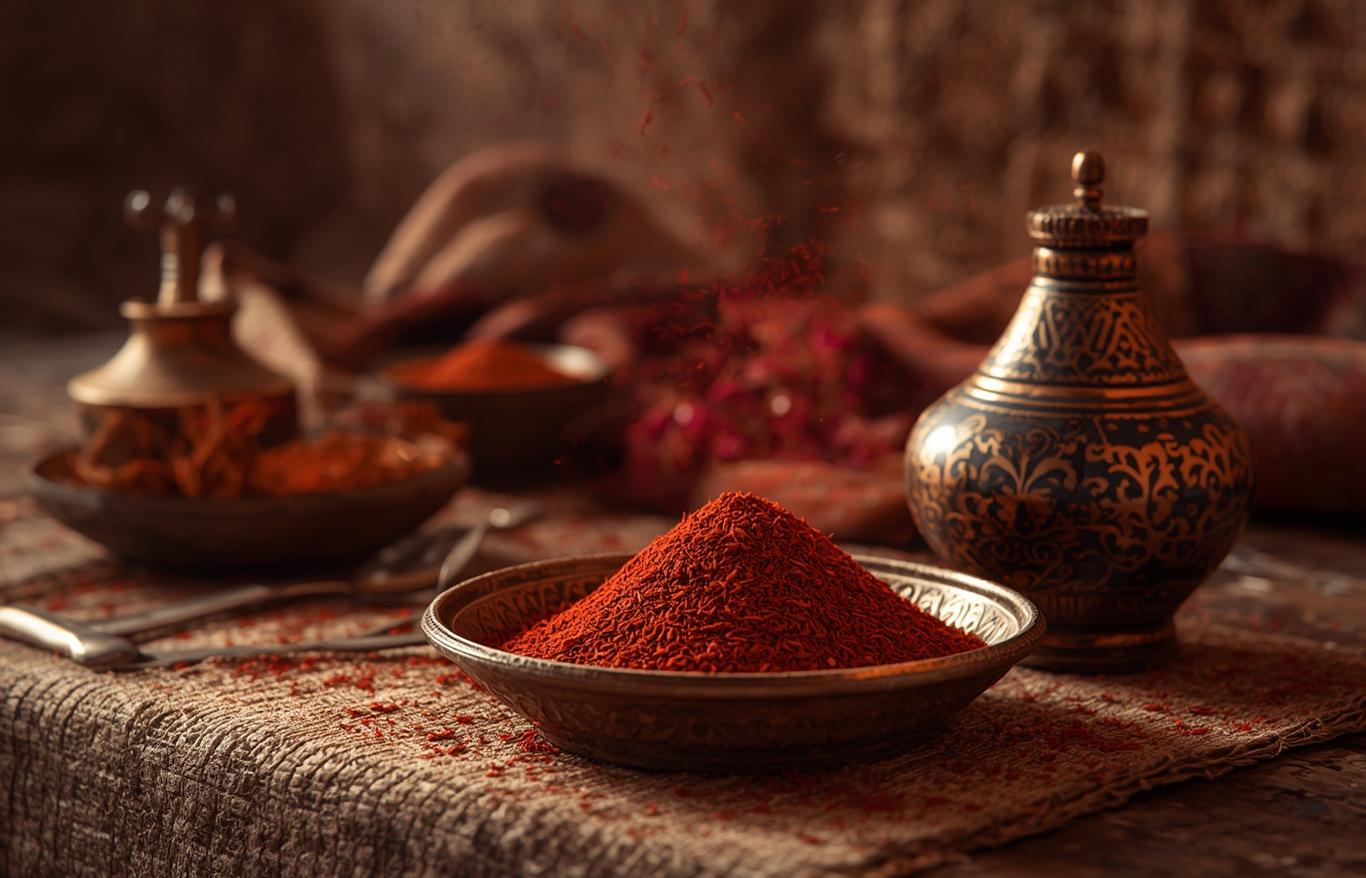
Stepping into the vibrant culinary landscape of Morocco, you’re almost immediately struck by the omnipresent, golden-red hue and the intoxicating aroma of saffron. This precious spice, often dubbed “red gold,” is not merely an ingredient in Moroccan cooking; it’s a cornerstone of the nation’s gastronomic identity, weaving its way through sweet and savory dishes, teas, and cultural traditions. Exploring the rich flavors of Moroccan saffron cuisine is an immersion into a history of trade, agriculture, and profound respect for natural bounty. From the High Atlas mountains where it’s harvested to the bustling souks where it’s sold, saffron embodies a taste of Morocco’s soul.
The Esteemed Origins and Cultural Significance of Taliouine Saffron
To truly appreciate Moroccan saffron cuisine, one must understand its roots, particularly in the village of Taliouine. Nestled in the Anti-Atlas mountains, Taliouine is the heartland of Moroccan saffron production. Here, the delicate Crocus sativus flower blossoms for just a few weeks in autumn, and its three crimson stigmas are meticulously hand-picked – a labor-intensive process that accounts for saffron’s high value. This isn’t just farming; it’s a centuries-old tradition passed down through generations.
The cultural significance of saffron extends far beyond its use in the kitchen. In Morocco, saffron is a symbol of prestige, hospitality, and celebration. It’s used in traditional medicines (believed to boost mood and aid digestion), in perfumery, and even as a dye. When a Moroccan host offers you a tea or a tagine infused with saffron, they are not just serving food; they are sharing a piece of their heritage and extending a gesture of profound welcome. Understanding this deeper connection enhances every bite of a Moroccan saffron cuisine dish.
Unveiling the Signature Saffron Dishes of Morocco
Moroccan saffron cuisine boasts a diverse range of dishes where the spice takes center stage, or subtly elevates other flavors. Perhaps the most iconic is the tagine. While many tagines exist, those featuring saffron often lean towards poultry, lamb, or fish, allowing the spice to infuse the meats and vegetables with its earthy, slightly sweet, and floral notes. Think of a chicken tagine with preserved lemons and olives, where saffron adds a golden glow and depth that transforms a simple meal into an aromatic experience.
Couscous, another staple, frequently benefits from saffron. Especially in celebratory versions, saffron-infused broth is used to steam the grains, imparting a beautiful color and delicate aroma. Beyond these heartier meals, saffron finds its way into Moroccan pastilla – savory pies often made with pigeon or chicken, almonds, and a delicate pastry, where saffron contributes to the rich filling. Even in certain bread varieties, a pinch of saffron can be found, lending a subtle hue and fragrance that speaks of Moroccan culinary artistry.
The Art of Cooking with Saffron: From Thread to Flavor
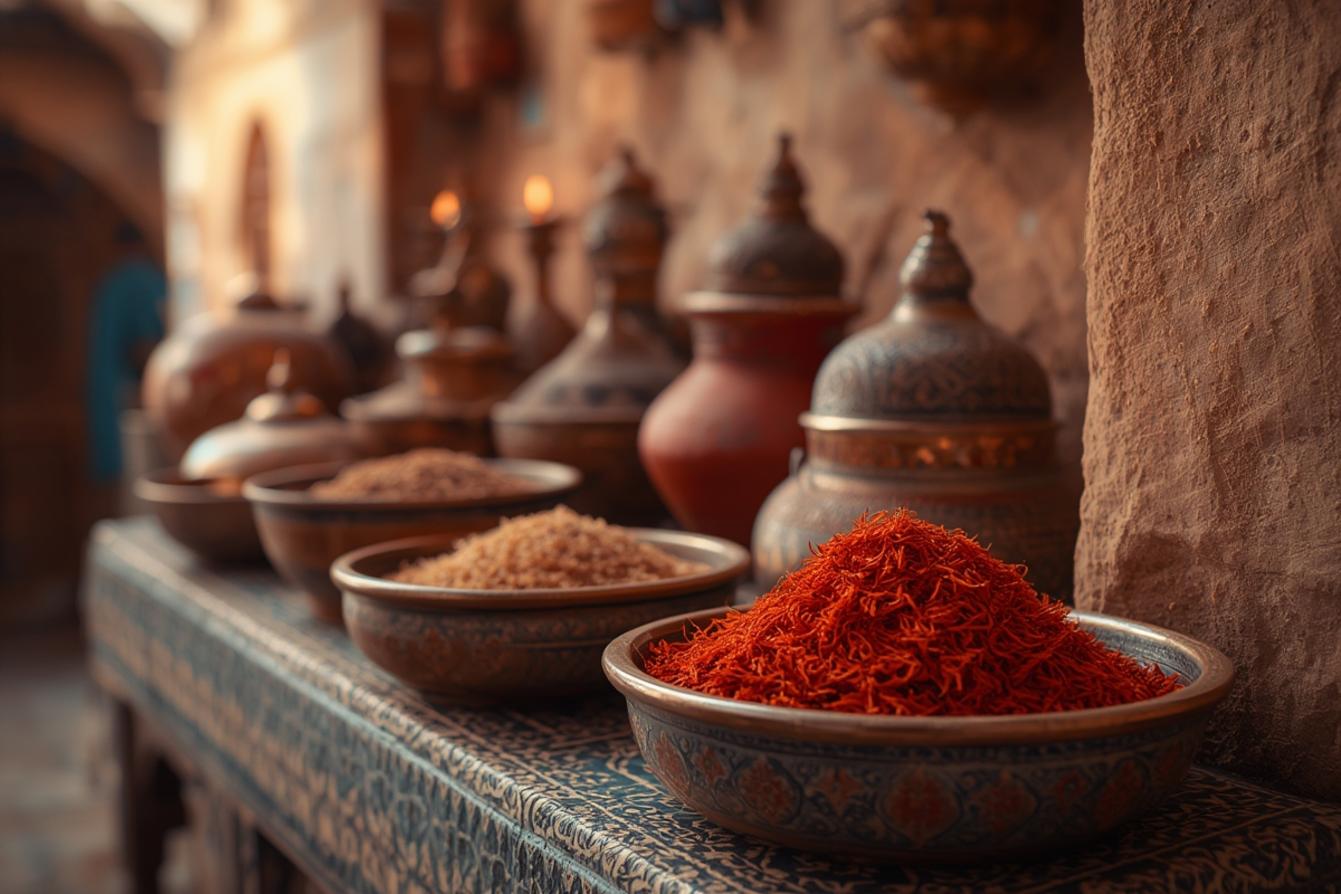
Working with saffron isn’t like sprinkling salt. It’s an art that requires a bit of patience and understanding to unlock its full potential. The key to maximizing saffron’s flavor and color is proper preparation. Whole saffron threads should ideally be steeped in a small amount of warm liquid – water, broth, or even milk – for at least 15-30 minutes before being added to a dish. This process, often called “blooming,” allows the threads to release their vibrant color and complex aromas.
When cooking, saffron is typically added towards the end of the cooking process for dishes with shorter cooking times, or earlier for longer-simmered dishes like tagines, allowing it ample time to infuse. Over-saffroning can lead to a metallic or medicinal taste, so a little goes a very long way. Quality matters immensely; genuine Moroccan saffron from Taliouine is prized for its potency and purity. A common blend in Moroccan kitchens features saffron alongside ginger, turmeric, and cumin, creating that signature warm and inviting profile.
Beyond the Plate: Saffron’s Role in Moroccan Beverages and Sweets
While tagines and couscous are the most obvious examples of Moroccan saffron cuisine, the spice’s versatility means it also enriches Morocco’s sweet and beverage offerings. One of the most enchanting saffron experiences is the traditional Moroccan saffron tea. Often served with a touch of mint or other herbs, the saffron imparts a calming golden hue and a subtle, honeyed aroma, turning a simple tea ritual into a moment of pure indulgence. It’s particularly common during cooler months or as a soothing after-dinner drink.
In terms of desserts, saffron brightens various confections. It can be found in traditional Moroccan pastries, infusing syrups used to sweeten delicate cookies or adding a unique dimension to milky desserts like mahlabia (rice pudding). The slight floral bitterness of saffron balances the sweetness beautifully, creating a more sophisticated flavor profile. Experiencing these saffron-infused treats truly rounds out the understanding of saffron dishes Morocco is famous for.
How Travelers Can Experience Authentic Moroccan Saffron Cuisine
For travelers keen to delve into Moroccan saffron cuisine, there are several avenues to explore. First and foremost, sampling dishes in local restaurants, guesthouses (dars or riads), and even street food stalls will offer a direct taste. Don’t hesitate to ask about dishes featuring saffron; local chefs are often proud to highlight its use.
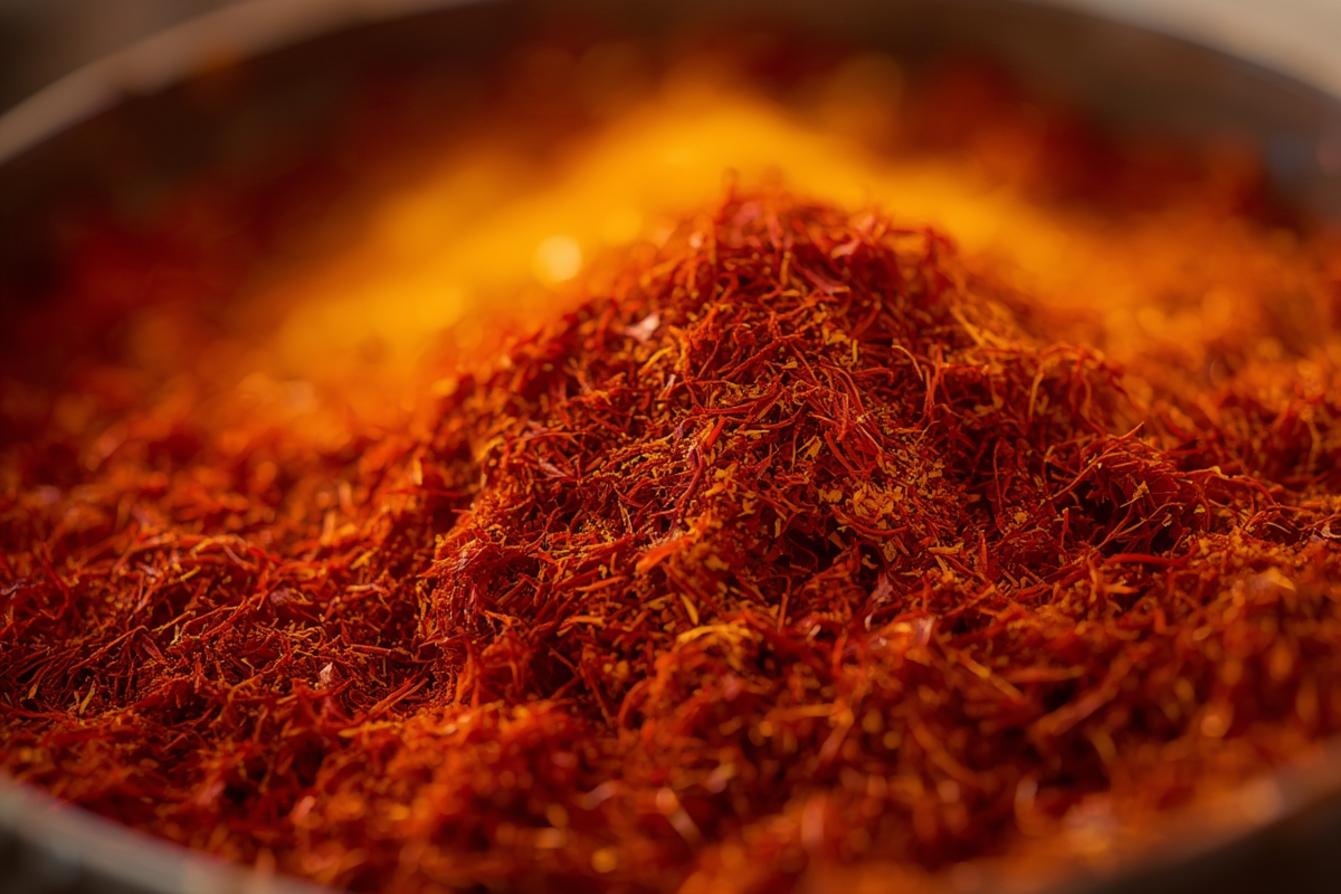
For a deeper dive, consider a cooking class. Many cities, especially Marrakech and Fes, offer culinary workshops where you can learn to prepare traditional Moroccan dishes, including those featuring saffron, from skilled local cooks. This hands-on experience provides invaluable insight into preparation techniques and the balanced use of spices. Finally, if your travels take you near Taliouine, visiting a saffron cooperative or a local market can be an incredible opportunity to learn about the harvesting process, purchase authentic saffron directly from producers, and truly connect with the source of this precious spice.
Sourcing Quality Saffron: A Traveler’s Guide
When exploring Moroccan markets, especially in cities like Marrakech or Fes, you’ll encounter numerous vendors selling saffron. However, discerning genuine, high-quality saffron from imitations or lower grades requires a discerning eye. Real saffron threads are brittle, have a trumpet-like shape at one end, and a vibrant red color with very little yellow. A good trick is to smell it: genuine saffron has a sweet, hay-like aroma, but never smells sweet in taste. Upon steeping, it should slowly release a deep, rich golden color, not an immediate, bright orange.
Beware of saffron that appears too uniform, too cheap, or that crumbles instantly into powder. Buying from reputable spice merchants, particularly those specializing in saffron, or directly from cooperatives in Taliouine, is your best bet for acquiring authentic Moroccan saffron. It’s a worthy investment, as a small amount goes a long way, carrying the essence of Morocco back to your own kitchen.
Conclusion
Moroccan saffron cuisine is a testament to the country’s rich agricultural heritage and sophisticated culinary traditions. From the painstaking harvest in Taliouine to its artful incorporation into timeless tagines, aromatic teas, and delicate pastries, saffron is more than just a spice; it’s a golden thread weaving through the very fabric of Moroccan culture. Experiencing these flavors provides a profound connection to the heart of Morocco, enriching any traveler’s journey with unforgettable tastes and aromas.
FAQs
What makes Moroccan saffron so special compared to saffron from other regions?
Moroccan saffron, particularly from Taliouine, is renowned for its high quality, strong aroma, and vibrant color. This is attributed to the specific climate and soil conditions of the Anti-Atlas mountains, as well as the traditional, meticulous hand-picking and drying methods used by local farmers. Its potency often means you need less of it to achieve the desired flavor and color, making it highly prized.
How can I tell if saffron is real when buying it in a Moroccan souk?
To check for authenticity, look for saffron threads that are deep crimson red with slightly lighter orange tips. They should be dry and brittle, not soft or moist. Good saffron has a strong, sweet, hay-like aroma but tastes slightly bitter. If you steep a few threads in warm water, it should slowly release a golden-yellow color, not an immediate bright orange, and the threads themselves should retain their color rather than disintigrating. Avoid saffron that looks too perfect, is sold as powder (it’s often adulterated), or is suspiciously cheap.
What are some common Moroccan dishes where saffron is a star ingredient?
Saffron features prominently in many classic Moroccan dishes. You’ll often find it in celebratory tagines, especially those featuring chicken with preserved lemons and olives, or slow-cooked lamb. It’s also key in certain types of pastilla (savory pies), some couscous preparations, and various rice dishes. Beyond savory meals, saffron is used to flavor traditional Moroccan tea and can be found in some desserts and pastries.
Can travelers visit saffron fields in Morocco?
Yes, it is possible for travelers to visit saffron fields, particularly in the Taliouine region, which is the epicenter of Moroccan saffron production. The best time to visit is during the harvest season, typically from late October to early November, when the Crocus sativus flowers are in bloom. You might be able to visit cooperatives or farms that offer tours, allowing you to witness the laborious hand-picking process and learn more about saffron cultivation directly from the farmers. Many local guides can facilitate such visits.



 Covers cities, coast, mountains, desert & food