
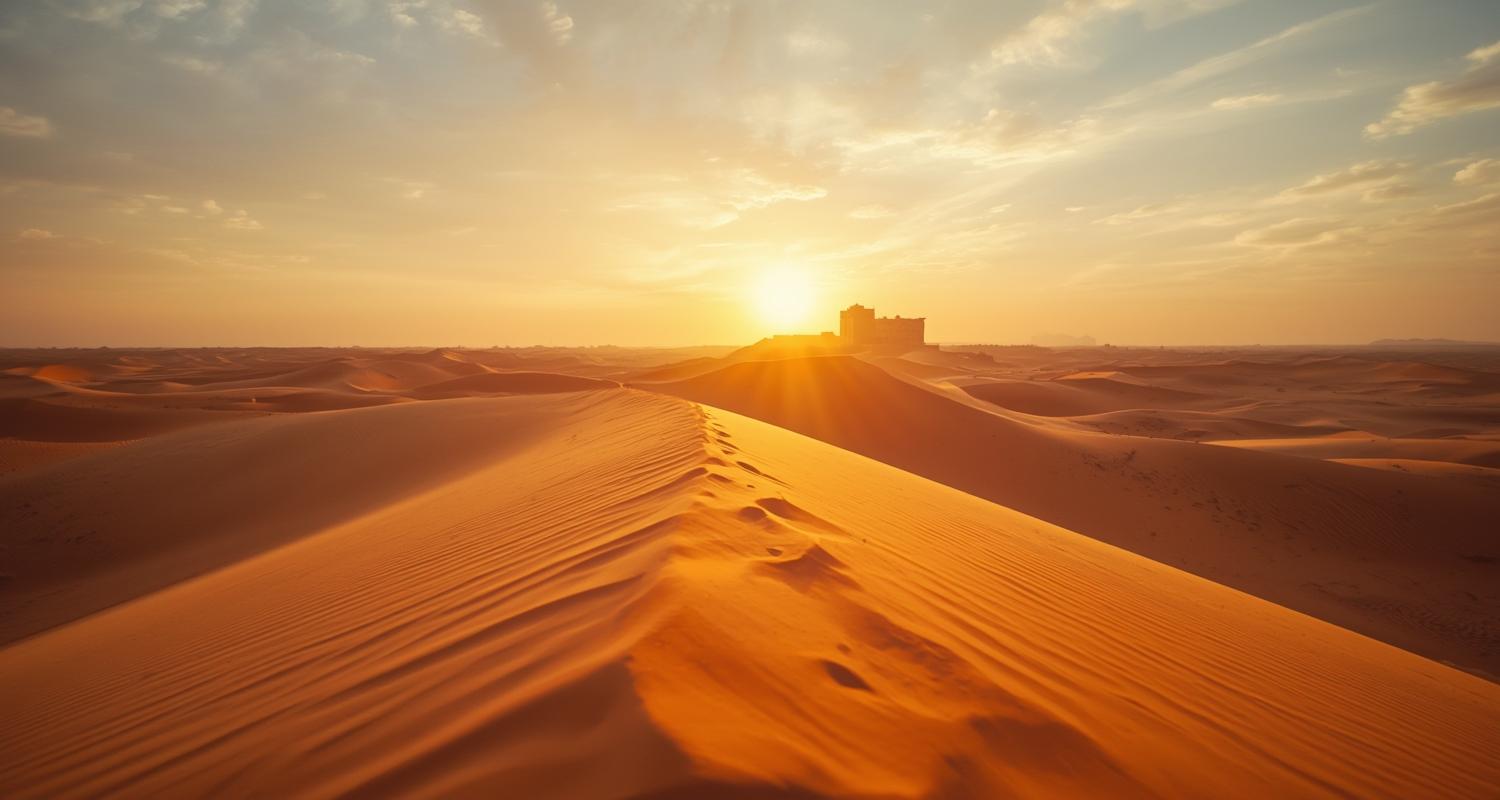
The whisper of an ancient wind carries the scent of spice and freedom across an endless vista of ochre dunes. This isn’t just any desert; this is the majestic sahara desert morocco, a place that has captured the imaginations of travelers, poets, and dreamers for centuries. As a travel writer who has felt the soft sand between my toes and witnessed the kaleidoscope of colors at sunrise here, I can tell you that nothing truly prepares you for the sheer scale and profound silence of this elemental landscape. It’s a journey that transcends mere sightseeing, offering an immersion into a world where time seems to slow, and the hustle of modern life melts away with each ripple of sand. From the vibrant culture of the Berber nomads to the sheer grandeur of the towering dunes, the Moroccan Sahara offers an escape unlike any other. It’s an adventure that promises unforgettable memories, star-studded nights, and a deep connection with nature and history.
Why Visit sahara desert morocco
Visiting the sahara desert morocco isn’t just about ticking a landmark off your list; it’s about experiencing a profound shift in perspective. Imagine waking up to the sun painting the horizon in fiery hues, the only sounds being the gentle rustle of the wind and the soft murmur of camel hooves. This raw, untouched beauty is a stark contrast to urban life and offers a rare opportunity for introspection and wonder. The desert here is not a barren nothingness, but a living, breathing ecosystem with its own unique pace and rhythm.
One of the primary draws is the authentic cultural immersion. The Berber people, the indigenous inhabitants of the Sahara, have a rich history and a deep connection to this land. Spending time in their camps, sharing traditional tea, listening to their music under a blanket of stars, and learning about their enduring way of life is an incredibly humbling and enriching experience. Their hospitality is legendary, and their stories are as captivating as the landscape itself.
Then there’s the sheer visual spectacle. The Erg Chebbi dunes near Merzouga are iconic, rising hundreds of feet into the sky like petrified waves. The constantly shifting sands create ever-changing patterns, and the light throughout the day transforms the desert’s appearance from soft golds in the morning to deep oranges and reds at sunset. It’s a photographer’s paradise and a spiritual retreat for anyone seeking solace and beauty. Furthermore, the immense night sky, far from any light pollution, offers an unparalleled celestial display. Stargazing in the Sahara is an experience that stays with you long after you’ve left, an opportunity to truly grasp the vastness of the universe. It’s a place where you can feel incredibly small and yet profoundly connected to something much larger.
Best Things to Do in sahara desert morocco
The list of activities in the sahara desert morocco is surprisingly diverse, catering to adventurers and those seeking tranquility alike. For most visitors, the quintessential experience is a camel trek. These gentle giants smoothly navigate the dunes, offering a unique vantage point and an authentic taste of traditional desert travel. Whether it’s a short sunset ride or an overnight journey to a desert camp, the rhythmic sway of the camel and the endless sandscape create a truly mesmerizing experience. I still remember the quiet peacefulness of my own camel ride, the only sound being the soft padding of hooves on sand.
Overnight stays in traditional desert camps are another highlight. These camps, ranging from basic nomad tents to luxurious glamping setups, provide an incredible opportunity to sleep under a canopy of countless stars. Most camps include a delicious traditional dinner, often accompanied by local music and storytelling around a campfire. Waking up to the desert sunrise from your tent is an absolutely magical moment that you won’t soon forget.
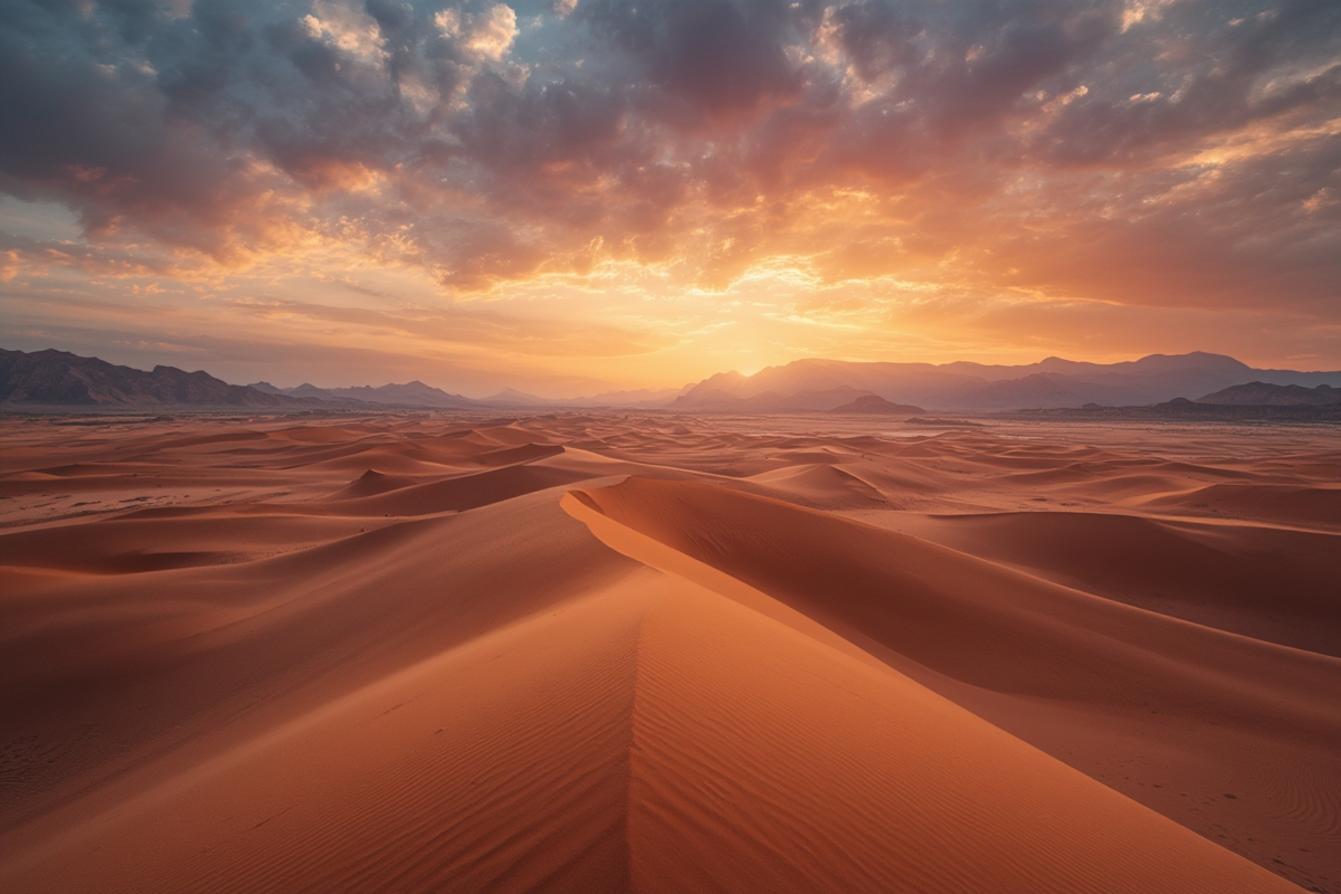
Beyond camel trekking, quad biking or sandboarding down the massive dunes offers an adrenaline rush for the more adventurous. The feeling of gliding down a vast dune, picking up speed, is exhilarating. Exploring the auberges and villages at the edge of the desert, particularly around the merzouga desert area, also provides insights into local life. You can visit traditional Berber homes, enjoy mint tea, and learn about their crafts, from carpet weaving to music. Some tours also incorporate visits to ancient fossil beds or oases, providing a glimpse into the desert’s geological and ecological diversity. Taking the time to simply sit, observe, and breathe in the profound silence is, in itself, a rewarding activity in the Sahara. It’s a rare chance to truly disconnect and be present.
Best Time to Visit sahara desert morocco
Choosing the right time to visit the sahara desert morocco can significantly enhance your experience. Generally, the shoulder seasons – spring (March to May) and autumn (September to November) – are considered the best times. During these months, the daytime temperatures are pleasant and warm, perfect for camel trekking, exploring, and enjoying outdoor activities comfortably. The nights are cool but not excessively cold, making for enjoyable evenings around the campfire and comfortable sleeping conditions in your desert camp. The skies are usually clear, offering spectacular stargazing opportunities.
Summer months (June to August) can be intensely hot, with daytime temperatures often soaring above 40°C (104°F). While it’s still possible to visit, activities are usually restricted to early mornings and late afternoons, with long siestas during the hottest part of the day. Some people enjoy the challenge and the fewer crowds during this period, but it’s crucial to be well-prepared for the heat, bringing plenty of water, sun protection, and lightweight clothing.
Conversely, winter (December to February) brings cooler days and significantly colder nights. While daytime temperatures can be mild and pleasant, evenings and early mornings can drop close to freezing. If you’re visiting in winter, particularly in December or January, be sure to pack warm layers, hats, and gloves for the evenings. The desert air is dry, so even if it feels cold, it’s a different kind of cold than you might be used to. Despite the chill, clear winter skies often offer some of the most vibrant sunsets and star-filled nights. Ultimately, for the most comfortable and versatile experience, I would personally recommend aiming for spring or autumn to fully enjoy everything the Sahara has to offer.
How to Get to sahara desert morocco
Reaching the sahara desert morocco is an adventure in itself, often involving scenic drives through stunning landscapes. The most common gateways to the Moroccan Sahara are the towns of Merzouga (for Erg Chebbi dunes) and M’Hamid El Ghizlane (for Erg Chigaga dunes). Merzouga is generally more accessible and popular for first-time visitors due to its well-developed tourist infrastructure.
From major cities like Marrakech or Fes, the journey typically takes one or two full days by road. Most travelers opt for organized desert tours, which handle all transportation, accommodation, and activities. These tours often feature comfortable, air-conditioned minivans or 4x4s and include stops at fascinating landmarks along the way, such as the Ait Benhaddou kasbah, the Dades Gorge, and the Todra Gorges. This is usually the most hassle-free way to experience the journey.
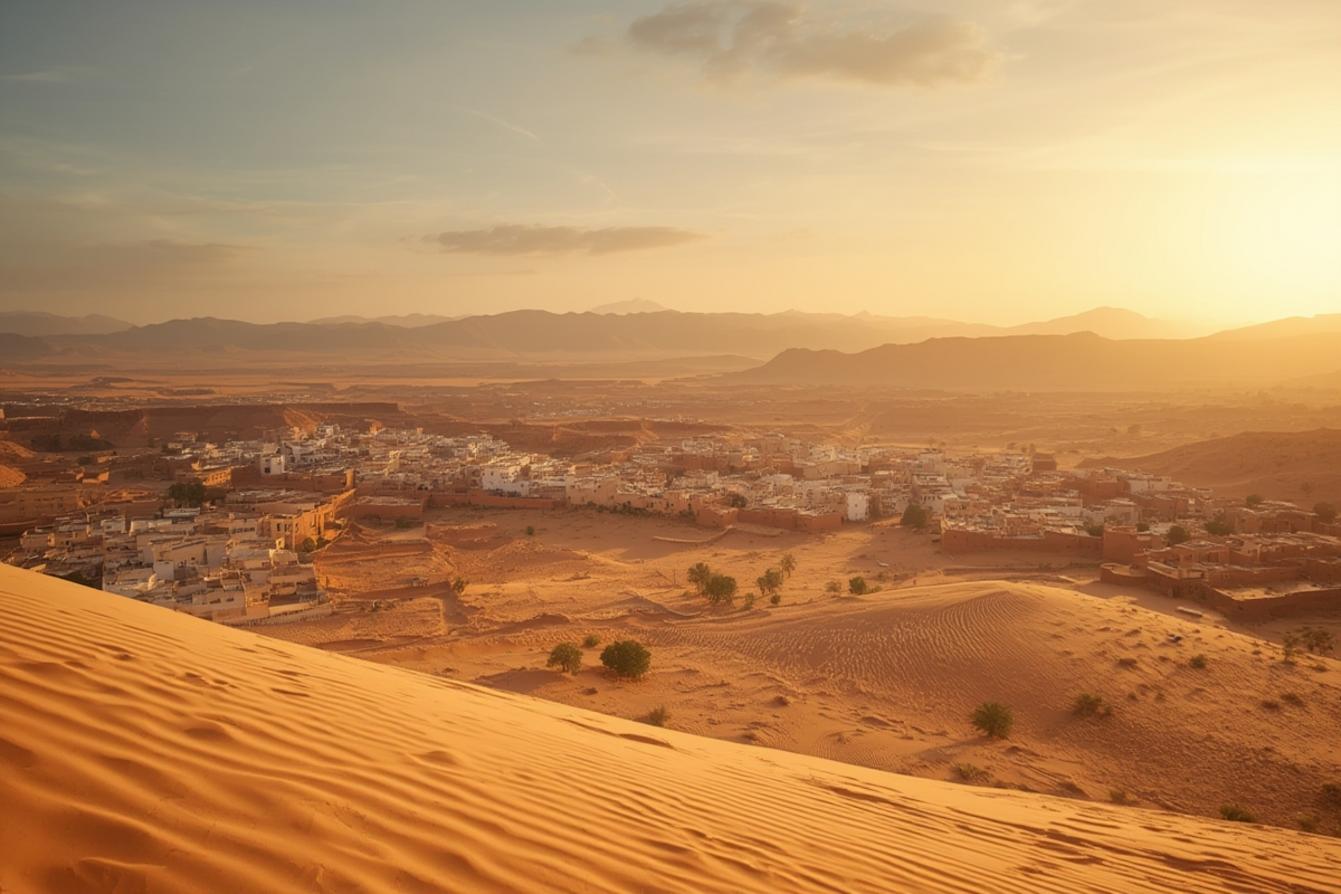
For those preferring independent travel, renting a car is an option, but driving in Morocco, especially on longer routes, requires confidence and careful planning. The roads leading to the desert are generally well-maintained, but navigating can be tricky, and local knowledge is invaluable. Grand taxis (shared taxis) are another budget-friendly option for getting between towns, though they might not take you directly to the desert camps. From the nearest desert towns like Rissani or Erfoud, you’ll still need to arrange a 4×4 transfer or a camel trek to reach your specific camp in the dunes. Many guesthouses and auberges in Merzouga offer parking and can arrange these transfers for you. Whichever method you choose, embrace the journey as part of the complete sahara desert morocco experience; the landscapes you pass through are just as captivating as the destination itself.
Travel Tips for Visiting sahara desert morocco
Visiting the sahara desert morocco requires a bit of preparation to ensure a comfortable and enjoyable trip. First and foremost, pack appropriately. Even in warmer months, evenings in the desert can be cool, while days can be scorching. Layers are key. Think lightweight, breathable clothing for daytime (long sleeves and pants are recommended for sun protection), and warmer layers for the evenings. Don’t forget a wide-brimmed hat, good quality sunglasses, and plenty of high-SPF sunscreen. A scarf or shemagh is invaluable for protecting your head and face from the sun and sand.
Hydration is critical. You’ll be in a dry environment, so drink more water than you think you need. Most reputable tours and camps provide bottled water, but it’s always wise to carry your own refillable bottle. While the desert is generally safe, it’s important to be respectful of local customs and traditions, particularly when interacting with Berber communities. Ask before taking photos, and dress modestly, especially in villages.
For electronics, consider bringing a portable power bank, as electricity in desert camps can be limited, and charging points sometimes scarce. A headlamp or flashlight is also incredibly useful for navigating the camp at night. If you’re prone to motion sickness, take precautions before long drives. Finally, disconnect! While some camps offer Wi-Fi, take this opportunity to truly unplug and immerse yourself in the present moment. The best memories here are made under the vast, silent sky, not scrolling through a screen. For more practical advice on desert travel, you might find this quick guide helpful: merzouga desert travel tips.
Where to Stay in sahara desert morocco
When planning an adventure to the sahara desert morocco, your accommodation choices typically revolve around the type of desert camp experience you’re seeking. The most popular option, and for many the quintessential Sahara experience, is an overnight stay in a desert camp nestled amidst the dunes. These camps vary significantly in comfort and amenities, catering to different budgets and preferences.
Standard Camps: These are often part of budget-friendly tour packages and provide a relatively basic yet authentic experience. You’ll typically sleep in traditional Berber tents, often made of goat hair, with shared facilities. Bedding is provided, but sleeping bags might be advisable for colder months. Meals are generally simple but hearty, and the atmosphere is usually communal and lively around the campfire.
Mid-Range Camps: These camps offer a comfortable upgrade, featuring larger, more well-appointed tents that might have dedicated beds, electricity for a few hours, and sometimes even private or semi-private bathroom facilities with flushing toilets and showers. These camps strike a good balance between comfort and maintaining an authentic desert feel, often providing a more luxurious experience without losing the charm of the Sahara.
Luxury Desert Camps (Glamping): For those seeking a truly indulgent experience, luxury desert camps provide high-end amenities in a remote desert setting. Think spacious, beautifully decorated tents with proper beds, private en-suite bathrooms (often with hot water), fine dining, and excellent service. Some even boast amenities like small lounges, charging stations in each tent, and attentive staff to cater to your every need. These offer an unparalleled blend of adventure and comfort, perfect for honeymooners or those who prefer a more pampered desert stay.
Beyond desert camps, many auberges and guesthouses are located at the edge of the Erg Chebbi dunes in towns like Merzouga. These offer a good base before or after your desert trek, providing comfortable rooms, often with pools (a welcome relief in summer!), and can arrange your desert excursions. Staying at an auberge on the edge allows you to wake up to dune views and still have access to comforts like consistent electricity and Wi-Fi before heading into the deeper sands. When booking, always check what’s included in the price – typically, camel trekking to/from the camp, dinner, breakfast, and sometimes even lunch are part of the package.
Conclusion
The sahara desert morocco is more than just a destination; it’s an experience that etches itself into your memory, a tapestry woven with unforgettable landscapes, rich cultural encounters, and moments of profound peace. From the exhilarating camel treks across soaring dunes to the intoxicating beauty of a star-dusted night sky, every aspect of the Sahara beckons you to slow down and reconnect with the raw majesty of nature. It’s a journey that challenges your perceptions, broadens your horizons, and leaves you with stories to tell for a lifetime. Whether you seek adventure, cultural immersion, or simply a chance to witness one of the world’s most spectacular natural wonders, the Moroccan Sahara delivers it in spades. So, pack your sense of wonder and prepare to be enchanted by the timeless allure of this extraordinary landscape.
FAQs
Is it safe to visit the sahara desert morocco?
Yes, generally it is very safe to visit the sahara desert morocco. Tour operators are experienced, and locals are very hospitable. As with any travel, it’s wise to take standard precautions, stay with reputable guides, and avoid venturing off alone, especially after dark.
What should I pack for a sahara desert morocco trip?
You should pack light, breathable clothing for daytime, and warm layers for chilly desert nights. Essential items include a wide-brimmed hat, sunglasses, sunscreen, a scarf for sun/sand protection, comfortable walking shoes, a reusable water bottle, and a portable power bank for electronics.
How many days do I need for a sahara desert morocco trip?
Most visitors spend at least one night in a desert camp, which typically means a 2-day/1-night or 3-day/2-night tour from major cities like Marrakech or Fes, considering travel time. A 3-day trip allows for a more relaxed pace and more exploration.
Can I visit sahara desert morocco with children?
Yes, visiting the sahara desert morocco can be a fantastic and memorable experience for children. Many families enjoy the camel treks and sleeping in the desert camps. It’s advisable to choose a reputable tour operator who can cater to families and consider a mid-range to luxury camp for added comfort and facilities.



 Covers cities, coast, mountains, desert & food