
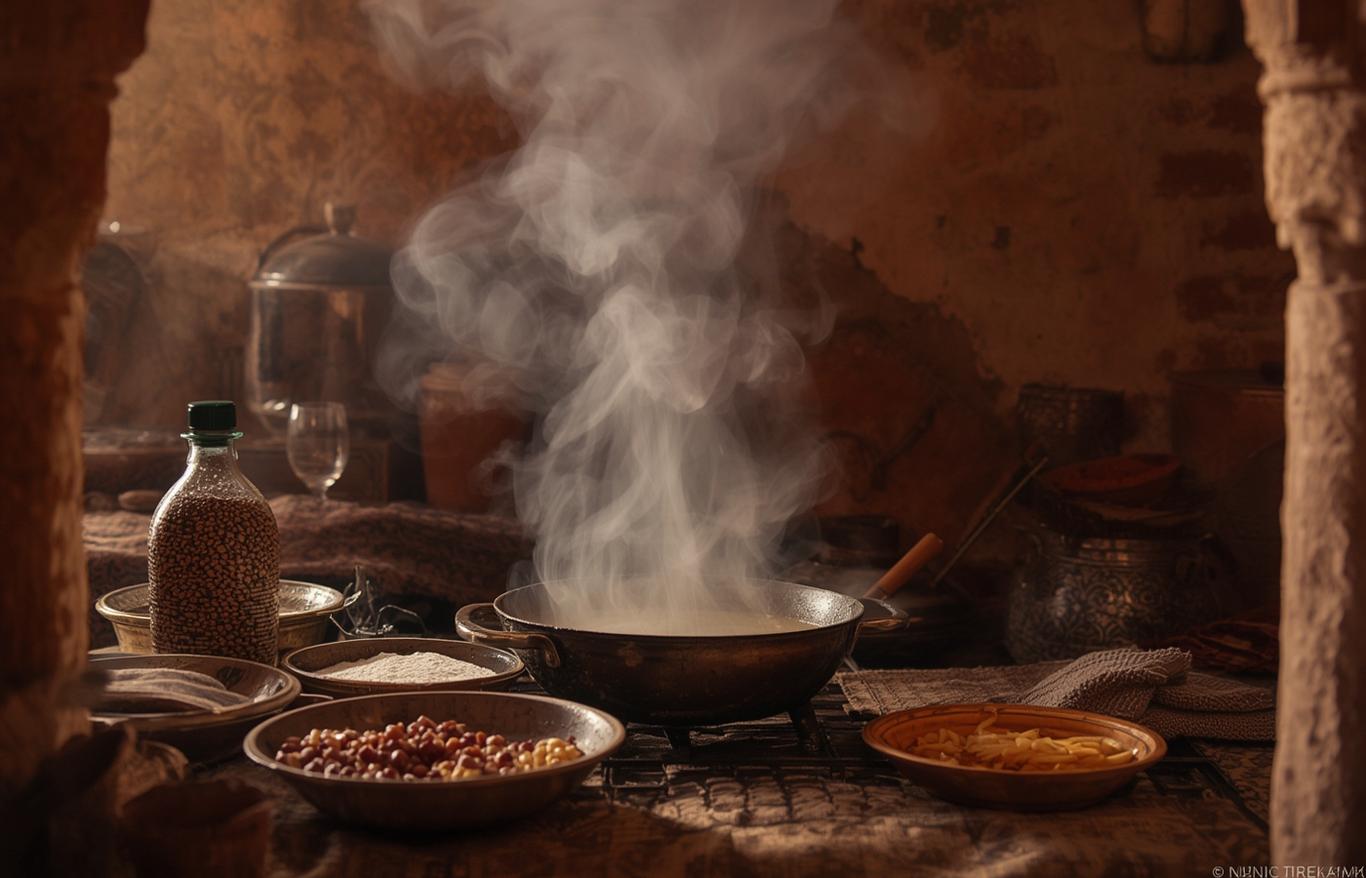
Stepping into a Moroccan kitchen is like opening a spice box – a sensory explosion of vibrant colors, heady aromas, and the promise of rich, complex flavors. For enthusiastic home chefs, mastering essential Moroccan cooking techniques isn’t just about following a recipe; it’s about understanding a culinary philosophy passed down through generations. These techniques, often deceptively simple, are the backbone of Morocco’s world-renowned cuisine, transforming humble ingredients into extraordinary dishes.
The Art of the Tagine: Slow Cooking to Perfection
No discussion of Moroccan cooking techniques can begin without the tagine. More than just a pot, the tagine is a conical masterpiece of earthenware design, a slow-cooking vessel that embodies patience and flavor development. Its unique shape allows steam to circulate and condense, returning moisture to the ingredients, resulting in incredibly tender meats and vegetables imbued with deep aromatic spices.
The secret to a perfect tagine lies in the layering and the slow simmer. First, a bed of onions and perhaps some garlic forms the base, creating a flavorful foundation. Then, your chosen protein – lamb, beef, chicken, or even fish – is nestled in, often marinated beforehand. Vegetables are artfully arranged around and on top, each adding its own textural and flavor contribution, from delicate carrots and potatoes to vibrant peppers and olives. Crucially, the spices are king: saffron, turmeric, ginger, paprika, cumin, and often a touch of cinnamon or preserved lemon. These aren’t just thrown in; they’re thoughtfully combined to create a harmonious blend that penetrates every ingredient as the tagine gently simmers, often for hours, over low heat. The goal isn’t a quick boil, but a leisurely, nurturing cook that coaxes out the full spectrum of flavors.
Mastering Moroccan Spice Blends: The Soul of the Dish
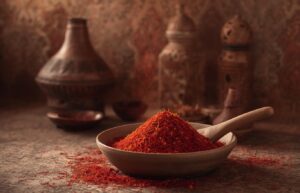
Moroccan cuisine is unthinkable without its intricate spice blends. Beyond individual spices, learning to combine them effectively is one of the most vital Moroccan cooking techniques. Walk through any souk, and the towering mounds of colorful spices are a testament to their importance. While some specific blends, like Ras el Hanout (literally “head of the shop” – the best spices a merchant has), are well-known, many home cooks create their own signature blends, tweaking ratios to personal preference.

Key individual spices include turmeric for its golden hue and earthy notes, ginger for warmth and slight pungency, cumin for its distinctive earthiness, paprika for a touch of sweetness and color, and saffron threads for their luxurious aroma and subtle floral notes. Many dishes also feature cinnamon, black pepper, and chili for a bit of heat. The skill lies not just in quantity but in understanding how each spice interacts and contributes to the overall profile. Dry roasting some spices lightly before grinding can deepen their flavor, a technique often employed, especially for cumin and coriander. Fresh herbs like cilantro and parsley are also indispensable, often added towards the end of cooking to retain their bright, fresh notes. Learning to balance these spices is a journey, and experimentation is encouraged!
Preserving Flavors: From Lemons to Olives
Preservation is another ancient and essential set of Moroccan cooking techniques. Before refrigeration was common, methods like salting, drying, and pickling were fundamental to extending the shelf life of ingredients and adding unique flavor dimensions to dishes. Today, these methods are cherished not just for practicality but for the distinct tastes they impart.
Preserved lemons are perhaps the most iconic example. Quartered lemons are packed in salt and their own juice, left to ferment for weeks, transforming into a soft, intensely fragrant condiment that adds a salty, tangy, umami depth to tagines, salads, and sauces. You can’t truly understand Moroccan cuisine without experiencing the unique brightness of a preserved lemon. Similarly, various types of olives – often salt-cured or marinated in spices – are integral to many dishes, from tangines to salads. Harrisa, a potent chili paste, is another preserved staple, offering a fiery kick. Understanding how to use these preserved ingredients, which are far more complex than their fresh counterparts, unlocks a whole new level of authenticity in your Moroccan cooking.
The Magic of Marinades and Rubs
Long before slow cooking commences, the magic often begins with marinades and spice rubs. These Moroccan cooking techniques are crucial for infusing flavor deep into meats and poultry, tenderizing them, and ensuring every bite is rich with aromatic spices. Unlike some Western marinades that rely heavily on acids, Moroccan marinades often foreground olive oil, fresh herbs, garlic, and a generous array of ground spices.

For a classic chicken tagine, for instance, chicken pieces might be rubbed with chermoula – a vibrant paste made from fresh cilantro, parsley, garlic, cumin, paprika, preserved lemon pulp, and olive oil. This is left to marinate for at least a few hours, or even overnight, allowing the flavors to deeply penetrate the meat. For lamb or beef, a simpler rub of salt, pepper, turmeric, ginger, and perhaps Ras el Hanout is common, often combined with a drizzle of olive oil. The longer the marination, the more flavorful and tender the final dish. This hands-on process of preparing ingredients is a cherished part of the culinary tradition, emphasizing patience and flavor development from the very beginning. If you’re looking for an immersive experience to learn these hands-on techniques, consider exploring Moroccan cooking techniques tours.
Couscous: Steaming to Fluffy Perfection
While not a “cooking” technique in the traditional sense of boiling or frying, the method for preparing couscous is one of the most distinctive and rewarding Moroccan cooking techniques. Moroccans don’t boil couscous; they steam it multiple times, resulting in a light, fluffy, and perfectly separated grain that is unlike any instant variety. This dedicated, multi-step process is known as tfour or tabkh.
The process typically involves lightly coating the dry couscous grains with olive oil, then steaming them in a kesskess (the top perforated part of a couscoussière) over a pot of simmering stew or scented water. After the first steaming, the couscous is removed, fluffed with a fork, sprinkled with salted water, and gently separated by hand, sometimes allowed to cool and air dry slightly. This process is repeated two or three times, each steaming session plumping up the grains, allowing them to absorb moisture and become incredibly soft and tender, yet distinct. The dexterity and precision required to separate the grains without crushing them, ensuring each one is light and fluffy, is a hallmark of a skilled Moroccan cook. This dedicated steaming not only enhances the texture but also allows the couscous to absorb the aromatic steam from the stew below, marrying the flavors beautifully before being served with the rich tagine. For those interested in exploring more about traditional cooking styles and their regional variations, Moroccan tagine recipes often provide excellent context.
The Art of the Moroccan Salad: Freshness and Balance
Beyond the hearty tagines and fluffy couscous, Moroccan cuisine also excels at vibrant, refreshing salads, showcasing another set of valuable Moroccan cooking techniques. These aren’t your typical leafy greens; they are often finely chopped, colorful medleys of cooked or raw vegetables, dressed simply to highlight their natural flavors. This focus on fresh, seasonal produce, often combined with delicate herbal notes and a bright acidic kick, is a cornerstone of the cuisine.
Consider the classic zaalouk, a smoky, spiced eggplant and tomato purée, or taktouka, a cooked pepper and tomato salad. The mastery here lies in achieving the right texture – often a soft, almost jam-like consistency for cooked salads – and a balance of sweet, savory, and spicy notes. For fresh salads, ingredients like tomatoes, cucumbers, and onions are often finely diced, sometimes mixed with delicate herbs like mint or cilantro, and dressed with a simple vinaigrette of good quality olive oil, a squeeze of fresh lemon juice, and a pinch of salt. The emphasis is on freshness, vibrant color, and clean flavors, providing a refreshing counterpoint to richer main courses.
Conclusion
Mastering these essential Moroccan cooking techniques isn’t just about following recipes; it’s about embracing a culinary philosophy rooted in patience, balance, and the celebration of fresh, vibrant ingredients. From the slow, tenderizing magic of the tagine to the aromatic complexity of spice blends, and the meticulous steaming of couscous, each technique contributes to the distinct and deeply satisfying flavors of Moroccan food. As you experiment with these methods in your own kitchen, you’ll not only cook delicious meals but also gain a deeper appreciation for the rich culinary heritage of Morocco.

FAQs
What is the most important cooking vessel in Moroccan cuisine?
The tagine is undoubtedly the most important cooking vessel. This earthenware pot with a distinctive conical lid is central to many traditional Moroccan dishes, allowing for slow, moist cooking that tenderizes meats and infuses ingredients with deep flavors.
Are Moroccan spices very hot or spicy?
While Moroccan cuisine uses a wide array of spices, it’s not generally known for being excessively hot or spicy. Spices like cumin, turmeric, ginger, and saffron are used for their aromatic and flavor-building qualities rather than for intense heat. Chilies are used in some dishes, but often in a balanced way, or as an optional addition like harissa on the side.
Can I make Moroccan food without a tagine?
Yes, you can certainly make many Moroccan dishes, especially tagines, without an actual tagine pot. A heavy-bottomed oven-safe pot, like a Dutch oven, with a tight-fitting lid, can be used as a good substitute. The key is to maintain a low, slow simmer to replicate the tagine’s moist cooking environment.
What is the purpose of preserved lemons in Moroccan cooking?
Preserved lemons are crucial for adding a unique salty, tangy, and deeply aromatic flavor to Moroccan dishes that fresh lemons cannot replicate. Their pulp and rind soften during preservation, imparting a complex umami and bright citrus note that is particularly important in many tagines, poultry dishes, and salads.



 Covers cities, coast, mountains, desert & food