Stepping into a Moroccan wedding celebration is an immersive journey into a world where ancient traditions, vibrant artistry, and culinary excellence intertwine. More than just a simple exchange of vows, Moroccan wedding feasts are elaborate, multi-day affairs, rich with symbolism, family gatherings, and, of course, incredible food. For anyone curious about the heart of Moroccan culture, understanding these celebrations offers a profound insight into community, hospitality, and enduring heritage. From the intricate henna ceremonies to the grand receptions, every element is designed to honor the union and bring immense joy to the couple, their families, and guests.
The Journey to the `Nuptial Table`: Pre-Wedding Rituals and Preparations
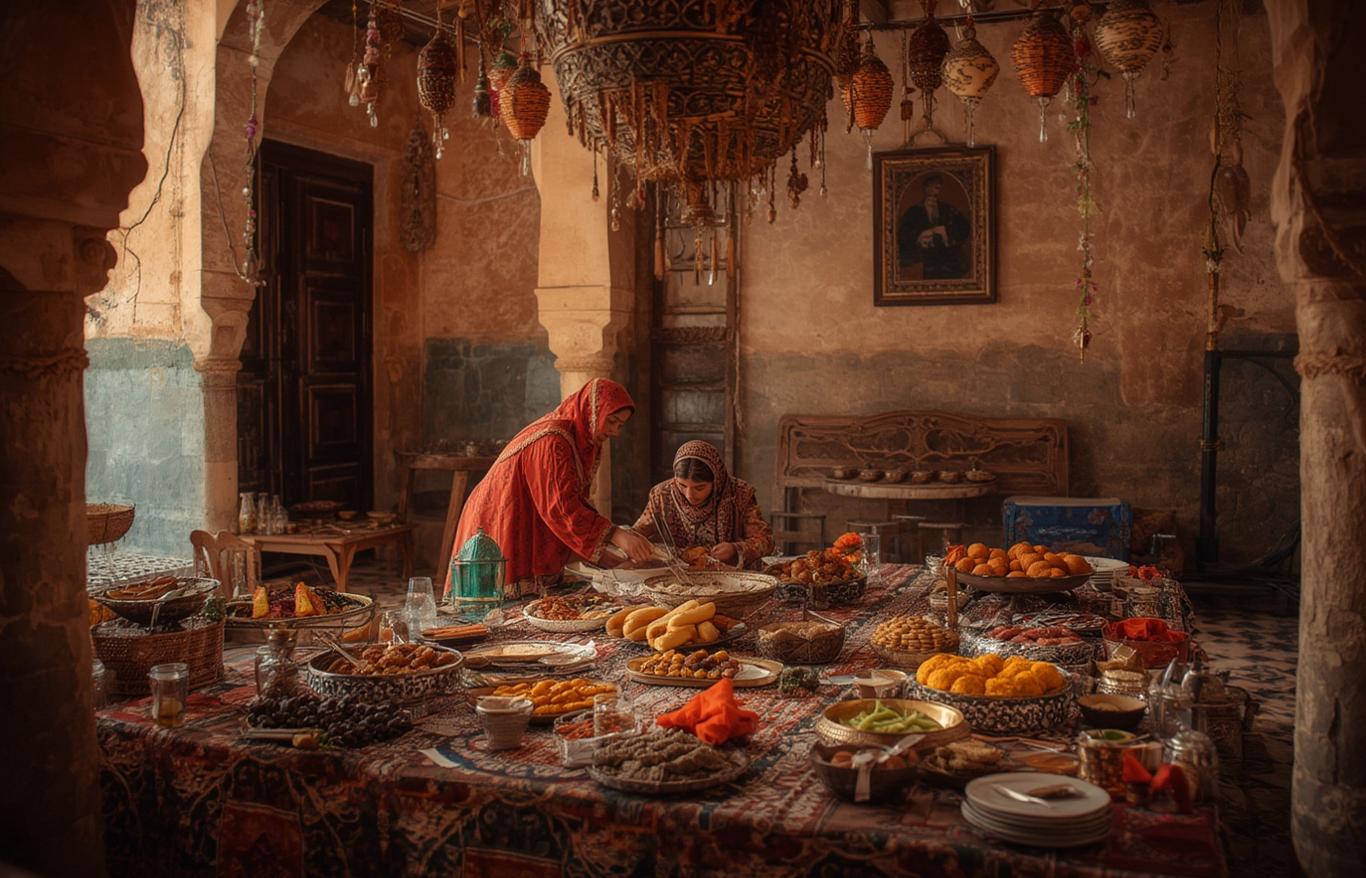
Before the grand feast unfolds, a series of beautiful and meaningful rituals set the stage for a Moroccan wedding. These preparations often span several days, each steeped in cultural significance and community involvement. It all begins long before the actual wedding feast. The khitba, or official engagement, marks the families’ agreement, followed by gifts and preparations. One of the most visually stunning rituals is the L’Henné (Henna ceremony) for the bride, typically held a few days before the main celebration. Here, a neqqasha (henna artist) adorns the bride’s hands and feet with intricate, protective patterns thought to bring good luck, fertility, and ward off evil. Friends and female relatives gather, sharing songs, sweet treats, and blessings.
Concurrently, the families are busy preparing for the logistics of feeding hundreds of guests. This isn’t a small task; it involves meticulous planning, from sourcing the finest ingredients to arranging for large cooking teams. The bride’s trousseau, including beautiful caftans and jewelry, is also prepared and presented, showcasing her readiness for marriage. These preliminary ceremonies are not just about tradition; they are vital bonding experiences, strengthening ties within the extended family and community, all leading up to the joyous explosion of the actual wedding feast itself.
A Gastronomic Odyssey: Unveiling the Dishes of Moroccan Wedding Feasts
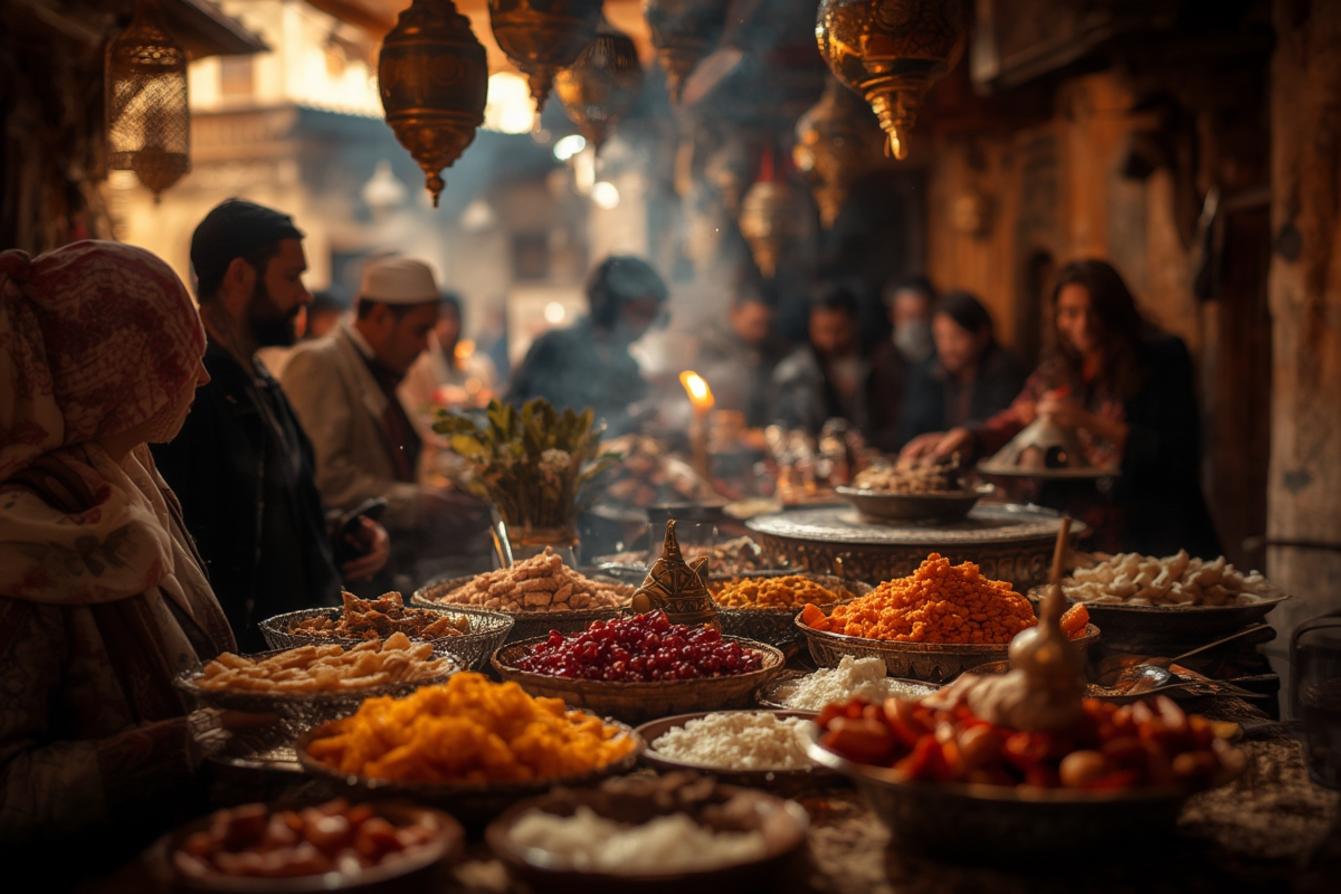
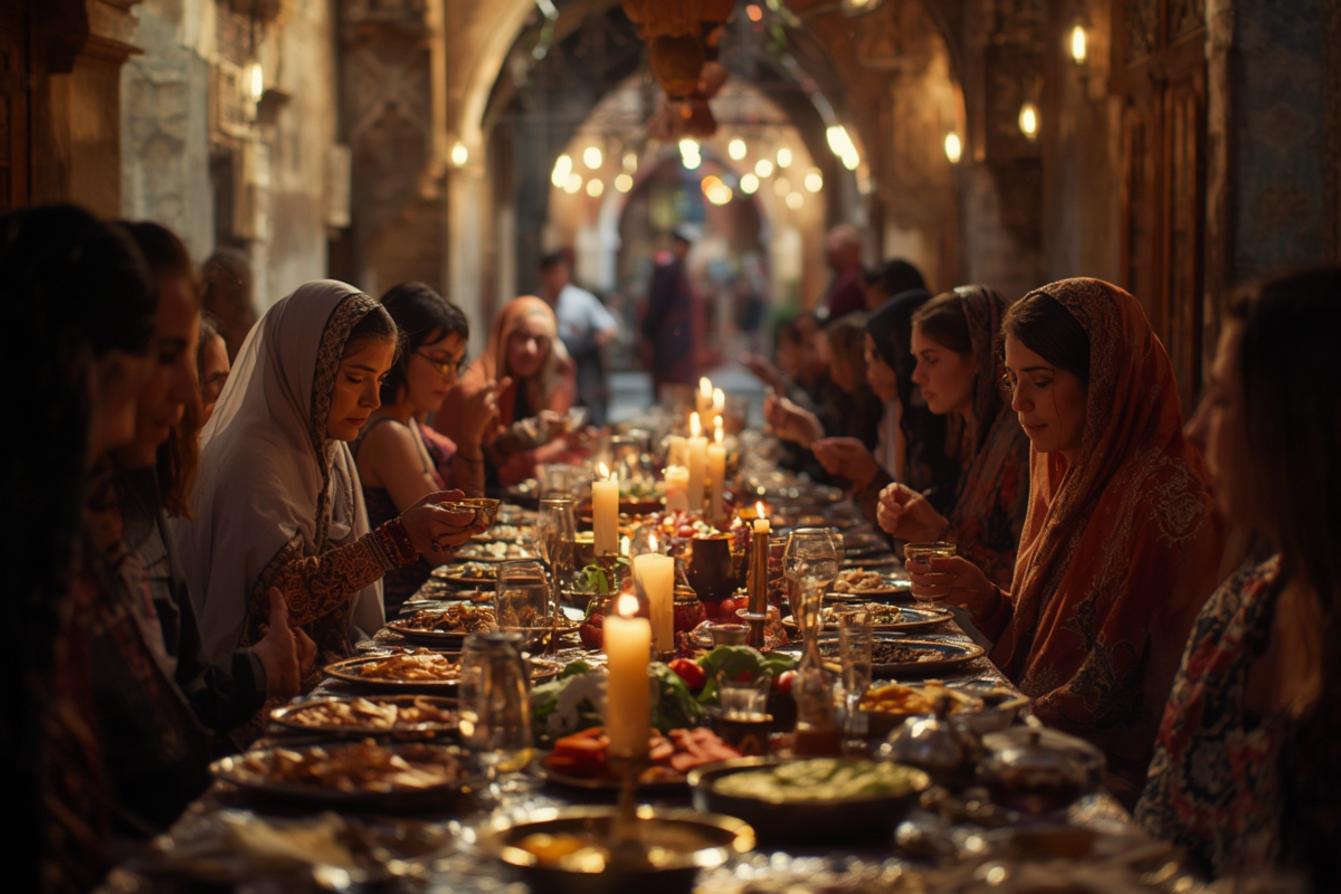
The food served at Moroccan wedding feasts is nothing short of legendary. It’s an essential part of the celebration, reflecting generosity, abundance, and the hosts’ desire to honor their guests. These aren’t quick bites; they are lavish, multi-course meals designed to impress and satisfy, often served well into the night. Forget quick catering; this is home-style cooking on a massive scale, often prepared by skilled cooks specially hired for the occasion or by an army of family members.
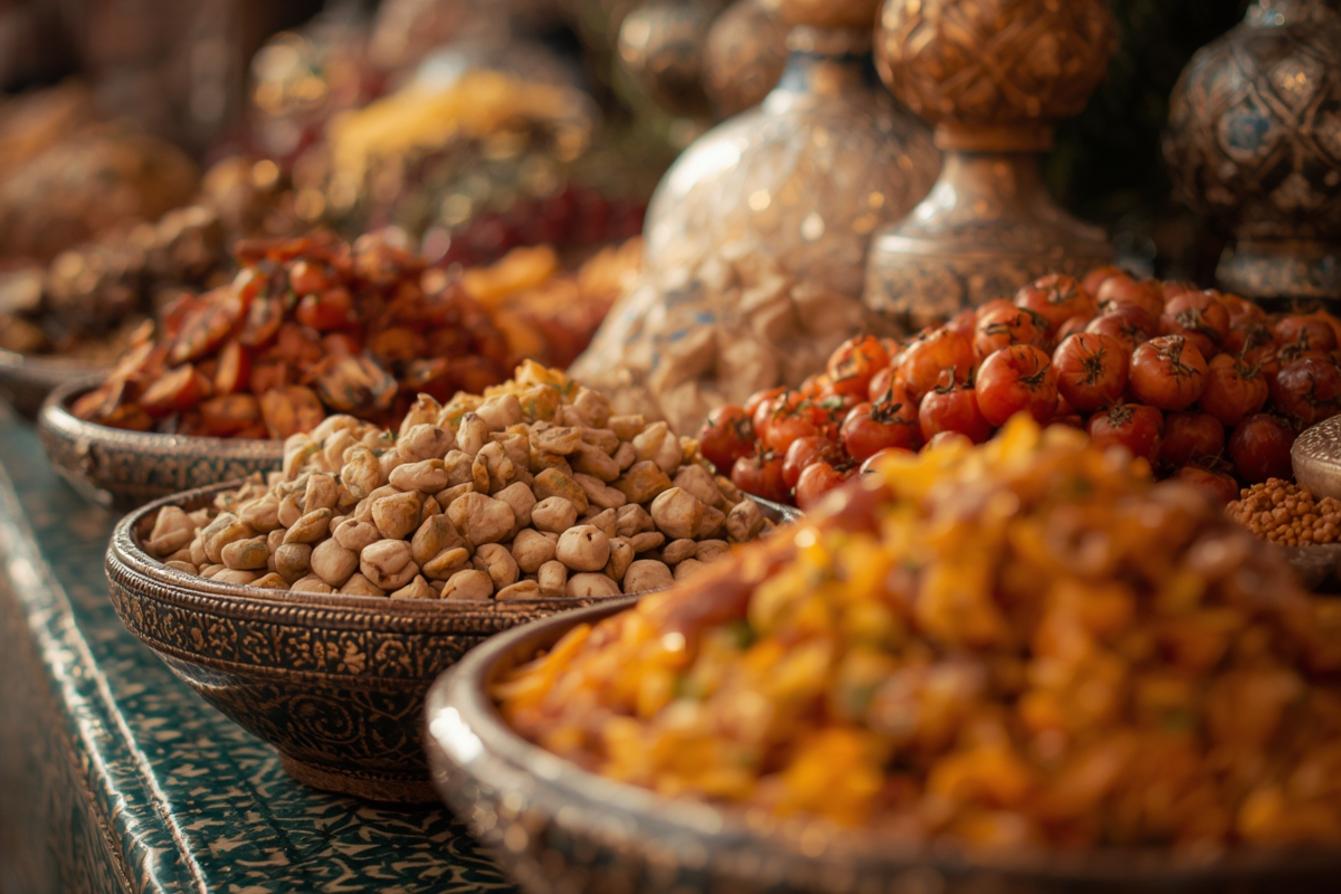
The meal typically begins with an array of delicate small bites, often savory pastries like briouats (stuffed with meat or vegetables) or different kinds of olives and nuts, accompanied by refreshing mint tea. Then, the main courses begin to arrive, usually served communally in large tajines or platters placed in the center of round tables. Expect dishes like Mechoui, a whole roasted lamb, slow-cooked to perfection, so tender it falls off the bone. Another staple is the chicken or lamb tagine, often prepared with preserved lemons and olives, or with prunes and almonds, offering a delightful balance of sweet and savory.
Couscous, often served last among the main savory dishes, is a celebratory dish, particularly seffa medfouna – steamed couscous piled high, adorned with shredded chicken or lamb, caramelized onions, cinnamon, and powdered sugar. This sweet and savory combination is a true highlight. Throughout the meal, fresh bread, usually khobz, is abundant, perfect for scooping up the rich sauces. The sheer quantity and quality of food at Moroccan wedding feasts reflect the deep cultural value placed on hospitality and the importance of ensuring every guest feels cherished and well-fed.
The Grand Procession: How Brides Arrive in Style
The entrance of the bride is a centerpiece of Moroccan wedding traditions, a spectacular moment that guests eagerly anticipate. Dressed in magnificent, often elaborate caftans or takshitas, adorned with dazzling jewelry, the bride makes her grand entrance. What makes this particularly special is the Amariya or Tifour. The Amariya is a ceremonial covered sedan chair, ornately decorated, in which the bride is carried aloft by several men. As the bride is paraded around the venue, often to the rhythmic beats of traditional music and exuberant ululations (known as zagharit), it’s a moment of immense fanfare and joy. This procession symbolizes her regal status on her wedding day and allows all guests to admire her beauty.
The groom, equally splendidly dressed, often in a traditional jellaba or a smart suit, typically awaits her or accompanies her in parts of the procession. The energy during this time is palpable – music swells, lights flash, and the entire room erupts in celebration. It’s not uncommon for the bride to change her attire multiple times throughout the evening, each caftan more stunning than the last, reflecting different regional styles or family traditions. This grand entry and the subsequent outfit changes are integral to the visual spectacle of a Moroccan wedding, blending age-old customs with contemporary flair. You can learn more about these elaborate traditional elements at Moroccan wedding traditions.
Music, Dance, and Merriment: The Heartbeat of the Celebration
No Moroccan wedding feast is complete without its soul-stirring music and spirited dancing. Music is not just background noise; it’s a dynamic, interactive component that drives the entire celebration. Traditional Moroccan music, performed by live bands known as orchestra or dakka marrakchia (especially lively percussion ensembles), fills the air with joyful melodies and intoxicating rhythms. Instruments like the oud (lute), derbouka (goblet drum), bendir (frame drum), and various wind instruments create a rich tapestry of sound that encourages everyone to participate.
Guests, young and old, take to the dance floor, often forming circles or dancing in free-form, expressing their joy through movement. The bride and groom also join in, their dances often culminating in tender moments that captivate the onlookers. The energy is infectious, with drumbeats growing faster, and the ululations of women adding to the festive clamor. Beyond the formal dance floor, smaller, spontaneous dance circles often form, reflecting the communal spirit. This continuous flow of music and dance ensures that the celebration remains vibrant and engaging, creating an atmosphere of pure happiness that is utterly unforgettable for all who attend Moroccan wedding feasts.
Navigating Etiquette at a Moroccan Wedding Feast
Attending a Moroccan wedding feast is a truly special opportunity, and understanding some basic etiquette will enhance your experience and show respect for the culture. First and foremost, punctuality is less rigid than in some Western cultures; weddings often start late into the evening and extend until the early hours of the morning. Don’t be surprised if the main events begin several hours after the stated time. Dress codes are generally modest but festive; women typically wear elegant dresses or caftans, while men might opt for suits or traditional Moroccan attire. Bright colors and tasteful embellishments are always welcome.
When it comes to dining, remember that many dishes are served communally. It’s customary to eat with your right hand when partaking from a shared platter, using bread to scoop up food. Always accept the offer of mint tea, a universal symbol of Moroccan hospitality. Gifts are usually given in the form of money, often in a decorative envelope, to help the couple start their new life. Photography is usually welcomed, but always be mindful and respectful of moments captured, especially during more intimate family rituals. Most importantly, embrace the joy and warmth of the occasion, participate in the dancing if you feel comfortable, and enjoy the generous hospitality that is a hallmark of Moroccan culture. You’ll find that Moroccans are incredibly welcoming and appreciate genuine engagement with their traditions.
Conclusion
Moroccan wedding feasts are far more than just celebrations; they are deeply ingrained cultural spectacles that showcase the vibrancy, hospitality, and rich traditions of the country. From the intricate pre-wedding rituals and the lavish spreads of delectable food to the dazzling bridal processions and the rhythmic pulse of music and dance, every element tells a story of unity, family, and community. For anyone visiting Morocco, understanding and appreciating these elaborate events offers a profound glimpse into the heart and soul of its people. The memories created at these joyous gatherings, steeped in tradition and overflowing with generosity, truly embody the spirit of Moroccan wedding feasts.
FAQs
What is the typical duration of a Moroccan wedding feast?
Moroccan wedding celebrations are often multi-day affairs, with various ceremonies and gatherings preceding the main reception. The main wedding feast itself typically begins late in the evening and can last until the early hours of the morning, often past dawn, showcasing the family’s hospitality and desire for a grand celebration.
Are non-Muslims allowed to attend Moroccan weddings?
Yes, absolutely. Non-Muslims are often invited to Moroccan weddings, particularly if they are friends or colleagues of the couple or their families. Moroccan hospitality is legendary, and guests from all backgrounds are generally welcomed warmly to share in the joy and celebrations.
What kind of gifts are usually given at a Moroccan wedding?
The most common and appreciated gift at a Moroccan wedding is money. This is typically presented in a decorated envelope and given to the bride or groom, or a designated family member, to help the couple establish their new home. Other gifts like household items are less common but can be given if specifically requested.
How many courses are typically served during the main wedding meal?
A Moroccan wedding feast is a true culinary marathon! Guests can expect multiple courses, often starting with small savory pastries and salads, followed by several substantial main dishes like roasted lamb (Mechoui) or various tagines, and concluding with a sweet couscous dish (Seffa), followed by many different fruits and pastries. The food is abundant and continuous.



 Covers cities, coast, mountains, desert & food