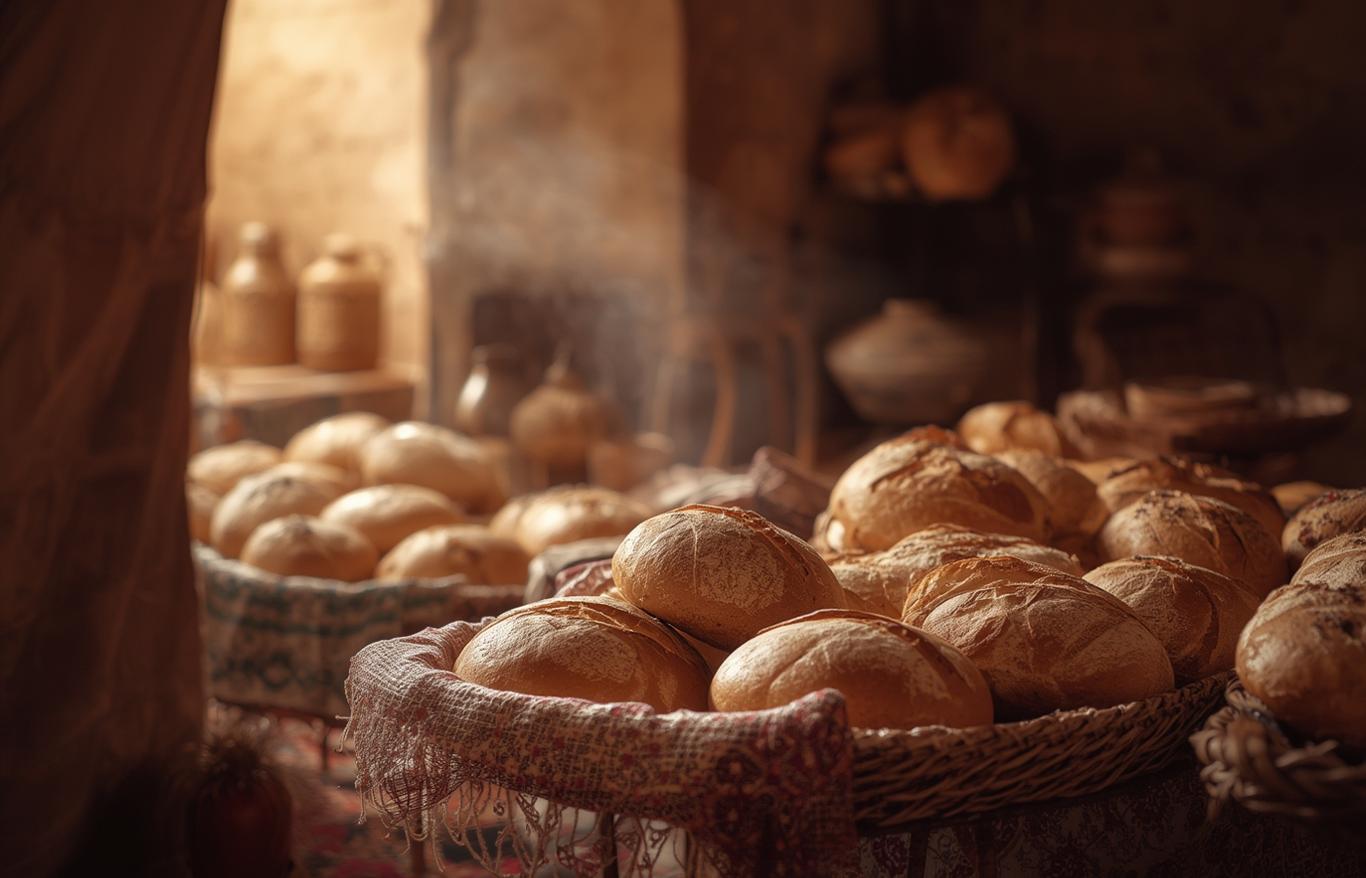
Stepping into any Moroccan home, market, or restaurant, you’re immediately greeted by the pervasive and comforting presence of bread. It’s not just a staple; it’s the very soul of Moroccan cuisine and a cornerstone of daily life. The rich Moroccan bread traditions are deeply interwoven with the country’s history, hospitality, and communal spirit, reflecting an age-old culinary heritage that continues to thrive today. From the moment you arrive, you’ll understand that bread here is far more than just something to eat; it’s a vehicle for sharing, a sign of blessing, and an essential companion to every meal.
The Daily Ritual: Bread as the Heart of the Moroccan Table
In Morocco, bread is king. It graces every meal, from a simple breakfast of olive oil and mint tea to elaborate tagine dinners. It serves as your utensil, scooping up savory stews, rich sauces, and delicate salads. The act of tearing a piece of bread and using it to gather food is deeply ingrained in social etiquette, signifying participation and togetherness. This isn’t just about functionality; it’s about connecting with your food and the people you’re sharing it with.
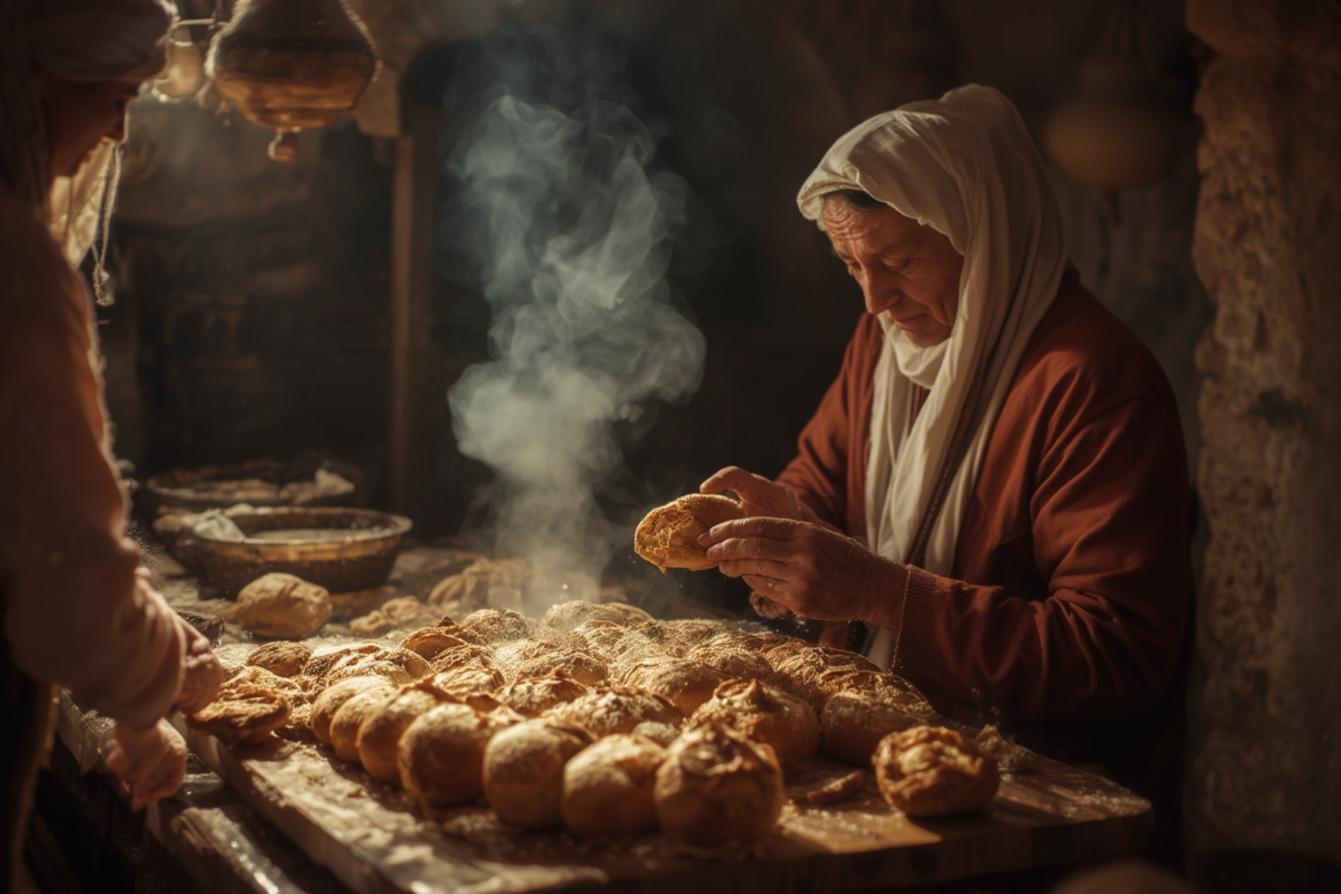
Each day begins with fresh bread. In many communities, the aroma of baking bread wafts through the morning air as women skillfully prepare dough, often taking it to the local communal furnace (ferran) to be baked in large, traditional ovens. This practice not only ensures perfectly baked loaves but also serves as a vital social hub, where neighbors exchange greetings and gossip while waiting for their bread. This daily ritual underscores the profound cultural significance of Moroccan bread traditions, cementing its role beyond mere sustenance.
Varieties Beyond Khobz: Exploring Moroccan Bread Diversity
While “khobz” (خبز) is the generic term for bread, implying the round, crusty, and soft-centered loaf most commonly found, Morocco boasts a remarkable array of bread varieties, each with its unique texture, flavor, and purpose. Understanding these different types is key to appreciating the depth of Moroccan bread traditions.
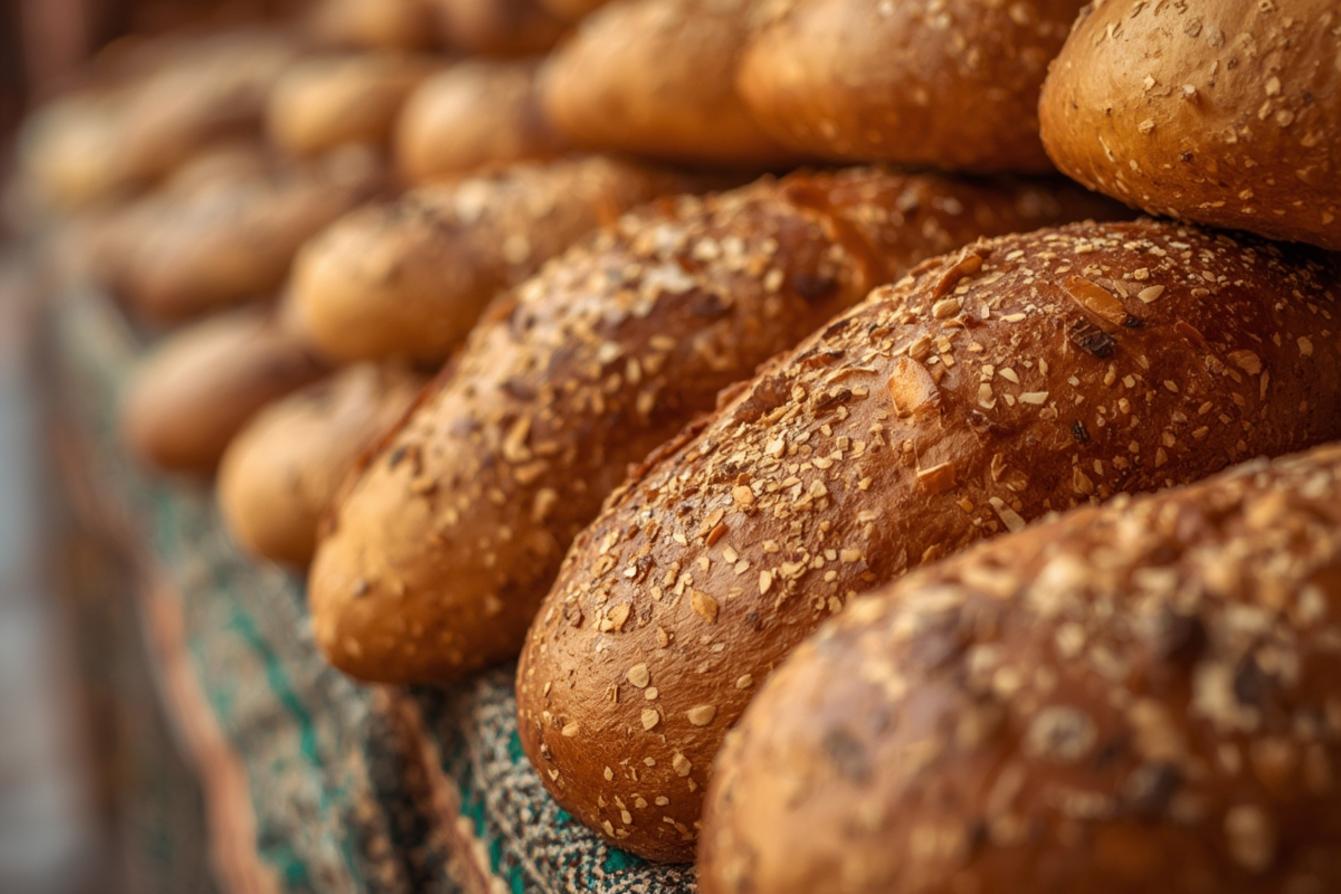
- Khobz (Standard Round Loaf): This is the everyday hero. Made with varying blends of white and whole wheat flour, often with a hint of semolina, it’s perfect for dipping into tagines, mopping up sauces, or accompanying a wide range of dishes. Its characteristic dimpled top often comes from being baked on a hot, heavy base, giving it a delightful rustic texture.
- Harcha: A pan-fried semolina bread, harcha has a crumbly, biscuit-like texture and is subtly sweet. It’s particularly popular for breakfast, often served warm with butter and honey or a soft cheese.
- Msemen: These flaky, square-shaped pancakes or crepes are a pure delight. Made from thinly stretched dough brushed with oil and folded multiple times, they are fried until golden and crispy on the outside, yet soft and chewy within. Msemen are a breakfast favorite, delicious with honey, butter, or even cheese.
- Baghrir: Often called “thousand-hole pancakes,” baghrir are distinctive for their spongy, bubbly texture. Made from a yeast-leavened semolina batter, they are cooked on one side only, creating myriad small holes that sop up every drop of syrup or honey.
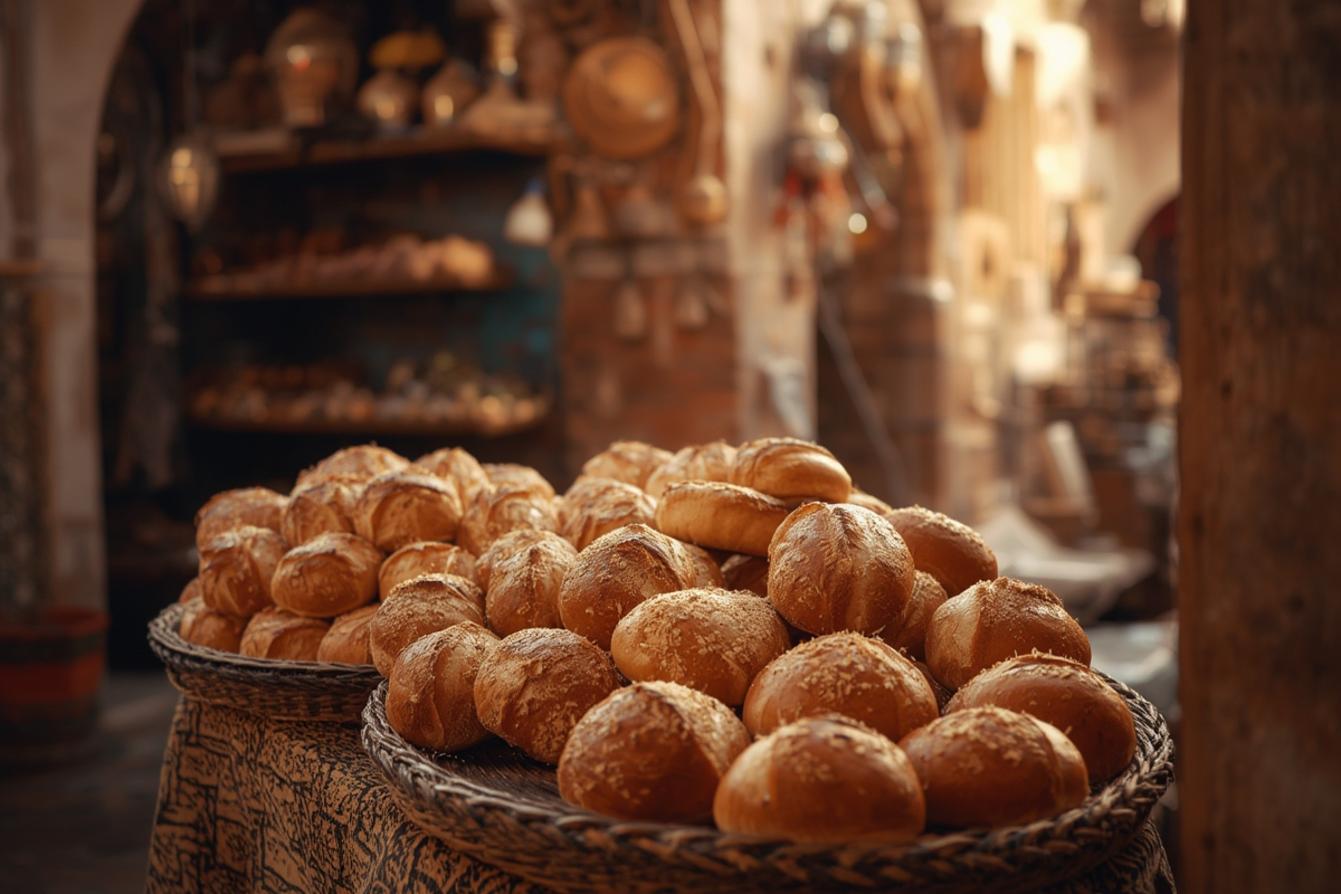
- Batbout: Similar to pita bread but often thicker and chewier, batbout is a small, round flatbread cooked on a griddle or in a pan. It’s excellent for sandwiches or as an accompaniment to meals.
- Rziza (Mothers-in-law’s Hair): A truly unique and intricate bread, rziza consists of numerous thin, noodle-like strands formed into a coiled “nest.” It requires significant skill to prepare and is often reserved for special occasions, served with honey or as part of a savory dish.
This diverse selection showcases the ingenuity and culinary richness embedded within Moroccan bread traditions, offering a different experience with each bite.
The Communal Oven: A Hub of Neighborhood Life
Beyond the act of baking, the communal oven, or ferran, is a fascinating insight into Moroccan community life. Imagine waking up to the smell of fresh bread, knowing that countless households in your neighborhood are contributing to that aroma. In traditional neighborhoods, women prepare their dough at home, shape it into loaves, and then carry it on round wooden boards (tbaq) to the local ferran.
The farrana (the person who runs the ferran) skillfully slides each loaf into the hot, wood-fired oven, often stamping it with a unique mark to identify its owner. While the bread bakes, neighbors gather, chat, and share news. It’s an age-old social network, a place where bonds are strengthened over the shared anticipation of warm, crusty bread. For travelers, observing this daily ritual provides an authentic glimpse into the rhythm of Moroccan life, far removed from tourist brochures. It’s not just a service; it’s a heartbeat of the community, sustaining connection as much as it sustains bodies.
Bread and Hospitality: A Symbol of Welcome
Hospitality, or Diyafa, is paramount in Moroccan culture, and bread plays a starring role in this tradition. From the moment you are invited into a Moroccan home, bread will be presented as a symbol of welcome and generosity. It is always offered, often before any other food, signifying that you are an honored guest. To refuse bread might unintentionally convey a slight, so even if you can only manage a small piece, it’s polite to accept.
When sharing a meal, bread encourages communal eating from a single large dish, fostering a sense of togetherness and breaking down barriers. It’s customary to use your right hand to tear off a piece and scoop up food, always ensuring you eat from the portion directly in front of you. This practice is steeped in tradition and signifies respect for the shared meal and those around the table. The continuous replenishment of bread throughout a meal is a silent gesture of abundance and care, reflecting the deep-seated value placed on ensuring guests feel cherished and well-fed.
The Art of Baking: Ingredients and Traditional Methods
The foundation of delicious Moroccan bread lies in simple yet high-quality ingredients and time-honored preparation methods. While modern techniques exist, many homes and bakeries still adhere to traditional practices, ensuring the authentic taste and texture that define Moroccan loaves.
- Flour: A mixture of white flour (often a strong bread flour) and whole wheat flour is common, with semolina flour also frequently used, particularly in khobz for its texture and subtle sweetness, and as the star of harcha and baghrir. The blend affects the density and crumb of the final product.
- Yeast: Traditionally, a natural sourdough starter or fresh yeast is used, contributing to the distinct flavor profile and airy texture.
- Water and Salt: Essential for dough development and taste.
- Olive Oil (Optional): Sometimes a touch of olive oil is added, especially for richness and to achieve a softer crumb.
The process often begins with mixing the ingredients to form a pliable dough. Kneading is crucial and often done by hand, a labor of love that develops the gluten, resulting in a wonderfully textured bread. After a period of rising, the dough is shaped into round loaves, often dusted with extra semolina, and left for a second proofing. Finally, depending on the type, it’s either baked in a traditional oven, cooked on a griddle (for msemen, baghrir, and batbout), or even on a specialized clay griddle (tajeen) for certain flatbreads. The exact techniques for making Moroccan bread varieties are often passed down through generations, ensuring the continuity of these cherished traditions.
Mastering Bread Etiquette for Travelers
As a visitor, understanding a few simple bread etiquette rules will enhance your dining experience and show respect for local customs.
1. Always use your right hand: In Moroccan culture, the left hand is generally considered unclean. When tearing bread or eating with it, exclusively use your right hand.
2. Bread as your utensil: Don’t be shy! Embrace the tradition of using bread to scoop up food from communal dishes. It’s the most authentic way to enjoy your meal.
3. Don’t waste bread: Bread is considered a blessing, and wasting it is generally frowned upon. Take only what you need, and if you have leftovers, locals often save it for animals or give it to the poor.
4. Accept generously: When offered bread, always accept, even if just a small piece. It’s a gesture of hospitality that should be reciprocated with gratitude.
5. Avoid placing bread directly on the table: Often, a basket or a clean cloth is provided under the bread. If not, placing it momentarily on your clean plate is fine, but avoid putting it directly on surfaces that might not be food-safe.
By observing these customs, you’ll not only participate in an ancient culinary tradition but also connect more meaningfully with the Moroccan people and their profound respect for bread.
Conclusion
The heart of Moroccan cuisine truly lies in its bread. From the universal khobz to the delicate msemen and the unique baghrir, these staple foods offer more than just sustenance; they embody centuries of tradition, communal spirit, and unwavering hospitality. Exploring the Moroccan bread traditions offers a delicious gateway into understanding the country’s rich cultural tapestry, one warm, fragrant loaf at a time. It’s a culinary journey that promises both flavor and profound cultural insight.
FAQs
What is the most common Moroccan bread?
The most common Moroccan bread is called khobz (خبز), a round, crusty loaf with a soft, airy interior. It’s a daily staple and is served with almost every meal, used for scooping up tagines, salads, and sauces.
Why is bread so important in Moroccan culture?
Bread holds immense cultural significance in Morocco. It symbolizes hospitality, blessing, and community. It’s integral to sharing meals communally, serves as a primary utensil, and is often prepared and baked in neighborhood communal ovens, fostering social connections. Wasting bread is generally considered disrespectful.
Can I find gluten-free bread options in Morocco?
While traditional Moroccan bread is wheat-based, you might find some gluten-free options, especially in larger cities like Marrakech or Casablanca, often in more modern cafes or restaurants catering to tourists. However, it’s not a widespread traditional offering, so it’s advisable to specify your dietary needs clearly.
What are msemen and baghrir typically eaten with?
Msemen are flaky square-shaped pan-fried breads, often enjoyed for breakfast or “gouter” (afternoon snack) with butter, honey, or jam. Baghrir, known as “thousand-hole pancakes,” are spongy, yeast-leavened semolina pancakes typically served with a warm syrup made from butter and honey. Both are popular sweet treats.

 Covers cities, coast, mountains, desert & food