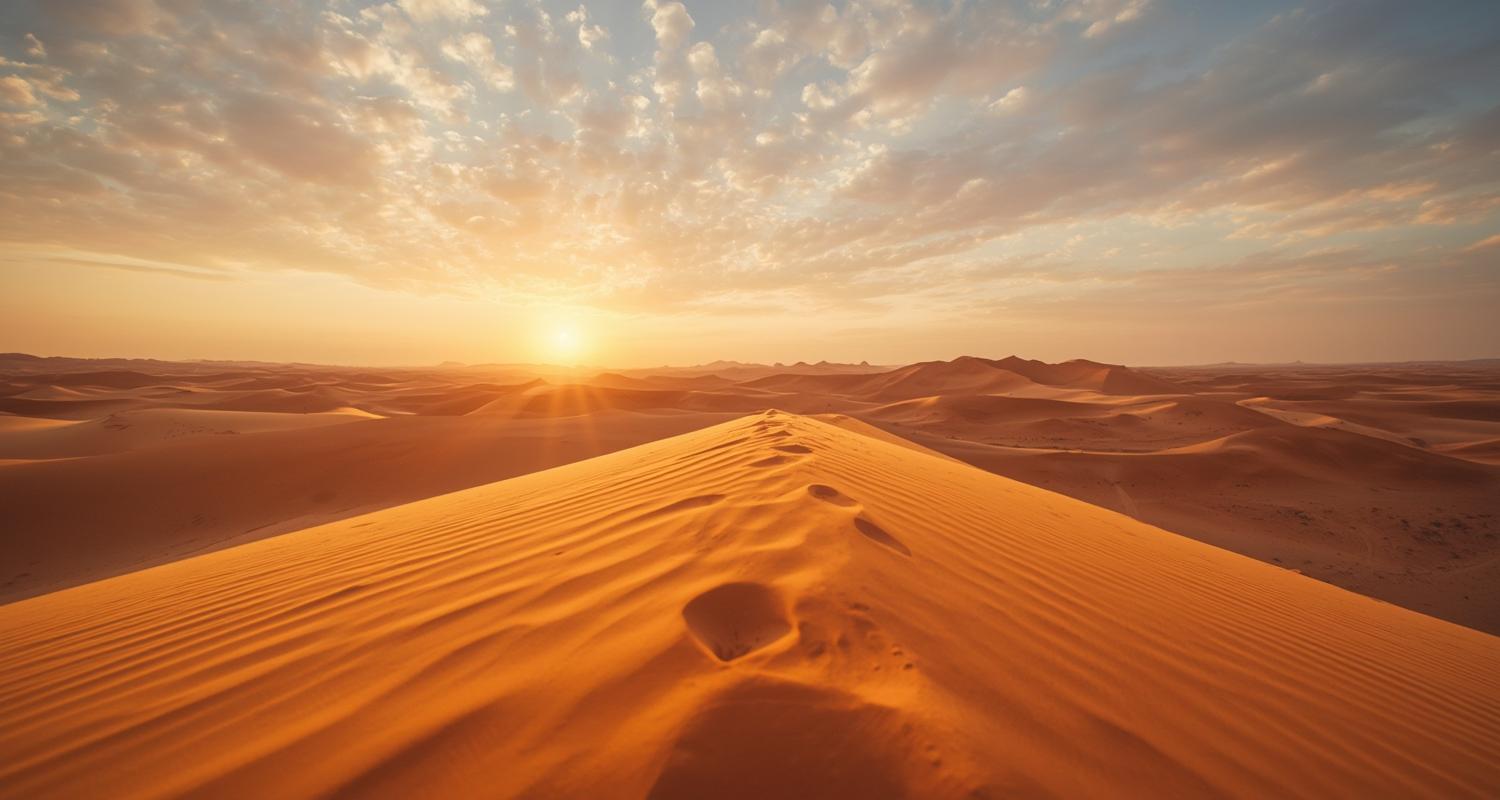
Stepping into the vast expanse of the Sahara Desert in Morocco is like entering another world entirely. It’s a place where time slows down, the silence speaks volumes, and the stars put on a show like no other. For travelers seeking an experience that transcends the ordinary, the Moroccan Sahara offers a profound journey into nature’s grandeur and a glimpse into ancient nomadic traditions. This guide aims to prepare you for the magic that awaits, from the undulating dunes to the serene desert nights.
The Allure of Erg Chebbi: A Dune Sea Like No Other
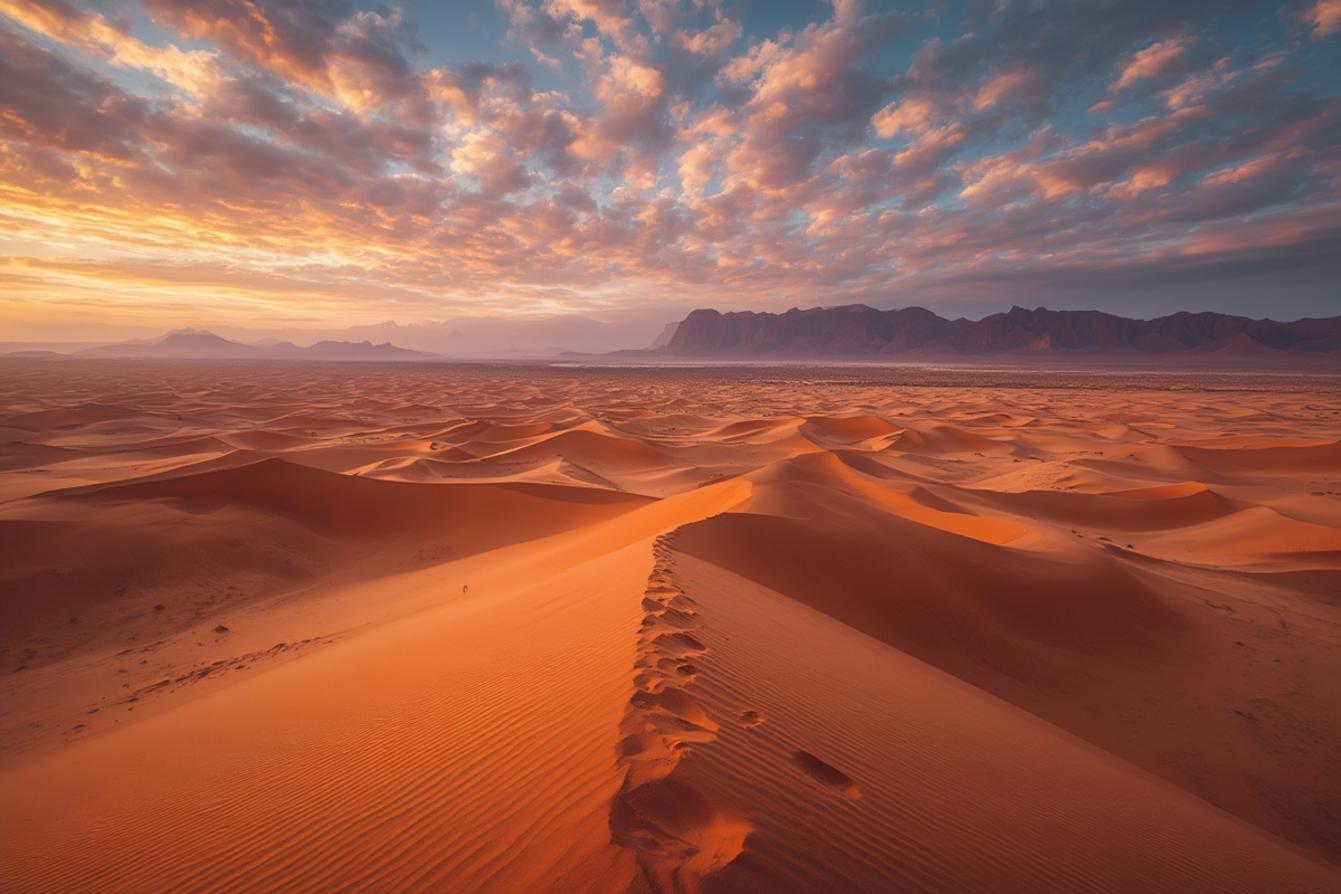
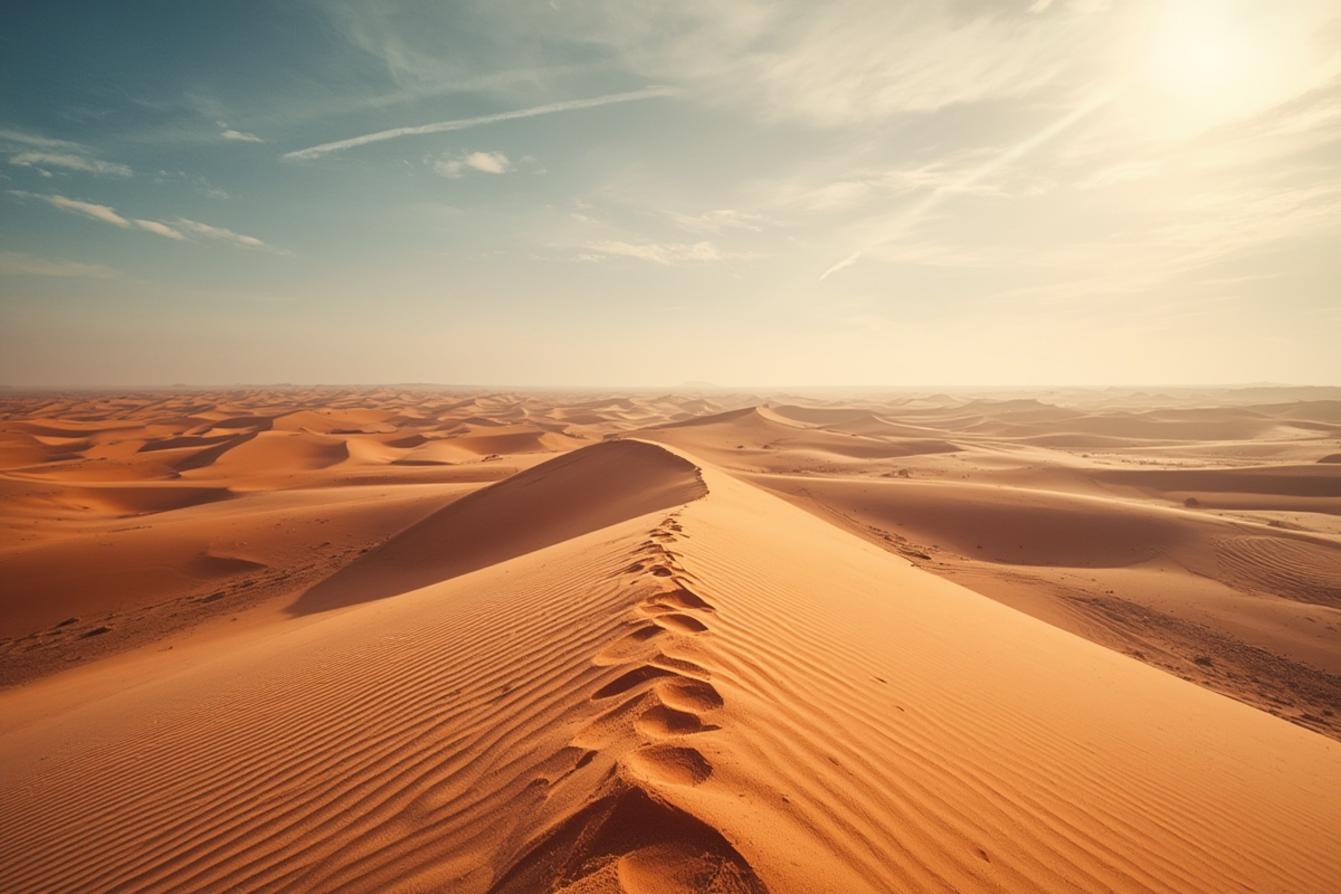
When most people envision the Sahara Desert in Morocco, they’re picturing the iconic golden waves of Erg Chebbi. Located near the village of Merzouga, this magnificent sea of sand stretches for miles, with dunes reaching heights of up to 150 meters. What makes Erg Chebbi so special is its sheer scale and the breathtaking play of light and shadow across its contours throughout the day. Sunrise and sunset here are particularly spectacular, painting the sky and sands in a symphony of reds, oranges, and purples. It’s a truly immersive experience, offering ample opportunities for camel treks, sandboarding, and simply marveling at the raw beauty of unfiltered nature.
Journeying to the Heart of the Moroccan Sand Sea
Reaching the Sahara Desert in Morocco is half the adventure. Most desert tours originate from cities like Marrakech or Fes, offering multi-day excursions that typically include transport, accommodation, and guided activities. The journey involves traversing the dramatic High Atlas Mountains, passing through picturesque valleys, ancient kasbahs, and charming Berber villages. While the drive can be long, the ever-changing landscapes provide constant fascination. Shared taxis and private transfers are also options, though many prefer the convenience and camaraderie of an organized tour. Whichever route you choose, preparing for several hours on the road is key, but every mile brings you closer to the unparalleled tranquility of the desert.
Desert Dwellings: Immersing in Nomadic Culture
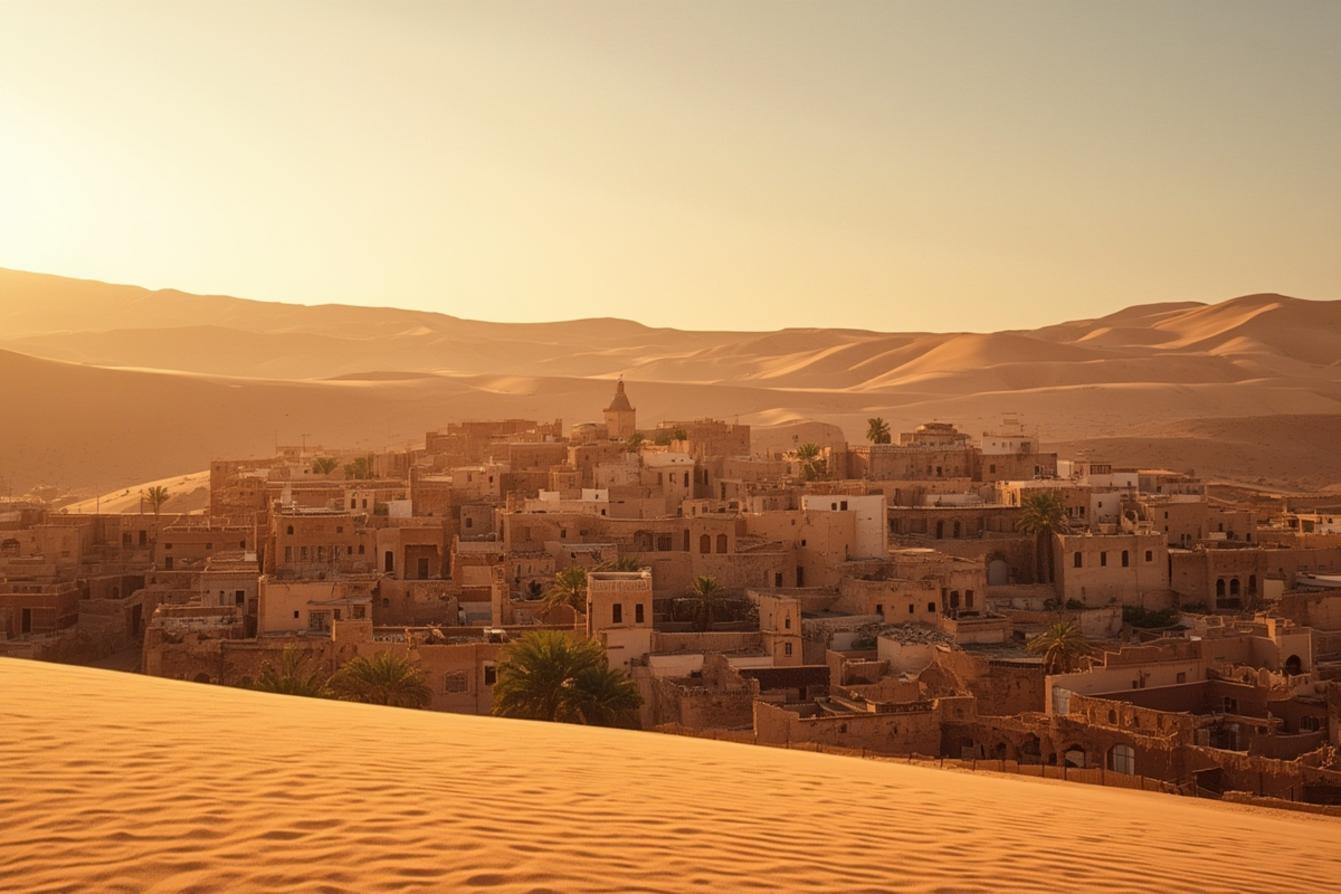
Accommodation in the Sahara Desert in Morocco is an experience in itself. While budget-friendly hotels are available in towns like Merzouga, the real magic lies in spending a night (or more) in a traditional desert camp nestled amongst the dunes. These camps range from basic utilitarian tents to luxurious setups offering private bathrooms, comfortable beds, and even gourmet meals. Regardless of the luxury level, the common thread is the profound connection to the desert environment. Nights at these camps are filled with starlit skies, traditional Berber music around a campfire, and the gentle whisper of the wind. It’s an authentic way to understand the nomadic way of life, albeit with modern comforts.
Essential Experiences: Beyond the Camel Ride
While a camel trek through the Erg Chebbi dunes is undoubtedly a highlight and a quintessential desert experience, there’s much more to discover in the Sahara Desert in Morocco. Sandboarding down the steep slopes offers an exhilarating thrill, reminiscent of snowboarding but on sand. For those seeking cultural enrichment, visiting local Berber villages and meeting with the indigenous people provides invaluable insights into their rich heritage, music, and resilient way of life. Exploring ancient fossil sites and listening to the stories of meteorites that have fallen in the region adds another layer to the desert’s mystique. And, of course, simply finding a quiet spot to witness the panoramic sunrises and sunsets is an experience that stays with you long after you’ve left.
Navigating the Seasons: When to Discover the Sahara’s Charm
Timing your visit to the Sahara Desert in Morocco can significantly impact your experience. Spring (March to May) and autumn (September to November) are generally considered the best seasons. During these months, temperatures are pleasant during the day, usually ranging from 20°C to 30°C (68°F to 86°F), and nights are comfortably cool. Summers (June to August) can be intensely hot, with daytime temperatures often exceeding 40°C (104°F), which can make daytime activities challenging, though nights are still magical. Winters (December to February) bring cooler days and surprisingly cold nights, often dipping below freezing, requiring warm clothing. For a detailed guide on what to expect, Erg Chebbi dunes offers excellent insights.
Preparing for Your Desert Adventure: Practical Tips
A trip to the Sahara Desert in Morocco requires a bit of practical preparation. Pack layers of clothing, including light, breathable fabrics for daytime and warmer options for the often chilly desert nights. Sun protection is paramount: bring a wide-brimmed hat, sunglasses, and high-SPF sunscreen. A scarf or keffiyeh is invaluable for protecting against sun, wind, and sand. Hydration is key, so always carry plenty of water. A small backpack for day trips, a good camera to capture the stunning landscapes, and an open mind ready for adventure are also essential. Remember that electricity and Wi-Fi might be limited in desert camps, allowing for a genuine digital detox.
Conclusion
The Sahara Desert in Morocco is more than just a destination; it’s an unforgettable journey for the soul. From the towering dunes of Erg Chebbi to the star-dusted nights, the warmth of Berber hospitality, and the profound silence, it offers a transformative travel experience. Whether you seek adventure, cultural immersion, or simply a place to disconnect and marvel at nature’s artistry, the Moroccan Sahara promises memories that will last a lifetime. Prepare to be enchanted by its magic.
FAQs
What is the best way to get to the Sahara Desert in Morocco?
The most popular way to reach the Sahara Desert, specifically the Erg Chebbi dunes near Merzouga, is by joining a multi-day tour from major cities like Marrakech or Fes. These tours typically include transport by comfortable minivans, guided excursions, and accommodation in desert camps. Alternatively, you can hire a private driver or take public buses to Merzouga and then arrange local transport and guides. For more on navigating through Morocco, you can check out our guide to sahara desert in morocco.
What should I pack for a trip to the Sahara Desert?
Packing layers is crucial for the Sahara. Bring light, loose summer clothing for the day, and warmer layers for the often cold desert nights (especially from October to April). Essential items include a wide-brimmed hat, sunglasses, high-SPF sunscreen, a headscarf (for sun, wind, and sand protection), comfortable walking shoes, a small backpack, and a camera. Don’t forget any personal medications.
Is it safe to travel to the Sahara Desert in Morocco?
Yes, traveling to the Sahara Desert in Morocco is generally considered safe. Tour operators are experienced, and local guides are knowledgeable about the terrain. It’s always advisable to choose reputable tour companies, stay hydrated, and follow your guide’s instructions. Standard precautions against petty crime, as in any travel destination, apply.
What kind of accommodation can I expect in the desert?
Accommodation typically ranges from basic, traditional Berber tents to more luxurious glamping experiences with private facilities. Most camps offer comfortable beds, blankets, and shared or private bathrooms. Meals are usually included and served in a common dining tent, often featuring traditional Moroccan dishes. The highlight is always the unique experience of sleeping under a vast, star-filled sky.



 Covers cities, coast, mountains, desert & food