
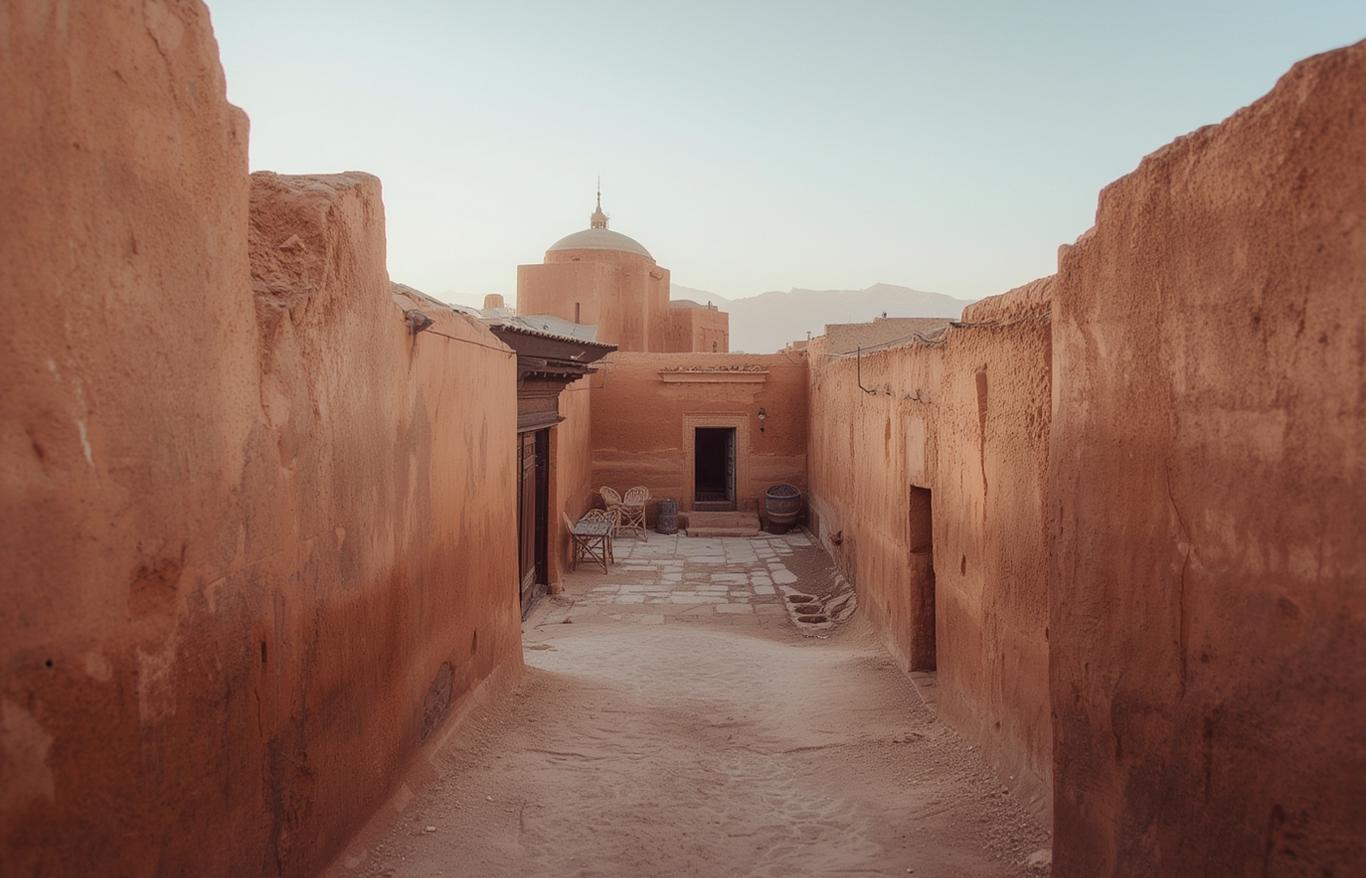
Embarking on a desert tour Marrakech offers travelers an unforgettable gateway into Morocco’s most mesmerizing landscapes. These journeys blend adrenaline-fueled adventure with profound cultural immersion, whisking you from the bustling ochre streets of Marrakech into the silent grandeur of windswept dunes and ancient desert settlements. Whether you’re drawn to camel treks beneath star-filled skies, the thrill of sandboarding down towering dunes, or sleeping under Berber tents while listening to traditional music, the desert beckons with promises of transformation and wonder.
Why Marrakech Is Your Perfect Desert Gateway
Marrakech sits strategically positioned as the natural launching point for desert adventures in Morocco. Unlike coastal cities, Marrakech offers immediate access to multiple desert regions—from the dramatic Agafay Desert just forty minutes outside the city to the legendary Erg Chebbi dunes near Merzouga, roughly nine hours southeast. This geographic advantage means travelers can choose expeditions ranging from quick sunset escapes to multi-day odysseys deep into the Sahara.
The city itself provides the infrastructure that makes desert touring comfortable and accessible. Dozens of reputable tour operators have established themselves here, offering everything from budget-friendly group excursions to luxury private experiences with gourmet dining and high-end desert camps. The medina’s riads serve as perfect pre-departure bases where you can acclimate to Moroccan hospitality before venturing into more remote terrain.
What makes Marrakech particularly appealing is how it bridges two distinct worlds. One morning you’re haggling in the spice-scented souks of Jemaa el-Fnaa, and by afternoon you’re watching the urban skyline dissolve into endless horizons of rock and sand. This dramatic transition amplifies the desert’s impact—the silence feels deeper, the stars shine brighter, and the simplicity of nomadic life resonates more profoundly when contrasted against the city’s sensory overload.
Choosing Your Desert Experience: From Quick Escapes to Epic Journeys
The beauty of desert tours from Marrakech lies in their remarkable variety. The Agafay Desert presents the quickest option—a rocky, moon-like landscape perfect for travelers with limited time. Here you can enjoy sunset camel rides, quad biking across barren plateaus, and dinner shows under canvas tents, all while returning to your Marrakech hotel the same evening. Though lacking the iconic sand dunes, Agafay delivers authentic desert atmosphere without the lengthy drive.
For those seeking the classic Sahara desert tour Morocco experience, the Merzouga region reigns supreme. These multi-day adventures typically span three to four days, incorporating scenic drives through the Atlas Mountains, stops at UNESCO-listed kasbahs like Ait Ben Haddou, and nights spent in traditional desert camps surrounded by the soaring dunes of Erg Chebbi. Sunrise camel treks become spiritual experiences as golden light transforms the sand into rippling waves of amber and rose.
The Zagora Desert offers a middle-ground option—closer than Merzouga at roughly seven hours from Marrakech, making it feasible for two-day tours. While the dunes here are smaller, Zagora provides authentic Saharan atmosphere with the advantage of slightly shorter travel times. Many tours incorporate visits to the Draa Valley with its ancient fortified villages and endless palm groves, adding cultural richness to the desert component.
Private tours cater to travelers wanting customized itineraries, flexible pacing, and exclusive camp accommodations. These experiences might include professional photography guides, gourmet meals prepared by camp chefs, or special activities like sandboarding clinics and astronomy sessions with powerful telescopes. Conversely, group tours offer budget-conscious options with fixed schedules and shared transport, perfect for solo travelers looking to meet fellow adventurers.
What Actually Happens on Your Desert Adventure
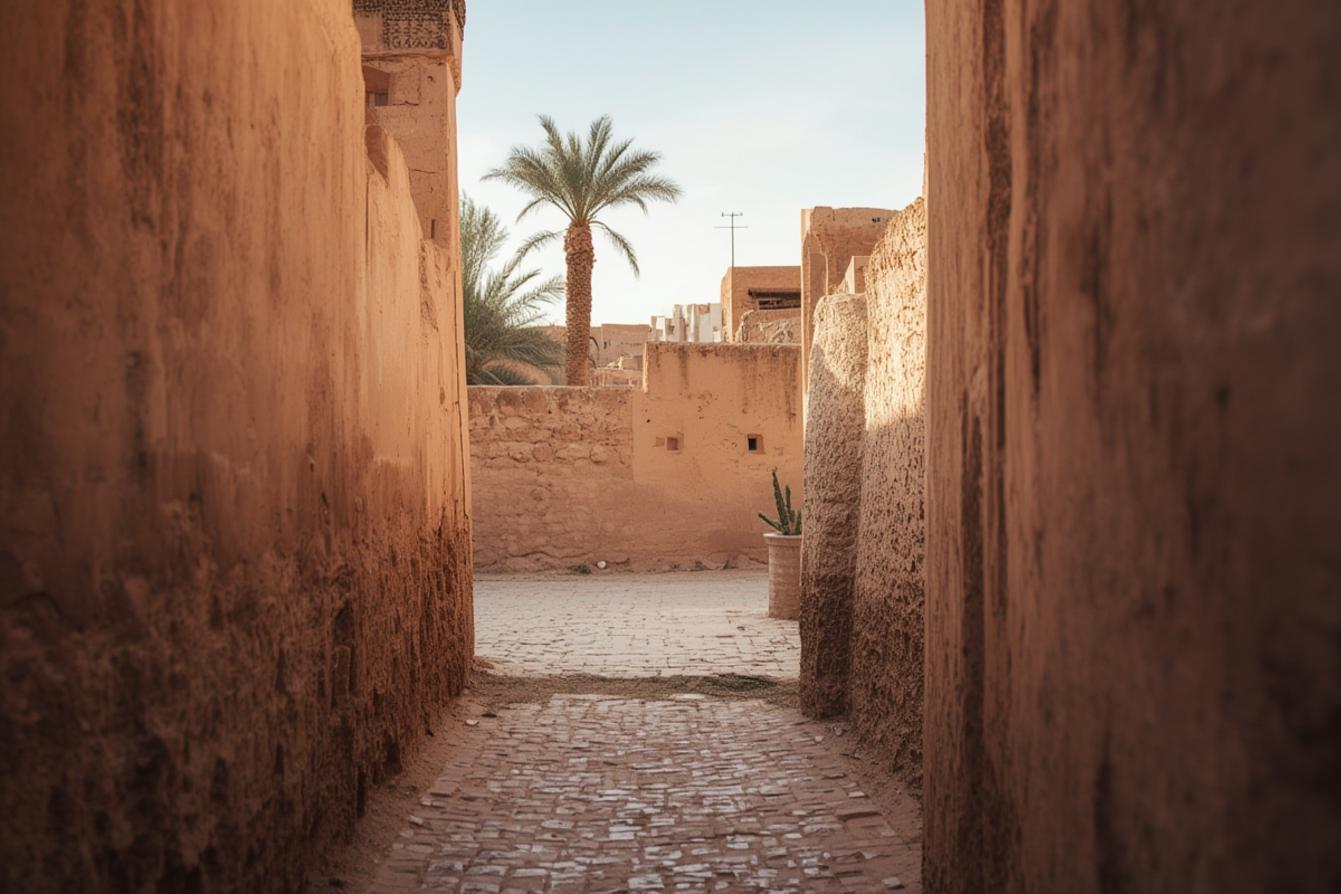
A typical multi-day desert tour from Marrakech follows a rhythm that balances driving, sightseeing, and immersive desert activities. Day one usually begins with an early morning departure, winding through the High Atlas Mountains via the dramatic Tizi n’Tichka pass. Your driver-guide stops at panoramic viewpoints where the snow-capped peaks contrast sharply with the arid valleys below. The ancient fortified village of Ait Ben Haddou provides a UNESCO World Heritage photo opportunity—this earthen architecture has starred in countless films from “Gladiator” to “Game of Thrones.”
The journey continues through Ouarzazate, often called Morocco’s Hollywood, before following the Road of a Thousand Kasbahs through the Dades or Todra Gorges. These geological marvels feature towering canyon walls that narrow dramatically, creating cathedral-like spaces where rock climbers test vertical limestone faces. Lunch typically happens in small Berber villages where family-run restaurants serve tagines and fresh-baked bread, offering glimpses into local life far removed from tourist circuits.
Late afternoon arrival at the desert edge marks the transition into otherworldly terrain. You’ll exchange your 4×4 for camels, swaying across the dunes in a caravan formation as the day’s heat softens. Desert camps range from basic Berber-style setups with communal sleeping tents to luxury “glamping” sites featuring private tented suites with proper beds, en-suite bathrooms, and solar-powered electricity. Evening entertainment usually includes traditional Berber music around crackling campfires—drums echo across the dunes while local musicians sing ancient songs passed through generations.
Sunrise demands early rising, but witnessing the Sahara awaken proves worth the sacrifice. The temperature drops dramatically at night, sometimes hovering near freezing in winter months, before dawn light gradually illuminates the dunes in constantly shifting hues. After breakfast, you’ll reverse the camel journey before beginning the return drive, often taking alternative routes to maximize variety.
Packing Smart for Desert Conditions
Desert environments present unique challenges that require thoughtful preparation. Temperature extremes define Saharan climate—scorching midday heat that can exceed 110°F in summer contrasts with surprisingly cold nights, particularly from November through February when temperatures may dip below freezing. Layering becomes essential: lightweight, breathable fabrics for daytime paired with warm fleeces or jackets for evening hours.
Sun protection ranks as priority one. The desert’s reflective sand intensifies UV exposure, making high-SPF sunscreen, lip balm, sunglasses, and wide-brimmed hats non-negotiable items. A traditional shesh (desert scarf) serves multiple purposes—protecting your face from sun, sand, and wind while adding authentic flair to your desert photos. Tour operators sometimes provide these, but bringing your own ensures proper fit and comfort.
Footwear requires careful consideration. While sandals work for camp lounging, closed-toe shoes protect your feet during camel rides and prevent sand burns when walking dunes. The sand retains extreme heat during summer afternoons, making barefoot exploration painful. Slip-on styles simplify the frequent shoe removal required when entering tents or homes according to Moroccan custom.
Photography enthusiasts should pack extra memory cards and portable chargers—desert vistas inspire thousands of shots. However, protect electronics from sand infiltration using sealed bags or protective covers. The fine desert dust penetrates everything, potentially damaging camera mechanisms and phone ports. Bring a small headlamp or flashlight for navigating camp after dark, as artificial lighting remains minimal in authentic desert settings to preserve the spectacular night sky visibility.
Timing Your Desert Tour for Optimal Conditions
Season dramatically impacts your desert experience, with each period offering distinct advantages and challenges. Spring months from March through May provide ideal conditions—moderate temperatures, blooming desert flora following winter rains, and comfortable nights that aren’t bitterly cold. These shoulder months see fewer tourists than peak season, meaning more intimate camp experiences and better photography opportunities without crowds at iconic sites like Ait Ben Haddou.
Summer desert tours from June through August appeal to budget travelers, as prices drop significantly during these scorching months. However, midday temperatures regularly exceed 105°F, making outdoor activities genuinely uncomfortable and sometimes dangerous. If you tour during summer, prepare for predawn departures and long afternoon breaks. Many camps feature shaded lounging areas, but the heat remains relentless. Nighttime offers relief with pleasantly warm temperatures perfect for stargazing without bundling up.
Autumn, particularly October and November, rivals spring as prime touring season. The summer heat breaks while winter cold hasn’t yet arrived, creating that Goldilocks zone of perfect weather. Morocco’s date harvest occurs during this period, adding fresh flavors to camp meals. Cultural festivals often coincide with autumn, occasionally enriching tours with unexpected local celebrations.
Winter desert tours present mixed experiences. December through February nights turn genuinely cold—temperatures frequently drop below freezing, and desert camps require substantial blankets and heated facilities. However, winter brings crystalline visibility for stargazing, and snow-capped Atlas Mountains create stunning backdrop scenery during the drive. Fewer tourists mean more authentic interactions and greater flexibility with tour operators who have lighter schedules.
Beyond the Dunes: Cultural Encounters That Define the Journey
The most memorable aspects of a desert tour marrakech often happen in unexpected moments away from the famous dunes. Roadside tea ceremonies in tiny villages reveal Moroccan hospitality at its purest—mint tea poured from theatrical heights into small glasses, accompanied by conversations about family, weather, and life in the desert margins. These unplanned interactions, facilitated by your guide’s local connections, provide windows into contemporary Berber culture that tourist attractions can’t replicate.
Many tours incorporate visits to nomadic families still living traditional lifestyles. These encounters feel worlds apart from staged performances—you might find yourself in a wool tent watching women weave carpets using techniques unchanged for centuries, or learning how bread gets baked in sand ovens. Children in these remote settlements show genuine curiosity about visitors, often practicing their few words of English while showing off pet goats or demonstrating how they help with daily chores.
Market towns along the route offer fascinating glimpses of Moroccan commerce away from tourist centers. Weekly souks in places like Rissani bring together desert tribes for trading—you’ll see livestock auctions, spice mountains, traditional medicinal herbs, and fossil vendors selling prehistoric shark teeth extracted from the Sahara’s ancient seabeds. These markets operate on rhythms dictated by regional needs rather than tourist schedules, making them refreshingly authentic.
Kasbahs and fortified villages dotting the desert approaches tell stories of trading empires and trans-Saharan caravans. Many lie partially ruined, their earthen walls gradually reclaimed by desert winds, yet they retain haunting beauty and historical significance. Climbing their crumbling towers rewards you with panoramic views explaining why these locations were chosen—vantage points over trade routes and water sources that meant survival in unforgiving environments.
Selecting the Right Tour Operator
Quality varies dramatically among Marrakech’s countless desert tour operators, making research essential. Established companies with verifiable reviews on multiple platforms provide safer bets than aggressive touts in Jemaa el-Fnaa square promising suspiciously cheap prices. Check whether operators own their desert camps or subcontract to others—direct ownership usually ensures better quality control and more authentic experiences.
Transportation standards significantly impact comfort during long drives. Reputable operators use well-maintained 4×4 vehicles or comfortable minibuses with air conditioning and adequate leg room. Overcrowding plagues budget tours where operators maximize profit by cramming extra passengers into vehicles, transforming nine-hour drives into endurance tests. Clarify exact group sizes before booking, and confirm whether pricing includes private transport or shared arrangements.
Guide quality makes or breaks desert experiences. The best guides blend practical knowledge of routes and logistics with storytelling ability and cultural insight. They explain geological formations, identify desert wildlife, share Berber legends, and facilitate genuine interactions with local communities. Language skills matter—ensure your guide speaks your language fluently enough for meaningful conversations rather than basic directional instructions.
Camp amenities deserve scrutiny based on your comfort expectations. Basic camps offer shared toilet facilities, communal sleeping tents with floor mattresses, and simple meals. Mid-range options typically provide private tents with proper beds, private or semi-private bathrooms, and upgraded dining. Luxury desert camps rival boutique hotels with en-suite bathrooms featuring hot showers, electricity, WiFi, and gourmet multi-course meals. Set realistic expectations by reviewing recent photos and reading detailed reviews beyond star ratings.
Conclusion
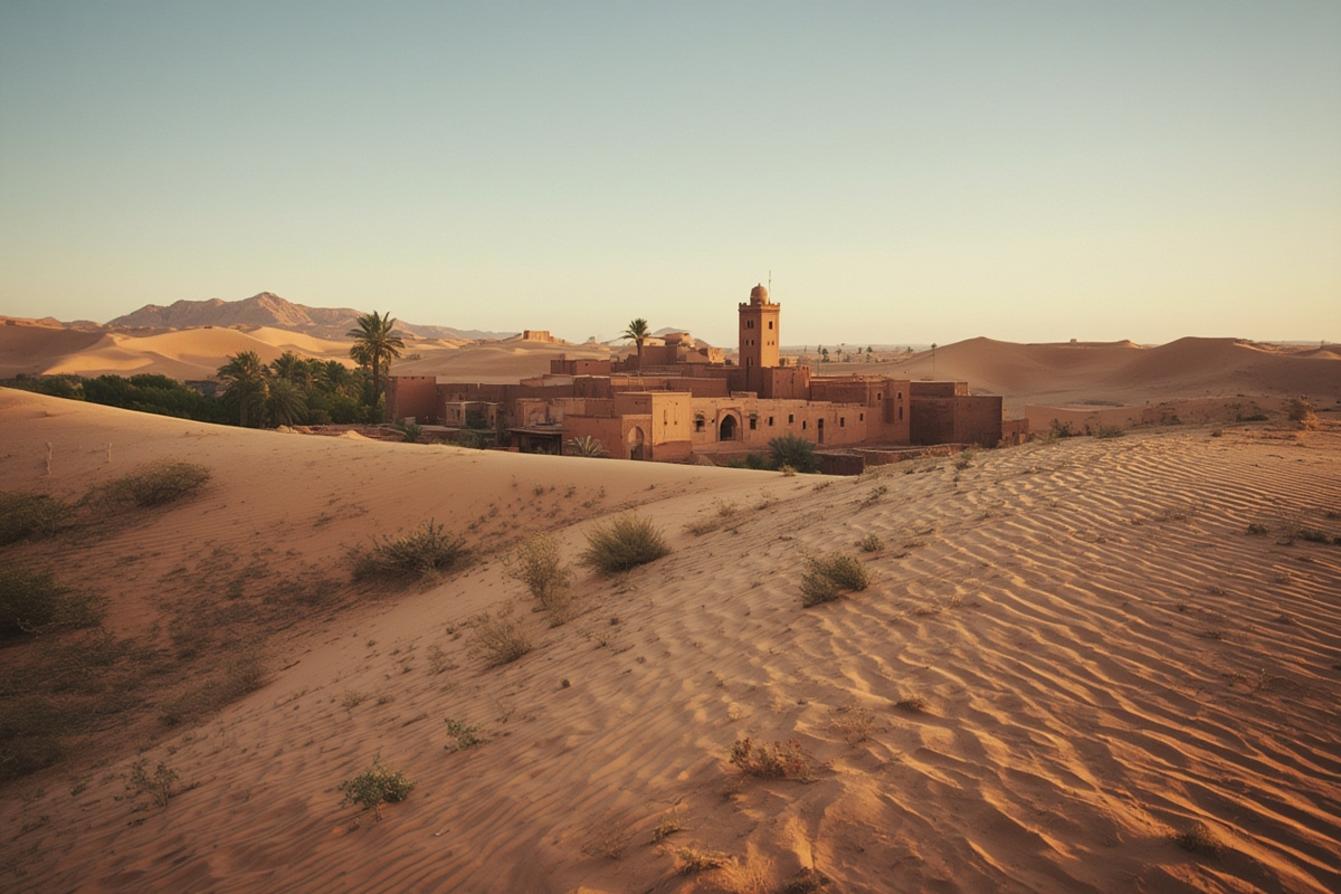
A desert tour Marrakech delivers transformative travel experiences that linger long after you’ve brushed the last sand from your shoes. These journeys offer far more than stunning landscapes—they provide pathways into Morocco’s soul, where ancient traditions survive against spectacular natural backdrops. Whether you choose a quick sunset escape to Agafay or an epic multi-day Sahara expedition, the desert’s magic works subtle transformations, slowing time and amplifying life’s simple pleasures: conversation around flickering fires, silence broken only by wind across dunes, and stars so numerous they merge into glowing clouds.
The contrast between Marrakech’s frenetic energy and the desert’s profound tranquility creates powerful juxtaposition. You return to the city changed, carrying memories of sleeping beneath countless stars, riding camels across ancient sand seas, and sharing meals with people whose lives unfold according to desert rhythms rather than digital notifications. This is adventure with substance—physically engaging, culturally enlightening, and spiritually refreshing in ways that few travel experiences achieve.
FAQs
How long does a desert tour from Marrakech typically take?
Desert tour durations vary widely based on destination. Quick Agafay Desert excursions last just half a day or evening, perfect for travelers with limited time. Standard tours to Zagora run two to three days, while comprehensive Merzouga Sahara experiences typically require three to four days. The lengthy driving times result from Morocco’s vast geography—the Sahara lies roughly 560 kilometers southeast of Marrakech. Rushing through shorter timeframes means spending more time in vehicles than actually experiencing the desert, so consider your available schedule carefully when selecting tour length.
What should I expect regarding bathroom facilities during desert tours?
Bathroom situations depend heavily on your tour category and camp quality. During long drives, restroom stops occur at roadside restaurants and fuel stations with basic facilities—squat toilets are common, so prepare accordingly. Desert camps range from shared outhouse-style facilities with basic squat toilets at budget camps to private en-suite bathrooms with Western toilets and hot showers at luxury camps. Mid-range options typically offer private or semi-private toilet tents with basic washing facilities. Always bring hand sanitizer, personal toilet paper, and wet wipes regardless of stated amenities, as standards vary and supplies sometimes run low.
Are desert tours suitable for children and elderly travelers?
Desert tours can accommodate various ages with proper planning, though physical demands require realistic assessment. The primary challenge involves long driving days—young children may struggle with extended car time, while elderly travelers need adequate rest stops and comfortable seating. Camel riding presents manageable difficulty for most ages, though mounting and dismounting requires assistance and flexibility. Many operators offer 4×4 transfers to camps instead of camel rides upon request. Temperature extremes affect vulnerable travelers more severely, so avoid summer tours with very young or elderly participants. Private tours allow pace customization better than fixed-schedule group options.
Can I do a desert tour during Ramadan?
Desert tours operate year-round including during Ramadan, though some considerations apply. Muslim guides and drivers fast from dawn until sunset, meaning no food or water during daylight hours. While tourists aren’t expected to fast, discretion and cultural sensitivity matter—avoid obviously eating or drinking in front of fasting companions during driving hours. Restaurants along routes may operate limited hours or close entirely during daytime. However, Ramadan creates unique opportunities to experience iftar (the sunset meal breaking fast) in desert camps, often featuring special festive meals and heightened communal spirit. Evening entertainment may be particularly vibrant as camps celebrate together after daylong fasting.





 Covers cities, coast, mountains, desert & food