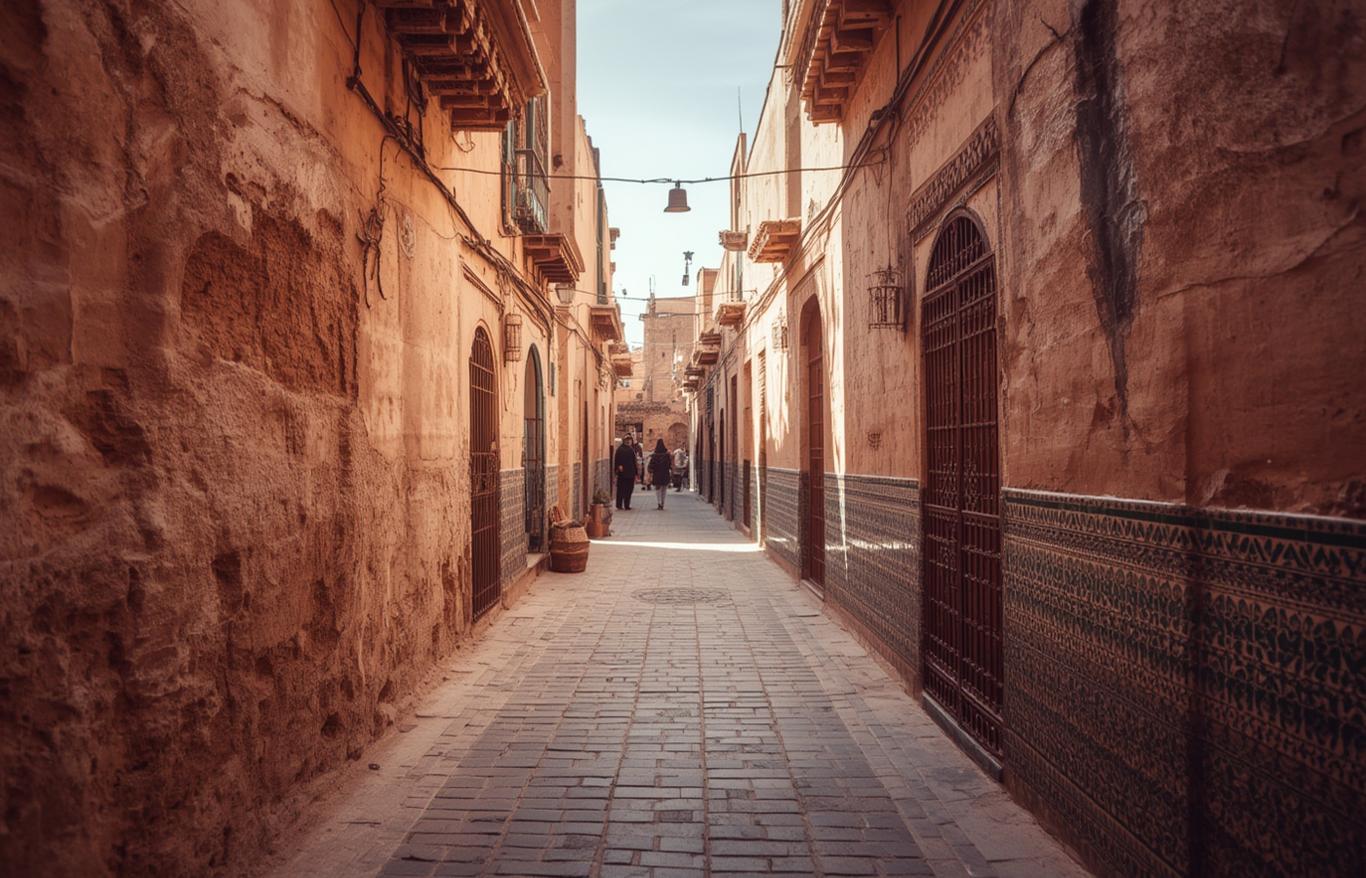
Marrakech pulses with energy that hits you the moment you step into its labyrinth of rust-colored alleys and sun-baked squares. If you’re searching for activities to do in Marrakech, prepare yourself for a city that layers ancient traditions with vibrant modern experiences—where snake charmers perform steps away from rooftop cocktail bars, and centuries-old palaces sit beside bustling night markets. This Moroccan gem offers travelers everything from haggling in aromatic spice souks to galloping across Sahara dunes at sunset, making it one of North Africa’s most intoxicating destinations.
Losing Yourself in the Medina’s Maze
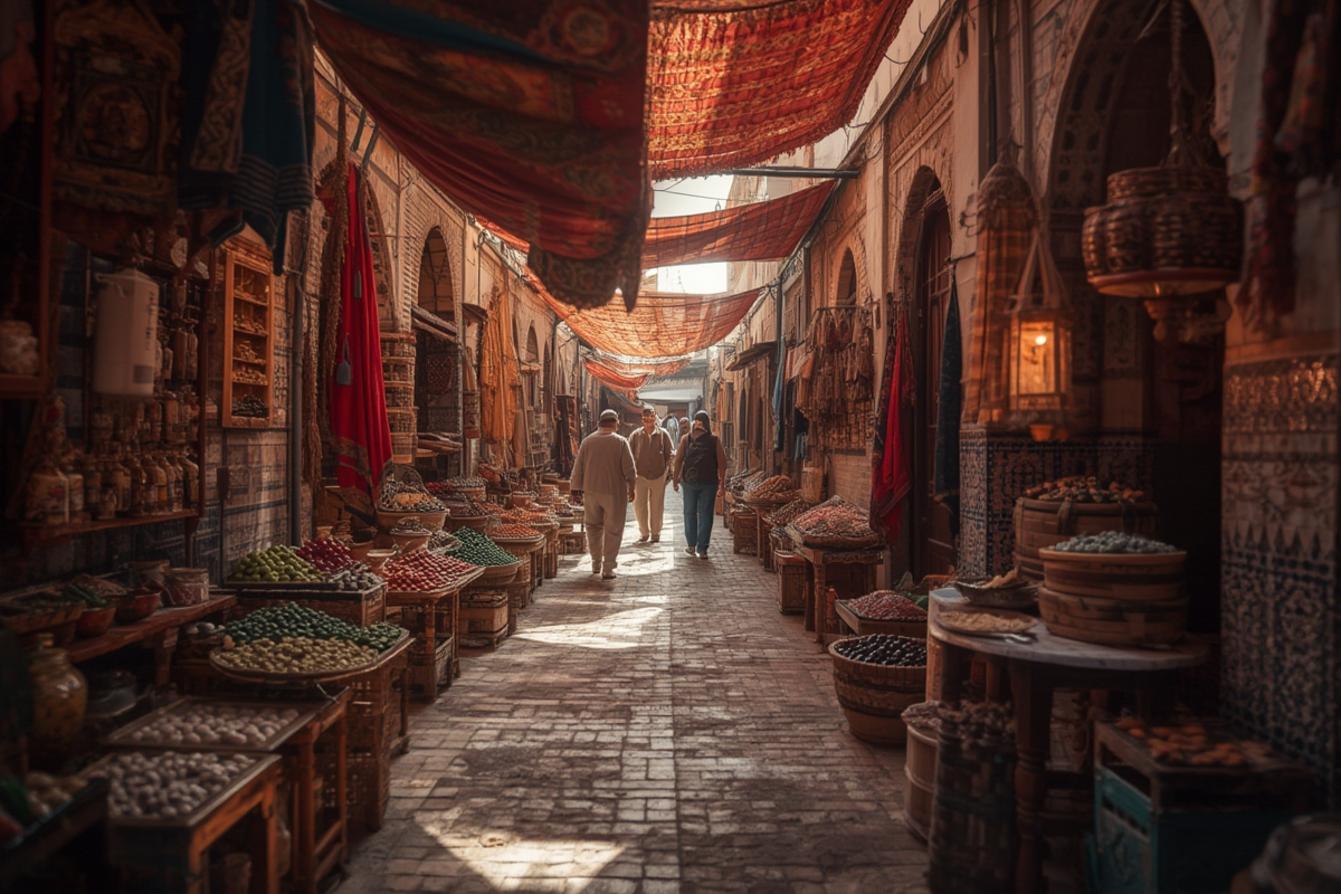
The heart of Marrakech beats strongest inside its UNESCO-listed medina, a walled Old City where narrow passageways twist past workshops, riads, and hidden squares. Starting your exploration at Jemaa el-Fnaa, the central square, gives you immediate immersion into Marrakech’s theatrical street life. By day, juice vendors squeeze fresh oranges while henna artists offer temporary tattoos. As evening descends, the square transforms into an open-air theater—acrobats flip through crowds, storytellers gather listeners in semicircles, and food stalls send charcoal smoke spiraling into the pink sky.
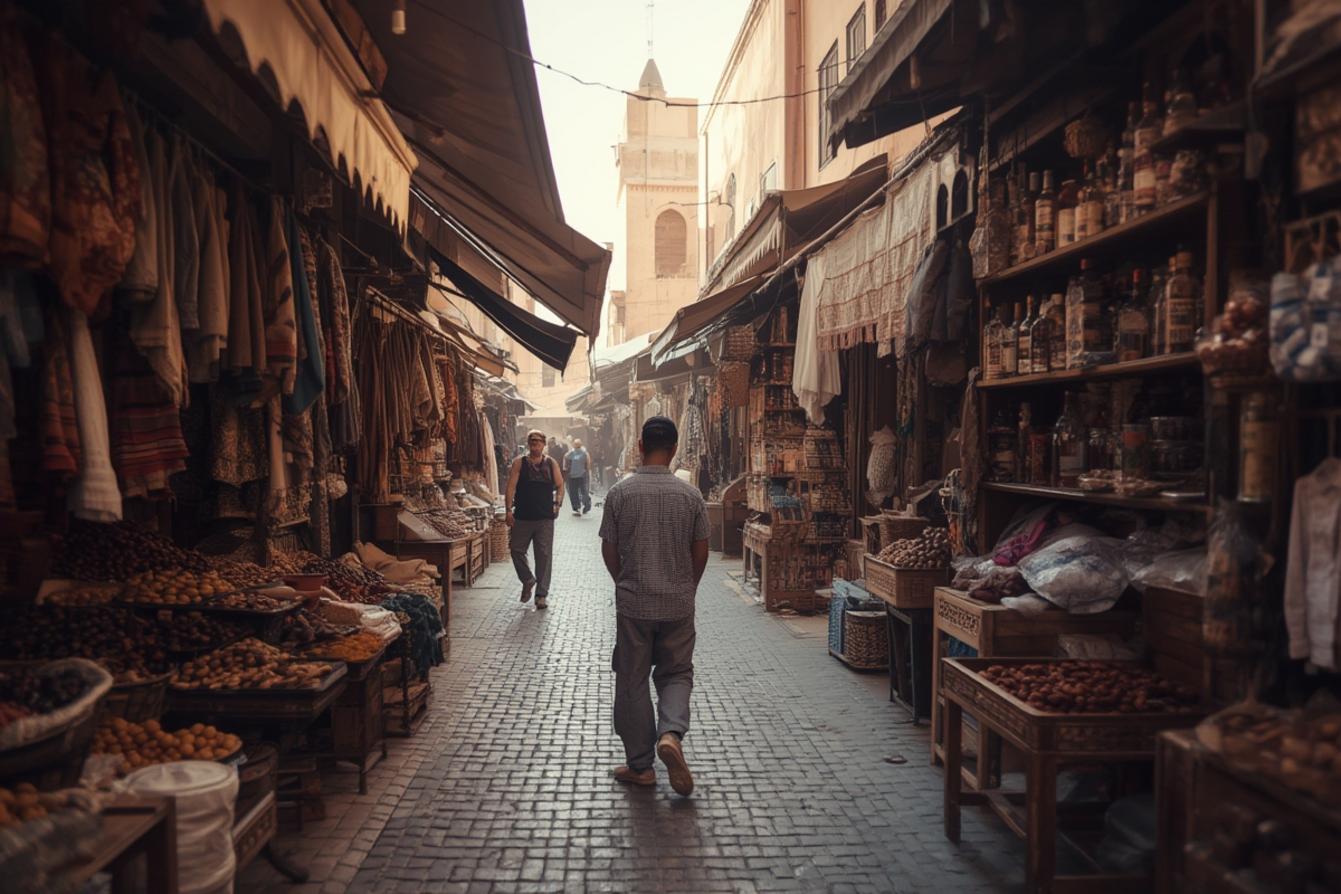
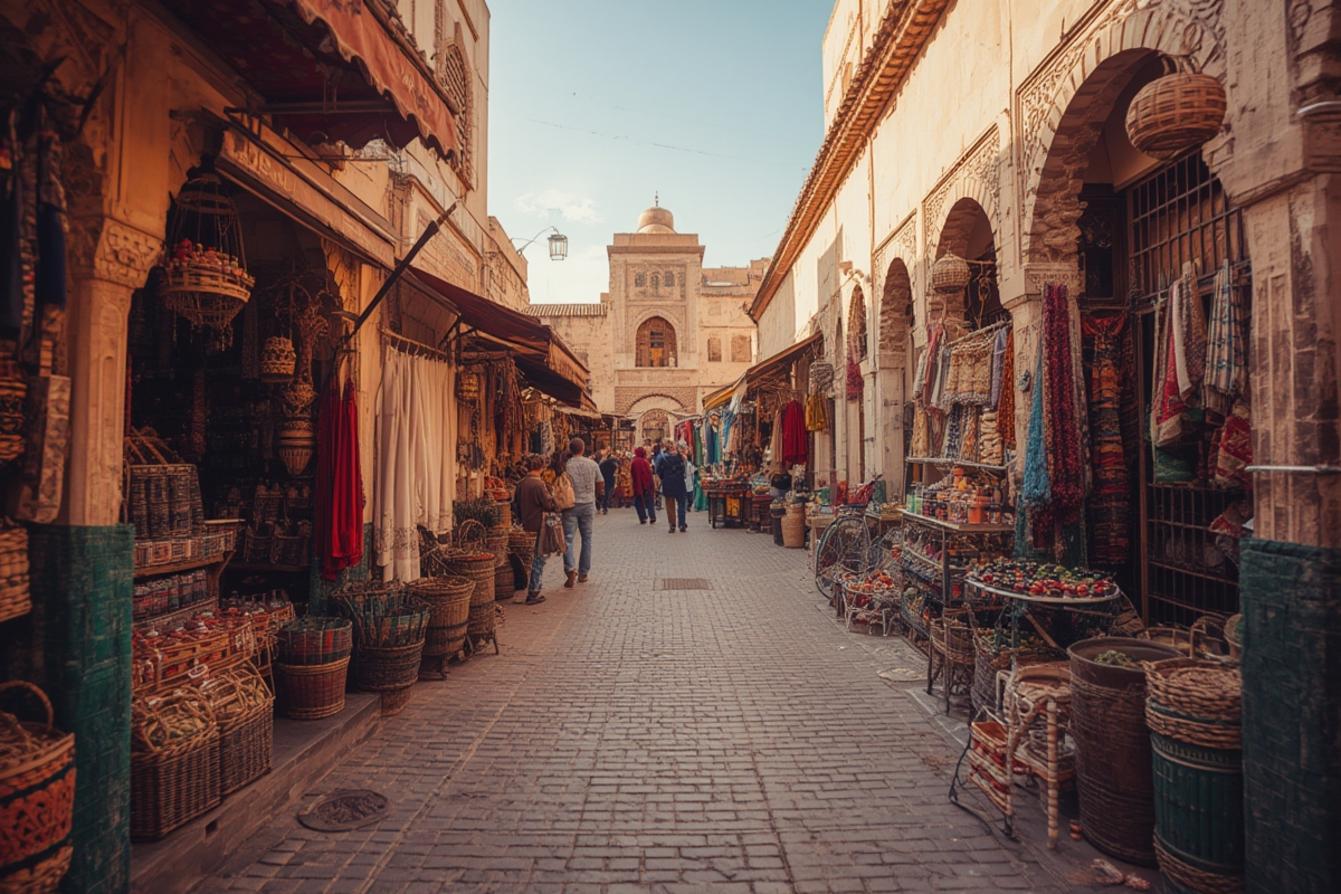
Wandering the souks radiating from Jemaa el-Fnaa feels like stepping through portals into different sensory worlds. The leather tanners’ quarter assaults your nose with pungent染料 vats before rewarding you with rainbow-colored hides drying on rooftops. The blacksmiths’ souk rings with hammer strikes on metal. In the spice market, pyramids of saffron, cumin, and ras el hanout create a painter’s palette while merchants explain traditional Moroccan remedies. Don’t enter with a rigid plan—getting delightfully lost remains one of the best activities to do in Marrakech, and friendly locals often redirect confused travelers with genuine warmth.
Serious shoppers should dedicate hours to the textile souks, where Berber carpets hang like tapestries and skilled negotiation becomes an art form. The initial price often sits three times higher than the vendor expects, so counter with roughly one-third of their ask and enjoy the theatrical back-and-forth. Many artisans work on-site, and watching a craftsman hand-stitch leather babouche slippers or hammer copper trays adds appreciation to your purchases.
Architectural Wonders That Tell Centuries of Stories
Marrakech’s monumental architecture spans dynasties and design philosophies, offering history lessons wrapped in stunning visual experiences. The Bahia Palace stands as perhaps the most photogenic indoor space in the city—its name means “brilliance,” and the 19th-century complex delivers with painted cedar ceilings, zellige tilework in geometric perfection, and courtyards where orange trees perfume the air. Arrive early to beat tour groups and appreciate the intricate craftsmanship without elbowing through crowds.
The Saadian Tombs, hidden for centuries and rediscovered in 1917, pack incredible detail into a compact space. The mausoleums contain over sixty Saadian dynasty members, with the Hall of Twelve Columns showcasing masterwork stucco and marble that rivals anything in Granada’s Alhambra. Entry requires a modest fee, but the short wait to enter protects the delicate interiors from overcrowding.
Religious architecture reaches its apex at the Koutoubia Mosque, whose 70-meter minaret has guided travelers toward Marrakech since the 12th century. While non-Muslims cannot enter, the surrounding gardens provide perfect vantage points for photographs, especially during sunset when the stone glows amber. The call to prayer echoing from this minaret five times daily provides Marrakech’s most iconic soundtrack.
For contemporary architecture enthusiasts, the Yves Saint Laurent Museum presents a stunning contrast—a modern building clad in terracotta bricks that reference traditional weaving patterns while housing rotating exhibitions of the designer’s work. The adjacent Majorelle Garden, rescued from abandonment by Saint Laurent and Pierre Bergé, explodes with cobalt blue walls, exotic plants, and tranquil pools that offer respite from the medina’s intensity.
Culinary Adventures Beyond Tourist Traps
Marrakech’s food scene extends far beyond the generic tagines served to tour buses. Serious food experiences start in neighborhood spots where locals actually eat. Tucked-away cafés in Bab Doukkala serve morning msemen (flaky flatbread) with honey and mint tea for just a few dirhams, while lunch crowds pack into hole-in-the-wall spots for mechaoui—slow-roasted lamb served with cumin salt and fresh bread for scooping.
Food stalls in Jemaa el-Fnaa offer theater with your meal, though quality varies wildly. Stalls numbered in the teens typically serve safer choices—opt for grilled kefta (spiced meatballs), snail soup (more delicious than it sounds), or harira, the tomato-based lentil soup Moroccans break fast with during Ramadan. Watch where Moroccan families eat rather than following the loudest touts.
Cooking classes rank among the most rewarding activities to do in marrakech, particularly those that begin with market tours. Your instructor helps you select ingredients while explaining regional variations—why Marrakech tagines tend sweeter than coastal versions, how to judge saffron quality, which olives work best in preserved lemon recipes. Back in the riad kitchen, you’ll learn the technique behind fluffy couscous, properly balanced spice blends, and the patience required for layered pastilla.
Coffee culture has exploded in Marrakech’s new town (Guéliz), where specialty roasters serve flat whites and single-origin pour-overs that would satisfy any Melbourne barista. Café des Épices in the medina strikes a balance—quality coffee with rooftop medina views where you can decompress between souk sessions.
Desert Escapes and Natural Landscapes
While Marrakech itself sits inland, its position as a launching point for desert and mountain adventures makes these excursions essential activities. The Agafay Desert, just 45 minutes from the city, provides a taste of Sahara landscapes without the full-day commitment. Rocky desert terrain stretches toward the High Atlas Mountains in cinematic vistas, and luxury camps offer everything from sunset camel rides to quad biking across stone valleys. Evening experiences typically include traditional Berber dinners under canvas tents while musicians play around fires—romantic without feeling overly staged.
For more authentic Sahara experiences, multiday tours to Merzouga push deeper into Morocco’s desert heart. The journey itself becomes an adventure, crossing the High Atlas via the Tizi n’Tichka pass, visiting ancient kasbahs in Ouarzazate, and finally reaching the towering Erg Chebbi dunes. Riding camels into orange sand seas as the sun sets ranks among travelers’ most magical Morocco memories, and nights in desert camps—with zero light pollution revealing impossible numbers of stars—provide perspective no city can match.
The Atlas Mountains offer opposite but equally stunning scenery. Imlil, about 90 minutes from Marrakech, serves as base camp for North Africa’s highest peak, Mount Toubkal. Even non-climbers enjoy day trips through Berber villages where traditional life continues largely unchanged—terraced gardens cling to mountainsides, women bake bread in communal ovens, and walnut trees shade paths where mules remain the primary transport. Local guides can arrange everything from gentle valley walks to challenging summit attempts, with mountain guesthouses providing simple but authentic hospitality.
Hammam Rituals and Wellness Traditions
No visit to Marrakech feels complete without experiencing a traditional hammam—part bathing ritual, part social institution, and entirely transformative after days of dusty medina exploration. Public neighborhood hammams offer the most authentic experience at local prices, though they require some cultural navigation. Bring your own toiletries, wear underwear or rent a disposable version, and prepare for enthusiastic scrubbing by attendants who remove impressive amounts of dead skin using rough exfoliating gloves called kessa.
Upscale riads and hotels offer hammam experiences with more privacy and gentler treatments. Les Bains de Marrakech near Bab Doukkala balances authenticity with comfort—heated marble rooms, eucalyptus-scented steam, and therapists who scrub, wash, and massage without the sometimes-aggressive approach of public hammams. The full ritual typically progresses from steam room to body scrub to rhassoul clay mask to massage, leaving your skin impossibly soft and your mind deeply relaxed.
Spa culture has exploded in Marrakech, with riads competing for most Instagram-worthy treatment spaces. Rooftop massage pavilions with Atlas Mountain views, candlelit plunge pools, and treatments incorporating argan oil, rose water, and orange blossom water blend traditional ingredients with luxury presentation. Book treatments in advance during high season, as the best spots fill quickly.
Evening Activities Beyond the Square
As darkness settles over Marrakech, the city’s nocturnal personality emerges. Rooftop terraces become prime real estate—Nomad in the medina serves modern Moroccan cuisine with stunning views across rooftops toward the Koutoubia Mosque, while Le Salama offers cocktails and mezze platters in a location that captures sunset magic. These elevated spaces provide breathing room from street-level intensity while keeping you visually connected to the medina’s romantic chaos.
Marrakech’s nightlife scene surprises many visitors with its sophistication. In Guéliz and Hivernage, bars and clubs that would fit in Beirut or Barcelona draw stylish Marrakchis and international visitors. Theatro attracts the fashion-forward crowd with its dramatic Venetian-inspired interior, while So Lounge offers house music and cocktails in a multi-level complex. Remember that while Morocco is relatively liberal, public intoxication remains culturally inappropriate and can draw police attention.
For cultural evening activities, check schedules at Théâtre Royal or various riads that host Gnawa music performances. Gnawa trance music, with its hypnotic bass instruments and call-and-response vocals, originated with West African communities and has become central to Moroccan musical identity. Seeing a live performance—particularly during the annual Gnawa World Music Festival—offers deeper cultural connection than any souvenir could provide.
Traditional fantasia shows staged outside the city combine equestrian skills with theatrical pageantry. Riders in traditional dress gallop toward audiences before firing rifles simultaneously in thunderous volleys, while folk dancers and acrobats fill intervals between horse displays. Though clearly tourist-oriented, these shows preserve cavalry traditions with impressive horsemanship and production values that justify the ticket price.
Practical Planning for Maximum Marrakech Enjoyment
Timing your visit significantly impacts your experience of things to do in morocco. Spring (March through May) and autumn (September through November) offer ideal weather—warm days perfect for outdoor exploration without summer’s punishing heat or winter’s surprisingly chilly nights. Summer temperatures regularly exceed 40°C (104°F), making midday activities uncomfortable, while winter brings cold that catches travelers expecting perpetual warmth unprepared.
Three to four days allows proper Marrakech exploration without feeling rushed. Dedicate one full day to medina wandering and souk shopping, another to palaces and gardens, and reserve at least one day for an excursion beyond city limits. This pacing lets you absorb the city’s intensity without burning out—Marrakech’s sensory overload affects even experienced travelers, and building in breaks prevents overwhelm.
Dress respectfully but comfortably. While Marrakech shows more tolerance than rural Morocco, modest clothing—shoulders covered, pants or skirts below knee, nothing too tight—shows cultural awareness and reduces unwanted attention. Women particularly report significantly better experiences when dressed conservatively. Comfortable walking shoes with good support matter more than fashion, as you’ll cover miles daily on uneven cobblestones.
Cash remains king in Marrakech despite increasing card acceptance. ATMs cluster near Jemaa el-Fnaa and throughout Guéliz, but notify your bank before traveling to avoid card blocks. Keep small bills separate for quick purchases—breaking large notes for a 10-dirham item frustrates vendors. Bargaining applies in souks but not in restaurants or fixed-price shops, and a respectful negotiation style works better than aggressive haggling.
Conclusion
The remarkable range of activities to do in Marrakech ensures that every traveler finds their perfect Moroccan experience, whether that means haggling for antique doors in the souks, sipping mint tea in a centuries-old palace garden, or watching sunset paint the Atlas Mountains gold from a desert camp. The city rewards curiosity and patience—rushing through a checklist of sights misses the point entirely, while allowing time to get lost, share tea with a carpet seller, or simply watch medina life unfold from a café reveals Marrakech’s true character. This is a city that engages all senses simultaneously, challenges comfortable Western habits, and ultimately delivers travel experiences that linger in memory long after the red dust has been washed from your shoes.
FAQs
How many days should I spend in Marrakech?
Three to four days provides an ideal balance for exploring Marrakech properly. This allows one full day for the medina and souks, another for major palaces and gardens like Bahia Palace and Majorelle Garden, and at least one day for an excursion to the Atlas Mountains or Agafay Desert. If you plan a multiday Sahara trip, add those days separately. Travelers with only two days can hit major highlights but will feel rushed, while a full week lets you dig deeper into neighborhoods, take multiple excursions, and truly relax into the city’s rhythm without constant sightseeing pressure.
Is Marrakech safe for solo female travelers?
Marrakech is generally safe for solo female travelers who take standard precautions. The city sees millions of international visitors annually, and serious crime targeting tourists remains rare. That said, women often report experiencing persistent attention, catcalling, and unwanted approaches, particularly in tourist areas. Dressing modestly significantly reduces unwanted interactions, as does walking with confidence and purpose. Many solo women travelers report better experiences staying in well-reviewed riads rather than hotels, as riad staff often provide navigation help and cultural guidance. Joining group activities or day tours offers social connection while reducing solo visibility. Trust your instincts—if a situation feels uncomfortable, most shops and cafés welcome you to step inside until it passes.
What’s the best way to get around Marrakech?
Walking remains the best way to explore the medina, as its narrow alleys prohibit vehicles. For longer distances between the medina and Guéliz or Hivernage, official petit taxis (small beige cabs) work well—insist the driver use the meter or agree on a price before departure. Expect 20-40 dirhams for most cross-town trips. Many visitors download Careem or InDrive (ride-hailing apps popular in Morocco) for transparent pricing. Horse-drawn calèches circle tourist areas but often overcharge and involve pushy drivers. For day trips beyond the city, hiring a private driver provides flexibility and comfort, typically costing 400-800 dirhams depending on distance and vehicle type. Many riads arrange reliable drivers they’ve worked with for years, removing negotiation stress.
Can I drink alcohol in Marrakech?
Yes, but within certain contexts. Morocco is a Muslim-majority country where alcohol consumption is legal but culturally sensitive. Licensed hotels, restaurants, and bars in tourist areas and Guéliz serve alcohol, with wine, beer, and spirits readily available. The medina has fewer options, though some riad restaurants serve alcohol to guests. You won’t find alcohol in traditional Moroccan cafés or street-side restaurants, and public intoxication is both culturally inappropriate and potentially illegal. Supermarkets in Guéliz have dedicated alcohol sections (sometimes behind separate doors) where you can purchase bottles to enjoy privately. During Ramadan, alcohol availability becomes more restricted, with some venues suspending service during daylight hours out of respect for those fasting.



 Covers cities, coast, mountains, desert & food