
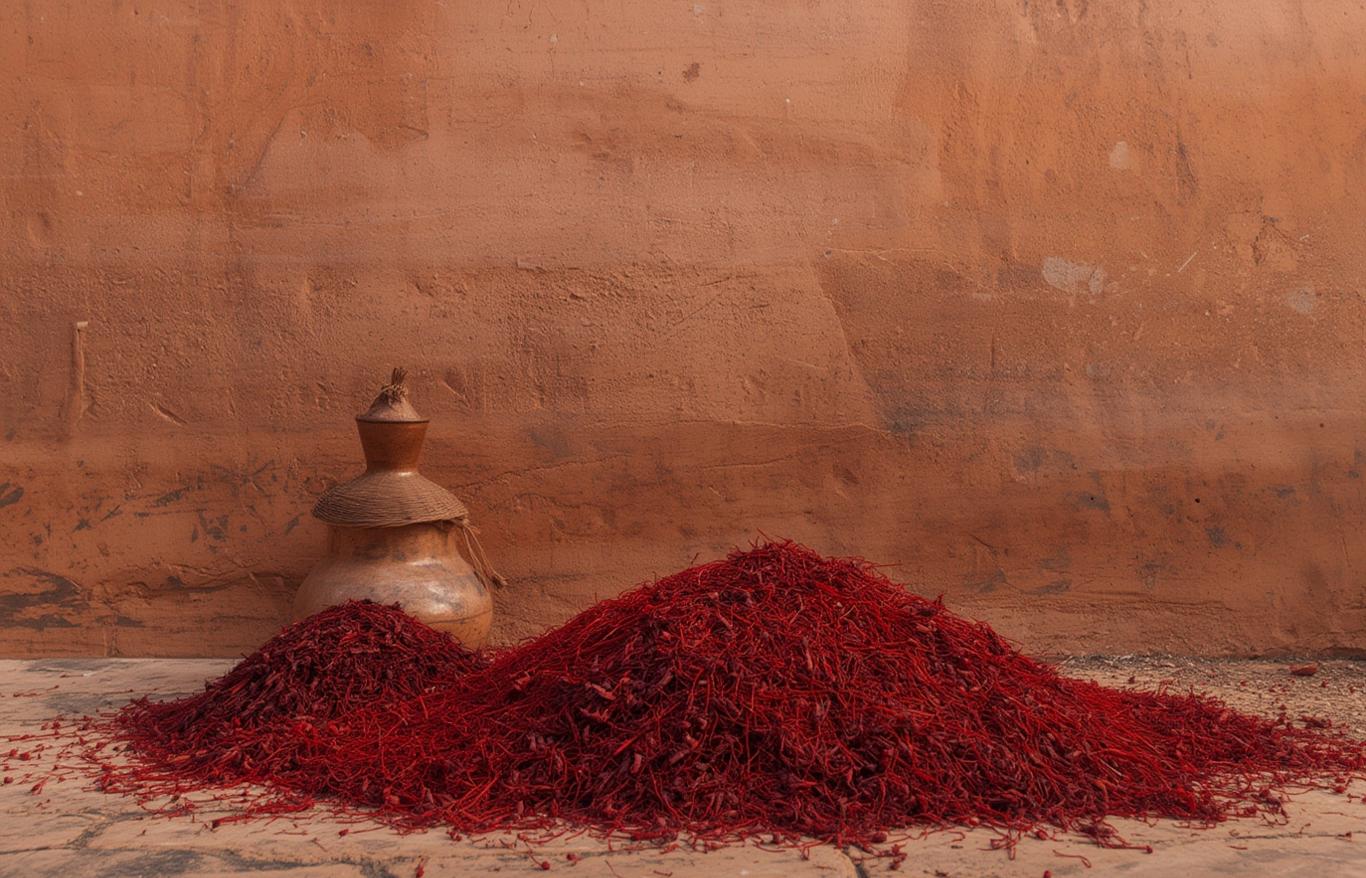
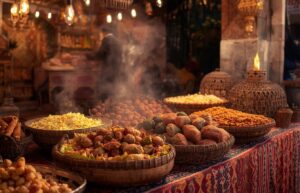
Stepping into the vibrant markets of Morocco, one quickly encounters an intoxicating symphony of aromas and colors. Among the most prized treasures nestled within these spice-laden souks is saffron, a spice revered for its magnificent hue, subtle aroma, and potent flavor. More than just a culinary ingredient, Moroccan saffron traditions are deeply woven into the fabric of daily life, celebrating millennia of cultural heritage and agricultural wisdom. This article delves into the ancient world of Moroccan saffron, uncovering its storied past, the meticulous traditions that bring it from field to table, and its integral role in Moroccan cuisine and culture. From the arid plains where it is cultivated to the bustling kitchens where it imparts its magic, we’ll explore why this “red gold” continues to captivate hearts and palates worldwide.
Taliouine: The Heartbeat of Moroccan Saffron
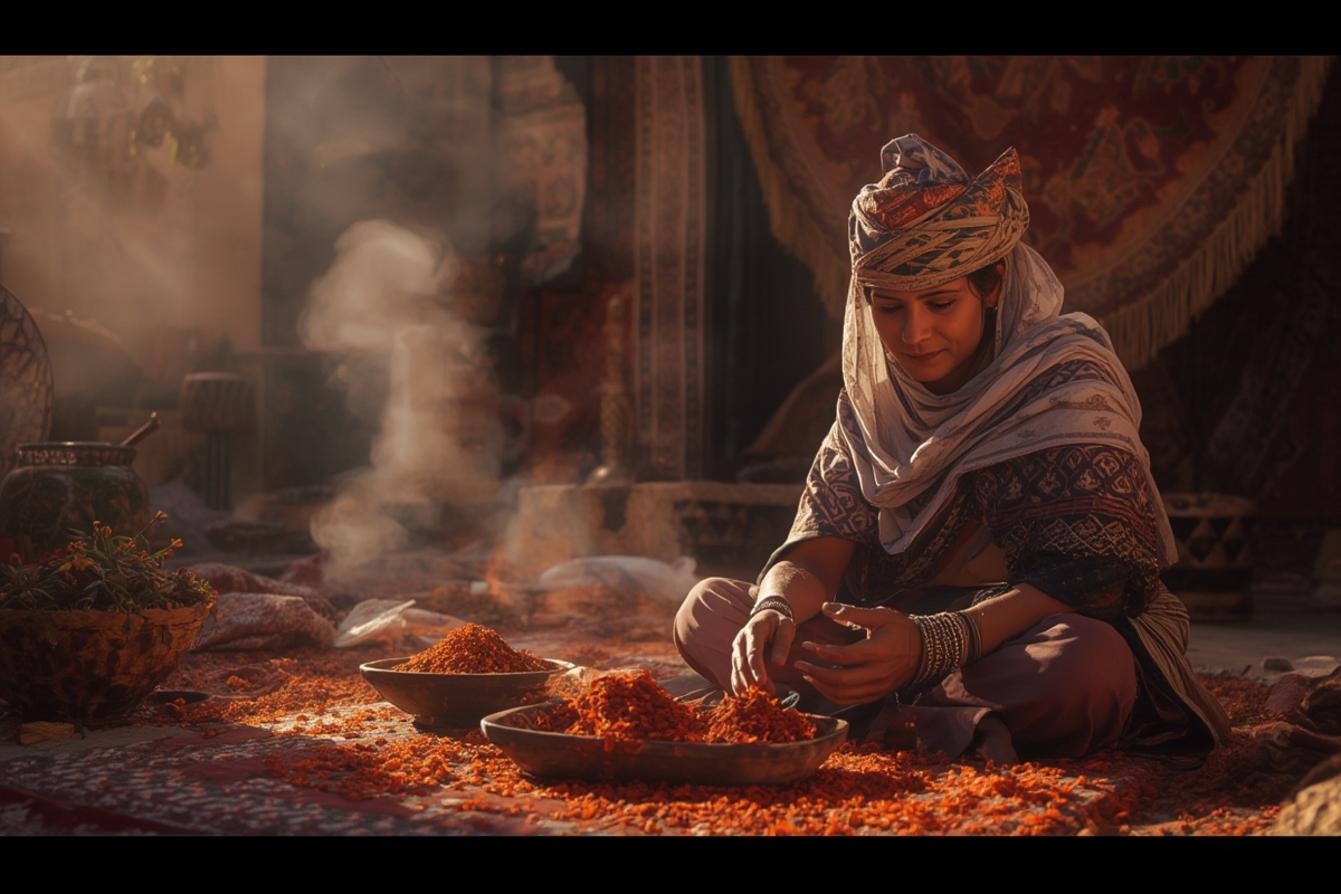
Journeying south of Marrakech, past the High Atlas Mountains, you’ll arrive in Taliouine, a small town that proudly wears the crown as Morocco’s saffron capital. This region’s unique climate – hot, dry summers and cold winters – along with its fertile soil, creates the perfect conditions for growing Crocus sativus, the saffron crocus. Here, the cultivation and harvest of saffron are not merely agricultural practices but vital, centuries-old traditions passed down through generations. Families work together, rising before dawn during the harvest season (typically late October to mid-November) to carefully hand-pick the delicate purple flowers before the sun’s rays can damage their precious stigmas. This painstaking process, often performed by women, embodies the true essence of Moroccan saffron traditions. Their nimble fingers deftly pluck each bloom, protecting the three fiery red stigmas housed within, which are then carefully dried to become the spice we know.
The Art of Drying and Grading: Preserving Saffron’s Potency
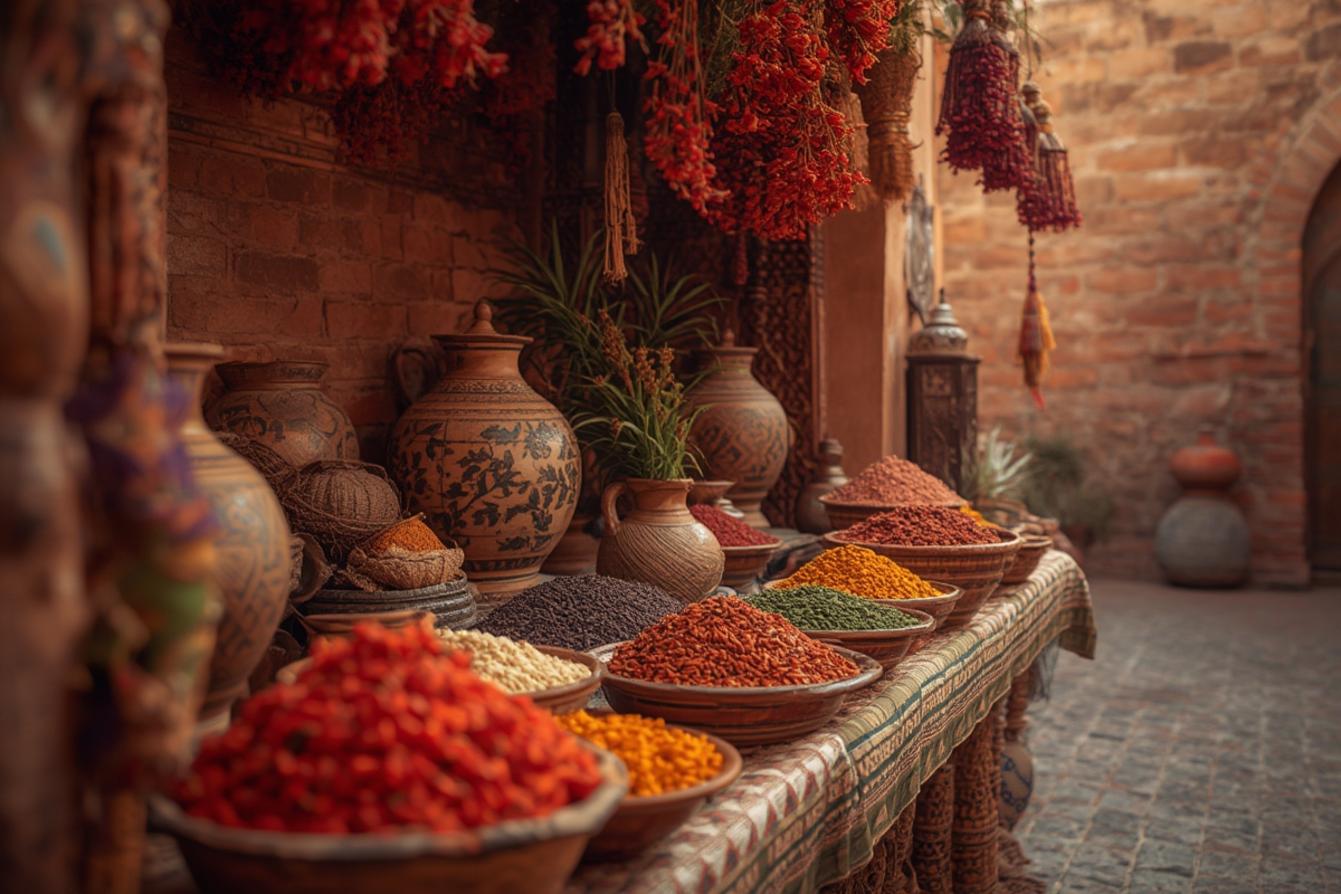
Once harvested, the delicate stigmas must be dried, a critical step that dictates the saffron’s quality and shelf life. Traditionally, this is done naturally, often over low heat or in shaded, well-ventilated areas, ensuring uniform dehydration without losing any of its volatile compounds that give saffron its distinct fragrance and flavor. The drying process is as much an art as it is a science, requiring an acute sense of timing and observation. After drying, the saffron is meticulously sorted and graded. Top-quality Moroccan saffron, known for its deep crimson color and long, unbroken threads, is highly sought after. These visual cues, along with its intense aroma, are indicators of its purity and potency. Understanding these nuances is key whether you’re buying saffron from local farmers or exploring the rich tapestry of Moroccan spice markets. The effort involved in each step, from planting to grading, underscores why saffron remains one of the world’s most expensive spices.
Saffron’s Role Beyond the Plate: Medicine and Mysticism
While saffron is celebrated globally for its culinary prowess, its significance in Morocco extends far beyond the kitchen. For centuries, Moroccan saffron traditions have embraced the spice for its perceived medicinal properties. Traditional Moroccan medicine often incorporates saffron as a remedy for various ailments, from improving mood and memory to aiding digestion and relieving pain. It’s believed to possess antioxidant, anti-inflammatory, and even antidepressant qualities. Furthermore, in certain local customs and rituals, saffron holds a symbolic, almost mystical, value. It has been used in traditional dyes, perfumes, and even as a good luck charm in some communities. This multifaceted role highlights saffron’s deep integration into Moroccan life, symbolizing purity, luxury, and well-being.
Culinary Alchemy: Infusing Flavor and Color
In Moroccan cuisine, saffron is a culinary magician, transforming dishes with its golden hue and complex, floral-honeyed notes. It’s rarely used as a dominant flavor but rather as an enhancer, adding depth and a touch of luxury to a wide array of dishes. Tagines, Morocco’s iconic slow-cooked stews, frequently feature saffron, particularly those with chicken or lamb, where it beautifully complements the rich spices like ginger and turmeric. The most effective way to extract saffron’s full potential is to steep a few threads in warm water or broth for about 10-15 minutes before adding it to the dish. This blooming process releases its vibrant color and delicate aroma, ensuring an even distribution throughout the meal.
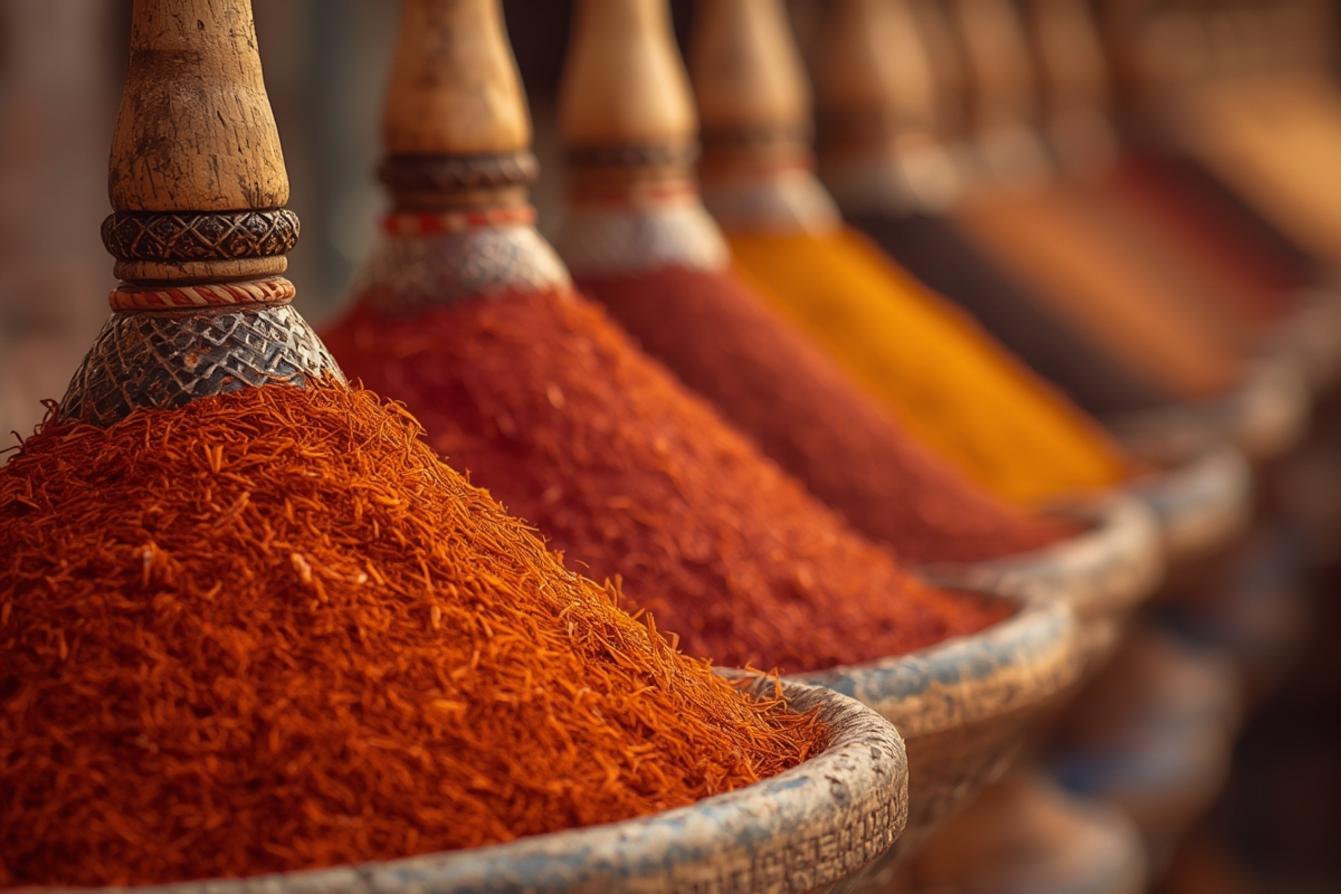
Beyond tagines, saffron finds its way into couscous dishes, lending an extra layer of sophistication, and even some traditional Moroccan bread recipes. Don’t be surprised to find it subtly elevating pastries or infused into certain Moroccan teas, especially during special occasions. The judicious use of saffron is a hallmark of skilled Moroccan cooking, reflecting an appreciation for its subtle power to elevate the ordinary to the extraordinary. When exploring Moroccan saffron traditions, tasting its influence in local dishes is an absolute must.
Ethical Sourcing and Sustainability in Moroccan Saffron
As global demand for saffron grows, the emphasis on ethical sourcing and sustainable practices within Moroccan saffron traditions becomes increasingly important. Many local cooperatives in the Taliouine region are working to ensure fair wages for farmers and to promote environmentally friendly cultivation methods. Travelers who wish to support these traditions can seek out saffron directly from these cooperatives or reputable vendors who guarantee ethical sourcing. Visiting a saffron farm, particularly during harvest season, offers a unique opportunity to witness the labor of love that goes into producing this exquisite spice and to understand the socio-economic impact it has on local communities. It’s an immersive experience that deepens one’s appreciation for the cultural significance and meticulous craftsmanship behind every thread of Moroccan saffron.
Separating Fact from Imitation: Buying Authentic Saffron
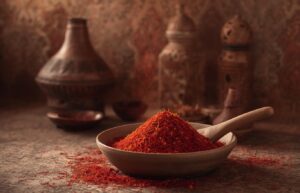
Given saffron’s high value, the market unfortunately sees its fair share of counterfeits and lower-grade imitations. For travelers eager to bring home genuine Moroccan saffron, knowing how to identify the real deal is crucial. Authentic saffron threads should be uniformly dark red or crimson, with a trumpet-shaped end. Avoid threads that appear yellow or orange at the tips, as this can indicate lower quality or even artificial coloring. The aroma should be distinctively strong, a mix of floral, earthy, and slightly sweet notes – never chemical or metallic. A simple test involves placing a few threads in warm water; real saffron will slowly release a golden color without immediately dissolving, whereas fakes might rapidly bleed color or produce very little. Purchasing from trusted local vendors, especially in regions known for saffron like Taliouine, or from certified cooperatives, significantly reduces the risk of buying inferior products. A little knowledge goes a long way in ensuring you experience the true magic of Moroccan saffron traditions.
Conclusion
The captivating world of Moroccan saffron traditions is far richer than just a spice. It’s a testament to ancient agricultural practices, dedicated communities, and a culinary heritage that values quality and flavor above all else. From the purple fields of Taliouine to the aromatic tagines of Marrakech, saffron threads a golden line through Moroccan culture, enriching its food, its medicine, and its very essence. To truly understand Morocco, one must appreciate the meticulous care and profound respect given to this precious “red gold.”
FAQs
What is the best time of year to visit Morocco to see saffron harvest?
The saffron harvest season in Morocco typically runs from late October to mid-November. If you wish to witness the delicate process of picking crocuses, this is the ideal time to visit saffron-growing regions like Taliouine.
How can I tell if the saffron I’m buying in Morocco is authentic?
Authentic Moroccan saffron threads should be deep crimson, have a distinctive floral-earthy aroma, and slowly release a rich golden color when steeped in warm water. Avoid threads that are overly yellow, have a weak smell, or quickly dissolve into a bright, unnatural color. Buying from reputable cooperatives or specialty spice shops is recommended.
Besides culinary use, what other traditional uses does Moroccan saffron have?
Beyond cooking, Moroccan saffron traditions include uses in traditional medicine for its purported antioxidant and mood-enhancing properties. It’s also used in some traditional dyes, perfumes, and occasionally holds symbolic value in local customs and ceremonies.
Are there any specific regions in Morocco famous for saffron?
Yes, the small town of Taliouine, located in the Souss-Massa region of southwestern Morocco, is widely recognized as the saffron capital of the country. This region’s unique climate and soil are ideal for cultivating high-quality saffron.



 Covers cities, coast, mountains, desert & food