
What Makes Marrakech the City That Never Stops Enchanting
Few places on earth command presence quite like marrakech the city that has captivated travelers for nearly a thousand years. Nestled against the dramatic backdrop of the snow-capped Atlas Mountains, this ochre-walled metropolis pulses with an energy that feels simultaneously ancient and urgently contemporary. The moment you step into its labyrinthine medina, you’re pulled into a sensory whirlwind where donkey carts navigate alongside motorbikes, where centuries-old riads hide Wi-Fi lounges, and where the call to prayer echoes over rooftop bars serving craft cocktails.
What sets Marrakech apart isn’t just its famous landmarks or vibrant markets—it’s the way the city wears its contradictions so comfortably. This is a place where luxury spa hammams operate within medieval bathhouses, where French-speaking fashionistas bargain alongside Berber grandmothers in traditional djellabas, and where cutting-edge contemporary art galleries occupy restored fondouks that once sheltered camel caravans. Understanding this duality is essential to appreciating why Marrakech continues to draw artists, entrepreneurs, backpackers, and luxury seekers in equal measure.
The Living Theatre of Djemaa el-Fna and Medina Life
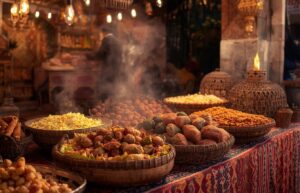
At the beating heart of marrakech the city lies Djemaa el-Fna, a square unlike any other urban space in the world. By day, it’s a sprawling marketplace where orange juice vendors compete for attention, snake charmers coax cobras from wicker baskets, and henna artists decorate tourists’ hands with intricate designs. But as sunset approaches, the square undergoes a magical transformation into an open-air food court and entertainment venue where smoke from a hundred grills rises into the pink evening sky.
The real education happens when you venture beyond the square into the medina’s twisting derbs—narrow alleyways that have remained largely unchanged since the 12th century. Here, life unfolds at a pace set centuries ago. Craftsmen hammer copper in dim workshops their families have occupied for generations. Children kick footballs against walls decorated with fading Moorish tiles. Women lean from second-story windows to pull up baskets of bread and vegetables on ropes, a system more efficient than navigating the crowded lanes below.
The medina quarters each have distinct personalities. The northern reaches near Bab Doukkala feel more residential and authentically local, while the areas around Rue Riad Zitoun burst with tourist-facing shops. Learning to read these subtle shifts helps you navigate not just physically, but culturally through the complex social fabric of traditional Marrakech life.
Architectural Masterpieces That Define the Cityscape

The architectural heritage of marrakech the city reads like a timeline of Moroccan dynasties, each leaving their signature monuments. The Koutoubia Mosque, with its 70-meter minaret dominating the skyline, has been calling faithful to prayer since 1158. While non-Muslims cannot enter the prayer hall, the minaret’s perfect proportions and the serene gardens surrounding the mosque offer insight into Islamic architectural principles where beauty serves spirituality.
The Bahia Palace tells a different story—one of 19th-century opulence and political intrigue. Its name means “brilliance,” and the restored chambers don’t disappoint, with their painted cedar ceilings, zellij tilework, and succession of intimate courtyards designed to progressively reveal the palace’s splendor. Unlike the austere religious architecture, the Bahia embodies secular luxury, showing how Morocco’s elite lived when European influences began mingling with traditional Moroccan aesthetics.
For a glimpse into the city’s scholarly past, the Ben Youssef Madrasa demonstrates how educational institutions doubled as architectural showcases. Though it stopped functioning as a Quranic school decades ago, the carved stucco, marble columns, and geometric patterns covering every surface reveal the Islamic principle that surrounding students with beauty elevates their learning. Walking through its tiny student cells upstairs—where young scholars once memorized the Quran in spartan conditions—provides sobering contrast to the ornate public spaces below.
The Souk Experience: Navigating Morocco’s Most Famous Markets
No discussion of Marrakech would be complete without addressing its legendary moroccan souks, which spread across acres of covered alleys north of Djemaa el-Fna. These aren’t generic tourist markets—they’re working commercial districts organized by trade guilds dating back centuries. The blacksmiths cluster in one souk, the leather workers in another, the spice merchants in yet another, creating a sensory journey that changes completely every few turns.
The leather tanneries remain controversial attractions. Yes, they smell exactly as bad as everyone warns, and yes, mint sprigs barely help. But watching dyers stand waist-deep in stone vats of natural pigments—methods unchanged since medieval times—offers unfiltered insight into how traditional crafts survive in the modern economy. The showrooms above the tanneries push leather goods hard, but understanding you’re seeing a genuine production process, not a tourist show, changes the dynamic.
Smart souk navigation requires accepting that you’ll get lost. That’s not failure—it’s how you discover the carpet cooperative where women explain regional weaving patterns, or the herbalist who can identify traditional remedies from piles of roots and dried flowers, or the textile dealer who pulls out antique wedding blankets from rural Berber villages. The merchants who don’t aggressively tout for business often have the most interesting inventory and stories.
The Nouvelle Ville: Marrakech’s Contemporary Face

Beyond the medina walls, marrakech the city reveals its modern ambitions through districts that could belong to any cosmopolitan Mediterranean city. Gueliz, developed during the French Protectorate, functions as the commercial and residential heart for many Marrakchis. Wide boulevards lined with fashion boutiques, contemporary art galleries, and European-style cafés present a stark contrast to the medina’s medieval chaos. This is where locals shop for groceries at Carrefour, catch films at modern cinemas, and conduct business in glass-fronted offices.
Hivernage, adjacent to Gueliz, leans upscale with luxury hotels, high-end restaurants, and nightclubs that wouldn’t feel out of place in Dubai or Barcelona. This is where Marrakech’s reputation for luxury tourism takes physical form—infinity pools overlooking palm groves, celebrity chef restaurants serving fusion cuisine, and clubs where international DJs perform for crowds mixing wealthy Moroccans, European expats, and visiting tourists.
The real revelation happens when you realize these aren’t separate cities but interconnected parts of the same urban organism. Young Marrakchis flow between worlds—working in Gueliz offices by day, meeting friends in medina cafés for mint tea, then heading to Hivernage clubs at night. For travelers looking to understand contemporary Morocco beyond the exotic medieval atmosphere, spending time in the Nouvelle Ville neighborhoods provides essential context about where Moroccan urban culture is actually heading.
The Garden Sanctuaries and Creative Spaces
Marrakech earned its nickname “Red City” from the rusty ochre of its walls and buildings, but green spaces provide crucial relief from the urban intensity. The Majorelle Garden represents the most famous example—French painter Jacques Majorelle created this botanical sanctuary in the 1920s, later restored by fashion designer Yves Saint Laurent. The electric blue buildings against bamboo groves and cactus collections create an aesthetic so distinctive it launched a paint color named “Majorelle Blue.”
Less crowded but equally fascinating, the Menara Gardens showcase traditional Moroccan landscape design where functionality and beauty intertwine. The enormous reflecting pool, fed by ancient underground irrigation channels from the Atlas Mountains, was designed to water the surrounding olive groves while providing a contemplative space for city residents. Locals picnic here on weekends, reminding visitors that Marrakech belongs to Moroccans first, tourists second.
The contemporary art scene thrives in unexpected corners of marrakech the city. The Museum of Photography preserves thousands of historical images showing the city’s evolution, while private galleries scattered through both the medina and Gueliz showcase Moroccan contemporary artists grappling with questions of tradition, modernity, and identity. The annual Marrakech Biennale transforms the city into North Africa’s answer to Venice’s art festival, proving that cultural innovation continues to define this city as much as historical preservation.
Practical Wisdom for First-Time Visitors
Understanding money dynamics helps prevent common frustrations. While cards work in hotels and upscale restaurants, the medina runs on cash. ATMs cluster around Djemaa el-Fna and throughout Gueliz, but keep smaller notes for souks and taxis. Bargaining is expected in markets but not in shops with marked prices—learning to read these signals prevents awkward situations. Starting at 30-40% of the initial asking price isn’t insulting; it’s protocol.
Transportation requires strategic thinking. The medina itself is pedestrian-only, making comfortable walking shoes non-negotiable. For trips between the medina and Gueliz or to the Palmeraie, petit taxis (small red cars) are affordable and metered, though drivers may claim the meter is broken during peak tourist seasons—insist on the meter or agree on a price before departing. The city’s new tram system connects major areas efficiently, and ride-hailing apps like Heetch work similarly to Uber.
Accommodation choice dramatically affects your experience. Staying in a traditional riad within the medina puts you in the heart of ancient Marrakech but means navigating crowded souks whenever you come and go. Hotels in Gueliz or Hivernage offer modern conveniences, pools, and easier logistics, but you’ll spend more time transiting to main attractions. Many seasoned visitors split their stay—a few nights in a medina riad for atmosphere, then a modern hotel for relaxation before departure.
For those wanting deeper cultural engagement, marrakech the city serves as the perfect starting point for exploring wider Morocco. Day trips to the Atlas Mountains, the coastal charm of Essaouira, or even multi-day excursions to the Sahara all depart from Marrakech, making it an ideal base for understanding Morocco’s geographic and cultural diversity.
Conclusion

Marrakech the city defies simple categorization because it refuses to choose between past and future, between sacred and secular, between local and global. This tension creates the magnetic force that has drawn travelers, artists, and dreamers for generations. The snake charmers in Djemaa el-Fna coexist with rooftop cocktail bars. Medieval tanneries operate blocks from contemporary art galleries. Ancient irrigation systems water golf courses designed by European architects.
Understanding Marrakech means accepting these contradictions as features, not bugs. The city works precisely because it doesn’t resolve its tensions—it channels them into creative energy that makes every visit feel different from the last. Whether you spend three days or three months, you’ll leave with stories that seem implausible when you tell them later, yet they’re all absolutely true. That’s the essence of marrakech the city: a place where magic isn’t just a marketing slogan but the everyday reality of a city that’s been enchanting visitors since long before tourism was even a concept.
FAQs
How many days should I spend in Marrakech?
Three full days allows you to cover the major attractions—the medina and souks, key monuments like Bahia Palace and Saadian Tombs, Djemaa el-Fna’s day and night transformations, and a day trip to the Atlas Mountains or a garden tour. However, five to seven days lets you develop a rhythm with the city, discover neighborhoods beyond the tourist circuit, take a cooking class, enjoy hammam treatments, and day-trip to Essaouira or the Ourika Valley. First-time visitors often underestimate how much time they’ll want simply wandering the medina without agenda once they settle into Marrakech’s unique pace.
Is Marrakech safe for solo travelers and women?
Marrakech is generally safe with normal urban precautions. Violent crime against tourists is rare, though petty theft and scams exist as in any major tourist city. Solo women travelers should expect attention ranging from marriage proposals to persistent shop invitations, which can be exhausting but rarely threatening. Dressing modestly—covering shoulders and knees—reduces unwanted attention. The medina’s narrow lanes feel intimidating initially but are populated day and night. Avoid isolated areas after dark, use official taxis rather than unlicensed drivers, and trust your instincts. Many solo travelers find Marrakech easier to navigate after the first day once they’ve learned to politely but firmly decline unwanted interactions.
What’s the best time of year to visit Marrakech?
Spring (March-May) and autumn (September-November) offer ideal weather—warm days perfect for sightseeing, cool evenings comfortable for rooftop dining, and minimal rain. Summer (June-August) sees temperatures regularly exceeding 38°C (100°F), making daytime exploration punishing though hotels drop prices significantly. Winter (December-February) brings pleasant daytime temperatures around 18°C (65°F) but surprisingly cold nights, and even the occasional rainy day. The Atlas Mountains visible from the city wear snow caps in winter, creating dramatic photographs. Ramadan, which shifts dates yearly, transforms the city’s rhythm—many restaurants close during daylight hours, though sundown brings festive energy to Djemaa el-Fna’s food stalls.
How should I handle bargaining in the souks?
Successful bargaining in Marrakech’s souks requires understanding it’s a cultural exchange, not combat. When something interests you, ask the price, then offer roughly 40% of that figure without looking shocked regardless of their initial quote. The seller will dramatically protest and counter slightly lower. You gradually increase your offer while they decrease their price until you meet somewhere around 50-70% of the opening price for most goods. Walking away often prompts their “final” offer—if you genuinely weren’t planning to buy, keep walking. If you want the item, return and close the deal. Never bargain for something you won’t actually purchase, and once you’ve agreed on a price, complete the transaction. Quality matters more than winning the lowest price, especially for items like carpets or leather goods you’ll use for years.



 Covers cities, coast, mountains, desert & food